
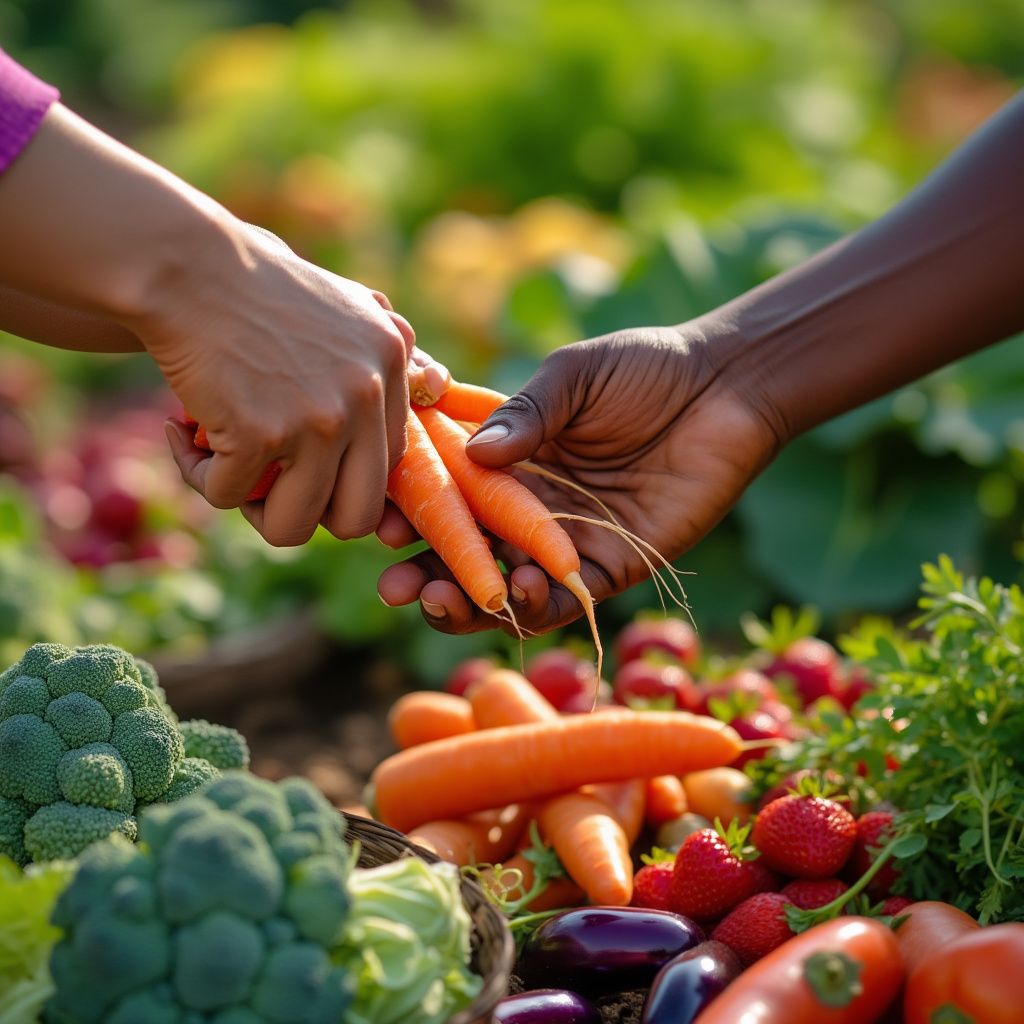
The Ministry of Agriculture of Barbados, in partnership with the Food and Agriculture Organization (FAO), hosted a workshop on the theme “Optimizing Agricultural Production through High-Precision Digital Crop Management Systems.” This event highlighted the importance of “precision agriculture in Barbados” and its potential to transform the agricultural landscape of the island.
An Essential Workshop for the Future of Precision Agriculture in Barbados
This initiative took place on Monday, December 2, 2024, in the Ministry’s Conference Room, located at Graeme Hall, Christ Church, Barbados. The workshop aimed to strengthen “precision agriculture”, which was crucial for sustainable development and food security in Barbados. By bringing together stakeholders from various sectors, the workshop served as a platform for sharing knowledge, experiences, and best practices in precision agriculture.
Project Background
The project, funded under the FAO Technical Cooperation Program, aimed to promote “precision agriculture” in Barbados and increase productivity through the integration of advanced digital crop management systems. The goal was to harmonize new technologies with traditional farming methods. This helped strengthen the agricultural sector of Barbados, ensured food security, and contributed to sustainable development.
In addition, the project focused on training farmers and agricultural technicians in the use of digital tools and technologies that could enhance crop management. By integrating these technologies, farmers were able to better monitor crop health, optimize resource usage, and ultimately improve yields.
Presentations by Recognized Experts in Precision Agriculture in Barbados
The workshop featured several presentations by recognized experts in the field. Among the speakers, Timothy Drakes, Project Focal Point at the Ministry, presented an analysis of the current state of vegetable cropping systems in Barbados.
Jervis Rowe, an international consultant for FAO, discussed the advantages of protected cultivation systems for vegetable production. These systems were particularly relevant in the context of climate change and helped farmers mitigate risks associated with unpredictable weather patterns. predictable weather patterns.
Melvin Medina Navarro, the FAO Project Lead Technical Officer, provided a comprehensive overview of the project’s log-frame, outputs, and activities, highlighting the expected impact of the project on local agricultural practices.
Discussions on Cross-Cutting Issues Affecting Precision Agriculture in Barbados
Additionally, discussions on cross-cutting issues such as gender equality, environmental considerations, grievance mechanisms, and communication strategies were led by Anne Desrochers, a specialist in plant production and protection at FAO. These discussions were essential for encouraging an integrated approach to developing “precision agriculture” in Barbados.
By addressing these issues, the workshop aimed to create an inclusive environment where diverse perspectives could contribute to the advancement of precision agriculture. It was crucial that all stakeholders, including women and marginalized groups, had a voice in shaping the future of agriculture in Barbados.
Importance of Precision Agriculture in Barbados
This workshop represented a valuable opportunity for stakeholders in Barbados to engage in constructive dialogue, ask questions, and contribute to the success of this vital project for the future of agriculture in the Caribbean.
“Precision agriculture” is a major issue that allows farmers to optimize their resources, increase productivity, and address environmental challenges. By integrating advanced technologies such as drones, sensors, and management software, farmers were able to make informed decisions that promoted sustainability. This not only enhanced productivity but also ensured that farming practices did not compromise the health of the environment.
As the agricultural sector in Barbados faced challenges such as climate change, population growth, and resource scarcity, the adoption of precision agriculture techniques became crucial. Farmers benefited from data-driven insights that helped them make better decisions regarding planting, irrigation, and pest management.
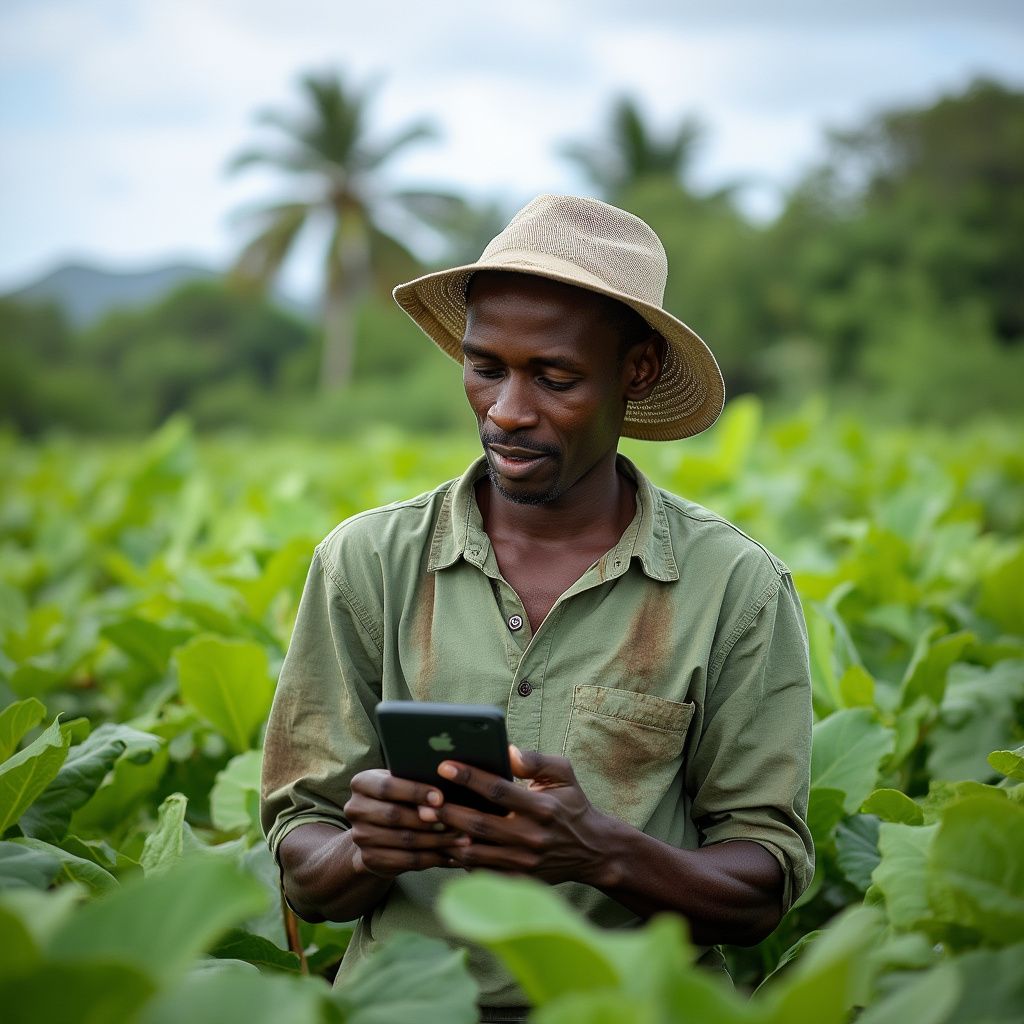
The workshop organized by the Ministry of Agriculture of Barbados and FAO was a crucial step towards enhancing “precision agriculture in Barbados.” By uniting the efforts of experts and stakeholders, this event paved the way for more sustainable and productive agriculture, thereby ensuring a better future for farmers and consumers in the Caribbean.
In summary, the integration of precision agriculture practices represented not just an opportunity for increased productivity but also a commitment to sustainability and food security in Barbados. We encourage all interested parties to reflect on the insights gained during this workshop to further explore the potential of precision agriculture in transforming the agricultural landscape of the region.





2 Responses