Sobers Esprit, an expert in tourism and cultural industries, offers an insightful perspective on the role of arts and festivals in shaping Dominica’s socio-economic landscape.
The Caribbean, often celebrated for its sun-kissed beaches and culture, is increasingly recognizing the untapped potential of its creative industries. At the heart of this transformation is Dominica, an island where culture pulsates through every facet of life.
Cultural Industries: from entertainment to economic powerhouse
“For a long time, arts and culture in the Caribbean were seen purely as entertainment,” explains Sobers Esprit. “But today, they are recognized as powerful drivers of economic growth and identity building.” This paradigm shift aligns with global trends, where creativity, knowledge, and experiences are becoming crucial economic assets.
Sobers Esprit highlights how countries like Jamaica and Trinidad and Tobago have leveraged their music industries to establish globally recognized cultural brands. “We have the talent in Dominica, but we lack the infrastructure and strategic investments to build a sustainable creative industry,” he asserts.


The economic significance of Dominica's carnival
Carnival in Dominica is more than just a celebration; it is an economic catalyst. Rooted in African heritage and post-emancipation traditions, the island’s carnival showcases unique costumes such as the iconic Sennse, crafted from recycled materials. “Carnival generates millions in revenue and creates a vast ecosystem involving musicians, costume designers and builders of traditional masquerade forms, song writers, performing artists (calypso and bouyon singers), pageant planners and competitors, event planners, and small businesses, among others” says Sobers Esprit.
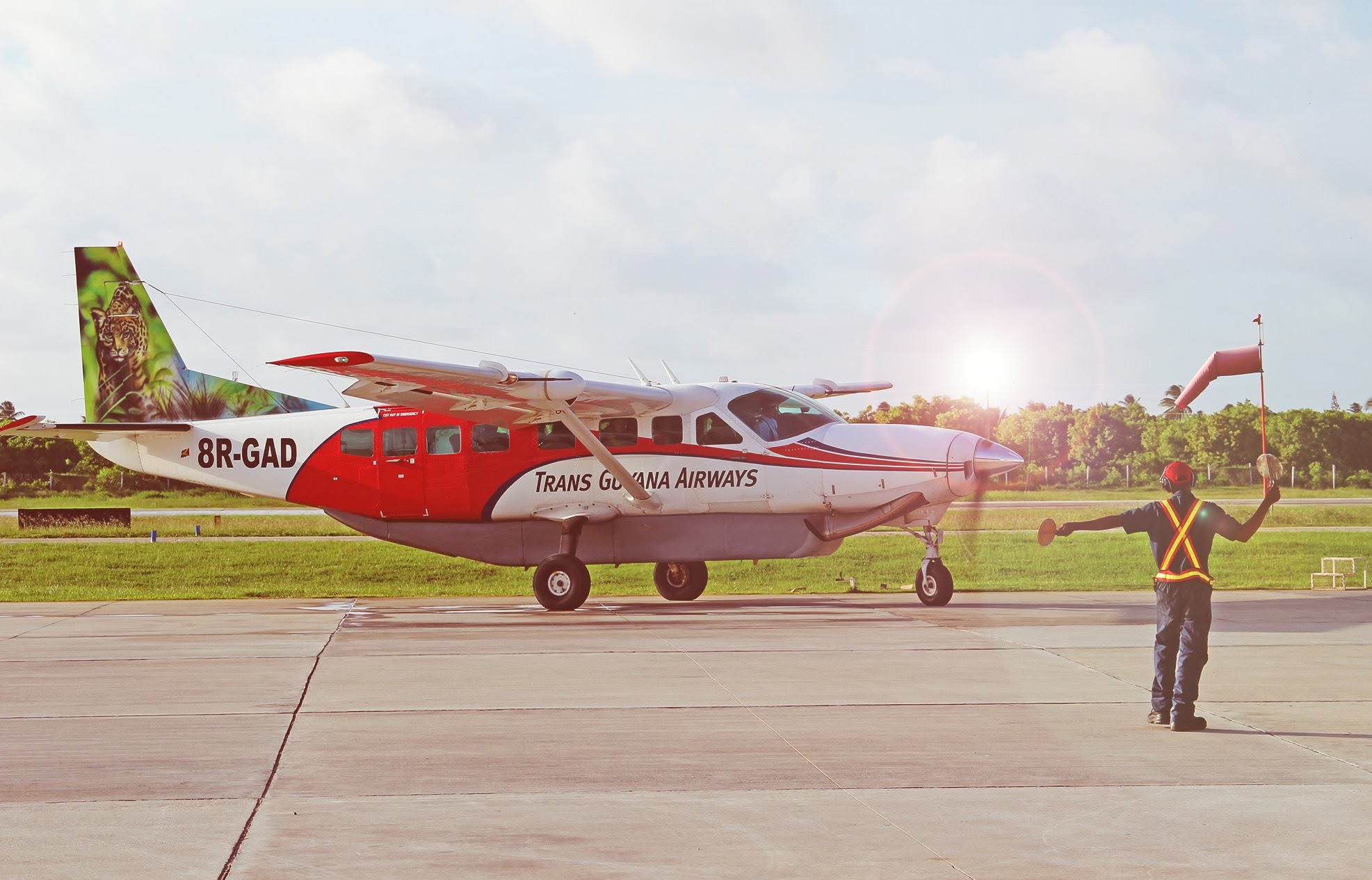
Despite its economic promise, challenges persist. Limited air access and insufficient accommodation capacity remain major hurdles. “If we want to fully harness the potential of our carnival, we must address these logistical constraints,” he emphasizes.


Building a sustainable cultural economy
To transform culture into a long-term economic driver, Sobers Esprit advocates for strategic investments in key areas:
- Infrastructure Development: “We need dedicated spaces for performances and production facilities to nurture talent,” he suggests.
- Continuous Training: Investing in educational programs to enhance the skills of artists and cultural practitioners.
- Copyright Protection: “Artists must be assured that their intellectual property is safeguarded to ensure fair compensation.”
- Fiscal Incentives: Reducing import duties on materials used in cultural production to support local entrepreneurs.
Marketing Caribbean culture on a global stage
A shared calendar of Caribbean carnivals could significantly boost regional tourism and attract a broader audience. “Joint marketing efforts can position the Caribbean as a year-round cultural destination,” notes Sobers Esprit. By collaborating across borders, the region can present a united front and maximize its collective potential.
Regional Collaboration: strengthening cultural ties
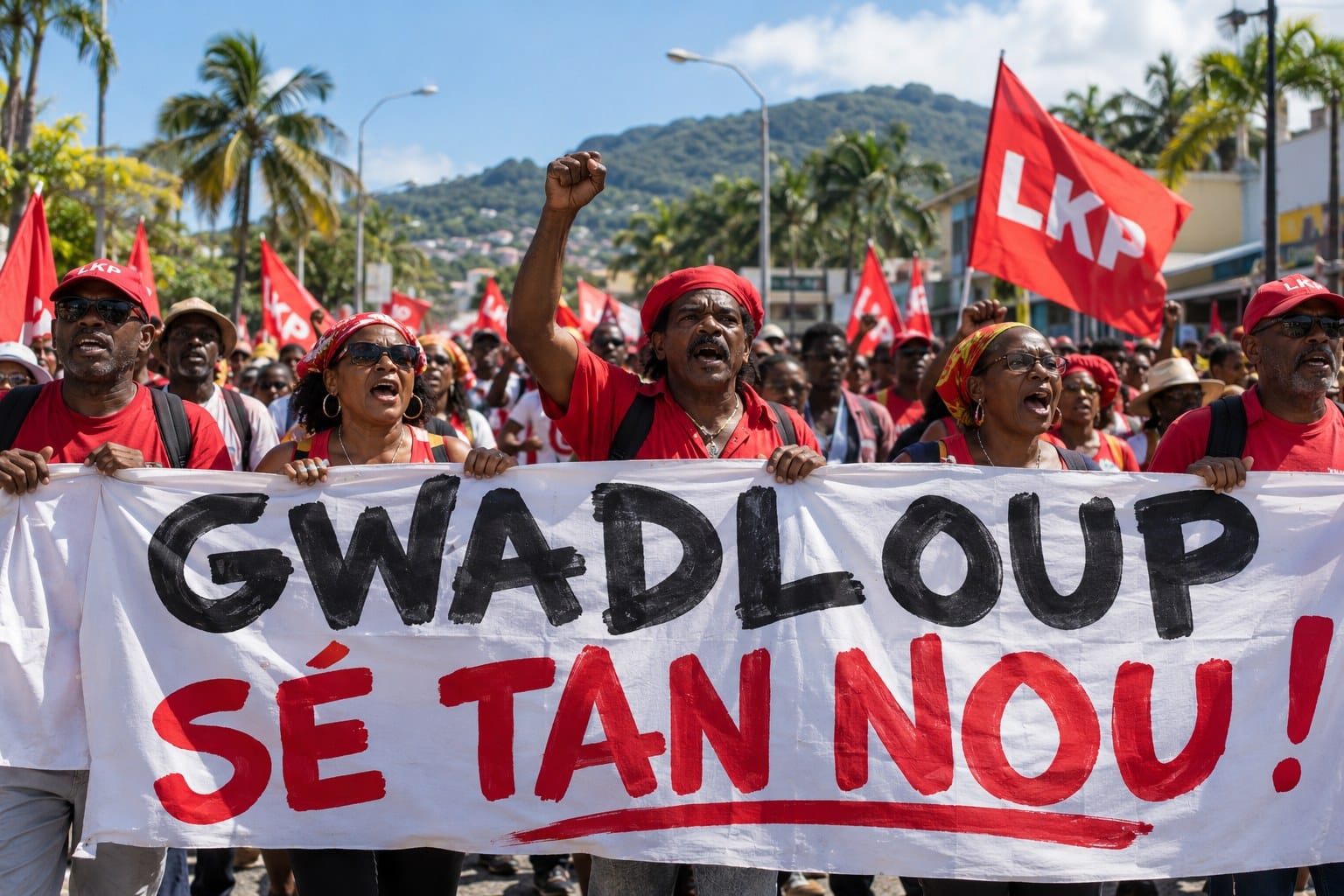
Esprit emphasizes the importance of collaboration across Caribbean islands to create a thriving cultural economy. “We have been working with neighboring islands such as Saint Lucia, Guadeloupe, Trinidad and Tobago and others to share best practices, promote cultural exchanges, and foster regional unity through our festivals,” he shares. These partnerships have enabled knowledge-sharing and capacity building, essential for strengthening the creative industries across the region.
One such initiative includes discussions with the New Orleans Carnival organizers to establish a platform for sharing ideas and strategies. “This collaboration will allow us to learn from international experiences while showcasing the unique richness of our Caribbean culture to the world,” Esprit notes.
Additionally, joint projects like a regional carnival calendar and co-hosted events aim to enhance visibility and attract a wider audience to Caribbean cultural offerings. “By working together, we can position the Caribbean as a premier cultural destination year-round,” he adds.
A Call for collaboration and investment
For the Caribbean to fully benefit from its cultural assets, collaboration is crucial. “We need to work together, promote our festivals as a unified product, work to solving the challenging issue of intra-regional travel and affordable accommodation especially for regional travelers, prioritized training and capacity building for creative practitioners and secure meaningful investments to strengthen the ecosystem of our creative economy,” urges Sobers Esprit. He underscores the importance of changing perceptions: “Art and culture are not mere pastimes; they are essential components of our economic and social fabric.”
A vision for the future
As Dominica and the wider Caribbean move towards an economy centered on creativity and knowledge, stakeholders must take decisive action. “The future of our region depends on our ability to generate and market new cultural content,” concludes Sobers Esprit. “With the right support, the creative industries can drive sustainable development, foster national pride, and create opportunities for generations to come.”
Richès Karayib, dedicated to showcasing the richness of Caribbean culture, stands as a testament to this vision. Through strategic partnerships and storytelling, the platform continues to advocate for the recognition and growth of the region’s cultural industries.
Dominica’s cultural heartbeat is strong—it’s time to turn up the volume and let the world listen.