In St Eustatius, a small Caribbean island with a rich and often little-known past, transmission is not limited to history books. It is also built through words, living memory and collective commitment. This is precisely the ambition of the Heritage in the Making project, a community initiative that places senior citizens at the heart of the story and questions, with finesse, the St Eustatius cultural heritage in its human, social and forward-looking dimensions.
Supported by Euxtopia Innovations, this project took place over an entire year, in a deliberately long period of time. Time to listen, dialogue, create and, above all, recognize the central role played by seniors in shaping the island’s future. During the festive season, the seniors of St Eustatius received not a material gift, but a much more lasting one: recognition of their voice and their role in contemporary society.
Shaping stories, preserving living memory
The St Eustatius cultural heritage is more than just its colonial vestiges and volcanic landscapes. It lives in the memories, experiences and reflections of those who have seen the island evolve over the decades. Heritage in the Making is based on in-depth conversations with senior citizens, organized in the form of guided storytelling sessions and creative workshops.
These exchanges transformed memories, sometimes intimate, sometimes collective, into written accounts and visual works. Participants shared their concerns, their hopes and their vision of the future, contributing to a global reflection on the island’s social, economic and cultural changes. A process that goes beyond the simple preservation of the past to make memory part of an active, forward-looking dynamic.
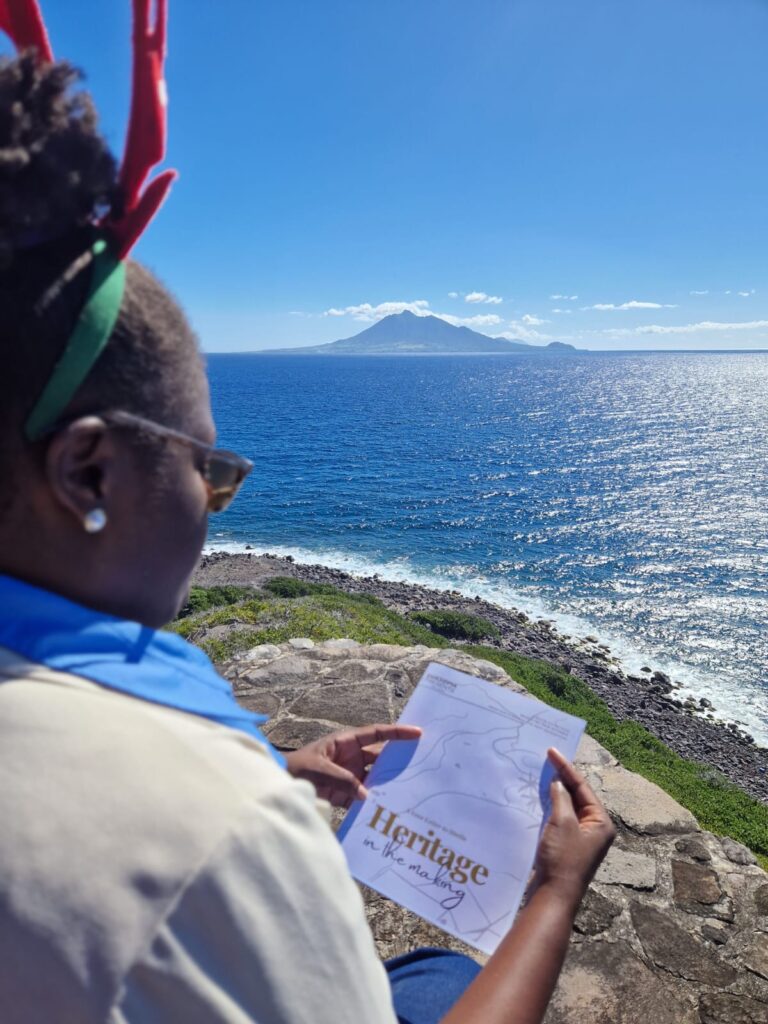
A creative team at the service of the community
Under the direction of project manager EEdrieënna Brandao, a committed team accompanied the seniors throughout the process. Alongside community organizer Danielle Rivers, author Fí de Wit and content specialist Sabrina Richardson, the participants evolved within a structured, respectful and caring framework. The approach adopted was based on listening, dialogue and co-creation, ensuring that each voice was fully taken into account.
This methodology strengthened the sense of belonging and recognition, while building bridges between generations. By highlighting the stories told by our elders, the project also offered younger people a more nuanced and embodied reading of the past. St Eustatius cultural heritage far cry from fixed or institutional discourse.
Regional cooperation at the heart of the project
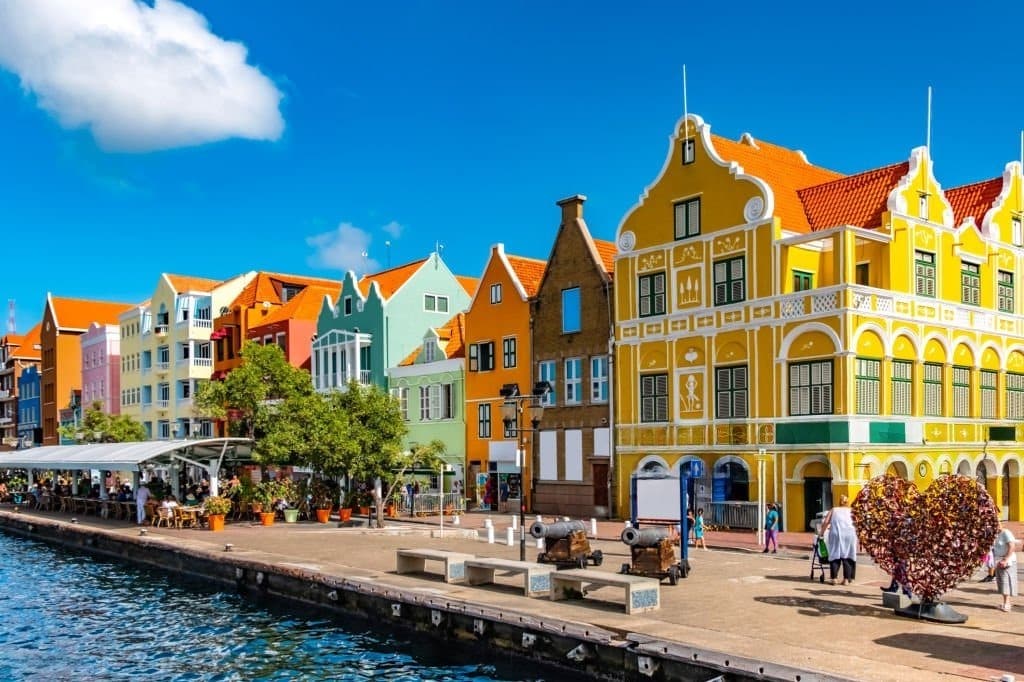
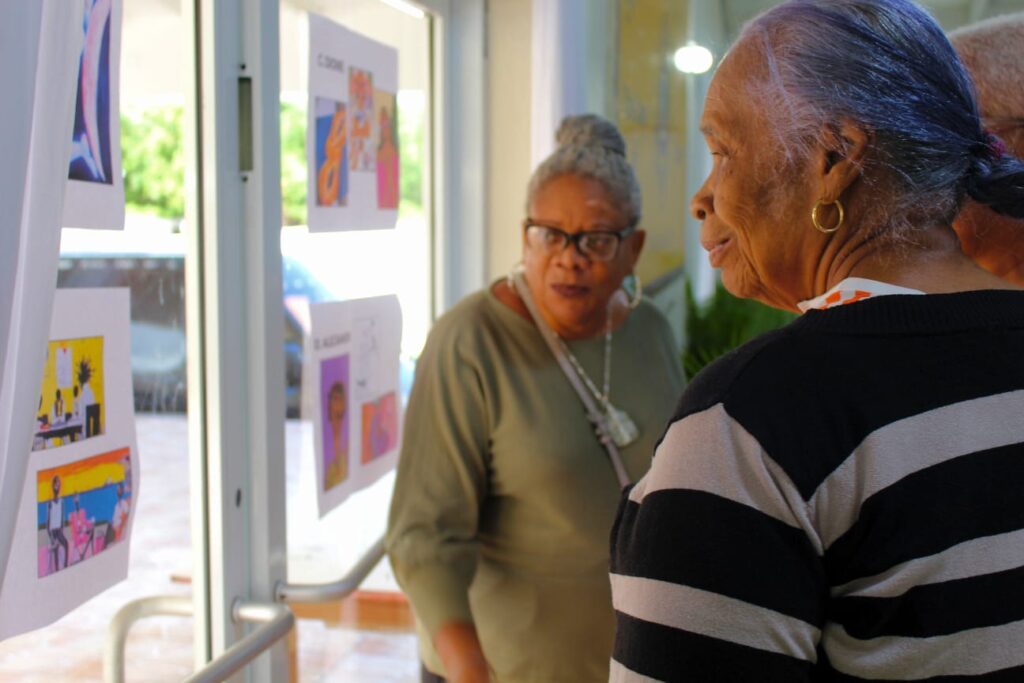
The initiative was distinguished by its regional openness. The collected stories took on a visual dimension thanks to the work of Curaçao-based digital illustrator Dione-Ariadne Bergland, whose works sensitively convey shared memories and emotions. Elton Villarreal, from Trini Inc, also led creative workshops, enabling senior citizens to play an active part in the artistic process.
This trans-Caribbean collaboration illustrates another facet of St Eustatius cultural heritage its place in a regional space where exchanges, influences and solidarity play a key role in contemporary creation.
Reflecting on the present to think about the future
On December 6 and 7, brainstorming sessions addressed key themes such as culture, education, community vitality, banking services and infrastructure. These discussions enabled senior citizens to cross-reference their past experiences with their aspirations for the island’s future. An approach that gives the St Eustatius cultural heritage a resolutely political and civic dimension.
On December 10, a preview launch brought together participants to hear the first results of the project. This moment of sharing marked the culmination of a collective journey, and the recognition of the role of senior citizens as agents of change, rather than mere witnesses to the past.
A publication as archive and transmission tool
The stories and works from the project have been brought together in a carefully designed print publication. Both a cultural document and a community archive, this work helps to preserve local memory while inspiring future generations. It is fully in keeping with the logic of sustainable development of the St Eustatius cultural heritage by combining transmission, creation and civic commitment.
The project was supported by institutional and cultural partners, including the Fonds voor Cultuurparticipatie, Cultuurfonds Caribisch Gebied, local financiers and the Statia Roots Festival. A decisive support for an initiative that demonstrates that culture, when anchored in the territory, becomes a powerful lever for cohesion and collective projection.
Through Heritage in the Making, St Eustatius reminds us that its future is also built by listening to those who carry its memory. A valuable lesson for the Caribbean as a whole, where the St Eustatius cultural heritage is an example of living, participative and deeply human transmission.
Seniors are the bearers of a living memory, transmitted through direct experience. In St. Eustatius, their words document the social, cultural and economic history of the island, while feeding collective reflection on its future.
The project transforms oral histories into lasting written and visual archives. It contributes to preserving St Eustatius cultural heritage while making it accessible, shared and alive for future generations.
Heritage in the Making does more than simply preserve memory. It engages seniors in active reflection on contemporary issues – culture, education, infrastructure – and places the cultural heritage of St Eustatius in a forward-looking dynamic.