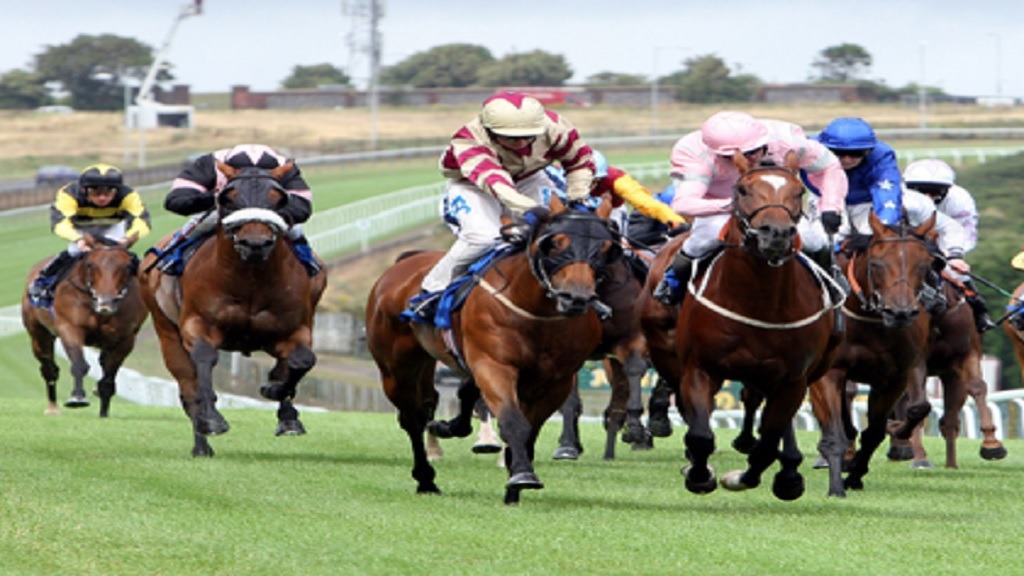
Horse racing are an integral part of Caribbean culture and a much-anticipated event every year. However, the search for a suitable venue for the creole equestrian races and independence in 2025 is facing major challenges. The old Vufort track, known as Kakabeff, is now inaccessible due to the extension of a fuel depot by the Rubis company. This article looks at the Southern Equestrian Association’s efforts to overcome these obstacles and ensure that these iconic races can go ahead in the near future.
A new start for equestrian racing in 2025
With the impossibility of using the Kakabeff, the Association Équestre du Sud finds itself in a delicate situation. Despite this, President Trois Melchor and his team are determined to find a new site.
“The 2025 Creole and Independence Equestrian Races are a key event for our community”, stresses Melchor. The association is currently exploring various alternative options, including a circular track, in order to maintain the enthusiasm surrounding this event.
Challenges to overcome
The loss of the old track has caused concern among racing enthusiasts. The question is: how can we keep young people interested and committed to the sport? Horse racing represent an opportunity not only for entertainment, but also for personal development. The association is committed to keeping them active in a productive environment and offering them opportunities to get involved.
Focus on youth
One of the main objectives of the Association Équestre du Sud is to develop young people. Commitment to keeping them off the streets and involved in constructive activities is a priority. The association works tirelessly to offer programs that encourage equestrian skills and responsibility. “We don’t own any property, but our determination to succeed is unshakeable,” says Melchor.
The search for a new location
The Southern Equestrian races Association is leaving no stone unturned in its quest for a new racing venue. Several potential sites are being examined, even outside the usual circuits. “We have ongoing discussions with SLASPA about other options, said Melchor. This could include less conventional tracks, but just as suitable for organizing races.
A vision for the future
President Melchor is convinced that the future of equestrian races is bright. “Although this is a delay, we are committed to finding solutions, he says. The association of equestrian races is also looking to work with local businesses for logistical and financial support.
Upcoming events
The celebration of independence is a highlight for horse racing. The association plans to organize an event, even if this cannot be done at full capacity. “We want to offer something to the public, adds Melchor. This could take the form of an exhibition or an equestrian demonstration, allowing enthusiasts to gather around their love of horses.
The Kakabeff story
Kakabeff isn’t just an old track; it’s steeped in history. Used by an American military base during the Second World War, it was transformed into a venue for racing and public events. This transformation has provided enthusiasts with some unforgettable moments. However, with development projects underway, the community must adapt to this change.
The impact of Rubis
Rubis’ decision to build a depot had a direct impact on the equestrian community. Although the association was aware that it did not own the site, the loss of this space was a major blow. “We’re disappointed, but we have to move on, says Melchor. The association is counting on the support of the community to get through this difficult period.
The Creole equestrian races and independence races of 2025 are more than just an event. They are an opportunity to bring the community together, celebrate equestrian culture and develop youth. Despite the challenges, the Southern Equestrian Association is determined to find creative solutions. The future of equestrian racing looks bright, thanks to the passion and commitment of those who believe in the sport. In the end, no matter where it takes place, the essence of horse racing will continue to shine through.