

Reflections and Perspectives on Interconnections and Multi-Destination Travel Opportunities
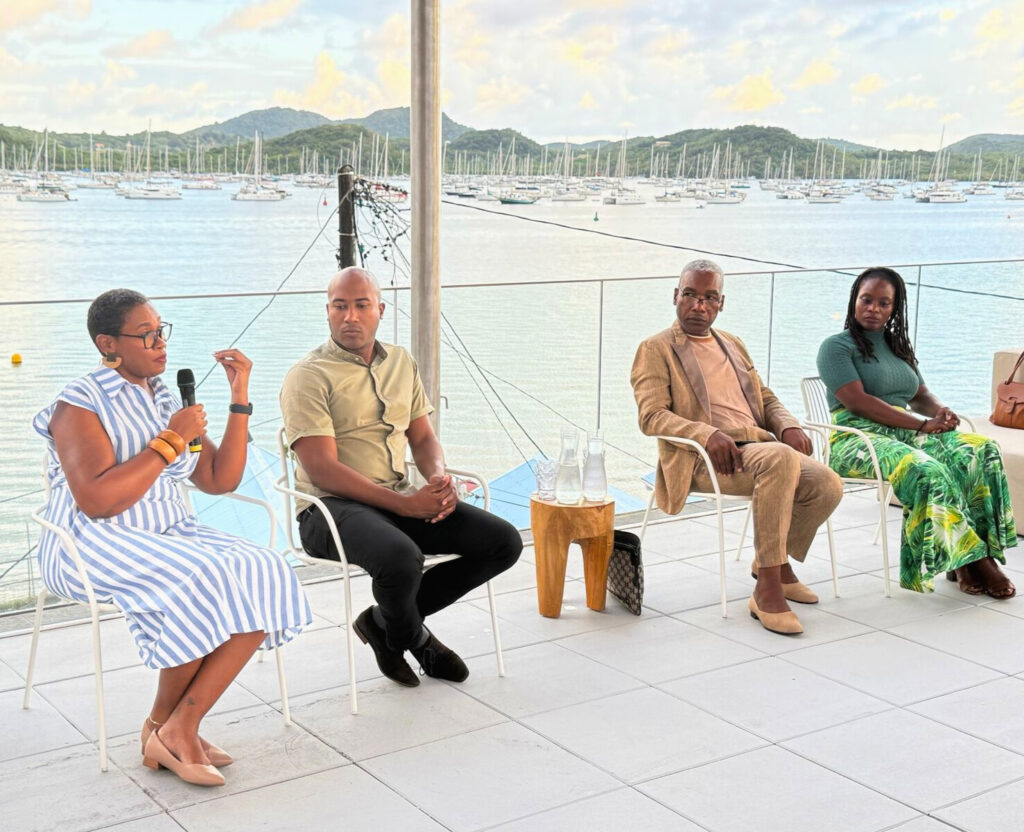
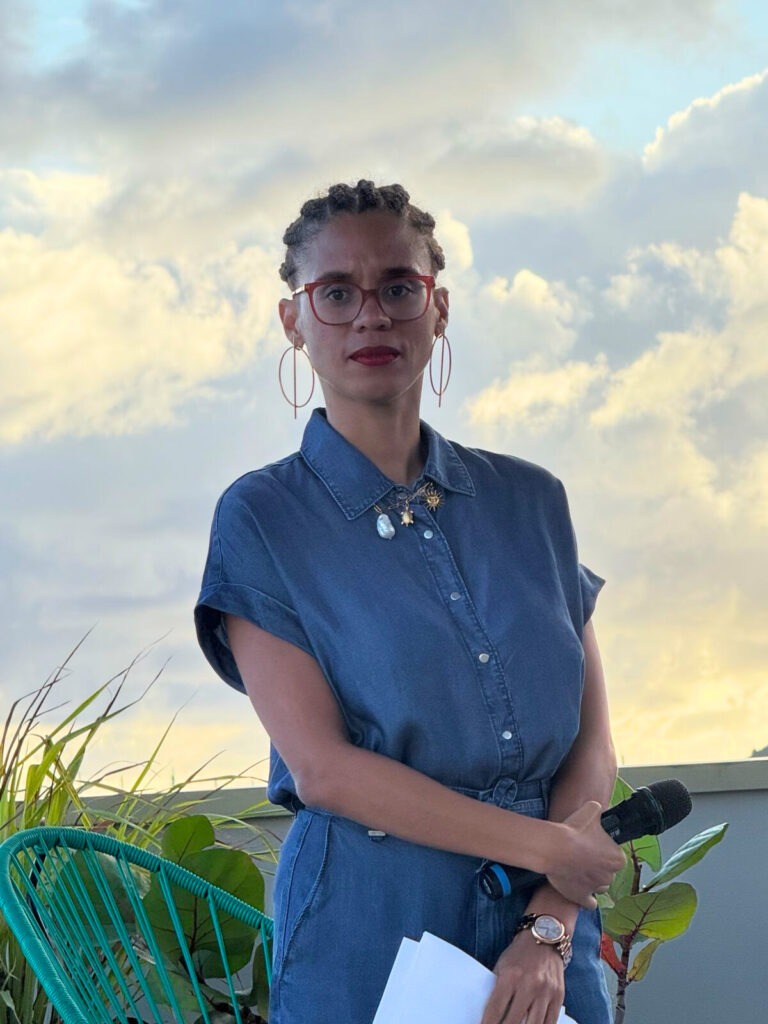
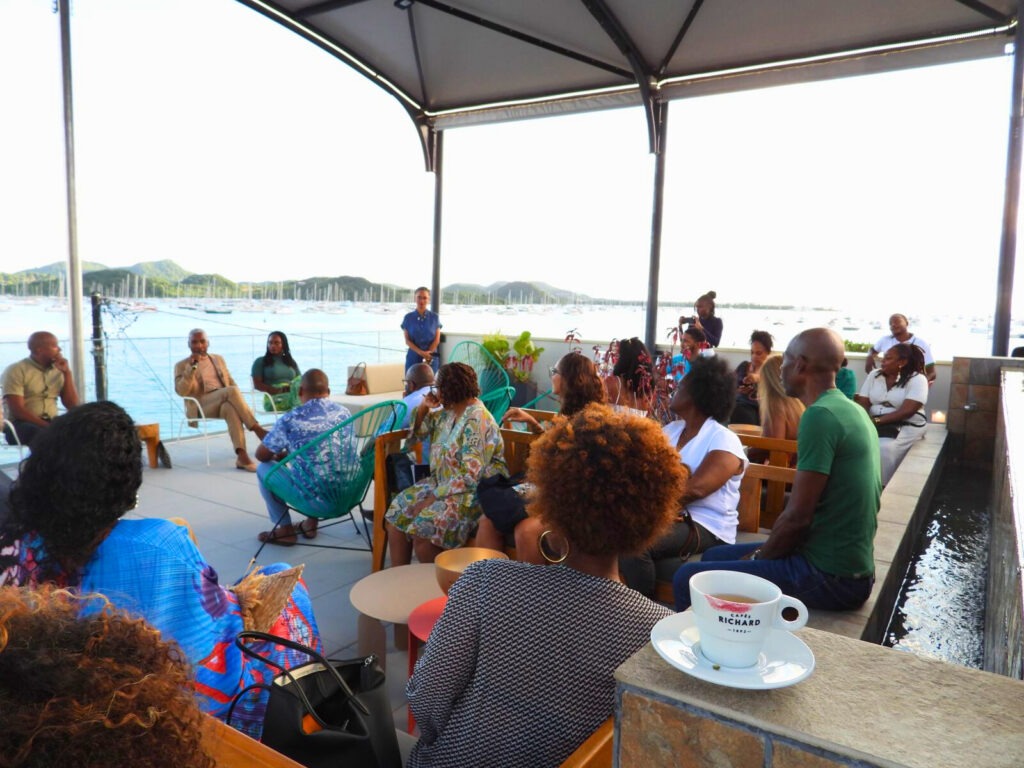
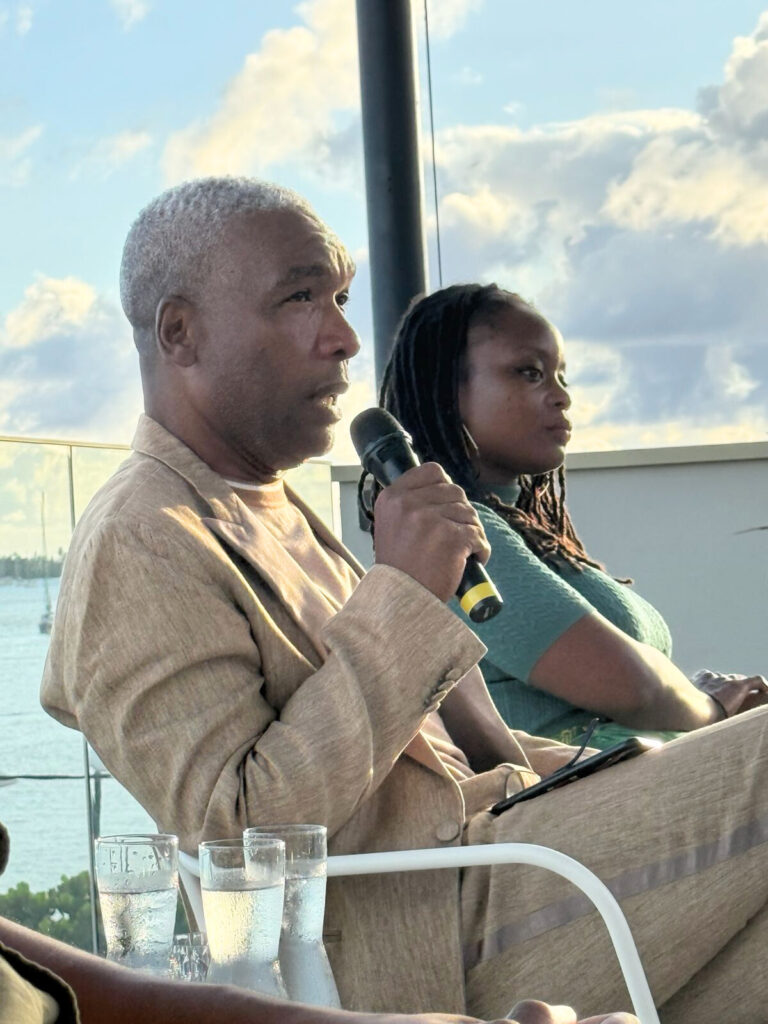
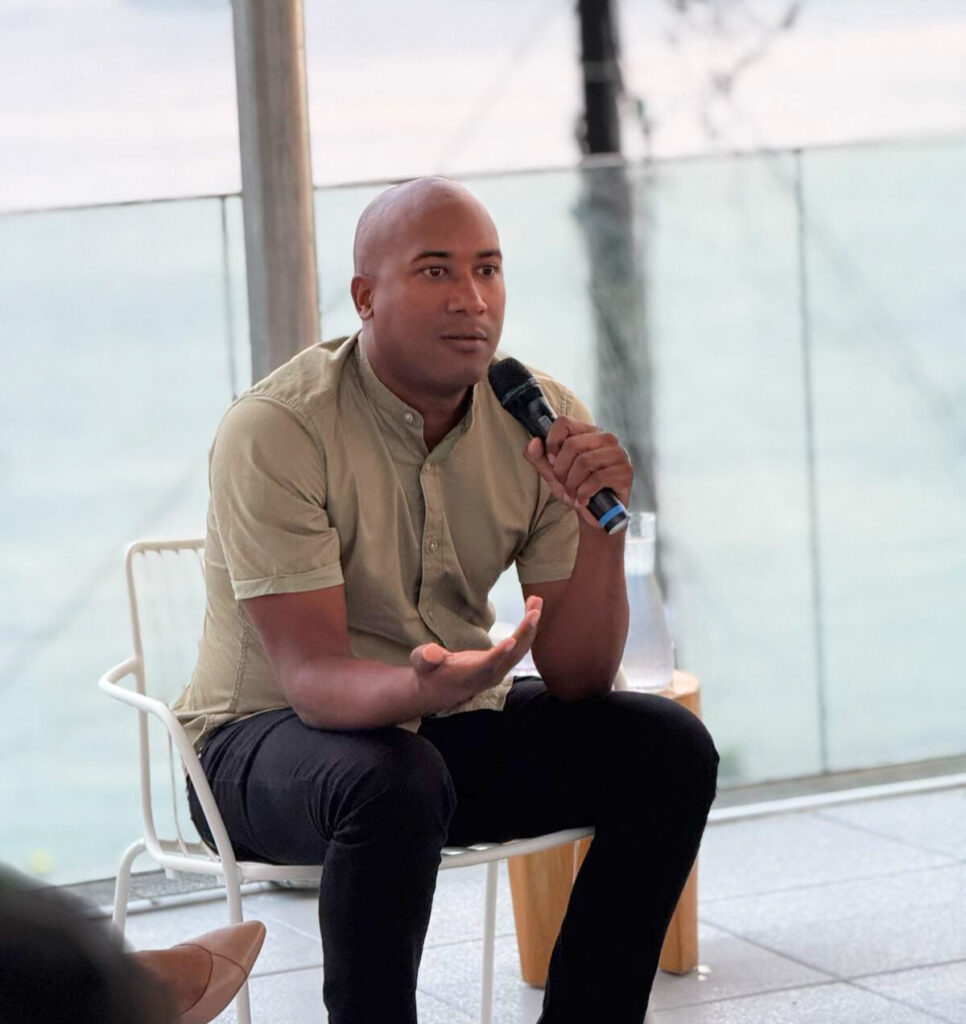
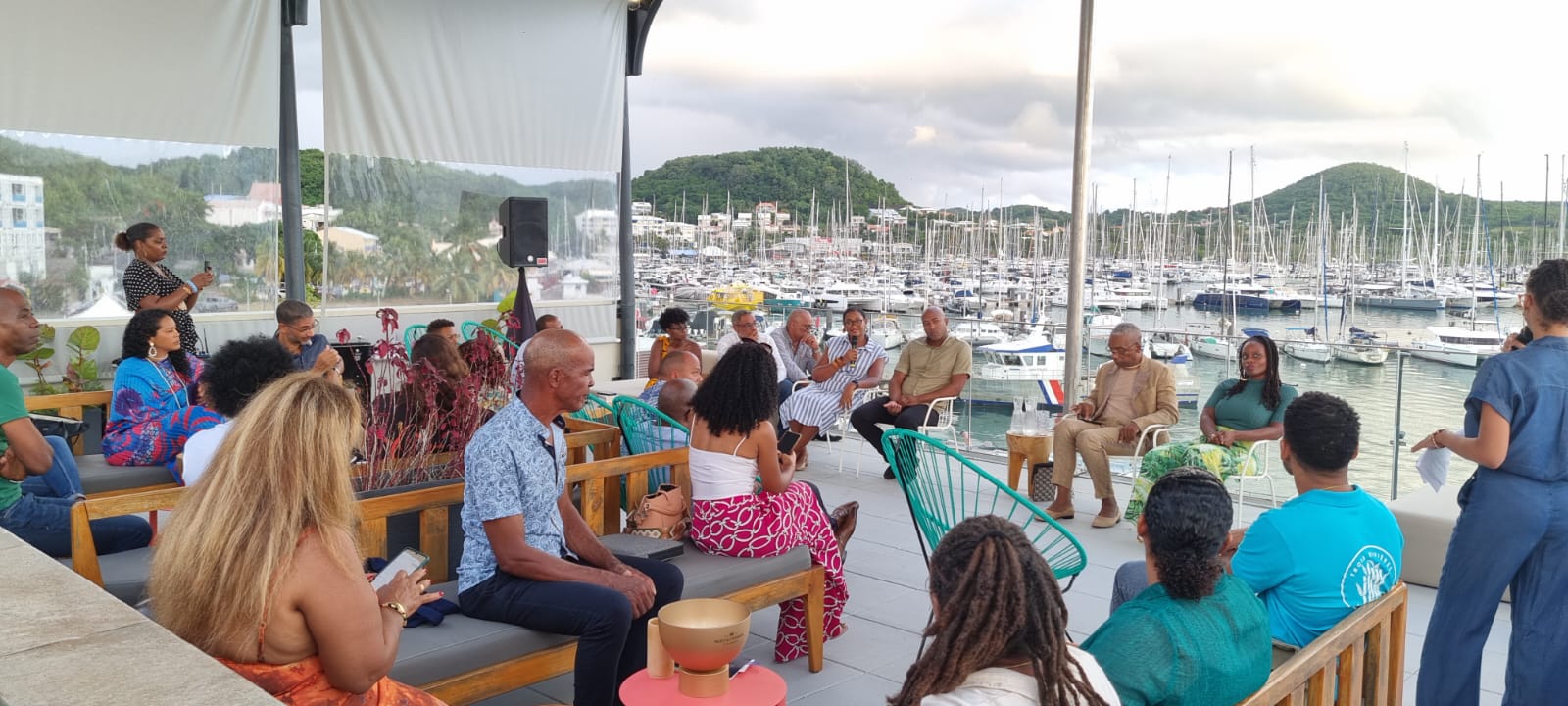
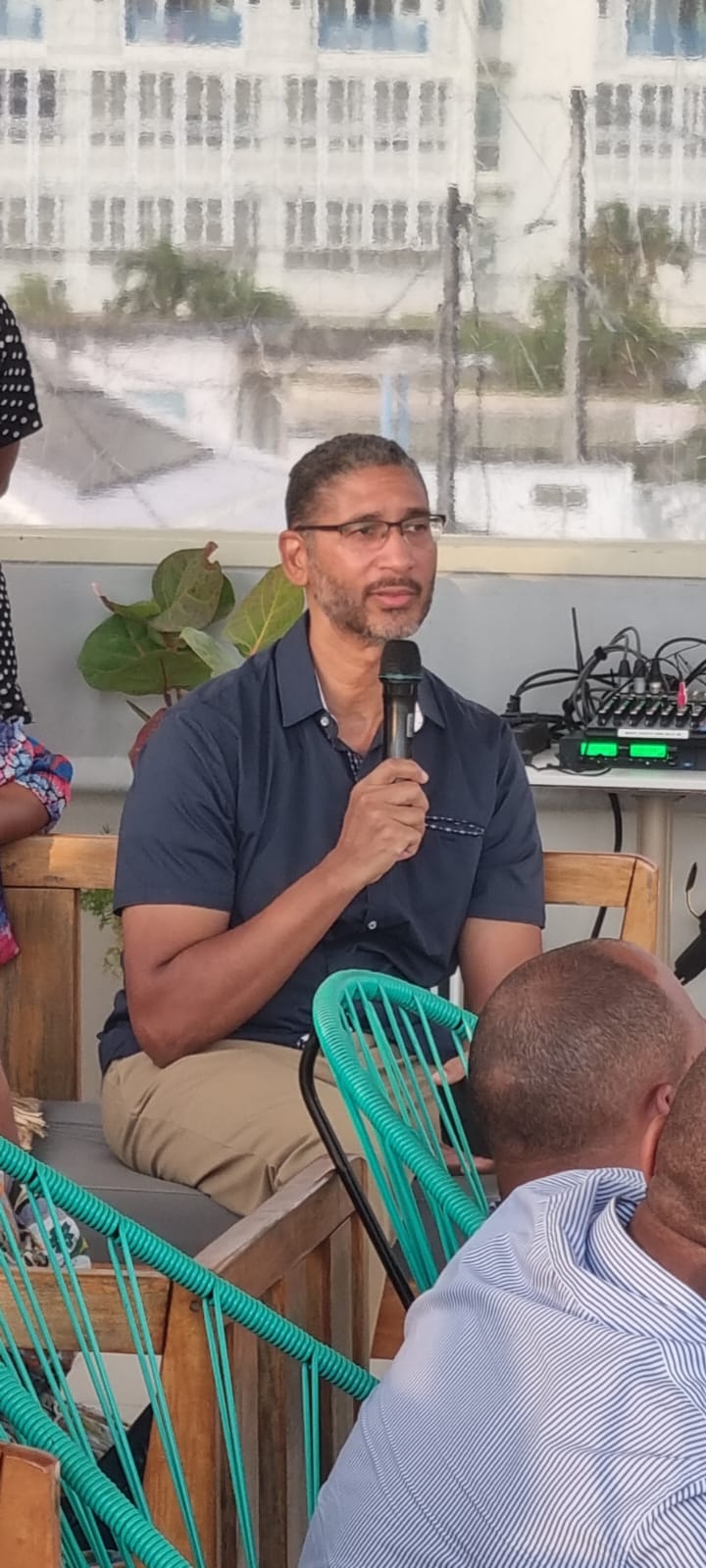
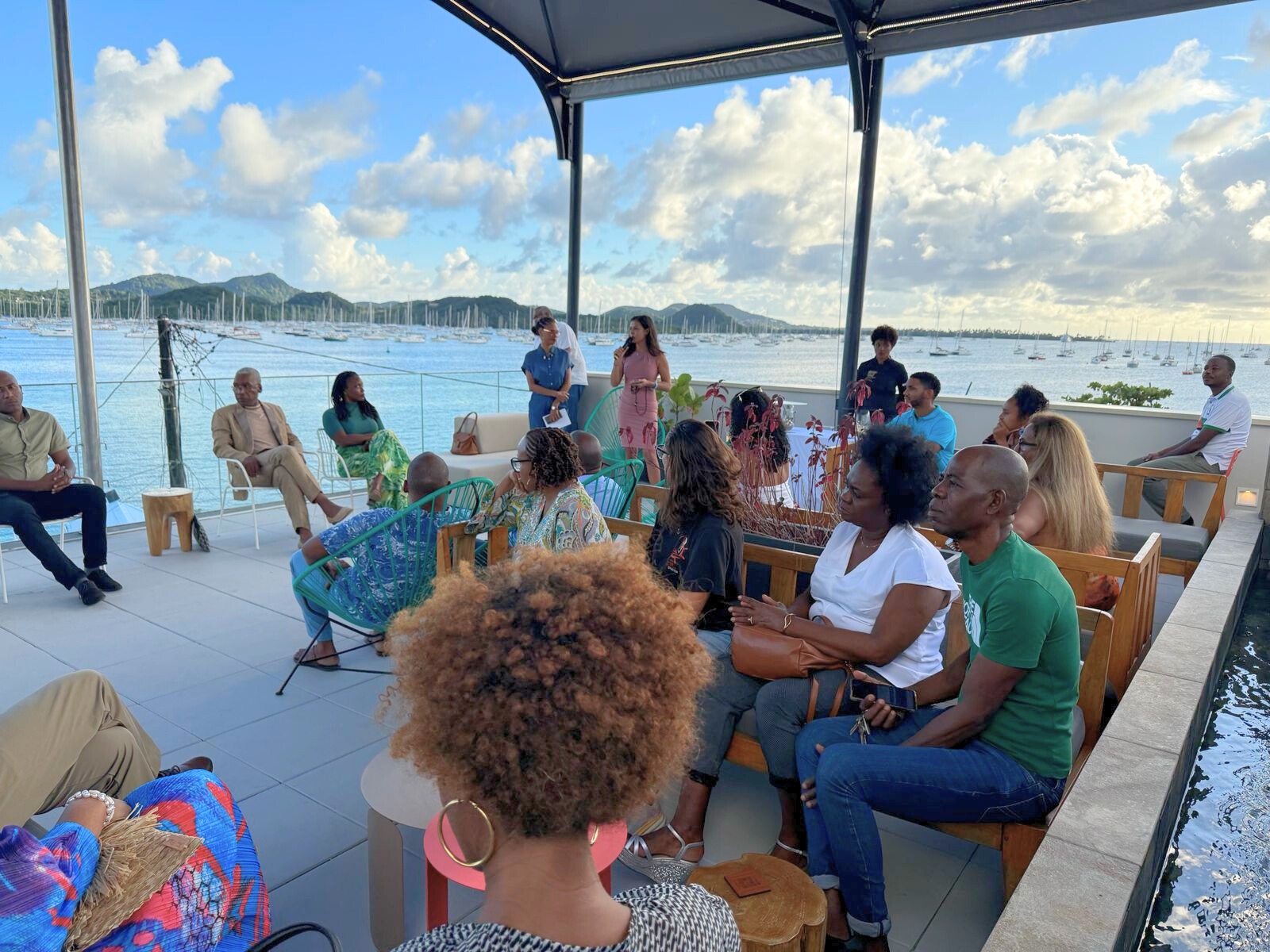
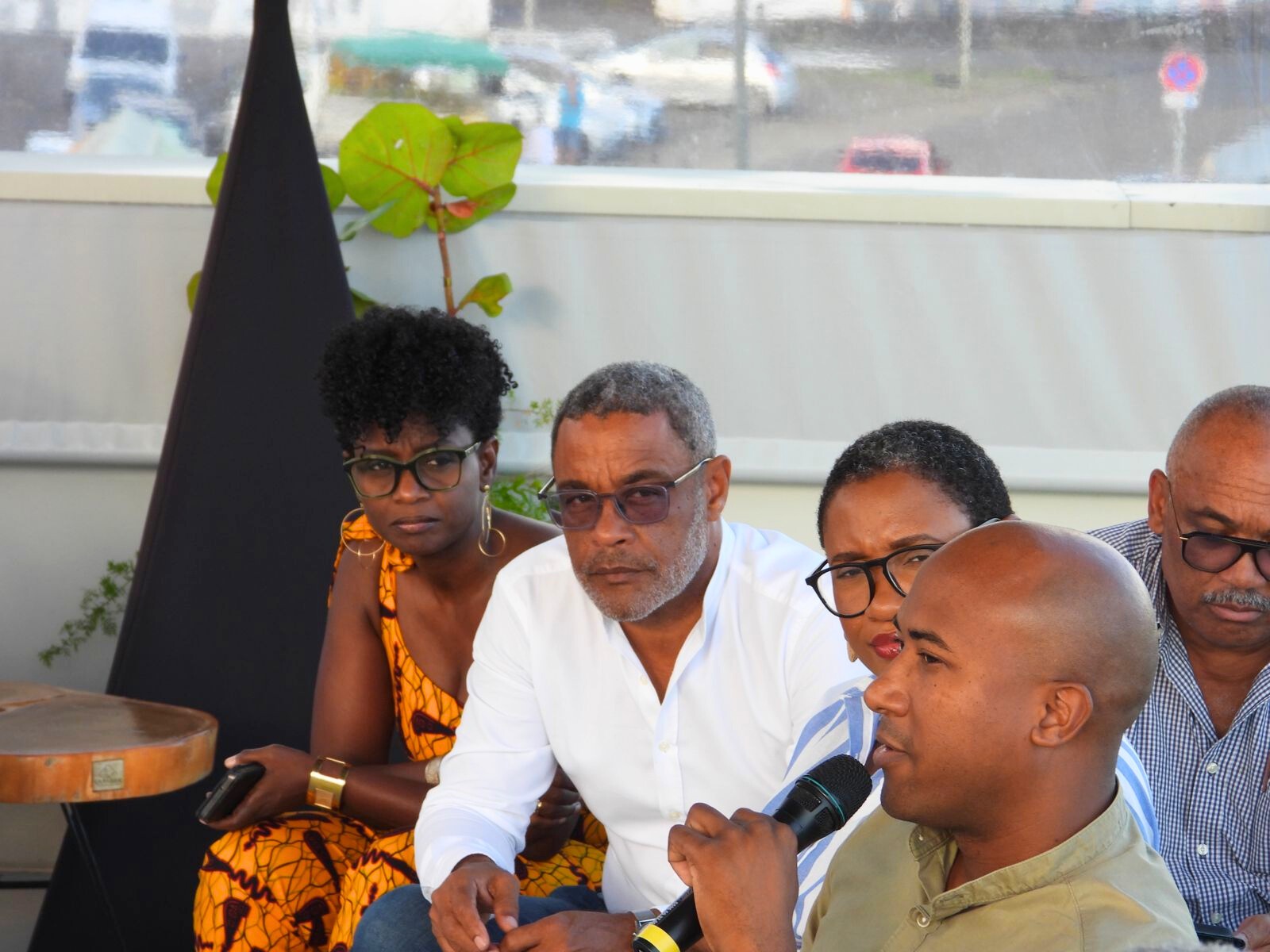
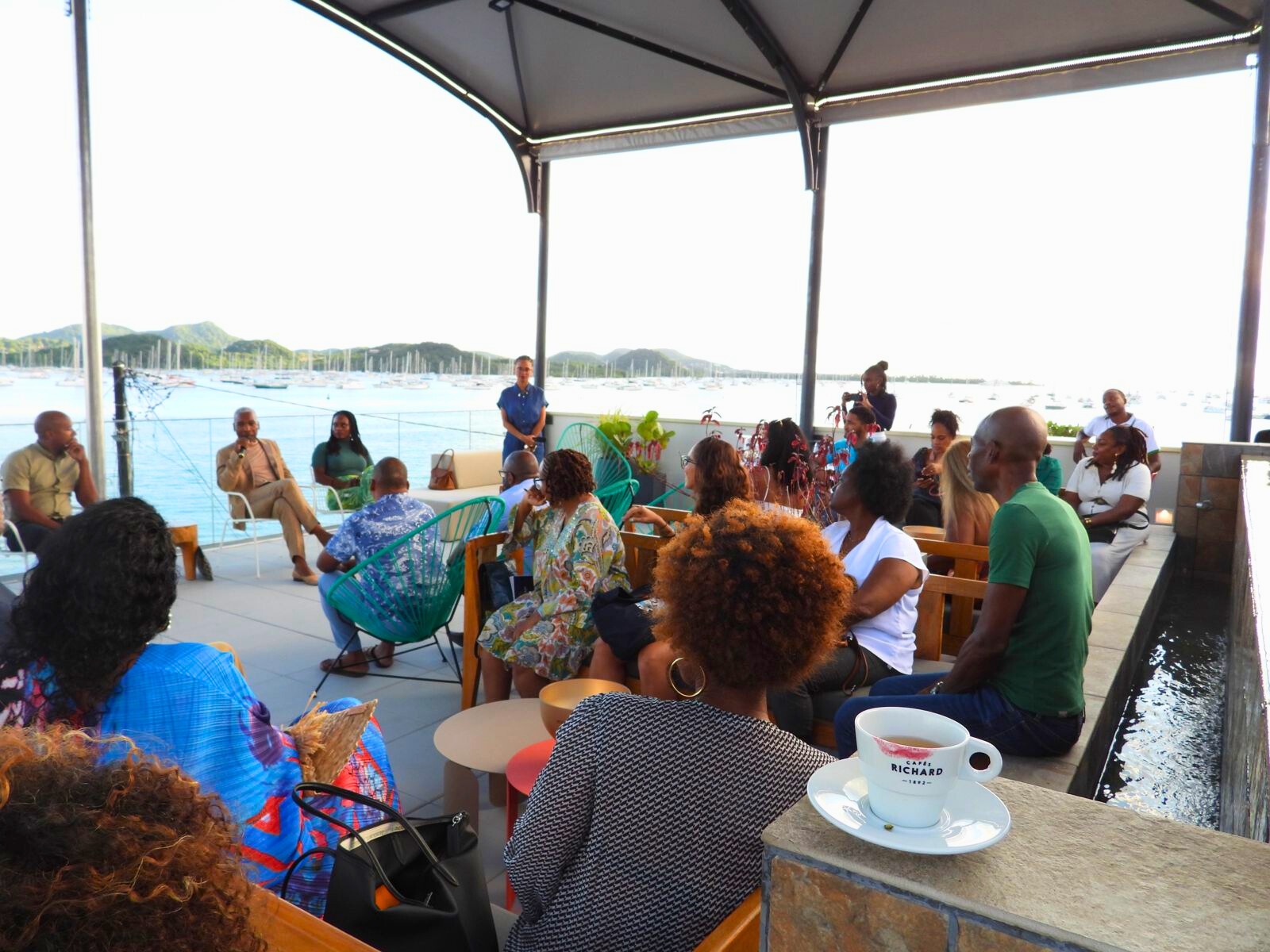
The tourism in the Caribbean is a booming sector, and on January 16th, the Hotel Sable Bleu, under the impetus of its owner Fabrice Belliardproject manager Audrey-Morgane KINDT and the team, organized an exclusive Tea-Time in Le Marin, Martinique, around the key theme: The Caribbean, inter-island exchanges and multi-destination stays, hosted by Madly Schenin-King. The event brought together major players in Caribbean tourism, including Andia Ravariere of Discover Dominica, Piétrick Voyer, Director of Operations at Barbados airport, Michael Eutrope, luxury hotel consultant in Antigua, and Lina Plume, manager of the Plume Évasion agency.
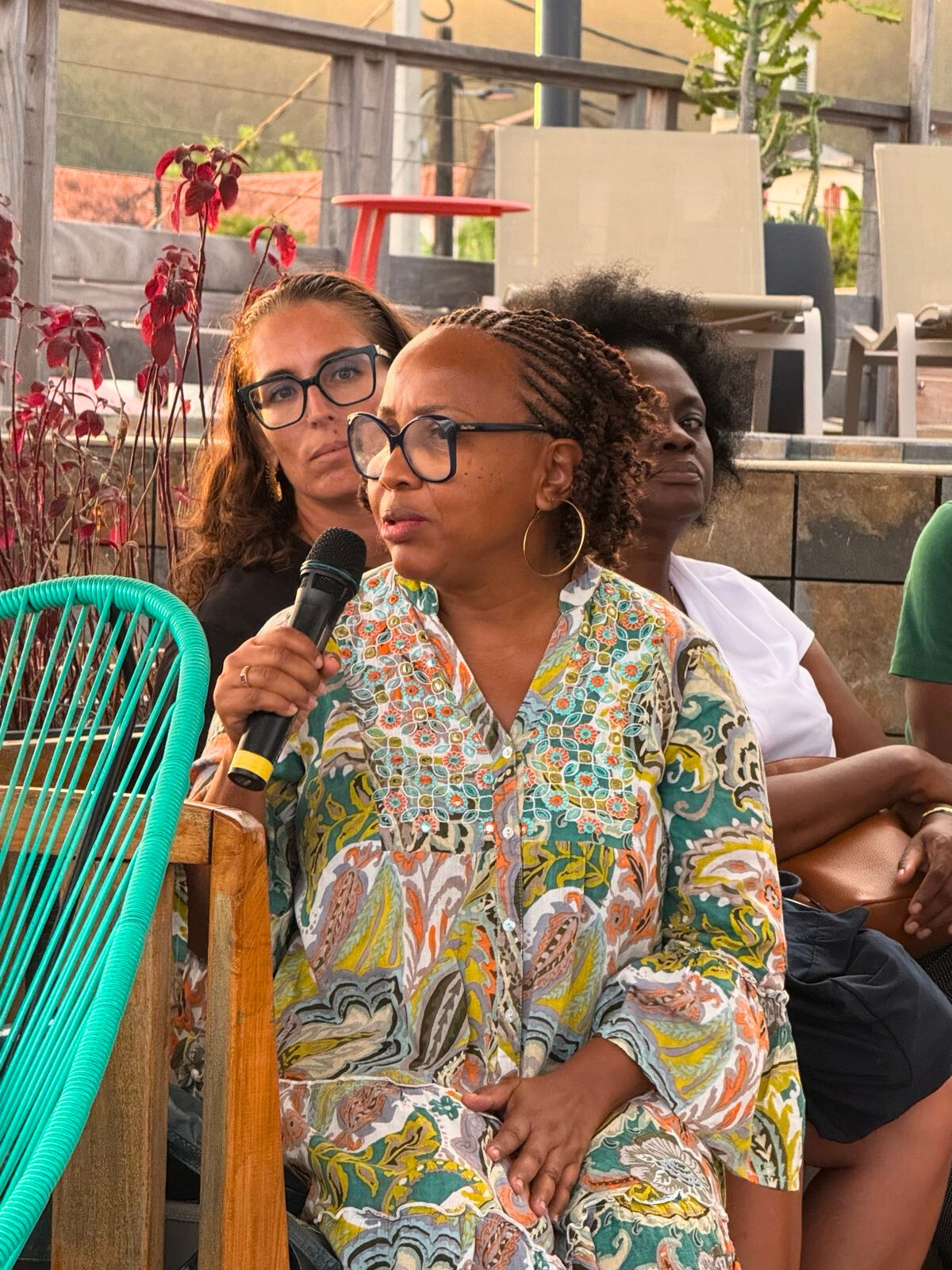
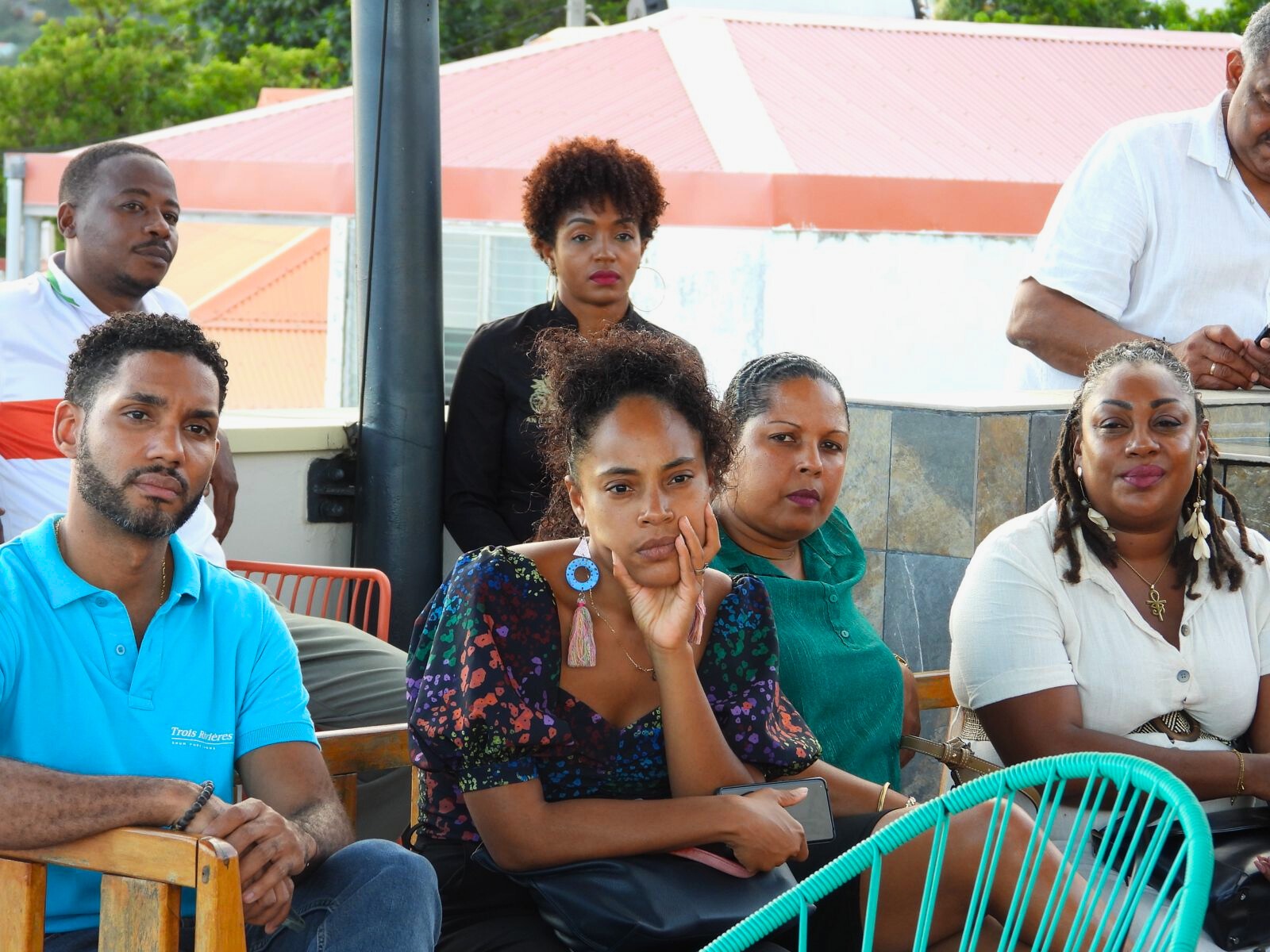
The event was also attended by a varied Caribbean audience, including Annie-Claude Lefroy, representing Saint Lucia, a representative of Sunrise Airways Dominica, Colin Piper, and Alexandre Ventadour, President of the Attractiveness, Economic Development, Digital and Tourism Commission at the Collectivité Territoriale de Martinique (CTM). Representatives of the Comité du Tourisme de la Martinique, Air Caraïbes and many other influential figures were also present.—
The Caribbean, a multi-faceted destination
Each Caribbean island has its own identity, unique cultural wealth and distinct tourist attractions. While some, like Dominica, are renowned for their sustainable eco-tourism, others, like Antigua and Barbuda, are focused on luxury tourism, attracting a high-end customer.
According to Andia Ravariere, Dominica stands out for its focus on nature and sustainability, with immersive experiences that emphasize cultural authenticity. The destination mainly attracts the North American and French markets, looking for vacations that combine adventure and well-being.
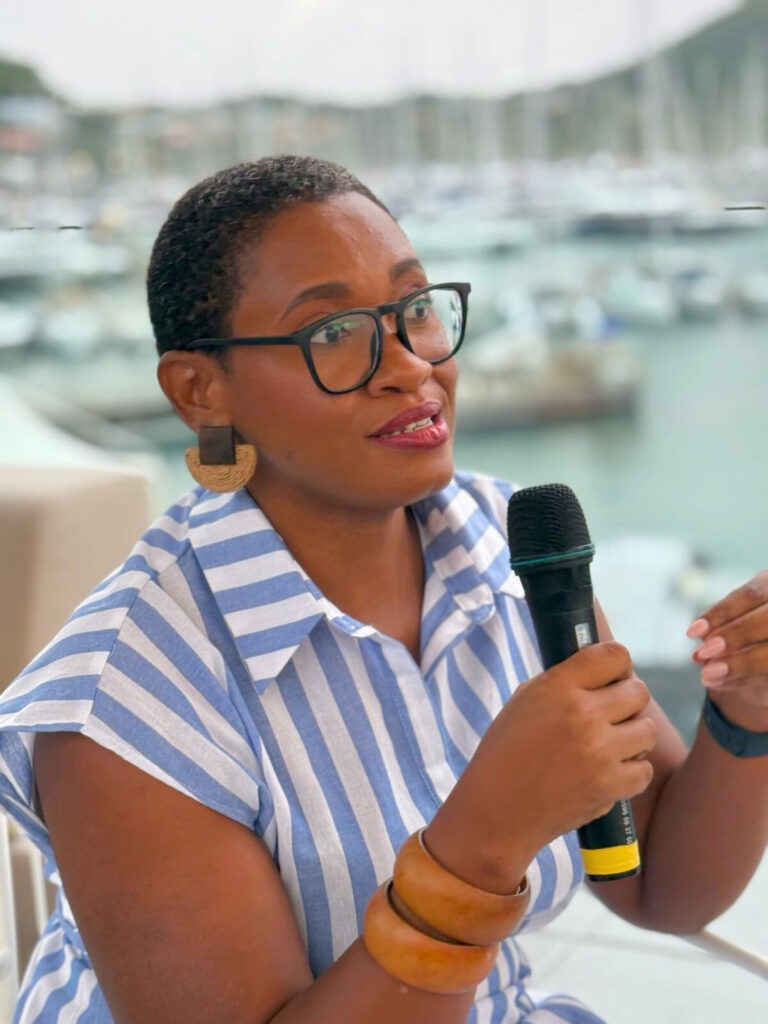
“Our target market brings together people looking to reconnect, whether with loved ones or with nature. Dominica is perceived as a nature island, focused on sustainability and cultural authenticity.”
She also stressed the importance of history and heritage in the tourism experience: “To experience Dominican Carnival is to relive a history of Dominica.”
For his part, Michael Eutrope emphasizes that Antigua’s positioning is based on a dual strategy: appealing to luxury lovers while maintaining an authentic charm that attracts a loyal customer
“We’ve managed to preserve our authentic charm while developing a luxury offering that attracts a demanding clientele, with renowned establishments.”
Connectivity, a major challenge
One of the main obstacles to the development of multi-destination holidays is the lack of air and sea connections between the islands.
Lina Plume, who specializes in organizing inter-island trips, points out that high flight costs and multiple stopovers are major deterrents for travelers from the French West Indies wishing to explore the English-speaking Caribbean. “My customers want to explore the region, but when they find out about ticket costs and multiple stopovers, they often hesitate to go ahead with their trip.”
Yet efforts are being made to overcome these obstacles. Pietrick Voyer, Director of Barbados Airport, highlighted the island’s efforts to become a regional hub once again.
“We are working closely with Caribbean Airlines and InterCaribbean to position Barbados as a regional hub.”
He added: “Our aim is to offer more choice and destinations, as 60-70% of our economy is based on tourism.”
The key role of cultural events
Cultural events play a key role in the attractiveness of the islands. Dominica, for example, capitalizes on its emblematic festivals such as the World Creole Music Festival, which attracts thousands of visitors every year and fosters cultural and economic exchanges with other territories in the region.
According to Andia Ravariere, “The key is to create a real story around each event, to offer visitors a unique and authentic experience.”
Barbados’ approach to events is also inspiring. By moving its carnival to August to avoid competition with other destinations, the island has been able to create a peak of attractiveness at an off-peak time.
Working together for a stronger Caribbean
Speakers agreed that regional collaboration is essential if the Caribbean is to become a must-visit destination. According to Andia Ravariere, strengthening synergies between the islands would enable them to better withstand the global economic crises by developing a strong domestic market. A cooperative approach, involving governments, airlines and tourism players, is essential to remove existing barriers and promote fluid, affordable multi-destination holidays.
A first step towards a united and sustainable Caribbean
This Tea-Time organized by the Hotel Sable Bleu marks the start of a series of events aimed at strengthening unity and cooperation between the islands to make the Caribbean an essential multi-destination destination. Discussions continued in a convivial atmosphere over iced infusions made with local Martinique flowers by Kay Bèbèl and mini-crêpes by Tchè Coco, bringing a gourmet and authentic touch to this exchange rich in ideas and perspectives.
As one of the participants pointed out, “We’re too close to each other to be so far apart.”
The challenges are many, but so are the opportunities. By highlighting cultural diversity, strengthening connectivity and actively collaborating, the Caribbean has all the cards in hand to position itself as an attractive, dynamic and sustainable region on the international tourism scene.



6 Responses