Getaway to Saba, volcanic pearl of the Lesser Antilles

Saba

A getaway to Saba, the volcanic pearl of the Lesser Antilles: a promise of adventure and authenticity, just a stone’s throw from Saint Martin. Saba, a little-known volcanic island, fascinates visitors with its unspoilt nature, colorful villages and unique atmosphere, far from the hustle and bustle of tourism. Ready to embark on an unforgettable escape to the heart of the Lesser Antilles?

Discovering Saba: an extraordinary volcanic island

Geography and location

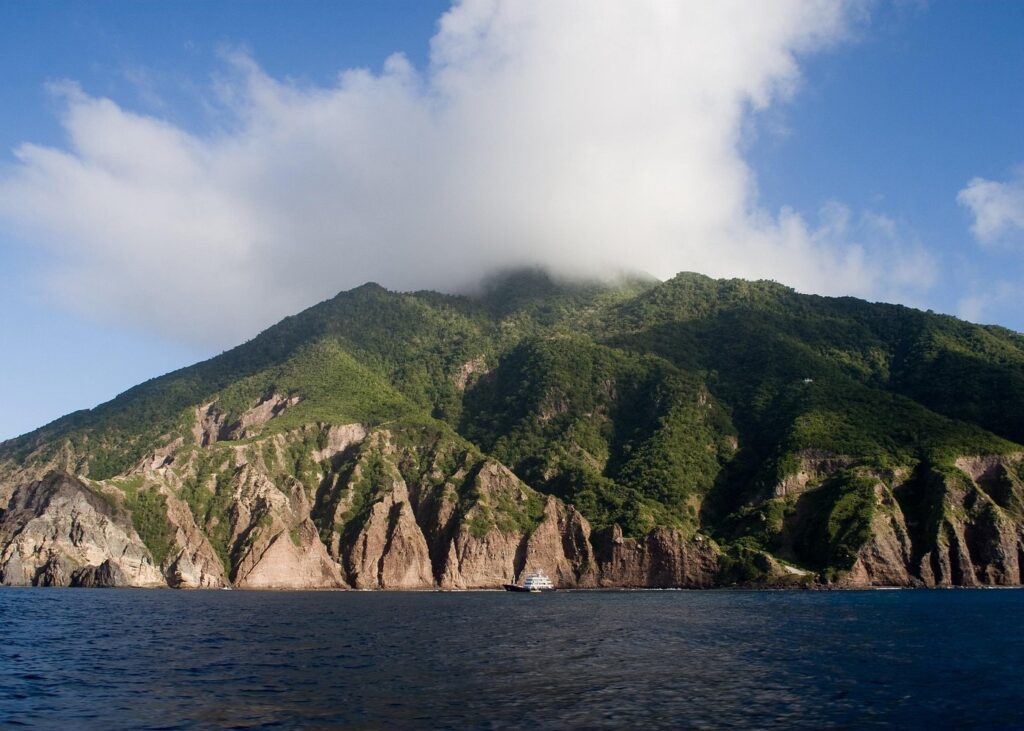
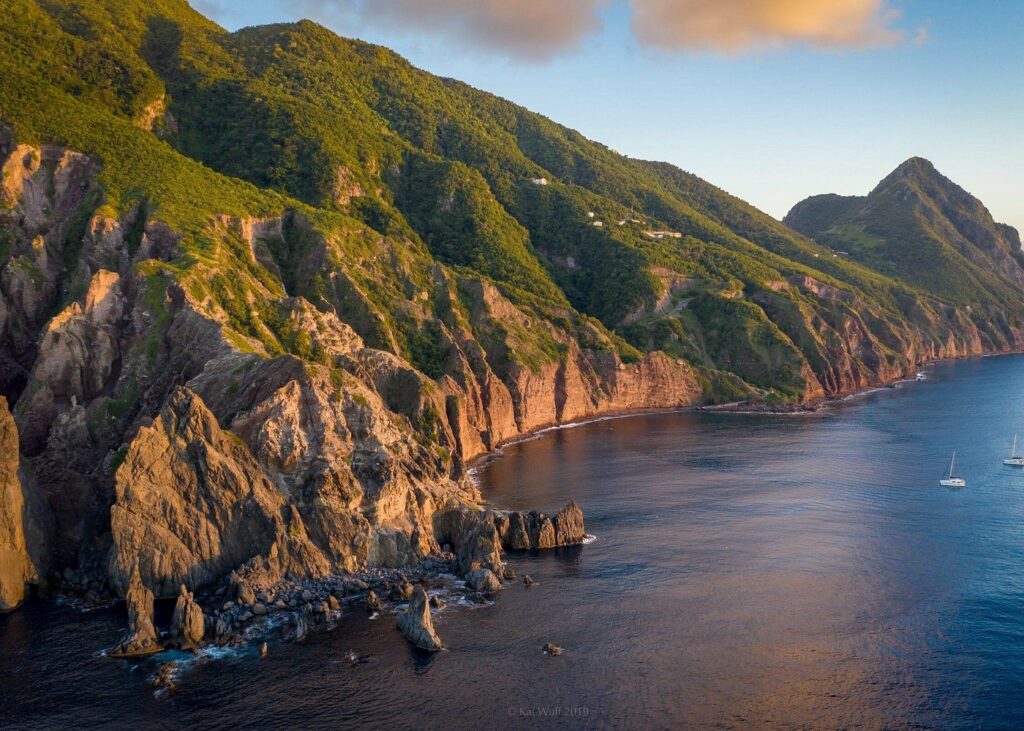
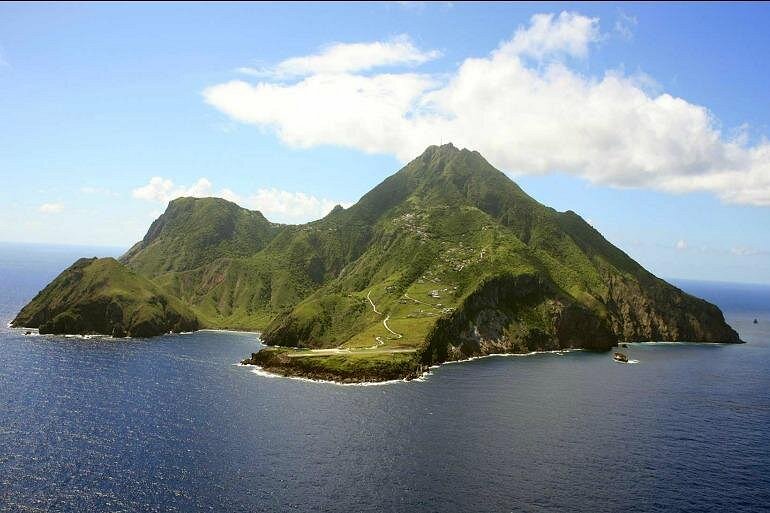
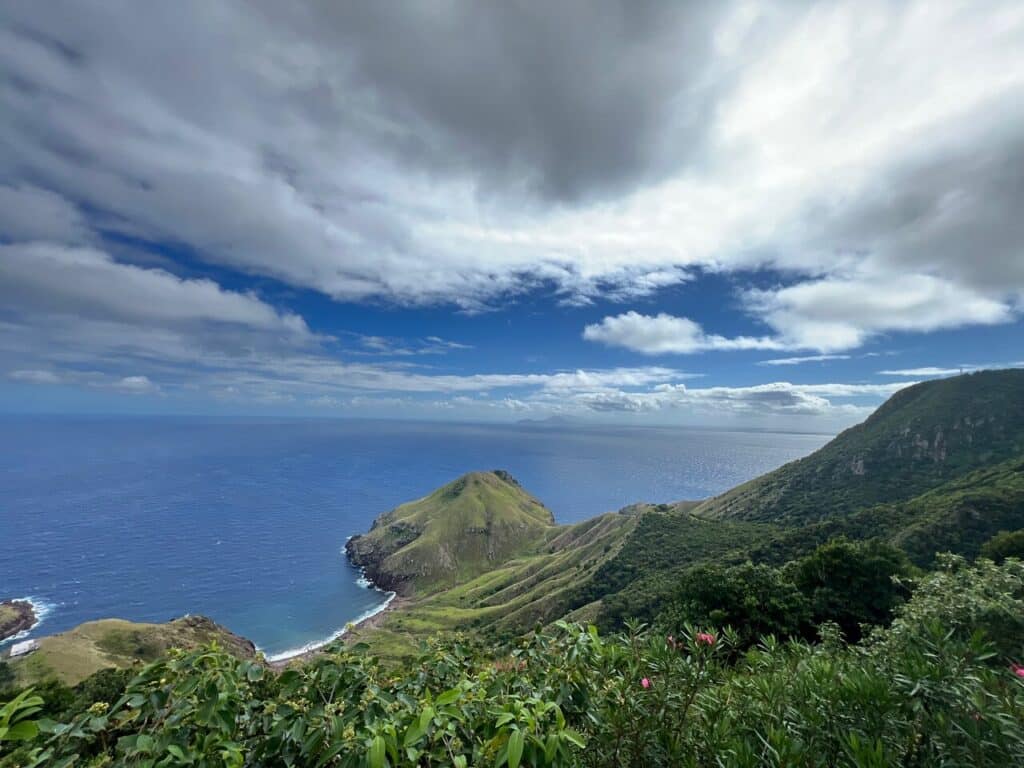
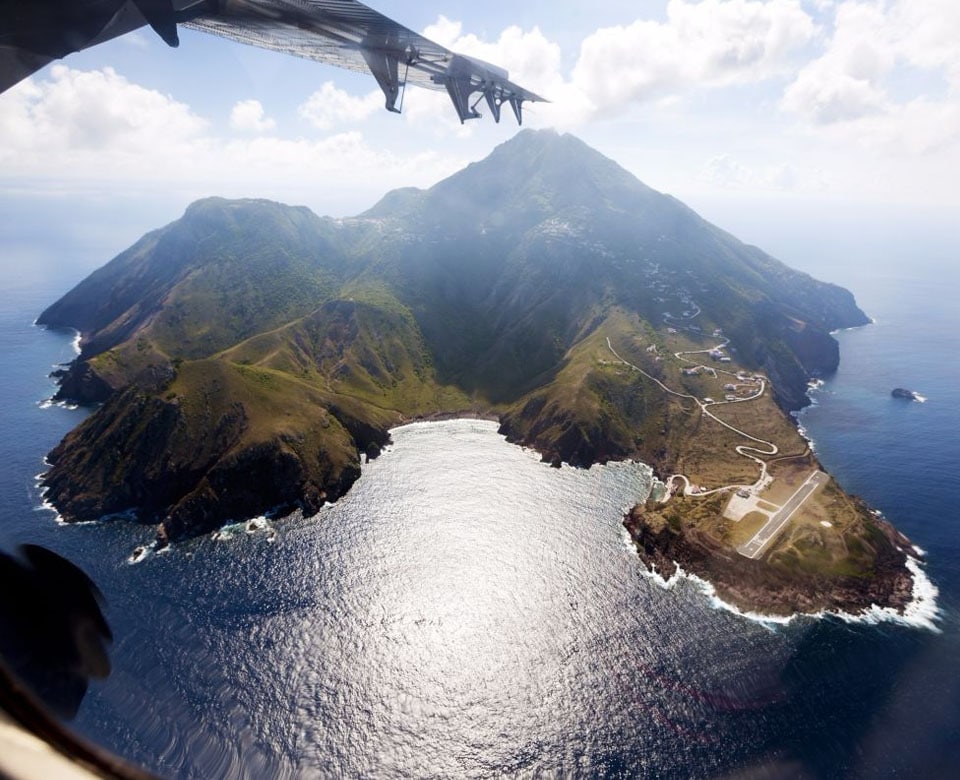
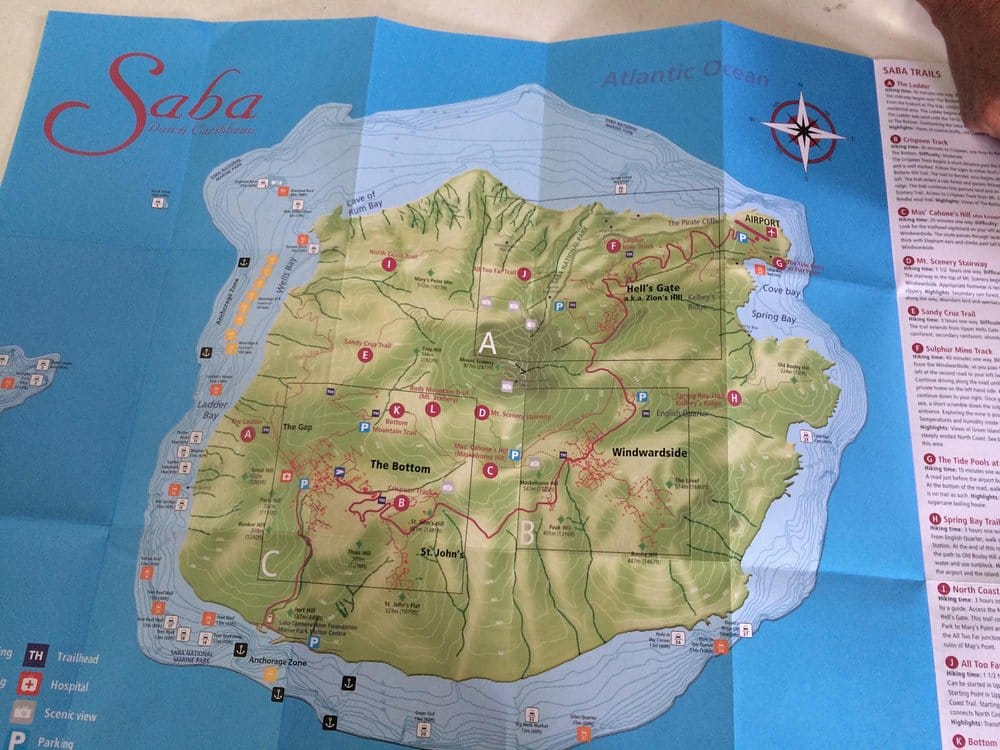
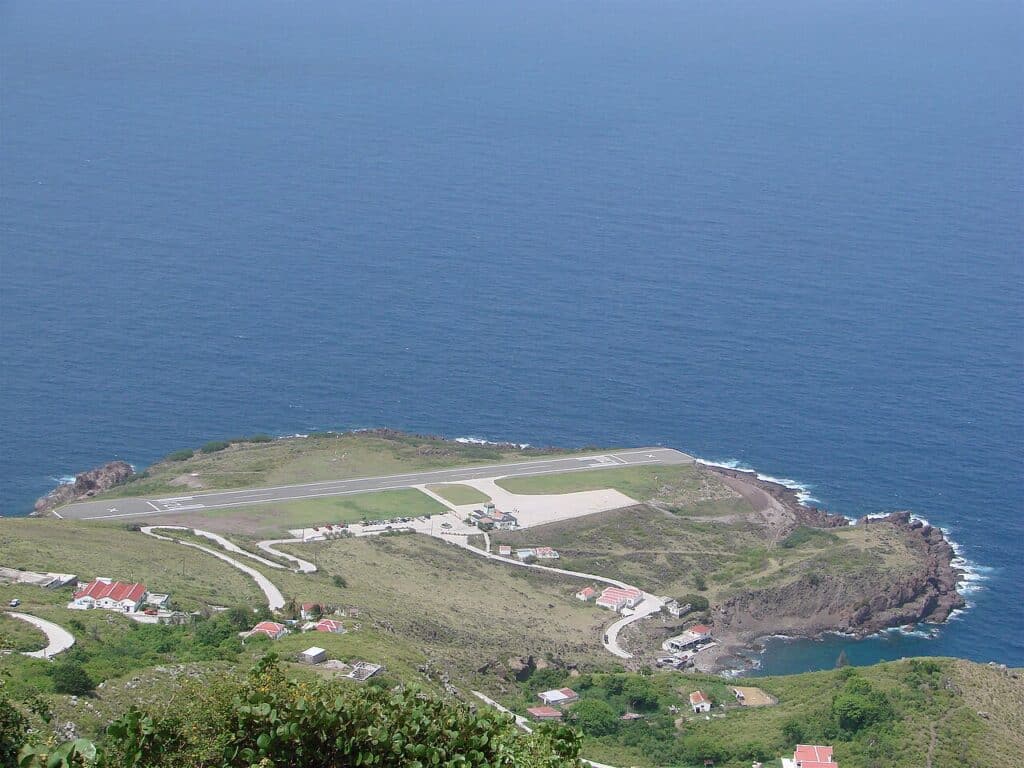
Saba lies just 44 kilometers south-southwest of Saint Martin, in the northern part of the Caribbean arc. This tiny Dutch territory, just 13 km² in size, is distinguished by its rugged terrain, steep cliffs and lack of traditional beaches. Here, the sea laps the craggy rocks, offering a striking natural spectacle.

Saba
©tripadvisor

A majestic volcano: Mount Scenery

Dominating the island, Mount Scenery rises to 887 meters, making it the highest point in the Kingdom of the Netherlands. This dormant volcano, covered by dense rainforest, is the beating heart of Saba. Its summit, often shrouded in mist, attracts hikers and lovers of spectacular panoramas. Climbing its trails offers a breathtaking view of the whole of the Lesser Antilles, with the immensity of the Caribbean Sea as a backdrop.

Saba
©viator.com
Saba
©viator.com
Saba
©viator.com

Exceptional, preserved biodiversity

Tropical forests and nature reserves

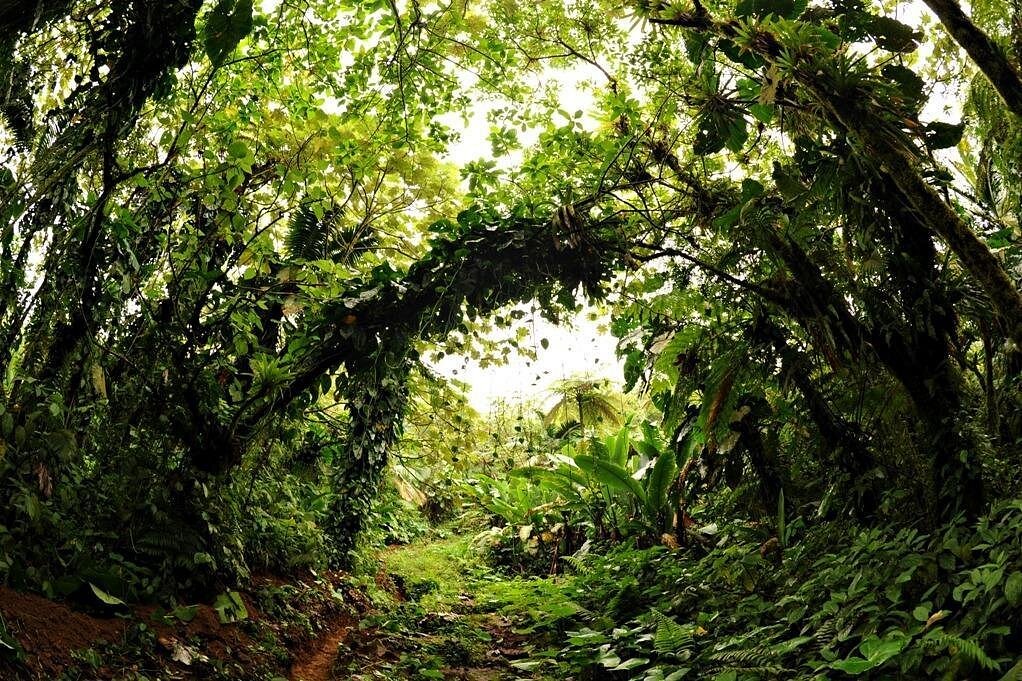
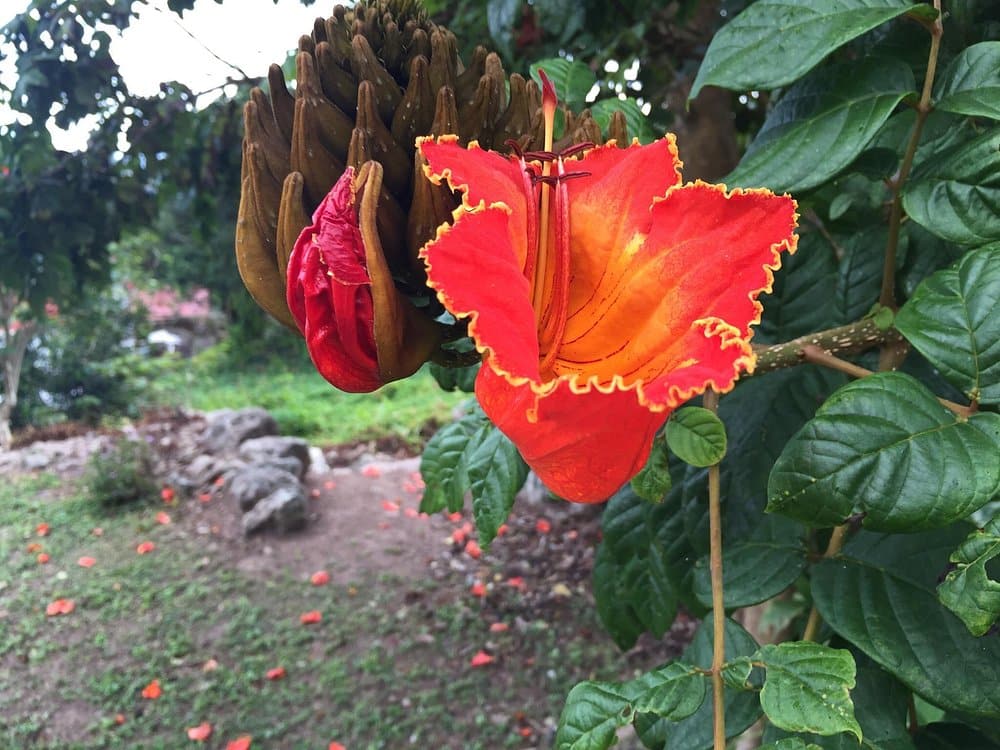
Saba is a veritable ecological sanctuary. The rainforest, nicknamed Elfin Forest Reserveevokes a fairytale world of mosses, ferns and tropical trees. Mahogany trees, once abundant, are now rare, victims of the cyclones of the last century. But the island’s wealth of vegetation remains so impressive that Saba recently applied for inclusion on UNESCO’s World Heritage List.

Saba
©viator.com
Saba
©viator.com
Saba
©viator.com

Endemic flora and fauna

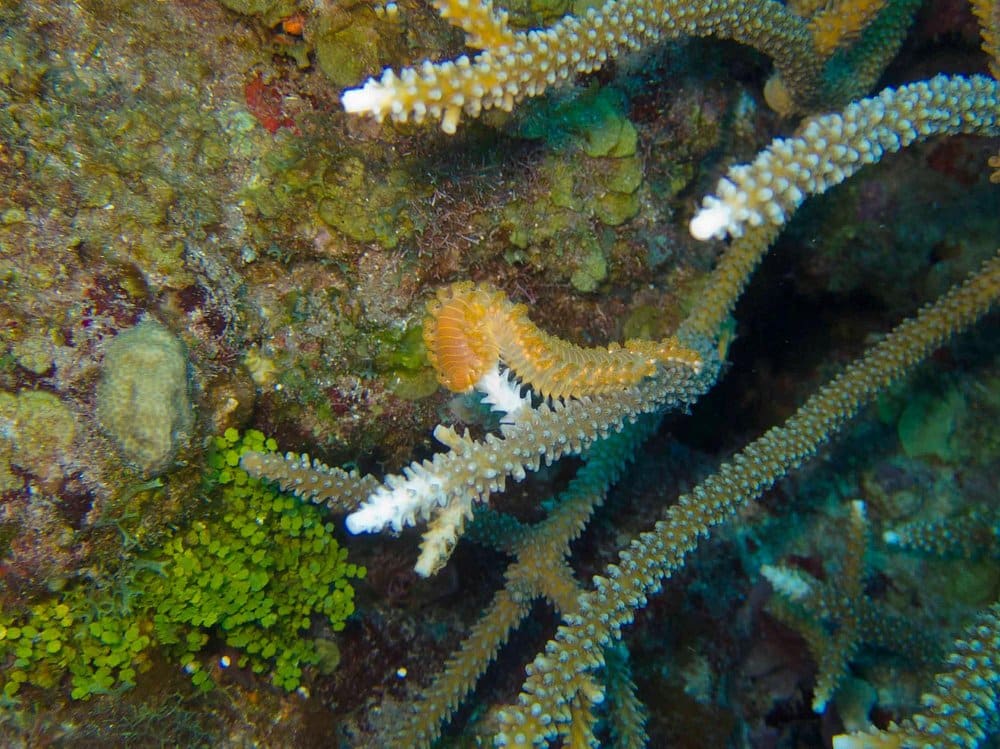
Saba’s isolation has favored the emergence of unique species. The famous Saba black iguana, the red-bellied couresse snake and the funnel-eared bat are all endemic to the island. The seabed is home to a 4.3 km coral reef, part of the Saba Marine Park, a veritable paradise for divers and marine biologists.

Saba
©tripadvisor
Saba
©tripadvisor
Saba
©tripadvisor

Activities and experiences in Saba

Hiking and exploring

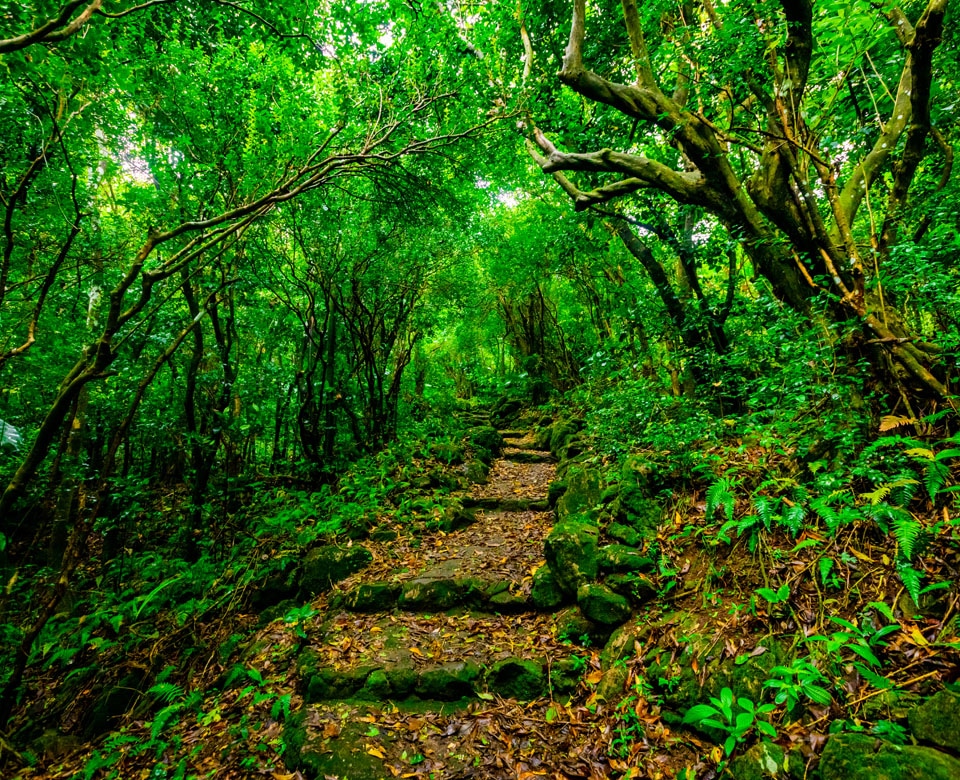
It’s impossible to talk about a Saba getaway without mentioning hiking. The island offers several marked trails, the most famous of which is the ascent of Mount Scenery. This hike, accessible to all with a minimum level of fitness, passes through lush forests and offers unique views of the island and the sea. The Saba Trail Shop, located in Windwardside, offers maps, advice and badges for hikers.

Saba
©tripadvisor
Saba
©tripadvisor
Saba
©tripadvisor

Scuba diving and eco-tourism

Saba is a world reference for scuba diving. Its crystal-clear waters, protected by a marine park, teem with coral, tropical fish, turtles and sometimes even peaceful sharks. .Spots such as “Tent Reef” and “Ladder Labyrinth” are among the most famous in the Caribbean. Eco-tourism enthusiasts will appreciate the preservation of the environment and the absence of mass tourism, which give Saba a rare authenticity. .

Saba
Saba
©viator.com

Local crafts and gastronomy

After the effort, it’s time to discover the local flavors. Windwardside’s small restaurants offer a blend of seafood, tropical vegetables and Dutch influences. And there’s no shortage of handicrafts: jewelry, blown glass, works of art and embroidery bear witness to the skills of the Sabanese, who are proud of their heritage.

Local life and culture in Saba

Picturesque villages and traditions

Saba is made up of four main villages: The Bottom, Windwardside, Hell’s Gate and St. John’s. Each has its own character, with whitewashed houses, red roofs and narrow streets. Here, life flows peacefully, punctuated by fishing, farming and welcoming curious visitors. The inhabitants, warm-hearted and proud of their island, love to share their history and traditions.

Festivals and events

Saba’s cultural calendar is punctuated by colorful festivities. The Carnival, or Summer Festival, brings the island to life with parades, costumes and lively music at the end of July. In October, the Sea and Learn Festival raises awareness of ocean conservation through conferences and workshops led by scientists from around the world. In December, Saba Days celebrates local culture, with dances, sports competitions and giant barbecues. All opportunities to immerse yourself in Sabanese life and forge links with the locals.

Saba
©viator.com
Saba
©viator.com
Saba
©viator.com

Practical tips for a Saba getaway from Saint Martin

Access, transport and accommodation

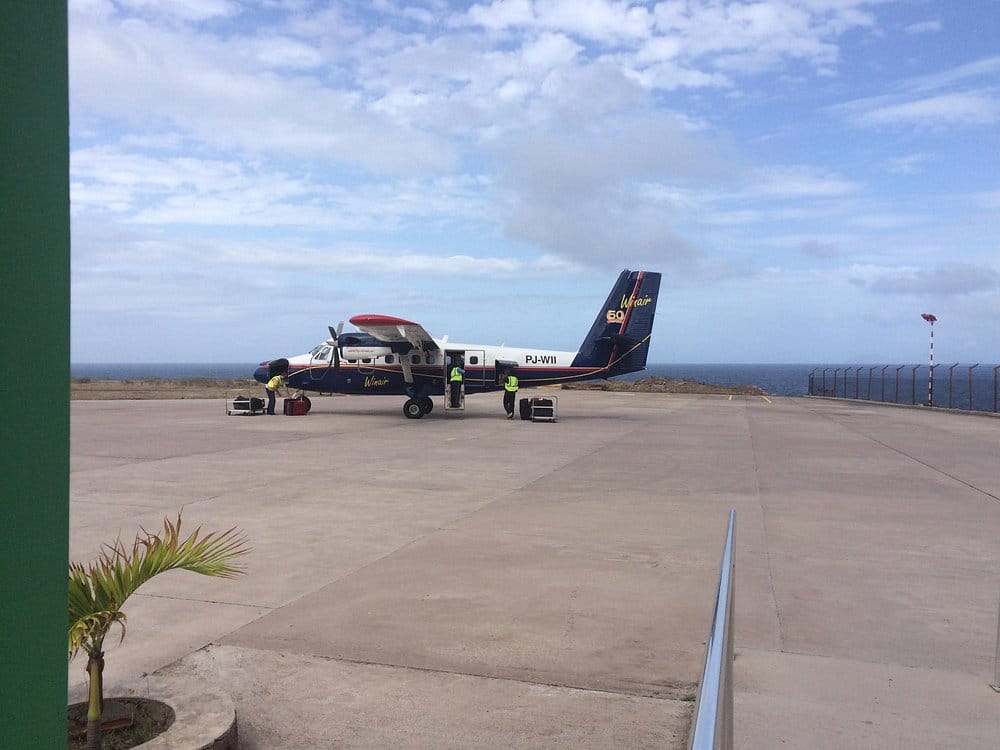
To reach Saba, simply board a ferry or small plane from Saint Martin. The boat journey takes between 75 and 90 minutes, arriving in Fort Bay, the island’s only port. On the island, the main road links the villages and makes it easy to get around, although walking remains the best way to discover Saba. The accommodation on offer, though limited, ranges from small family-run inns to charming hotels, always in a friendly, authentic atmosphere.

Best time to visit

Saba’s climate is pleasant all year round, with temperatures hovering around 27°C. The high season extends from December to April, ideal for enjoying dry, sunny weather. Between June and November, the hurricane season may bring a few showers, but also offers a quieter island, ideal for exploring in peace and quiet.

Saba
©tripadvisor
Saba

Saba, a treasure to explore

A getaway to Saba is a timeless interlude between raw nature, living traditions and sincere encounters. Far from the tourist clichés, Saba seduces by its authenticity, its abundant biodiversity and the warmth of its inhabitants. Whether you’re a seasoned hiker, an avid diver or simply curious, the island promises an unforgettable experience that lives up to its reputation as the hidden gem of the Caribbean. A word of advice: plan to stay longer than a day, as Saba is best savored slowly, like a well-kept secret.

Leave a Reply

Your email address will not be published. Required fields are marked *

More articles from RK

Marcus Garvey
HISTORY & HERITAGE
Tolotra

Jamaica – Marcus Garvey, Jamaican hero of international renown

Marcus Garvey remains one of the most influential figures to emerge from the Caribbean. Born in Jamaica at the end of the 19th century, he transformed a local experience into a political and cultural project of international scope. At a time when black populations faced deeply rooted systems of exclusion, Marcus Garvey proposed a structured vision based on dignity, organization and autonomy. Recognized today as a national hero in Jamaica, he is much more than a historical symbol. His story helps us understand how the Caribbean helped shape major intellectual and political movements on a global scale. His name continues to circulate in contemporary debates on identity, memory and the development of societies born out of colonial history. From Jamaican origins to the formation of a committed conscience He was born on August 17, 1887 in St. Ann’s Bay, Jamaica, into a modest family. Very early on, he developed a

Read More »
BlueSeas Festival
EVENT MANAGEMENT
Tolotra

BlueSeas Festival: in Curaçao, Pietermaai becomes the epicenter of Caribbean blues in 2026

From April 2 to 4, 2026, Curaçao hosts another edition of the BlueSeas Festival a musical event that is gradually establishing itself as one of the most unique cultural events in the Caribbean. Free, open and rooted in the urban space, the festival goes far beyond simple musical programming to become a genuine territorial experience. Right from the opening night, Thursday April 2 at Kura Hulanda Village, the mood is set: the blues settle into a heritage setting, before taking full possession of the Pietermaai district on April 3 and 4. This two-stage format structures an immersive experience in which music, architecture and local life are seamlessly interwoven. A free festival that transforms the city into an open-air stage The BlueSeas Festival is based on the principle of offering free concerts in public spaces. This choice is not insignificant. It widens access to live music, while creating direct interaction between

Read More »
Le vodou : Haïti au cœur d’une candidature patrimoniale majeure avec le Bénin
COOPERATION
Tolotra

Vodou: Haiti at the heart of a major heritage bid with Benin

The vodou is entering a new phase in its international history. The joint candidacy of Haiti and Benin for inscription on the Representative List of the Intangible Cultural Heritage of Humanity places centuries of memory, transmission and creation at the heart of a global heritage debate. The deadline set by UNESCO for applications to be examined in 2027, and submitted before March 31, 2026, places this initiative within a precise and structured institutional calendar, but the stakes go far beyond the administrative procedure. For the Caribbean, and Haiti in particular, this candidacy is no mere cultural formality. It’s about recognizing a living heritage, often misunderstood, sometimes caricatured, but deeply rooted in the country’s social, artistic and spiritual history. Vodou is not a fixed folklore; it is a cultural matrix, a way of organizing the link between generations, communities and the sacred. To place it within an international heritage dynamic is

Read More »

conTACT RK

we'd love to have your feedback on your experience so far

Join The List

Join our Richès Karayib community!  Sign up for our newsletter.

Want To Maximize Your Business Presence On Riches Karayib?

Complete the form to start the application