Martinique – A new dynamic for tourism: how CMT (Martinique Tourism Board) is redesigning the island’s year-round appeal

CMT

Martinique is reinventing itself to become an attractive year-round tourist destination. Faced with the challenges of seasonality and the need to diversify its tourist market, the Comité Martiniquais du Tourisme (CMT) is embarking on an ambitious strategic transformation. New logo, activation of local tourism, support for socio-professionals: decipher an inspiring approach presented at the latest CMT conference.

Why a new tourism strategy?

Martinique has reached a milestone in terms of tourist numbers, with almost a million visitors a year and a target of 1.2 million. However, strong seasonality remains a major hindrance: peaks in visitor numbers concentrated over a few months leave long slack periods, impacting on profitability and employment in the tourism sector.

To meet this challenge, CMT has devised a three-pronged strategy:

– Reinforce the image of Martinique as an attractive year-round destination.

– Open up to new markets beyond France.

– Stimulate the region through a program of events and local initiatives.

The “Partez en vacances en Martinique” program: a driving force for local tourism

At the heart of this strategy, the “Partez en vacances en Martinique” program aims to stimulate local tourism. It encourages residents of Martinique, Guadeloupe, Guyana and the diaspora to consume locally and rediscover their territory.

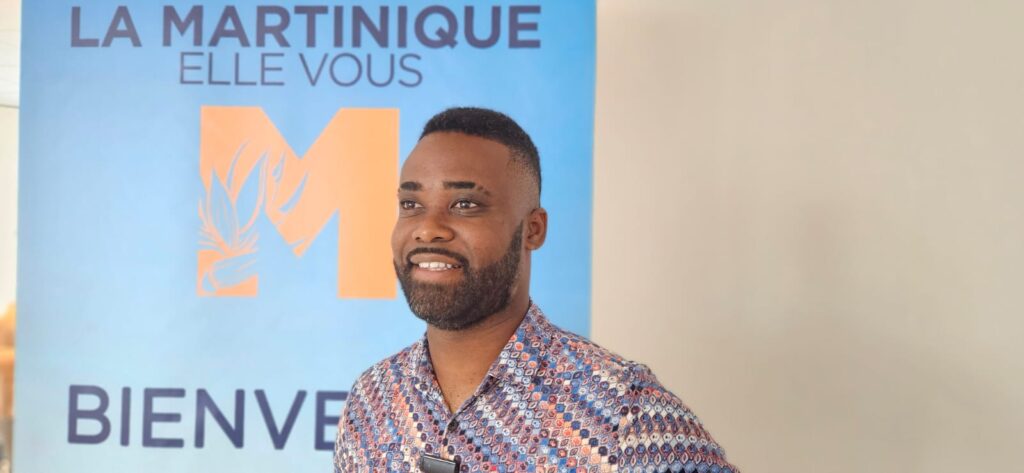
This program provides a platform for visibility and support for 32 tourism professionals. These include Le Mantou with its eco-responsible mangrove excursions.
CMT
Faustin Annette (Le Mantou)

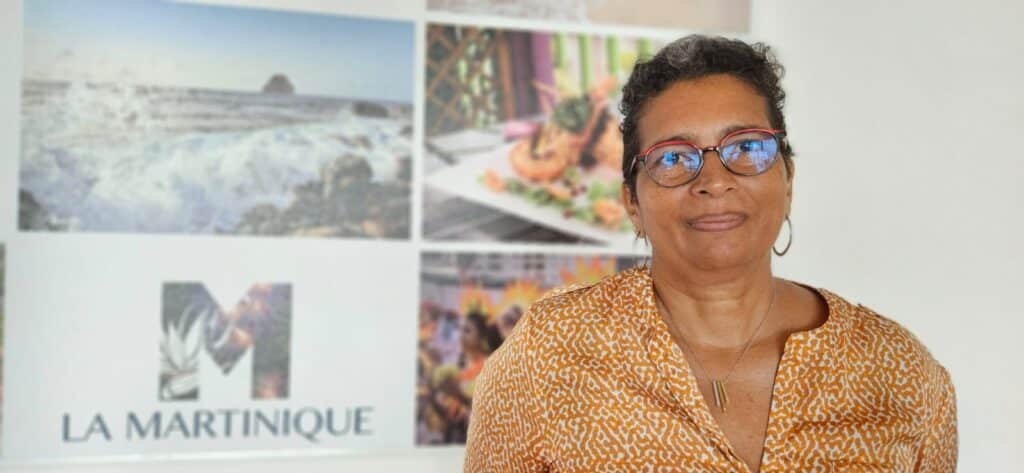
The Hôtel Bambou, with its inclusive hotel offer, is a perfect illustration of the diversity of Martinique’s tourism offering.
CMT
Carole de Laval

Feedback has been very positive: the program is deemed effective by the professionals themselves, who see a direct impact on their sales in the off-season. In terms of budget, the CMT is devoting several hundred thousand euros to the program, divided between the various target markets.

A new logo for a new dynamic

CMT

To accompany this renewal, CMT has unveiled a new logo embodying “martinicality”, the island’s plural and authentic identity.

Why this change? To make the CMT’s action more visible, better align its institutional image with the expectations of the tourism markets, and strengthen the sense of belonging of the Martiniquais themselves.

The device is designed for dual use:

CMT logo: for corporate communications.

– “M” destination logo: for tourism promotion campaigns, which professionals can adopt under certain conditions.

This logo reflects the richness of Martinique: beaches, nature, culture, terroir, hospitality. It helps build a coherent, inspiring image for the island, both locally and internationally.

CMT

A transformation strategy that inspires

By redefining its image and activating local tourism, Martinique is charting a new course to boost its year-round appeal. The CMT is combining the transformation of communication with concrete action in the field to support the entire industry.

In a Caribbean context where many territories face the same challenges of seasonality and diversification, this approach offers an inspiring model to follow.
Leave a Reply

Your email address will not be published. Required fields are marked *

More articles from RK

Oil Down
CULINARY ART
Tolotra

Grenada — Oil Down, the national dish that tells the island’s story

Oil Down, Grenada’s national dish, fits into a single pot but represents much more than just a meal. Breadfruit, callaloo, coconut milk, dumplings, meats, and spices all simmer together in it. As the liquid evaporates, something else takes shape: a way of cooking, of passing on traditions, and of coming together. A pot that brings people together It all starts with a simple gesture. We fill the pot in layers. The breadfruit takes its place alongside the vegetables, greens, dumplings, and pieces of meat. The seasoned coconut milk envelops the whole mixture before it’s cooked slowly, without stirring. This arrangement is just as important as the ingredients. Preparing this dish isn’t just about combining ingredients. It’s about creating a dish where each element cooks alongside the others and gradually absorbs the flavors around it. The pot then becomes a reflection of the meal itself. Multiple ingredients, multiple journeys, but a

Read More »
Ser’i Neger
HISTORY & HERITAGE
Tolotra

Ser’i Neger, 231 years after the Battle of Tula.

In Curaçao, Ser’i Neger today bears witness to the history of the former Fontein plantation. On August 25, 1795, this landscape became one of the main theaters of the revolt led by Tula against slavery. Two hundred thirty-one years later, the story of this battle has returned to the forefront, along with an urgent heritage issue. How can we preserve a site where a crucial chapter in Curaçao’s struggle for freedom was written? On August 17, 1795, it all began in Kenepa Eight days before the Battle of Ser’i Neger, the revolt began at the Kenepa plantation, now also known as Knip. On August 17, enslaved people, led by Tula, refused to return to work and demanded their freedom. The official website of Curaçao describes this event as the beginning of the most significant resistance to slavery in the island’s history. The movement was not limited to Kenepa. The insurgents

Read More »
¿Qué lo que?
HISTORY & HERITAGE
Tolotra

“¿Qué lo que?” Three words, three letters, one identity

In the Dominican Republic, an encounter can begin with three words that might baffle anyone who translates Spanish literally. A friend arrives, a message pops up, a conversation begins, and out comes this familiar phrase: “¿Qué lo que?” It doesn’t require a complicated explanation. Above all, it establishes a connection. Behind this phrase lies a social convention, a way of speaking, and, now, three very recognizable letters: KLK. What does “¿Qué lo que?” really mean? The closest equivalent would be “what’s new?”, “what’s going on?”, or, in English, “what’s up?”. SpanishDictionary classifies the expression as a regionalism used in Dominican Republic and as a greeting. In other words, a literal translation isn’t very helpful. In conversation, “¿Qué lo que?” primarily serves as a casual opening. The response, therefore, doesn’t need to be a detailed account of one’s day. Like many greetings, the expression can simply establish a sense of closeness

Read More »

conTACT RK

we'd love to have your feedback on your experience so far

Join The List

Join our Richès Karayib community!  Sign up for our newsletter.

Want To Maximize Your Business Presence On Riches Karayib?

Complete the form to start the application