Guanaja, the green island in the heart of the Bay Islands

Guanaja

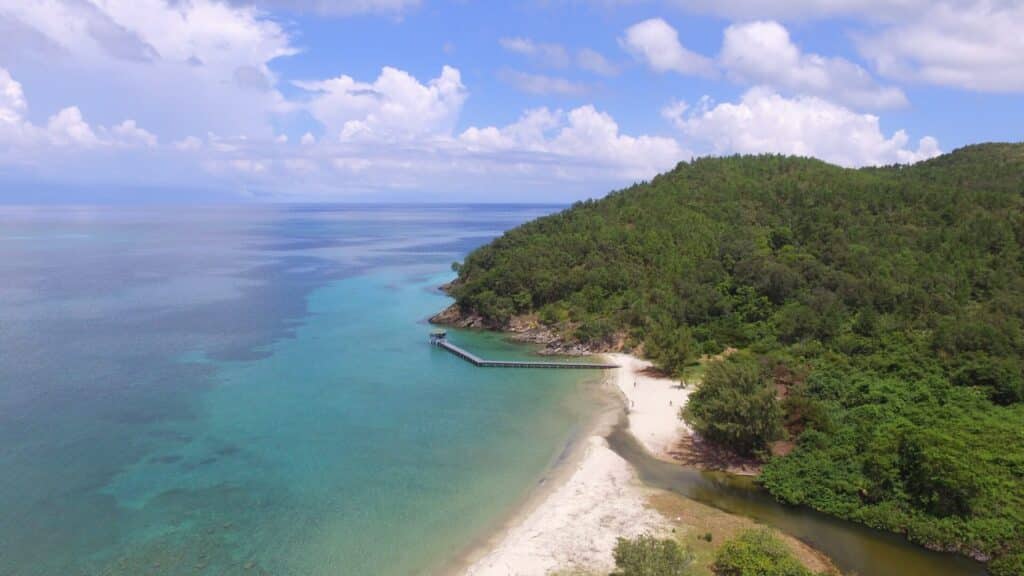
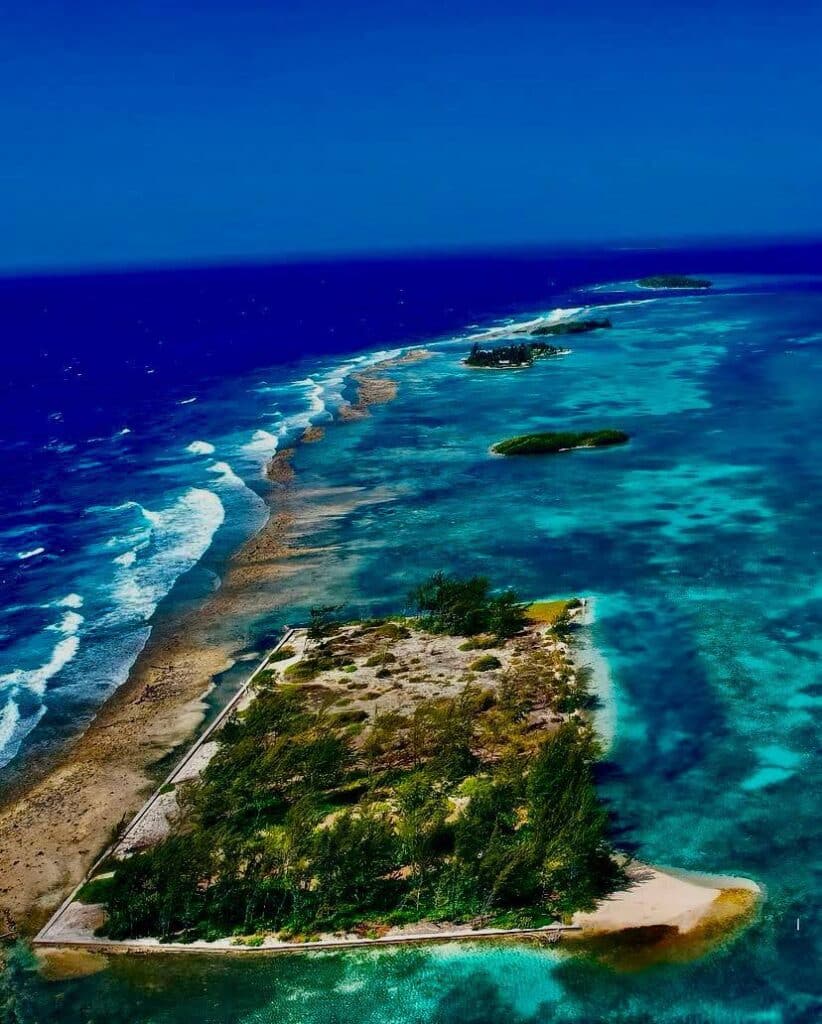
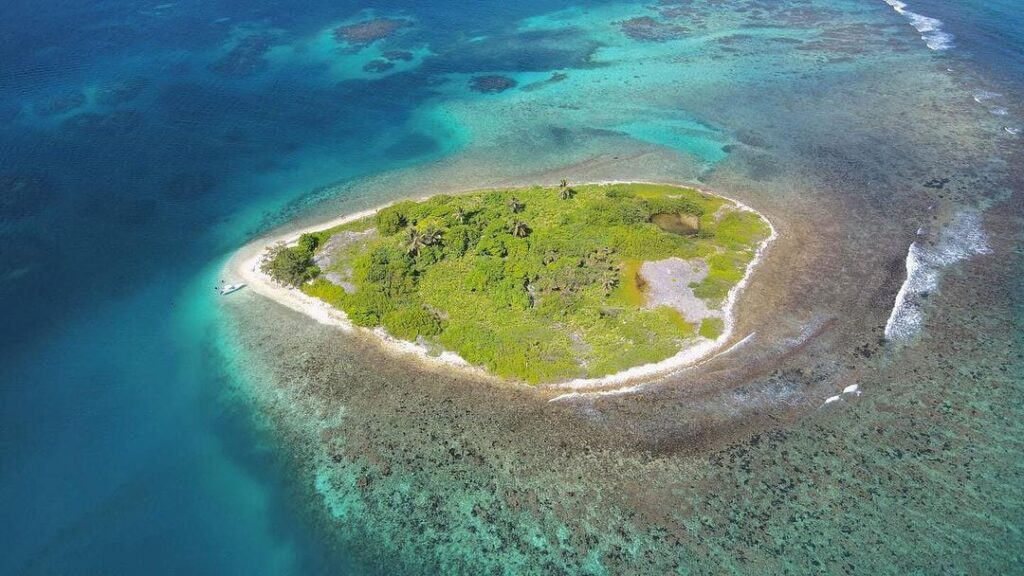
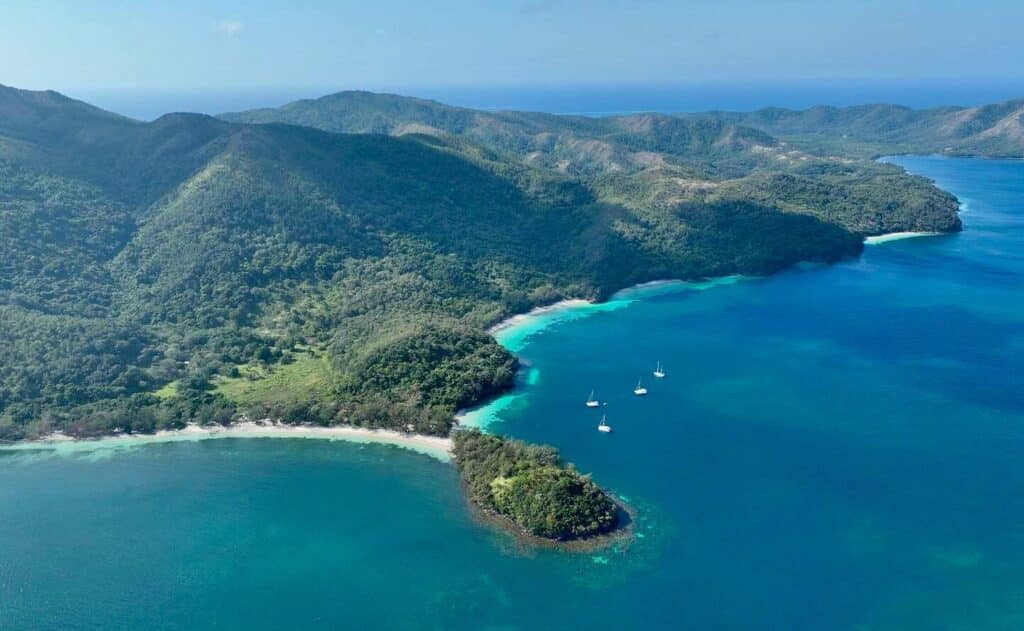
When approaching Guanaja from the sea, the island’s first impression is of its silhouette: pine-covered hills, encircled by a ring of reefs and small cays. Nothing flashy, just a landscape that immediately makes one thing clear: here, the sea, the mountains and the villages still live on a human scale.

A mountainous island facing the sea

Guanaja
Guanaja
Guanaja

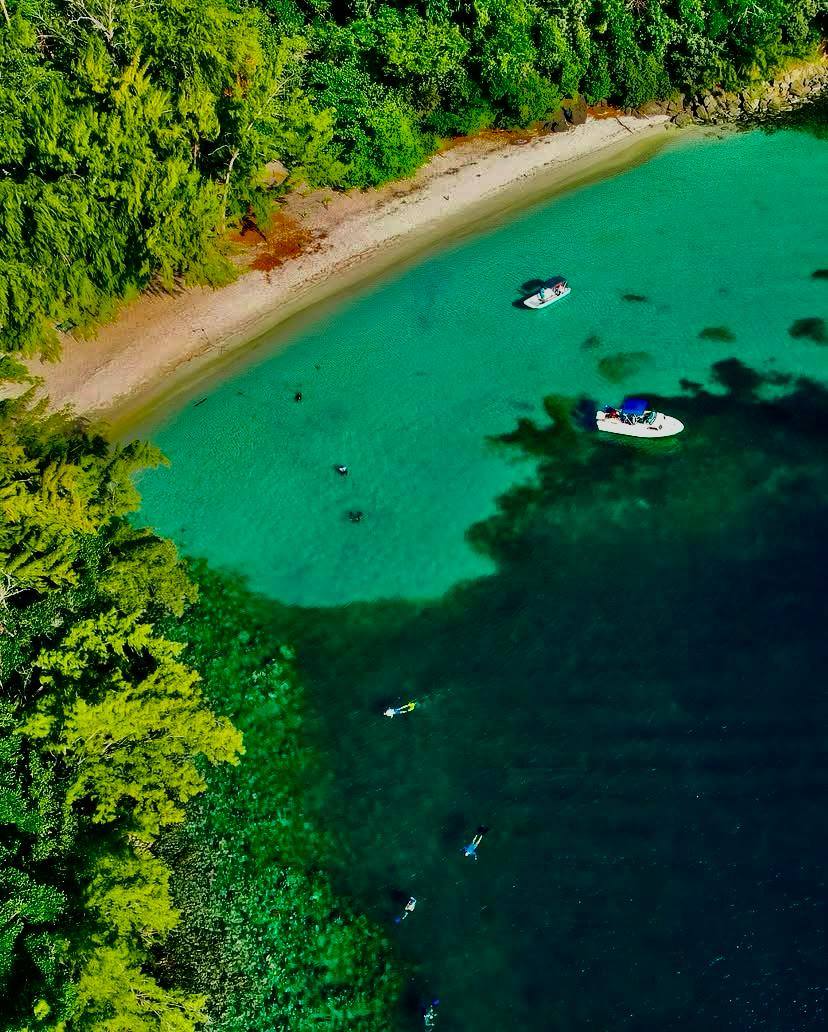
Guanaja is one of the three large Bay Islands off the coast of Honduras. It lies some 70 km from the mainland, and offers a surprising relief for an island of its size. Often nicknamed “the Green IslandGuanaja is largely covered by Caribbean pine forests and tropical vegetation. From the ridges, a string of coves, discreet beaches and reefs form a natural boundary between the island and the open sea.

The forests were severely damaged by Hurricane Mitch in 1998, but some of the vegetation cover is gradually recovering. The island’s interior remains largely undeveloped, with trails used by locals and fishermen.

Guanaja
Guanaja
Guanaja

Bonacca, a town set on the sea

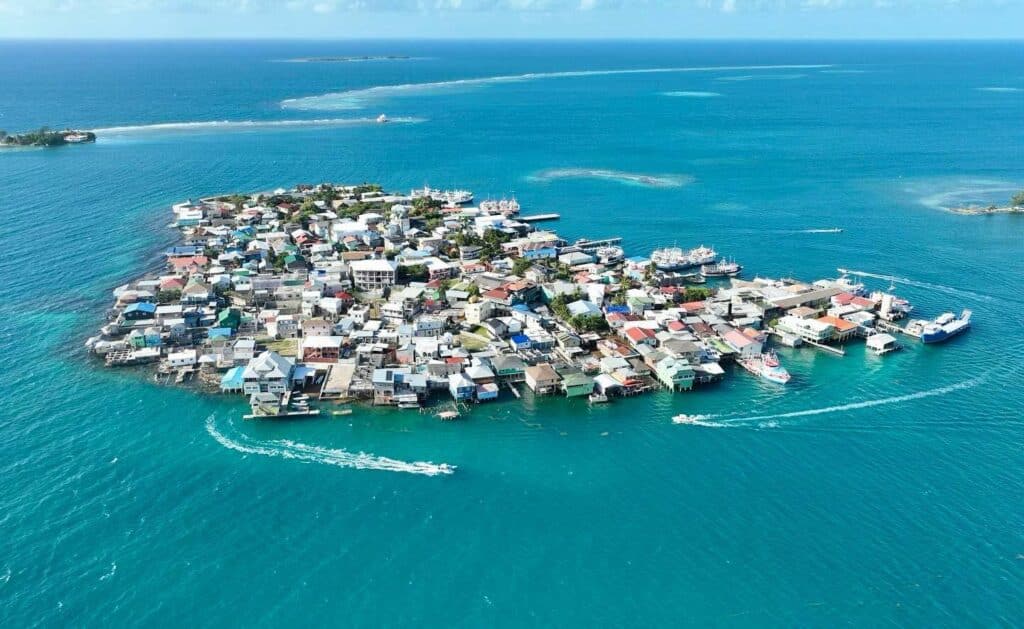
The contrast is striking when you arrive at Bonacca – often referred to as The Cay. Most of Guanaja’s inhabitants live on this tiny islet built on the water. The tightly-packed wooden houses rest on stilts, linked by footbridges and narrow lanes. Together, they form a singular urban network, where you walk above the sea and boats circulate as if in a labyrinth.

Bonacca is sometimes compared to a small Caribbean Venice, not for its aesthetics, but for the way it organizes a town around the sea. Several thousand inhabitants live on less than 40 hectares, with shops, schools, churches and docks in constant motion. The place is not a tourist attraction: it’s a concrete response to the constraints of a limited island territory.

Guanaja

A major reef in the Mesoamerican Barrier Reef

Around the island, the sea is a structuring element. The island is bordered by the Mesoamerican Barrier Reef, the second largest reef system in the world. The surrounding clear waters, seagrass beds, coral reefs and wetlands are part of the Bay Islands National Marine Park.

This park, created to preserve an essential marine heritage, covers hundreds of thousands of hectares and includes Roatán, Utila and Guanaja. On site, associations such as BICA work with local residents to protect the reefs, regulate fishing and involve local communities. These efforts enable the island to maintain a balanced relationship between human activity and the preservation of its marine environment.

Guanaja
Guanaja

A Caribbean history that links cocoa, pine trees and sea routes

The history of Guanaja far exceeds its size. In 1502, Christopher Columbus landed here on his fourth voyage and named it Isla de los Pinos, in reference to the forests that already covered it. Accounts of the time tell us that it was here that he first encountered cocoa, transported by merchants in large pirogues.

Later, the island became a transit point for privateers, merchants and families from the Cayman Islands, which explains the coexistence of English and Spanish in daily life today. Guanaja went through several names – Caguamara, Isla de Pinos, Bonacca – before being officially renamed as it is today.

Living on Guanaja: fishing, resilience and community ties

Guanaja
Guanaja

The island’s economy is still based on fishing and limited tourism, focused on nature and the sea. Hurricane Mitch left a lasting impression on the island’s inhabitants, destroying many homes, particularly in Bonacca. But the island proved resilient. The inhabitants rebuilt, slowly and with their own means, taking into account the sea and the constraints of the territory.

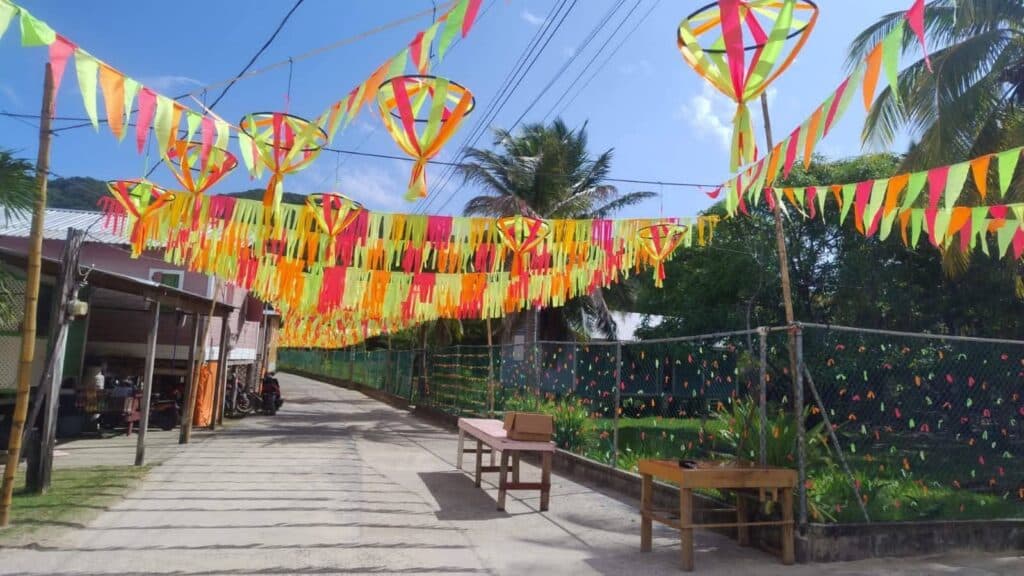
The local culture blends Honduran traditions, Anglo-Caribbean influences and specific festive practices such as the Junkanoo, where locals parade in costumes made from recycled fabrics and materials. These celebrations, often modest and very communal, are a reminder of the strength of the social bond that characterizes the island.

Guanaja
Guanaja

A discreet and essential Caribbean

To showcase Guanaja is to tell the story of a different Caribbean: an island that refuses the race to outdo itself, that relies on sobriety, the sea and the forest rather than on large-scale development. An island where we still build on the water because land is scarce, where we protect the reefs because they are the first line of defence, where we live as close as nature will allow.

Guanaja is a discreet island, but essential to understanding Caribbean diversity. An island where the sea structures life, where history can be read in the reefs and stilts, and where community remains the primary force.

📷©Guanaja, Islas de la Bahia / Facebook

FAQ

Guanaja is part of the Bay Islands archipelago off the north coast of Honduras. The island can be reached by boat or plane from Roatán and La Ceiba.

Bonacca, the inhabited heart of Guanaja, was built on a very small islet to avoid coastal mosquitoes and benefit from better ventilation. The houses on stilts are an extension of this adaptation.

Yes, the island belongs to Bay Islands National Marine Park which protects reefs, seagrass beds and mangroves around Guanaja, Roatán and Utila.

Leave a Reply

Your email address will not be published. Required fields are marked *

More articles from RK

NEWS
Tolotra

Philippe Faure-Brac at Habitation Clément: Martinique rum as seen by a great sommelier.

Philippe Faure-Brac had never visited Habitation Clément before. World’s Best Sommelier 1992, member of the Meilleurs Ouvriers de France with honorary status since 2015, he came to Martinique to look at rhum agricole from its very place of production: the cane, the cellars, the bottling and the tasting. A first visit to Habitation Clément AtHabitation Clément, in Le François, this visit had a special significance. Philippe Faure-Brac was already familiar with Clément rums, their quality positioning and their universe. He had also contributed to the book Rhum Clément, une histoire de famille, bringing his insight into the house’s aromatic precision, balance and tradition of excellence. But he lacked the experience of the place. That of the light, the temperature, the atmosphere of the winery and the exchanges with the teams. “The first time in Martinique? I was going to say finally,” he confided, recalling that he had been hoping for

Read More »
Boiling Lake
TOURISM
Tolotra

Boiling Lake: 92 °C, 63 m wide, the 2nd largest bubbling lake in the world

Just 8 kilometers east of Roseau, the capital of Dominica, it’s a three-hour walk from Laudat to Boiling Lake. Three hours of humid forest, desolate valley, soil-heated rocks and sulfurous fumes. At the end of the path, a 63-metre-wide pool. Inside, the water bubbles almost continuously, with temperatures measured up to 91.6°C at the edges. It’s the second largest bubbling lake in the world. A rare phenomenon in a UNESCO park The world’s first is Frying Pan Lake in New Zealand’s Waimangu Valley. But the Dominican Boiling Lake is in a class of its own. Firstly, because it can only be reached on foot, after a demanding hike. Secondly, because it is part of a national park that has been a UNESCO World Heritage Site since 1997: Morne Trois Pitons National Park. This makes it one of the most singular geothermal phenomena protected in a world-renowned natural site. A flooded,

Read More »
Tourisme 3.0
TOURISM
Tolotra

Tourism 3.0: Jamaica wants to keep its tourist wealth

At the Montego Bay Convention Centre, the image speaks for itself. Local entrepreneurs showcase their products, hotel representatives circulate, meetings follow one another. Behind these rapid exchanges, one question weighs heavily: when tourism makes money, how much really stays in Jamaica? This is at the heart of Tourism 3.0, the new direction championed by Jamaica’s Minister of Tourism, Edmund Bartlett. At the Tourism Enhancement Fund’s 11th Speed Networking Event, he set out a clear ambition: to make tourism a more direct driver for Jamaican producers, artisans, manufacturers and suppliers. Tourism that no longer just wants to attract Jamaica knows how to welcome visitors. But the challenge is no longer just to fill hotels or increase arrivals. The real challenge is to retain more value in the territory. Edmund Bartlett has recognized a structural weakness: a large proportion of the goods and services consumed by the tourism industry are still imported.

Read More »

conTACT RK

we'd love to have your feedback on your experience so far

Join The List

Join our Richès Karayib community!  Sign up for our newsletter.

Want To Maximize Your Business Presence On Riches Karayib?

Complete the form to start the application