From December 5 to 13, Atelier Robinot is hosting an exhibition that is as moving for its beauty as for what it reveals. With La mémoire de l’eau, Roseman Robinot, a Guyanese artist born in Martinique, brings together twenty works created between 1996 and 2019. Through them, she explores the way in which landscapes, seas and shores retain traces of a history that has often been overlooked or ignored.
Inspired by a film scene

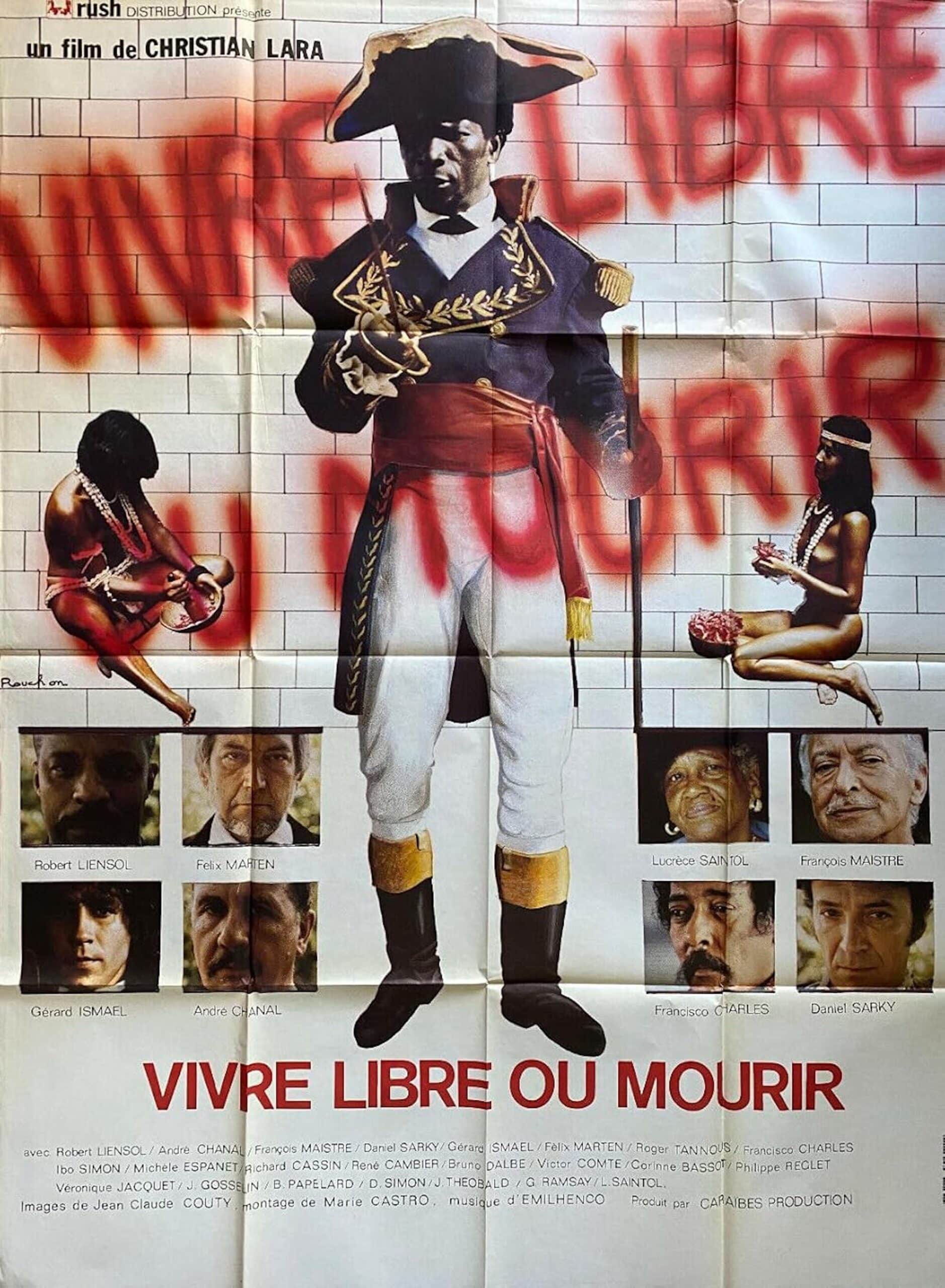
For this exhibition, Roseman Robinot was inspired by a scene from a Stéphane Floricien film in which she played.
The film dedicates its last scene to Zephyr beach, at rising tide, when the rocks disappear under the water, blocking the visibility of the Amerindian polishing sites, as if to erase this memory.
This image acts as a metaphor. It refers to that which disappears, that which is poorly transmitted, that which remains beneath the surface.
This vision provokes deep emotion in her.
She explains: “Every time I find myself on the seashore, in French Guiana or the West Indies, when I look at the horizon or the beaching of the waves, I think of the arrival of the African deportees on these unknown lands, destined for slavery.
I can feel their fear.
From this feeling, she seeks to bring back a forgotten memory and give it form.
Reviving what has been erased
In La mémoire de l’eau, Roseman Robinot presents several series: Empreinte, Légendaire aquatique, Dans les terres noyées de Kaw, Les courbes, Marques et Marquages, and Mémoire d’ébène.
The works are created using a variety of techniques: painting on canvas, digital engraving or monotype etching. Together, they form a coherent universe centered on traces, disappearance and links to the land.
The artist wishes to bring back to life what has been buried, sometimes voluntarily, sometimes through forgetfulness. Through her compositions, she reaffirms the importance of looking colonial history in the face, the wounds it has left, and the need to repair what can be repaired.
His work reminds us that memory never completely disappears: it is transformed, deposited and resurrected.
A journey shaped by artistic encounters
Roseman Robinot was born in Martinique. She moved to France to become a physical education and sports teacher.
At the age of 21, she obtained her diploma and returned to teach on her island. At the same time, she joined the Groupe folklorique martiniquais, also known as the Grand Ballet de la Martinique, directed by Louis Boislaville and choreographer Ronnie Aul.
During the troupe’s trip to New York, a visit to the Guggenheim revealed her vocation. There she discovered Pablo Picasso’s La Repasseuse (1904). This work had a decisive impact on her.
She would later say that she “gave birth to her as a painter”.
In 1968, she obtained a position in the Île-de-France region. Over the next ten years, she developed a colorful style of painting. From 1971, she exhibited in Paris, notably at the 8ᵉ Salon des peintres et sculpteurs des Antilles et de la Guyane.
She joined the Union des femmes peintres et sculpteurs and took part in the 1978 annual Salon at the Musée du Luxembourg, at the invitation of Jeanne-Michèle Hugues.
That same year, she moved to French Guiana, where she still lives and works today. In the early 1990s, she took a summer course in drawing and engraving at the Beaux-Arts de Paris.

An exhibition as an act of transmission

With La mémoire de l’eau, Roseman Robinot doesn’t just show works of art. She opens up a space where the public can reflect on what we keep, what we forget, and what we choose to pass on.
Through water movements, lines and textures, she reminds us that the past is not frozen: it comes back in waves, and each of us must decide what to do with it.
The vernissage on December 5 at 7pm will be an opportunity to meet the artist and gain a deeper understanding of his artistic gesture, which lies somewhere between memory, territory and the quest for meaning.

FAQ
A Guyanese artist born in Martinique, whose work explores memory, territory and colonial heritage.
Twenty works created between 1996 and 2019, combining painting, digital engraving and monotype.
At Atelier Robinot, Remire-Montjoly, from December 5 to 13. Opening on December 5 at 7pm.