Rendez-vous aux Jardins: see the real thing at the Domaine d’Émeraude

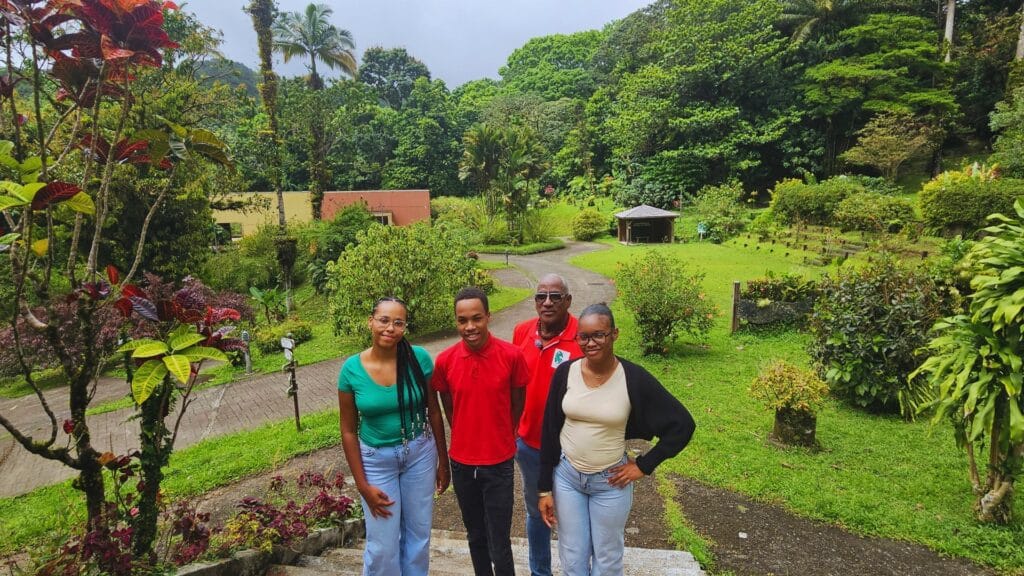
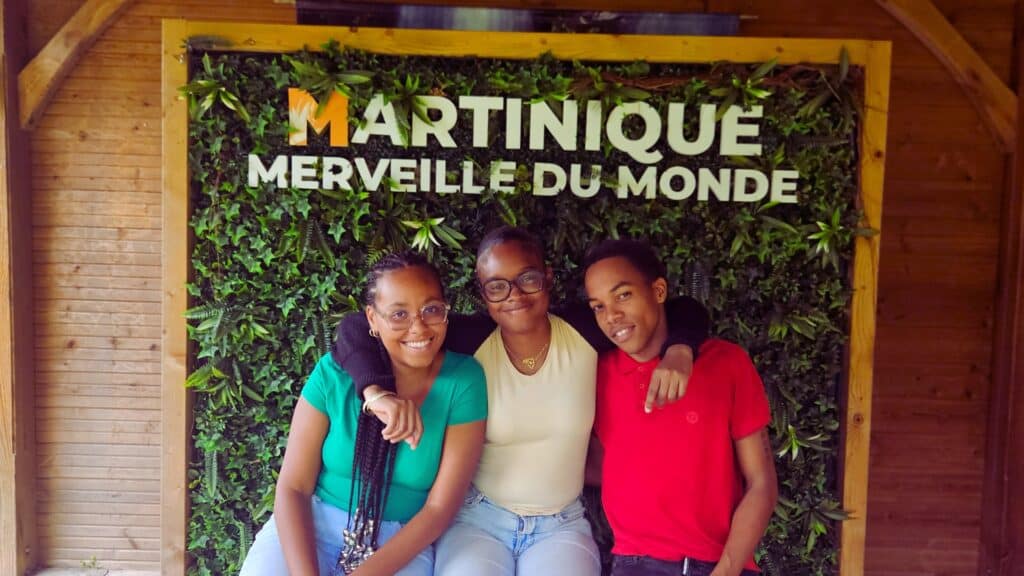
Kévin, Maya and Maeva at Domaine d'Émeraude

For the grand finale of the RK Heritage series at Rendez-vous aux Jardins 2026, Kévin Belcoua returns. After discovering five gardens alongside his grandparents Émile and Jocelyne, he wanted to pass on his experience to others: he took two classmates, Maya and Maeva, to the Domaine d’Émeraude.

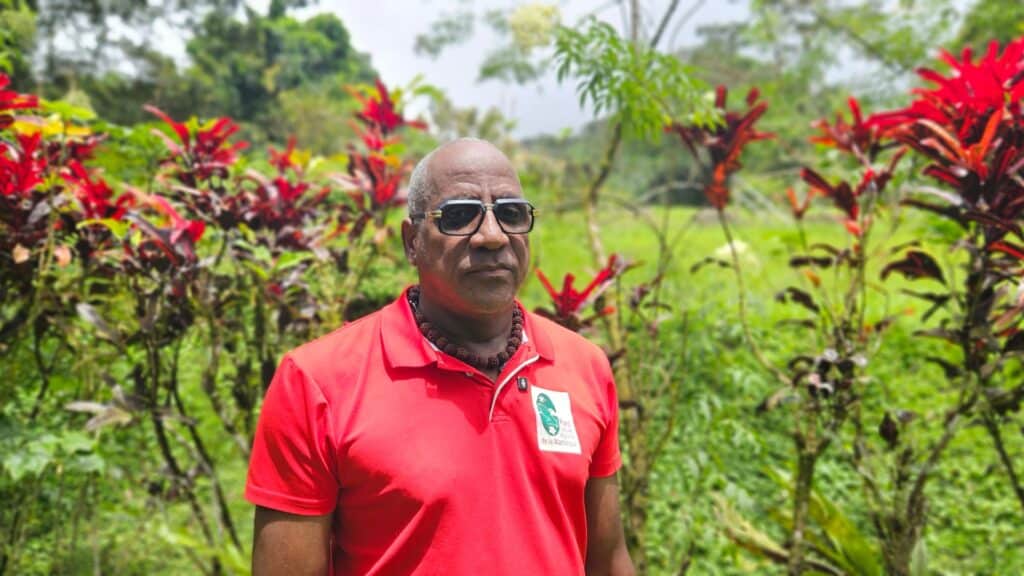
In the heart of Martinique’s hygrophilous forest, under the guidance of Patrick LAPU, nature guide, they discover that learning to see is first and foremost learning to taste, listen, understand… to see truly.

Domaine d'Émeraude
Maeva, Kevin, Patrick Lapu and Maya

Kévin didn’t come alone… After crossing five gardens alongside his grandparents Émile and Jocelyne, he was keen to bring along two classmates for the last of the series. Maya and Maeva had never been to the Domaine d’Émeraude before. Neither had he. But something told him this place was best discovered by more than one person.

Sometimes, the transmission doesn’t go from grandfather to grandson. It circulates laterally, between friends and peers.

Domaine d'Émeraude

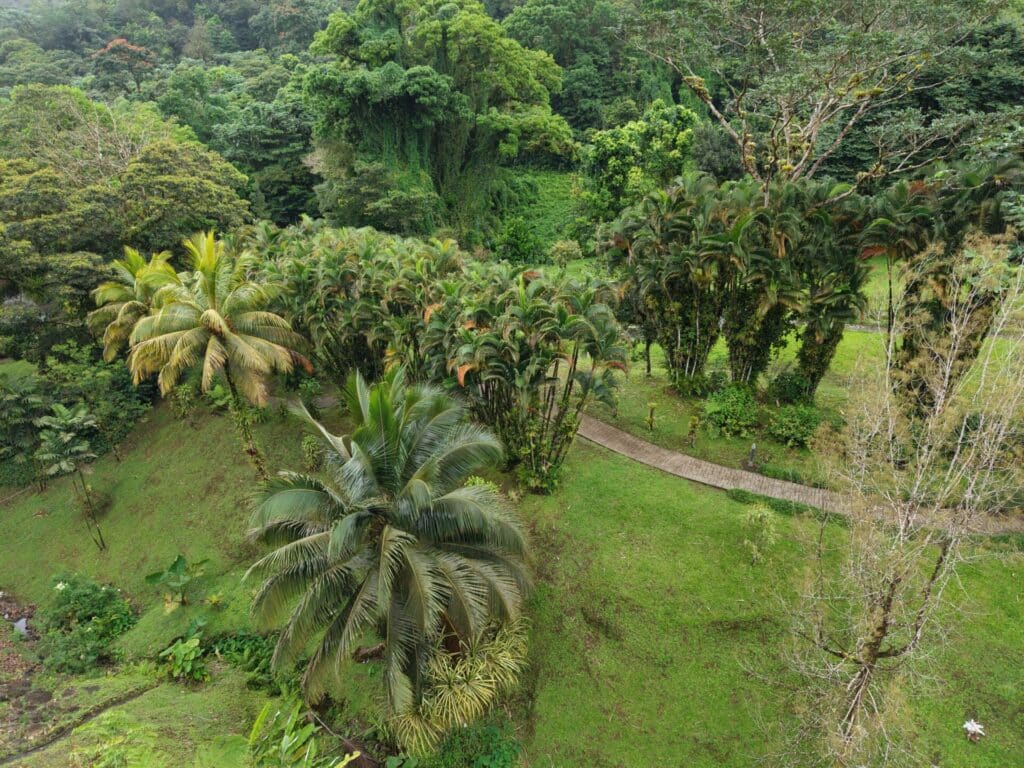
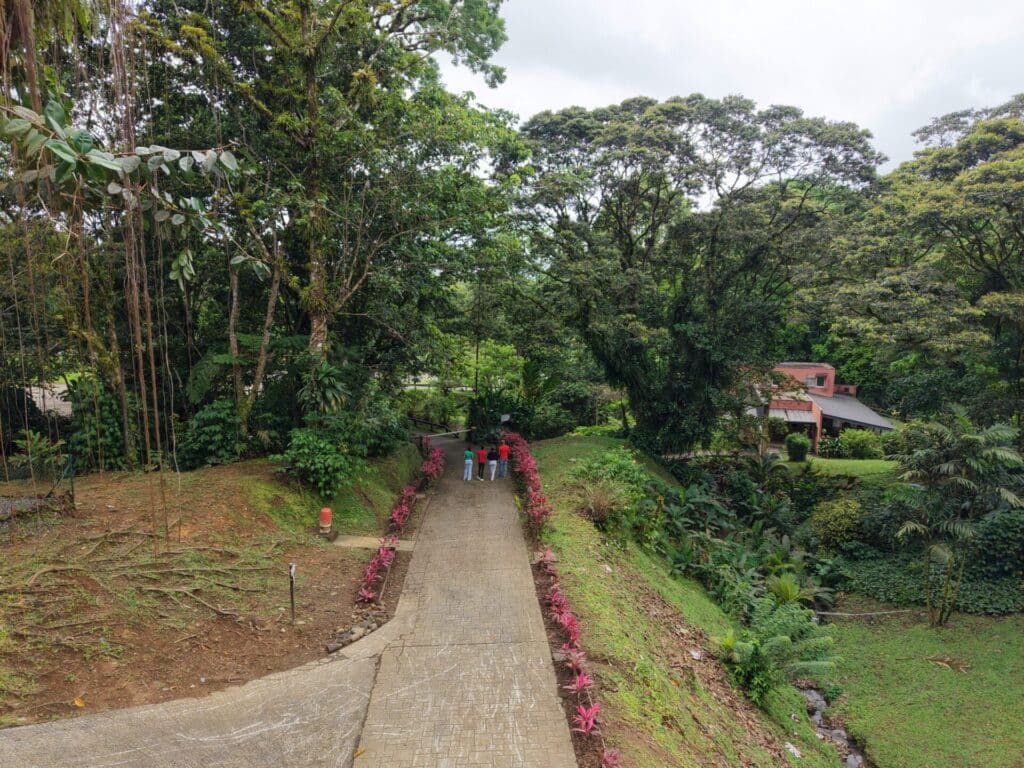
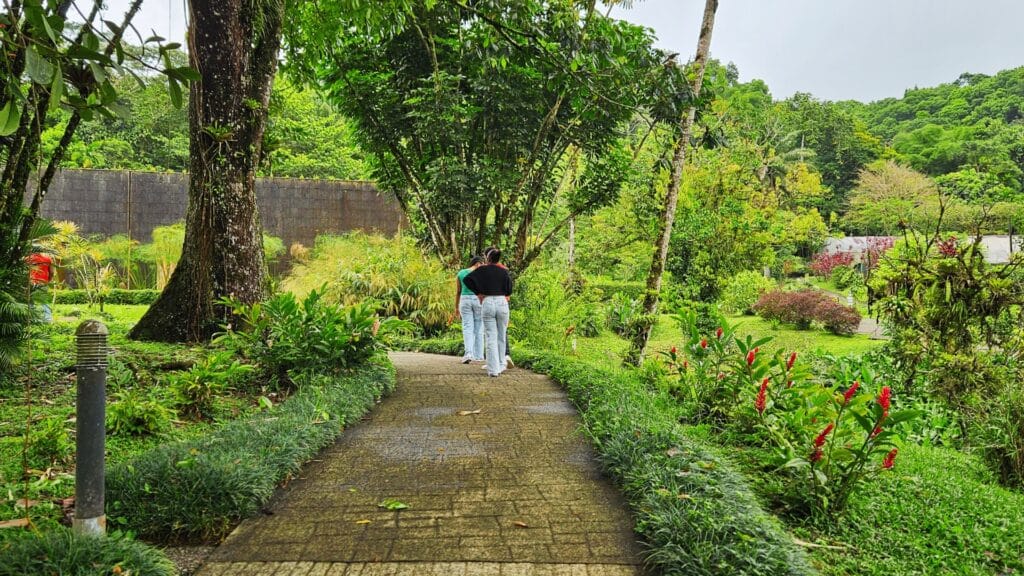
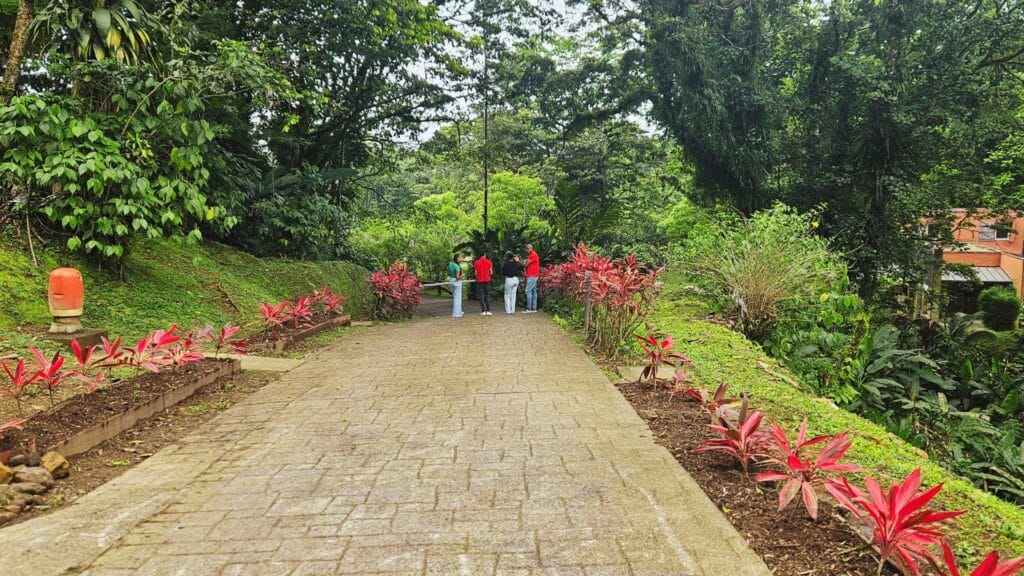
Domaine d’Émeraude is located in Morne Rouge, in the heart of the rainforest, in the shadow of Montagne Pelée. Open to the public since 2010, it has been awarded the Jardin Remarquable label by the French Ministry of Culture. It is here, for the Rendez-vous aux Jardins 2026 under the theme of view, that the three young people will learn to really look.

Domaine d'Émeraude
Domaine d'Émeraude
Domaine d'Émeraude
Domaine d'Émeraude

Le Domaine d'Émeraude, a multi-faceted read

Here at the Domaine d’Émeraude, you’ll find over 2,000 varieties of plants, a mix of medicinal, ornamental and epiphytic plants,” explains Patrick LAPU, guide and nature guide at the Domaine d’Émeraude.

For the past ten years, he has been welcoming and guiding visitors to this site, which he knows down to the last detail.

“That’s my leitmotiv. I love this nature. If I had to do it all over again, I’d do it for 20 or 30 years,” he confides.

Domaine d'Émeraude

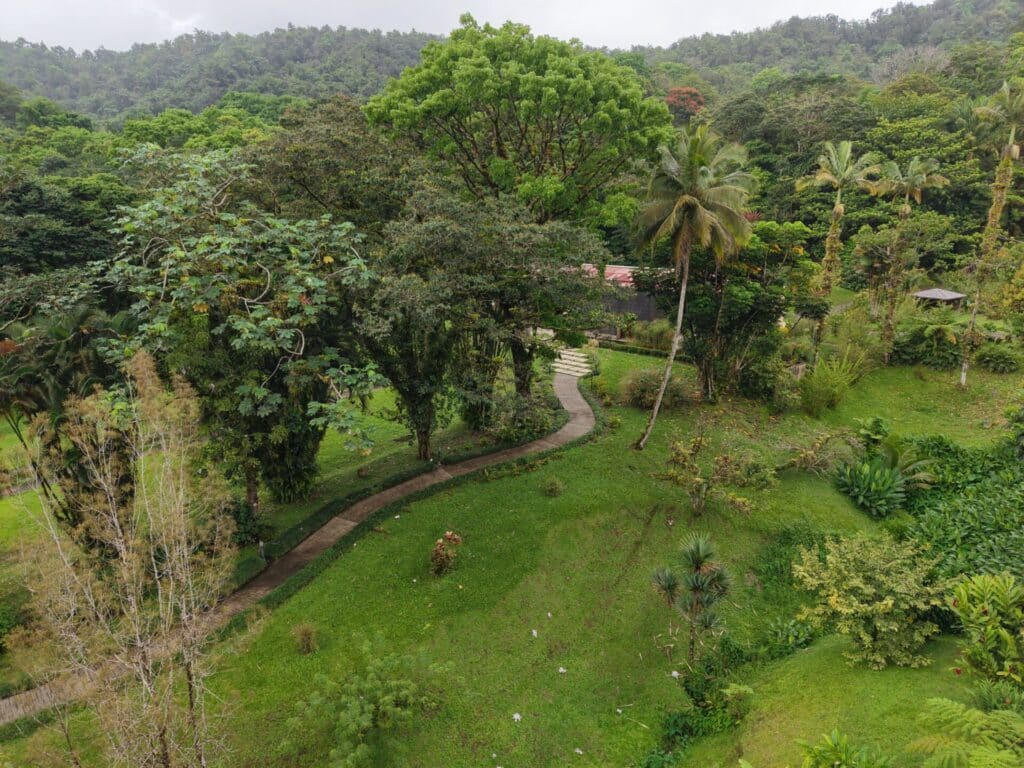
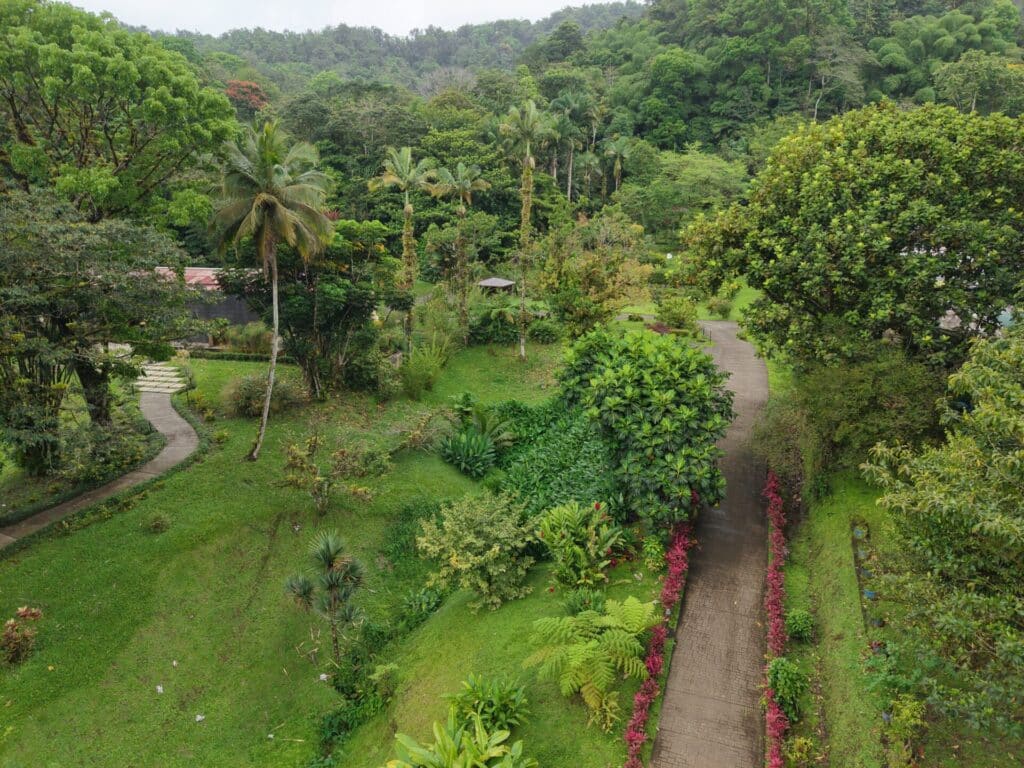
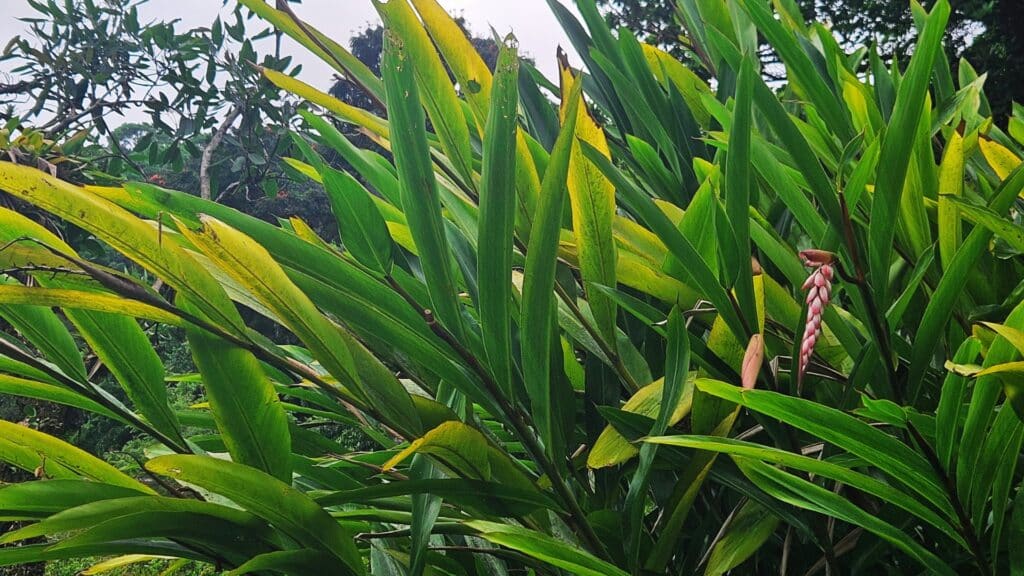
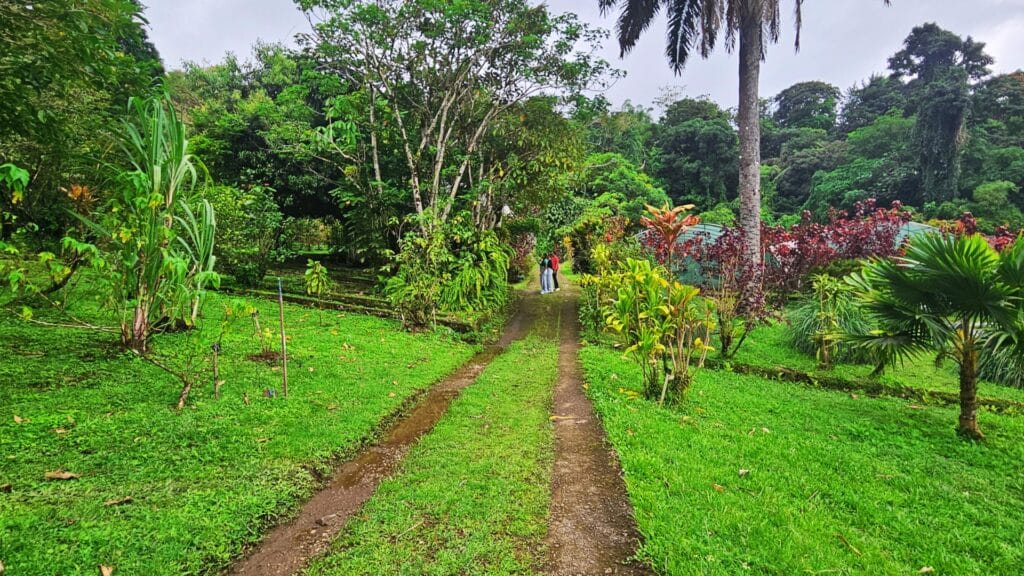
What sets Domaine d’Émeraude apart from the other remarkable gardens in Martinique is its location in the very heart of the hygrophilous forest. ” It’s the climate that produces the variety that sets us apart from the others,” explains Patrick LAPU. Medicinal plants, tree ferns, royal palms, bromeliads, heliconias and cordylines make up a living tableau that changes according to the angle and the time of day.

Domaine d'Émeraude
Domaine d'Émeraude

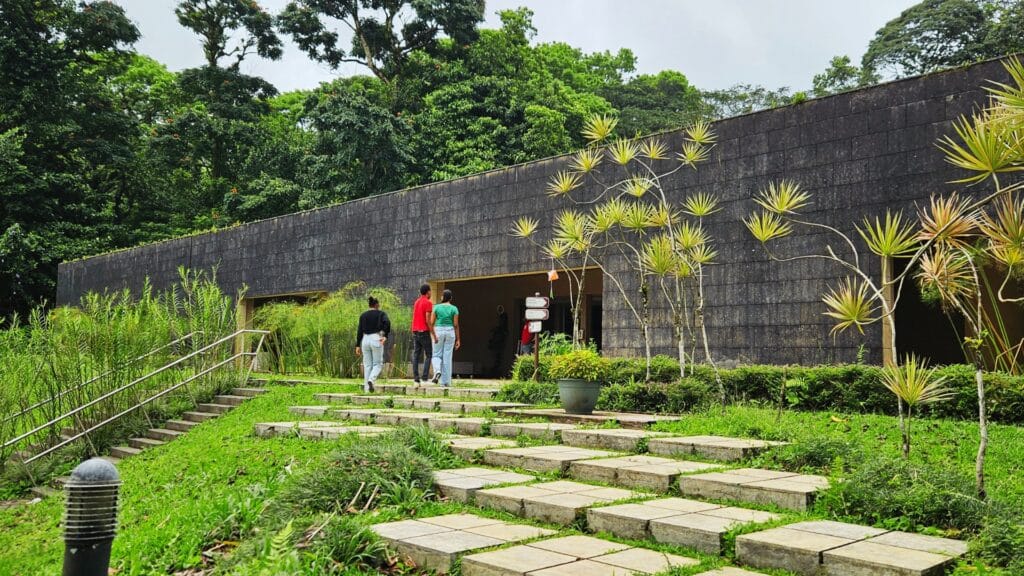
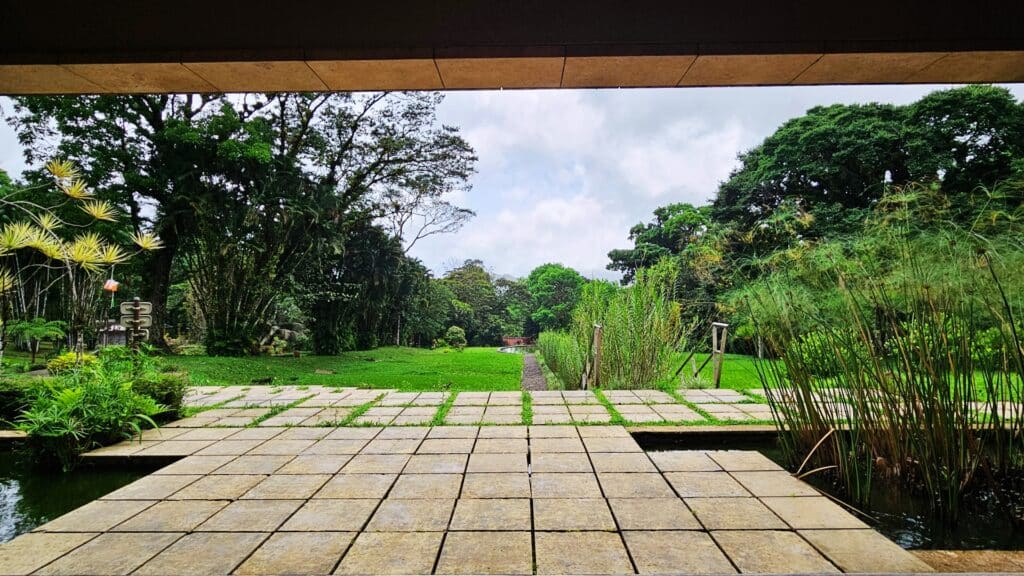
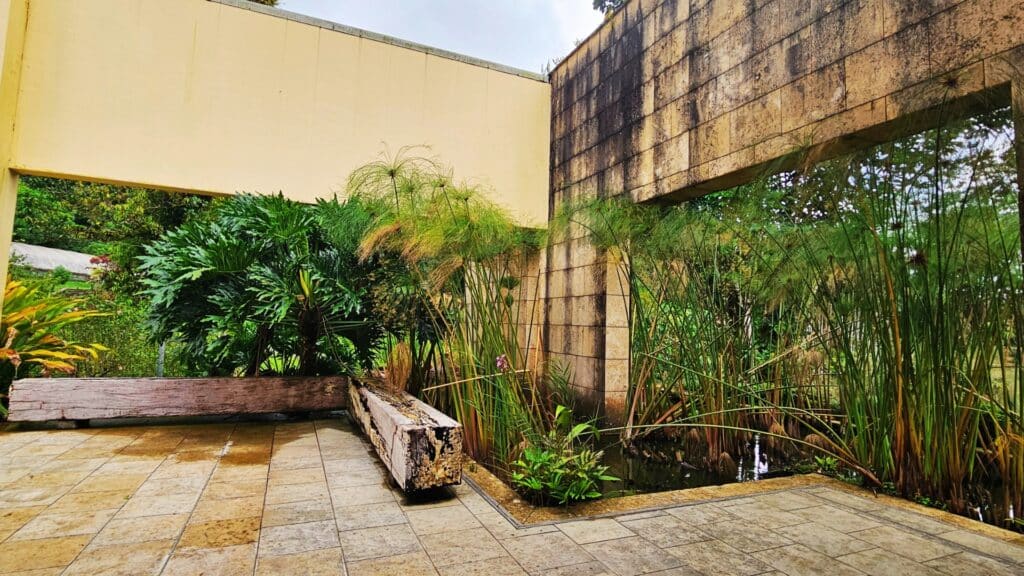
The architecture of the estate deliberately plays with these different interpretations.

You’ll have squares, or “prises de vue”, where you can get a sense of the landscape,” stresses Patrick LAPU.

“From every point of view, you get a different reading.”

Two places are particularly close to his heart: the Exploration Pavilion, which tells the story of Martinique’s volcanic birth, and the Arboretum, where tropical species unfold in majesty.

Domaine d'Émeraude

And when the sky clears, the panorama widens still further: the silhouette of Montagne Pelée and the Pitons du Carbet appear in the distance, adding another dimension to the view.

On the day of the visit, the low clouds didn’t lift the veil on this distant view, but the nearby garden revealed all its richness.

Domaine d'Émeraude

Neem, a plant of the future

Kévin, Maya and Maeva chose to let themselves be guided. At Domaine d’Émeraude, visits can be made independently, but when the opportunity arises to be accompanied by one of the site guides, the experience takes on a whole new dimension.

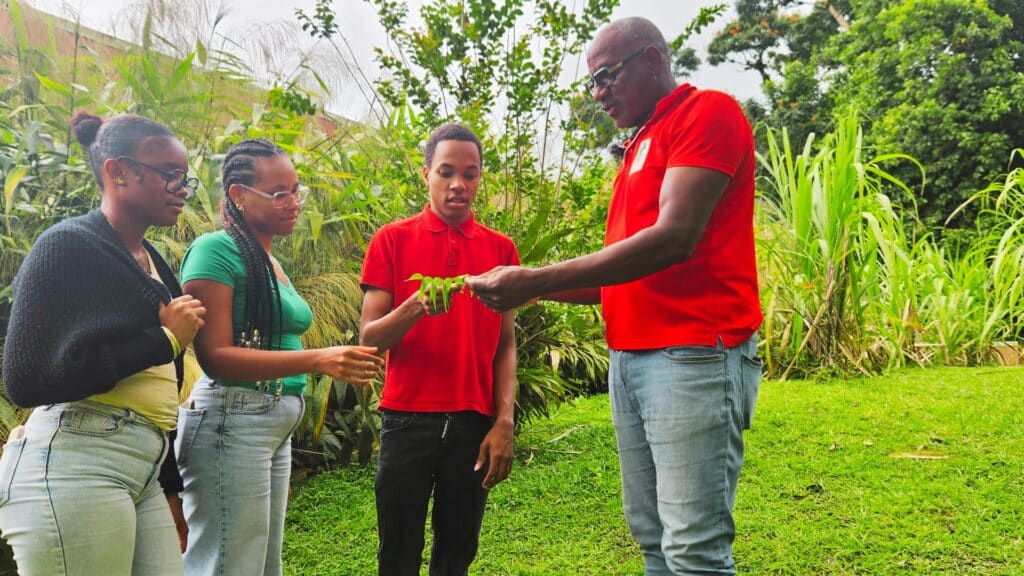
Patrick LAPU stops in front of a slender tree with thin leaves. ” The neem,” he announces.

“Neem is a natural purifier. It cleanses the blood, it purifies.”

Domaine d'Émeraude

Native to India, neem (Azadirachta indica) has been used for thousands of years in traditional medicine. Acclimatized in Martinique, it testifies to the pharmacological wealth of tropical plants, a treasure that Domaine d’Émeraude makes available to the public.

Patrick LAPU delicately picks a few leaves and hands them to the three youngsters. “I invite you to taste them. Chew, you can swallow, there’s nothing to worry about.” Kévin tries first, Maeva follows, Maya closes the line. Faces crinkle: “It’s bitter!”, and Patrick smiles.

“It’s very bitter, yes. But it’s a plant for the future.”

A plant for the future: From the mouth of a guide who has been accompanying visitors for ten years, the formula says it all: nature as a remedy, ancestral knowledge as a resource for the present.

The real view is transmitted in Creole

The neem episode is not an anecdotal detour. It’s exactly what Patrick LAPU wants to get across.

“The role of Domaine d’Émeraude is to raise awareness at an early age, to get to know and understand.”

At a time when global warming is shaking up the island, with the massive arrival of sargassum and the changing seasons, Patrick LAPU has a clear mission: to reconnect with nature.

Domaine d'Émeraude

To say it, he chooses his mother tongue.

“Matinik sé ta nou. Pwotéjé la nati, sé pa ki di an bouch, fok nou fè-y an aksyon.”

(Martinique belongs to us. Protecting nature doesn’t just mean saying it, it means doing it).

Maya and Maeva smile. They know these words, their grandparents told them. Kévin, for his part, nods his head: he has just understood why, after five remarkable gardens discovered with Émile and Jocelyne, he absolutely had to finish here, with his two friends.

Domaine d'Émeraude
Patrick Lapu, Guide and nature guide

Rendez-vous aux Jardins 2026: seeing the real thing as a family (and in friendship)

At a time when there is much talk of reconnection, Domaine d’Émeraude offers an embodied response. Not a show, but a learning experience.

The rainforest is the ultimate,” confides Patrick LAPU.

“The ultimate for someone who’s looking for themselves, who’s going to reconnect. It’s the one that the forest will inspire a lot of things, because you find yourself in the heart of the forest.”

It’s also a message to the people of Martinique themselves.

“Domaine d’Émeraude is not well known in Martinique. Come and visit the estate. It’s a nature interpretation site that will explain to you how, why, and that will allow you to evolve around this nature, to know it, to understand it, to continue.”

Domaine d'Émeraude

The real view is the truth, what you’re going to see, what you’re going to discover,” concludes Patrick LAPU.

Kévin, Maya and Maeva leave the estate with a few neem leaves at the bottom of their bags, perhaps still with the bitter taste that heralds a plant for the future. And with the conviction that they will return, in their turn, with other comrades, other little brothers and sisters.

Six gardens ago, Kévin followed his grandparents. Today, he leads the way.

The transmission has changed hands, and it’s only just begun.

📌 IN PRACTICE

Rendez-vous aux Jardins 2026 – Domaine d’Émeraude

📅 Saturday 6 and Sunday 7 June 2026

📍 Route de Deux-Choux, 97260 Le Morne Rouge, Martinique

🌿 Self-guided tour, can be accompanied by estate guides

An exploration by RICHÈS KARAYIB for Rendez-vous aux Jardins 2026, in partnership with the Direction des Affaires Culturelles (DAC) de Martinique.

Leave a Reply

Your email address will not be published. Required fields are marked *

More articles from RK

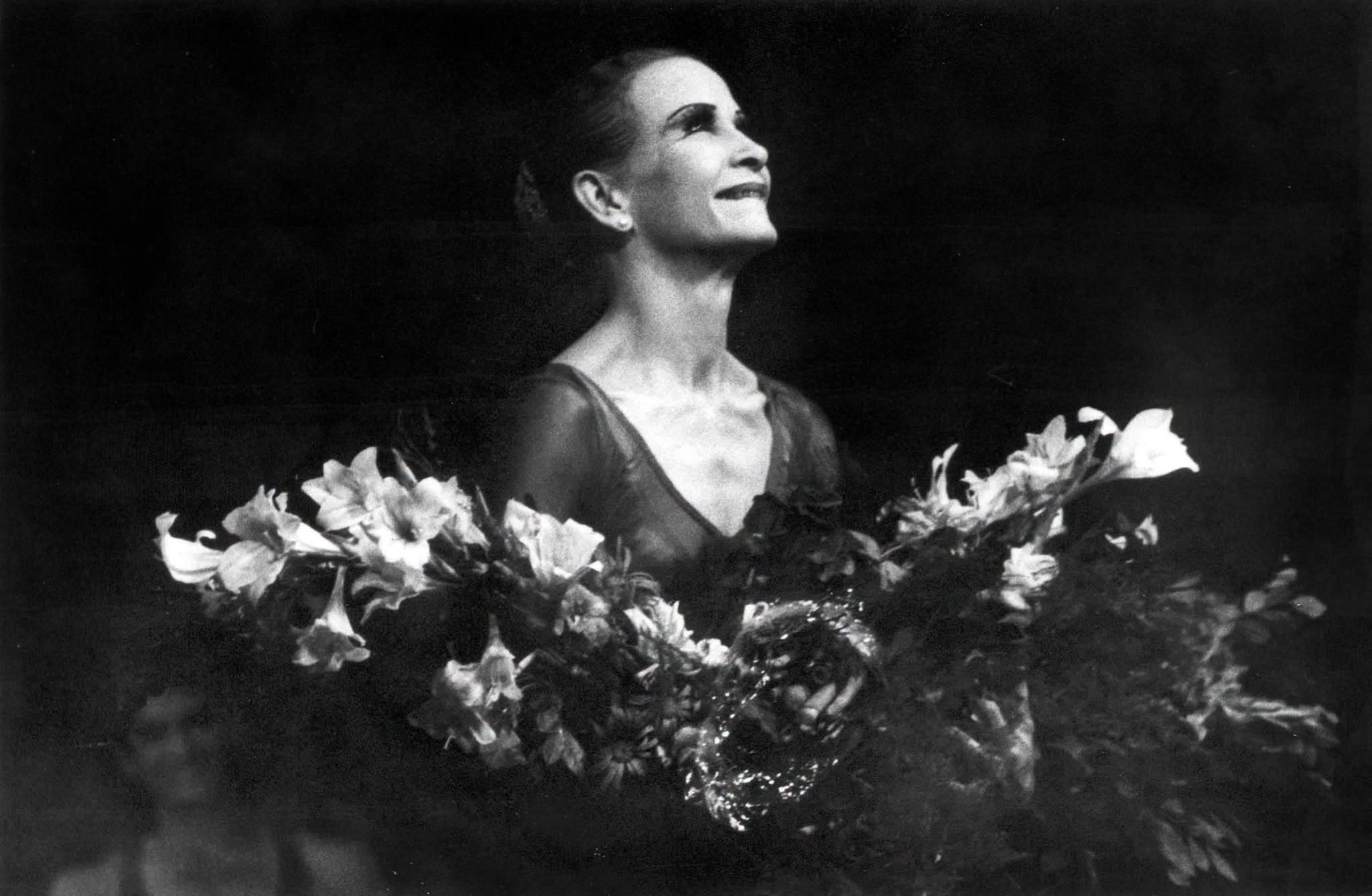
María Elena Llorente recevant un hommage floral, Ballet Nacional de Cuba
DANCE
Tolotra

María Elena Llorente: 50 Years of Ballet in the Service of Cuba

In May 1977, a Cuban dancer took the stage in New York with the Alvin Ailey Dance Theater. In the audience that evening, actor Harry Belafonte watched the performance and would later describe the evening as a significant historical event. This dancer’s name was María Elena Llorente, prima ballerina and ballet mistress of the Ballet Nacional de Cuba. Her career spans fifty years of dance, spent almost entirely with a single company—the one founded by Alicia Alonso in Havana—on an island where, over the decades, classical ballet has become as much a source of national pride as it is an art form. María Elena Llorente, of the Sociedad Pro-Arte at the National Academy It all began at the Sociedad Pro-Arte Musical, a school in Havana where young Cuban women learned the basics of classical ballet even before the official founding of the national ballet company. María Elena Llorente then continued
Read More »
Two men greeting each other with "Asere, qué bolá" in Havana
HISTORY & HERITAGE
Tolotra

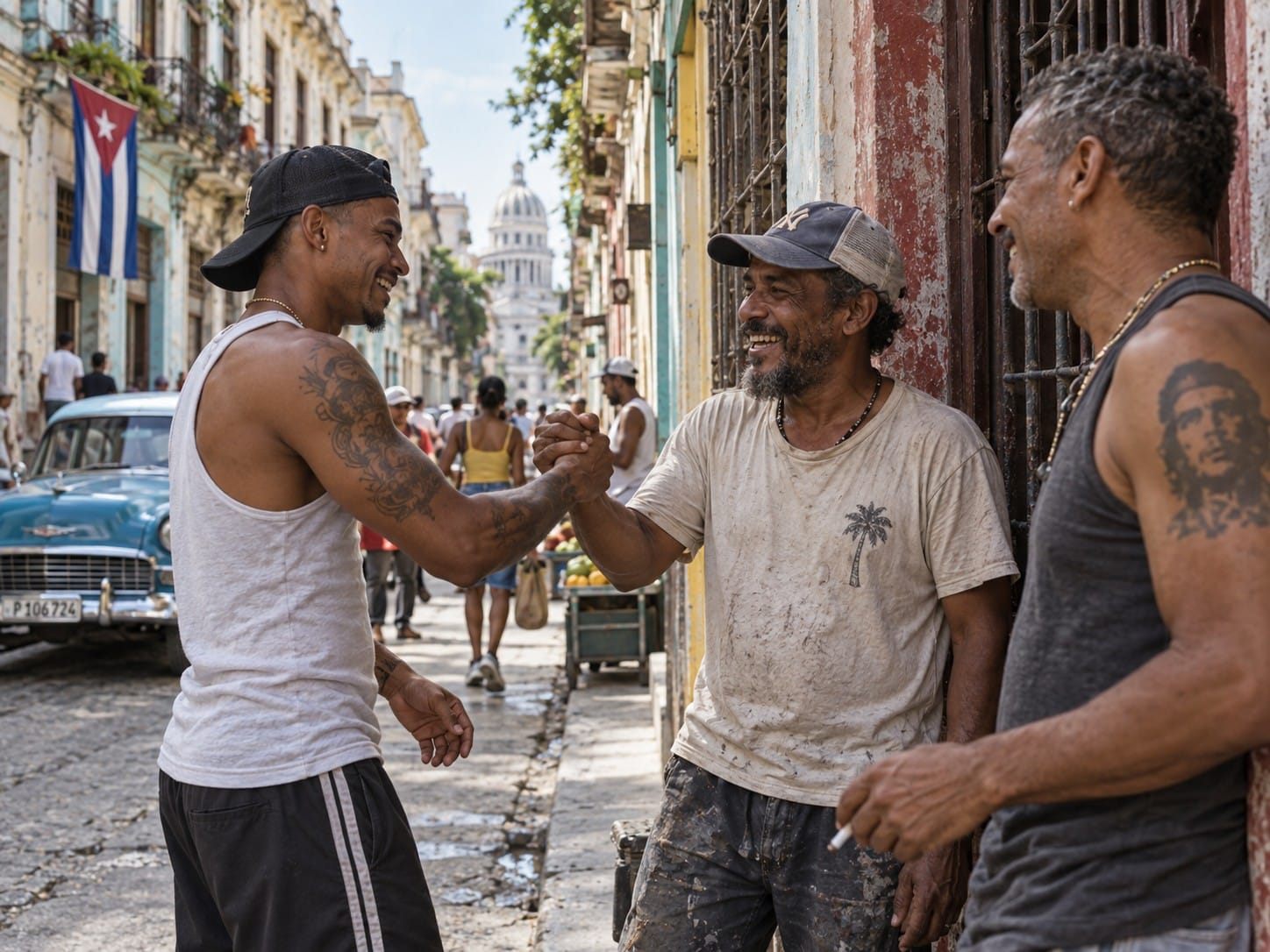
“Asere, ¿qué bolá?”, the street greeting Obama dared to use in Cuba

“Asere, ¿qué bolá?”, this Cuban street greeting, was already in common use in Havana’s working-class neighborhoods long before a U.S. president adopted it as well. On Saturday, March 19, 2016, on the eve of the first presidential trip to the island in nearly nine decades, Barack Obama appeared in a Cuban TV sketch alongside Pánfilo, a comedic character well known to viewers on the island, and delivered a “qué bolá” that no one expected to hear from a U.S. head of state. The next day, upon setting foot in Havana, he did it again on Twitter: “¿Que bolá Cuba? Just touched down here.” In just a few hours, two words of Havana slang had bridged the gap between the street and the world of diplomacy. What does “Asere, ¿qué bolá?” mean? Taken literally, “asere” doesn’t really translate, and “qué bolá”—which comes from “bola,” meaning “ball”—doesn’t convey anything more literal than
Read More »
View of Fortaleza Ozama and its Torre del Homenaje tower, in Santo Domingo
HISTORY & HERITAGE
Tolotra

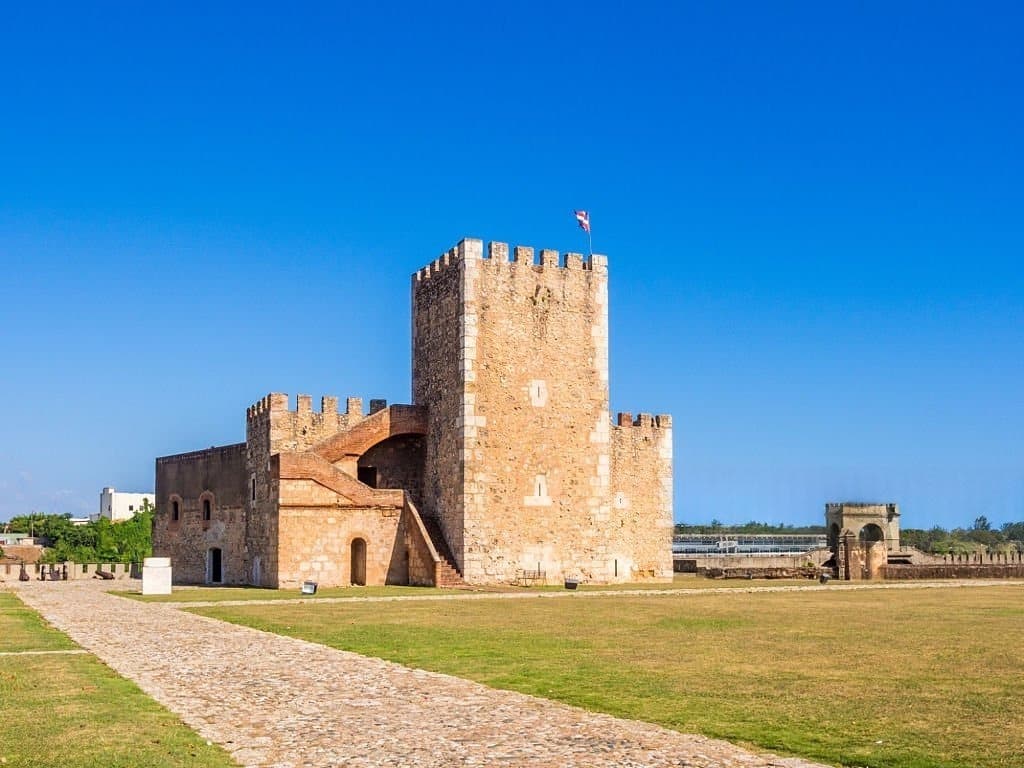
Fortaleza Ozama, the 1502 fortress where a nation was born

In Santo Domingo, on the banks of the Ozama River, the Fortaleza Ozama has weathered more than five centuries of Dominican history without ever falling into the hands of an attacker. It held the father of Dominican independence captive, served as a political prison under the Trujillo dictatorship, and withstood tank fire during the 1965 civil war. Now a UNESCO World Heritage Site, the oldest European-built fortress still standing in the Americas continues to preserve, almost intact, the memory of a nation. An arrival in chains, August 27, 1844 On August 22, 1844, Juan Pablo Duarte was arrested in Puerto Plata. Five days later, on August 27, he entered the Fortaleza Ozama in Santo Domingo. The government led by Pedro Santana had just declared him a traitor to the nation. Duarte, who had planned and led the young Dominican Republic to independence, was imprisoned in the dungeons of the Torre

Read More »

conTACT RK

we'd love to have your feedback on your experience so far

Join The List

Join our Richès Karayib community!  Sign up for our newsletter.

Want To Maximize Your Business Presence On Riches Karayib?

Complete the form to start the application