When luxury is more than just décor
For a long time, luxury in the international hotel industry was measured by the thickness of the marble, the height of the ceilings, the scarcity of objects in the rooms. Some of this grammar still exists. But another, potentially more profitable, is emerging. Cultural luxury is gaining in importance. It is measured by the quality of the connection a traveler can establish with the place he or she is visiting.
This evolution is documented in Travel Dreams 2026: From data to delight, a report published by Amadeus in April 2026, based on a survey conducted by Opinium Research in the fourth quarter of 2025. Asked about the sensations they seek in a destination, 24% of the 6,000 travelers cited “connection to a place: food, experiences, special moments”. This was the second most frequent response, behind freedom. As far as hoteliers are concerned, the figure is becoming strategic: 44% of the 500 general managers surveyed across nine countries identified “concierge and guided experiences” as one of the two main drivers of growth in non-room revenues, on a par with social events.
What travellers are really looking for
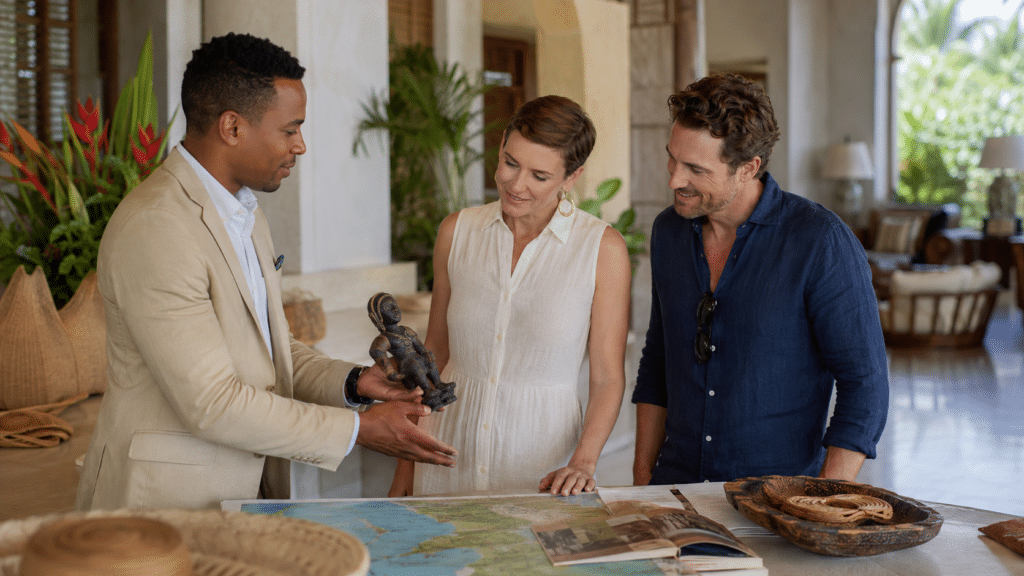
In other words, what travelers are looking for, and what hoteliers worldwide are beginning to monetize in earnest, is the same thing: access to living culture. Cultural luxury is not just about décor or service levels. It’s about creating the right relationship between the visitor, the area and the people who bring it to life.
The Amadeus report goes further, putting a figure on what it calls “local experience kits”: neighborhood guides, handcrafted souvenirs, connections with cultural players. It estimates that a mid-range hotel could generate over $243,000 in additional annual revenue from this type of service, based on a guide price of $20 per kit. Nearly a third of business travelers who extend their stay for leisure purposes say they are prepared to pay more than 15% above the average rate for this type of service. With this in mind, cultural luxury is also becoming an issue of business model, not just image.
The Caribbean's value is still under-structured
This fact is particularly relevant to the Caribbean. The region’s cultural heritage is alive and well, but still unevenly structured in terms of tourism and hotel offerings. The Kalinago traditions of Dominica, the Creole languages spoken from island to island, the memory of ancient maritime routes, syncretic ritual practices, culinary know-how handed down outside the formal circuits: all this constitutes a capital that still largely escapes the logics of standard hotel valorization. And yet, this is precisely where cultural luxury can find its most solid footing.

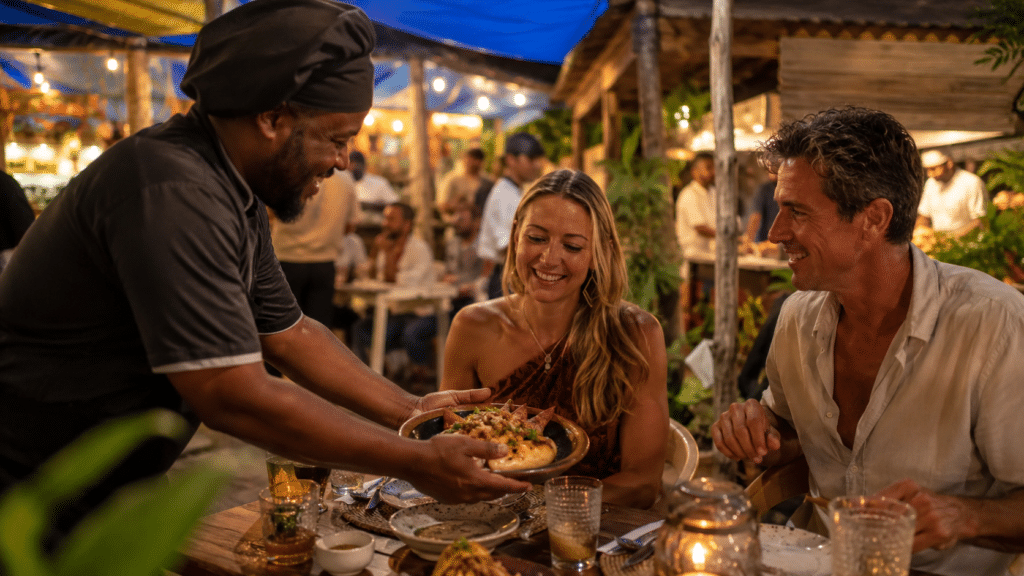
Exceptions do exist. Some independent hotels in the Caribbean have long understood that having a traveler dine in a local market, meet with an artisan or enjoy an hour’s silent walk in a heritage district creates a value that is difficult to compare with a standardized spa facility. But these initiatives often remain isolated, barely visible in destination communications, and rarely structured as a coherent economic proposition. To turn cultural luxury into a sustainable lever, we need to move on from one-off initiatives to a clear, profitable offering that respects local players.

Local experiences to be organized differently
The Amadeus report identifies a potentially game-changing trend. According to the study, 41% of hotels surveyed have already created packages linked to regional concerts, cultural events or popular TV series, and 38% plan to do so within the year. The traveler of 2026 no longer comes just to see a place. They come to enter into a relationship with it, through proposals that are constructed, told and embodied. This shift towards cultural luxury is exactly the kind of proposition that the Caribbean can articulate, provided its economic players work together.
This implies a number of shifts. Firstly, we need to move away from competition between islands and think in terms of pan-Caribbean offerings, where the richness of each territory complements rather than cannibalizes each other. Secondly, we need to professionalize the way in which our cultural heritage is presented: not by folklorizing it, but by presenting it with the editorial and visual rigor expected by a well-informed international traveler. Finally, we need to structure the economic relationship between hotels, local cultural players and experience operators, so that the value generated benefits the regions and not just international intermediation platforms. Caribbean cultural luxury can only be as strong as the people who bring it to life.

A journey that also promises personal transformation
Another statistic in the report is worth noting. Asked what they hope to bring back from a trip, 18% of travelers surveyed cite “a new version of themselves: clearer, lighter, more intentional”. This figure rises to 39% among travelers surveyed in China. For Caribbean destinations seeking to diversify their source markets, this signal deserves attention. It does not allow us to generalize to all Asian markets, but it does show that some travelers already associate travel with a form of personal transformation.

Enhancing without diluting
In 2026, cultural luxury is no longer sold in rooms alone. It’s sold in encounters. In hours. In presence. The Caribbean has what it takes to meet these expectations. All that remains is to organize it, to tell its story, to enhance its value without diluting it.
Cultural luxury is a new way of thinking about high-end travel. It’s not just about the comfort of a hotel, the quality of a room or the presence of exclusive amenities. It’s built around the relationship between the traveler and the territory visited. In tourism, this can take the form of a meeting with an artisan, a meal prepared with local produce, a guided tour by a local, or an experience that provides a better understanding of a place’s history, languages, practices and memories. Cultural luxury therefore gives value to that which cannot easily be copied: the living identity of a territory.
Cultural luxury represents a major opportunity for the Caribbean, as the region boasts a rich living heritage: Creole languages, culinary traditions, historical memories, music, craft skills, community practices and indigenous or Afro-descendant heritages. Yet some of this richness remains unstructured in conventional tourism offerings. By developing better-organized local experiences, Caribbean territories can create new revenue streams, boost the attractiveness of their destinations and better involve cultural players in the value generated by tourism. The challenge is not just economic: it also concerns the transmission, recognition and preservation of local identities.
Caribbean hotels can develop cultural luxury by working directly with local players: artisans, guides, chefs, artists, historians, cultural associations, heritage communities and experience operators. The aim is not to turn culture into décor, but to build respectful, rewarding and well-told propositions. This means choosing legitimate partners, presenting traditions accurately, avoiding clichés and guaranteeing that income actually benefits the people who carry this knowledge. A solid cultural luxury doesn’t put culture on display: it creates a fair encounter between the visitor, the place and those who bring it to life.