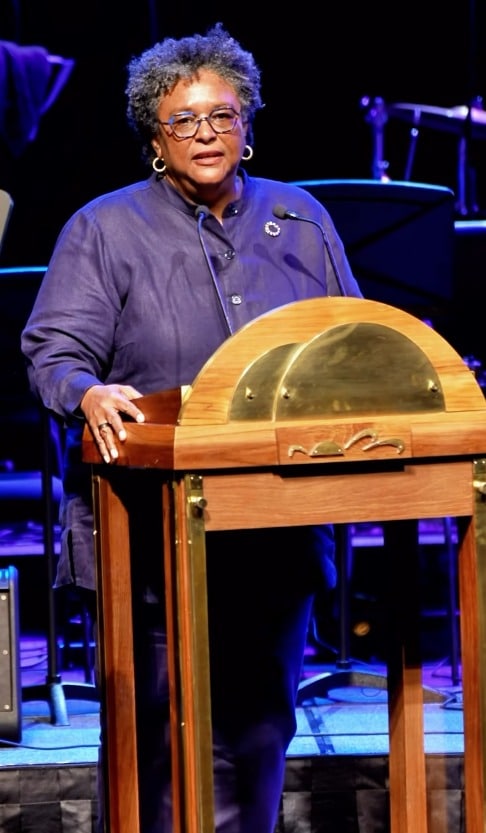


Mia Mottley began her tribute to Mighty Sparrow by quoting “The Slave,” a song from 1963. At the calypso artist’s funeral on October 16, 2026, she called for the song to be included in the Caribbean Examinations Council’s curriculum. This idea raises a simple question: what place do Caribbean voices have in schools? Mia Mottley began her tribute to Mighty Sparrow by quoting lines from “The Slave.” On October 16, 2026, at the National Academy for the Performing Arts in Port of Spain, the Prime Minister of Barbados then called for this 1963 song to be included in the Caribbean Examinations Council (CXC) curriculum. She wanted every child in the region to understand both the pain and the mission behind it. She turned to Kamla Persad-Bissessar, Prime Minister of Trinidad and Tobago, so they could work together to convince their counterparts. Persad-Bissessar replied that she would work with her Caribbean
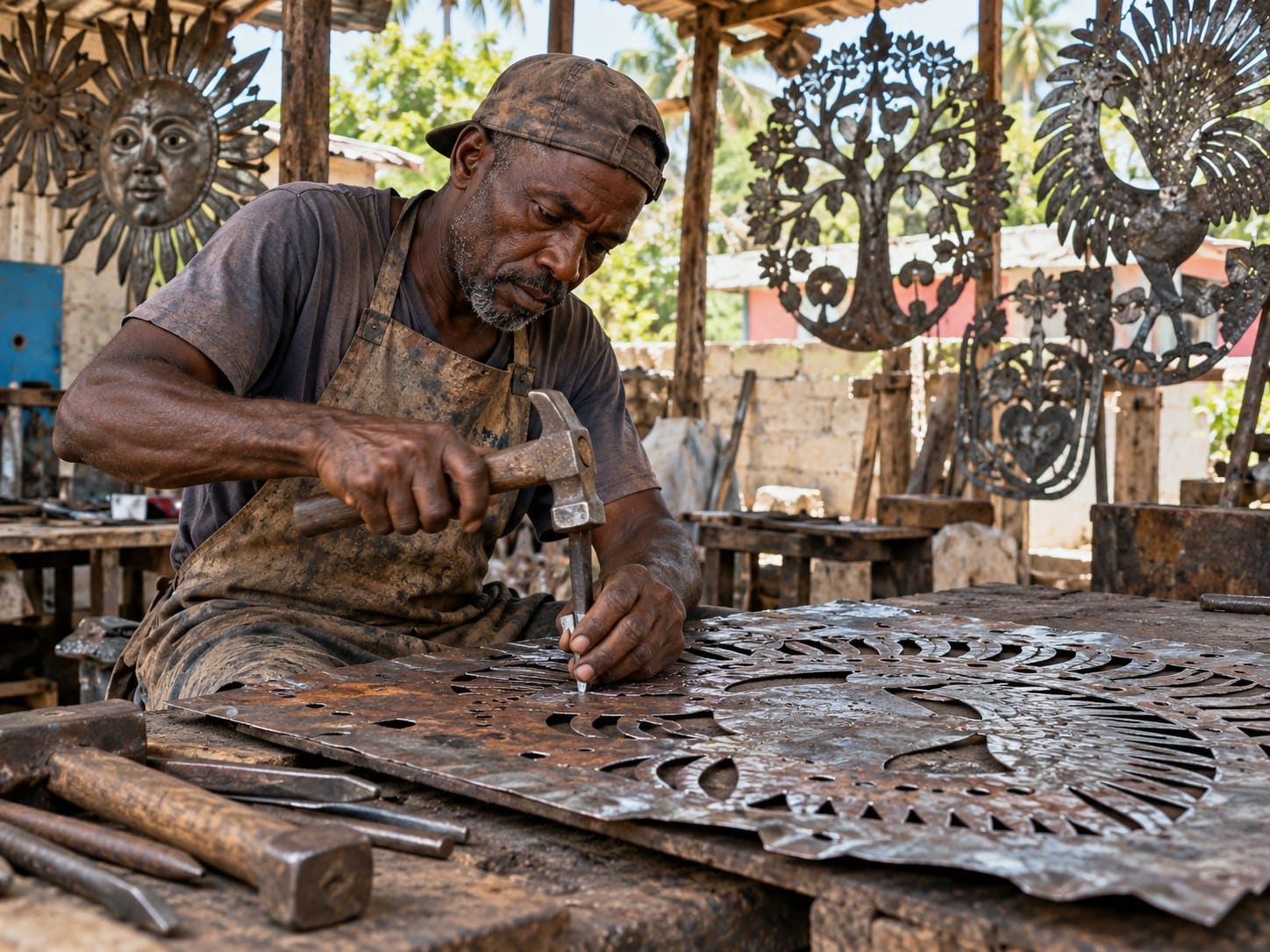
In 1953, in a cemetery in Croix-des-Bouquets, two men stopped in front of some iron crosses. They were crafted by a blacksmith named Georges Liautaud. From this funerary gesture comes Haitian cut iron, an art form of hammered metal drums that artisans in Noailles have passed down ever since, in a village plagued by insecurity. An Iron Cross at the Croix-des-Bouquets Cemetery In 1953, some iron crosses caught the attention of two visitors at the Croix-des-Bouquets cemetery, about a dozen kilometers northeast of Port-au-Prince. DeWitt Peters, founder of the Centre d’Art in the capital, was accompanied by the painter Antonio Joseph. They tracked down the artist and encouraged him to become a sculptor. His name was Georges Liautaud. He was a blacksmith. He made these crosses for the Catholic graves in his town, just as he made farming tools. Georges Liautaud: From Railroads to Sculpture Georges Liautaud was born in
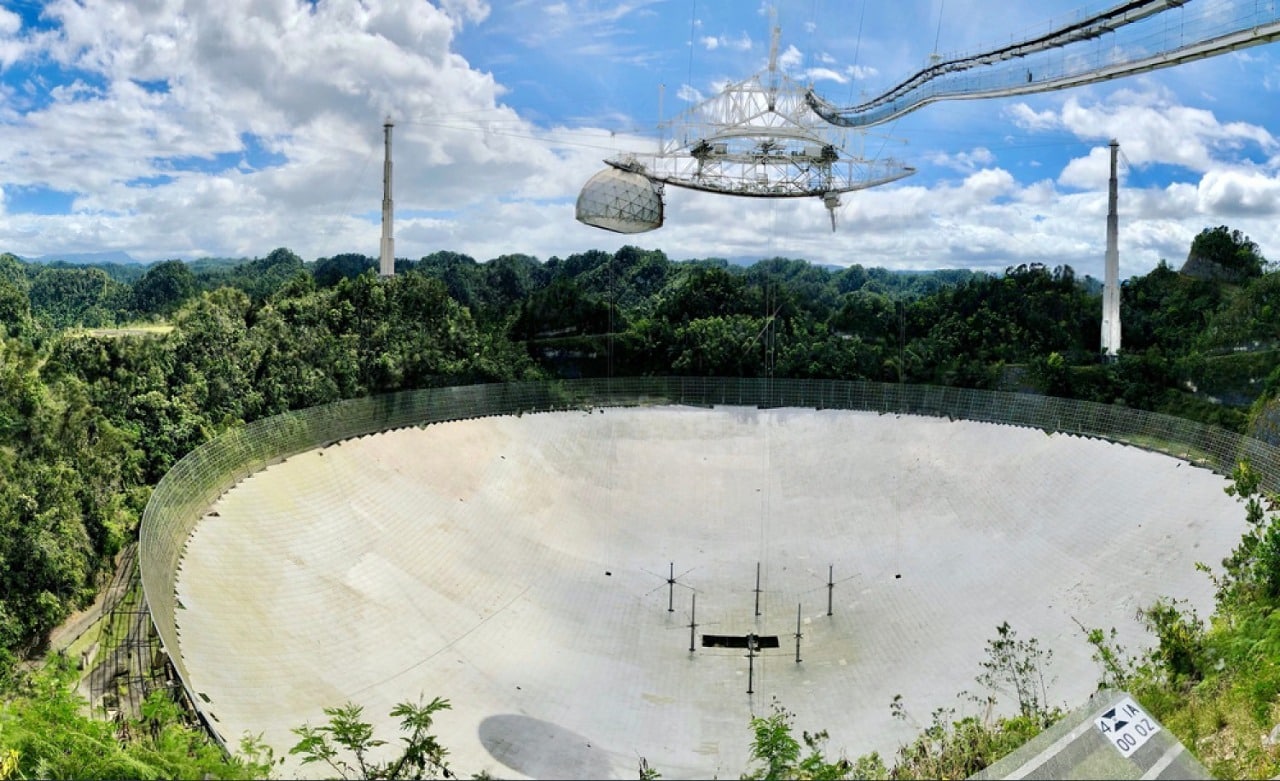
For 53 years, Arecibo, in Puerto Rico, was home to the world’s largest single-dish telescope, with a mirror 305 meters in diameter. Its platform collapsed on December 1, 2020, without causing any injuries. The Arecibo site now houses an educational center open to the public by ticket. On December 1, 2020, at approximately 7:55 a.m. (Puerto Rico time), the Arecibo telescope platform collapsed into the crater above it, where it had stood since 1963. No one was injured. The director of the National Science Foundation (NSF), Sethuraman Panchanathan, expressed sadness over the situation but was grateful that no one had been harmed. In Arecibo, in northern Puerto Rico, this collapse brings to a close a story that began in 1960. That year, teams entered a natural depression in the karst region to install a giant mirror there. A single number sums it all up: 305 meters. The Arecibo Observatory, a