

โœˆ๏ธ[ACI Airport Day] Technology & Passenger Experience: What the Experts Have to Say

ACI Airport Day

Three world leaders meet at ACI Airport Day to rethink the future of the passenger journey at Caribbean airports

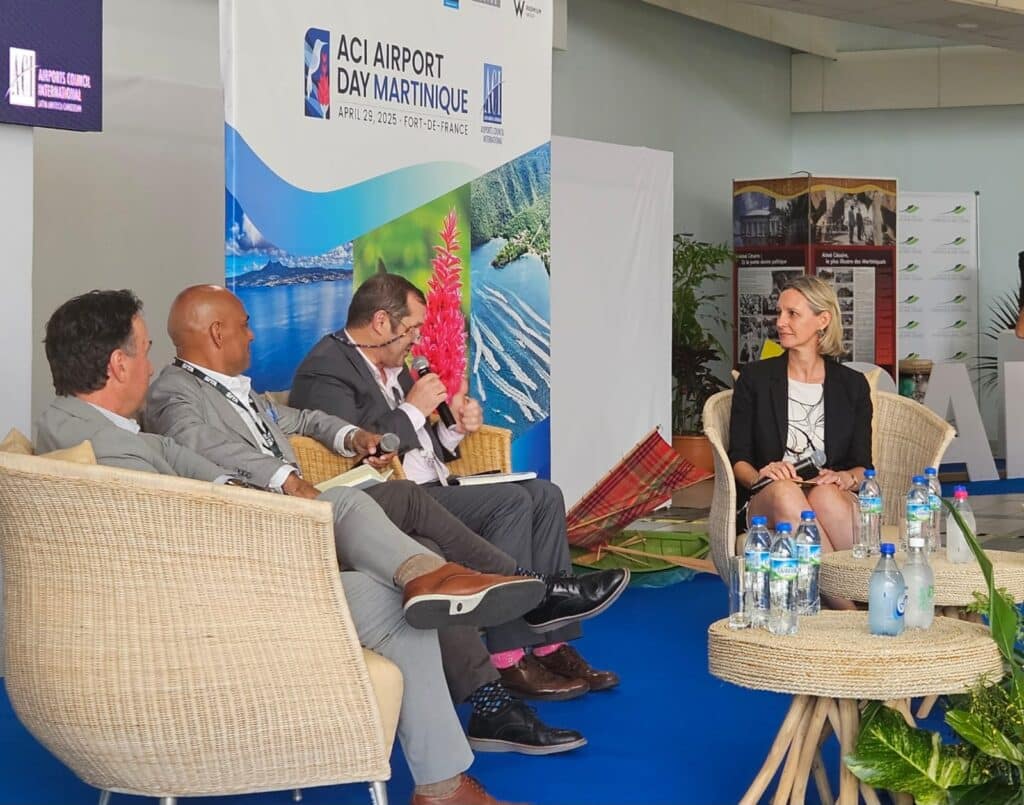
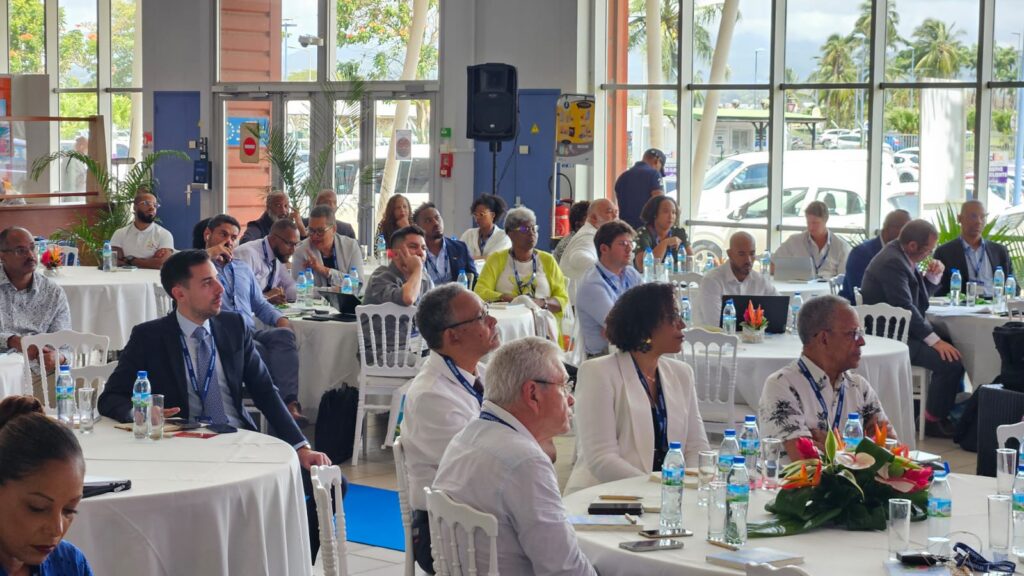
How can we rethink the passenger experience in an increasingly digitalized airport world? This was the question at the heart of the “Technology & Customer Experience” panel organized during ACI Airport Day, which brought together three experts from leading international companies: Embross, SITA and Collins Aerospace.
Hosted by Valรฉrie Vanderhacgen, ACI Airport Day highlighted key issues for airport decision-makers in the Caribbean region.

ACI Airport Day

A shared vision: technology + people = a winning experience

“You don’t go home and say: ‘Today I had a smooth passenger ride’. And yet, that’s exactly what we expect from a good passenger journey.” – Uriel Torres, SITA

Beyond the key words – efficiency, satisfaction, fluidity – the speakers insisted on a strong idea: technology doesn’t replace human contact, it reinforces it.

ACI Airport Day
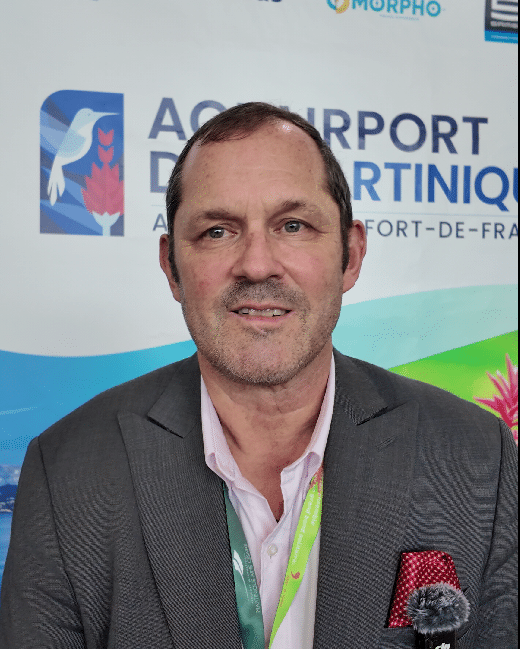
Stรฉphane H. Marcoux
  • Stรฉphane H. Marcoux (Collins Aerospace) spoke at ACI Airport Day of an approach centered on the “seamless journey”, where technologies enable airport staff to get closer to passengers rather than further away.

ACI Airport Day
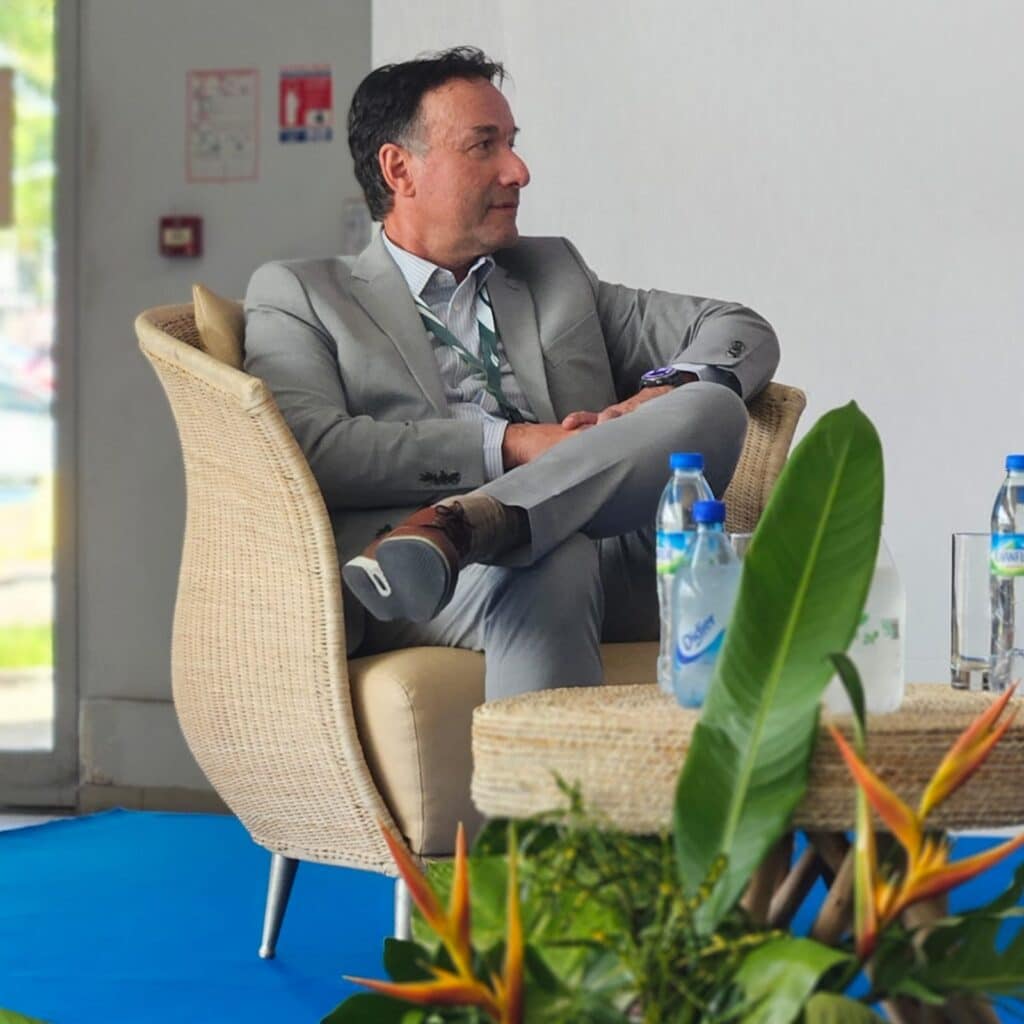
Alex Gerdts
  • Alex Gerdts (Embross) advocates “ambassador” airports, where the man-machine interface becomes intuitive, reassuring, and complemented by valued human assistance.

ACI Airport Day
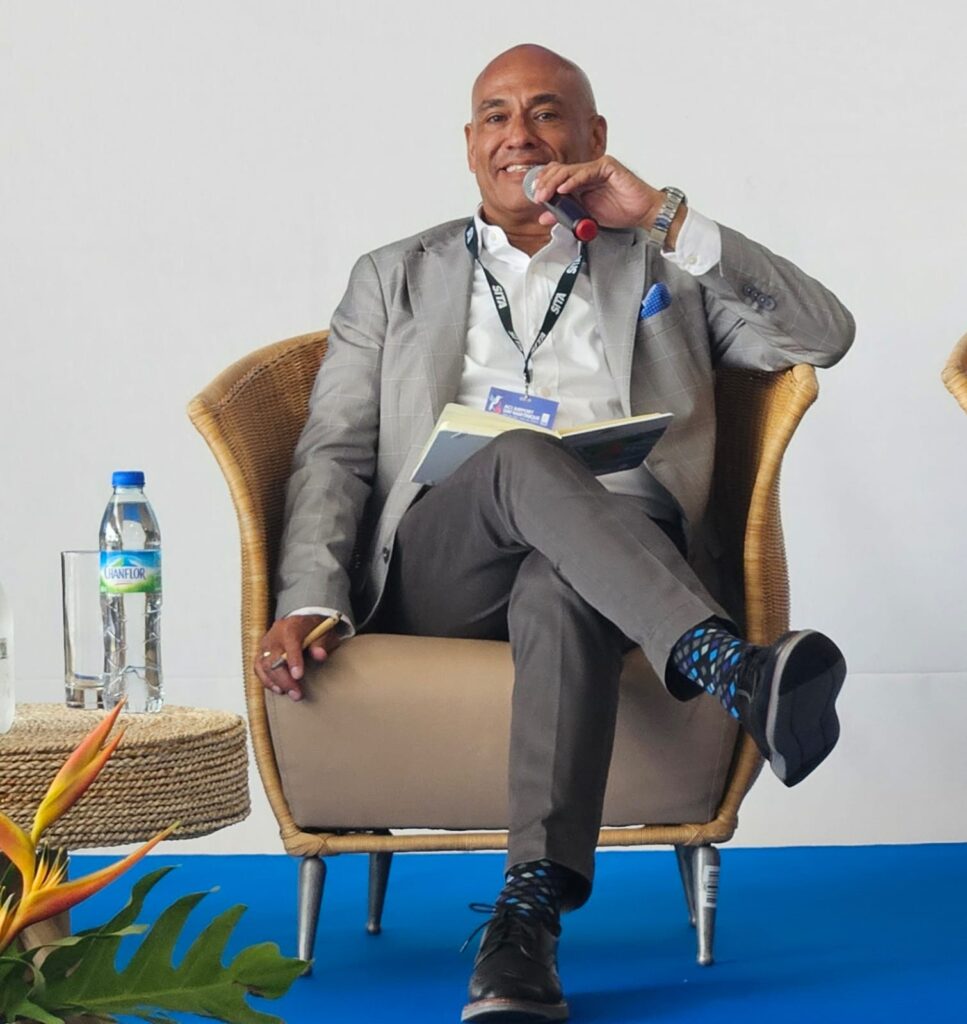
Uriel Torres
  • For Uriel Torres (SITA), each airport has to deal with its own identity and passenger profiles: there’ s no one-size-fits-all model, just a tailor-made strategy.

Inspiring examples: from Bogotรก to Aruba

The speakers shared several concrete cases that could inspire Caribbean airports:

Automated Passport Control (APC), born in Vancouver, has transformed the arrival experience of cruise flights in the United States, streamlining entry without the need for infrastructure expansion.

The “Happy Flow” project in Aruba, deployed in partnership with the local government, has made it possible to integrate biometrics throughout the passenger journey – from check-in to boarding – offering a seamless, highly secure experience.

– In Colombia, innovations around pre-check security have also considerably reduced friction points.

ACI Airport Day

What about biometrics? Opportunity... or regulatory challenge

While biometrics fascinates with its promise of fluidity, the speakers remind us of the many challenges linked to data protection and government regulations, particularly in Europe (RGPD).

Some Caribbean territories can take advantage of their institutional agility to experiment with adapted models, as long as usage is secure and genuine passenger confidence is built up.

ACI Airport Day

Why it's essential for the Caribbean

In a region where tourism, air transport and cruises are economic mainstays, optimizing the passenger journey is much more than a technical challenge. It’s a strategic opportunity to modernize the image, improve profitability and enhance the appeal of an entire region.

In his editorial work, Richรจs Karayib sets out to track the transformations that are reshaping the Caribbean‘s tourism and economic trajectories.

ACI Airport Day

Meet the experts

Leave a Reply

Your email address will not be published. Required fields are marked *

More articles from RK

Journรฉe mondiale du steelpan
EVENT MANAGEMENT
Tolotra

World Steelpan Day: In Trinidad, Young People March Alongside the Pioneers

This Tuesday, August 11, Trinidad and Tobago celebrates World Steelpan Day with a program built around a powerful idea: connecting those who shaped the movement with the generation that must now carry it forward. In Port of Spain, performances by youth orchestras, the Ancestral Walk, and a closing concert come together to create a day where memory does not stand still. It flows, is played out, and is passed on. In Port of Spain, a day designed to symbolize a passing of the torch Pan Trinbago has chosen โ€œRhythm and Rise: Youth. Discipline. Culture. Community.โ€ as the theme for the 2026 edition. This choice is no coincidence. For this World Steelpan Day, the organization is clearly placing youth at the center of the program, while paying tribute to the movementโ€™s pioneers. The celebration begins at the Massy Trinidad All Stars Steel Orchestraโ€™s panyard, featuring youth ensembles from various regions of

Read More ยป
Well mudda sick
HISTORY & HERITAGE
Tolotra

“Well mudda sick!”: But what do these three words really mean?

In the Bahamas, three words are enough to express surprise even before you realize what just happened. Good news breaks, a plan falls through, something exceeds expectations: โ€œWell mudda sick!โ€ might pop up in conversation. Taken literally, the meaning is confusing. In Bahamian usage, however, the expression is much simpler than it seems. Three words that don’t really translate word for word โ€œWell mudda sick!โ€ literally translates to โ€œWell, my mother is sick.โ€ But thatโ€™s not what a Bahamian means when they use it. Instead, the expression functions more like an exclamation: โ€œWow!โ€, โ€œOh my!โ€, โ€œUnbelievable!โ€, or even โ€œMy God!โ€, depending on the situation and tone. It is precisely this discrepancy that makes it interesting. Someone who knows every single English word can understand the sentence on paper and yet completely miss its meaning in conversation. Here, itโ€™s not just the words that matter. Context, speed, and intonation play a

Read More ยป
Chattel house
HISTORY & HERITAGE
Tolotra

Chattel House: The Hidden Social History Behind Barbadosโ€™ Houses

At first glance, they catch the eye with their wooden facades, their colors, and their simple proportions. Yet Barbadosโ€™ chattel houses are not merely an architectural signature. Their form reflects a specific social reality: for a long time, some residents could own their homes without owning the land on which they stood. A chattel house therefore had to be movable. Chattel House: A Home Designed for Traveling To understand this unique aspect, we must look back to the post-emancipation period. In Barbados, the emancipation of enslaved people was completed in 1838. However, the islandโ€™s land structure remained deeply shaped by the sugar economy. As early as the 17th century, the expansion of sugarcane cultivation had led to the concentration of land in the hands of large plantations. After emancipation, many workers still lived on land belonging to the plantations. They could build a home and own it, without owning the

Read More ยป

conTACT RK

we'd love to have your feedback on your experience so far

Join The List

Join our Richรจs Karayib community! ย Sign up for our newsletter.

Want To Maximize Your Business Presence On Riches Karayib?

Complete the form to start the application