CARIFTA Aquatics Championships 2026: Martinique, crossroads of a Caribbean that swims together

CARIFTA

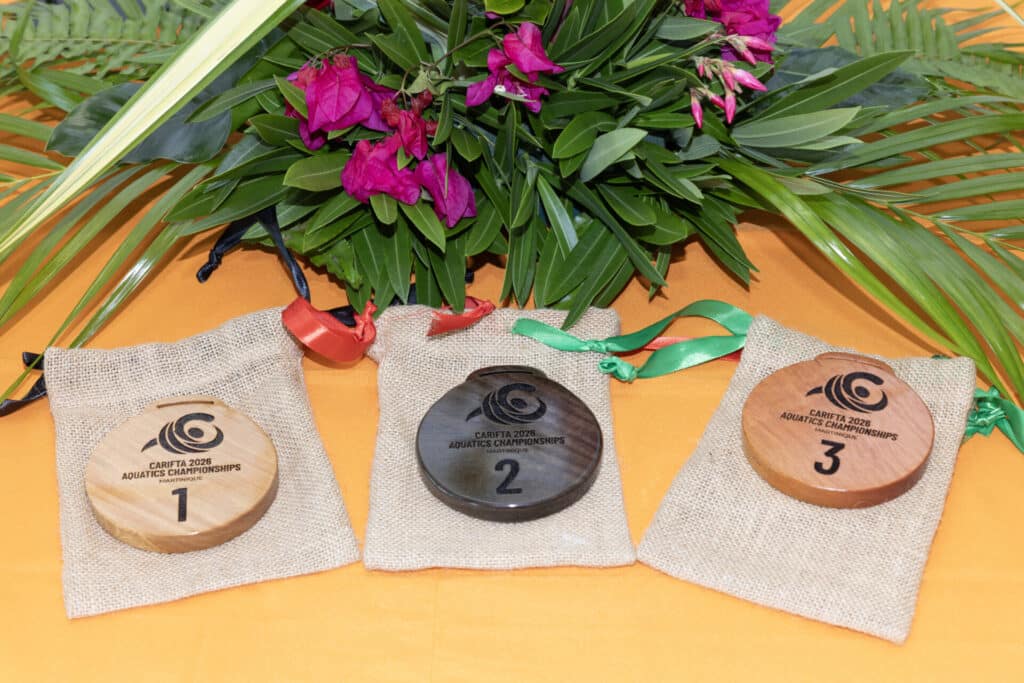
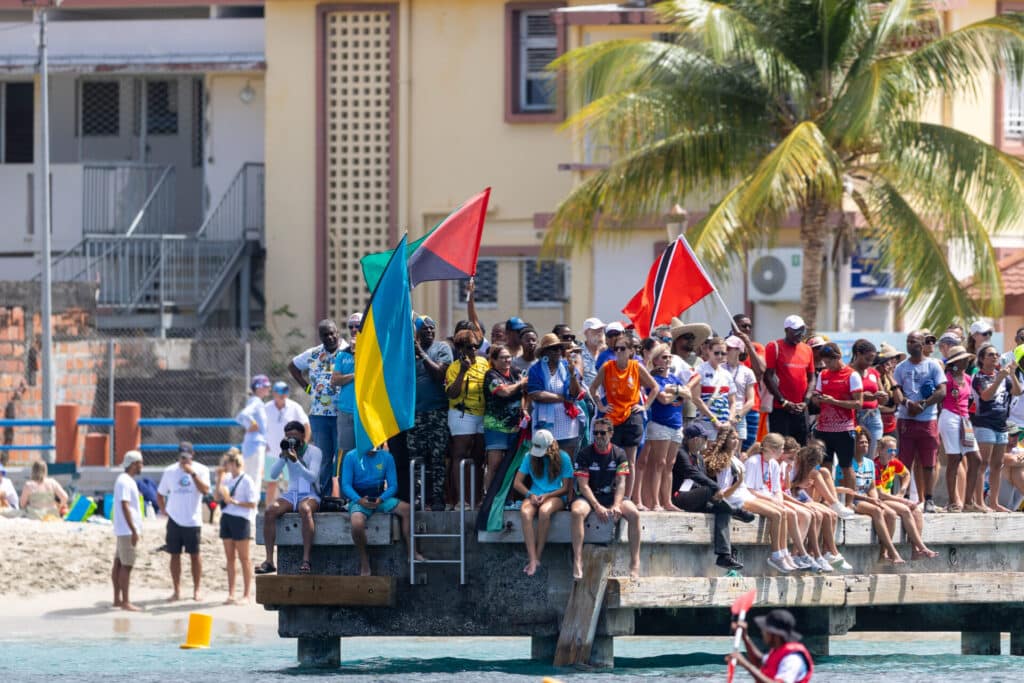
There’s an energy in Caribbean swimming that the stands of Le Lamentin captured every April evening. When the finals began, the stands filled and the flags of twenty-four nations mingled above the pool, the XXXIXth CARIFTA Aquatics Championships ceased to be a mere competition. They became what they have always been in essence: a gathering, a promise to the youth of the Caribbean.

CARIFTA

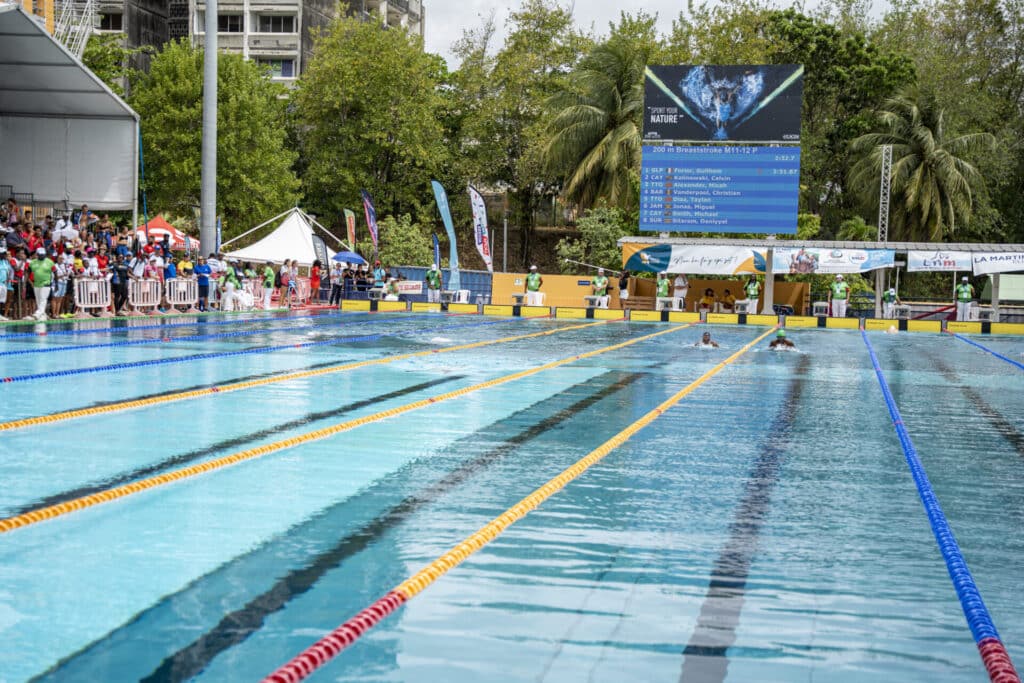
From April 4 to 8, more than 480 swimmers and a hundred staff from 24 countries converged on Martinique for three disciplines: swimming races in Le Lamentin, artistic swimming and the 5 km open water event in Anses d’Arlet. Ten years after the previous edition, the organizing committee led by Alex Badian mobilized 150 volunteers, 60 officials per day and some 40 partners. Giant screens and 500 mobile bleacher seats, a first for the event, gave this edition a unique character, with packed stands every evening.

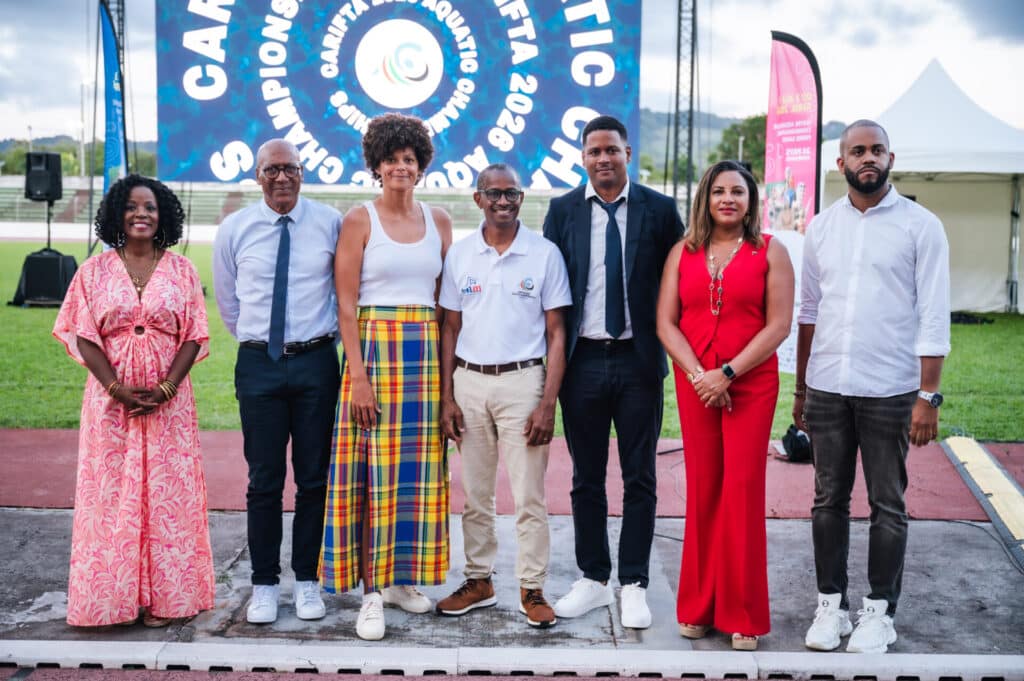
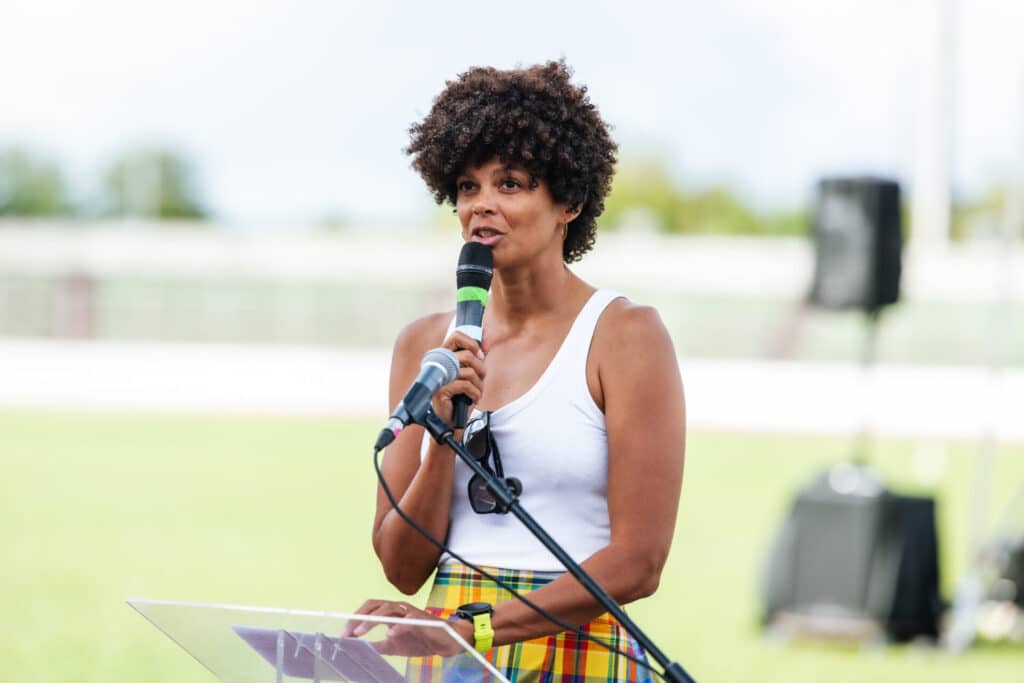
Coralie Balmy, Olympic medal-winning swimmer from Martinique and director of Coco An Dlo, was this year’s godmother. For her, the CARIFTAs are “like mini-Olympic games”, a springboard to international competitions. Her message to the athletes: “Write history, sublimate yourself, find that little bit of magic that will make the difference.”

CARIFTA
CARIFTA

In the basin: the Caribbean confirms its vitality

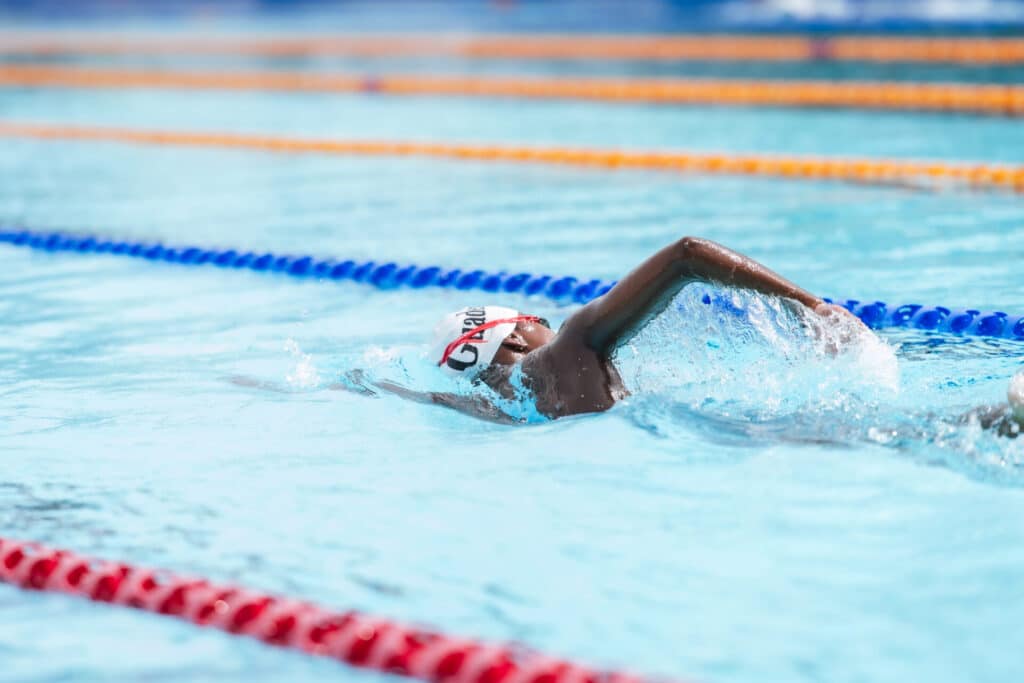
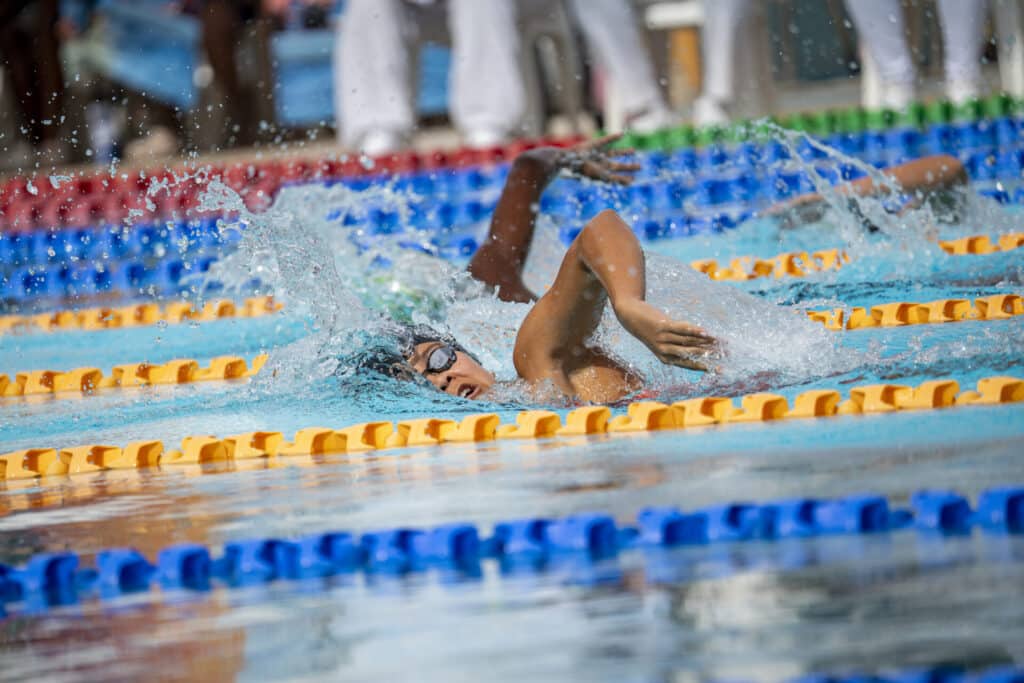
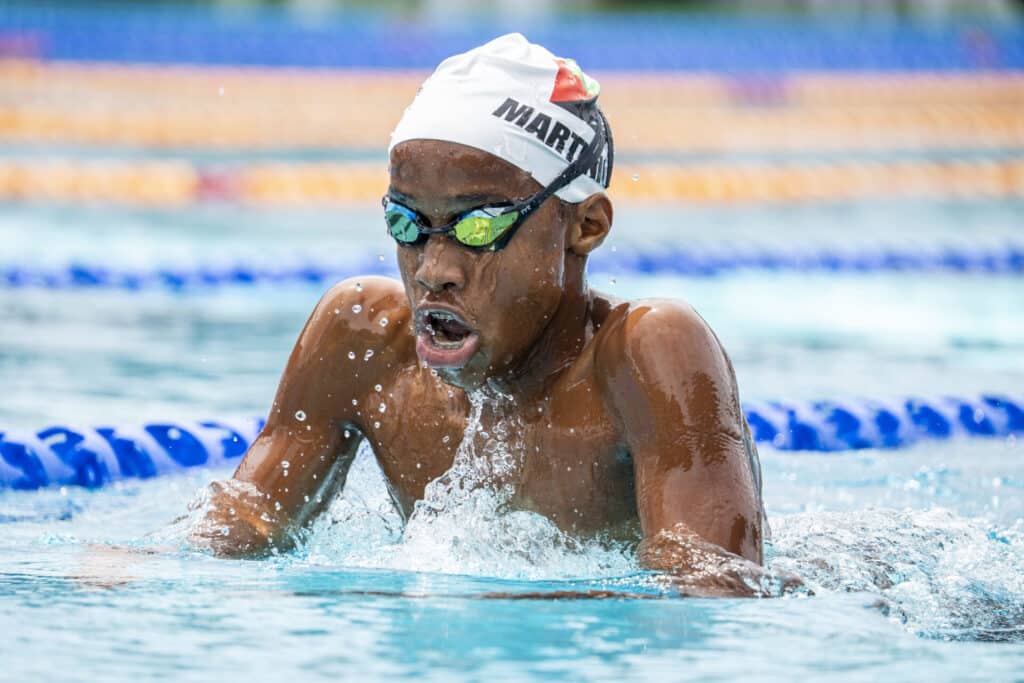
The four days of competition produced 117 events of a remarkable standard. The Bahamas finished first on points (795), followed by Jamaica (754.5), Trinidad & Tobago (747), Barbados (638.5), Cayman Islands (547.5) and Martinique (489). In the gold medal table, Barbados leads with 23 titles, ahead of the Bahamas (21), Trinidad & Tobago (20) and Jamaica (15).

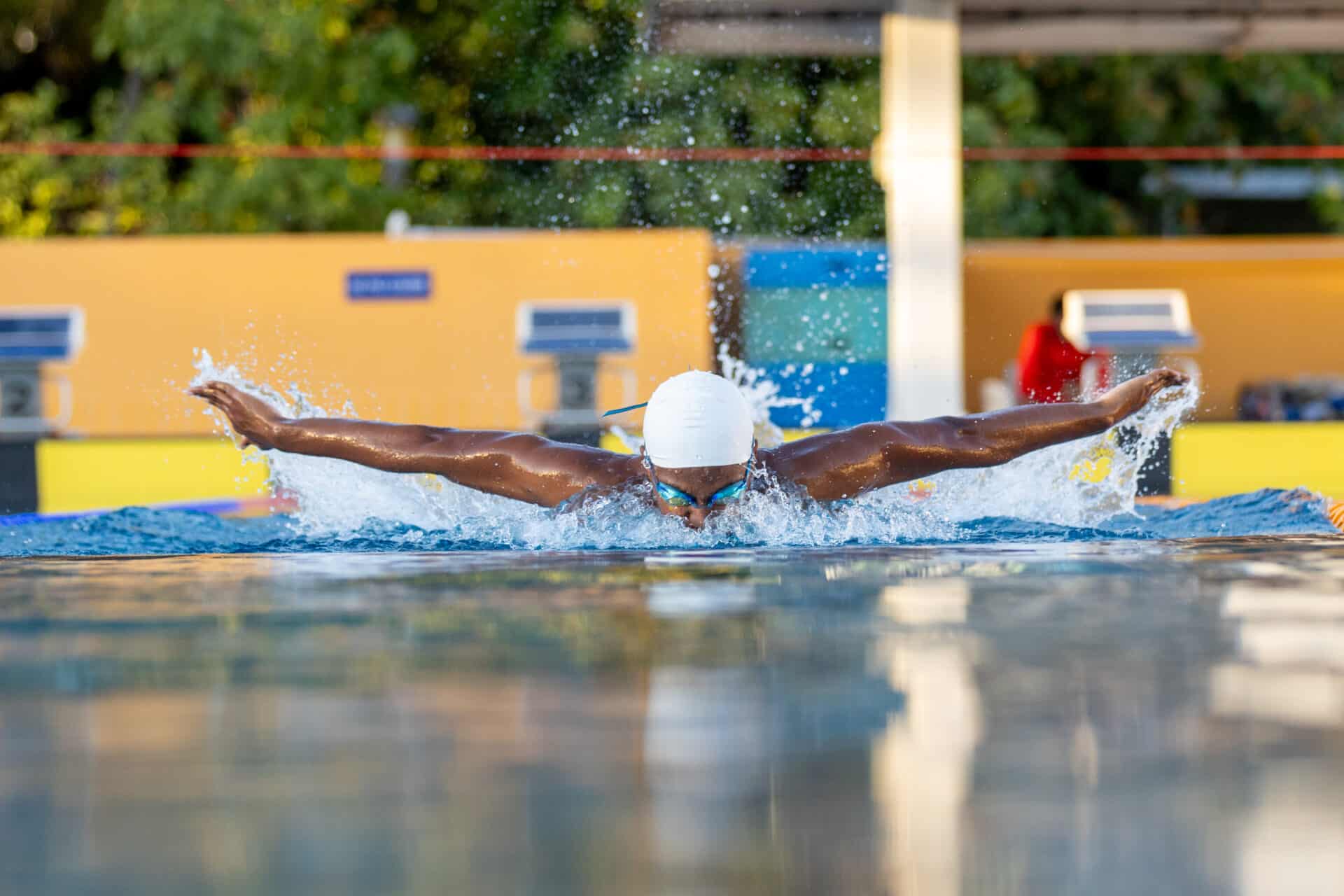
Individual performances gave the CARIFTAs their texture. Liam Carrington (Trinidad & Tobago, 17) dominated the sprint and backstroke, winning the 100 m freestyle in 49.75s. Christon Joseph (Bahamas, 14) won five individual titles in the boys’ 13-14 age group. Heidi Stoute (Barbados, 16) won a quadruple in the girls’ 15-17 freestyle. Reagan Uszenski (U.S. Virgin Islands) was the most successful 13-14 girls. Christian Jerome (Haiti) gave his country two gold medals in the butterfly, proving that talent is blossoming throughout the Caribbean. Young Sapphire Parks (Saint Lucia, age 12) collected six medals, flying the flag for a delegation that was modest in number but remarkable in quality.

CARIFTA
CARIFTA
CARIFTA
CARIFTA

Artistic swimming: a fast-growing discipline at the CARIFTA Aquatics Championships

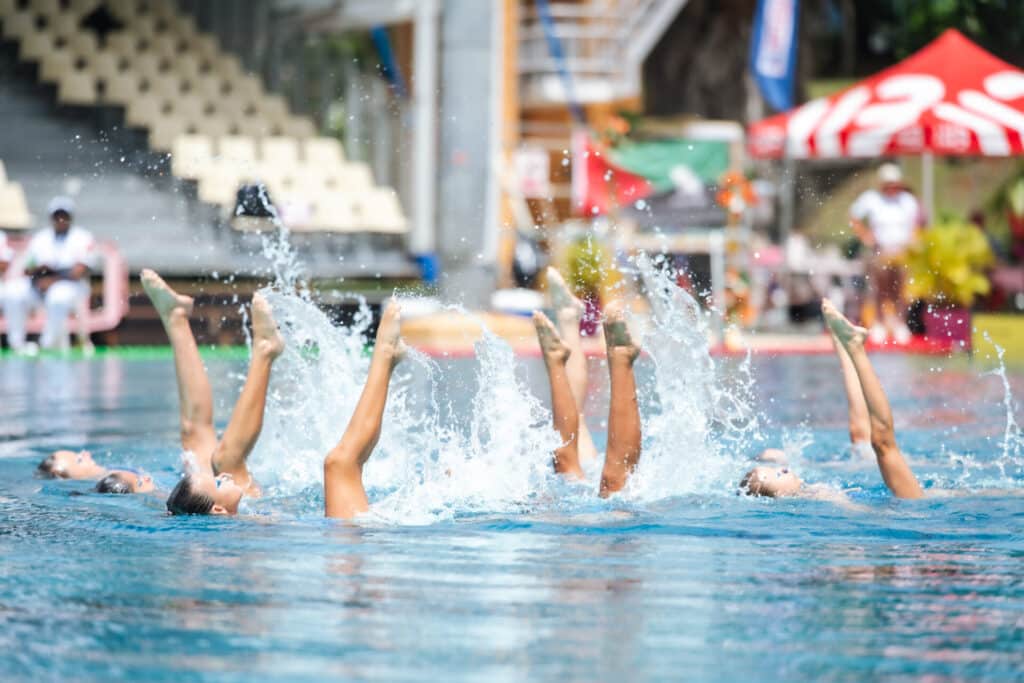
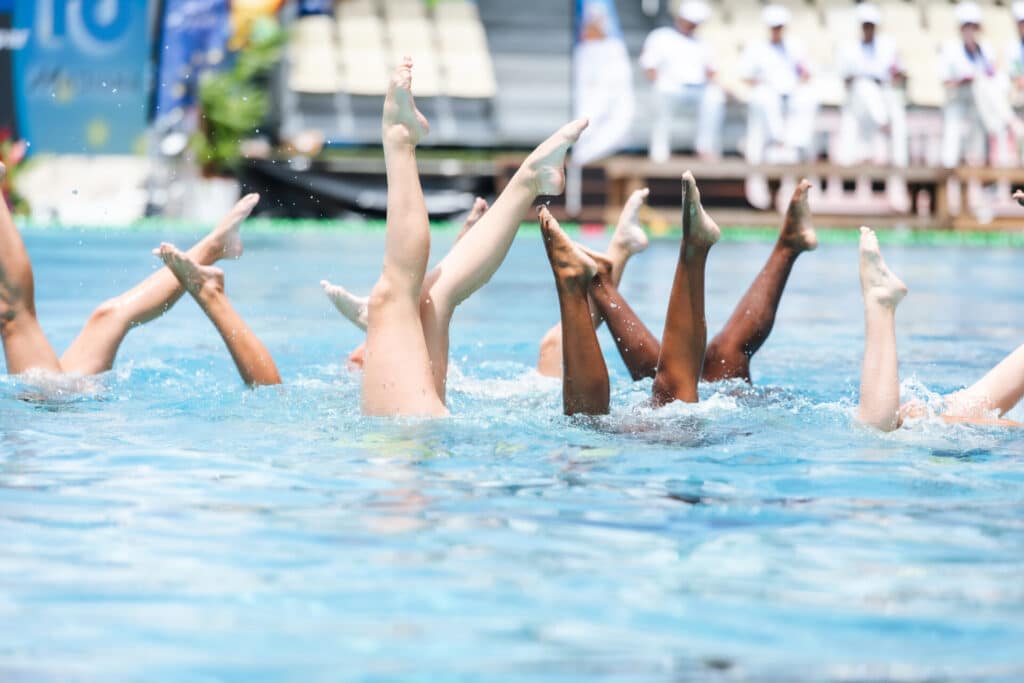
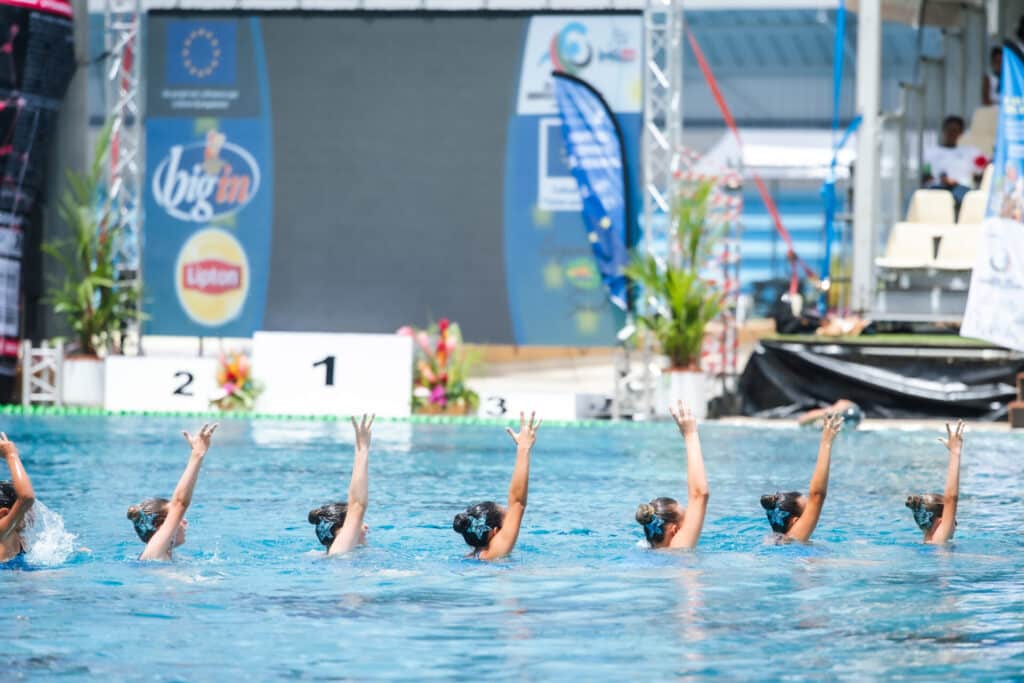
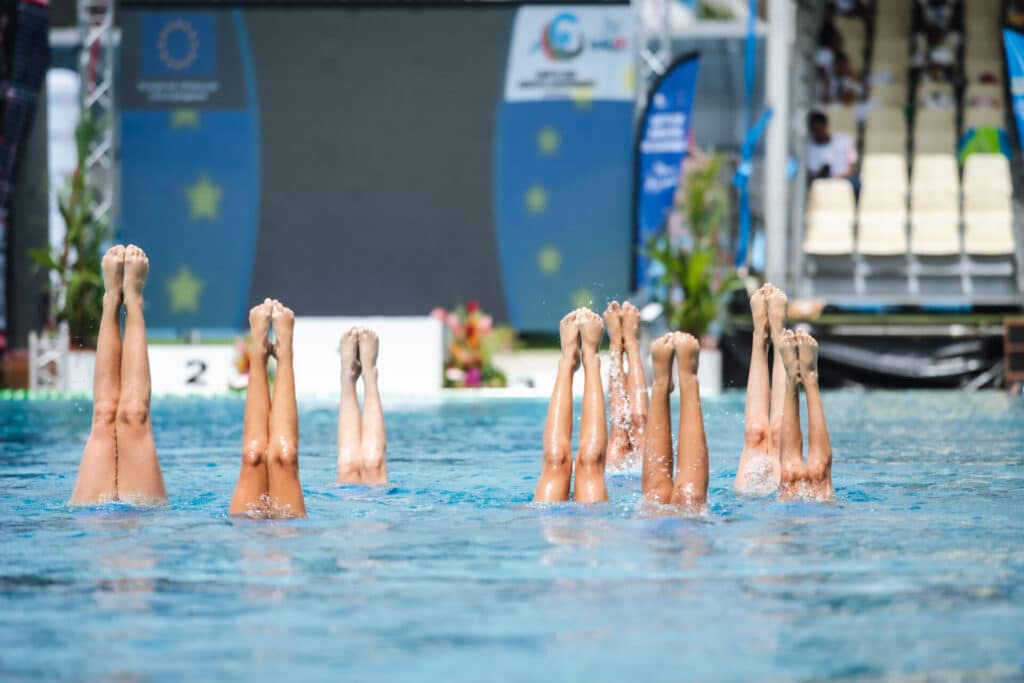
Martinique, Guadeloupe and the Cayman Islands competed in a full program of solos, duets and team events in three age categories. The Cayman Islands shone at CARIFTA, winning solo gold in all three categories, thanks to Isabelle Young, Ava Crâne and Maureen-Catherine Kohler. Guadeloupe took the title of Best Nation in the 12 and under age group, while Martinique, crowned Overall Champion, dominated the 13-15 and 16-19 age groups. The discipline now benefits from a genuine Caribbean development plan, with the prospect of a 2027 edition in Coral Springs (Florida) supported by USA Artistic Swimming.

CARIFTA
CARIFTA
CARIFTA
CARIFTA

Open water: the Anses d'Arlet 5 km race

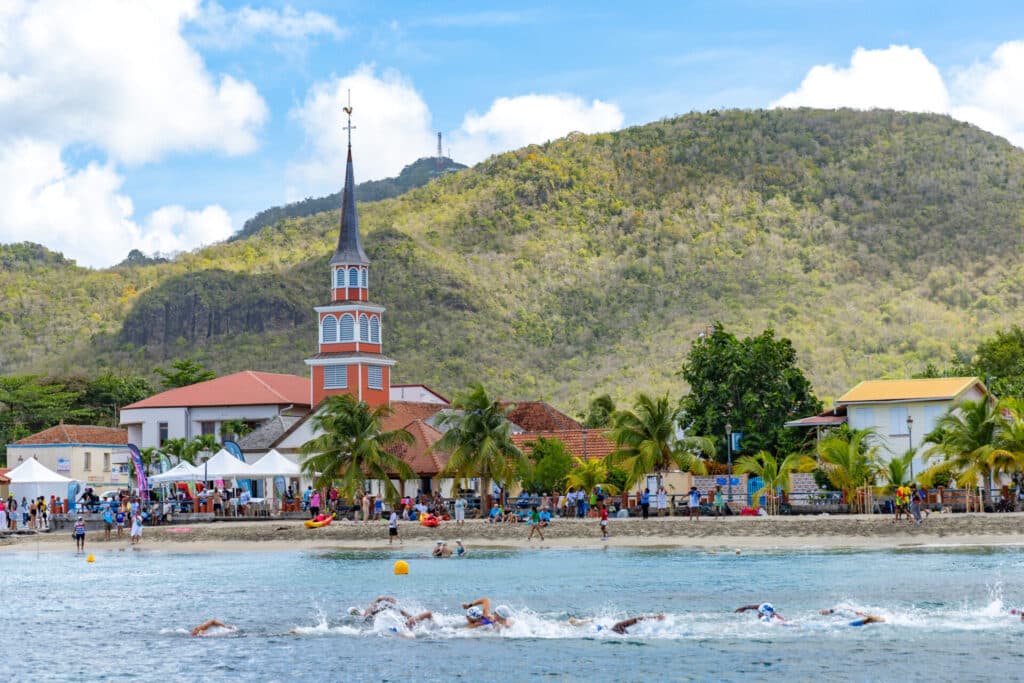
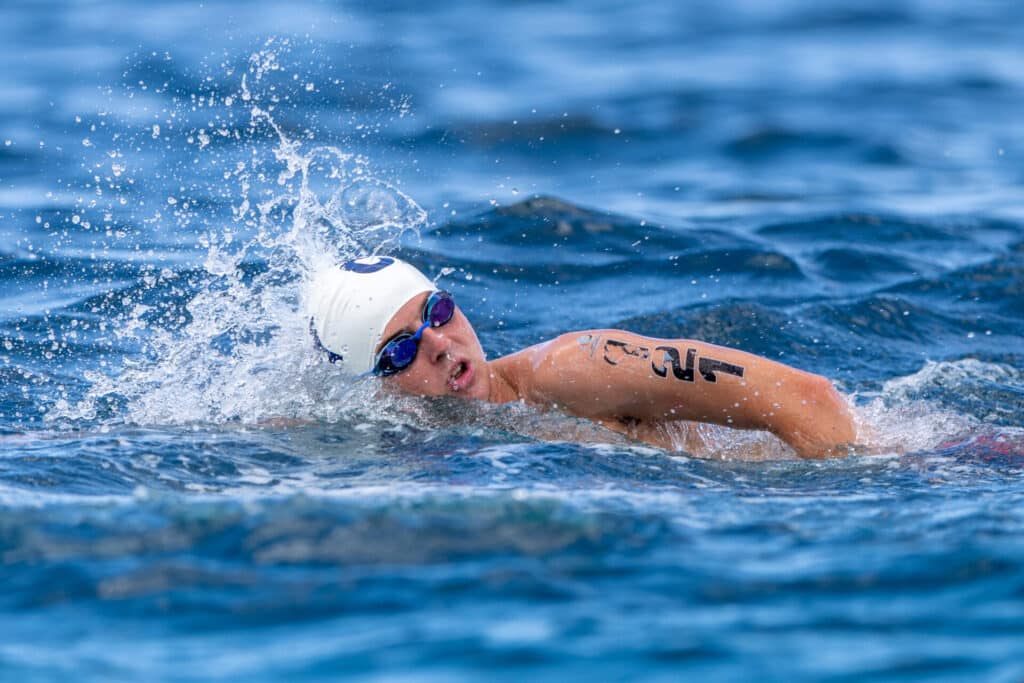
The 57 swimmers took to the turquoise waters of Martinique’s south coast. In the 16-18 age group, Enzo Doussot (Martinique, 1 h 05 min 24 s) beat Arubais’ Matthew Gobert by two seconds in a three-way final of rare intensity, while Maylis Lestrade (Martinique) won the girls’ race. In the 14-15 age group, Antoine Pertuzon (Guadeloupe) and Marena Martinez (Trinidad & Tobago) took first place.

CARIFTA
CARIFTA
CARIFTA
CARIFTA

An emerging future

The CCCAN Congress, chaired by Stephen Joachim (Saint-Vincent-et-les-Grenadines), took a number of key decisions: adoption of the new CARIFTA Manual, designation of the Bahamas as host for 2027 (confirmation is expected at the end of June) and election of Jamaica for 2028, and tightening of requirements for the protection of young athletes. The possibility of an 18+ category test has been opened up for the 2028 edition, the Olympic year.

CARIFTA

Stephen Joachim was enthusiastic about the future of the event, pointing out that several countries had applied to host future editions, a sign of the good health of Caribbean swimming. For Alex Badian, the wish is clear: that the CARIFTA come back to Martinique every four or five years, to capitalize on the expertise acquired.

From Anguilla to Trinidad & Tobago, from Bermuda to Suriname, each federation, whatever its size, contributes to this collective dynamic. CARIFTA Aquatics is more than just a championship: it’s a space where young people from twenty-four nations, speaking French, English or Dutch, come together around a pool and a sea that unite them. As Coralie Balmy sums up, the CARIFTAs are a springboard. And this year, in Martinique, that springboard did its job.

The next editions of CARIFTA Aquatics will be held in the Bahamas in 2027 and in Jamaica in 2028.

The CARIFTA Aquatics Championships are a major swimming competition for young Caribbean athletes. They include several disciplines such as pool swimming, artistic swimming and open water, and serve as a springboard to international competitions.

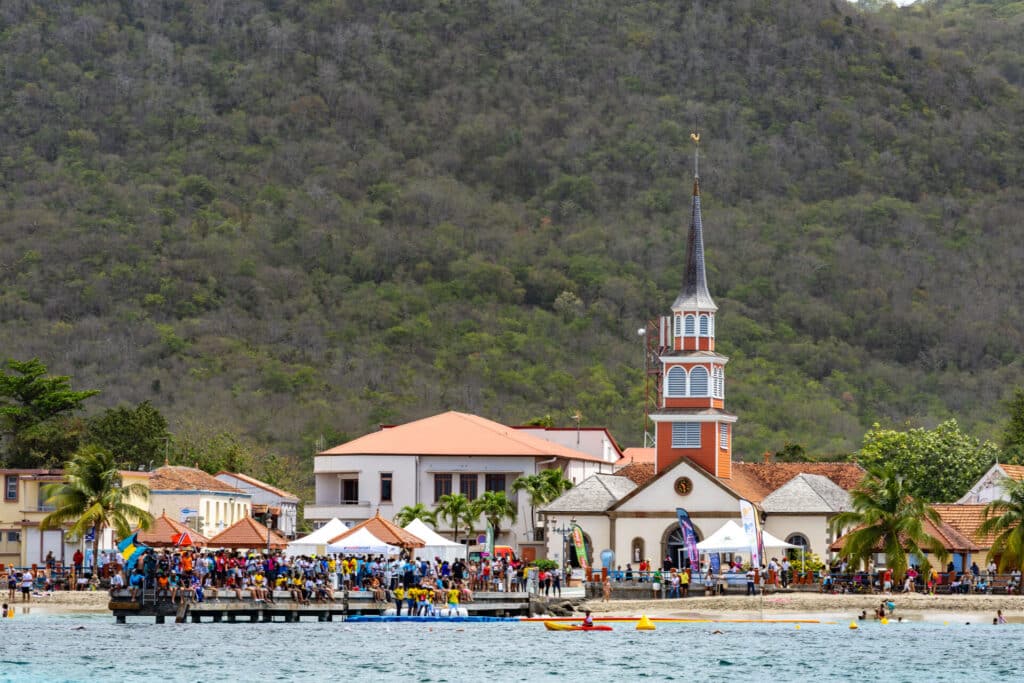
CARIFTA Aquatics 2026 took place in Martinique, mainly in Le Lamentin for the pool events, and in Anses d’Arlet for the open water competitions.

The Bahamas topped the overall rankings, followed by Jamaica, Trinidad & Tobago and Barbados. This hierarchy confirms the dominance of the great historical nations of Caribbean swimming.

Over 480 swimmers and around 100 supervisors from 24 Caribbean countries took part, confirming the growing importance of the event in the region.

The next editions are scheduled for the Bahamas in 2027 and Jamaica in 2028, with the aim of further strengthening the development of swimming throughout the Caribbean.

Leave a Reply

Your email address will not be published. Required fields are marked *

More articles from RK

Journée mondiale du steelpan
EVENT MANAGEMENT
Tolotra

World Steelpan Day: In Trinidad, Young People March Alongside the Pioneers

This Tuesday, August 11, Trinidad and Tobago celebrates World Steelpan Day with a program built around a powerful idea: connecting those who shaped the movement with the generation that must now carry it forward. In Port of Spain, performances by youth orchestras, the Ancestral Walk, and a closing concert come together to create a day where memory does not stand still. It flows, is played out, and is passed on. In Port of Spain, a day designed to symbolize a passing of the torch Pan Trinbago has chosen “Rhythm and Rise: Youth. Discipline. Culture. Community.” as the theme for the 2026 edition. This choice is no coincidence. For this World Steelpan Day, the organization is clearly placing youth at the center of the program, while paying tribute to the movement’s pioneers. The celebration begins at the Massy Trinidad All Stars Steel Orchestra’s panyard, featuring youth ensembles from various regions of

Read More »
Well mudda sick
HISTORY & HERITAGE
Tolotra

“Well mudda sick!”: But what do these three words really mean?

In the Bahamas, three words are enough to express surprise even before you realize what just happened. Good news breaks, a plan falls through, something exceeds expectations: “Well mudda sick!” might pop up in conversation. Taken literally, the meaning is confusing. In Bahamian usage, however, the expression is much simpler than it seems. Three words that don’t really translate word for word “Well mudda sick!” literally translates to “Well, my mother is sick.” But that’s not what a Bahamian means when they use it. Instead, the expression functions more like an exclamation: “Wow!”, “Oh my!”, “Unbelievable!”, or even “My God!”, depending on the situation and tone. It is precisely this discrepancy that makes it interesting. Someone who knows every single English word can understand the sentence on paper and yet completely miss its meaning in conversation. Here, it’s not just the words that matter. Context, speed, and intonation play a

Read More »
Chattel house
HISTORY & HERITAGE
Tolotra

Chattel House: The Hidden Social History Behind Barbados’ Houses

At first glance, they catch the eye with their wooden facades, their colors, and their simple proportions. Yet Barbados’ chattel houses are not merely an architectural signature. Their form reflects a specific social reality: for a long time, some residents could own their homes without owning the land on which they stood. A chattel house therefore had to be movable. Chattel House: A Home Designed for Traveling To understand this unique aspect, we must look back to the post-emancipation period. In Barbados, the emancipation of enslaved people was completed in 1838. However, the island’s land structure remained deeply shaped by the sugar economy. As early as the 17th century, the expansion of sugarcane cultivation had led to the concentration of land in the hands of large plantations. After emancipation, many workers still lived on land belonging to the plantations. They could build a home and own it, without owning the

Read More »

conTACT RK

we'd love to have your feedback on your experience so far

Join The List

Join our Richès Karayib community!  Sign up for our newsletter.

Want To Maximize Your Business Presence On Riches Karayib?

Complete the form to start the application