As the Carnival in Jamaica approaches 2025, scheduled for April 23 to 29, it is worth revisiting the economic impact of the previous edition, whose results confirmed the event’s growing significance within the national economy.
Carnival in Jamaica – these words sound like a call to party, but they symbolize much more than a parade of flamboyant costumes and intoxicating music. The event is rooted in Jamaican history and identity, fusing African heritage, local creative expression and a unique festive energy. Every year, thousands of participants from all over the island and beyond gather in an atmosphere where the joy of life reigns supreme.
A strategic economic pillar
An impact that exceeds expectations
Beyond its festive sparkle, Carnival in Jamaica is a major economic lever for the country. In 2024, according to a study by the Centre for Leadership and Governance at the University of the West Indies, the event generated a total economic impact of 95.4 billion Jamaican dollars. This figure places Carnival among the most profitable initiatives in the Jamaican economy.
Exceptional financial benefits
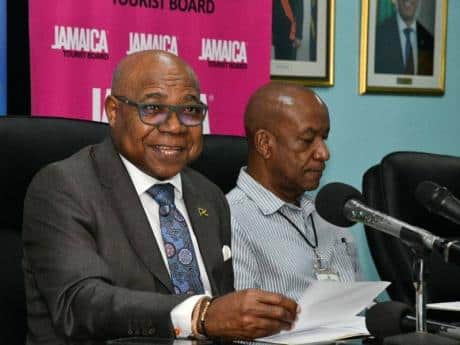
Tourism Minister Edmund Bartlett revealed that the direct impact of the 2024 edition amounted to $4.42 billion, an increase of 44.2% on 2019. Thanks to the multiplier effect, every dollar invested returned $130. A return that rivals the country’s best-performing economic sectors.

A public-private investment dynamic
The success of carnival in Jamaica relies on close collaboration between the state and the private sector. In 2024, carnival groups invested $727 million, of which $331.4 million was dedicated to costume creation. This value chain supports a local ecosystem of artisans, seamstresses, designers and service providers. For its part, the State has strengthened its promotion and organization strategy, recognizing carnival as a vector of international influence.
Massive leverage for employment
More than 115,000 jobs generated
The social impact of Carnival in Jamaica is equally impressive. In 2024, some 115,247 full-time equivalent jobs were supported thanks to the event. From events to hospitality, commerce, catering and the creative industries, Carnival in Jamaica acts as a catalyst for inclusive growth.
Spinoffs in the informal economy
The benefits of Carnival in Jamaica are also felt in the informal and small business sectors: beauty salons, fitness centers, transporters, restaurant owners and shopkeepers see their business grow significantly during this period. In all, Jamaican workers and entrepreneurs generated $19.14 billion in revenue.
A booming tourist attraction
International visitors
In 2024, 5,400 international tourists traveled specifically for Carnival, each spending an average of US$3,209, or 12.5 million injected into the local economy. Notably, over 54% of these visitors were first-time attendees, a sign of strong potential for loyalty and expansion.
Massive mobilization of the local population
Jamaicans were also out in force: 7,400 of them invested an average of $252,900 each in costumes, fitness, beauty treatments and entertainment. In all, local spending reached $1.73 billion, proving that the event is a major stimulus to domestic consumption.
Staying the course in the face of challenges
A return on investment to be preserved
Between 2019 and 2024, the carnival’s return on investment fell from $198 to $130 for every dollar invested, mainly due to rising costs and inflation. Nevertheless, the average over the period remains very high ($159.09), testifying to the solidity of the business model. The challenge over the next few years will be to maintain this performance while integrating more innovation.
Towards a sustainable and inclusive model
The government is focusing on a long-term strategy: enhanced promotion, greater involvement of local communities, innovation in the carnival groups’ offerings and adoption of sustainable practices. The aim is to make carnival in Jamaica an example of cultural and economic success, while respecting the principles of sustainable development.
Carnival in Jamaica is more than just a party. It’s a structuring event, capable of generating $95.4 billion and supporting more than 115,000 jobs in a single edition. It illustrates the strength of Jamaican culture when it becomes an engine for development. By combining tradition, innovation and collective commitment, Carnival continues to make Jamaica shine on the international stage.
Will the 2025 edition confirm this trajectory combining economic performance, cultural influence, and sustainable commitment?