Together for a radiant Caribbean, the Alliances Françaises become bridges between cultures, languages and territories.
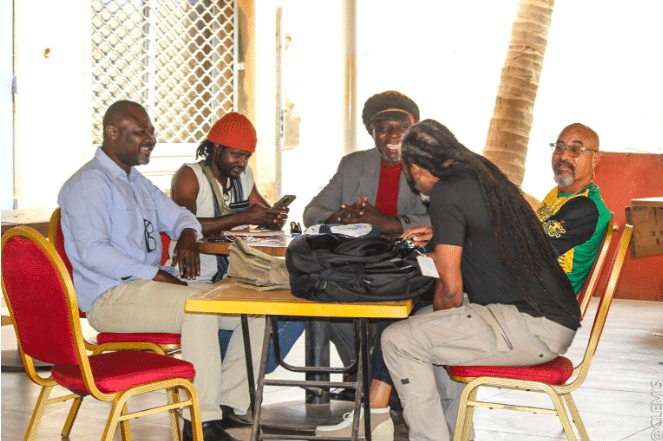
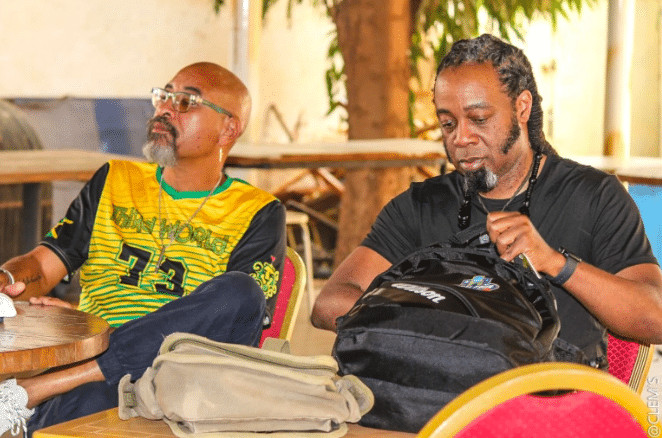
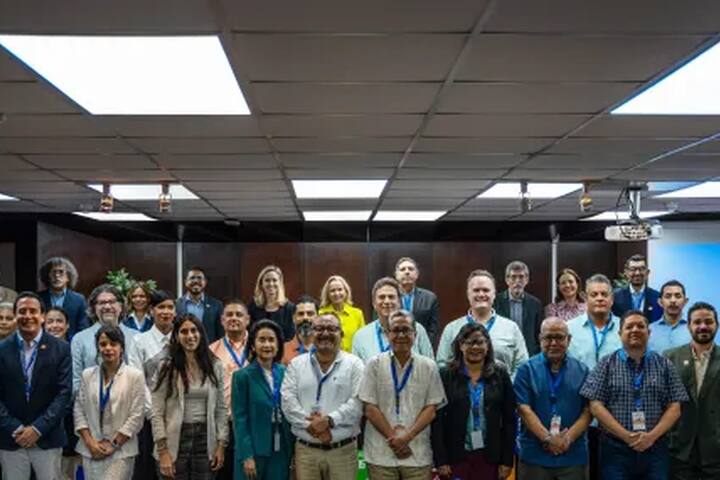
At the RÉZO seminar in Grenada, the directors and presidents of the Alliances Françaises of the English-speaking Caribbean met to strengthen cultural and linguistic cooperation in the region and define new common directions.
Supported by the French Embassy’s Service de Coopération et d’Action Culturelle (SCAC), which also took part in some of the discussions, the seminar was an opportunity to strengthen synergies between the Alliances Françaises network and consolidate dialogue with the SCAC, in a spirit of listening and collaboration.
Between exchanges, common strategies and innovative projects, this meeting outlined the contours of a more open, inclusive and modern French-speaking and multilingual Caribbean.
A key moment for an evolving network, serving a Caribbean that learns, shares and shines.
A meeting with a family flavour
Sometimes they’ve known each other for years, sometimes only through a screen. But from the very first minutes, the laughter, hugs and warmth of the reunion remind us that, in the Caribbean, the Alliances Françaises network is above all a human adventure.
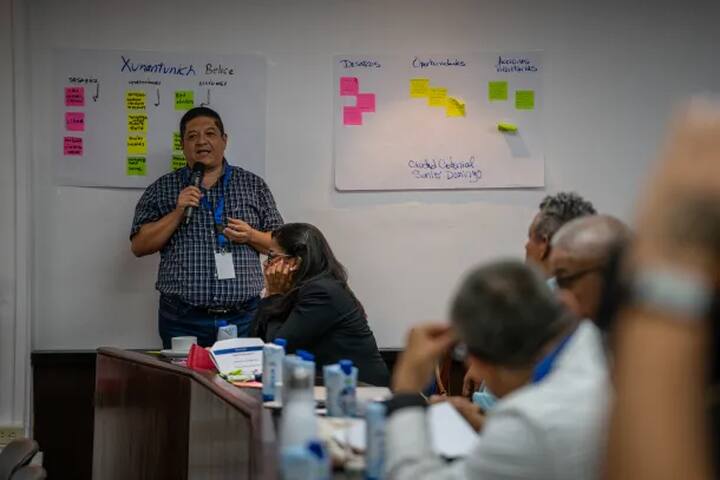
Over the course of three days, directors and presidents shared their experiences from country to country – from day-to-day challenges to local pride and a shared determination to build a stronger, more united and more visible network. In the room, diversity was evident in the accents, the backgrounds and the ideas. From Jamaica to Trinidad and Tobago, each voice brought its own nuance, its own experience, its own way of bringing culture and the French-speaking world to the heart of the territories.
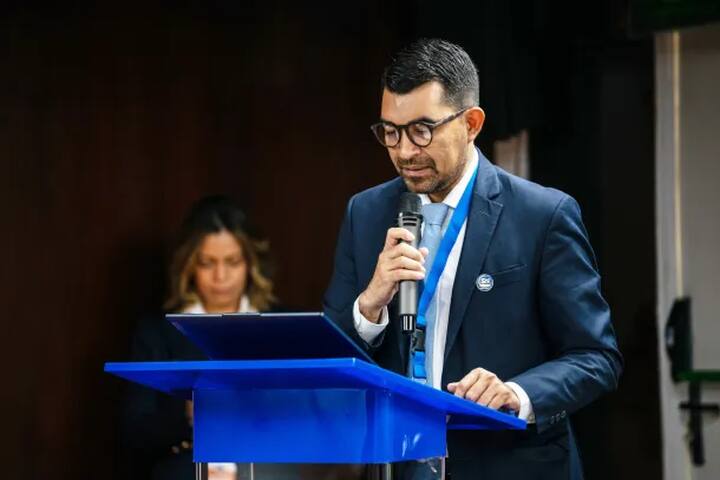
Welcomed by Ilona Fort-Gilbert, Director, and Suelin Low Chew Tung, President of the Alliance Française of Grenada, participants spent several days exchanging ideas and reflections in an atmosphere that was both productive and warm.
Around the table, the directors: Aurélie Gbeffa (Saint Lucia and regional coordinator of the Alliances Françaises of the Eastern Caribbean), Océane Gaillard (Barbados), Virginie Lemay (Suriname), Lucille Caulliez (Saint Christophe-et-Niévès), Cévinne M’Voula (Dominique), Anyka Batista (Trinidad and Tobago), Ilona Forte-Gilbert (Grenada), Déborah First-Quao (Guyana) and Clovis Lemée ( Jamaica), as well as Christiane Bourgeois (CORCAC – Saint Lucia) and Suelin Low Chew Tung (President – Grenada).
Joining them by videoconference were the presidents: Charlene White-Christian (Dominica), Ruben Del Prado (Suriname), Danielle Parkinson (Trinidad and Tobago), Kara Daly (Saint Kitts and Nevis), Delphine Hadley and her successor Denvil Douglas (Saint Vincent and the Grenadines), and Stuart Defreitas, vice-president (Guyana).
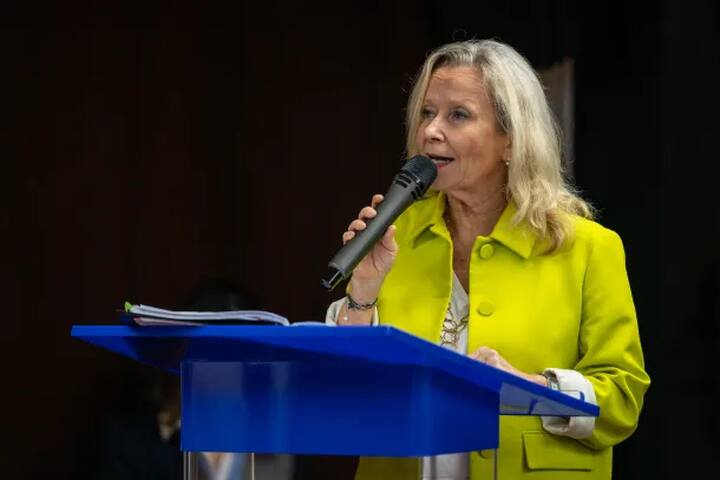
During the discussions, Christiane Bourgeois, Regional Counsellor for Cooperation and Cultural Action (Conseiller Régionale de Coopération et d’Action Culturelle – CORCAC), Head of the Cultural and Cooperation Department (Service de Coopération et d’Action Culturelle – SCAC) of the French Embassy to the Eastern Caribbean, Barbados and the OECS, underlined the essential role of the Alliances Françaises in promoting French and Caribbean culture.
The Regional Counsellor for Cooperation and Cultural Action – CORCAC structures its action around cultural, educational, scientific and economic cooperation, seeking to link French priorities – culture, the French-speaking world, sustainability and human rights – to the specific needs of the countries of the English-speaking Caribbean. We believe that it’s not just the structures, but also the committed men and women on the ground who bring this open, supportive and creative French-speaking community to life.
“The Alliances Françaises are essential partners.”
The presence of Jean-François Hans, Geographical Delegate for Zone C at the Fondation des Alliances Françaises, reminded us from Paris of the importance of the network’s global cohesion.
Charter of values, governance tools, visual identity and support for local teams: the Foundation ensures that quality and ethics are shared across all five continents.
“A large Alliance must always reach out to a smaller one. That’s our collective DNA.”
This solidarity, the driving force behind the movement, takes on its full meaning in the Caribbean, where logistical and human challenges combine with cultural and linguistic richness.
A global Francophonie rooted in local realities
Founded in 1883, the Alliances Françaises network is now the world’s largest cultural network, with over 820 establishments in 135 countries.
In the English-speaking Caribbean, ten Alliances promote the French language and culture: Barbados, Saint Lucia, Dominica, Grenada, Jamaica, Saint Kitts and Nevis, Guyana, Saint Vincent and the Grenadines, Trinidad and Tobago and Suriname.
In 2024, they welcomed over 1,000 learners, delivered 9,000 hours of courses and organized 160 cultural events, bringing together over 7,000 participants.
These figures reflect a living, dynamic reality: the Caribbean Francophonie is not just an idea, it’s a daily presence in classrooms, galleries, festivals and the streets of island capitals. Francophonie thrives on exchanges, local initiatives, and the passion of those who keep the French language alive.
A network in motion: between vision and action
Projet Rézo
Driven by a shared desire to see the network evolve, the RÉZO project is a real driving force for the Alliances Françaises of the English-speaking Caribbean, and a way of thinking about the network differently: more collaborative, more agile, more visible.
Supported by the French Embassy’s Service de Coopération et d’Action Culturelle (SCAC), it aims to strengthen regional coordination, pool tools and professionalize teams. Over the course of the sessions, discussions highlighted a shared ambition: to harmonize practices, encourage pedagogical innovation and strengthen skills, while consolidating the place of the French-speaking world in plural linguistic environments.
Under the coordination of Aurélie Gbeffa, six areas of work were addressed:
- – Associative governance and transparency: strengthening internal management and communication with members.
- – Team training: consolidating skills and promoting regional mobility.
- – Certifications and educational quality: aligning training and evaluation standards across the network.
- – Digital transition: developing collaborative tools and shared digital resources.
- – Setting up RÉZO projects: creating and leading joint projects between Alliances.
- – Revitalizing media libraries: modernizing cultural spaces to better reflect today’s audiences and practices.
Each Alliance leaves with a personalized roadmap, proof of a shared commitment and a strong regional dynamic.
Micro-projects
In the same vein, the SCAC has reiterated its key role in supporting and facilitating micro-projects. These subsidies, allocated each year to local project leaders, are a concrete lever for the implementation of cultural, educational and civic initiatives throughout the region.
A virtuous mechanism that supports local creativity, while promoting training and autonomy for local players. Beyond the financial aspect, this initiative, a signature of the French Ambassy of Saint Lucia, reflects a form of close, human-centered diplomacy that fosters exchange and cooperation between Francophone and Anglophone territories.
From Saint Lucia to Dominica, from Trinidad and Tobago to Grenada, the micro-projects supported reflect the diversity of shared challenges: culture, education, the environment, inclusion and innovation. These are just some of the areas in which the Alliances Françaises, supported by the SCAC, are building bridges between societies and driving sustainable cooperation in the Caribbean.
CARIFRAN
This strategy is also part of the regional dynamic of the CARIFRAN program, dedicated to the training and mobility of teachers of French in the Caribbean.
Implemented by the Organization of American States and funded by the French Embassy to the Eastern Caribbean, Barbados and the OECS to the tune of 453,000 euros, CARIFRAN is helping to strengthen a French-speaking educational community open to inter-island exchanges and linguistic cooperation. It embodies the complementary nature of the network’s educational, cultural and diplomatic activities.
The strength of a fragile network
Over and above the discussions, workshops and decisions, the RÉZO seminar confirmed the vitality of a network in the throes of transformation. But it also served as a reminder of the fragility of an associative model that relies on commitment, passion and solidarity more than on substantial resources.
In the English-speaking Caribbean, as elsewhere, the Alliances Françaises carry out their activities with modest means but remarkable efficiency, and with a real desire to move forward together, thanks to the strength of their teams, their volunteer presidents and the constant support of the SCAC and the Fondation des Alliances Françaises.
It’s this collective humanity, built on resilience and conviction, that makes the network unique: the ability to forge links, invent and reinvent ourselves, even in the face of uncertainty. And while cultural and linguistic cooperation can sometimes be a challenge, it is also a promise: that of a plural Caribbean, connected, proud of its diversity and capable of writing its future through dialogue between cultures.
Cooperation between CARICOM member states has taken on a new dimension since 1ᵉʳ October 2025. Barbados, Belize, Dominica and Saint Vincent and the Grenadines have officially lifted barriers to the movement of their citizens. These four nations have launched an unprecedented agreement that allows their nationals to live, work and settle freely within this Caribbean space without work permits. A strong signal for the construction of a more united and supportive region.
A founding agreement for free regional mobility
Launched under the name “Enhanced Cooperation in Free Movement”, this commitment was ratified by heads of government at the 49ᵉ CARICOM summit in Montego Bay. For the first time, Caribbean countries are fully applying the principles of free movement already outlined in the Treaty of Chaguaramas.
Thanks to this agreement, nationals of Barbados, Belize, Dominica and Saint Vincent and the Grenadines can enter, leave, work and reside in the partner countries without a CSME certificate or special permit. They also enjoy limited but effective access to essential public services, including basic health care and primary or secondary education.
This cooperation between CARICOM member states is the first step in a wider project to unify the region in human and economic terms.
Strategic leverage for four complementary economies
- – For Barbados, the challenge is clear: to cope with an aging population and a shortage of manpower. Bridgetown hopes to attract young workers from neighboring countries to support the key sectors of tourism, services and healthcare.
- – Belize, whose territory is sixty times larger than that of most Caribbean islands, is keen to encourage the settlement of its rural areas and boost its development. With a population of just 400,000 over 22,000 km², the country sees this cooperation between CARICOM member states as an opportunity to attract talent and boost productivity.
- – Dominica and Saint Vincent and the Grenadines, for their part, are focusing on cultural and historical links. In Kingstown, Prime Minister Ralph Gonsalves pointed out that this initiative also has an identity dimension:
“Our Garifuna brothers and sisters in Belize can come and spend more time here, work if they wish, and our citizens are now free to go there.”
A shared history, the foundation of integration
This cooperation between CARICOM member states is based on a common historical foundation. The four nations share a British colonial experience, a close linguistic heritage and a similar institutional structure. These affinities have facilitated the implementation of a mobility scheme unprecedented in the region.
A common verification mechanism has been set up to filter applications. The authorities retain the right to refuse entry to any individual representing a risk to public order or a financial burden for the host state. This clause aims to preserve the balance between openness and responsibility.
A laboratory for regional integration
The leaders consider this cooperation between CARICOM member states to be a pilot project. If the results are conclusive, it could be extended to other member countries as early as 2026. Discussions are already underway with Jamaica, Saint Lucia and Trinidad & Tobago to join the initiative.
According to regional economists, this cooperation between CARICOM member states represents a major opportunity to facilitate the exchange of skills and strengthen local value chains. By removing administrative constraints, it encourages professional mobility, entrepreneurship and the networking of Caribbean talent.
Sustainable social and human benefits
Beyond the figures, the human impact of this agreement is considerable. Thousands of families can now look forward to a future beyond their national borders. Access to employment, training and basic healthcare paves the way for real integration of Caribbean societies.
This cooperation between CARICOM member states also gives new meaning to the Community’s original project: to build a region of solidarity where citizens share the same fundamental rights. It embodies a new generation of regional policies based on trust and reciprocity.
Towards a united and inclusive Caribbean
The entry into force of this measure confirms the region’s determination to write a new page in its history. Cooperation between CARICOM member states goes beyond economic considerations: it symbolizes the political will to unite peoples and strengthen social stability.
By opening their borders to each other, Barbados, Belize, Dominica and Saint Vincent and the Grenadines are demonstrating that another Caribbean is possible: a Caribbean that is mobile, connected and aware of its common destiny.
The Caribbean Japan Partnership has reached a new milestone with the organization of the first Caribbean Regional Dialogue, held on August 21 and 22, 2025 in Saint Lucia. Hosted at the Bay Gardens Hotel and orchestrated by the Commission of the Organization of Eastern Caribbean States (OECS) in collaboration with Japan’s Sasakawa Peace Foundation (SPF), the event brought together governments, regional organizations, the private sector, academia, civil society and youth representatives from across the CARICOM region. For two days, discussions centered on a central theme: “Advancing Resilient Prosperity in the Caribbean”.
A shared ambition: transforming resilience into a driver of prosperity
In his opening address, the Hon. Wayne Girard Minister in the Ministry of Finance, Economic Development and Youth Economy of Saint Lucia, emphasized that resilience is more than just the ability to bounce back from crises. It must be conceived as a commitment to sustainability, inclusion and innovation. For him, this Dialogue is both a wake-up call and a platform for cooperation to redefine the trajectory of the Caribbean.
The Caribbean Japan Partnership is part of this transformation process. Dr Didacus Jules, OECS Director General, invited the region to rethink its global narrative. In his view, the Caribbean needs to present itself not as a vulnerable territory, but as one of the world’s most dynamic regions. These include renewable energies, the blue economy, community tourism and the transformation of food systems.
Five strategic pillars for sustainable development
The discussions were structured around five major pillars :
- Blue economy : Sustainable use of marine resources and development of value chains.
- Community-based tourism : Community-based tourism: involving local populations in a more equitable form of tourism.
- Agriculture and food security : Strengthening food sovereignty on the islands.
- Economic and commercial development : Diversification and integration into the global economy.
- Climate and disaster risk reduction: building infrastructures and policies adapted to island realities.
Through the Caribbean Japan Partnership, these pillars are reinforced by cross-cutting themes: the importance of data, gender mainstreaming, youth participation, the central role of civil society and the commitment of the private sector.
Concrete initiatives proposed by OECS
Dr Didacus Jules proposed several operational tools to transform discussions into tangible results:
- ✅ A Caribbean Island Systems Management Pact : to harmonize policies and improve regional resilience.
- ✅ A Blue Value Chain Accelerator : designed to maximize the economic benefits of marine resources.
- ✅ A toolbox for climate-resilient financing : A toolbox for climate-resilient financing, to direct financial flows towards sustainable projects adapted to local realities.
The Caribbean Japan Partnership is therefore intended as a lever to translate the Antigua and Barbuda’s Agenda for SIDS into concrete, measurable solutions.
Closer cooperation with Japan
The Caribbean Japan Partnership is more than just a diplomatic exercise. It prepares the region for greater visibility on the world stage. Indeed, the Castries Dialogue served as a prelude to the Interregional Dialogue and World Island Summit scheduled for 2026 in Tokyo. These gatherings will bring together the island nations of the Caribbean, Pacific and Indian Oceans to tackle common challenges and seize shared opportunities.
The Professor Mitsutaku Makino, President of the Ocean Policy Research Institute (OPRI-SPF), said the discussions represented an important first step in building solid international cooperation. In his view, the Caribbean Japan Partnership is an opportunity to advance collective solutions to the climate and economic challenges facing small island nations.
On his side, Hideyuki Shiozawa, Director of Island Nations at OPRI-SPF, stressed the need to bridge the gap between international policies and the realities experienced by local populations. For him, fostering dialogue and providing data to decision-makers is the key to building momentum towards the World Synergy Conference and the Tokyo Summit.
The Caribbean: from a catalog of vulnerabilities to a portfolio of solutions
Throughout the debates, a strong message emerged: no Caribbean country can tackle global challenges alone. Common threats – rising sea levels, dwindling fish stocks, inequalities in global financial systems – call for collective responses and bold innovation.
In conclusion, the participants affirmed their desire to present the Caribbean as a portfolio of solutions. Dr Didacus Jules summed up this ambition by saying:
“This isn’t just a meeting; it’s an important step towards enhanced cooperation, stronger systems and a shared Caribbean vision of peace, resilience and prosperity.”
This objective is at the heart of the Caribbean Japan Partnership which aims to go beyond mere diplomacy to become a concrete tool for development and resilience.
A step into the future
The Caribbean Japan Partnership opens up new prospects for small island nations. The challenge now is to turn promises into measurable actions, and to make the Caribbean voice heard in major international debates. In the run-up to the World Island Summit in Tokyo in 2026, the Caribbean is presenting itself not as a fragile periphery, but as a strategic player with global solutions for a sustainable future.
A historic meeting in Addis Ababa
CARICOM-Africa 2025 Summit was held on September 7 at the African Union headquarters in Addis Ababa, marking a new phase in the rapprochement between the Caribbean and the African continent. Described as a “return to basics” by CARICOM Secretary General Dr. Carla Barnett, the meeting symbolized a shared determination to overcome the divisions inherited from history and strengthen fraternal ties.
Beyond the declarations, this second summit gave concrete expression to commitments ranging from health development and economic cooperation to demands for restorative justice.
Shared heritage and common memory
In his opening address, Dr Barnett reminded us of the importance of this event: “Our peoples have been separated for centuries by the ocean, the colonial system and an unjust world economic order. Yet we remain linked by an indestructible spirit and a common heritage.”
CARICOM-Africa 2025 Summit is part of this collective memory, marked by deportations, slavery and the struggle for emancipation. The Caribbean and African leaders stressed that the African diaspora in the Americas and the Caribbean is a force that must now unite to defend its interests and prepare a common future.
Concrete progress since 2021
This second event follows on from the first 2021 summit, which was held virtually. Since then, several initiatives have been launched. The Memorandum of Understanding between CARICOM and the African Union has established a solid institutional framework. The launch of the Partnership for Health Development in Africa and the Caribbean (HeDPAC) illustrates this dynamic, with an action plan focused on strengthening medical capabilities.
CARICOM-Africa 2025 Summit also highlighted the growing cooperation with Afreximbank, whose Caribbean headquarters have been set up in Barbados. The organization of the Afro-Caribbean Trade and Investment Forum (ACTIF)
An ambition focused on restorative justice
One of the main focuses of the CARICOM-Africa 2025 Summit was the issue of reparations. The theme chosen – “A transcontinental partnership in search of restorative justice for Africans and African descendants” – reinforced the legitimacy of this struggle.
The participants recalled that slavery and colonization have profoundly marked the societies of both regions. The CARICOM Reparations Commission, which has been active for over a decade, was highlighted as the spearhead of this mobilization.
Economic and climate issues
CARICOM-Africa 2025 Summit also stressed the need to reform the global financial architecture, in line with the Bridgetown Initiative. The leaders denounced the persistent inequalities of a system that weighs heavily on the countries of the South.
Another key issue is climate change. Although responsible for only 6% of global emissions, African and Caribbean states are bearing the full brunt of its effects. Discussions therefore focused on coordinated responses to protect the most vulnerable populations.
Towards a unified voice on the international stage
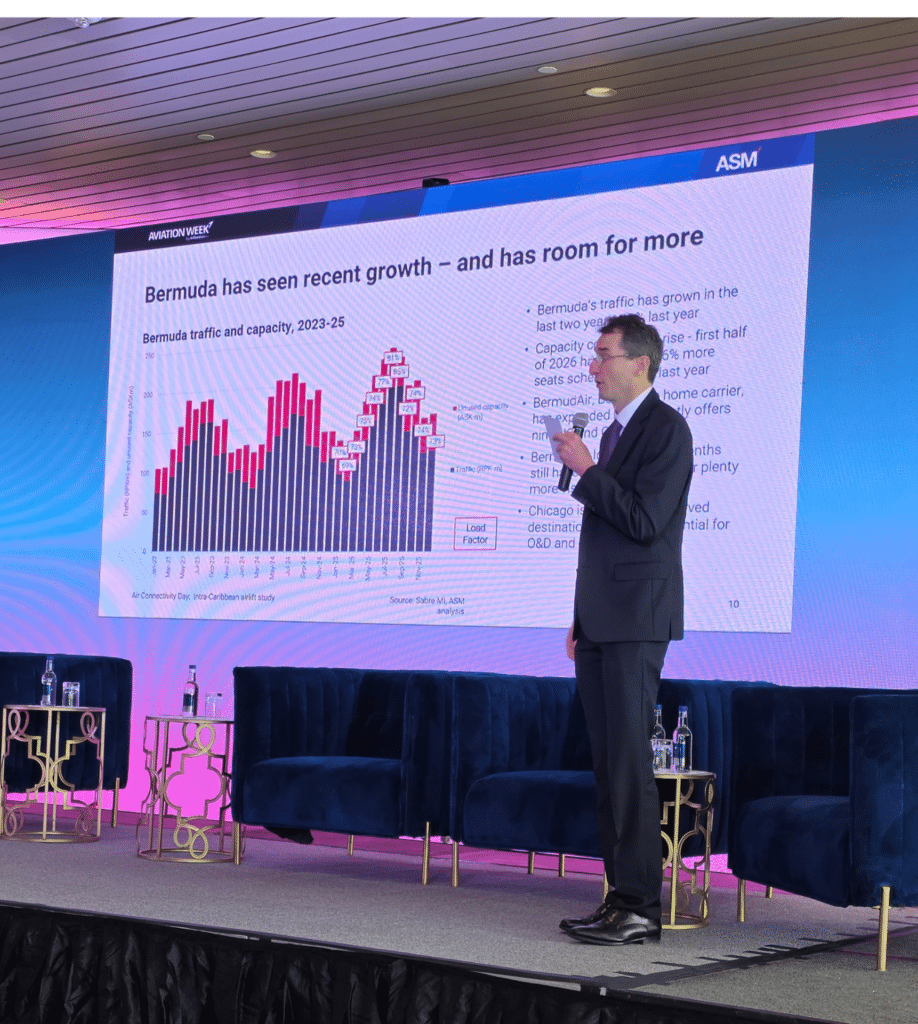
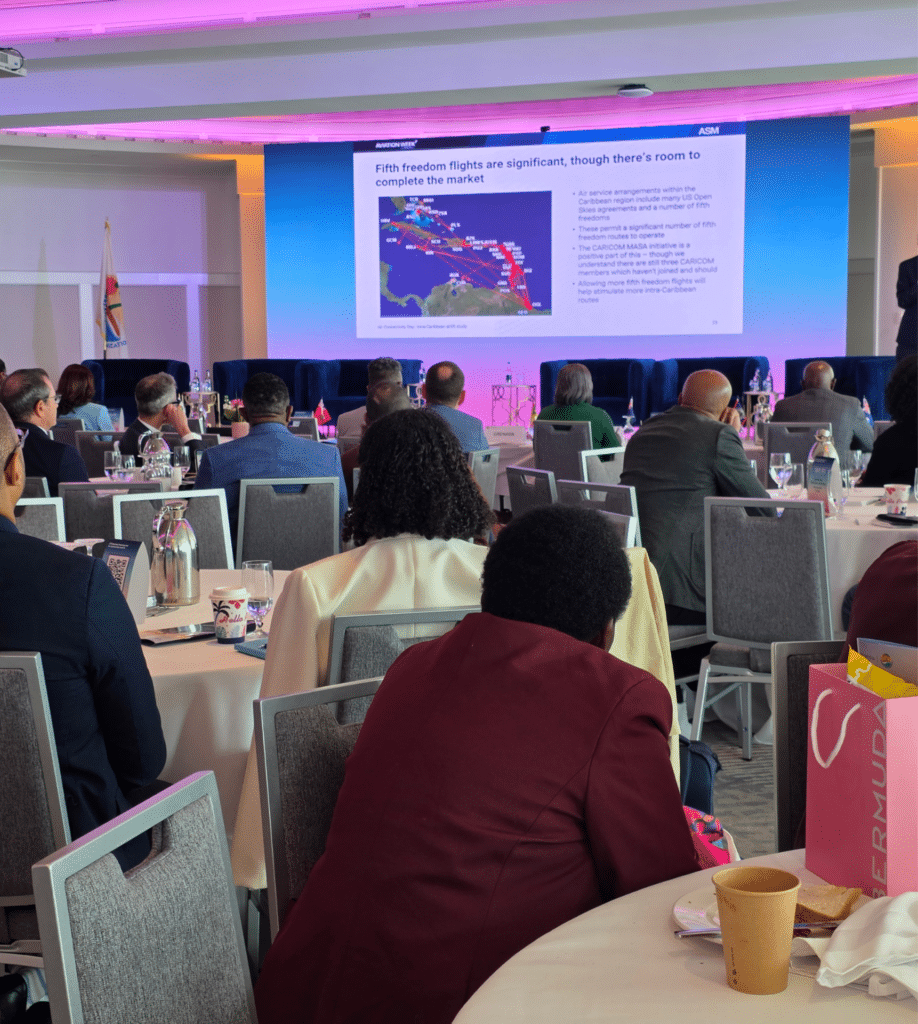
Air connectivity was also discussed. A multilateral agreement on air services is in the pipeline, while bilateral initiatives, such as the joint venture between Antigua & Barbuda and Nigeria to relaunch LIAT 2020, aim to boost human and commercial exchanges.
The heads of state and government present stressed the importance of a common voice. Together, Africa and the Caribbean account for a fifth of the world’s population. CARICOM-Africa 2025 Summit called for a coordinated strategy to influence international debates, from UN Security Council reforms to global economic governance and climate negotiations.
This desire for unity is underpinned by a strong Pan-African heritage, inspired by historical figures such as Marcus Garvey, Patrice Lumumba and Kwame Nkrumah.
A founding moment for the future
In closing, the leaders emphasized the founding nature of the CARICOM-Africa 2025 Summit. For Terrance Drew, Prime Minister of Saint Kitts and Nevis and incoming Chairman of CARICOM, this is a “moment of reunion, memory and affirmation”, when repentance is no longer enough and reparations become a legitimate demand.
Through the CARICOM-Africa 2025 Summit, the two regions intend to transform the injustices of the past into levers of solidarity and cooperation. Their common goal: to build a future based on dignity, justice and shared prosperity.
The Organization of Eastern Caribbean States (OECS) has taken another step forward in its commitment to sustainable development by signing a memorandum of understanding with the International Solar Alliance (ISA). The agreement was signed in Santiago, Chile, at the seventh meeting of the ISA Regional Committee for Latin America and the Caribbean, held from August 4 to 6, 2025.
More than just a technical document, it embodies a collective vision: to accelerate the energy transition of small island states thanks to solar energy, and reduce dependence on costly fossil fuel imports.
OECS: a central player in the Eastern Caribbean
Created in 1981, the OECS currently has eleven members, including six independent states: Antigua and Barbuda, Dominica, Grenada, Saint Kitts and Nevis, Saint Lucia and Saint Vincent and the Grenadines. This regional organization plays a fundamental role in economic integration, shared governance and the coordination of public policies in strategic areas such as education, health, climate and energy.
The signing of this protocol with the ISA is part of a wider strategy to strengthen the economic and environmental resilience of a region particularly exposed to the effects of climate change, devastating hurricanes and volatile energy prices.
The strengths of the International Solar Alliance
The ISA, founded in 2015 on the initiative of India and France, today brings together 124 member states on four continents. It positions itself as a gas pedal of the solar transition, offering innovative financing, technical support and capacity-building programs. Its expertise is particularly valuable for countries in the South, which have to reconcile economic development with climate imperatives.
Under the agreement, ISA undertakes to :
- ✅ promote solar energy in member states,
- ✅ mobilize public and private funds via the World Solar Fund and other climate finance instruments,
- ✅ strengthen local skills through Solar Technology Application Resource Centers (STAR-C).
Action-oriented cooperation
For the OECS, the agreement signed with the ISA goes beyond mere institutional cooperation. It aims to achieve concrete results:
- ✅ develop solar projects capable of reducing dependence on diesel,
- ✅ facilitate access to financing for governments and businesses alike,
- ✅ create skilled jobs in green industries,
- ✅ pool solar equipment purchases to lower costs.
This strategy is perfectly aligned with the “Decade of Sustainable Energy” launched by the OECS for the period 2025-2035. The objective is clear: to make solar energy a cornerstone of the economic and social development of member states.
The specific challenges of small island states
OECS member countries belong to the category of Small Island Developing States (SIDS). Their vulnerability is manifold:
- Geographical, because hurricanes and extreme weather can destroy energy infrastructures in a matter of hours;
- financial, since access to international credit remains limited due to the small size of their economies;
- structural, with heavy dependence on fossil fuel imports that weigh heavily on national budgets and trade balances.
Kerryne James, Minister for Climate Resilience and Co-Chair of the ISA Regional Committee for Latin America and the Caribbean, emphasized this point: “We need to recognize that access to finance for the energy transition remains a major challenge for SIDS.”
A regional center of excellence for solar energy
One of the most innovative aspects of this cooperation is the creation of a Regional Center of Excellence for Solar Energy. This will be used to develop local expertise, promote knowledge sharing and set up training programs tailored to Caribbean realities.
According to Ashish Khanna, Managing Director of the ISA, this initiative will also leverage digital innovations: “By promoting group purchasing of solar energy through digital bidding platforms, we will improve efficiency, reduce costs and attract large-scale private investment.”
A long-term vision for the Caribbean
For Dr Didacus Jules, Director General of OECS, the agreement signed is not just about energy. It is a truly strategic investment in the resilience and economic independence of the region. By transforming the energy sector, the OECS intends to offer its citizens a better quality of life, while reducing greenhouse gas emissions.
The Decade of Sustainable Energy (2025-2035) thus marks a turning point: solar energy is no longer seen as just another option, but as a pillar of the economic and social future of the islands of the Eastern Caribbean.
OECS as regional leader
By signing this agreement with the International Solar Alliance, the OECS confirms its role as a leader in the Caribbean energy transition. By focusing on solar energy, it is charting a credible course towards greater resilience, independence and prosperity for its member states. Beyond the technical aspect, this partnership embodies an ambition: to enable small island states to transform their vulnerability into an asset, by becoming laboratories for sustainable solutions on a global scale.
The Caribbean Global Awards 2025 is set to make London the global center of Caribbean creativity, innovation and identity. On September 27, the prestigious Cumberland Hotel will be transformed into a stage of honor to celebrate leading figures from the Caribbean and its diaspora. Driven by a strong desire to highlight the talents that are transforming the region, this event promises to be a high point of international recognition.
A meeting place for Caribbean excellence
Organized by the Caribbean Global Institute, the Caribbean Global Awards 2025 will promote the real impact of Caribbean personalities in fields as varied as entrepreneurship, culture, social commitment and scientific research. The evening will feature a gala evening with awards presentations, artistic performances, a sit-down dinner and high-level networking opportunities.
More than just a prize list, the Caribbean Global Awards 2025 will assert a clear ambition: to strengthen Caribbean pride in a globalized world, based on concrete, inspiring success stories.
Distinctions to reflect contemporary dynamics
The prizes awarded at Caribbean Global Awards 2025 will cover several key categories:
- 🏆 A life’s work
- 🏆 Cultural excellence
- 🏆 Social impact
- 🏆 Scientific innovation
- 🏆 Ethical business
- 🏆 Emerging talent
A special mention, the People’s Choice Award – Caribbean Global Leader, will go to an emblematic figure elected by the public. In 2025, Trinidadian Kamla Persad-Bissessar, former Prime Minister of Trinidad and Tobago, will have been chosen as the winner. Her career, marked by a steadfast commitment to education and equal opportunities, has mobilized thousands of supporters in the diaspora.
A scenography rooted in Caribbean identity
The Cumberland Hotel, located just a stone’s throw from Marble Arch, will welcome guests in a decor blending British elegance with Caribbean cultural references. Traditional fabrics, handicrafts and contemporary works will create an immersive environment, reflecting the diversity of the region’s heritage.
During dinner, guests will discover a selection of emblematic dishes, including Trinidad callaloo, Guadeloupe lambi and Jamaican jerk chicken, revisited by Caribbean chefs based in the UK.
A committed artistic program
Singer Angie Lang, a rising star on the soul and Caribbean scene, will open the ceremony with a live performance. Other artists, whose names will be revealed in the coming weeks, will combine traditional music, spoken word and hybrid creations. In keeping with the spirit of the Caribbean Global Awards 2025, the artistic program will showcase the region’s wealth of contemporary expression.
The evening will also feature speeches by entrepreneurs, activists, researchers and educators on the challenges and advances facing their respective territories, underlining the Caribbean’s ability to play its part in major global dynamics.
A reach beyond the event
The Caribbean Global Awards 2025 will be more than just symbolic recognition. The event will generate tangible effects: scholarships, regional cooperation projects, digital incubators and sustainable innovation funds will all be created in its wake.
Long-term partnerships will also be consolidated with academic institutions, private foundations and diaspora organizations, making this ceremony a strategic lever for the region’s development.
A global stage for an influential Caribbean
By setting up in London, the Caribbean Global Awards 2025 will reaffirm the Caribbean’s place in the international spheres of culture, economics and social innovation. It will help to project a plural, bold and proactive image of a region that is often caricatured or underestimated.
On September 27, 2025, the Caribbean will make its voice heard. Strong, creative, united. And more influential than ever.
Jamaica has officially joined Afreximbank, an event described as historic at the 49th meeting of CARICOM Heads of Government in Montego Bay. This rapprochement between the leading English-speaking power in the Caribbean and the largest pan-African export bank paves the way for a new regional economic architecture. It also signals a shared ambition: to build concrete, structuring and sustainable South-South relations.
Afreximbank: the financial engine of African and Caribbean integration
An institution at the service of inter-African… and now Caribbean trade
Founded in 1993,Afreximbank (African Export-Import Bank) is a pan-African multilateral financial institution based in Cairo, Egypt. Its primary objective is to promote, develop and finance trade between African countries, as well as between Africa and other regions of the South. It provides lines of credit, guarantees, structured financing and technical assistance.
With assets of over US$40 billion by 2024, the institution has extended its activities to the Caribbean since 2022 through the Global Africa program. This program aims to reconnect the African and Caribbean economies, historically linked but institutionally fragmented.
A far-reaching political and economic commitment
A strong signal from Montego Bay
The signing of the memorandum of understanding was attended by major figures: Jamaican Prime Minister Andrew Holness, Minister of Foreign Affairs Kamina Johnson Smith, and Afreximbank Chairman Professor Benedict Oramah. It was held on July 8, 2025 at the Half Moon Hotel, on the sidelines of the CARICOM summit.
Jamaica thus becomes the 13th CARICOM member state to formalize this membership, confirming a regional desire to pool financial resources and international negotiating capabilities.
A $1.5 billion boost for Jamaica
Massive support as part of a $3 billion regional plan
Thanks to this integration, Jamaica now benefits from US$1.5 billion in dedicated funding, as part of an overall program of US$3 billion for all CARICOM countries. This funding is designed to support :
- ✅ infrastructure projects (ports, energy, telecommunications),
- ✅ development of SMEs and the productive sector,
- ✅ industrial diversification,
- ✅ green and digital projects.
Prime Minister Holness welcomed the package as an opportunity for structural transformation, particularly in the fields of agriculture, tourism, logistics and innovation.
Connectivity and infrastructure: new horizons for commerce
A common platform with Africa
Jamaican membership gives access to a range of structuring instruments, including the African Trade Centre currently being set up in Barbados. This center will serve as a logistical and diplomatic hub between Africa and the Caribbean, facilitating commercial exchanges, the organization of economic events and the circulation of talent.
A pan-African unified payments system
Jamaica will also be able to join the PAPSS (Pan-African Payment and Settlement System), set up by Afreximbank to carry out transactions in local currencies between African and Caribbean partners. This system bypasses intermediate currencies, reduces banking costs and facilitates intra-South trade relations.
An innovation strategy designed for young people
Artificial intelligence as a common lever
At the initiative of the Africa-Caribbean Forum (ACTIF) and the University of the West Indies (UWI), joint training centers for artificial intelligence are being developed. Spearheaded by former Prime Minister P.J. Patterson, this program aims to train a new generation of researchers, developers and entrepreneurs.
The aim is to position the countries of the South as technology producers, not just consumers.
Targeted programs for young entrepreneurs
The agreement between Jamaica and Afreximbank also provides for the establishment of technology centers to support young entrepreneurs. Funding of up to US$250,000 will be made available to local start-ups, through competitions, innovation grants or acceleration programs run in partnership with Caribbean universities and incubators.
South-South cooperation with multiple spin-offs
Towards $1.8 billion in Africa-Caribbean trade
According to estimates by the International Trade Centre (ITC), trade between Africa and the Caribbean could reach US$1.8 billion by 2028. By joining Afreximbank, Jamaica is positioning itself as a key player in this dynamic, capable of exporting its flagship products (rum, coffee, agro-processed products, cultural services) to markets in high demand.
A geopolitical bridge between continents
Beyond trade, integration into Afreximbank gives Jamaica a geostrategic role. It becomes a gateway to the Americas for African investors, and a transit center for financial, commercial and digital flows.
A landmark decision for the region's future
By joining Afreximbank, Jamaica is signing more than just a technical agreement. It is affirming its determination to play a leading role in rebuilding Africa-Caribbean relations on an egalitarian, sovereign and sustainable basis. This membership paves the way for concrete projects, greater economic resilience and greater financial autonomy.
This is a strategic step in the construction of a strong South-South cooperation space, where solutions come from the people concerned, and where Jamaica intends to count from now on.
From July 6 to July 08, 2025, Montego Bay will vibrate to the rhythm of the 49th CARICOM Summit, where the Heads of State and Government of member countries will meet to discuss the major challenges facing the region. Chaired by Andrew Holness, Prime Minister of Jamaica, the atmosphere at this year’s summit is both solemn and charged with urgency, as each delegation has come with high expectations in terms of food security, economic resilience, the Haitian crisis and, above all, the overhaul of regional logistics.
The corridors of the Montego Bay Convention Centre are buzzing with strategic conversations, while plenary sessions alternate with thematic workshops, giving each territory the chance to make its voice heard.
A demanding regional context
Right from the opening of the 49th CARICOM Summit, the tone was set: the Caribbean is going through a pivotal period. Successive speeches by representatives from Barbados, Trinidad & Tobago, Saint Lucia and Dominica highlighted the reality of logistical disruption, dependence on costly air transport and the fragility of supply chains. The debates were lively, with each head of delegation insisting on the need for concrete and immediate solutions. Behind-the-scenes exchanges testify to a shared determination to make this summit a decisive moment for the region.
The priorities of the Jamaican presidency
In his inaugural address, Andrew Holness reiterated the importance of strengthening cooperation and diversifying trade, while stressing the need for rapid responses to security and climate issues. His call for collective mobilization did not go unheeded: the 49th CARICOM Summit featured a series of round-table discussions on regional peace, the pooling of resources and the role of young people in building shared prosperity.
Mia Mottley: a plea for logistics transformation
One of the highlights of the 49th CARICOM Summit was the address by Mia Mottley, Prime Minister of Barbados. With eloquence applauded by all participants, she painted a lucid picture of the logistical shortcomings holding back Caribbean development. Her voice, firm and poised, resonated in the auditorium as she spoke of the need for a “regional freight revolution”, stressing the urgent need to democratize transport and restore the sea to its historic role as a link between islands.
Concrete proposals for regional freight
Mia Mottley was not one to rest on her laurels. She announced that two CARICOM member states are in advanced negotiations to acquire cargo aircraft, an initiative she believes will help to fluidify trade and guarantee the supply of essential goods. She also mentioned the expected presentation of a private-sector-led regional ferry project, which could revolutionize connectivity between the islands. These announcements, made at the heart of the 49th CARICOM Summit, were greeted with thunderous applause, a sign that the logistics issue is at the heart of our collective concerns.
Political will at the heart of change
Mia Mottley took advantage of her platform to point out that the success of these projects depends above all on the political will of leaders. She fondly evoked memories of the Federal Maple and Federal Palm, symbols of a time when the sea united the peoples of the Caribbean. Her plea, echoed in several sessions of the 49th CARICOM Summit, found particular resonance with the delegations, who recognized the need to overcome institutional inertia to build a modern, resilient regional logistics system.
The concrete contributions of the 49th CARICOM Summit for member territories
Food security and trade fluidity
Food security was one of the key topics discussed at the 49th CARICOM Summit. Participants emphasized that the establishment of new sea and air links, such as those mentioned by Mia Mottley, will ensure a steady supply of agricultural produce and essential goods. The exchange of best practices between the Ministers of Agriculture and the Economy testifies to a shared desire to optimize logistics circuits and strengthen the food sovereignty of each territory.
Strengthening economic integration and resilience
Discussions on economic integration have highlighted the importance of pooling resources and diversifying trading partners. The 49th CARICOM Summit’s announcements of public and private investment in regional freight pave the way for enhanced cooperation, enabling member territories to better withstand external shocks, whether economic, health-related or climatic. The participants agree that this edition represents a crucial milestone on the road to shared prosperity.
Outlook for youth and innovation
Throughout the workshops, Caribbean youth and technological innovation took center stage. The initiatives presented, whether in training programs, student mobility or support for entrepreneurship, illustrate the determination of leaders to prepare the next generation and give young people the means to become part of the regional dynamic. These perspectives, discussed in depth at the 49th CARICOM Summit, point to new, concrete opportunities for young people.
The 49th CARICOM Summit, catalyst for a new regional era
In Montego Bay, the 49th CARICOM Summit continues in a studious and determined atmosphere. Led by the likes of Mia Mottley and Andrew Holness, the region is taking a decisive step towards modernizing its infrastructure and deepening its integration. The discussions, rich and sometimes passionate, bear witness to a collective determination to transform challenges into opportunities and build a sustainable future for all the people of the Caribbean.
📸 Photo gallery: relive the highlights of the opening ceremony ©CARICOM
Africa-Caribbean cooperation enters a new era. Nigeria’s President Bola Ahmed Tinubu’s official visit to Saint Lucia is more than just a symbolic diplomatic rapprochement: it embodies a strategic ambition to unite West Africa and the Caribbean on a lasting basis around shared interests, a common heritage and a concerted future.
In an uncertain global context, where geo-economic blocs clash through intercontinental alliances, the emergence of a structured Afro-Caribbean axis represents much more than a political signal. It could redefine the contours of South-South diplomacy.
From a painful past to a proactive fraternity
History often weaves the invisible threads of geopolitical rapprochements. In Saint Lucia, as in many other Caribbean islands, colonial archives from 1815 reveal that nearly a third of the African slaves deported came from the Gulf of Benin, a region now shared by Nigeria and its neighbors.
These common roots, planted in the fertile soil of a painful collective memory, are now germinating in the form of educational, artistic, culinary and diplomatic collaborations. African-Caribbean cooperation is thus rooted in the recognition of a shared destiny, made up of deportation, survival and now reconstruction.
This recognition was reinforced by a historic decision: in 2003, the African Union officially recognized the global diaspora as the continent’s “Sixth Region”. A major political step forward, which for a long time remained theoretical, but which President Tinubu’s visit is now helping to reactivate and institutionalize.
A presidential visit with founding overtones
Welcomed to Castries with military honors and accompanied by a large delegation, the Nigerian president delivered a speech to the Parliament of Saint Lucia, hailing the unity of Afro-descendant peoples and announcing several concrete measures. Three announcements in particular stood out: the creation of cross embassies between Nigeria and Saint Lucia, the granting of university scholarships for students from the OECS (Organization of Eastern Caribbean States), and the reciprocal exemption of diplomatic visas.
On six occasions, President Tinubu mentioned “Saint Lucia” in his address as the starting point for an “Atlantic bridge”, reviving the pan-African ideals expressed as early as 1998 by Nelson Mandela during his own visit to the island.
But President Tinubu goes further than a simple memorial tribute. Like an architect of Afro-Caribbean diplomacy, he is redrawing the blueprints for an Africa-Caribbean cooperation based on the circulation of knowledge, the integration of markets and the strengthening of physical and digital connections between the two shores.
Education, human capital and blue innovation
The heart of Africa-Caribbean cooperation lies in the training of the younger generation. The memorandum of understanding signed between the University of Ibadan, one of Nigeria’s most prestigious universities, and Sir Arthur Lewis Community College in Saint Lucia aims to double student exchanges over the next five years, with joint programs in climate science, sustainable resource management and the blue economy.
Through this initiative, African-Caribbean cooperation is materializing in shared classrooms, co-authored scientific publications, and talents trained on both sides of the Atlantic.
The educational challenge goes beyond the university framework. It is part of a broader logic of skills transfer, with the aim of strengthening local institutional capacities, supporting young Caribbean and African entrepreneurs, and building resilient innovation ecosystems. One of the objectives of Africa-Caribbean cooperation is to develop “integrated training zones” on both continents, supported by mixed public-private financing.
Trade, investment and economic corridors
Trade between Africa and the Caribbean, estimated at less than 500 million USD in 2023, could exceed 1.8 billion by 2028, according to the International Trade Centre, provided that logistical and regulatory obstacles are removed. Nigeria, the leading economic power on the African continent with over 234 million inhabitants, sees CARICOM (combined GDP of 130 billion USD) as a natural market to conquer through joint ventures in agribusiness, renewable energies and digital services.
Africa-Caribbean cooperation takes the form of a transatlantic economic corridor, supported by ACTIF (Africa-Caribbean Trade and Investment Forum), where investors, governments and SMEs can co-construct high value-added projects.
Saint Lucia, for its part, aims to become a transshipment hub for logistics flows between Latin America, the English-speaking Caribbean and Africa. Investments in port and digital infrastructures are planned to support this strategy.
Air connectivity and transport diplomacy
But Africa-Caribbean cooperation would remain incomplete without resolving one of the major bottlenecks: the lack of direct flights. Today, a trip between Lagos and Castries can take up to 30 hours, with several intercontinental stopovers. Africa-Caribbean cooperation must break down this logistical barrier.
Discussions are underway between Air Peace (Nigeria) and Caribbean Airlines to set up a weekly Lagos-Barbados-Castries route, supported by tax incentives and a triangular codeshare mechanism, including Recife in Brazil as a South-South connection point.
If it were to become a reality, this link would be more than just another flight: it would embody the transition from diplomatic symbolism to economic fluidity, enabling students, entrepreneurs, artists and investors to cross the Atlantic with speed and regularity.
Structural challenges and geopolitical balance
Any project of this scale faces obstacles. The demographic and economic disproportion between Nigeria and Saint Lucia – 234 million versus 180,000 inhabitants – raises fears of a structural imbalance. To avoid an asymmetrical relationship, Africa-Caribbean cooperation must be based on multilateral institutions such as CARICOM and ECOWAS, which can pool resources, align trade standards and protect small island economies.
Investment in logistics infrastructure, the legal certainty of contracts and the governance of joint projects will also be decisive in building trust between partners and attracting international donors.
Multilateral in scope: from the islands to the BRICS+.
Beyond the bilateral framework, President Tinubu’s presence at the BRICS+ summit in Rio de Janeiro on July 6 and 7 is testimony to the fact that Africa-Caribbean cooperation is part of a global agenda. Nigeria intends to defend a common voice for the countries of the South, notably on the issues of climate debt relief for small island states, reform of the global financial architecture, and the regulation of trade in local currencies.
By positioning itself as a diplomatic bridge between Africa, Latin America and the Caribbean, Saint Lucia is at the center of a broader geo-economic chessboard.
For almost thirty years, cooperation between Le Lamentin and Santiago de Cuba has embodied a lasting commitment between two territories that share much more than a simple partnership. This structuring link, forged through concrete projects in the fields of culture, health, education and sustainable development, has established itself as a genuine lever for Caribbean proximity.
As the Festival del Caribe 2025 approaches, the two cities reaffirm their shared ambition to celebrate three decades of collaboration in 2026.
Two key events to mobilize the region's driving forces
On May 21 and 23, two meetings punctuated the official visit of the representatives of Santiago de Cuba to Martinique. The first meeting, organized by the Lamentin town hall, brought together David Zobda, Odexa Fuentes Medina and Enaï Diamela Palacios Acosta, the territory’s main cultural and tourist organizations: Tropiques Atrium, Direction des Affaires Culturelles, Comité Martiniquais du Tourisme, community tourist offices, travel agencies, SAMAC airline, Préfecture, Université des Antilles, CCIM, comités d’œuvres sociales, clubs services and the Martinique-Cuba association. Member of Parliament Jean-Philippe Nilor was also present. The aim of the event was to present the Festival del Caribe 2025 and to launch a stronger institutional dialogue between the two territories.
On May 23, a second meeting was held, this time with the cultural associations of Lamentin. This more operational exchange helped to identify ways of contributing to the festival, and to validate the interest of numerous local structures. Participants included Jeunesse en Fleurs – Ballet Kadan’s Kréol, Afrique Caraïbe Fraternité, GOPIO Martinique, AMESU and Gommier & Tradition. All expressed their willingness to play an active part in the event, through artistic, educational, heritage or gastronomic activities.
Georges-Louis Lebon, third deputy mayor of Le Lamentin in charge of cultural affairs and president of the Office de la culture, introduced the meeting by recalling the foundations of the municipal commitment: “Sport, culture and associations are at the heart of the Ville du Lamentin’s project”. He also emphasized the structuring role of the media library, the Office de la culture, and the rich fabric of over 60 cultural associations, nearly 40 of which are particularly active.
Concrete, ambitious cooperation
The partnership between Le Lamentin and Santiago de Cuba goes far beyond the symbolic framework of a traditional twinning. Initiated around common issues such as water management, this cooperation has rapidly evolved to encompass essential fields such as health, sport, the environment, major risk management, and now economic development and scientific research.
David Zobda, Mayor of Le Lamentin, underlines this dynamic: “This is not just a one-off cultural exchange. We work together on concrete projects, with precise objectives, responding to the real needs of our respective populations.”
He adds: “We want this cooperation to be an economic lever too. We need to ask the real questions: how can we develop freight, make banking flows more fluid, harmonize our standards?”
Diamela Palacios Acosta, Secretary of the Municipal Assembly of Santiago de Cuba, completes this vision by recalling the solidity of the link between the two cities: “Between Le Lamentin and Santiago, there is more than solidarity; there is a true fraternity. Despite the difficulties caused by the American embargo, our cooperation has remained constant and effective for almost 30 years.”
Odexa Fuentes Medina, for her part, underlined Santiago de Cuba’s determination to promote a diversity of artistic and cultural expression within the festival: “We are the fruit of a mixture of cultures: African, Spanish, French, Arab, Asian… The Festival del Caribe is the space where this diversity is fully expressed.” between the two cities: “Martinique and Santiago de Cuba have maintained a constant fraternity, even in the most difficult times. This relationship goes far beyond cultural exchanges.
Festival del Caribe 2025: a not-to-be-missed event
The Festival del Caribe, or Fiesta del Fuego, is one of the most emblematic events in the Caribbean cultural calendar. Held annually in Santiago de Cuba, this week-long event welcomes artistic delegations, researchers, cultural players and citizens from all over the Caribbean basin. The 2025 edition (July 3 to 9) will feature Curaçao, in an atmosphere marked by street music, traditional dances, popular arts and collective rituals such as the famous “Serpiente”.
The festival offers an inclusive vision of Caribbean culture, at the crossroads of African, European, Asian and Amerindian heritage. Diamela Palacios insists on this openness: “The festival reflects the richness of our diversity. Even though it is rooted in the Caribbean, it is open to the world.
In addition to the artistic program, in 2025 Santiago de Cuba will also celebrate the 510th anniversary of its foundation, as well as key moments in its political and social history, such as the 72nd anniversary of the storming of the Moncada Quarter. These elements give the event a depth that goes beyond the purely cultural.
In 2026: 30 years of cooperation between Lamentin and Santiago
The year 2026 will mark a symbolic milestone in the history of the two cities. Santiago de Cuba has already proposed that this year’s Festival be marked by thirty years of cooperation. It’s a powerful invitation, and one that calls for a broad mobilization of Martinique’s associative, educational and economic fabric.
The idea? To build a multi-faceted delegation, representative of the region’s diversity and ambitions.
The mayor of Lamentin calls for anticipation of this deadline: “We need to get organized now so that 2026 is not just a memory, but a real showcase of our ability to act collectively in the Caribbean.”
This dynamic is based on a shared desire to build a more integrated Caribbean space, where culture, education and the economy interact. The Lamentin town council has announced that it will be providing support to help associations structure their projects, identify funding and ensure their logistics.
Building a Caribbean that acts and shines
Through this active, multi-faceted cooperation, Le Lamentin and Santiago de Cuba are showing that another model of exchange is possible in the Caribbean: one based on trust, consistency and a shared vision. While 2025 will mark an important milestone with the expected presence of numerous delegations from Martinique at the Festival del Caribe, 2026 is already shaping up to be a high point.
Are you an association or a cultural, economic or educational player? Now’s the time to get involved.