
French Guiana – 167,036 tourists by 2025, growth that will reposition the territory

Guyane

French Guiana reaches a milestone in 2025. With 167,036 registered tourists 142,000 in 2024, the region’s tourism dynamic is now structural. Behind this growth, the figures unveiled by the French Guiana Tourist Board and the Tourism Observatory reflect much more than a rise in visitor numbers: they point to economic consolidation, diversification of the customer base and the destination’s growing importance in its regional environment.

This development deserves a closer look. Because beyond the statistics, it reveals what Guyana is really becoming in the Caribbean and South American tourism ecosystem.

Measurable growth confirms the region's appeal

The year 2025 ended with 167,036 tourists, a significant increase over 2024. This growth is based on three complementary segments:

  • – 92,229 external visitors an increase of 7.5
  • – 8,307 cruise passengers
  • – 66,500 endogenous tourists i.e. Guyanese who have made at least one tourist trip to the region.

This structure confirms an essential development: tourism in French Guiana no longer relies solely on international visitors. Domestic tourism is now a mainstay of the sector, contributing to economic resilience and year-round visitor numbers.

Guyane
©Comité du Tourisme de la Guyane
Guyane
©Comité du Tourisme de la Guyane
Guyane
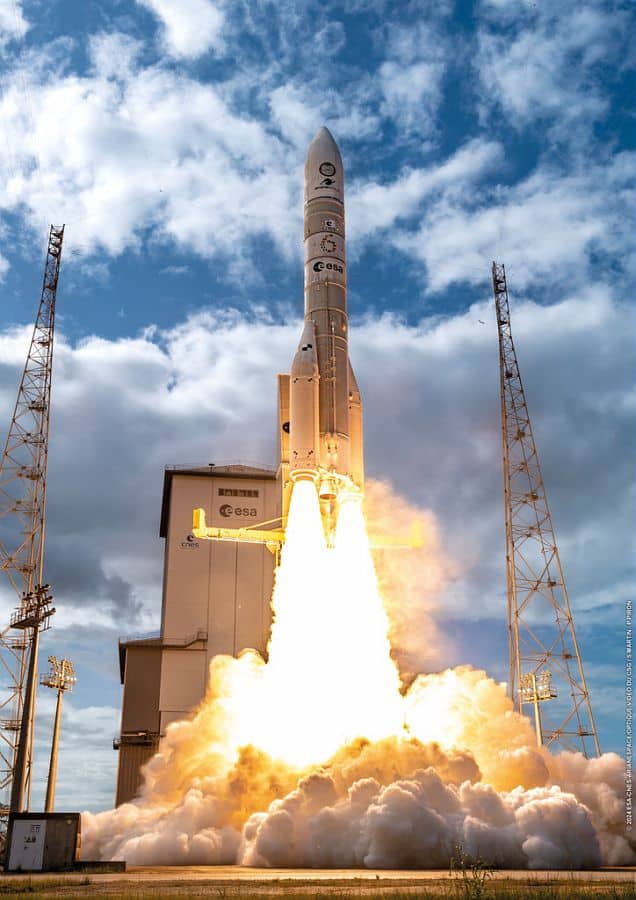
Decollage du lanceur Ariane 6 pour son premier vol VA262, le 09 juillet 2024 au port spatial de l'Europe a Kourou.
Guyane
©Comité du Tourisme de la Guyane

A tourism economy that generates tangible benefits

Economic benefits will reach 160.6 million euros in 2025 an increase of 7.1%. This figure reflects the direct impact of tourism on the local economy: accommodation, catering, transport, cultural activities and services. Total overnight stays amounted to 1.63 million an increase of 9.3%. This increase shows that the destination is not only attracting more visitors, but is also managing to keep them for longer. The average length of stay remained stable at 17.6 days a particularly high figure for the Caribbean.

For the local economy, this stability means spending spread over time and a better redistribution of income throughout the region.

Consolidating air connectivity

Traffic at Cayenne Félix-Éboué airport reaches 242,055 outbound passengers. This represents a 4% increase on 2024 and a 64% increase on 2021. This increase confirms the return to a high level of mobility after the years marked by health restrictions. Overall air traffic is up by 8,5%. This is a sign of a real intensification of traffic flows. This development reinforces the region’s accessibility and directly supports growth in tourism. It also confirms the airport’s strategic role as the main point of entry.

For tourism professionals, this connectivity is a major lever: it determines the region’s ability to attract new markets and retain existing visitors.

Guyane
©Comité du Tourisme de la Guyane

Mainly French customers, but diversifying

Data for 2025 indicate that 60.1% of external visitors come from mainland France. This is still the mainstay of Guyanese tourism, which has historically been linked to travel between French Guiana and mainland France. However, one trend has been confirmed: Caribbean customers are on the rise. The Martinique market, in particular, is experiencing significant growth, driven by an increase in leisure tourism. This dynamic opens up important regional prospects, particularly in terms of tourism cooperation and intra-Caribbean mobility.

The challenge now is to raise its profile in the Caribbean region while consolidating its traditional customer base.

Reasons for staying in French Guiana reflect the region's positioning

The dominant reasons for staying are still :

  • – Professionals: 36.3
  • – Affinity: 35.7

This structure distinguishes French Guiana from many other Caribbean destinations, which are mainly oriented towards beach tourism. The territory retains a strong professional and institutional dimension, linked in particular to the Guiana Space Center and administrative activities.

However, leisure tourism is on the increase, supported by rising consumer spending and greater appreciation of the region’s natural and cultural assets. This trend reflects a gradual repositioning towards a destination of discovery, complementary to other Caribbean territories.

Guyane
©Comité du Tourisme de la Guyane
Guyane
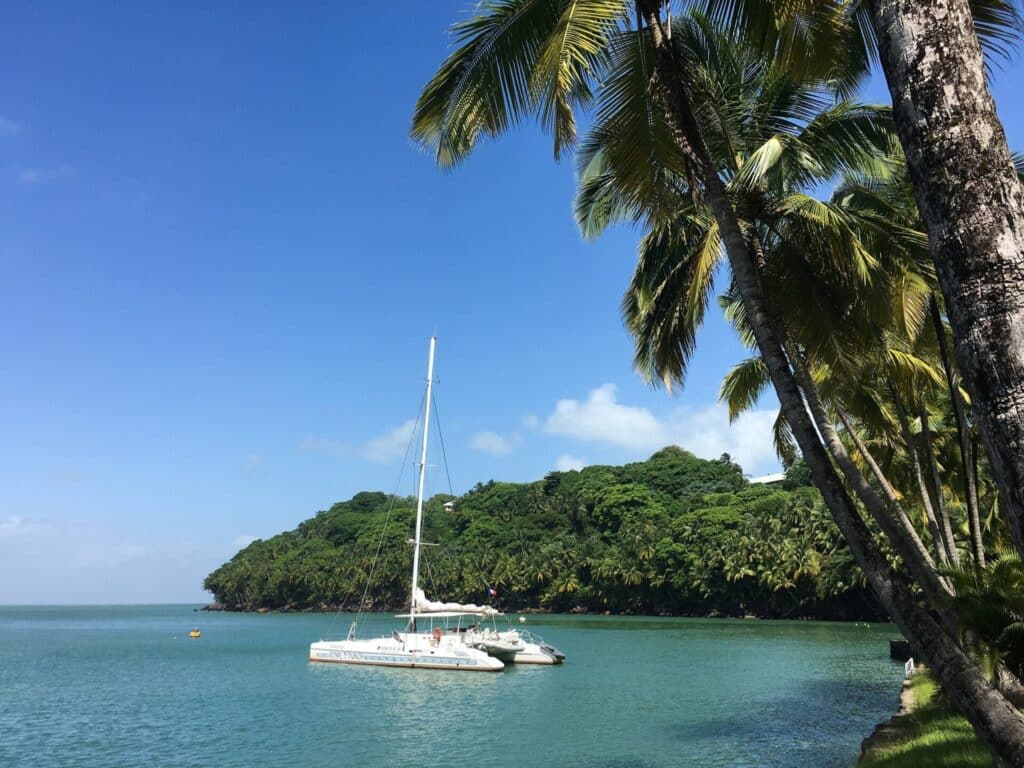
Guyane Française - Bateaux de croisière visitant les îles du Salut French Guyana -
Guyane
©Comité du Tourisme de la Guyane

Exceptional levels of satisfaction

Visitor satisfaction rate reaches 98,7% confirming the quality of the experience on offer. This very high level of satisfaction is a strategic indicator: it promotes word-of-mouth, feedback and the destination’s international reputation. For industry players, this satisfaction is based on several elements: the welcome, the cultural richness, the diversity of landscapes and the authenticity of the Guyanese experience. It also represents a competitive advantage in a regional context where destinations are seeking to differentiate themselves.

What these results mean for French Guiana and the Caribbean

Progress in tourism is not limited to internal improvements. It is gradually redefining the area’s place in the region.

For French Guiana, these results confirm the relevance of the strategies undertaken: developing the offer, strengthening partnerships, targeted promotion and improving customer knowledge. They also provide a solid foundation to guide future investments. On a Caribbean scale, the rise of French Guiana is helping to diversify the regional offer. It offers a complementary alternative to traditional seaside destinations, focusing on nature, culture and immersive experiences.

Guyane
©Comité du Tourisme de la Guyane

2025, a pivotal year for Guyanese tourism

The year 2025 marks a phase of consolidation. Indicators confirm real growth, underpinned by rising visitor numbers, increased economic spin-offs and a high level of satisfaction. In 2026, the Guiana Tourism Board intends to continue its promotional activities and its support for industry players. The objective is clear: to transform this growth into a sustainable dynamic, capable of boosting the region’s appeal over the long term.

With its now solid foundations, French Guiana is asserting itself as a destination in the process of structuring itself, whose development deserves particular attention in the years to come, both for the territory itself and for the Caribbean as a whole.

French Guiana recorded 167,035 tourists in 2025, compared with 142,000 in 2024. This increase confirms solid, sustainable growth in the region’s tourist numbers.

The economic impact of tourism in French Guiana reached 160.6 million euros in 2025, an increase of over 7%. The sector has a direct impact on accommodation, catering, transport and cultural activities.

By 2025, 60.1% of outbound visitors will be from mainland France. Caribbean customers are also on the rise, particularly from Martinique, a sign of growing regional interest in Guiana as a destination.

Leave a Reply

Your email address will not be published. Required fields are marked *

More articles from RK

Marcus Garvey
HISTORY & HERITAGE
Tolotra

Jamaica – Marcus Garvey, Jamaican hero of international renown

Marcus Garvey remains one of the most influential figures to emerge from the Caribbean. Born in Jamaica at the end of the 19th century, he transformed a local experience into a political and cultural project of international scope. At a time when black populations faced deeply rooted systems of exclusion, Marcus Garvey proposed a structured vision based on dignity, organization and autonomy. Recognized today as a national hero in Jamaica, he is much more than a historical symbol. His story helps us understand how the Caribbean helped shape major intellectual and political movements on a global scale. His name continues to circulate in contemporary debates on identity, memory and the development of societies born out of colonial history. From Jamaican origins to the formation of a committed conscience He was born on August 17, 1887 in St. Ann’s Bay, Jamaica, into a modest family. Very early on, he developed a
Read More »
BlueSeas Festival
EVENT MANAGEMENT
Tolotra

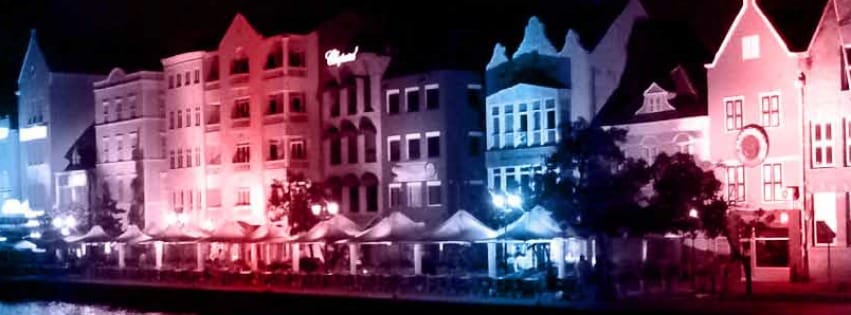
BlueSeas Festival: in Curaçao, Pietermaai becomes the epicenter of Caribbean blues in 2026

From April 2 to 4, 2026, Curaçao hosts another edition of the BlueSeas Festival a musical event that is gradually establishing itself as one of the most unique cultural events in the Caribbean. Free, open and rooted in the urban space, the festival goes far beyond simple musical programming to become a genuine territorial experience. Right from the opening night, Thursday April 2 at Kura Hulanda Village, the mood is set: the blues settle into a heritage setting, before taking full possession of the Pietermaai district on April 3 and 4. This two-stage format structures an immersive experience in which music, architecture and local life are seamlessly interwoven. A free festival that transforms the city into an open-air stage The BlueSeas Festival is based on the principle of offering free concerts in public spaces. This choice is not insignificant. It widens access to live music, while creating direct interaction between
Read More »
Le vodou : Haïti au cœur d’une candidature patrimoniale majeure avec le Bénin
COOPERATION
Tolotra

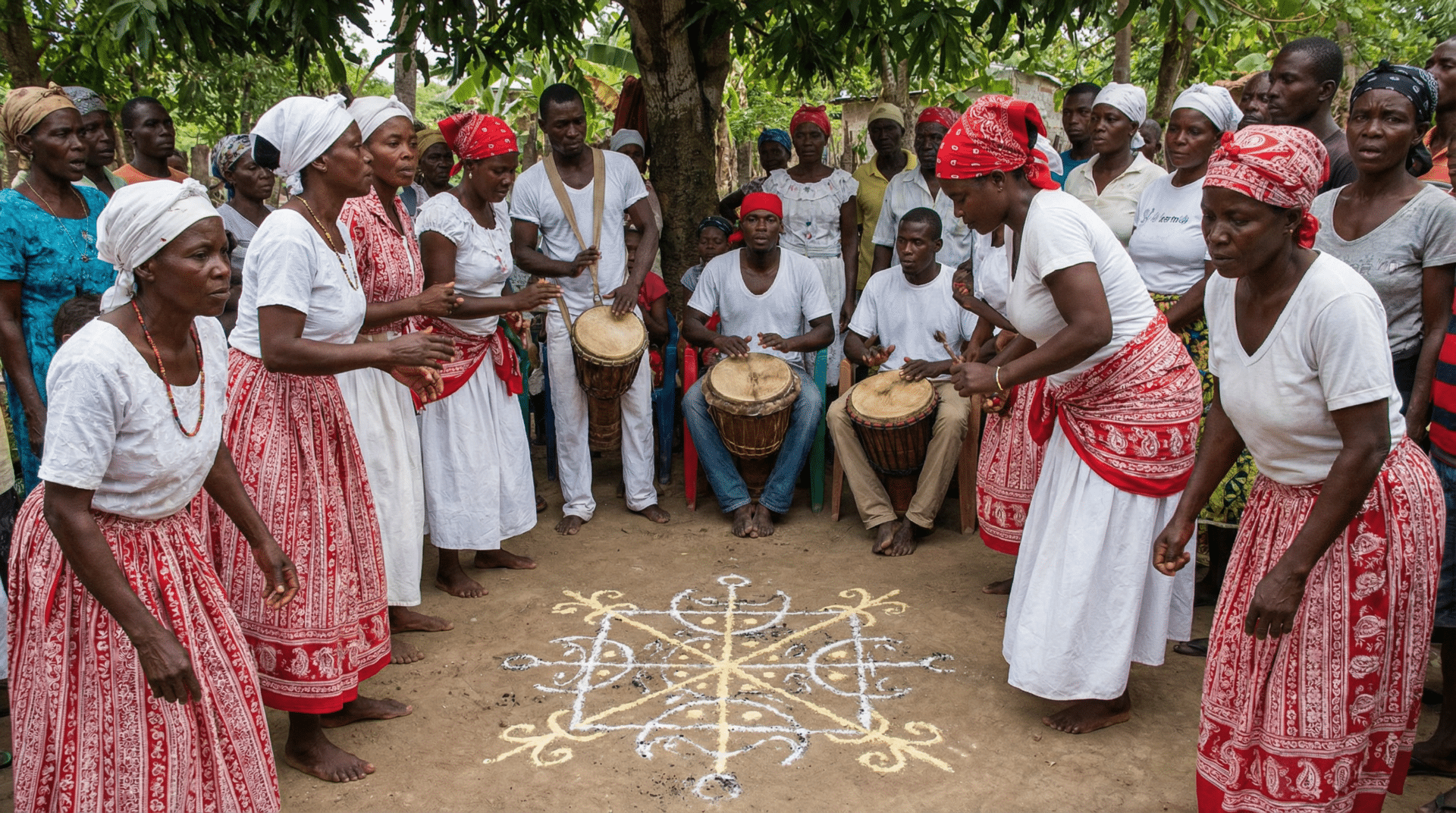
Vodou: Haiti at the heart of a major heritage bid with Benin

The vodou is entering a new phase in its international history. The joint candidacy of Haiti and Benin for inscription on the Representative List of the Intangible Cultural Heritage of Humanity places centuries of memory, transmission and creation at the heart of a global heritage debate. The deadline set by UNESCO for applications to be examined in 2027, and submitted before March 31, 2026, places this initiative within a precise and structured institutional calendar, but the stakes go far beyond the administrative procedure. For the Caribbean, and Haiti in particular, this candidacy is no mere cultural formality. It’s about recognizing a living heritage, often misunderstood, sometimes caricatured, but deeply rooted in the country’s social, artistic and spiritual history. Vodou is not a fixed folklore; it is a cultural matrix, a way of organizing the link between generations, communities and the sacred. To place it within an international heritage dynamic is

Read More »

conTACT RK

we'd love to have your feedback on your experience so far

Join The List

Join our Richès Karayib community!  Sign up for our newsletter.

Want To Maximize Your Business Presence On Riches Karayib?

Complete the form to start the application