
Inter-island air connectivity today represents one of the greatest challenges to the development of sustainable tourism in the Caribbean region. Getting around between the islands of the Caribbean remains a complex task, despite the region’s considerable tourism potential. This is as true for international travelers as it is for local residents, for whom getting from one island to the next can be an obstacle course.
The current state of air connectivity in the Caribbean
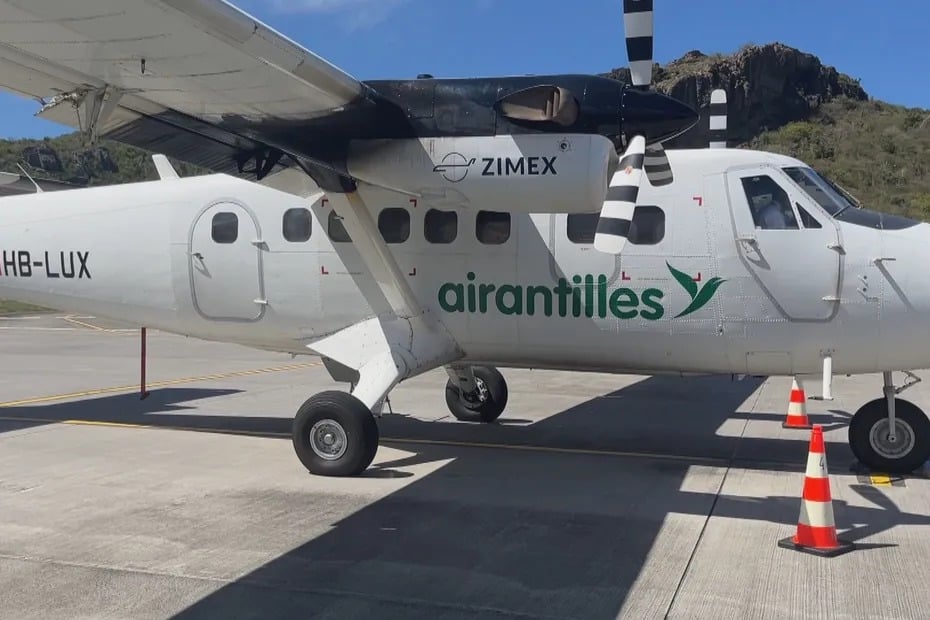
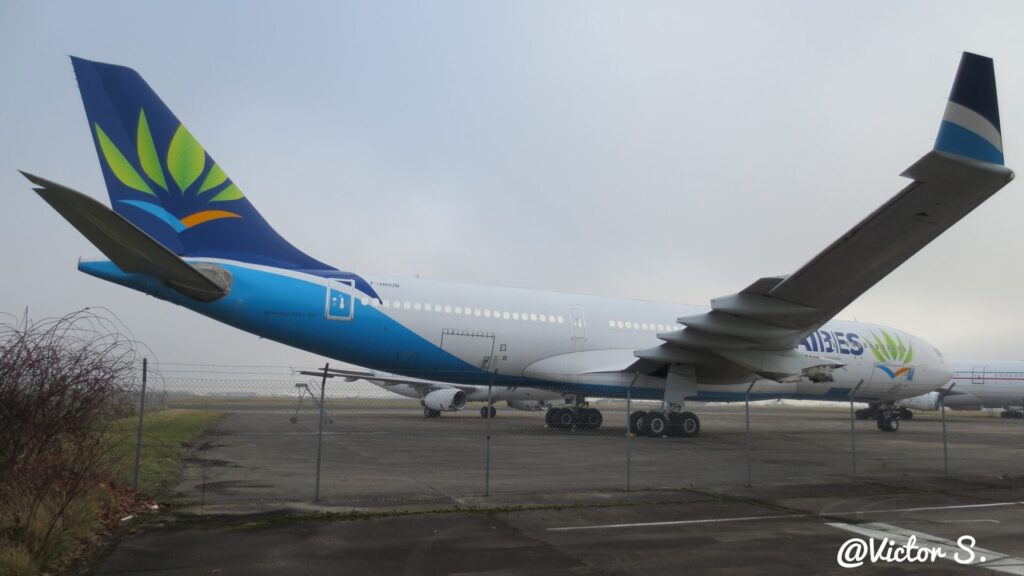
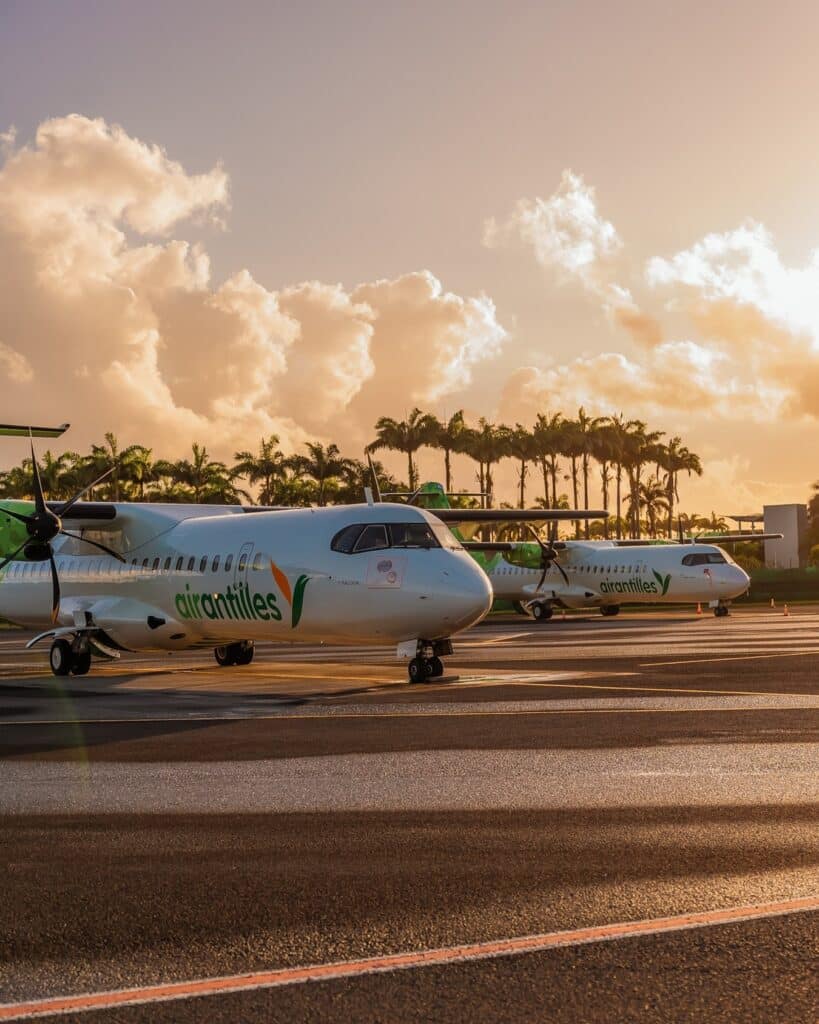
The Caribbean airline industry has undergone profound upheaval in recent years. Historic players such as Air Antilles and LIAT have gone through major crises, with the latter even liquidated in June 2020. This situation has created a considerable gap in inter-island services, particularly felt between the region’s French-, English- and Spanish-speaking territories.
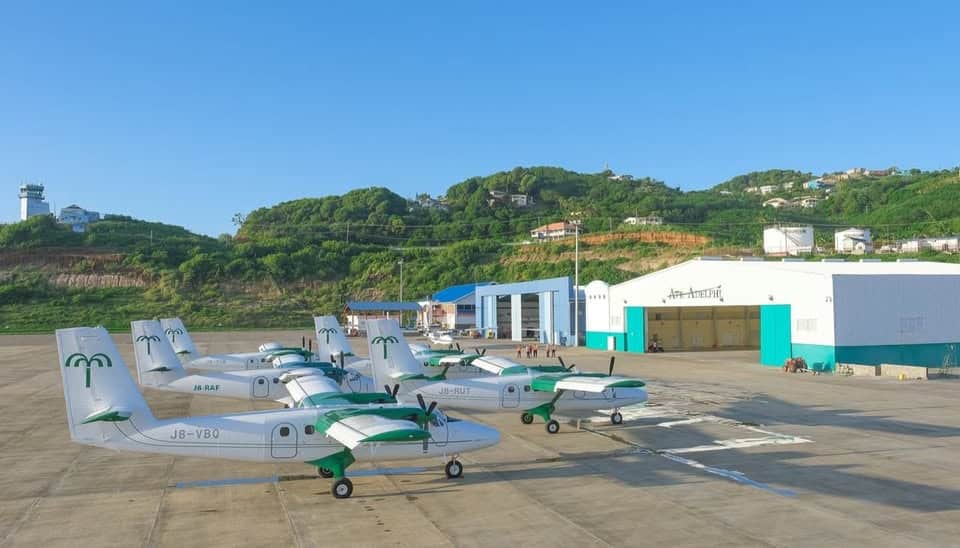
Air Caraïbes now operates a number of routes, notably between Guadeloupe, Martinique and Saint-Martin, but the overall offer remains insufficient to meet demand. New initiatives are emerging, however, such as Air Adelphi, which recently inaugurated a regular service linking Martinique with Saint Lucia and Saint Vincent and the Grenadines, filling a gap left since 2019.

Structural barriers to inter-island connectivity
Several factors explain the difficulty of establishing a coherent air network in the Caribbean. Firstly, the political and linguistic fragmentation of the region, with territories under different jurisdictions (French departments, British territories, independent states), complicates the harmonization of aviation regulations.
Secondly, the modest size of island markets makes it difficult to make air routes profitable. This fragile economic reality, based essentially on tourism and turned towards the outside world rather than intra-regional trade, is a major obstacle to efficient inter-island air connectivity.
The economic challenges of inter-island air connectivity
Inter-island air connectivity plays a crucial role in the economic development of the Caribbean. Every direct flight between two islands represents an open door to new tourism and business opportunities. Improved connectivity would make it possible to capitalize on the specific characteristics of each territory, and promote the gastronomic and cultural riches specific to each island.
The potential economic impact is considerable: the air sector currently accounts for 3.6% of regional GDP, supports 8.3 million direct and indirect jobs and generates $240 billion. Improving inter-island air connectivity could significantly boost these figures by facilitating the movement of tourists and professionals throughout the region.
The untapped potential of multi-destination tourism
One of the great untapped potentials of the Caribbean lies in multi-destination tourism. At present, most visitors limit their stay to a single island, due to the lack of convenient and affordable air links between the territories. Yet the archipelago’s cultural, natural and historical diversity is a major asset that could be better exploited through multi-island tours.
Initiatives such as the CARIBSKY alliance, formerly grouping Air Antilles, Winair and LIAT, aimed to facilitate this type of tourism by offering a “one-way ticket to the Caribbean”. Although this specific project was compromised by the difficulties of the participating airlines, the idea remains relevant.
Towards sustainable aviation in the Caribbean
Faced with environmental challenges, Caribbean aviation is gradually making the transition to more sustainable practices. The region’s airlines have reduced their fuel consumption per passenger kilometer by 28% since 2011, thanks to fleet renewal and improved operational efficiency.
Initiatives such as Green Pilot® certification recognize the efforts of airlines developing robust carbon reduction programs in their operations. This transition to greener aviation is essential to ensure that improved inter-island air connectivity does not come at the expense of the fragile environment of the Caribbean islands.
The challenge of operating costs and profitability
One of the main obstacles to inter-island air connectivity remains the weakness of the business model. Regional airlines face high fixed costs (salaries, maintenance, airport taxes), which are not sensitive to passenger volume. Flight fares vary from 50 to 150 euros one way, which represents a a real obstacle for residents, especially in areas with low purchasing power.
A round trip between two islands can be equivalent to several days’ wages for a local worker. Conversely, some very short sea crossings are still affordable, costing around 8 to 15 euros. But these connections are limited. This situation makes intra-regional mobility difficult, and hinders the development of sustainable, multi-destination tourism in the Caribbean.
Initiatives and partnerships to improve regional connectivity
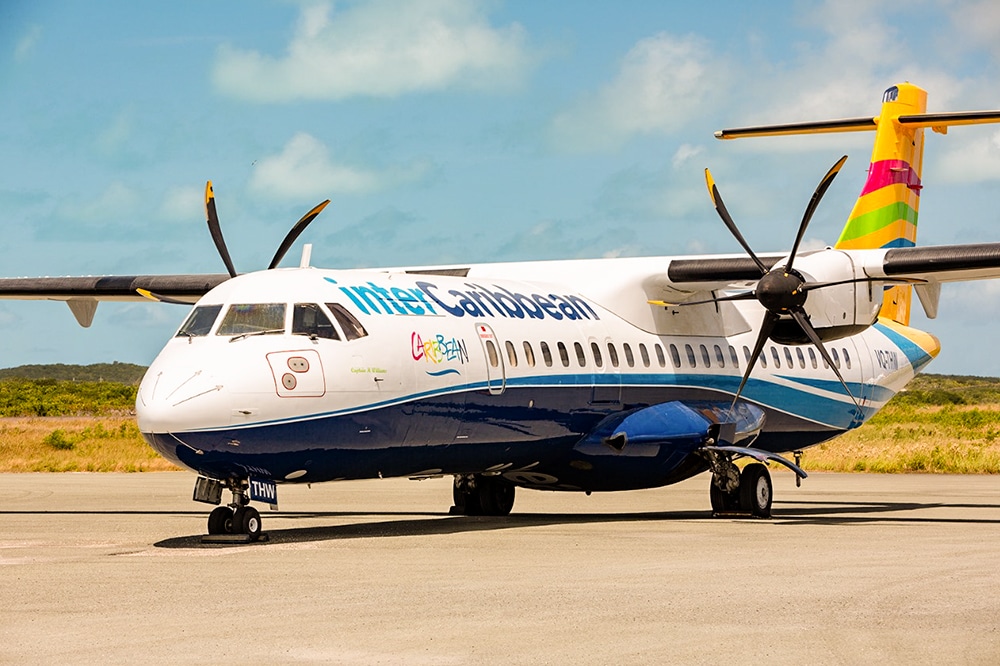
In the face of economic and logistical challenges, airline alliances are emerging as a promising solution. New collaborations are emerging, such as the partnership between Winair and Air Caraïbes, or the expansion of networks like InterCaribbean Airways. These initiatives aim to improve inter-island air connectivity by pooling resources.
Governments and regional organizations have a crucial role to play. The World Bank is contributing to this effort with projects such as the “Caribbean Regional Air Transport Connectivity Project”, which has awarded $159 million to several countries to enhance air transport safety and airport infrastructure resilience.
Future prospects for inter-island air connectivity
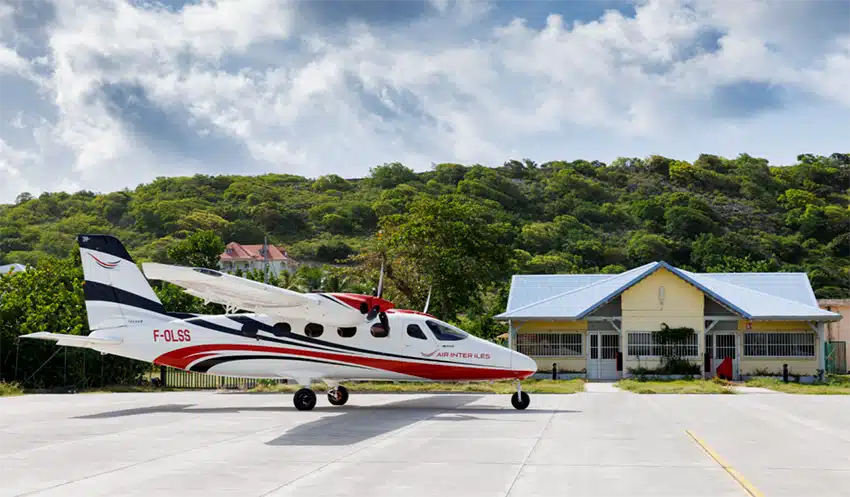
The future of inter-island air connectivity in the Caribbean will necessarily involve innovative solutions. Companies like Air Inter Îles are developing new premium shuttle services with aircraft adapted to short distances, such as the TECNAM P2012 STOL.
Digital technologies also offer interesting prospects, with integrated booking platforms making it easier to combine different flight segments between partner airlines.
Inter-island air connectivity represents both a major challenge and a tremendous opportunity for the development of sustainable tourism in the Caribbean. The obstacles are many: political fragmentation, economic difficulties for airlines, high operating costs and environmental challenges.
The stakes are high: the aim is not only to facilitate travel for tourists and local residents, but also to create the conditions for more balanced, environmentally-friendly economic development throughout the region. By strengthening air links between the islands, a more inclusive and sustainable tourism model can emerge, enhancing the richness and diversity of each territory while promoting greater regional cohesion.