Back home: Alé Viré, when exile is reversed and organized. Faced with the mass exodus of its young people, Martinique is faced with an existential challenge: how can we encourage the country’s children to return, settle down and stay for good? For over six years, the Alé Viré association has been working in the field to make this return possible.
In Martinican Creole, “Alé Viré” literally means “to leave and return” – an expression which, in itself, embodies the journey of many Martinicans in the diaspora.
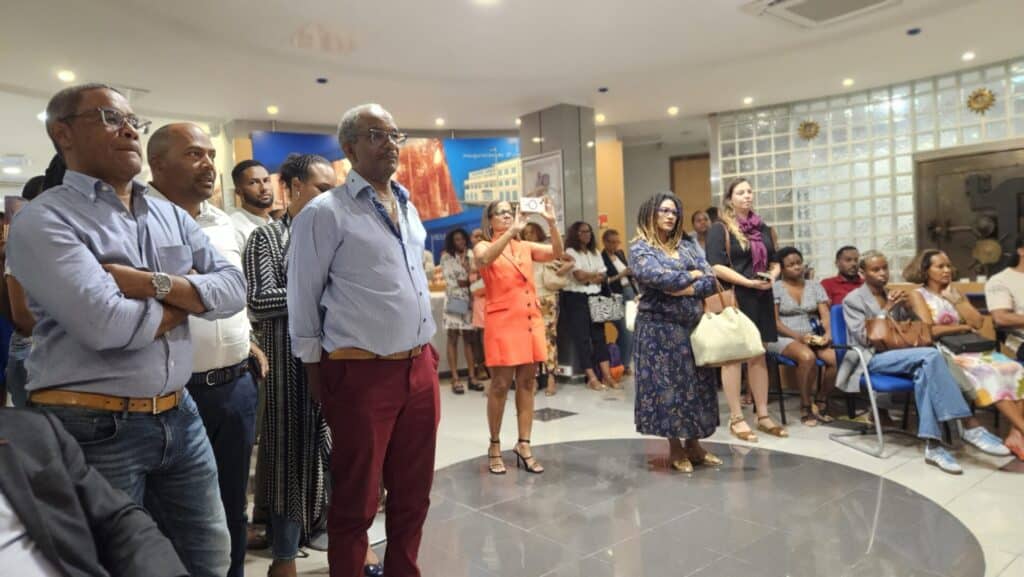
Recently, the association organized a networking aperitif on the premises of BRED in Fort-de-France, its long-standing partner. It was a moment of sharing and commitment on a key theme: financial education, a fundamental lever for transforming the dream of returning home into a real life project.
Alé Viré brought together financial experts, institutional players and Martiniquans in transition for the occasion.
Alé Viré, a concrete response to exile and the desire to return home
Founded in 2018, the Alé Viré association was born of an alarming observation: Martinique is slowly but surely emptying out. In the space of fifteen years, the population has fallen by almost 60,000. And many of those leaving are young graduates, the lifeblood and skills of the future. Faced with this silent erosion, Catherine Conconne, Senator of Martinique and founder of the initiative, wanted to initiate a reverse dynamic. Alé Viré’s ambition is to make returning home a tangible, accessible and supervised reality.
Today chaired by Anne-Emmanuelle Pique, the association relies on a solid network and a committed team, including Stéphie Salpétrier, the evening’s host. She guided the discussions with fluidity, giving everyone the space to ask questions, share doubts and obtain concrete answers. Since its creation, Alé Viré has already assisted over 2,000 families in their return home. Thanks to a human approach, solid partnerships and a well-thought-out strategy, Alé Viré provides concrete support for returnees, and also thanks to a strong conviction: the network is a driving force for moving things forward, creating opportunities and breaking down isolation.
A solid partnership for a common goal
The evening was also marked by the presence of Martinique’s prefect, Étienne Desplanques, whose visit underlined the institutional importance attached to the return dynamic.
The event’s focus on personal finance is no coincidence. One of the greatest fears of would-be returnees is economic. How can you settle down for good if you don’t have a handle on your budget, if you don’t know the right tools for saving or investing? This is where specialists come in to share their experience and advice.
Cindy Sunkiss, founder of Sodafé and creator of the FODAF method, emphasized the importance of rigorous financial organization, even with modest resources. With her method, she helps everyone to manage their budget as they would a business project, by setting clear objectives and regaining a form of freedom in their life choices.
Séverine Marcussy, wealth management consultant and founder of UNESSY, demystified wealth building. For her, it’s not a matter of wealth, but of discipline. With just 50 euros a month and a long-term vision, you can lay the foundations for a brighter future. She insisted on the need to overcome limiting beliefs, often inherited or maintained by those around us.
On the institutional side, Hervé Louis-Jean, fromEDUCFI (economic, budgetary and financial education for the public) at the IEDOM, gave a worrying update: Martinique saw a +13% rise in over-indebtedness cases in 2023. He stressed the importance of developing budgeting reflexes from an early age, through teaching aids, games and workshops organized in schools. For him, financial education is a process of citizen emancipation, more necessary than ever.
BRED, a loyal partner of Alé Viré, reaffirmed its role in supporting this dynamic comeback. Alongside its director Stéphane Timbert, Olivia Audenay and the BRED teams actively contributed to the success of the event. Their warm and professional welcome created an atmosphere conducive to frank and constructive discussions.
Stéphane Timbert reminded the audience that BRED, as a cooperative bank owned by its members, gives priority to human support and makes a lasting commitment to local development. At a time when many branches are closing, BRED is planning to open a new structure in the North Caribbean, demonstrating its strategy of investing against the current.
Anchoring is possible, provided you're prepared
The evening ended on an inspiring note with a testimonial from Shirley Thorel, an entrepreneur who has taken part in the HEC Stand Up program. Thanks to this training program dedicated to women entrepreneurs, she was able to structure her project and gain in confidence. Her story resonates with that of many women in Martinique seeking autonomy and professional recognition, and serves as a reminder of the importance of support systems in the successful return home.
Beyond the figures and the tools, this evening above all enabled everyone to project themselves. Returning home is more than just getting a plane ticket. It’s about rebuilding in an ecosystem that is often familiar… but profoundly transformed. To make a success of this return, you need support, points of reference and lucid management of your resources.
Return, stay, rebuild
By bringing together institutions, financial professionals, former and future “virés”, Alé Viré showed that another path is possible. One where hybrid career paths are valued, where returns are encouraged rather than left to improvisation, and where the desire to return is taken seriously.
Because the attractiveness of a region cannot be decreed – it has to be built. Patience, action, transmission. And this is precisely what Alé Viré has been doing for the past six years. At a time when Martinique is looking for a new lease of life, this type of initiative seems not only useful, but vital. Returning home must no longer be an uncertain dream, but a sustained, structured and shared project.