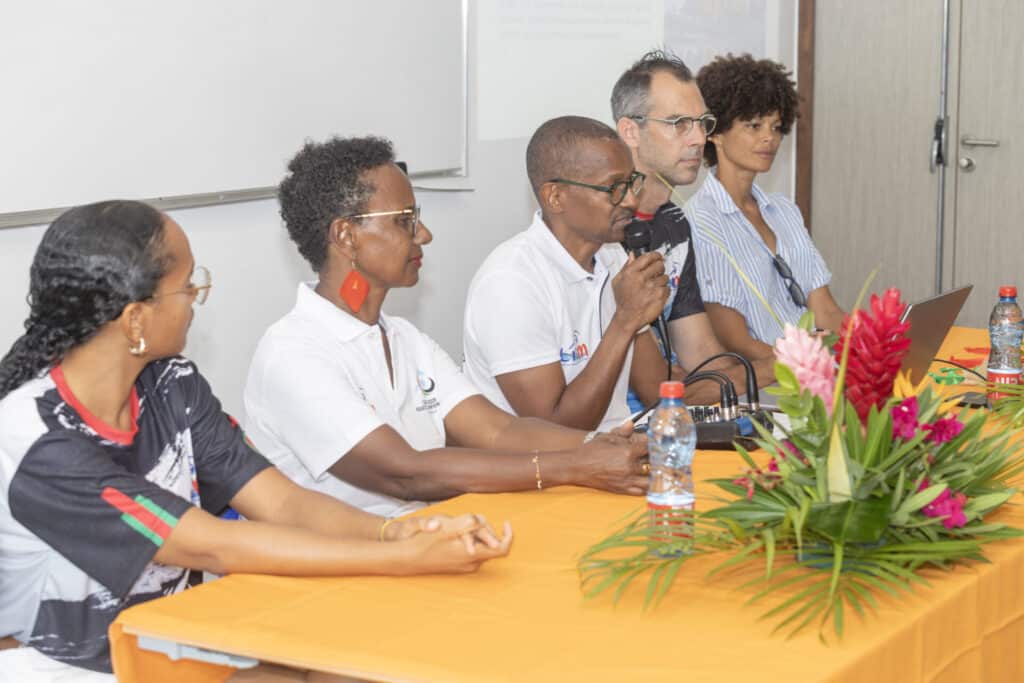
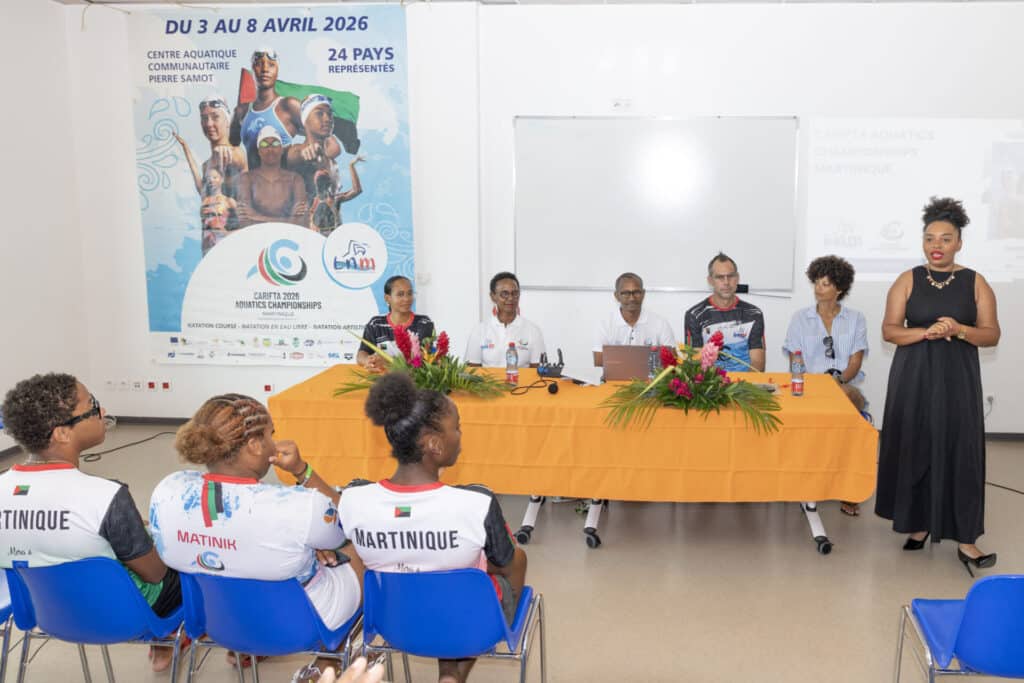
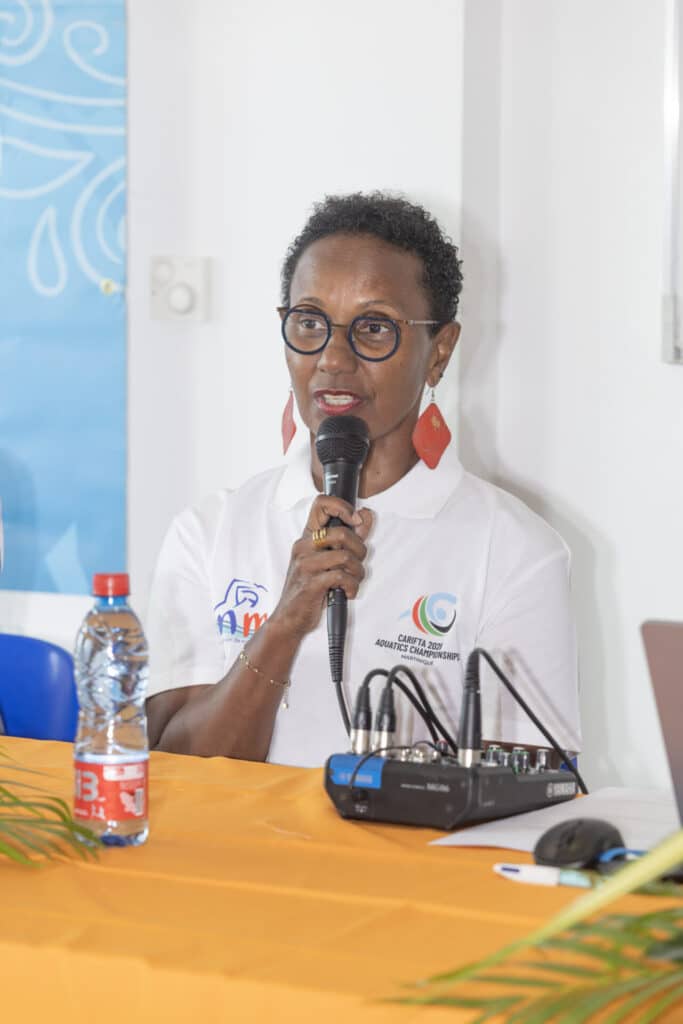
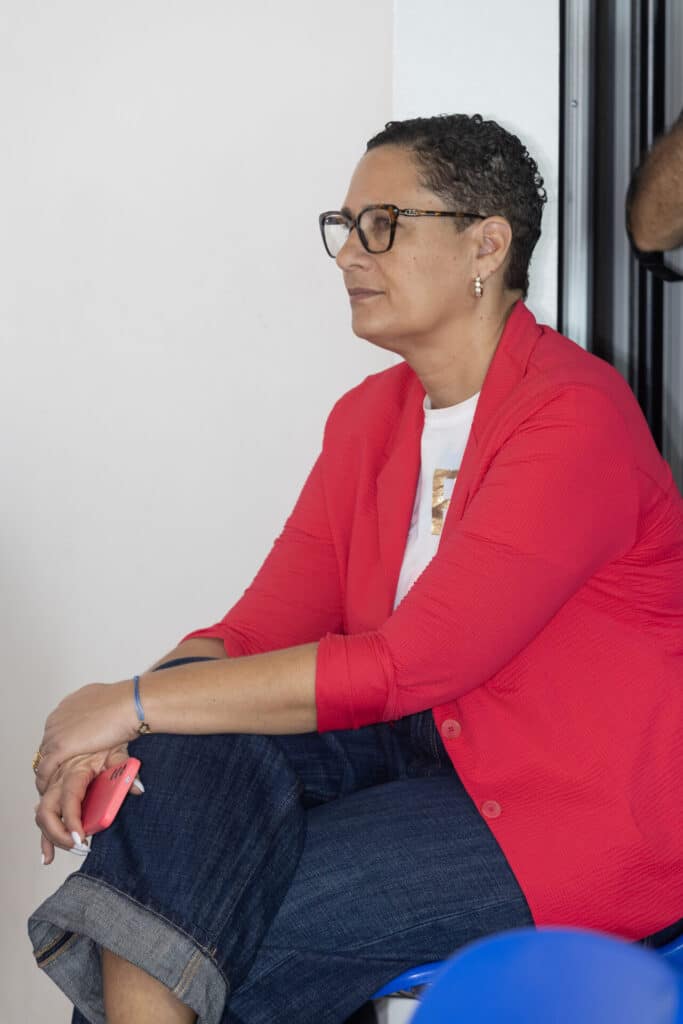
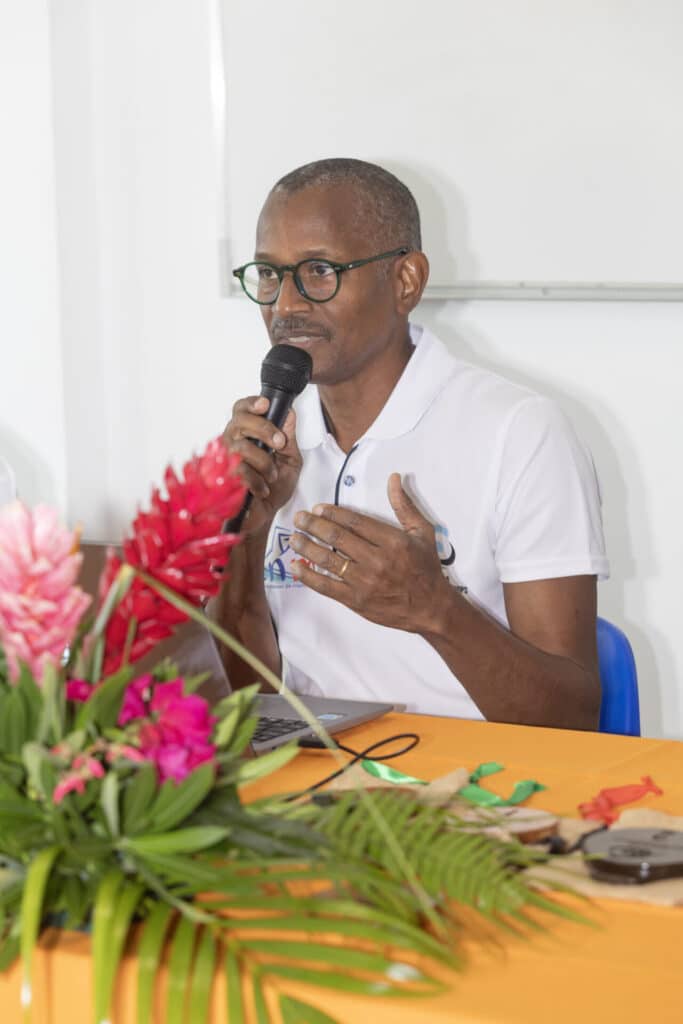
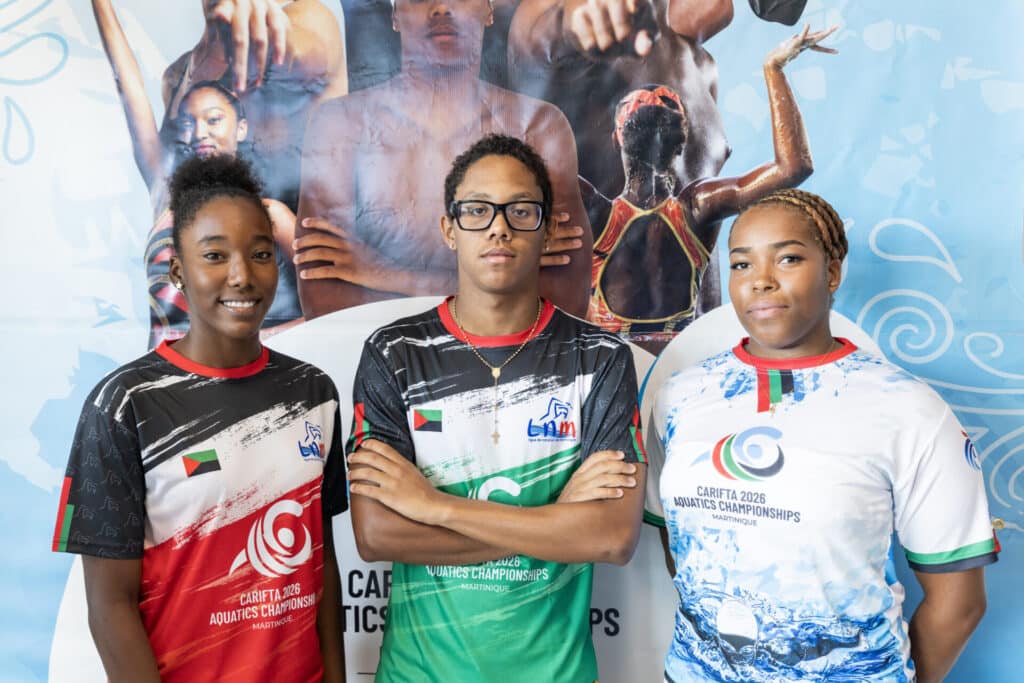
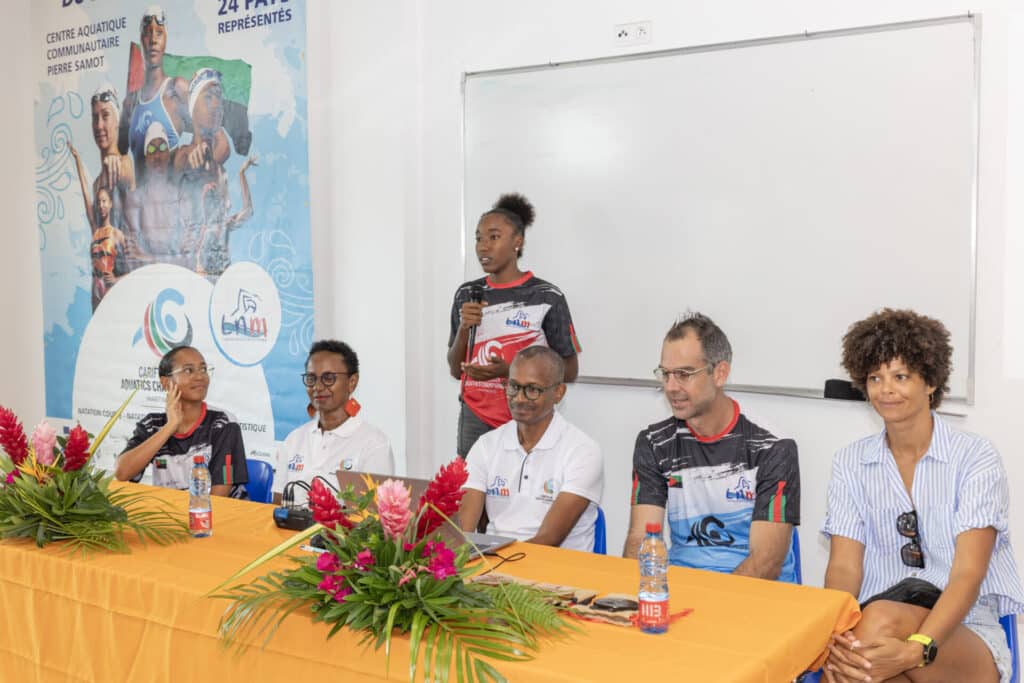
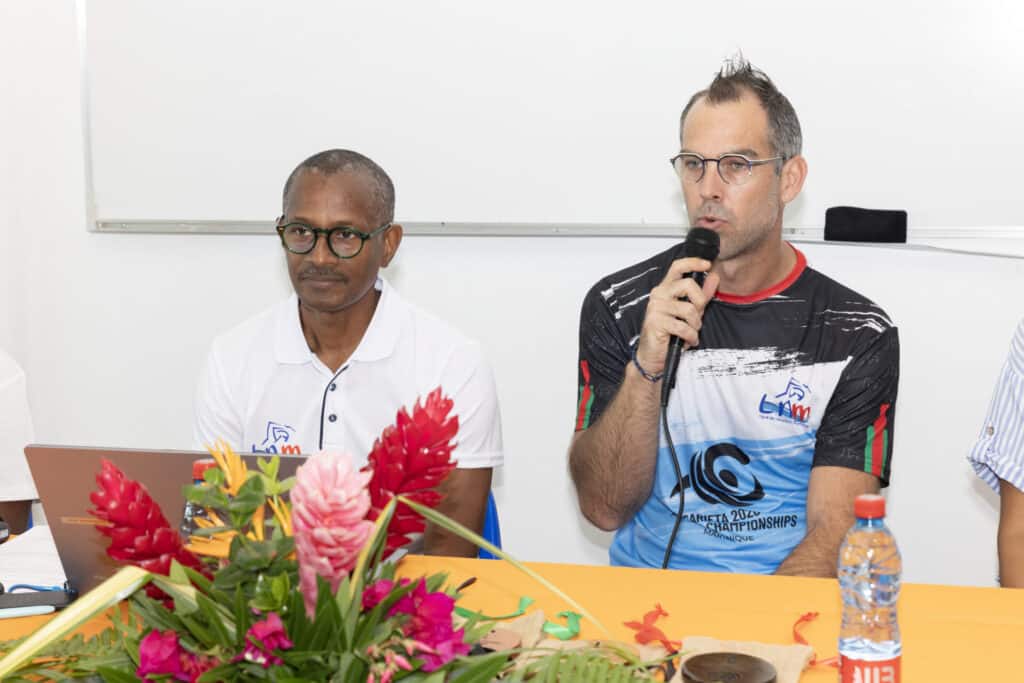
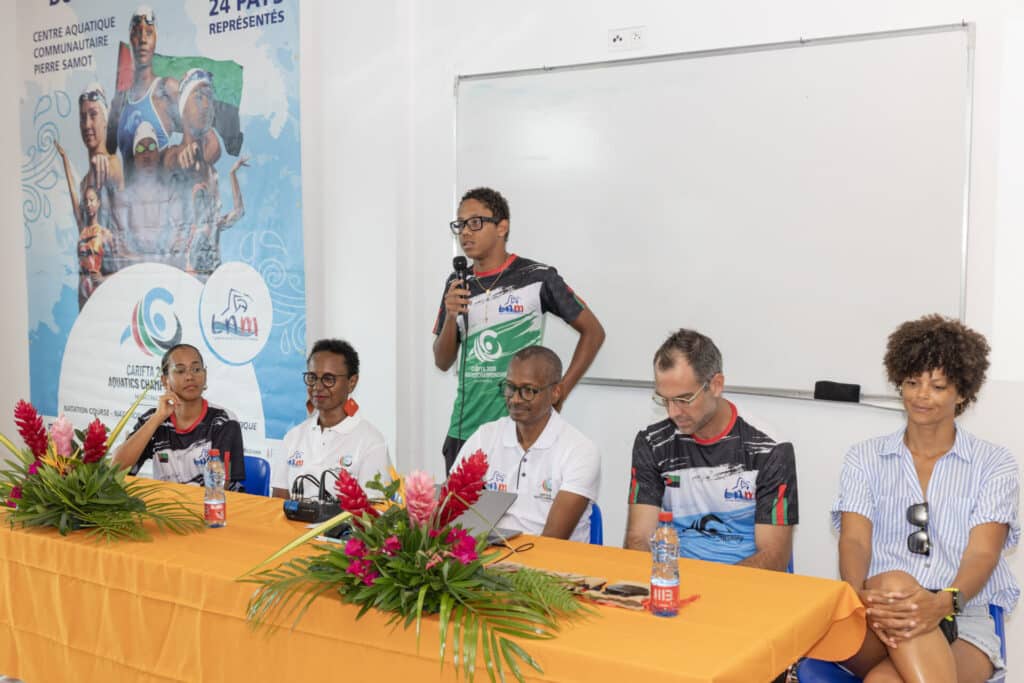
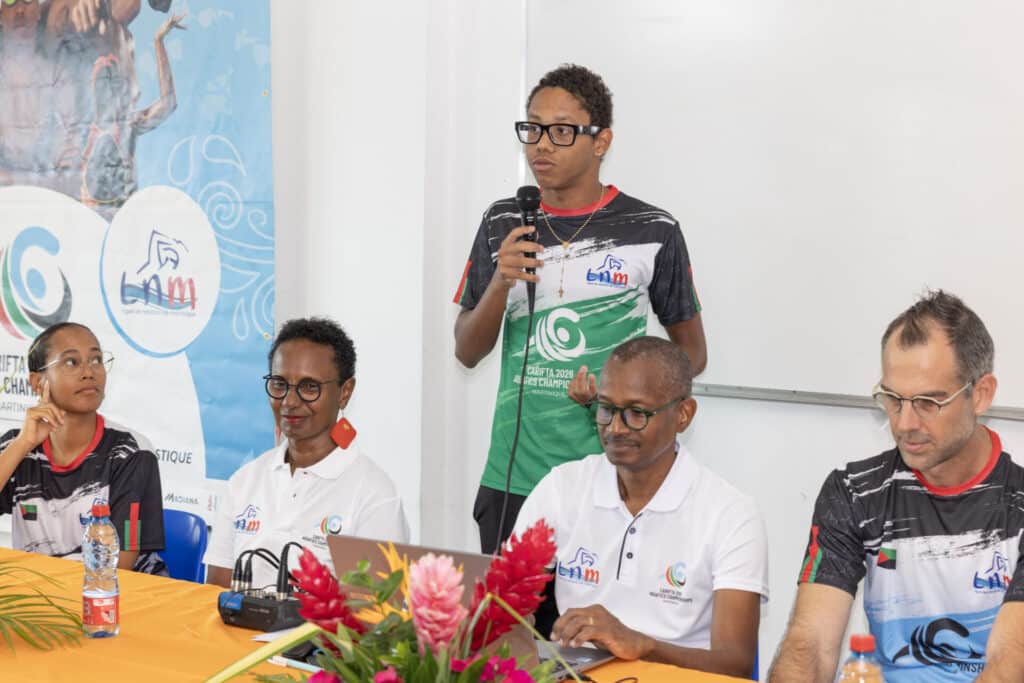
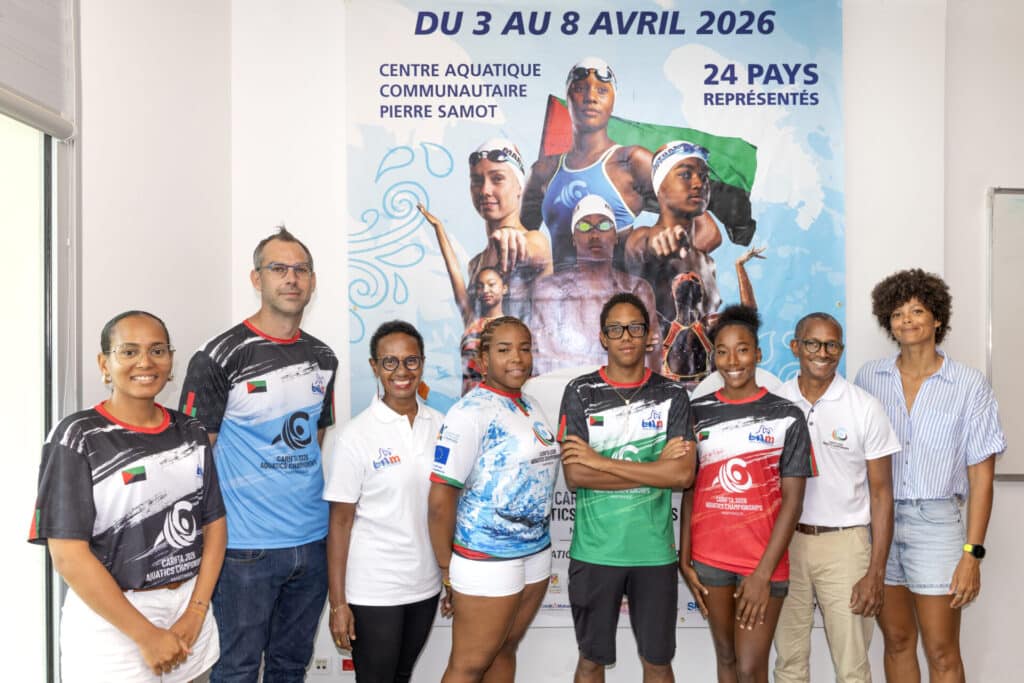
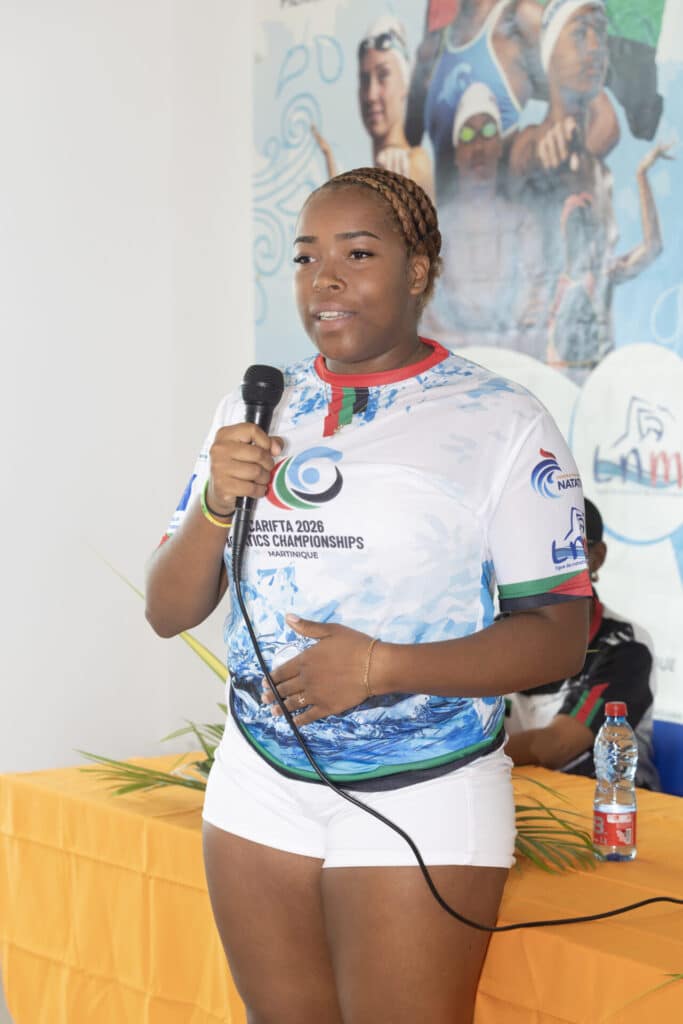
On Saturday March 28, at the Centre Aquatique Pierre Samot in Le Lamentin, the CARIFTA Aquatics Championships 2026 press conference was more than just an information meeting. Over the course of an hour and a half, organizers, athletes and partners presented much more than just the sporting program: from April 3 to 8, Martinique will host the 39th edition of the Caribbean’s leading junior aquatic event, ten years after the first edition was so memorable. Twenty-four nations. Three disciplines. A home territory that knows it.

A bid driven by collective memory

In 2024, at the Caribbean Aquatics Association Congress held in the Bahamas, two bids were put forward to host the 2026 CARIFTA Aquatics Championships: Saint Lucia and Martinique. The vote was clear-cut: some thirty votes for Martinique, ten for Saint Lucia.

Behind this result is a story. The 2016 edition, the first ever to be held on home soil, left its mark on the minds of all those who were there: coaches, delegation leaders, officials. In 2024, when it came time to vote, many still remembered that week.

"It was a beautiful edition, and one that will always be remembered."

CARIFTA Aquatics Championships 2026

The other factor was more concrete: Sainte-Lucie did not yet have its own pool. Martinique, on the other hand, can count on the Centre Aquatique Pierre Samot in Le Lamentin, with its ten-lane Olympic pool, 800-seat grandstand and 25-meter warm-up pool. One of the best facilities in the Caribbean.

The organization also emphasized its capacity to welcome delegations from outside the basin, with several accommodation solutions mobilized in the south of the island, supplemented by other structures if necessary. This logistical aspect, rarely secondary in this type of event, reinforced the credibility of Martinique’s bid.

CARIFTA Aquatics Championships 2026

Three disciplines, 24 nations, a demanding format

The CARIFTA Aquatics Championships 2026 will bring together 24 countries: 21 English-speaking Caribbean nations, plus Martinique, Guadeloupe and Guyana. The swimming races will take place over four days: heats in the morning, finals in the afternoon, from Saturday April 5 to Tuesday April 8. Artistic swimming gets underway on Monday during the lunch break, with solos followed by technical events. The duets and teams round off the program on Wednesday morning. On the same Wednesday, the open water event takes place over five kilometers in the Anses d’Arlets.

Competitors: Benjamins (11-12 years), Minimes (13-14 years), Cadets (15-17 years) do not enter as individuals. They are national selections, with the best swimmers from each territory. To enter the Martinique selection, swimmers must satisfy a time grid established over the previous two seasons, which only selects swimmers capable of reaching the finals.

CARIFTA Aquatics Championships 2026

In the minds of the organizers, selection is based on a simple logic: to score points, you have to enter the final, and to enter the final, you have to be among the top eight times in the morning heats. In other words, the swimmers selected are supposed to have a level that enables them to play a real role in the competition, and not just participate.

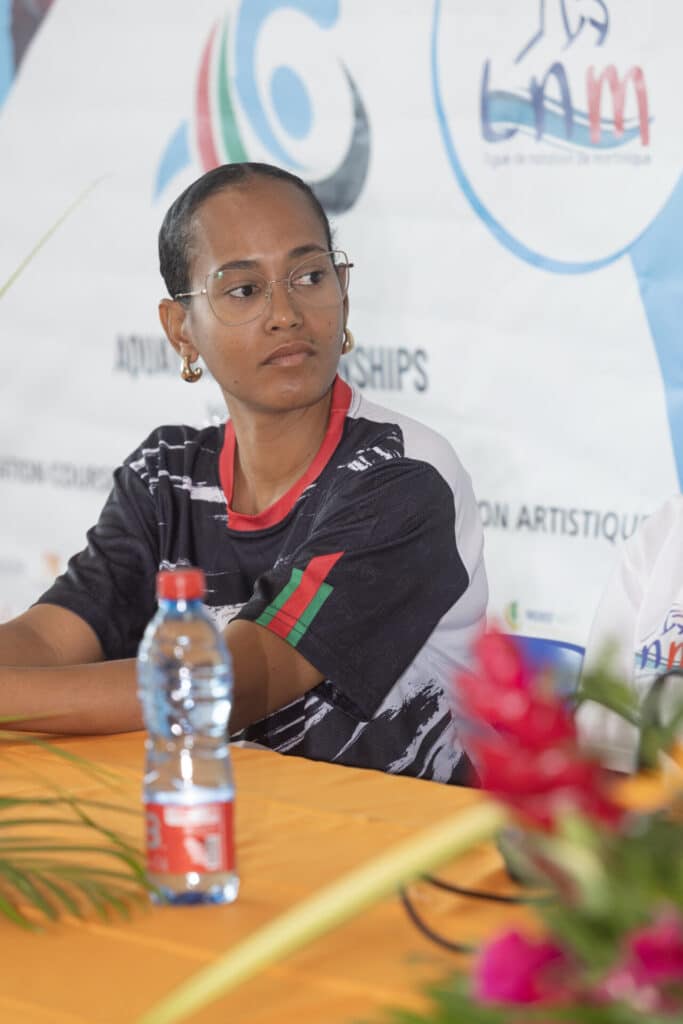
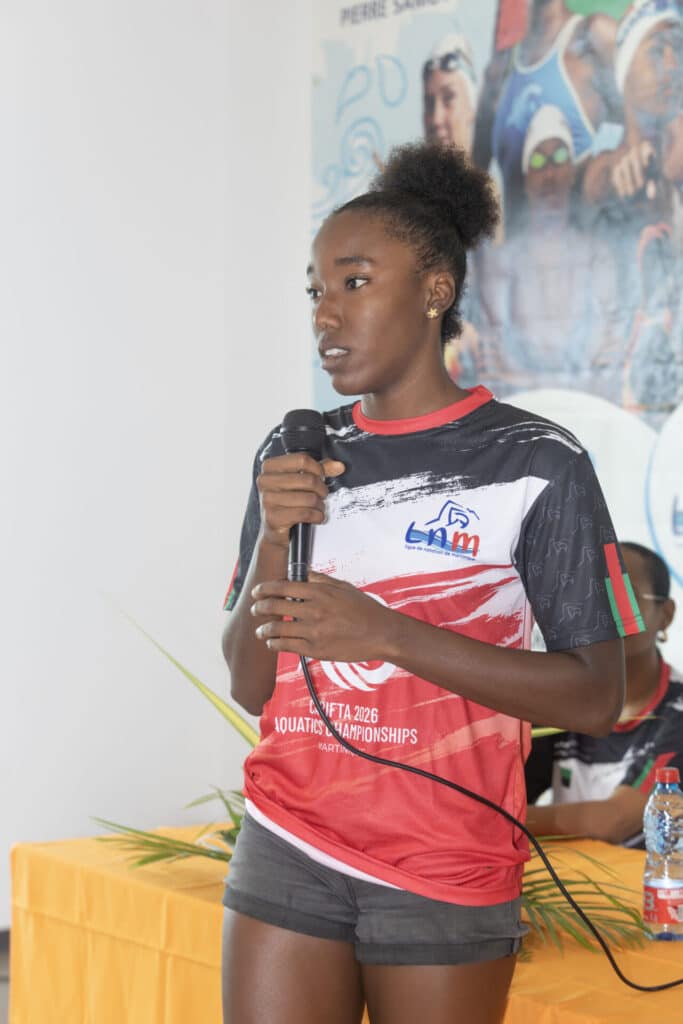
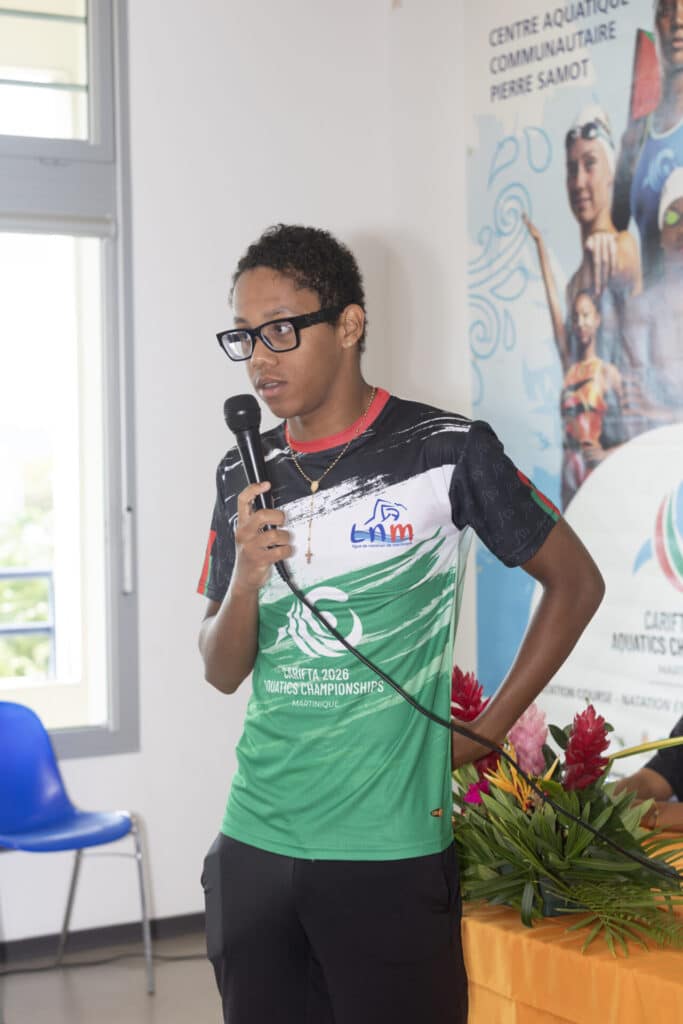
The Martinique delegation at the CARIFTA Aquatics Championships 2026 has 61 swimmers: 36 in racing, 12 in open water, five of whom also race, and 18 in artistic swimming. The team is led by five captains: Jean-Naël Zozime and Maxime Auguste-Charlery for boys’ racing (15-17 age group), Cyrielle Manin and Sayanne Guivissa for girls’ racing, and Nohemy Marajo for artistic swimming.

Water as starting point and destination

When asked how he got started, Jean-Naël Zozime, captain of the boys’ selection, answers straightforwardly: “I was introduced to swimming so that I wouldn’t drown. Cyrielle Manin, captain of the girls’ selection, tells much the same story: she almost drowned as a child, and that’s what led her to learn to swim.

CARIFTA Aquatics Championships 2026
Cyrielle Manin

These two testimonies, heard just a few minutes apart, say something important about this territory. Two young Martiniquans, initially frightened by the sea, who are now representing their island against twenty-three Caribbean nations. This is more than just a sporting achievement.

"Swimming is a tough sport. You can't expect it to be easy, but with a lot of perseverance, anyone can do it."

CARIFTA Aquatics Championships 2026
Jean-Nael Zozime

Nohemy Marajo, artistic swimming captain, has been practicing for ten years a discipline that the public still knows little about. She explains it concretely: learning choreographies on dry land, rehearsing them in the water, controlling your breathing under the surface while your legs draw figures above. It’s a sport that’s as technically demanding as it is physically demanding, and has as much to do with ballet as it does with endurance.

"You have to know how to endure, how to save every last breath to finish the choreography."

CARIFTA Aquatics Championships 2026
Nohémy Marajo

The conference of the CARIFTA Aquatics Championships 2026 also pointed out that artistic swimming is still a confidential discipline in the Caribbean, due to the infrastructure it requires and the level of preparation required. It requires three-dimensional work and very thorough technical preparation, as well as the support of outside professionals, particularly in dance and gymnastic preparation. For the supervisors, the challenge of CARIFTA is twofold: to support those who are already practising and to encourage new vocations.

What the coaching team observes in these youngsters is a constant: they train, take their exams, compete at weekends, and do it all over again. “Generally, swimmers perform well in their studies too, because they’ve worked on this rigor on a daily basis.” What you learn in the pool also applies elsewhere, and the organizers insist on this daily requirement: it’s not enough to qualify, you have to be able to show up on the day, in a sport where regularity and discipline count as much as talent.

Medals from the hands of the island

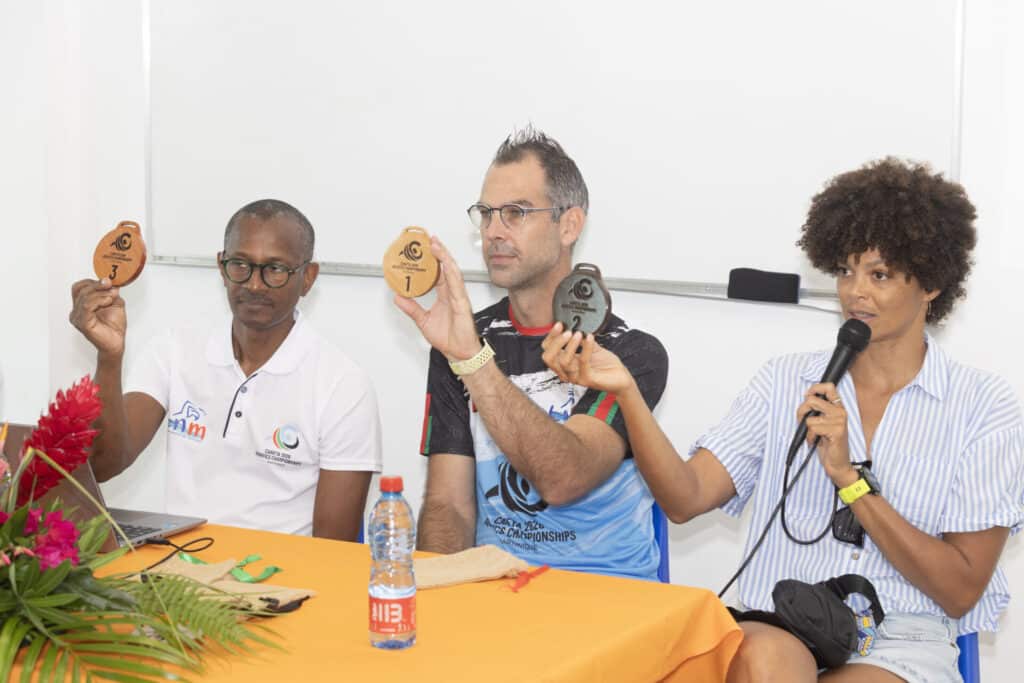
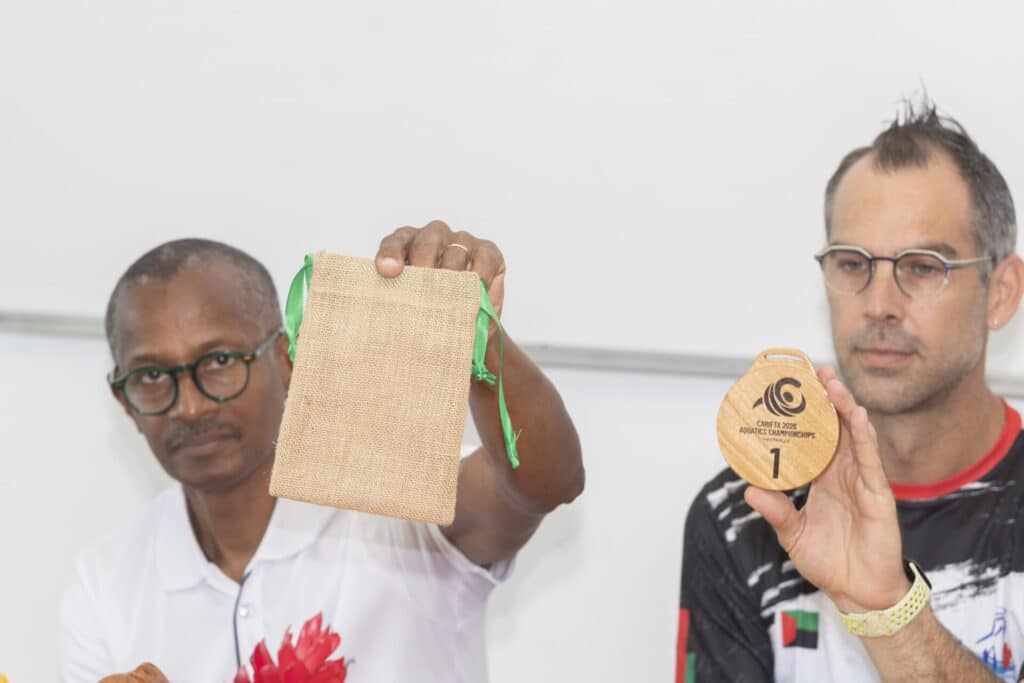
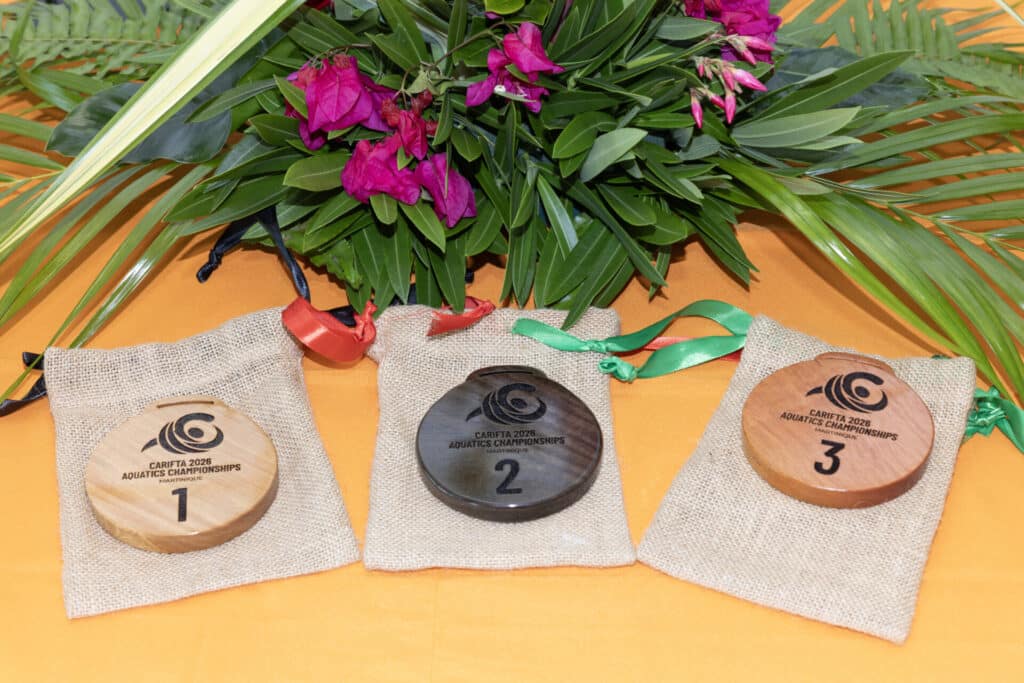
The way an event rewards its champions often says a lot about what it stands for. At the CARIFTA Aquatics Championships 2026, the medals were made in Martinique from noble woods: pearwood for gold, mao bleu for silver, mao ghani for bronze. A craftsman from the Nord-Atlantique region produced them, Joseph Galliard signed the engravings, and a local seamstress made the pouches in the three colors of the Martinican flag.

CARIFTA Aquatics Championships 2026

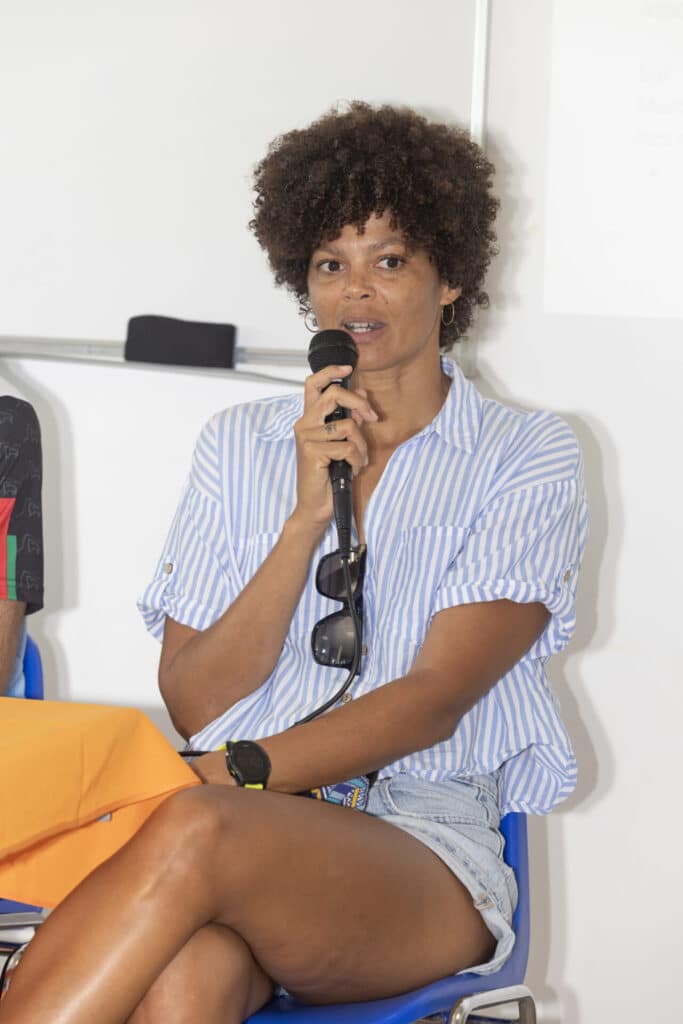
The initiative was spearheaded by the event’s godmother, Coralie Balmy, a former top-level swimmer who had taken part in the CARIFTA four times in her career. An eco-responsible and identity-affirming initiative, hailed as a first on the Caribbean scale.

Every Caribbean athlete who reaches the podium at the CARIFTA Aquatics Championships 2026 will leave with a piece of Martinique, a unique medal made by local craftsmen, unlike any other.

Nohémy Marajo
Coralie Balmy

The conference also specified that trophies would accompany these awards, and that the medals had yet to receive their lanyards before the competition opened. Here too, the aim is clear: to make each award a sporting, local and symbolic object.

CARIFTA Aquatics Championships 2026

A week that mobilizes the whole territory

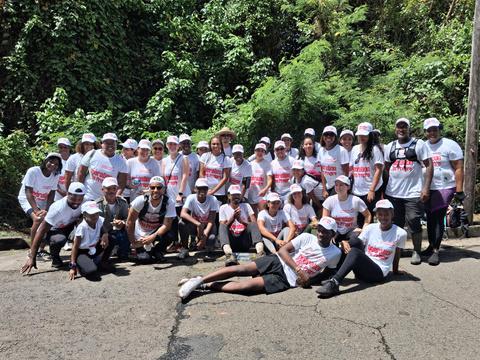
The CARIFTA Aquatics Championships 2026 won’t just be played out in the pools. Between 1,500 and 1,800 people are arriving in Martinique: swimmers, staff and families spread out over several hotels in the south of the island. Every day, around 150 volunteers ensure the smooth running of the event: former swimmers, parents, locals who sometimes have no direct connection with swimming, but who wanted to get involved.

Among them, the officials play a decisive role: some 26 officials from the Caribbean will reinforce the Martinique officials, bringing the number of people around the pool to around fifty for each morning and afternoon meeting. In addition, there will be first-aid attendants, reception teams, people in charge of awards, delegation escorts and areas open to the public.

CARIFTA Aquatics Championships 2026

Welcoming delegations to the CARIFTA Aquatics Championships 2026 was also thought through in detail. They all had to arrive on April 2, at different times of the day, sometimes very early in the morning, sometimes late at night. In conjunction with the transport company and SAMAC, a precise plan was drawn up at the airport to ensure smooth exits, transfers to buses and settling into accommodation, with particular attention paid to meals depending on the time of arrival.

The opening ceremony of the CARIFTA Aquatics Championships 2026, on Friday April 3 at the Georges Gratiant stadium, is free and open to all: 2,800 seats to fill. The group “Nou Pa Sav” will accompany the parade of delegations. On Saturday, April 4, Les Hommes d’Argile will be on hand as the delegations arrive on site, offering a strong cultural backdrop intended as a symbolic first encounter with Martinican identity. Throughout the week, Martinican cultural groups will be on hand to ensure that visitors leave with a living image of the region, not just competition results.

The CARIFTA Aquatics Championships 2026 ceremony is scheduled to take place from 4 to 6 p.m., and will be broadcast on a giant screen, as well as relayed by media partners and via YouTube for wider distribution in the Caribbean. The ambition is clear: to make Martinique the center of the Caribbean for the duration of the event.

In addition to sport, the organizers of the CARIFTA Aquatics Championships 2026 also have an economic and cultural objective. Bringing in up to 1,800 people means filling accommodation, generating consumption, encouraging car rentals and putting the hotel and restaurant sectors to work. It’s also a way of showcasing Martinique’s culture, notably through the entertainment planned for the opening ceremony and the arrival of the delegations.

CARIFTA Aquatics Championships 2026

The open water event at Anses d’Arlets also serves as a reminder that the sea is a living, fragile environment that deserves protection. The association’s representative at the conference sums up its mission simply: “learn to swim to discover the seas and protect them.”

This educational dimension goes beyond drowning prevention. It also touches on the appropriation of water by the people of Martinique, the discovery of the discipline by the youngest and the broader desire to reinforce the region’s aquatic culture in the long term.

An assertive island

A phrase uttered at the end of the conference sums up the general mood: “We’re ready, and we’ll make the CARIFTA Aquatics Championships 2026 a collective success and a great source of pride for our region.”

What the delegations take away with them on the evening of April 8 is more than just a ranking. It’s an image of Martinique, a territory that knows how to welcome, organize and assert its identity. For six days, the whole Caribbean will be there. It’s up to Martinique to show what it can do.

CARIFTA Aquatics Championships 2026

But the organizers of the CARIFTA Aquatics Championships 2026 also want to leave their mark after the event. The Ligue de Natation de Martinique ended the 2024-2025 season with some 2,540 members, around ten affiliated clubs and, generally speaking, 7 to 8 clubs involved in competition. With this in mind, the CARIFTAs are not intended as a parenthesis, but rather as a possible catalyst to encourage vocations, boost membership and establish swimming as a permanent fixture on the Martinique sports scene.

The organizers of the CARIFTA Aquatics Championships 2026 have also chosen not to reproduce the large village of 2016. In 2026, the activities surrounding the competition are to be more focused, with one day in particular being highlighted, in order to concentrate energy and attendance rather than scattering the highlights.

The CARIFTA Aquatics Championships 2026 is the 39th edition of the Caribbean’s leading junior aquatic event, held in Martinique from April 3 to 8. Twenty-four nations are taking part in racing, artistic and open water swimming, in categories ranging from 11 to 17 years of age.

The swimming race and artistic swimming events take place at the Centre Aquatique Pierre Samot in Le Lamentin. The 5-kilometer open water event takes place in Anses d’Arlets on Wednesday April 8.

Tickets are available on cariftamartinique2026.com and on the Ligue de Natation de Martinique social networks. Prices: €10 in the morning, €20 in the afternoon for adults, 4-day pass at €125. The opening ceremony at the Georges Gratiant stadium is free of charge.

Twenty-four countries are taking part: 21 English-speaking Caribbean nations, plus Martinique, Guadeloupe and Guyana.

The Martinique squad is led by five captains: Jean-Naël Zozime and Maxime Auguste-Charlery for boys’ racing, Cyrielle Manin and Sayanne Guivissa for girls’ racing, and Nohemy Marajo for artistic swimming.

In the southern Caribbean, off the coast of Venezuela, Bonaire is a territory in a class of its own. Less publicized than its neighbors Aruba and Curaçao, the island has built its identity around one central principle: the protection of its environment. Here, the sea structures the economy, landscapes and customs, while tourism development has been gradual and controlled. For travelers, Bonaire offers a clear picture: a compact island, visible natural areas, an accessible coastline and an organization geared towards sustainability.

Bonaire

An island structured by its marine park

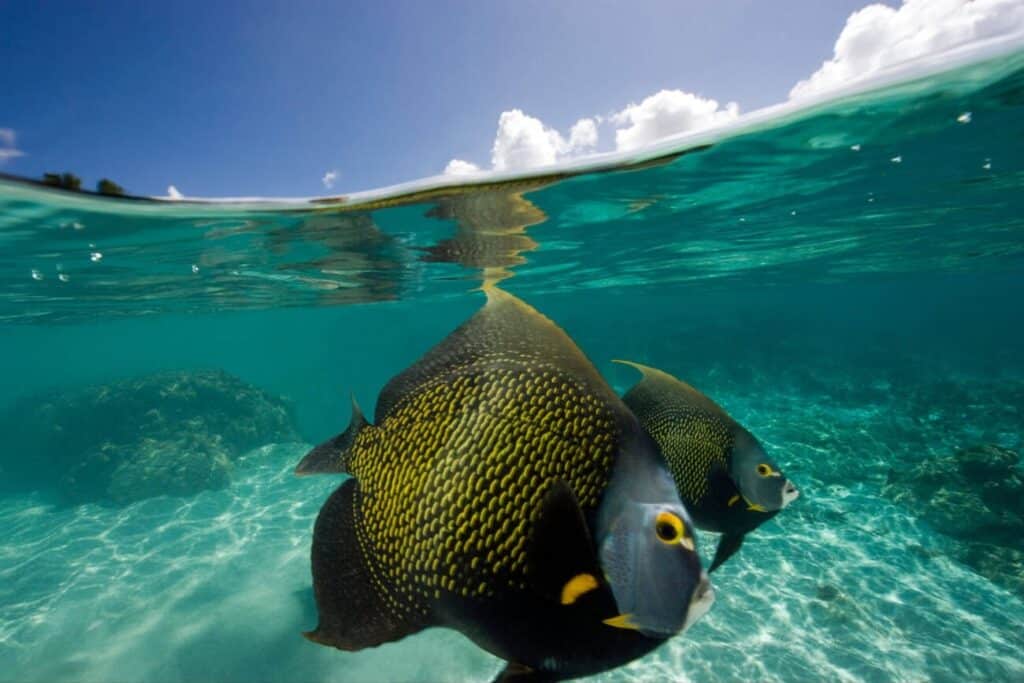
Since 1979, Bonaire’s entire coastline has been protected by the Bonaire National Marine Park which completely surrounds the island. This marine area regulates nautical activities and aims to preserve the coral reefs, considered among the best preserved in the Caribbean. One of the island’s special features is the direct accessibility of its marine sites. Diving and underwater observation can be carried out from the coast, without the need for a boat. Marked access points allow visitors to enter the water without disturbing protected areas. This model of environmental management has made it an international benchmark for marine conservation. It attracts a specific public, attentive to the quality of ecosystems and the regulation of uses.

Bonaire
Bonaire

An arid, contrasting landscape

Contrary to the classic image of the tropical Caribbean, Bonaire has a drier landscape. The island is characterized by semi-arid vegetation, modest relief and vast open areas. This is due to its position south of the hurricane belt and a more stable climate, with limited rainfall. To the north, the Washington Slagbaai National Park covers a large part of the territory. This terrestrial reserve protects a diversity of environments: hills, rocky coasts, wetlands and habitats for numerous bird species. It offers a different view of the island, one that complements that of the coastline.

Bonaire
Bonaire
Bonaire
Bonaire

The saltworks, an emblematic landscape

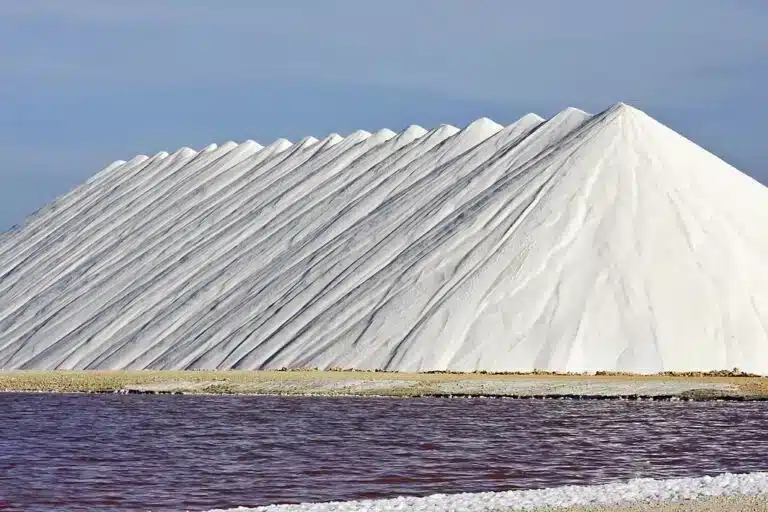
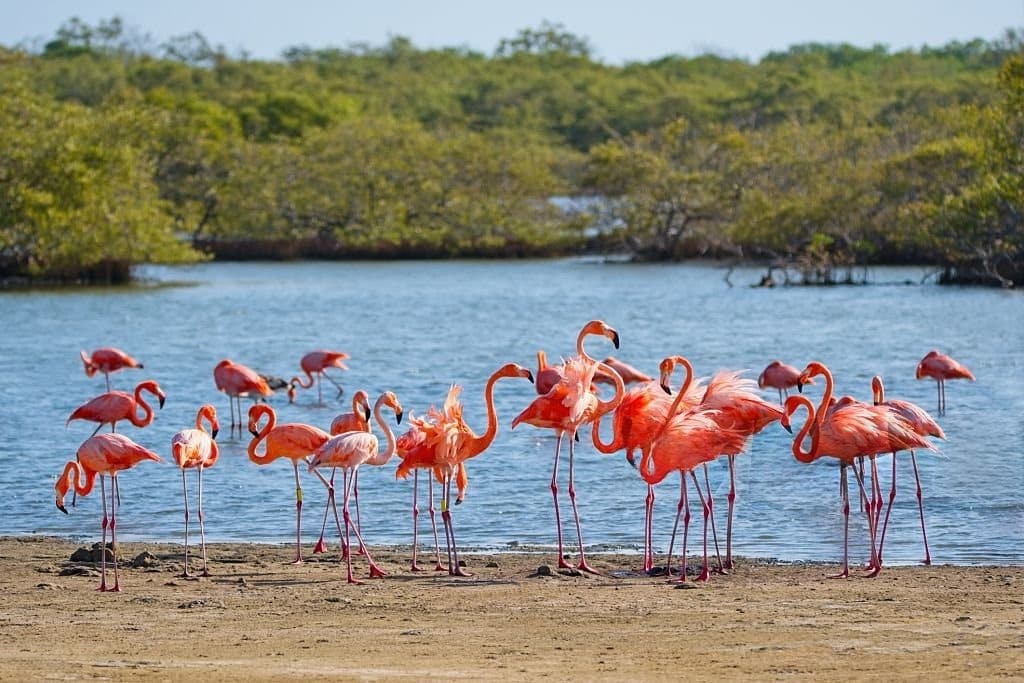
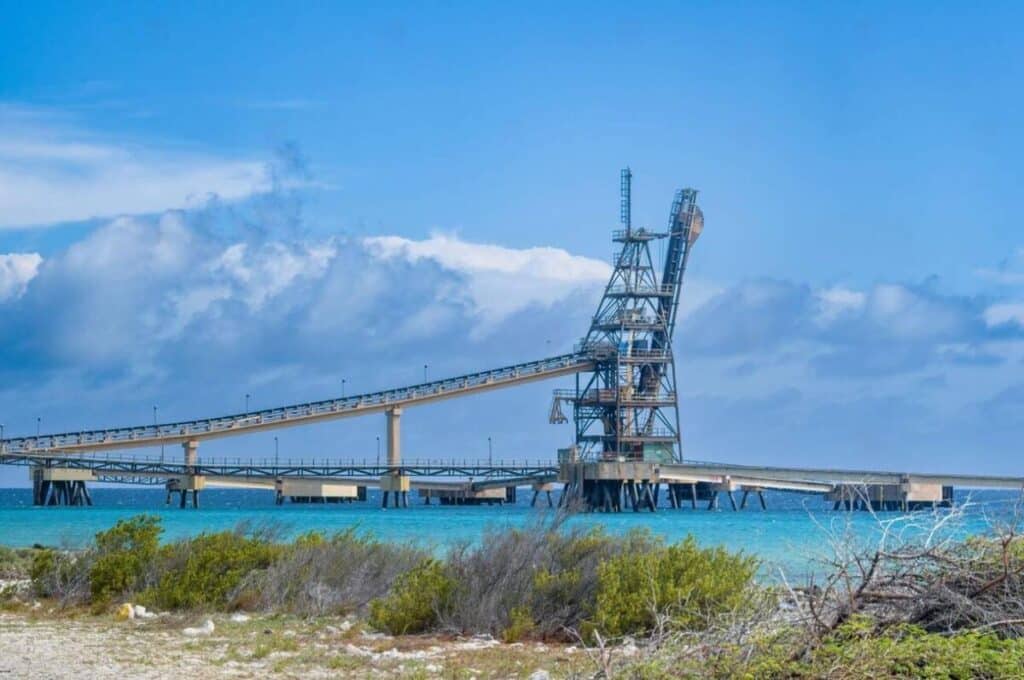
To the south of Bonaire, the salt pans are a striking feature of the landscape. Exploited for centuries, they form vast basins where seawater is evaporated to produce salt. The colors vary from pink to white, depending on the concentration of salt and the micro-organisms present. These areas also attract colonies of pink flamingos, which find favorable conditions in these environments. Their presence reinforces the ecological interest of the site and contributes to the island’s visual identity.

Bonaire
Bonaire

A capital on a human scale

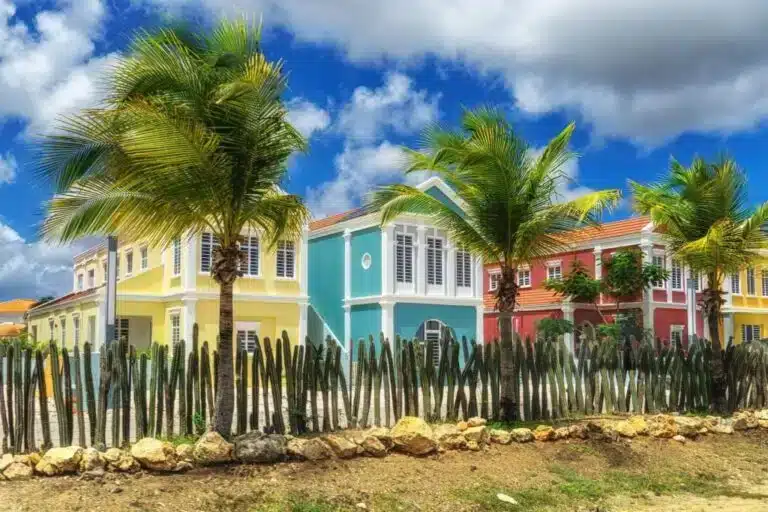
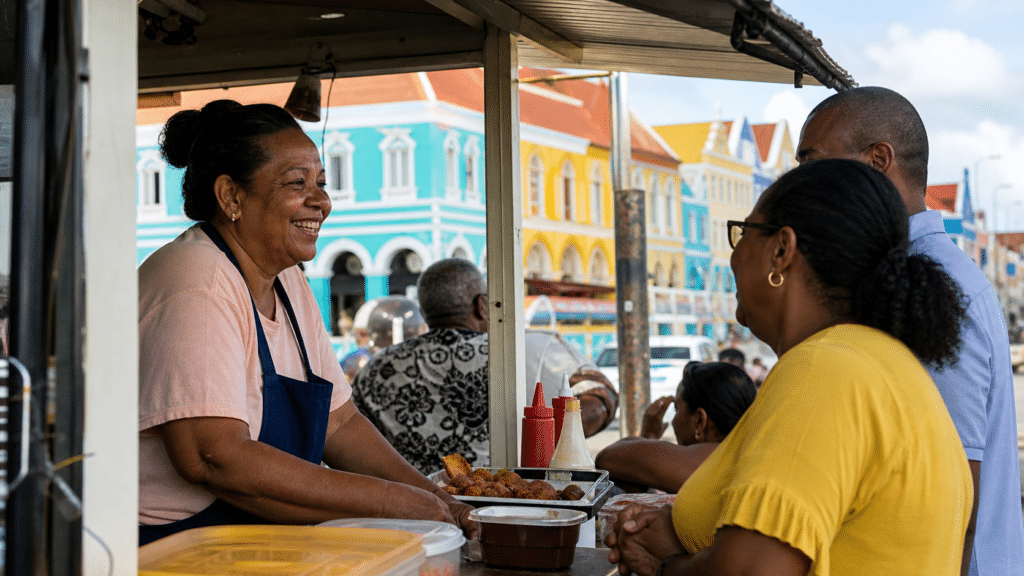
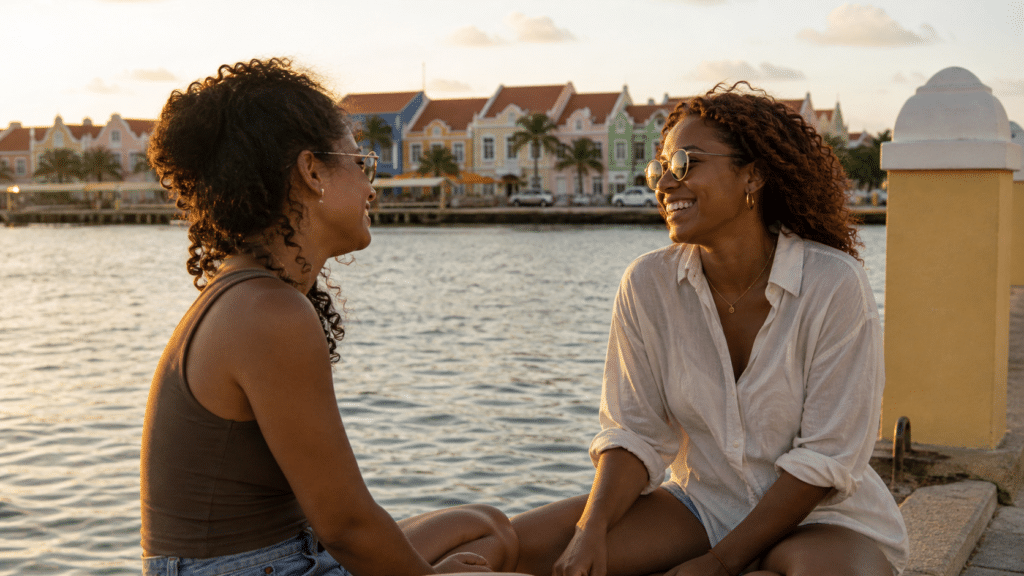
Kralendijk, Bonaire’s capital, concentrates administrative, commercial and tourist activities. The town is characterized by its colorful buildings, open waterfront and simple organization. The town’s limited infrastructure means that traffic flows smoothly and there’s a direct link to the coast. Daily life is visible: local shops, markets, services and interaction between residents and visitors. This proximity contributes to a more direct experience of the area.

Bonaire
Bonaire

Supervised, specialized tourism

Tourism has developed around specific niches, notably diving and nature observation. The island does not rely on large, massive complexes, but on human-scale structures: hotels, apartments and villas. Visitors generally come for longer stays, with a focus on the environment. This orientation limits tourist pressure and favors a more stable economic model.

Access and organization

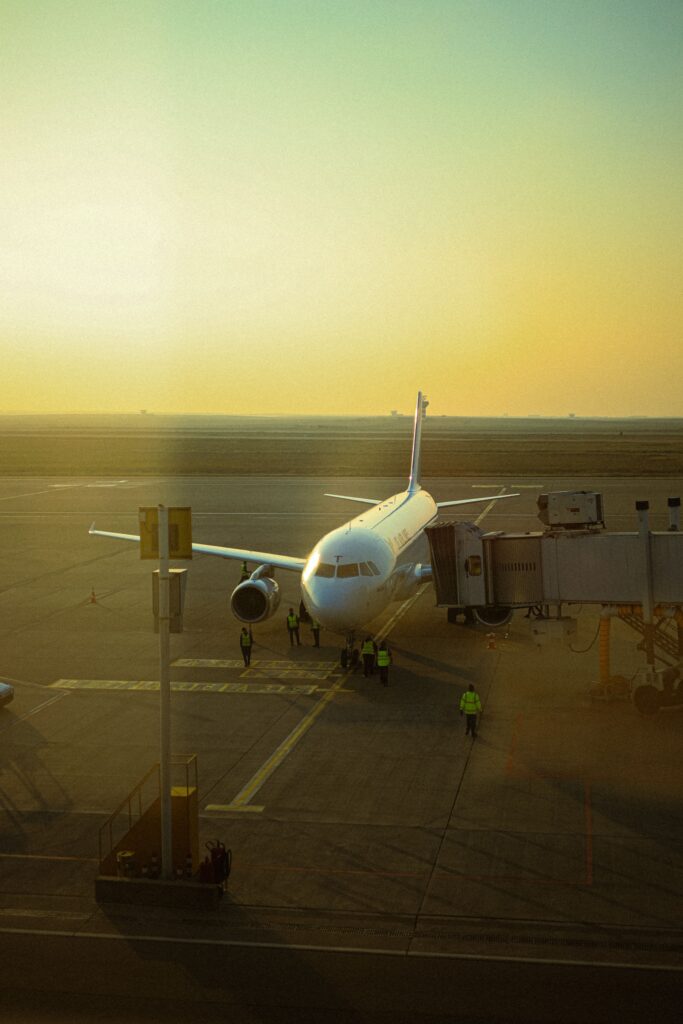
Bonaire is accessible via Flamingo International Airport, with connections to North America, Europe and the Caribbean. Locally, travel is mainly by car, making it easy to explore the whole island. The organization of your stay is often based on an alternation between marine activities, exploration of natural areas and rest periods. The island lends itself to progressive discovery, without excessive concentration of sites.

Bonaire
©Bonaire International Airport

A different Caribbean

Highlighting Bonaire means proposing a different interpretation of the Caribbean. The island’s approach is not based on volume, but on the preservation and rational use of resources. For travelers, Bonaire offers a coherent experience: a clear territory, an accessible sea, distinctive landscapes and environmental management. It is for those who seek to understand the territory as much as to enjoy it, in a Caribbean where nature remains central.

Bonaire lies in the southern Caribbean, off the coast of Venezuela, alongside Aruba and Curaçao. The island is part of the Dutch Caribbean and is a special municipality of the Netherlands. It is accessible via Flamingo International Airport, with regular flights from Amsterdam, the USA and several Caribbean islands. Once on the island, travel is mainly by car, making it easy to cover the entire territory.
Bonaire is internationally renowned for the quality of its coral reefs and for its model of environmental management. Since 1979, the Bonaire National Marine Park has protected its entire coastline. One of its key features is direct access to dive sites from the coast, without the need for a boat. More than 80 marked dive sites enable you to observe coral, tropical fish and other marine species, often in very favorable conditions. This accessibility, combined with strict regulations, contributes to the preservation of the island’s ecosystems and its reputation.

Bonaire mainly attracts travelers looking for an unspoilt environment and a quieter form of tourism. The island is particularly popular with lovers of diving, nature and wildlife observation. It is also ideal for those wishing to avoid the big seaside resorts and opt for a more autonomous stay, with a more relaxed pace. Tourism is deliberately kept to a minimum, allowing a more direct experience of the territory.

The Caribbean beaches confirm their place among the world’s most admired natural treasures, according to the 2025 edition of the World’s 50 Best Beaches. This international recognition once again highlights the richness, diversity and quality of the region’s seaside resorts. Thanks to a rigorous methodology, this ranking highlights places that are preserved, accessible and unforgettable.

A demanding and recognized ranking

The ranking World’s 50 Best Beaches is based on the opinions of over 1,000 travel specialists: journalists, influencers and editors. Caribbean beaches are featured prominently, demonstrating their global appeal. Each site is evaluated according to five specific criteria: natural beauty, water and sand quality, respect for the environment, accessibility and overall visitor experience.

A field assessment

The members of the jury surveyed dozens of coastlines, taking precise notes and analyzing the atmosphere, tranquility and quality of the water. The result is a selection of the finest seaside resorts in the world, designed to provide guidance for both those who love secluded spots and those who are passionate about the seaside.

Canto de la Playa (Dominican Republic): a discreet gem at the top of the regional rankings

In 2025, Canto de la Playa established itself as the most outstanding in the region and 6ᵉ worldwide. Located on the southern tip of the island of Saona, in Dominican Republic. The Dominican Republic is one of the world’s most popular tourist destinations, accessible only by boat.

Unspoilt nature

At Canto de la Playa, there are no hotels or visible businesses. Just a beach of pristine white sand, turquoise waters and coral reefs teeming with marine life. This unspoilt setting attracts lovers of pure nature and snorkelling.

A haven of peace for visitors

The atmosphere is calm, almost silent, with only the sound of the waves and the wind blowing through the palm trees. From many Caribbean beaches offer moments of tranquility, but Canto de la Playa stands out for its authenticity. It’s particularly pleasant to visit from October to November, when the sea is at its calmest.
Caribbean beaches
Canto de la Playa. ©Tripadvisor
Caribbean beaches
Canto de la Playa. ©Tripadvisor
Caribbean beaches
Canto de la Playa. ©Tripadvisor

Grace Bay (Turks & Caicos): the perfect harmony between nature and comfort

Another striking name among Caribbean beaches, Grace Bay in Turks and Caicos Islands, is ranked 10ᵉ in the world. This beach on the island of Providenciales is renowned for the softness of its sand and the transparency of its waters.

A perfectly landscaped site

Grace Bay stretches for over five kilometers, with a coral reef providing natural protection from the currents. This guarantees ideal conditions for swimming and water sports. The beach attracts a varied public thanks to its comprehensive offer: luxury hotels, water sports and local gastronomy.

A destination to suit all profiles

Among Caribbean beaches, Grace Bay embodies the ideal compromise between natural beauty and quality amenities. It attracts families and honeymooners alike.

Caribbean beaches
Grace Bay. ©Tripadvisor
Caribbean beaches
Grace Bay. ©Tripadvisor
Caribbean beaches
Grace Bay. ©Tripadvisor

Other Caribbean jewels in the 2025 ranking

Caribbean beaches are numerous in this prestigious list. Each offers a distinct ambience and experience:

Each offers a distinct ambience and experience:

  • Shoal Bay East (Anguilla, #14) : very clear sand, crystal-clear water, perfect for swimming.
    Seven Mile Beach (Cayman Islands, #23) : lively place, ideal for families and water sports enthusiasts.
  • The Baths (British Virgin Islands, #29) : famous for its granite rocks and natural pools.
  • Ffryes Beach (Antigua and Barbuda, #31) : calm and serenity, far from urban areas.
Caribbean beaches
Shoal Bay East. ©Tripadvisor
Caribbean beaches
Seven Mile Beach. ©Tripadvisor
Caribbean beaches
The Baths. ©Tripadvisor
Caribbean beaches
Ffryes Beach. ©Tripadvisor
  • Grand Anse (Grenade, #32) : friendly atmosphere and golden sand.
  • Bahia de Las Aguilas (Dominican Republic, #34) : a secluded, unspoilt setting still little known to the general public.
  • Meads Bay (Anguilla, #35) : a relaxing beach with calm waters.
  • Klein Bonaire Beach (Bonaire, #44) : a diver’s paradise with a remarkable seabed.
Caribbean beaches
Grand Anse. ©Tripadvisor
Caribbean beaches
Bahia de Las Aguilas. ©Tripadvisor
Caribbean beaches
Meads Bay. ©Tripadvisor
Caribbean beaches
Klein Bonaire Beach. ©Tripadvisor

Recent entrances and emblematic sites

The 2025 edition welcomes a number of territories for the first time: Antigua and Barbuda, the British Virgin Islands and Bonaire. This diversity is proof of the vitality of the region’s seaside offerings. Among the already famous beaches, Trunk Bay (Saint John, U.S. Virgin Islands) continues to seduce with its underwater trail and sparkling sand.

Why are Caribbean beaches so attractive?

Caribbean beaches are renowned for the variety of their landscapes. Some, like The Baths, are intriguing for their geology. Others, like Grace Bay, are reassuringly comfortable. This diversity means that every traveler will find a place to suit his or her needs.

Accessibility and uniqueness

Some beaches require an effort to reach (Canto de la Playa), while others are located in the immediate vicinity of hotels and infrastructure (Grace Bay). This contrast between wilderness and developed areas is what makes all the Caribbean beaches.

The 2025 edition of the World’s 50 Best Beaches illustrates the influence of Caribbean beaches on a global scale. Canto de la Playa in the Dominican Republic, Grace Bay in Turks and Caicos, Shoal Bay East in Anguilla… all these names evoke singular seaside experiences, nurtured by a preserved natural setting, waters of rare clarity and a warm local welcome. The region remains, more than ever, a benchmark for those wishing to experience sea and sand of remarkable quality.