Located in the western Caribbean Sea, San Andrés is a Colombian territory in a class of its own. Closer to Nicaragua than to the South American continent, the island has a singular island identity, shaped by its maritime history, Afro-Caribbean culture and strategic role in the region. For travellers, San Andrés represents a structured, clear destination with a strong maritime orientation.
The island covers some 26 km². Its modest size makes it easy to get around and quickly grasp its organization. Coastal roads, residential areas and natural zones follow one another seamlessly, giving the whole a territorial coherence that visitors appreciate.

A Colombian island in the heart of the western Caribbean
Although administratively attached to Colombia, San Andrés belongs fully to the English-speaking and Creole-speaking Caribbean. The local population, known as raizal, retains cultural traditions linked to the British Caribbean: Creole language, musical and culinary practices, community organization. This hybrid identity – Colombian in administration, Caribbean in culture – is one of the island’s distinguishing features. It is reflected in daily life, trade and religious practices.
It is also a strategic point in the region, located some 190 kilometers off the coast of Nicaragua. This geographical position reinforces its historical and maritime importance in the Western Caribbean.


The sea as a central element
The image most associated with San Andrés remains that of the “sea of seven colors”. This expression refers to the variations in blue and turquoise visible around the island, linked to the depth of the water, the sandy seabed and the coral reefs. The phenomenon is particularly visible from the east coast and high points along the coastline. The coral reef that partially surrounds the island protects certain areas and supports significant marine biodiversity. The archipelago of San Andrés, Providencia and Santa Catalina is part of the Seaflower Biosphere Reserve, recognized by UNESCO for its ecological richness.
This close relationship with the sea underpins all aspects of island life: artisanal fishing, maritime transport, nautical activities and seaside tourism.


An accessible, organized region
The main urban center of San Andrés is built around the port and shopping area. Hotels, shops and services are concentrated along the northern coastline. Residential areas and quieter zones are spread out to the south and inland. The Gustavo Rojas Pinilla international airport provides regular flights to Bogotá, Medellín, Panama and other regional destinations. This accessibility partly explains the island’s constant tourist numbers.
Despite all this traffic, San Andrés has kept its organization simple: one main road circles the island, making it possible to cover the whole area in just a few hours. This configuration makes it easy to get around and provides a clear overview of the territory.

An economy largely driven by tourism
Tourism is the main economic engine of San Andrés. Hotels, restaurants, nautical activities and duty-free shops structure the local economy. The island benefits from the status of a commercial free zone, which also attracts visitors who come to shop. However, fishing and public services continue to play an important role in the local economy. The cohabitation of tourism and daily life is clearly visible, particularly in the residential areas and markets.

Between frequentation and preservation
The popularity of San Andrés raises the question of the balance between tourist numbers and the protection of natural resources. Local and national authorities have introduced measures to preserve coral reefs and regulate certain tourist flows. The archipelago’s inclusion in the Seaflower Biosphere Reserve is part of this approach.
For visitors, this translates into a destination that’s alive and kicking, but still easy to understand. The island is more than just a seaside resort: it remains an inhabited territory, with its own rhythms and constraints.


A unique island Caribbean
Highlight San Andrés is to present an island that exemplifies Caribbean diversity. A Colombian territory but with an Afro-Caribbean culture, a tourist destination but an active island space, it combines several dimensions rarely found together in such a small area. For travelers, it offers a clear framework: a compact island, an omnipresent sea and a strong cultural identity. It provides a solid entry point for understanding the Western Caribbean and its interactions between geography, history and tourism.
San Andrés is a Colombian island in the western Caribbean Sea, close to Nicaragua.
It is renowned for its seven-colored sea, coral reefs and membership of the Seaflower Biosphere Reserve.
The island is accessible by air from Bogotá, Medellín, Panama and several Caribbean cities.
On Colombia‘s Caribbean coast, Cartagena de Indias has established itself as one of the region’s most structuring areas. A port city founded in the XVIᵉ century, it has long been a strategic point for Spanish maritime trade. Today, it remains a major destination for travelers attracted by history, architecture and the Caribbean coastline.
Cartagena de Indias is more than just a seaside resort. It’s an active, inhabited city whose identity is built around its port, fortifications and historic districts. For visitors, it offers a direct view of the continental Caribbean and its heritage.
A port city at the heart of Caribbean history
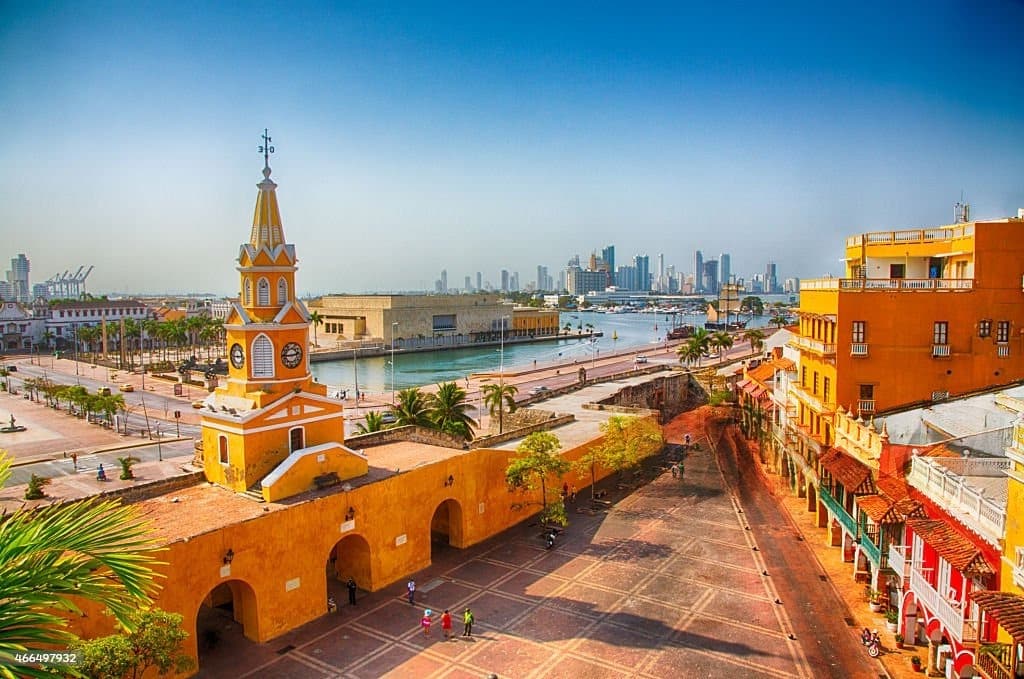
Founded in 1533, Cartagena de Indias quickly became one of the Spanish Empire’s most important ports in the Americas. It served as an export point for the continent’s gold, silver and other resources, as well as a military center to protect the sea routes. The fortified city, a UNESCO World Heritage Site since 1984, bears witness to this strategic importance. Ramparts, bastions and forts still encircle the historic center. These defensive structures, built to repel attacks by pirates and rival powers, give Cartagena its distinctive silhouette.
A stroll through the historic center reveals how the town was organized around the sea. Squares, churches, administrative buildings and colonial houses follow an urban plan that has remained largely intact.
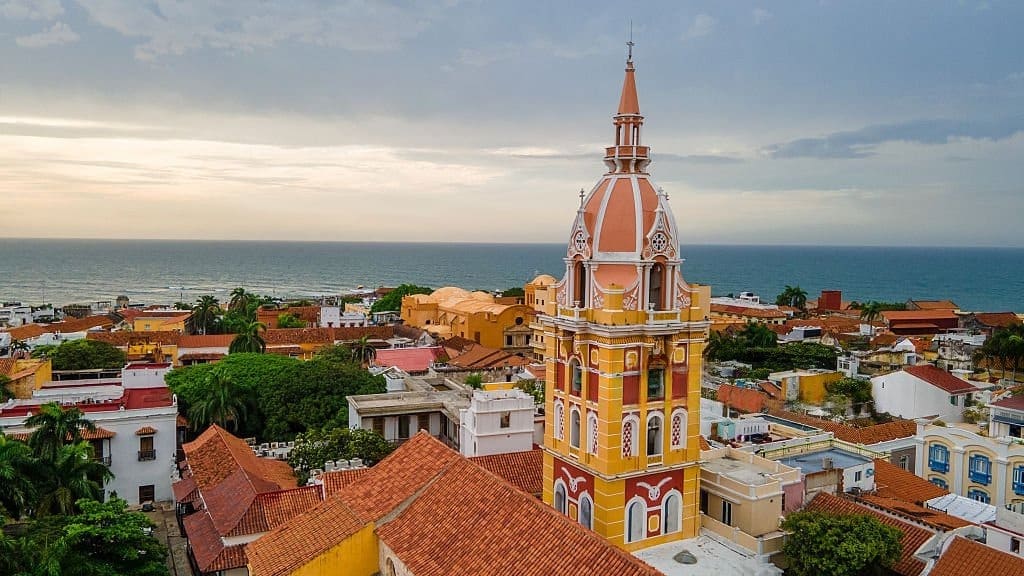
Preserved, inhabited architecture
The historic heart of Cartagena de Indias is made up of several distinct districts: the fortified center, Getsemaní and the old port areas. Colorful facades, wooden balconies and cobbled streets form a coherent whole, where tourist activity blends with everyday life. Getsemaní, once a working-class port district, has undergone a cultural revival in recent years. Artists’ studios, cafés, lively squares and murals are all to be found here. This transformation has not erased the presence of local residents, maintaining a balance between tourist traffic and local life.
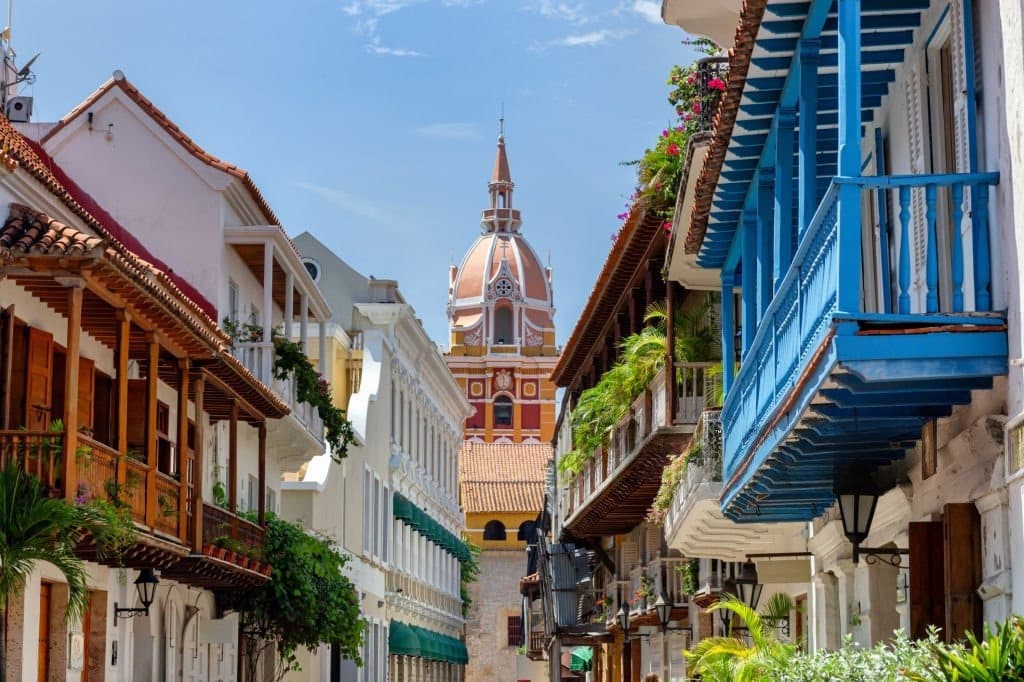
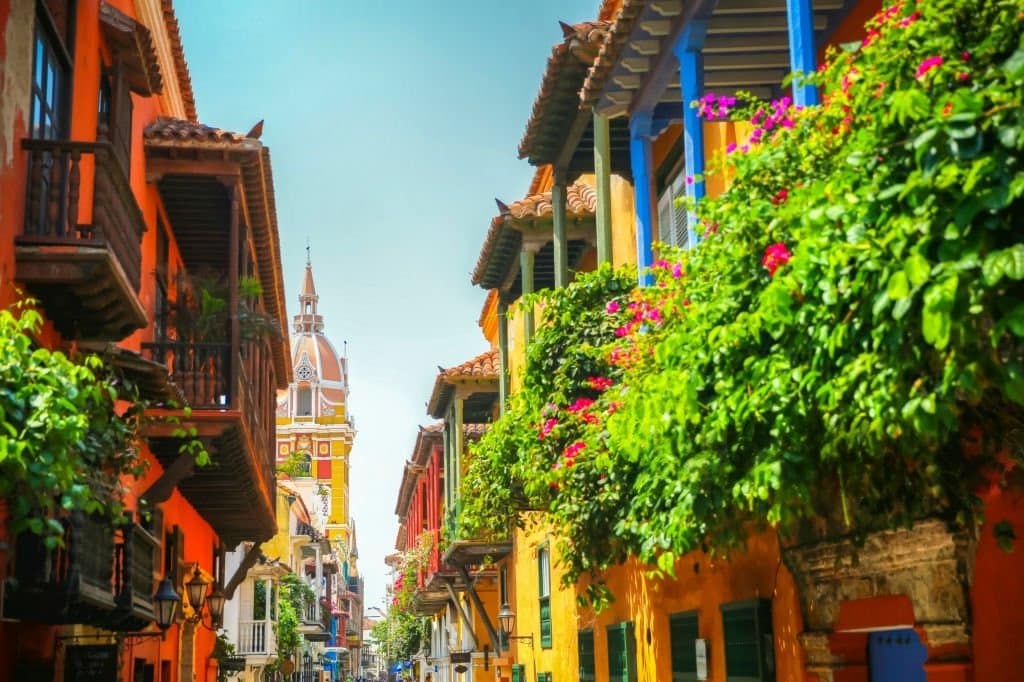
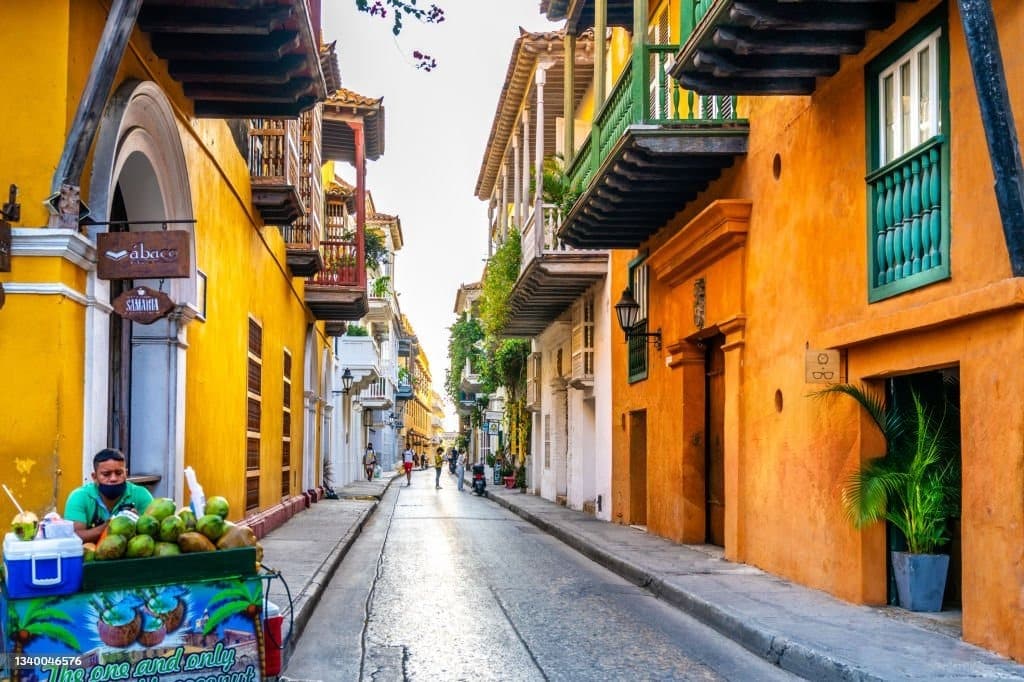
A constant relationship with the sea
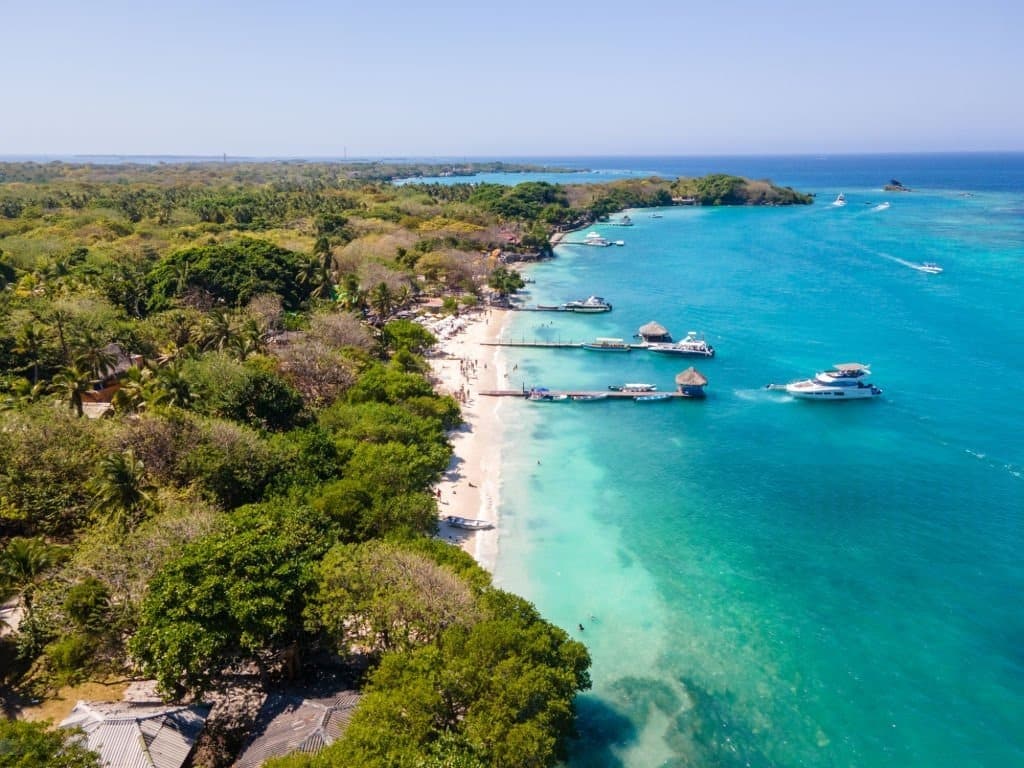
The sea remains a structuring element for Cartagena de Indias. The modern port is home to cargo ships, cruise liners and fishing boats. The quays and coastal promenades offer a glimpse of the continuity between economic activity and the maritime landscape. A few dozen kilometers offshore, the archipelago of the Rosary Islands (Islas del Rosario) complete this relationship with the sea. These islets, part of a national nature park, are renowned for their clear waters and coral reefs. They are one of the main excursions for visitors wishing to get away from the city for a day.
A city on the move
With more than a million inhabitants in its urban area, Cartagena de Indias is also a bustling contemporary city. Modern districts, port areas and hotel infrastructures coexist with historic sectors. This overlapping of eras is part of its identity. Visitors can easily move from a colonial street to a modern avenue, from a local market to a marina. This diversity reinforces the impression of a living city, not stuck in the past.
Access and organization
Cartagena de Indias has an international airport well connected to the major cities of Latin America, the USA and Europe. From Rafael Núñez airport, the historic center can be reached in less than twenty minutes. The city is ideal for both short and longer stays. Discoveries can be organized around the historic center, contemporary neighborhoods, the coastline and sea excursions to nearby islands.
A key Caribbean destination
Highlighting Cartagena de Indias is to present a territory that encapsulates several essential dimensions of the Caribbean:
- – a central colonial history;
- – a major architectural heritage ;
- – a busy port city ;
- – direct access to the sea and islands.
For travelers, Cartagena is a solid point of entry to the continental Caribbean. It provides an insight into maritime traffic, historical exchanges and the evolution of the region’s port cities. Cartagena de Indias is not just a tourist destination. It’s a territory that tells the story of the Caribbean in its continuity, between memory and the present.
Cartagena de Indias is located on Colombia’s Caribbean coast, in the north of the country, facing the Caribbean Sea.
Its fortified historic center, ramparts and colonial architecture bear witness to its strategic role in the maritime history of the Caribbean.
The busiest period is from December to April, when the climate is drier. Despite the high humidity, the city can be visited all year round.
A strategic conference in Trinidad and Tobago
The press conference held in Trinidad and Tobago on October 6, 2025, as part of the ACI-LAC 2025 ANNUAL ASSEMBLY – CONFERENCE AND EXHIBITION, brought together the region’s leading airport industry executives. Around Mónica Infante (President of ACI-LAC and CEO of Aerodom), from the Dr. Rafael Echevarne (Managing Director, ACI-LAC) and Hayden Newton (Managing Director, Airports Authority of Trinidad and Tobago), discussions focused on traffic growth, sustainability and the investments needed to support the growth of air transport in the Caribbean and Latin America.
ACI-LAC which stands for Airports Council International – Latin America & Caribbean, is the regional branch of the worldwide airport organization. It represents the interests of 91 members operating over 360 airports in 42 countries and territories in the region.

ACI World confirms record figures
Data released during the ACI-LAC 2025 Annual Meeting show that passenger traffic in Latin America and the Caribbean will reach 789 million passengers by the end of 2025.
The best-performing countries will be :
- – Colombia 105 million (+5.6%)
- – Mexico 191 million (+4.5%)
- – Brazil: 221 million (+2.1%)
The region (Latin America and the Caribbean) is expected to handle nearly 821 million passengers in 2026 according to official ACI World projections. These figures reflect the strength of the post-pandemic recovery and the Caribbean’s growing place in international connectivity.

Long-term forecasts and a global pace
Regional air traffic is expected to reach 1.725 billion passengers by 2053, with an average annual growth rate (CAGR – Compound Annual Growth Rate) of 2.9% over the next thirty years, a rate similar to the global average.
The ACI World report also states that traffic will double between 2024 and 2047, from 758 million to 1.482 billion passengers.
Annual growth projections by sub-region confirm :
- – Mexico: +3.4%, driven by the expansion of its international hubs ;
- – Brazil: +2.4%, sustained by growth in domestic traffic ;
- – Caribbean: +2%, more moderate growth, due to the small size of island markets, their dependence on tourism and the current limitations of inter-island connectivity;
- – Other Latin American countries (excluding Mexico and Brazil) : +3%, thanks to economic diversification and new regional air corridors.

Colossal investments for sustainable growth
Capital expenditure requirements (CAPEX) for the period 2026-2040 amount to US$82.6 billion, of which over US$30 billion will be devoted to the construction of new greenfield airports.
According to data from the ACI-LAC 2025 Annual Meeting, every million additional passengers generates 9,500 jobs and $25 million in GDP, demonstrating the direct economic impact of air transport on the region.

Carbon neutrality and accessibility: regional leadership
On the environmental front, speakers highlighted the results of the Airport Carbon Accreditation (ACA) program at the ACI-LAC 2025 ANNUAL ASSEMBLY.
By September 2025, 621 airports worldwide were certified, including 104 in Latin America and the Caribbean. The region thus ranks second in the world for the number of airports committed to this approach.
This internationally recognized program assesses and rewards airports’ efforts to reduce their carbon emissions, in line with ACI World’s Net Zero 2050 objective.
The other indicator of progress concerns Accessibility Enhancement Accreditation (AEA): of the 47 airports certified worldwide, 17 are in the LAC region. This distinction confirms the role of the Caribbean and Latin America as world leaders in air accessibility for passengers with disabilities.

Connectivity and liberalization: the pillars of the future
Looking beyond the figures, Mónica Infante and Rafael Echevarne stressed the urgent need to strengthen intra-Caribbean connectivity.
For Mónica Infante, the priority is to break down regulatory barriers and create a framework enabling new regional airlines to operate freely.
For his part, Rafael Echevarne reiterated that air transport liberalization is essential to boost competition and reduce costs for passengers.
“Aviation is not just an economic sector, it’s a vital infrastructure for the integration and sustainable development of our territories,” he declared.
Finally, Hayden Newton underlined the Airports Authority of Trinidad and Tobago’s commitment to modernizing infrastructure through biometrics, automated systems and digital innovations.
The ACI-LAC 2025 ANNUAL ASSEMBLY confirmed the dynamic growth, innovation and sustainability of the airport sector in Latin America and the Caribbean.
With solid forecasts, massive investment and a vision focused on carbon neutrality, the region is establishing itself as a model of resilience and transformation in global air transport.
A little-known island in the heart of the Caribbean
Isla de Providencia remains one of the most unique territories in the Caribbean. Located nearly 700 kilometers from the Colombian coast and just 200 kilometers from Nicaragua, it stands out for its geographical isolation and deep-rooted cultural identity. Far from the mass tourism that shapes the image of many Caribbean islands, it embodies a model of authenticity and preservation.
Its history has long been marked by piracy and smuggling. In the XVIIᵉ century, the island served as a strategic base for English privateers, notably Henry Morgan, who planned several attacks against the Spanish colonies. These tales have forged a collective memory that is still vivid, and give Isla de Providencia a special aura in the Caribbean imagination.
An exceptional natural heritage
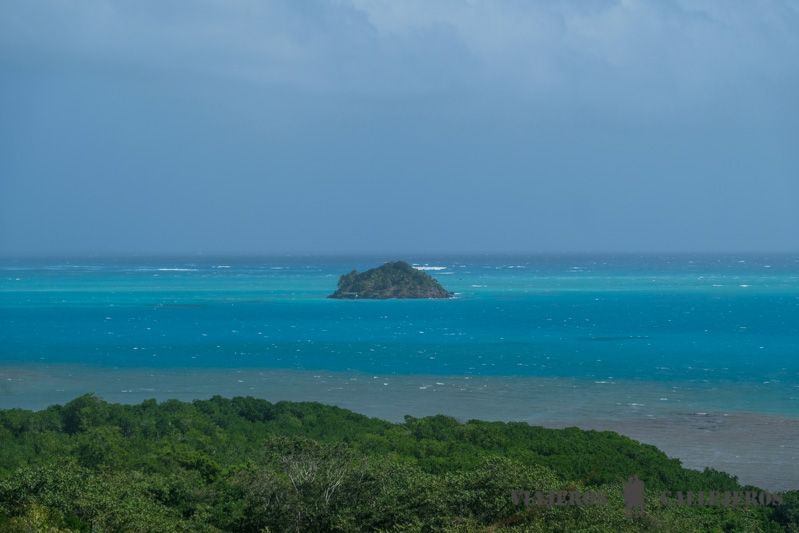
The island is surrounded by the third largest coral reef in the world, classified as a Biosphere Reserve by UNESCO in 2000. This ecological wealth makes Isla de Providencia a sanctuary for marine fauna and a key territory in the fight to protect Caribbean biodiversity. The landscapes alternate between verdant mountains, golden sandy beaches and mangroves, forming a rare balance between nature and culture.
The presence of coral reefs, lagoons and endemic species is a reminder of the island’s importance in regulating marine ecosystems. For researchers and environmentalists, the island is a living laboratory of ecological resilience in the Caribbean. The conservation efforts made by the local population reinforce the island’s reputation as a place where nature is not just a backdrop, but a vital resource.

A plural cultural identity
The history of Isla de Providencia bears witness to the multiple influences that have shaped it. A former stronghold of the English colonists, marked by the presence of Africans and now part of Colombia, the island retains a lively English Creole language alongside Spanish. Traditional music, blending African rhythms, British tunes and Caribbean sounds, illustrates this unique cultural hybridity.
The island’s gastronomy is based on seafood and coconut milk. The black crab, an endemic species on the island, has become a culinary and identity symbol. Its fishing is governed by strict community rules to preserve the resource, demonstrating how local culture integrates sustainable practices. This collective management is an example of successful community governance, where tradition and modernity come together to serve the common good.


Resilience in the face of hardship
In November 2020, Isla de Providencia was hit by Hurricane Iota, the most powerful hurricane ever recorded in the area. Nearly 98% of the island’s infrastructure was destroyed, including schools, hospitals, homes and energy networks. In the face of this disaster, the island has embarked on a gradual reconstruction, with the support of the diaspora, NGOs and the Colombian government.
This resilience illustrates the ability of island communities to overcome disasters while affirming their determination to protect their natural and cultural heritage. Inhabitants have opted for environmentally-friendly reconstruction, using more resistant materials and infrastructures designed to limit the impact of future cyclones. Today, despite the difficulties, the island is a model of rebirth in the Caribbean.


Confidential, sustainable tourism
Unlike its neighbor San Andrés, Isla de Providencia has opted for limited tourism development. A handful of family-run hotels and guesthouses welcome visitors, in a spirit of respect for social and environmental balance. The locals, who are very involved in the organization of hospitality, make tourism a complementary activity rather than a dominant industry.
This strategic orientation protects the island from the excesses of mass tourism and ensures a better distribution of income within the community. It also positions the island as a benchmark for responsible tourism in the Caribbean, attracting a public in search of authenticity and meaning. This measured approach helps to maintain a close bond between the island’s inhabitants and their territory, avoiding the excesses seen elsewhere.


Historical and strategic roots
Isla de Providencia ‘s importance extends beyond its island setting. During colonization, it was a strategic point for European powers in the Caribbean Sea. Spanish attempts to recapture the island from English colonists bear witness to its geopolitical value. Today, this memory is reflected in the ruins, oral histories and traditions that remind us that the Caribbean was a place of confrontation, but also of cross-fertilization.
This historical heritage, far from being static, is mobilized by the inhabitants as a lever of identity and tourism. Isla de Providencia is more than just a landscape; it’s also a place where history is embodied in everyday life, through language, music and social practices.

A Caribbean off the beaten track
Isla de Providencia illustrates another facet of the Caribbean: a discreet island, driven by its history, marked by climatic challenges, but determined to preserve what makes it unique. With its past as a land of privateers, its rich natural heritage and its resilience in the face of disasters, it symbolizes a Caribbean that looks to the future without denying its roots.
Highlighting the island shows that there are territories in the region that successfully combine cultural identity, historical memory and sustainable strategies. It embodies a more intimate Caribbean, where the balance between man and nature is not a slogan but a lived reality.
COP30: this name refers to the 30ᵉ Conference of the Parties to the United Nations Framework Convention on Climate Change, to be held from November 10 to 21, 2025 in Belém, Brazil. Held for the first time in the heart of the Amazon, this international conference will bring together more than 190 national delegations, heads of state, NGOs, scientists and representatives of civil society to negotiate urgent measures to deal with worsening climate disruption.
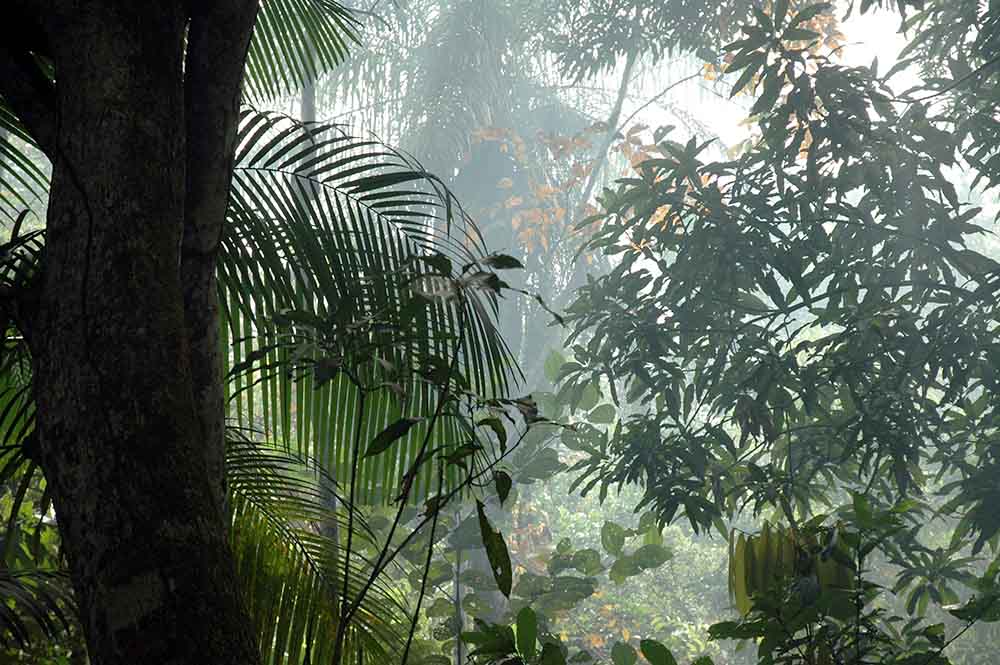
This geographic choice marks a turning point: the world’s largest tropical forest becomes both the backdrop and the focus of discussions. Faced with record levels of deforestation, loss of biodiversity and growing pressure from the extractive industries, COP30 aims to redefine the priorities in the fight against climate change by placing the protection of ecosystems at the heart of international commitments.

Curupira: an ancient spirit for the challenges of the future
To embody this decisive edition, Brazil has chosen a figure from indigenous legends: Curupira the mythical guardian of the Amazon rainforest. Far from being a consensual symbol, this character embodies a form of resistance. In Tupi-Guarani tradition, he is depicted as a small man with red hair and upturned feet, capable of outwitting intruders and fiercely defending his territory.
His name, formed from the words “curumin” (boy) and “pira” (body), evokes both childhood and vitality. Curupira is no mere folkloric character: he is deeply rooted in the collective memory of the forest peoples, and his influence extends beyond Brazil’s borders.
In French Guiana, it takes the name Makilili. In Colombia, it becomes Madre Monte. In Ecuador, it’s known as Sachamama, the mother of trees. In the Peruvian Amazon, it is known as Chullachaqui. In Suriname and Guyana, he is referred to as Winti-boskopu or Watramama. All these avatars fulfill the same mission: to protect the forest from predators.
A shared territory, a common emergency
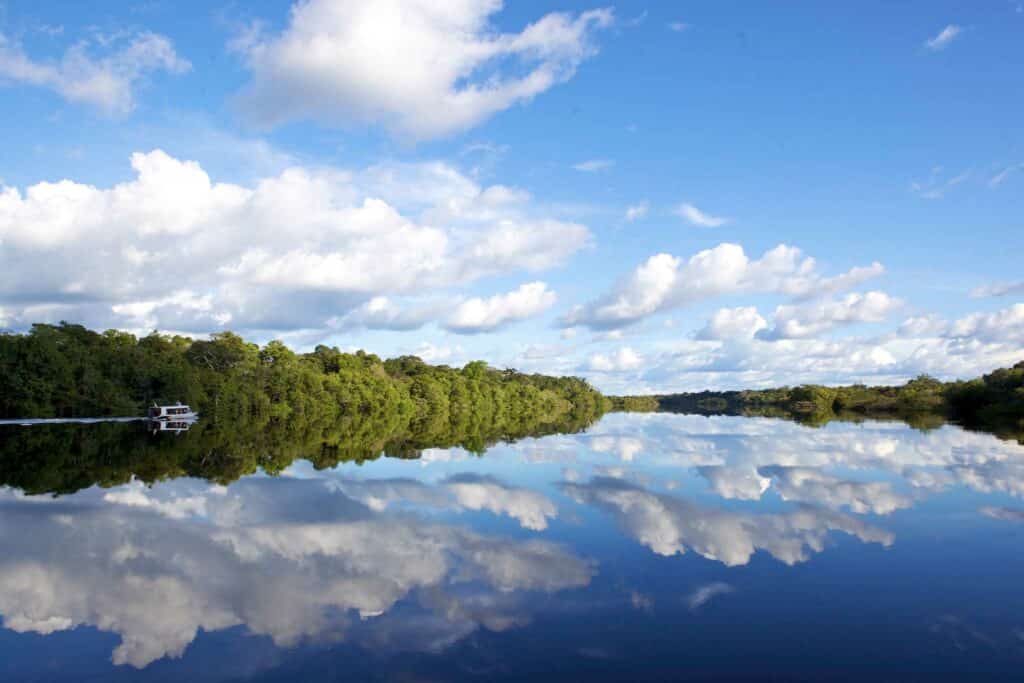
The Amazon covers more than five million square kilometers and crosses nine countries: Brazil, Colombia, Peru, Bolivia, Ecuador, Venezuela, Suriname, Guyana and French Guiana. This vast territory is home to some 34 million inhabitants, including hundreds of indigenous peoples, often on the front line of the effects of extractivist policies and the climate crisis.
By choosing Curupira as its official mascot, COP30 is sending out a strong signal: the recognition of ancestral knowledge and local struggles, and the full involvement of Amazonian populations in global debates.


COP30: objectives, tensions and expectations
COP30 promises to be a strategic moment in international climate governance. Several crucial issues will be addressed in Belém:
- ✔️ Implementing a fair energy transition, with concrete support for the most vulnerable populations.
- ✔️ The creation of a global fund to preserve tropical forests, with announced support from China.
- ✔️ The aim is to mobilize $1,300 billion a year by 2035 to finance adaptation to climate change.
- ✔️ Sensitive negotiations around the reduction of fossil fuels, in a country like Brazil, a major oil producer.
These challenges are compounded by strong popular pressure. Brazilian civil society, researchers and indigenous organizations expect ambitious decisions. In this context, Curupira is not just a symbol: it has become the voice of an Amazon that is demanding its place at the negotiating table.
And what about the Caribbean?
The Caribbean territories are participating fully in COP30, as members of the Framework Convention and representatives of the Small Island Developing States. They include Barbados, Trinidad and Tobago, Haiti, Saint Lucia, Jamaica, Cuba, Antigua and Barbuda, Dominica, Saint Kitts and Nevis, Grenada and Saint Vincent and the Grenadines.
Why is their presence essential? Because these countries, although low emitters of greenhouse gases, are bearing the full brunt of climate change: increasingly violent cyclones, rising sea levels, water stress, coastal erosion and the collapse of marine biodiversity.
For the Caribbean, COP30 is an opportunity to advocate specific financing mechanisms tailored to their vulnerability, as well as to showcase their often innovative local initiatives in resilience, sustainable agriculture and risk management.
An educational and symbolic device around Curupira
Not every climate conference has had a mascot, but Curupira marks a breakthrough. At COP28, a sea turtle symbolized the fragility of marine ecosystems. But until now, no figure had embodied a protective force rooted in popular belief.
Curupira is to be presented in the form of educational and symbolic objects: posters, educational games, school events and workshops in the “citizens’ villages” running parallel to the official conference. This choice aims to raise awareness of global climate issues among a wider public, especially young people, through a figure from the collective imagination.

Curupira, the Amazon's red alert to the world
Through Curupira, COP30 is reminding us that the answers to ecological crises will not only come from laboratories or ministries. They will also require listening to local communities, recognizing local knowledge and redefining our relationship with living things.
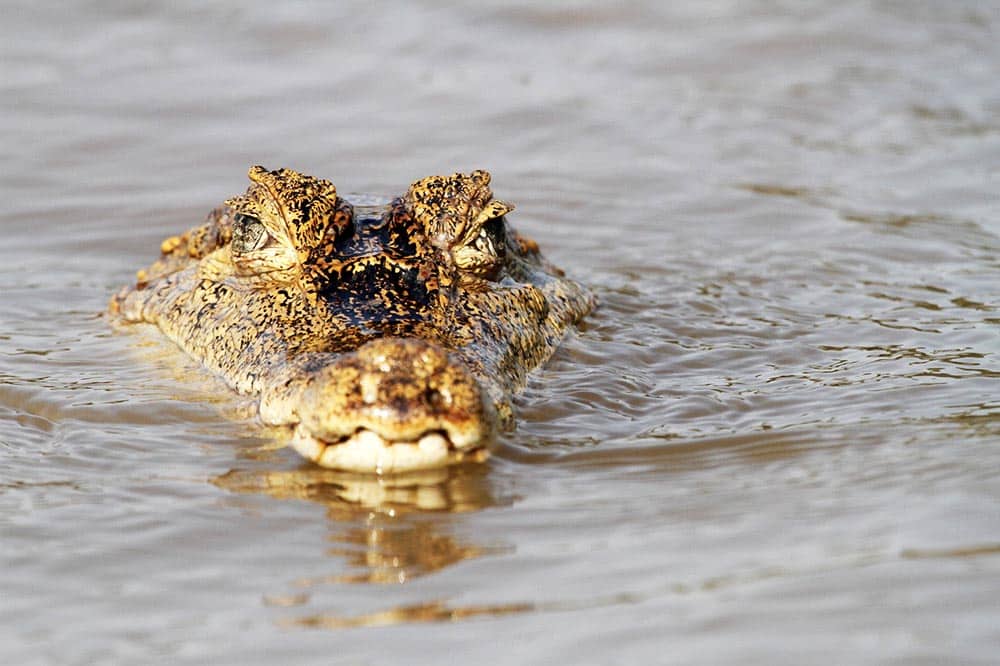
By setting up its debates in the Amazon, COP30 is opening a new chapter. For the Caribbean, as for the Amazonian countries, it’s a question of transforming a long-marginalized voice into a lever for global decision-making. And perhaps by looking Curupira in the eye, leaders will understand that the forest is not asking for charity. It demands respect.
Ocean governance in the Greater Caribbean is undergoing a major transformation with the activation of the Ocean Coordination Mechanism (OCM). This PROCARIBE+ initiative marks a decisive step forward for the sustainable management of marine resources, a strategic priority for the region’s maritime and economic professionals. Ocean governance in the Greater Caribbean is a vital issue that deserves all our attention, especially in a context where environmental challenges are increasingly pressing.
A crucial challenge for Caribbean maritime players
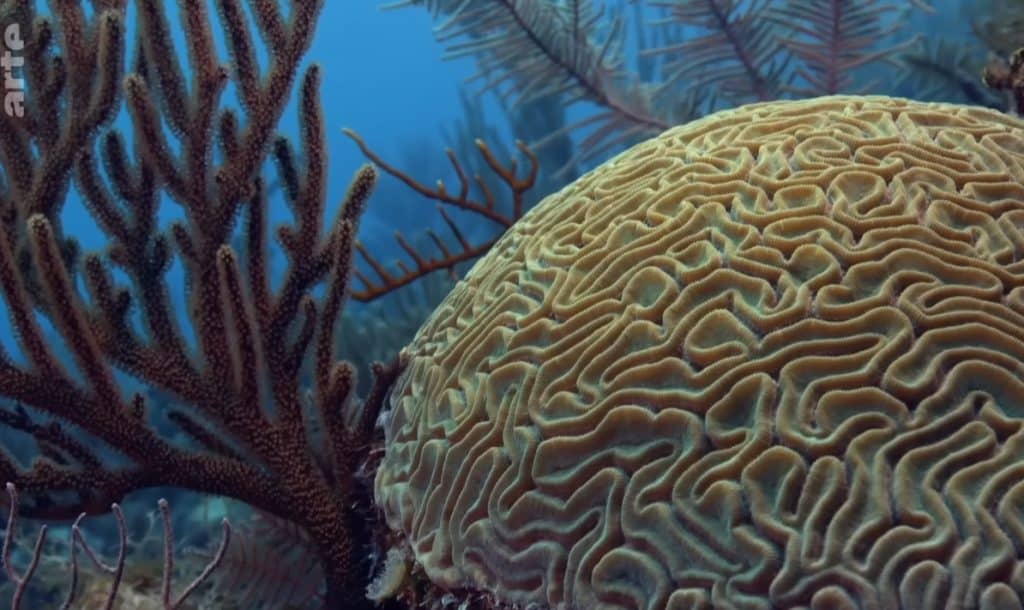
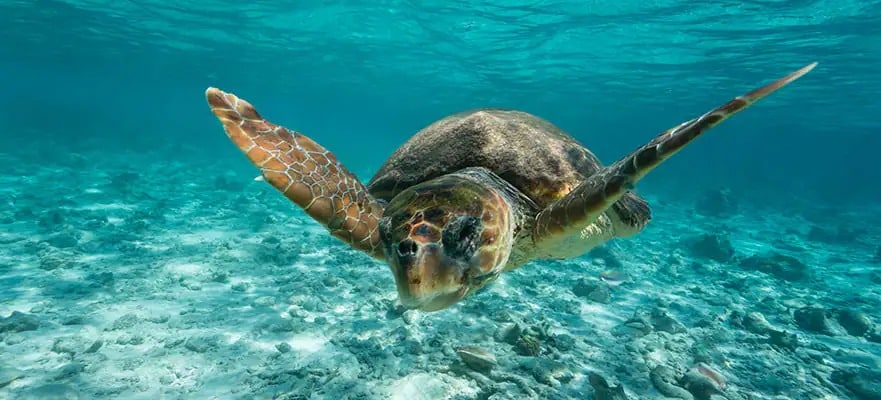
The Caribbean maritime sector relies on rich and varied marine ecosystems, which support essential industries such as fishing, shipping and coastal tourism. However, these resources face increasing threats from pollution, overexploitation and the impacts of climate change. These challenges make the need for effective governance even more urgent. The establishment of the CMO aims to improve regional coordination to meet these challenges and ensure the economic viability of maritime activities. Thus, ocean governance in the Greater Caribbean is becoming an imperative for local stakeholders, who must navigate a complex and constantly evolving environment.

A structured action program
The CMO is based on three major axes to strengthen ocean governance:
- Harmonization of Maritime Policies
The CMO facilitates the alignment of national regulations with regional and international ocean management commitments. This harmonization is essential to optimize cooperation between states and ensure sustainable exploitation of marine resources. It is crucial that every country in the region understands the importance of this harmonization. Ocean governance in the Greater Caribbean requires a coherent legislative framework that is respected by all.
- A Monitoring Mechanism for Marine Ecosystems
A continuous monitoring system is being set up to assess the state of the oceans and the effectiveness of conservation measures. This monitoring will enable decision-makers and businesses to adapt their strategies in line with environmental and economic developments. Ocean governance in the Greater Caribbean relies on reliable, up-to-date data. It also requires transparent reporting and clear communication between all stakeholders.
- Developing a Resilient Blue Economy
The CMO encourages a sustainable approach to maritime activities by promoting innovative economic models that integrate ecosystem protection. The blue economy represents a considerable opportunity for entrepreneurs and investors wishing to reconcile economic growth with ocean preservation. The governance of the oceans in the Greater Caribbean must also include this economic dimension, by supporting initiatives that promote sustainable development while ensuring business profitability.
PROCARIBE+'s role in this initiative
PROCARIBE+ is a regional program that actively supports the implementation of the Ocean Coordination Mechanism (OCM). It follows on from the CLME+ project and aims to strengthen integrated ocean governance in the Greater Caribbean. Its aim is to foster effective collaboration between states, intergovernmental organizations and economic players to ensure the conservation and sustainable use of marine resources.
PROCARIBE+ rests on several pillars:
- The inclusion of Caribbean states and territories in the decision-making process to ensure better regional coordination.
- Support for environmental policies, bringing national regulations into line with international commitments for coherent ocean management.
- Financing and resource mobilization, by attracting investment and facilitating access to international funds for marine protection.
- Technological innovation and research, encouraging the development of modern solutions for monitoring marine ecosystems and the transition to a sustainable blue economy.
With PROCARIBE+, ocean governance in the Greater Caribbean benefits from a strengthened structure, guaranteeing better management of marine resources and a more effective response to environmental challenges.
What impact for Caribbean companies and states?
The activation of the CMO represents a strategic opportunity for companies in the maritime sector:
Sustainable fishing :
The adoption of new regulations to guarantee the replenishment of fish stocks and ensure the sustainability of the sector is a priority. This includes the introduction of fishing quotas and closed seasons to allow fish populations to reproduce.
Sea transport :
Strengthening port infrastructures and bringing them into line with international standards is essential to attracting more investment. Modern, efficient ports can serve as engines of growth for local economies.
Coastal tourism :
Implementing sustainable practices to preserve the beaches and coral reefs that guarantee the attractiveness of the region is crucial. Sustainable tourism can also help raise visitor awareness of the importance of marine conservation.
Funding and partnerships :
Mobilizing international funding and encouraging collaboration between public and private players are necessary to accelerate maritime innovation. Partnerships between governments and the private sector can help create innovative solutions to complex challenges.
Challenges and prospects
Despite these advances, a number of challenges remain:
- Regional coordination : Effective cooperation between different states and intergovernmental organizations is essential. The diversity of national policies can sometimes hinder the harmonization required for effective governance.
- Limited resources : Financing the implementation of marine protection policies without hampering economic development remains a challenge. Governments need to find ways of financing these initiatives while maintaining economic growth.
- Stakeholder engagement : Raising awareness and involving local stakeholders in responsible ocean management is essential to ensure the success of initiatives. Community participation can strengthen conservation efforts.
- Innovative technologies : Integrating new technological solutions to improve the effectiveness of conservation policies and optimize the use of marine resources is a key challenge. Technologies can contribute to data collection and ecosystem monitoring.
- Education and training : Developing specialized training programs for professionals in the maritime sector, to enhance skills and promote sustainable use of ocean resources, is essential. Education plays a crucial role in transforming attitudes towards marine resources.
The activation of the Ocean Coordination Mechanism represents a decisive turning point for ocean governance in the Greater Caribbean. By optimizing the management of marine resources, this initiative strengthens the resilience of island economies and offers the region’s professionals new prospects for sustainable growth. The future of the Caribbean maritime sector will depend on the ability of states and companies to take advantage of this dynamic to reconcile economic exploitation with environmental preservation.
Through close collaboration between governments, institutions and economic players, the region will be able to build an exemplary model of maritime governance, guaranteeing a prosperous future for generations to come. Ocean governance in the Greater Caribbean is more than a necessity, it is a commitment for the future, and it is imperative that all stakeholders work together to meet the challenges ahead.
Royal Caribbeana major player in the cruise industry, joins forces with the Caribbean Tourism Organization (CTO) to promote the sustainable growth of tourism in this paradise region. This month, a landmark event took place in Miami, the Caribbean Weekend, bringing together tourism ministers, executives and other key players to discuss the opportunities and challenges facing the sector.
An iconic tourism summit
The event, entitled “Envisioning Caribbean Tourism: An Iconic Summit”, was held on board Royal Caribbean‘s latest ship, the icon of the Seas. The meeting initiated vital discussions on job creation, sustainability and community engagement. Michael Bayley, President and CEO of Royal Caribbean, opened the proceedings, emphasizing the importance of the cruise industry to the Caribbean economy.
” The Caribbean is the soul of Royal Caribbean. Around 60% of our business comes from this region,” he said, emphasizing the deep ties between the company and the islands.
Royal Caribbean's commitment to sustainability
Sustainability is a central theme of this initiative. Bayley reaffirmed Royal Caribbean’s commitment to reducing its ecological footprint. Among the initiatives presented was the use of biofuels and liquefied natural gas (LNG) to power its ships. This demonstrates a commitment to meeting environmental challenges while continuing to support the local economy.
Ian Gooding-Edghill, Chairman of the CTO and Barbados’ Minister of Tourism and International Transport, also stressed the importance of cross-sector collaboration in achieving these goals. “We need to work together to reinvent the future of tourism in the Caribbean,” he said.

Employment opportunities and local sourcing
Royal Caribbean is also committed to creating employment opportunities for the people of the Caribbean. Bayley has highlighted the need to improve supply chain systems to support local producers. Working hand-in-hand with local ministries, the company aims to develop cooperatives that would facilitate the supply of fresh produce for its ships.
He also mentioned the American Caribbean Maritime Foundation’s cadet program, which enables talented young people to train and take part in the maritime industry. The story of a female officer from the Bahamas, who sailed aboard the Icon of the Seas, was particularly inspiring for participants.
The importance of partnerships
The summit highlighted the vital role of partnerships in transforming the tourism industry. Dona Regis-Prosper, Secretary General of the CTO, expressed her gratitude to Royal Caribbean for its ongoing commitment. She said, “This iconic summit underscores the power of partnerships and collaboration. We need to reimagine our approach to tourism development.”
Royal Caribbean is also committed to strengthening exchanges and communication between the industry’s various stakeholders. This includes a better understanding of the needs and challenges of Caribbean communities, to ensure that tourism development benefits all.
Royal Caribbean's vision for the future
As Royal Caribbean prepares to launch its next ship, Star of the Sea, Bayley reassured attendees that the Caribbean will continue to be at the heart of its operations. The company is committed to investing in the region, creating a future where sustainable growth and the economic well-being of the Caribbean are paramount.
Supporting sustainability initiatives and promoting local culture are key elements of this vision. This involves not only financial investment, but also a long-term commitment to local communities.
A promising future for tourism
The Miami meeting was a pivotal moment for the Caribbean tourism sector. Thanks to the collaboration between Royal Caribbean and the CTO, new opportunities for sustainable growth are on the horizon. The discussions held at the summit should serve as a springboard for future initiatives, aimed at ensuring that tourism in the Caribbean is both economically viable and environmentally friendly.
By further integrating local stakeholders into the development process and adopting sustainable practices, Royal Caribbean is proving that it is possible to combine pleasure and responsibility. The future of tourism in the Caribbean looks bright, and with a strong commitment and solid partnerships, it’s likely that this region will continue to shine on the world tourism stage.
Christmas in the Caribbean is a unique time of celebration, filled with colorful traditions and tasty dishes. The Caribbean islands are known for their festive atmosphere, and cuisine is at the heart of these festivities. The magic of Christmas in this region is palpable, with bright decorations, joyful carols and, above all, dishes that awaken the senses. In this article, we’ll explore four iconic recipes that make Christmas unforgettable: lambi or grilled fish with sosé, Great cake, Christmas ham tuiles and nwel ham.
1. Lambi or grilled fish with sosé
Ingredients
- Lambi or fish of your choice
- Local spices
- Tomatoes
- Peppers
- Onions
Preparation
- Cleaning the lambi: If you use lambi, clean it thoroughly to remove all sand and impurities.
- Marinade: Marinate lambi or fish with local spices to enhance flavours.
- Grilling: Grill on the barbecue or in a frying pan, taking care to cook thoroughly.
- To prepare the sauce: In a saucepan, sauté the onions, tomatoes and peppers with the spices, then add water and simmer until cooked through.
This tasty dish, often served with rice or vegetables, is a staple of Christmas tables in the Caribbean, symbolizing the richness of local maritime resources.

2. Great cake
Ingredients
- 1/2 cup dried fruit
- 113.4 g nuts (almonds or peanuts)
- 227 g sugar
- 227 g flour
- 6 eggs
- Spices (cinnamon, nutmeg, cloves)
Preparation
- Fruit preparation: Wash and dry the fruit, then soak it in alcohol for several months for a rich taste.
- Caramel: Melt the sugar to a caramel-like consistency. Add it to the mixture.
- Mixing the ingredients: In a large bowl, mix the sugar and margarine, then add the eggs one by one.
- Adding fruit and nuts: Add fruit and nuts to the dough.
- Baking: Pour into a baking tin and bake at 300°F for about 2 hours 30 minutes.
The large cake, often rich in flavor and alcohol, is a tradition that brings warmth and conviviality to festivities. It is often served at family gatherings and is a symbol of Caribbean hospitality.

3. Nwel ham
Ingredients
- 1 Christmas ham
- Red sugar
- Spicy sauce (cinnamon, nutmeg, etc.)
- Pineapple
Preparation
- Defrosting: Make sure the ham is completely defrosted before starting to prepare it.
- Caramel: Melt the sugar in a pan until you obtain a golden caramel.
- Brushing: Brush the ham with the caramel and add the spicy sauce.
- Baking: Bake at 180°C for 30 to 40 minutes, basting regularly to keep the ham juicy.
Jamon nwel is usually the main course at Christmas meals, representing celebration and family unity. It is usually served with side dishes such as mashed potatoes or roasted vegetables.

4. Christmas ham tiles
Ingredients
- Brick pastry
- Christmas ham
- Unsalted butter, melted
Preparation
- Dehydrating ham: Dehydrate the ham and crumble it into fine crumbs to obtain the perfect texture.
- To prepare the brick pastry sheets: Place the ham crumbs in brick pastry sheets, previously brushed with melted butter.
- Cooking: Brown the tiles in a non-stick frying pan or in the oven until crisp and golden.
These crunchy tuiles are the perfect start to a festive meal, adding a crunchy touch to any celebration. Served with a spicy sauce or fruit jam, they’re sure to delight your guests.

The flavors of Christmas in the Caribbean are a sensory experience that delights the taste buds. Whether it’s crispy ham tuiles, savory lambi, rich grand gâteau or fragrant nwel ham, each dish tells a story of tradition and conviviality. Not only are these recipes delicious, they also bring invaluable warmth to family Christmas gatherings. Each of these culinary creations evokes memories and shared moments, making every Christmas even more memorable.
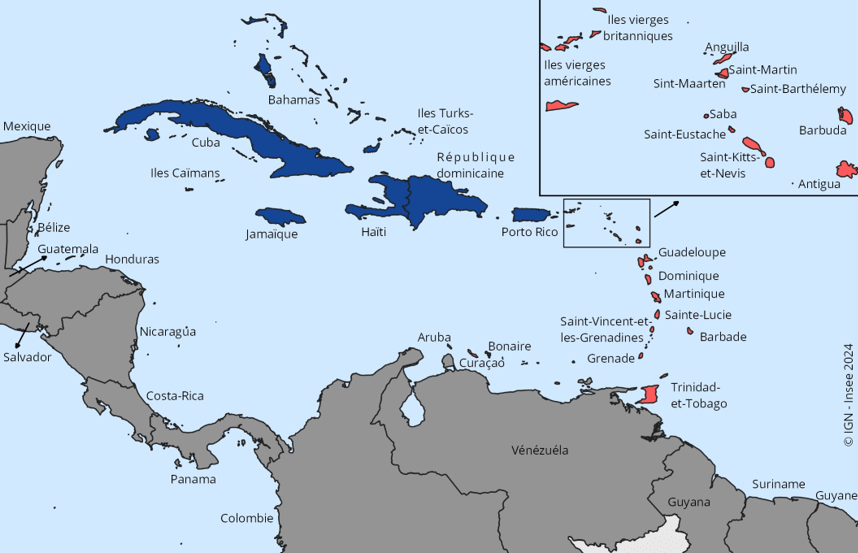
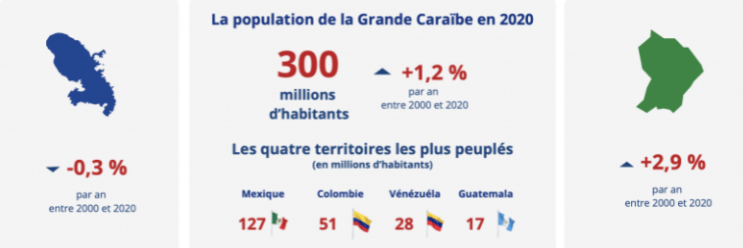
The Greater Caribbean comprising 40 territories, is a true reflection of the demographic dynamics on a global scale. By 2020, the region will be home to over 300 million people, illustrating a marked contrast between a young population and aging trends. This article looks at the challenges and opportunities presented by these Demographic dynamics, while offering a detailed analysis of the demographic realities of this unique region.
Population growth
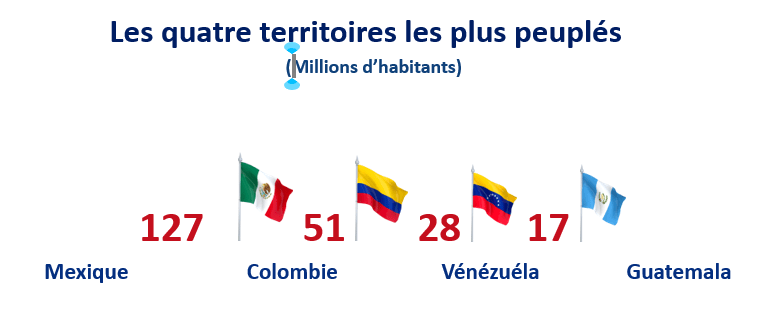
From 2000 to 2020, the population of the Greater Caribbean grew at an average annual rate of 1.2%. This growth is largely attributable to major countries such as the Mexico, Colombia, Venezuela and Guatemala which together make up a significant proportion of the regional population.
- Mexico 127 million inhabitants
- Colombia Population : 51 million
- Venezuela Population : 28 million
- Guatemala Population : 17 million
As economic leaders, these nations also face particular challenges, such as poverty, violence and immigration, which influence their demographic trajectories.
Young" territories and their demographic dynamics
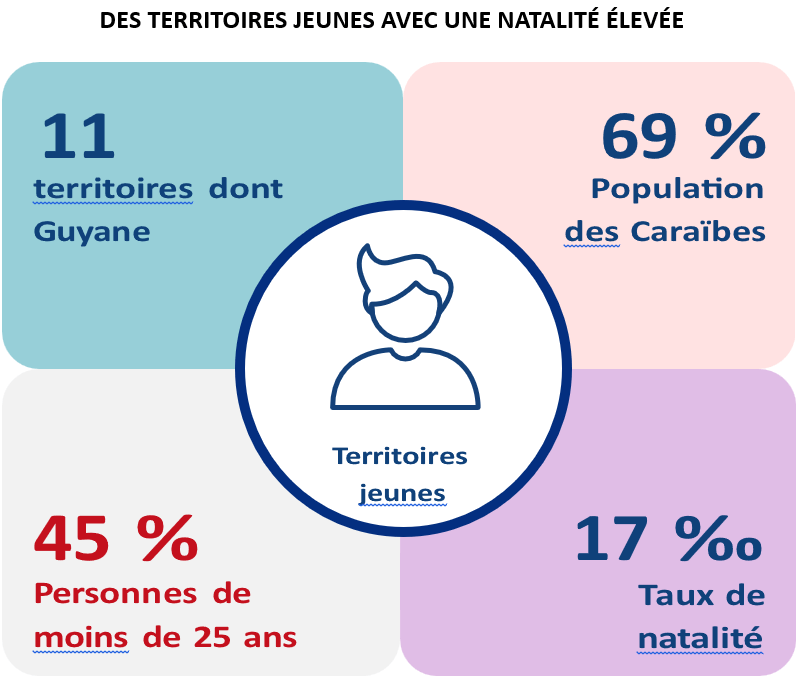
La French Guiana stands out for its high birth rate, reaching 28 ‰, with a fertility index (FCI) of 3.8, well above the renewal threshold. These figures highlight a predominantly young population, with a large proportion of inhabitants aged under 25. This demographic dynamic offers prospects for economic development, provided that jobs are created to meet this population growth.
Young people in Guyanese society
The demographic dynamics structure of French Guiana, which is rich in young people, requires significant investment in education and vocational training. Public policies must focus on creating employment opportunities, improving access to education and promoting health to ensure a promising future for this population.
Aging regions and demographic dynamics
In contrast, the French West Indies – particularly Martinique, Guadeloupe and Saint-Martin – are facing a worrying demographic ageing process. In Martinique, around 30% of the population is over 60, and the aging index is high (1.05). Negative migratory movements exacerbate this situation, leading to challenges in terms of social support and health services.
Consequences of aging
The aging of the population is creating crucial challenges for healthcare and social protection systems. Governments in the French West Indies need to develop strategies to support the elderly, improve healthcare services and attract young families to balance the demographics.
Haiti: a special case in demographic dynamics
Demographic challenges
Haiti stands out for its unique demographic challenges. With one of the highest infant mortality rates in the region (47 ‰) and below-average life expectancy at birth, the country reflects profound inequalities regarding access to healthcare and education. Although its fertility rate is higher than that of many countries in the region, this does not compensate for other indicators of health and well-being.
Inequalities in health
The situation in Haiti is alarming. High infant mortality rates and low life expectancy are often the result of poor access to healthcare, malnutrition and precarious living conditions. Sustained efforts are needed to improve these conditions and offer Haitians prospects.
A fragile economy
Haiti’s already vulnerable economy is exacerbated by these demographic challenges. Widespread poverty and a lack of economic opportunities are driving many young people out of the country, leaving an aging population and a diminished workforce. It is vital to invest in economic and social development programs to foster an environment conducive to growth.
Towards solutions tailored to demographic dynamics
The demographic landscape of the Greater Caribbean poses significant challenges for public policy. Governments need to develop strategies adapted to local realities.
Youth and employment
For young territories like French Guiana, the challenge is to support young people in their career paths and integrate new generations into sustainable employment. Training and apprenticeship programs need to be strengthened to match the needs of the labor market.
Local initiatives
Local initiatives, such as public-private partnerships, can play a vital role in job creation. Companies should be encouraged to invest in training and offer internships to young people to give them valuable experience.
Aging and quality of life
For the French West Indies and Haiti, it is crucial to introduce policies aimed at improving the quality of life of the elderly, while addressing issues of migration and economic support. Governments need to design care programs adapted to the growing needs of this aging population.
Support for seniors
Support for the elderly must not be limited to medical care. It is also essential to promote social inclusion, by offering community activities and leisure programs that foster the mental and emotional well-being of seniors.
The demographic dynamics of the Greater Caribbean are both an asset and a challenge. Decision-makers need to engage in collective reflection to adapt public policies to the specific needs of each territory. By taking these diverse issues into account, the region can look forward to a future in which all its inhabitants, young and old alike, can flourish.
Summary of Demographic Dynamics
- Youth Guiana and other young territories boast a high birth rate and potential for economic development.
- Aging The French West Indies are faced with an aging population, requiring investment in health and social support.
- Special case Haiti, with its unique challenges, requires special attention to improve living conditions.
Our existence relies on the fundamental pillar of nutrition. It is much more than a biological necessity; it plays a crucial role in our physical health and overall well-being. Eating is not limited to the mere consumption of food; it reflects our culture, socio-economic background, and environment.
Today, Healthy Eating and Balanced Diet have become essential topics because our dietary choices can significantly influence our health. With public health concerns on the rise, understanding and adopting responsible eating habits has become crucial for living healthily.
Healthy Eating and Balanced Diet: Are They Achievable?
A Healthy Eating and Balanced Diet should ideally be a part of daily life in the Caribbean. However, many individuals face challenges that hinder their ability to eat healthily.
Reasons for Unhealthy Eating Habits
- Economic Constraints: Many families in the Caribbean encounter economic challenges, making it difficult to prioritize healthy foods. Processed and convenient foods, often cheaper and more accessible, have become the norm.
- Availability of Fresh Produce: In some areas, particularly those reliant on imports, fresh fruits and vegetables may not be easily available. This lack of accessibility can lead to a dependence on canned or packaged foods, which are less nutritious.
- Cultural Influences: While traditional Caribbean cuisine is rich in nutrients, globalization has introduced fast food and processed options that are frequently preferred for their convenience and taste. This shift can overshadow healthier food options from local gastronomy.
- Lack of Nutrition Education: There is often a lack of awareness regarding what constitutes a Healthy Eating and Balanced Diet. Educational initiatives focused on nutrition can help individuals make healthier choices and understand the importance of local ingredients.
What is Healthy Eating and Balanced Diet?
A Healthy Eating and Balanced Diet includes a variety of foods from all food groups at every meal, including proteins, fats, and carbohydrates. It is essential to understand that carbohydrates are not just the added sugars found in beverages but also come from sources like grains, fruits, and certain vegetables. A Healthy Eating and Balanced Diet incorporates these elements at each meal, ensuring a diverse intake of nutrients that reflect the vibrant culinary traditions of the Caribbean.
The Link Between Food self-sufficiency in the Caribbean and Healthy Eating
Food self-sufficiency is a crucial concept for the Caribbean region, where economic and environmental challenges directly influence the health of populations. The interconnection between food sovereignty and healthy eating deserves close examination, as it highlights the importance of consuming local foods and promoting sustainable food systems.
What is Food self-sufficiency ?
Food self-sufficiency refers to the ability of a community or country to produce enough food to meet its dietary needs. This involves not only agricultural production but also access to healthy, nutritious, and culturally appropriate foods. In the Caribbean islands, where food imports are common, strengthening food sovereignty can reduce dependence on imported food items and improve the nutritional quality of local diets.
Impact on Health
Increased food sovereignty allows communities to consume more fresh, seasonal, and locally grown foods, which are essential for healthy eating. Local products, such as fruits, vegetables, legumes, and fish, are often more nutritious than processed imported foods. By incorporating these foods into their daily diets, Caribbean residents can benefit from improved physical and mental health.
Cost Reduction and Sustainability
Consuming local foods can also help reduce food costs. Imported products are often more expensive due to transportation and storage costs, while locally grown foods are generally more affordable. By promoting food sovereignty, communities can develop sustainable food systems that support the local economy while ensuring access to healthy foods.
Valuing Traditional Agricultural Practices
Food sovereignty also encourages the appreciation of traditional agricultural practices, which are often adapted to the region’s environmental conditions. These practices may include growing local varieties of fruits and vegetables that are not only nutritious but also resistant to diseases and climate conditions. Reconnecting with these traditional methods strengthens not only food security but also local culture and identity.
The 50-25-25 Rule: A Strategy for Healthy Eating?
The well-known 50-25-25 rule suggests that a plate should consist of 50% vegetables, 25% proteins, and 25% carbohydrates. This rule serves as a general guideline for improving one’s plate and moving towards a Healthy Eating and Balanced Diet. The 50% of vegetables should include a variety of types, many of which are locally grown and reflect the rich agricultural heritage of the Caribbean.
For proteins, choices can range from fresh fish and plant-based options to meats sourced from sustainable practices. Carbohydrates should be rich sources, such as grains and fruits that are abundant in the region.
While this rule is beneficial, it is important to note that nutrition is highly individual. People with specific health conditions may need to tailor their diets accordingly, exploring local flavors and ingredients that resonate with their heritage.
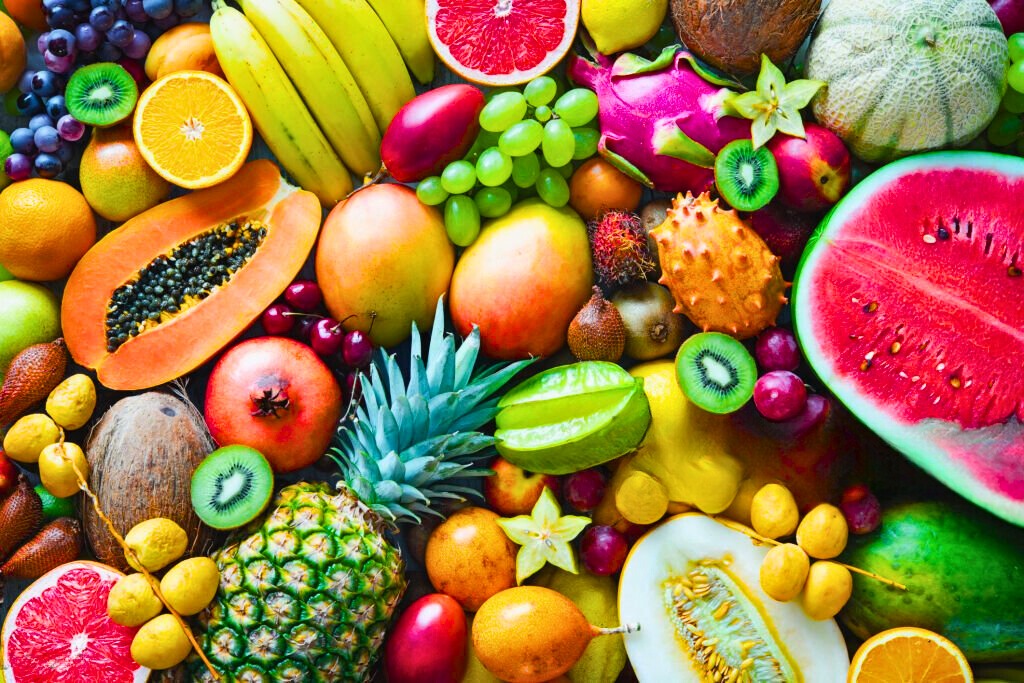
The Role of Fats in a Healthy Diet
Some might wonder if the absence of fats in the 50-25-25 rule implies that fats should be eliminated from a Healthy Eating and Balanced Diet. This is not the case; fats are essential. Most foods naturally contain some fats. For instance, olives, avocados, and coconut are staples in Caribbean cuisine, providing healthy fats that enhance both flavor and nutrition. The focus should be on how foods are prepared and the quality of fats used in cooking, celebrating the culinary techniques that have been passed down through generations.
Benefits of Healthy Eating and Balanced Diet
A Healthy Eating and Balanced Diet form the foundation of well-being. Modern medicine emphasizes prevention over treatment. A healthy diet can help avoid certain conditions like diabetes and hypertension, which are prevalent in many communities. Moreover, good nutrition positively impacts mental health. People who eat well tend to concentrate better, feel more energized, sleep better, and integrate more smoothly into society. Embracing local cuisine not only promotes health but also fosters a sense of pride in cultural identity.
Correcting the Signs of Poor Nutrition
Is it easy to correct the signs of poor eating habits? While it may not be straightforward, visible changes can occur with dietary adjustments. For instance, many individuals may experience improvements in skin conditions simply by altering their diets. Simple changes, whether drastic or gradual, can lead to significant improvements in health, especially when incorporating local fruits and vegetables that are rich in nutrients.
Choosing the Right Foods for Healthy Eating and Balanced Diet
When selecting foods, there are two scenarios. One involves seeking professional guidance to assess and create a personalized nutrition plan based on individual needs. The other involves individuals making choices for themselves. In either case, incorporating a variety of fresh fruits and vegetables into every meal is key to achieving a Healthy Eating and Balanced Diet. It isn’t necessary to completely eliminate certain foods, but reducing industrial sugars is crucial for health while emphasizing the use of local ingredients.
The Impact of Restrictive Diets on Healthy Eating
In today’s world, many people embark on restrictive diets. Are these practices truly healthy in the long term? It’s important to clarify that the focus should be on eliminating industrial sugar and processed foods rather than following extreme diets. Each person’s needs are unique, and what works for one individual may not work for another.
The Importance of Hydration in Healthy Eating
Hydration is vital for a Healthy Eating and Balanced Diet. The body cannot function properly without adequate water intake. The minimum recommendation is about 2.5 liters of water per day, but this may vary based on activity levels. Proper hydration supports a Healthy Eating and Balanced Diet, as the body needs sufficient water to function effectively, particularly in tropical climates where hydration is essential.
Access to Healthy Eating and Balanced Diet
For those who believe that healthy eating is expensive, this misconception can often stem from seeking out exotic or imported foods. It is possible to maintain a Healthy Eating and Balanced Diet using locally available products. Embracing local produce can make healthy eating more accessible and affordable, allowing individuals to connect with their cultural roots while promoting sustainability.
In conclusion, it is essential to prioritize health rather than just focusing on weight. The journey towards better health starts with personal choices. It’s important not to wait until health issues arise before making dietary changes. With a commitment to a Healthy Eating and Balanced Diet, many health problems can be prevented.