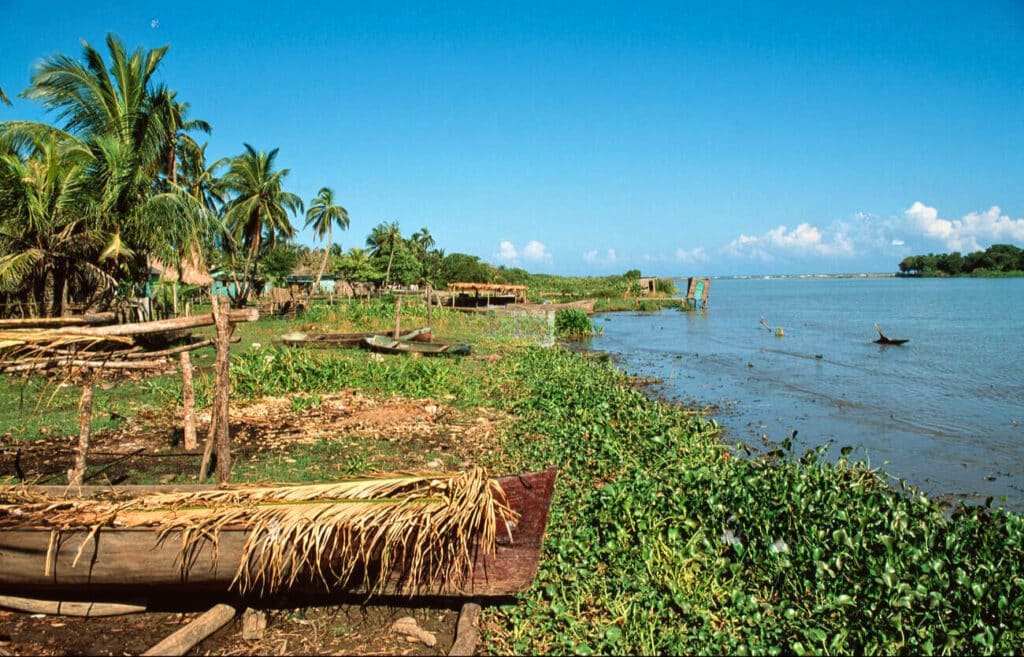
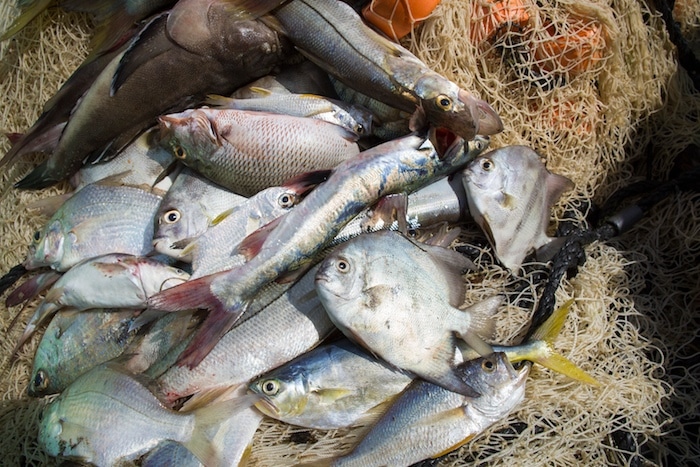
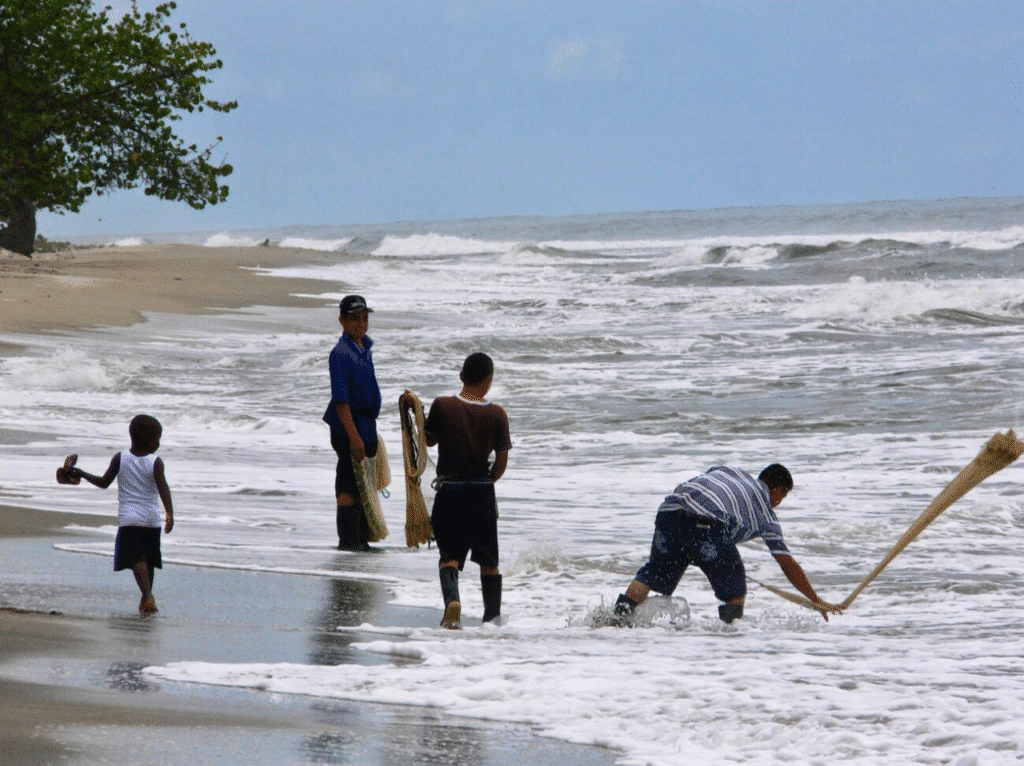
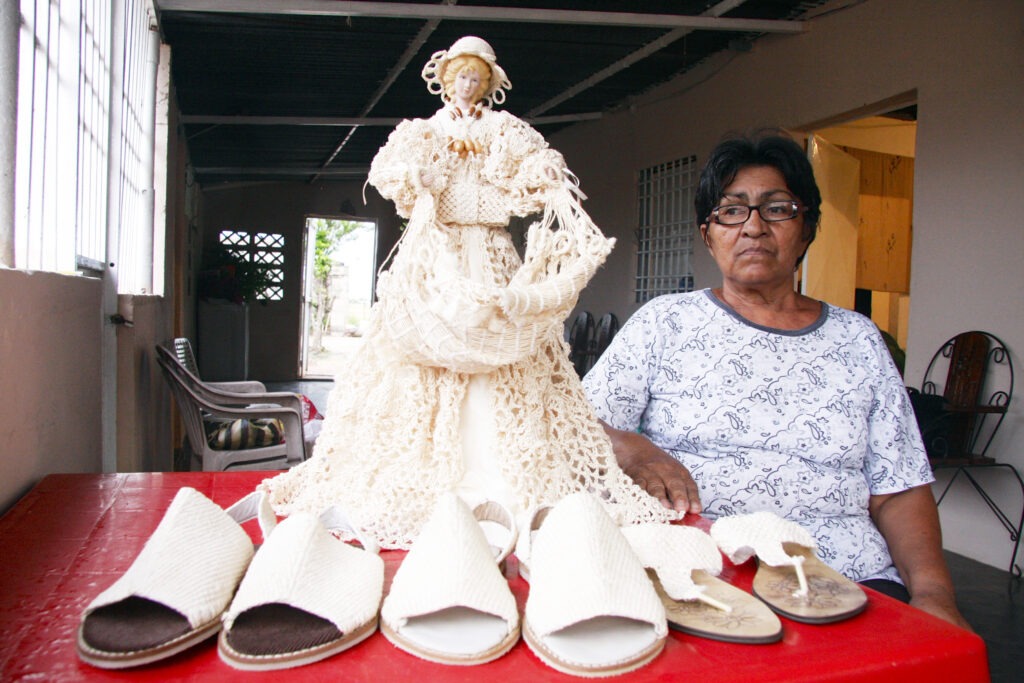
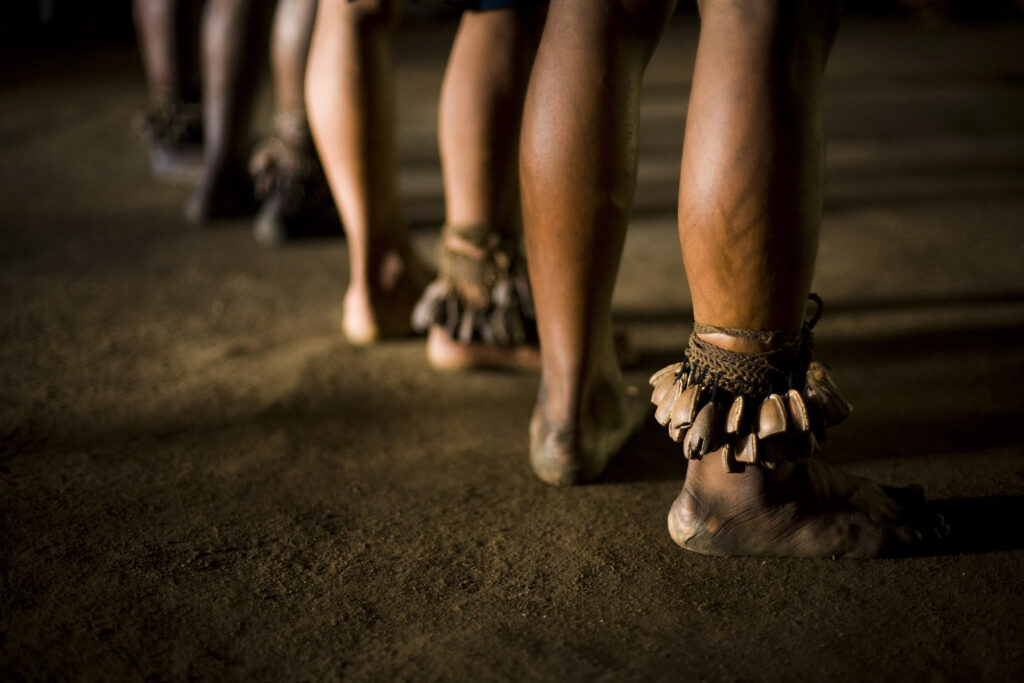
The Garifunas of Honduras embody a living memory of the Black Caribbean, at the crossroads of history, maritime tradition and contemporary struggles for cultural survival. For this Afro-Indigenous community, artisanal fishing is much more than an economic activity; it is the foundation of their identity. Heirs to a unique blend of escaped Africans and indigenous Caribbean populations, the Garifunas have developed and preserved a maritime know-how that intimately links everyday gestures to a vision of the world shaped by the ocean.

A story born of exile and resistance

The Garifunas of Honduras were not born on the shores of Central America. Their story takes root in the 17th century, on the Caribbean island of Saint-Vincent, where shipwrecked – and sometimes escaped – African slaves found refuge among the indigenous Kalinagos and Arawaks. This mix, unique in Caribbean colonial history, gave rise to a new community: the Garifunas.

But this relative autonomy came to an end with the arrival of the British. In 1797, accused of supporting the French, the Garifunas were captured and deported en masse to the island of Roatan, off the coast of Honduras. From there, they gradually settled on the Caribbean coasts of Honduras, Belize, Guatemala and Nicaragua. It was on these shores that their special relationship with the sea emerged, through artisanal fishing.

Garifunas of Honduras
©samaritanpurse.org
Garifunas of Honduras
©samaritanpurse.org

Fishing rooted in tradition

Even today, the Garifunas of Honduras perpetuate techniques that have been passed down orally for generations. Far removed from industrial logics, their practice relies on light boats, often made of wood, powered by oars or small motors, as well as on the use of nets, lines and creels. Respect for the reproductive cycle of species, detailed knowledge of currents and the seabed, and the ability to read the signs of the sky are all part and parcel of their expertise.

Fishing is not just a matter of subsistence. It’s a deeply cultural act, closely linked to cuisine, music and spirituality. Traditional dishes such as Machuca (mashed plantain with fish in a coconut milk broth) tell the story of the sea as much as they nourish the body. The transmission of these recipes, the sharing of meals and the songs sung on fishing trips are all part of a genuine community ritual.

Garifunas of Honduras

A central role for women in the maritime economy

If the figure of the fisherman is often masculine, the Garifunas of Honduras are actually an ecosystem in which women play a central role. They prepare, process and sometimes even sell the fish. They keep culinary practices alive and organize the solidarity networks that keep villages alive. In some communities, they are also involved in coastal fishing, particularly for shellfish.

The Garifuna social model is based on complementarity between the sexes, structured around the extended family and the community. This strong social fabric provides a bulwark against external pressures, but is now under threat.

Garifunas of Honduras

Land pressure and ecological upheaval

Since the 1990s, the Garifunas of Honduras are seeing their way of life threatened by the expansion of agro-industrial, tourism and sometimes extractive projects on their coastal lands. The development of palm oil plantations, resorts and marinas is encroaching on traditional fishing grounds, sometimes without prior consultation with local communities.

Expropriations, often contested by local residents, raise legitimate concerns about respect for Garifuna land rights. This phenomenon is leading to a scarcity of accessible marine resources, increased pressure on ecosystems and the gradual economic marginalization of fishermen.

Added to this are the effects of climate change. Coastal erosion, rising sea temperatures and disrupted breeding seasons have a direct impact on the abundance and diversity of fish species. The Garifunas of Honduras must now navigate in an increasingly uncertain environment.

Community and legal mobilization

In the face of these challenges, communities are not remaining passive. The Black Honduran Fraternal Organization (OFRANEH), a pillar of the Garifuna movement, has been working for over 40 years to defend the cultural and territorial rights of the Garifunas. It supports the Garifunas of Honduras through awareness-raising campaigns, legal action at national and international level, and support for food sovereignty projects.

Emblematic cases include that of the community of Triunfo de la Cruz, which won its case before the Inter-American Court of Human Rights. OFRANEH also campaigns for sustainable fishing practices that respect biodiversity and are adapted to the local ecological context.

Community and legal mobilization

In the face of these challenges, communities are not remaining passive. The Black Honduran Fraternal Organization (OFRANEH), a pillar of the Garifuna movement, has been working for over 40 years to defend the cultural and territorial rights of the Garifunas. It supports the Garifunas of Honduras through awareness-raising campaigns, legal action at national and international level, and support for food sovereignty projects.

Emblematic cases include that of the community of Triunfo de la Cruz, which won its case before the Inter-American Court of Human Rights. OFRANEH also campaigns for sustainable fishing practices that respect biodiversity and are adapted to the local ecological context.

A threatened but resilient living heritage

Beyond the material aspects, the Garifunas of Honduras are the guardians of an exceptionally rich intangible heritage. Their language, their music to the rhythm of drums and the puntatheir dances and beliefs linked to the sea make up a powerful symbolic universe. Fishing is both an everyday act and a metaphor for our relationship with the world.

Every trip out to sea, every net cast into the water, is also an act of cultural resistance. Sea tales, work songs and prayers to ancestors before fishing bear witness to a sacred relationship with the environment.

Garifunas of Honduras

Garifuna of Honduras are not just economic players in coastal areas. They embody a balance between tradition and resilience, between ancestral know-how and contemporary issues. Their presence on the shores of Honduras is a reminder that the sea is not just a space of resources, but also a place of memory, transmission and struggle. Defending their way of life also means preserving another way of living in the world, one that is more respectful of natural and human balances.

2024 was a pivotal year for connectivity in the Caribbean, marked by a series of initiatives that transformed the region’s aviation landscape. Airlines expanded their operations, introducing new routes and improving existing services. This review examines the advances made, the challenges encountered and the economic implications of these changes for the region.

New flights and connections

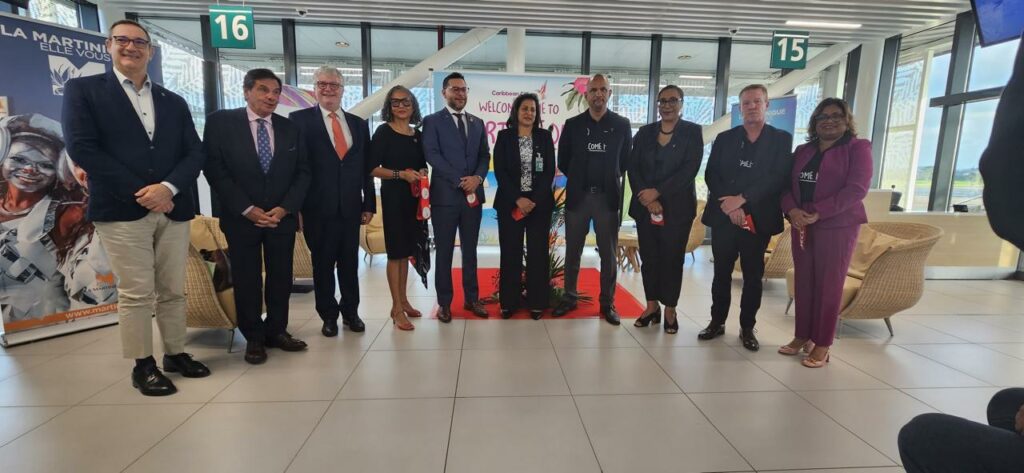
One of the most remarkable features of 2024 was the launch of several new flights, strengthening connectivity between the islands. These include Caribbean Airlines inaugurated direct services to Martinique, facilitating travel between the English- and French-speaking islands. Likewise LIAT Airlines has re-established routes to the British Virgin Islands, offering travelers additional options for exploring the region.

This expansion of the air network has met the growing demand for inter-island travel, stimulating tourism and trade. Passengers now enjoy greater choice, flexibility and convenience.

Connectivity
LIAT Airlines
Connectivity
Événement de bienvenue de Caribbean Airlines en Martinique Source : Caribbean Airlines

Economic impact

Increased connectivity has had a significant impact on the Caribbean economy. By making it easier for tourists to travel, airlines have helped to boost the hotel and restaurant sectors. For example, the increase in visitor numbers to Martinique and the Virgin Islands led to an increase in hotel bookings and restaurant spending, benefiting local businesses.

Statistics show that passenger numbers were up 15% on the previous year, testifying to the effectiveness of the new routes. Local governments have also benefited from this dynamic through increased tax revenues linked to the tourism sector.

Sustainability and Social Responsibility

Another important aspect of the 2024 review was the airlines’ commitment to sustainable practices. Royal Caribbean for example, has taken significant steps to reduce its carbon footprint. By using biofuels and investing in green technologies, airlines are striving to address environmental concerns while continuing to grow.

In addition, airlines have introduced social responsibility programs, supporting local communities and promoting sustainable development initiatives. This has helped to strengthen the relationship between the companies and the communities they serve.

Regional collaboration

Improved connectivity has also encouraged greater collaboration between countries and islands in the region. Governments have recognized the importance of working together to maximize the benefits of tourism. Initiatives such as the Caribbean Tourism Organization have been strengthened, enabling an exchange of ideas and best practices between industry players.

This cooperation has been essential in promoting events and festivals that attract visitors throughout the year, contributing to a more uniform and sustainable tourist season.

Challenges to overcome

Despite the progress made, connectivity in the Caribbean is not without its challenges. Airlines face issues such as increasing competition, fluctuating fuel prices and the need to modernize airport infrastructure. Continued investment is needed to ensure that the region’s airports can accommodate the growing volume of passengers.

Future prospects

Looking ahead, it’s clear that connectivity in the Caribbean will continue to evolve. Airlines plan to open new routes and improve existing services. Governments and local businesses must work together to ensure that this growth is sustainable and beneficial to all.

The overall picture of connectivity in the Caribbean in 2024 is positive. Thanks to initiatives to expand air links and promote sustainable practices, the region is well positioned for continued economic growth. By overcoming challenges and strengthening collaboration, the Caribbean can assert itself as a key destination on the global tourism scene.

Royal Caribbeana major player in the cruise industry, joins forces with the Caribbean Tourism Organization (CTO) to promote the sustainable growth of tourism in this paradise region. This month, a landmark event took place in Miami, the Caribbean Weekend, bringing together tourism ministers, executives and other key players to discuss the opportunities and challenges facing the sector.

An iconic tourism summit

The event, entitled “Envisioning Caribbean Tourism: An Iconic Summit”, was held on board Royal Caribbean‘s latest ship, the icon of the Seas. The meeting initiated vital discussions on job creation, sustainability and community engagement. Michael Bayley, President and CEO of Royal Caribbean, opened the proceedings, emphasizing the importance of the cruise industry to the Caribbean economy.

The Caribbean is the soul of Royal Caribbean. Around 60% of our business comes from this region,” he said, emphasizing the deep ties between the company and the islands.

Royal Caribbean's commitment to sustainability

Sustainability is a central theme of this initiative. Bayley reaffirmed Royal Caribbean’s commitment to reducing its ecological footprint. Among the initiatives presented was the use of biofuels and liquefied natural gas (LNG) to power its ships. This demonstrates a commitment to meeting environmental challenges while continuing to support the local economy.

Ian Gooding-Edghill, Chairman of the CTO and Barbados’ Minister of Tourism and International Transport, also stressed the importance of cross-sector collaboration in achieving these goals. “We need to work together to reinvent the future of tourism in the Caribbean,” he said.

Royal Caribbean
Royal Caribbean's ship. Source : Royal Caribbean International

Employment opportunities and local sourcing

Royal Caribbean is also committed to creating employment opportunities for the people of the Caribbean. Bayley has highlighted the need to improve supply chain systems to support local producers. Working hand-in-hand with local ministries, the company aims to develop cooperatives that would facilitate the supply of fresh produce for its ships.

He also mentioned the American Caribbean Maritime Foundation’s cadet program, which enables talented young people to train and take part in the maritime industry. The story of a female officer from the Bahamas, who sailed aboard the Icon of the Seas, was particularly inspiring for participants.

The importance of partnerships

The summit highlighted the vital role of partnerships in transforming the tourism industry. Dona Regis-Prosper, Secretary General of the CTO, expressed her gratitude to Royal Caribbean for its ongoing commitment. She said, “This iconic summit underscores the power of partnerships and collaboration. We need to reimagine our approach to tourism development.”

Royal Caribbean is also committed to strengthening exchanges and communication between the industry’s various stakeholders. This includes a better understanding of the needs and challenges of Caribbean communities, to ensure that tourism development benefits all.

Royal Caribbean's vision for the future

As Royal Caribbean prepares to launch its next ship, Star of the Sea, Bayley reassured attendees that the Caribbean will continue to be at the heart of its operations. The company is committed to investing in the region, creating a future where sustainable growth and the economic well-being of the Caribbean are paramount.

Supporting sustainability initiatives and promoting local culture are key elements of this vision. This involves not only financial investment, but also a long-term commitment to local communities.

A promising future for tourism

The Miami meeting was a pivotal moment for the Caribbean tourism sector. Thanks to the collaboration between Royal Caribbean and the CTO, new opportunities for sustainable growth are on the horizon. The discussions held at the summit should serve as a springboard for future initiatives, aimed at ensuring that tourism in the Caribbean is both economically viable and environmentally friendly.

By further integrating local stakeholders into the development process and adopting sustainable practices, Royal Caribbean is proving that it is possible to combine pleasure and responsibility. The future of tourism in the Caribbean looks bright, and with a strong commitment and solid partnerships, it’s likely that this region will continue to shine on the world tourism stage.

Christmas in the Caribbean is a unique time of celebration, filled with colorful traditions and tasty dishes. The Caribbean islands are known for their festive atmosphere, and cuisine is at the heart of these festivities. The magic of Christmas in this region is palpable, with bright decorations, joyful carols and, above all, dishes that awaken the senses. In this article, we’ll explore four iconic recipes that make Christmas unforgettable: lambi or grilled fish with sosé, Great cake, Christmas ham tuiles and nwel ham.

1. Lambi or grilled fish with sosé

Ingredients

  • Lambi or fish of your choice
  • Local spices
  • Tomatoes
  • Peppers
  • Onions

Preparation

  1. Cleaning the lambi: If you use lambi, clean it thoroughly to remove all sand and impurities.
  2. Marinade: Marinate lambi or fish with local spices to enhance flavours.
  3. Grilling: Grill on the barbecue or in a frying pan, taking care to cook thoroughly.
  4. To prepare the sauce: In a saucepan, sauté the onions, tomatoes and peppers with the spices, then add water and simmer until cooked through.

This tasty dish, often served with rice or vegetables, is a staple of Christmas tables in the Caribbean, symbolizing the richness of local maritime resources.

Noël
Lambi ou poisson Grillé avec Sosé

2. Great cake

Ingredients

  • 1/2 cup dried fruit
  • 113.4 g nuts (almonds or peanuts)
  • 227 g sugar
  • 227 g flour
  • 6 eggs
  • Spices (cinnamon, nutmeg, cloves)

Preparation

  1. Fruit preparation: Wash and dry the fruit, then soak it in alcohol for several months for a rich taste.
  2. Caramel: Melt the sugar to a caramel-like consistency. Add it to the mixture.
  3. Mixing the ingredients: In a large bowl, mix the sugar and margarine, then add the eggs one by one.
  4. Adding fruit and nuts: Add fruit and nuts to the dough.
  5. Baking: Pour into a baking tin and bake at 300°F for about 2 hours 30 minutes.

The large cake, often rich in flavor and alcohol, is a tradition that brings warmth and conviviality to festivities. It is often served at family gatherings and is a symbol of Caribbean hospitality.

Noël
Great cake

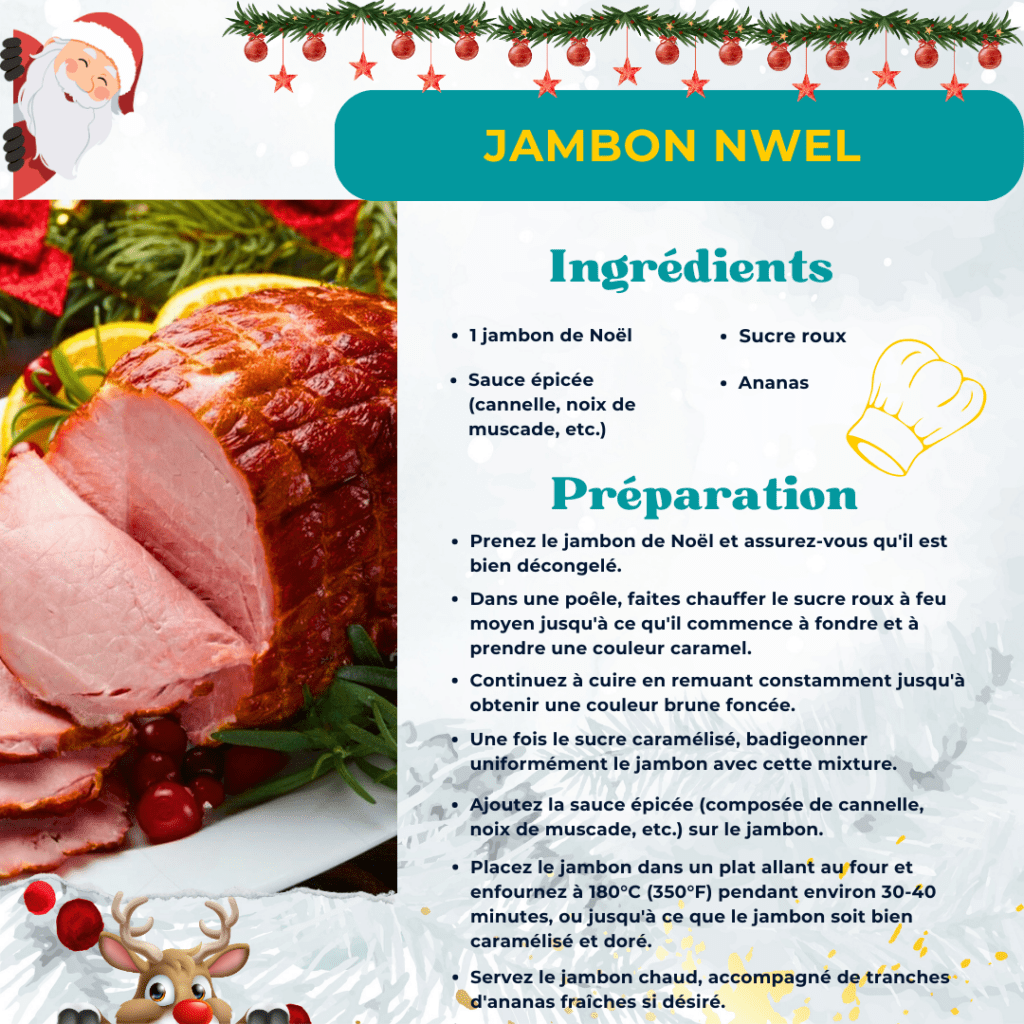
3. Nwel ham

Ingredients

  • 1 Christmas ham
  • Red sugar
  • Spicy sauce (cinnamon, nutmeg, etc.)
  • Pineapple

Preparation

  1. Defrosting: Make sure the ham is completely defrosted before starting to prepare it.
  2. Caramel: Melt the sugar in a pan until you obtain a golden caramel.
  3. Brushing: Brush the ham with the caramel and add the spicy sauce.
  4. Baking: Bake at 180°C for 30 to 40 minutes, basting regularly to keep the ham juicy.

Jamon nwel is usually the main course at Christmas meals, representing celebration and family unity. It is usually served with side dishes such as mashed potatoes or roasted vegetables.

Noël
Jambon Nwel

4. Christmas ham tiles

Ingredients

  • Brick pastry
  • Christmas ham
  • Unsalted butter, melted

Preparation

  1. Dehydrating ham: Dehydrate the ham and crumble it into fine crumbs to obtain the perfect texture.
  2. To prepare the brick pastry sheets: Place the ham crumbs in brick pastry sheets, previously brushed with melted butter.
  3. Cooking: Brown the tiles in a non-stick frying pan or in the oven until crisp and golden.

These crunchy tuiles are the perfect start to a festive meal, adding a crunchy touch to any celebration. Served with a spicy sauce or fruit jam, they’re sure to delight your guests.

Noël
Tuiles au jambon de Noel

The flavors of Christmas in the Caribbean are a sensory experience that delights the taste buds. Whether it’s crispy ham tuiles, savory lambi, rich grand gâteau or fragrant nwel ham, each dish tells a story of tradition and conviviality. Not only are these recipes delicious, they also bring invaluable warmth to family Christmas gatherings. Each of these culinary creations evokes memories and shared moments, making every Christmas even more memorable.

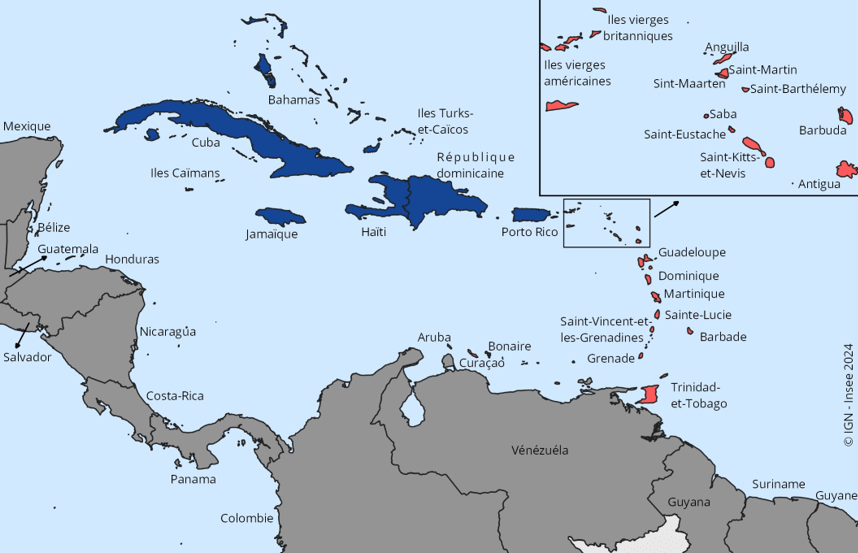
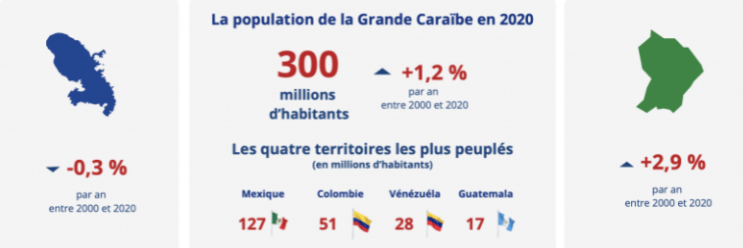
The Greater Caribbean comprising 40 territories, is a true reflection of the demographic dynamics on a global scale. By 2020, the region will be home to over 300 million people, illustrating a marked contrast between a young population and aging trends. This article looks at the challenges and opportunities presented by these Demographic dynamics, while offering a detailed analysis of the demographic realities of this unique region.

Population growth

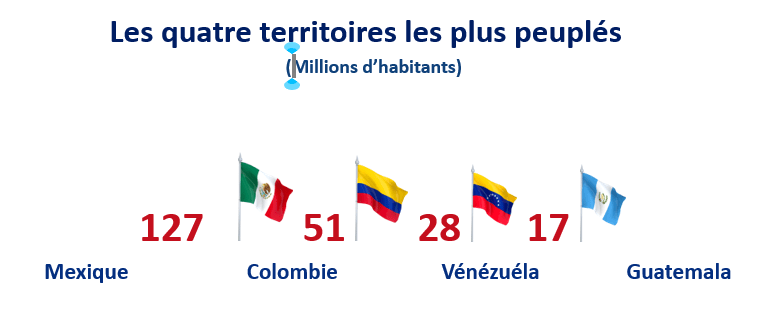
From 2000 to 2020, the population of the Greater Caribbean grew at an average annual rate of 1.2%. This growth is largely attributable to major countries such as the Mexico,  Colombia, Venezuela and  Guatemala which together make up a significant proportion of the regional population.

  • Mexico 127 million inhabitants
  • Colombia Population : 51 million
  • Venezuela Population : 28 million
  • Guatemala Population : 17 million

As economic leaders, these nations also face particular challenges, such as poverty, violence and immigration, which influence their demographic trajectories.

Demographic dynamics
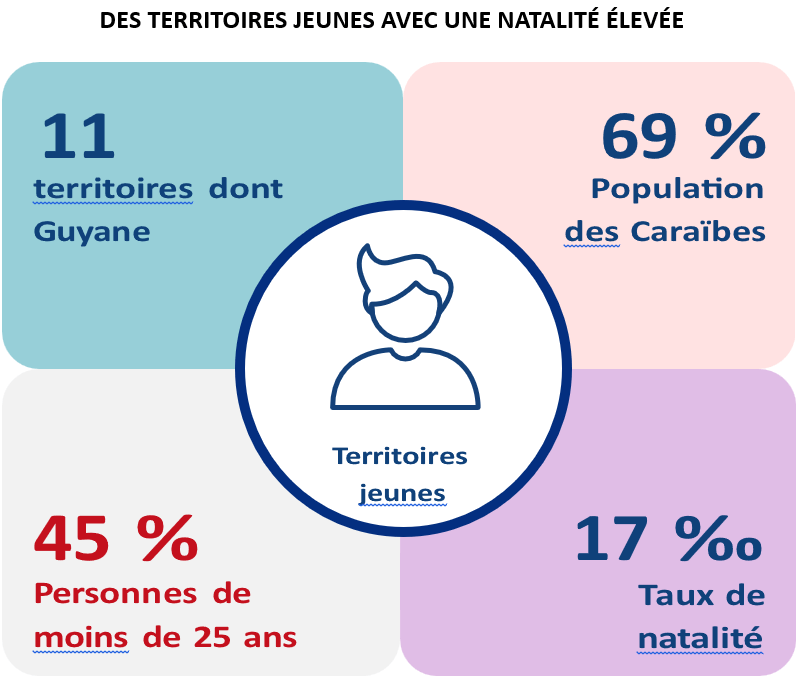
Les territoires jeunes avec une natalité élevée.
Demographic dynamics
dynamiques démographiques
Les quatre territoires les plus peuplés.
Demographic dynamics
Source : INSEE

Young" territories and their demographic dynamics

La French Guiana stands out for its high birth rate, reaching 28 ‰, with a fertility index (FCI) of 3.8, well above the renewal threshold. These figures highlight a predominantly young population, with a large proportion of inhabitants aged under 25. This demographic dynamic offers prospects for economic development, provided that jobs are created to meet this population growth.

Young people in Guyanese society

The demographic dynamics structure of French Guiana, which is rich in young people, requires significant investment in education and vocational training. Public policies must focus on creating employment opportunities, improving access to education and promoting health to ensure a promising future for this population.

Aging regions and demographic dynamics

In contrast, the French West Indies – particularly Martinique, Guadeloupe and Saint-Martin – are facing a worrying demographic ageing process. In Martinique, around 30% of the population is over 60, and the aging index is high (1.05). Negative migratory movements exacerbate this situation, leading to challenges in terms of social support and health services.

Consequences of aging

The aging of the population is creating crucial challenges for healthcare and social protection systems. Governments in the French West Indies need to develop strategies to support the elderly, improve healthcare services and attract young families to balance the demographics.

Haiti: a special case in demographic dynamics

Demographic challenges

Haiti stands out for its unique demographic challenges. With one of the highest infant mortality rates in the region (47 ‰) and below-average life expectancy at birth, the country reflects profound inequalities regarding access to healthcare and education. Although its fertility rate is higher than that of many countries in the region, this does not compensate for other indicators of health and well-being.

Inequalities in health

The situation in Haiti is alarming. High infant mortality rates and low life expectancy are often the result of poor access to healthcare, malnutrition and precarious living conditions. Sustained efforts are needed to improve these conditions and offer Haitians prospects.

A fragile economy

Haiti’s already vulnerable economy is exacerbated by these demographic challenges. Widespread poverty and a lack of economic opportunities are driving many young people out of the country, leaving an aging population and a diminished workforce. It is vital to invest in economic and social development programs to foster an environment conducive to growth.

Towards solutions tailored to demographic dynamics

The demographic landscape of the Greater Caribbean poses significant challenges for public policy. Governments need to develop strategies adapted to local realities.

Youth and employment

For young territories like French Guiana, the challenge is to support young people in their career paths and integrate new generations into sustainable employment. Training and apprenticeship programs need to be strengthened to match the needs of the labor market.

Local initiatives

Local initiatives, such as public-private partnerships, can play a vital role in job creation. Companies should be encouraged to invest in training and offer internships to young people to give them valuable experience.

Aging and quality of life

For the French West Indies and Haiti, it is crucial to introduce policies aimed at improving the quality of life of the elderly, while addressing issues of migration and economic support. Governments need to design care programs adapted to the growing needs of this aging population.

Support for seniors

Support for the elderly must not be limited to medical care. It is also essential to promote social inclusion, by offering community activities and leisure programs that foster the mental and emotional well-being of seniors.

The demographic dynamics of the Greater Caribbean are both an asset and a challenge. Decision-makers need to engage in collective reflection to adapt public policies to the specific needs of each territory. By taking these diverse issues into account, the region can look forward to a future in which all its inhabitants, young and old alike, can flourish.

Summary of Demographic Dynamics

  • Youth Guiana and other young territories boast a high birth rate and potential for economic development.
  • Aging The French West Indies are faced with an aging population, requiring investment in health and social support.
  • Special case Haiti, with its unique challenges, requires special attention to improve living conditions.

Our existence relies on the fundamental pillar of nutrition. It is much more than a biological necessity; it plays a crucial role in our physical health and overall well-being. Eating is not limited to the mere consumption of food; it reflects our culture, socio-economic background, and environment. 

Today, Healthy Eating and Balanced Diet have become essential topics because our dietary choices can significantly influence our health. With public health concerns on the rise, understanding and adopting responsible eating habits has become crucial for living healthily.

Healthy Eating and Balanced Diet: Are They Achievable?

A Healthy Eating and Balanced Diet should ideally be a part of daily life in the Caribbean. However, many individuals face challenges that hinder their ability to eat healthily.

Reasons for Unhealthy Eating Habits

  1. Economic Constraints: Many families in the Caribbean encounter economic challenges, making it difficult to prioritize healthy foods. Processed and convenient foods, often cheaper and more accessible, have become the norm.
  2. Availability of Fresh Produce: In some areas, particularly those reliant on imports, fresh fruits and vegetables may not be easily available. This lack of accessibility can lead to a dependence on canned or packaged foods, which are less nutritious.
  3. Cultural Influences: While traditional Caribbean cuisine is rich in nutrients, globalization has introduced fast food and processed options that are frequently preferred for their convenience and taste. This shift can overshadow healthier food options from local gastronomy.
  4. Lack of Nutrition Education: There is often a lack of awareness regarding what constitutes a Healthy Eating and Balanced Diet. Educational initiatives focused on nutrition can help individuals make healthier choices and understand the importance of local ingredients.

What is Healthy Eating and Balanced Diet?

A Healthy Eating and Balanced Diet includes a variety of foods from all food groups at every meal, including proteins, fats, and carbohydrates. It is essential to understand that carbohydrates are not just the added sugars found in beverages but also come from sources like grains, fruits, and certain vegetables. A Healthy Eating and Balanced Diet incorporates these elements at each meal, ensuring a diverse intake of nutrients that reflect the vibrant culinary traditions of the Caribbean.

The Link Between Food self-sufficiency in the Caribbean and Healthy Eating

Food self-sufficiency is a crucial concept for the Caribbean region, where economic and environmental challenges directly influence the health of populations. The interconnection between food sovereignty and healthy eating deserves close examination, as it highlights the importance of consuming local foods and promoting sustainable food systems.

What is Food self-sufficiency ?

Food self-sufficiency  refers to the ability of a community or country to produce enough food to meet its dietary needs. This involves not only agricultural production but also access to healthy, nutritious, and culturally appropriate foods. In the Caribbean islands, where food imports are common, strengthening food sovereignty can reduce dependence on imported food items and improve the nutritional quality of local diets.

Impact on Health

Increased food sovereignty allows communities to consume more fresh, seasonal, and locally grown foods, which are essential for healthy eating. Local products, such as fruits, vegetables, legumes, and fish, are often more nutritious than processed imported foods. By incorporating these foods into their daily diets, Caribbean residents can benefit from improved physical and mental health.

Cost Reduction and Sustainability

Consuming local foods can also help reduce food costs. Imported products are often more expensive due to transportation and storage costs, while locally grown foods are generally more affordable. By promoting food sovereignty, communities can develop sustainable food systems that support the local economy while ensuring access to healthy foods.

Valuing Traditional Agricultural Practices

Food sovereignty also encourages the appreciation of traditional agricultural practices, which are often adapted to the region’s environmental conditions. These practices may include growing local varieties of fruits and vegetables that are not only nutritious but also resistant to diseases and climate conditions. Reconnecting with these traditional methods strengthens not only food security but also local culture and identity.

The 50-25-25 Rule: A Strategy for Healthy Eating?

The well-known 50-25-25 rule suggests that a plate should consist of 50% vegetables, 25% proteins, and 25% carbohydrates. This rule serves as a general guideline for improving one’s plate and moving towards a Healthy Eating and Balanced Diet. The 50% of vegetables should include a variety of types, many of which are locally grown and reflect the rich agricultural heritage of the Caribbean.

For proteins, choices can range from fresh fish and plant-based options to meats sourced from sustainable practices. Carbohydrates should be rich sources, such as grains and fruits that are abundant in the region.

While this rule is beneficial, it is important to note that nutrition is highly individual. People with specific health conditions may need to tailor their diets accordingly, exploring local flavors and ingredients that resonate with their heritage.

Healthy Eating and Balanced Diet
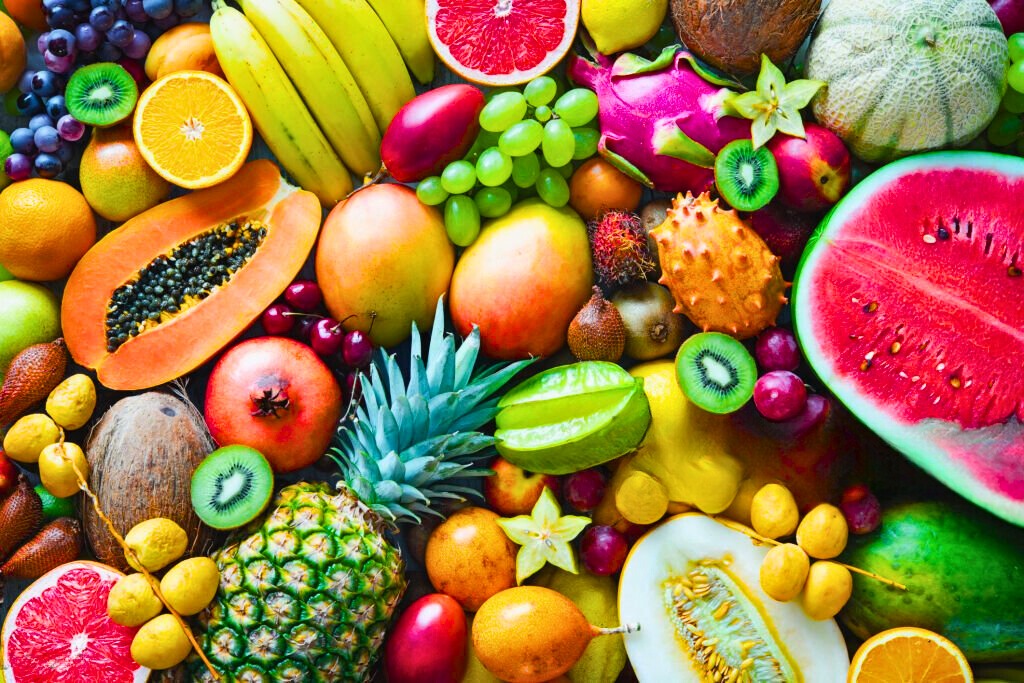
A colorful collection of tropical and exotic fruits showcasing nature's bounty and rich flavors.

The Role of Fats in a Healthy Diet

Some might wonder if the absence of fats in the 50-25-25 rule implies that fats should be eliminated from a Healthy Eating and Balanced Diet. This is not the case; fats are essential. Most foods naturally contain some fats. For instance, olives, avocados, and coconut are staples in Caribbean cuisine, providing healthy fats that enhance both flavor and nutrition. The focus should be on how foods are prepared and the quality of fats used in cooking, celebrating the culinary techniques that have been passed down through generations.

Benefits of Healthy Eating and Balanced Diet

A Healthy Eating and Balanced Diet form the foundation of well-being. Modern medicine emphasizes prevention over treatment. A healthy diet can help avoid certain conditions like diabetes and hypertension, which are prevalent in many communities. Moreover, good nutrition positively impacts mental health. People who eat well tend to concentrate better, feel more energized, sleep better, and integrate more smoothly into society. Embracing local cuisine not only promotes health but also fosters a sense of pride in cultural identity.

Correcting the Signs of Poor Nutrition

Is it easy to correct the signs of poor eating habits? While it may not be straightforward, visible changes can occur with dietary adjustments. For instance, many individuals may experience improvements in skin conditions simply by altering their diets. Simple changes, whether drastic or gradual, can lead to significant improvements in health, especially when incorporating local fruits and vegetables that are rich in nutrients.

Choosing the Right Foods for Healthy Eating and Balanced Diet

When selecting foods, there are two scenarios. One involves seeking professional guidance to assess and create a personalized nutrition plan based on individual needs. The other involves individuals making choices for themselves. In either case, incorporating a variety of fresh fruits and vegetables into every meal is key to achieving a Healthy Eating and Balanced Diet. It isn’t necessary to completely eliminate certain foods, but reducing industrial sugars is crucial for health while emphasizing the use of local ingredients.

The Impact of Restrictive Diets on Healthy Eating

In today’s world, many people embark on restrictive diets. Are these practices truly healthy in the long term? It’s important to clarify that the focus should be on eliminating industrial sugar and processed foods rather than following extreme diets. Each person’s needs are unique, and what works for one individual may not work for another.

The Importance of Hydration in Healthy Eating

Hydration is vital for a Healthy Eating and Balanced Diet. The body cannot function properly without adequate water intake. The minimum recommendation is about 2.5 liters of water per day, but this may vary based on activity levels. Proper hydration supports a Healthy Eating and Balanced Diet, as the body needs sufficient water to function effectively, particularly in tropical climates where hydration is essential.

Access to Healthy Eating and Balanced Diet

For those who believe that healthy eating is expensive, this misconception can often stem from seeking out exotic or imported foods. It is possible to maintain a Healthy Eating and Balanced Diet using locally available products. Embracing local produce can make healthy eating more accessible and affordable, allowing individuals to connect with their cultural roots while promoting sustainability.

In conclusion, it is essential to prioritize health rather than just focusing on weight. The journey towards better health starts with personal choices. It’s important not to wait until health issues arise before making dietary changes. With a commitment to a Healthy Eating and Balanced Diet, many health problems can be prevented.

Celebrating the Caribbean’s Cultural Diversity

Between 2020 and 2023, UNESCO continued to recognize the Caribbean’s rich intangible cultural heritage, celebrating traditions that showcase the region’s diversity and vibrant history. These recognitions by UNESCO reveal the deep cultural practices and customs that have survived generations, connecting the past with the present. This article focuses on the elements honored during this period, highlighting their significance to the Caribbean identity.

2020

  • Martinique: The Yole as a Heritage Preservation Model

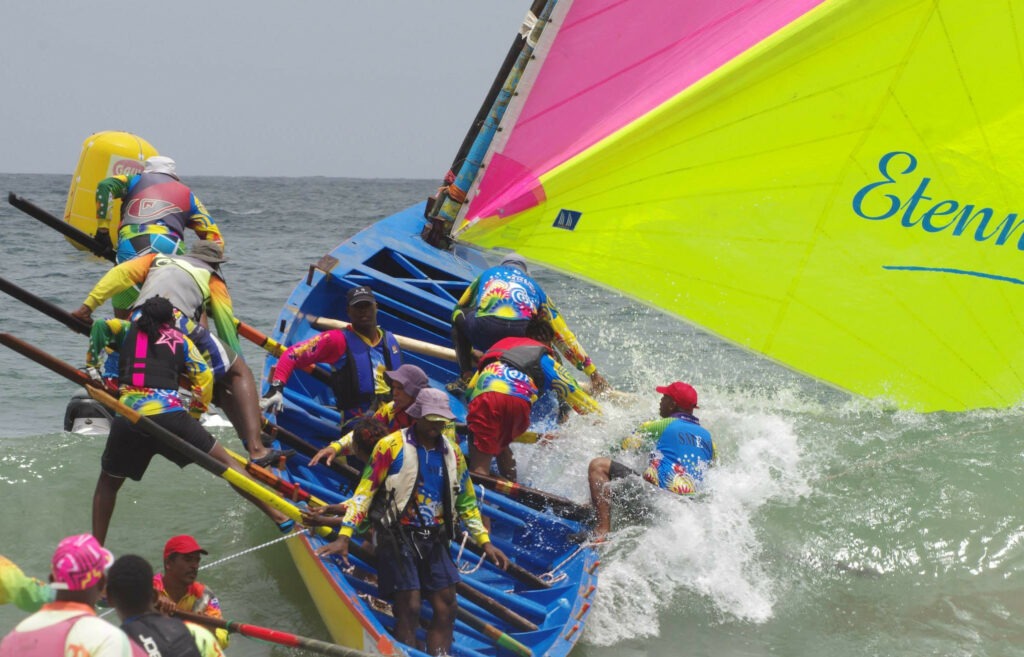
    For UNESCO, the yole of Martinique, a traditional lightweight boat, symbolizes the region’s maritime history and has become a focal point for heritage preservation initiatives aimed at maintaining local craftsmanship and community ties in the face of modernization.

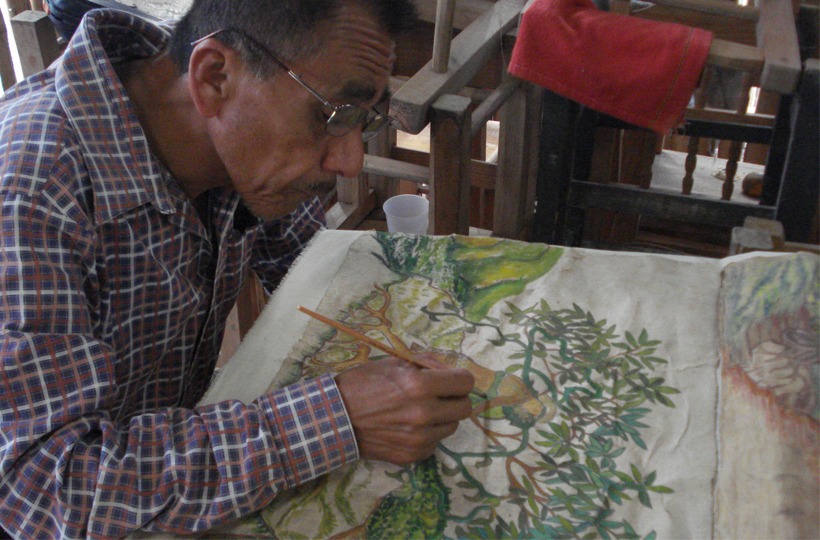
  • Colombia: Traditional Knowledge and Techniques of Mopa-Mopa Varnish

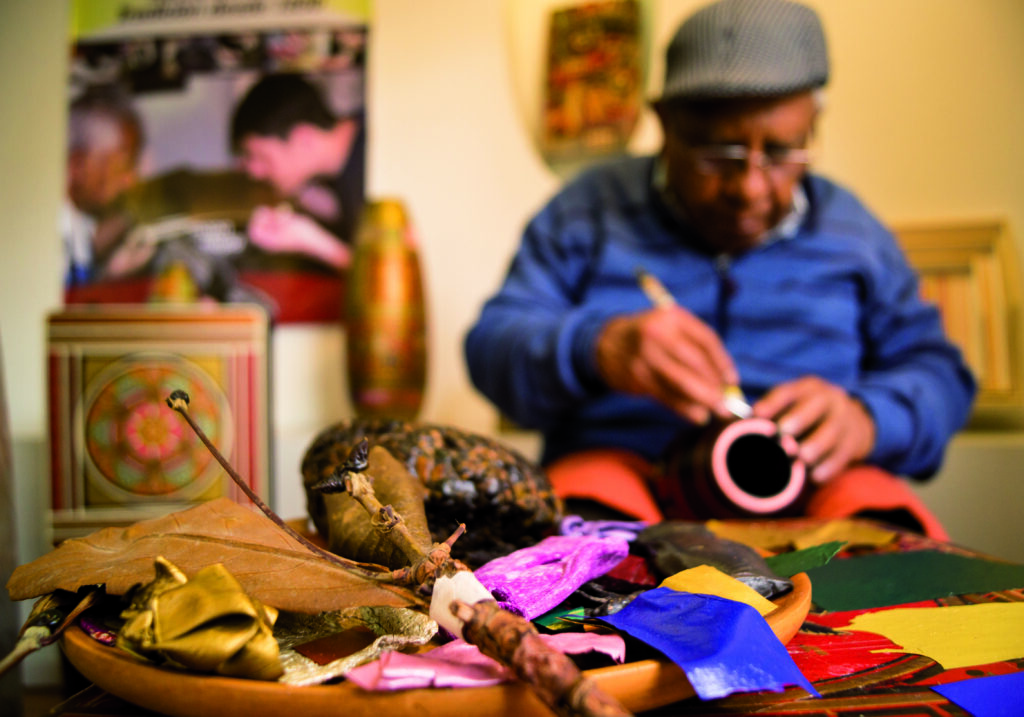
    The traditional knowledge and techniques of mopa-mopa varnish from Putumayo and Nariño involve the intricate processes of harvesting mopa-mopa buds, woodworking, and decorative varnishing, representing a vital cultural identity for communities, yet facing urgent threats from globalization, deforestation, and declining practitioners.

UNESCO
Martinique: The Yole as a Heritage Preservation Model
UNESCO
Colombia: Traditional Knowledge and Techniques of Mopa-Mopa Varnish

2021

  • Venezuela: The Festivities of Saint John the Baptist

    For UNESCO, the Venezuelan celebrations of Saint John the Baptist, rooted in 18th-century Afro-Venezuelan communities, blend Catholic influences with rich African verbal, musical, and physical expressions, serving as a powerful symbol of cultural resistance and remembrance of enslaved ancestors.

  • Panama: The Dance and Expressions of Corpus Christi

    The Corpus Christi festival in Panama is a vibrant religious celebration that merges Catholic tradition with popular festivities, featuring theatrical performances, lively music, and colorful dances, symbolizing the struggle between good and evil while fostering community involvement and cultural transmission.

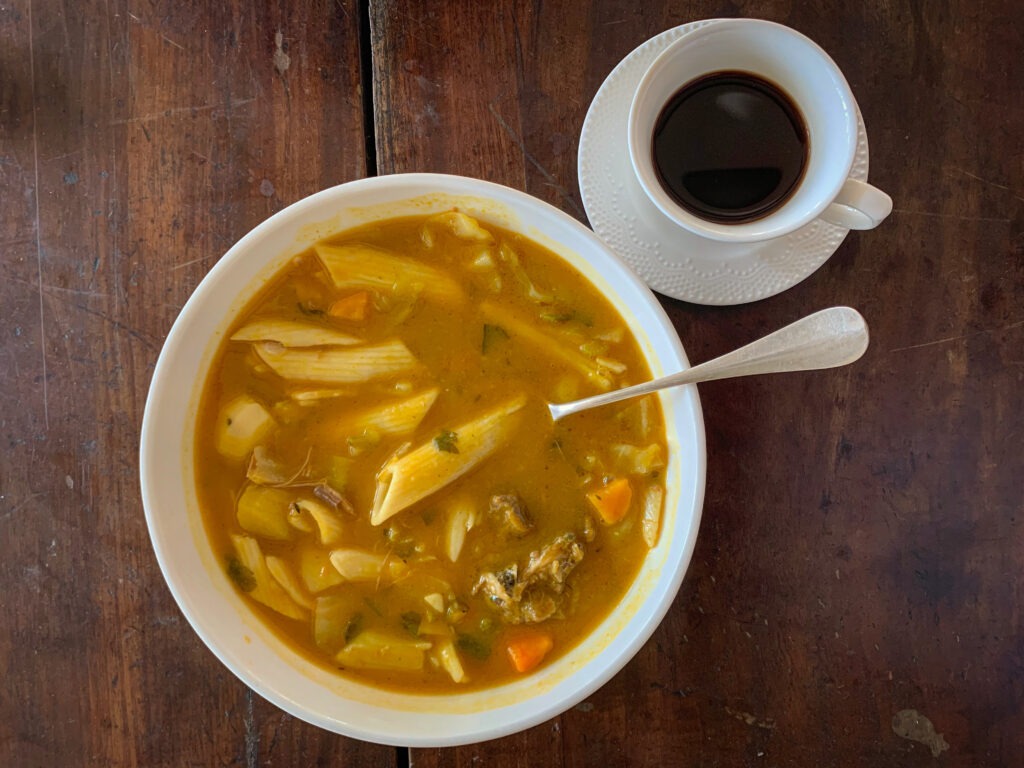
  • Haiti: Soup Joumou

    For UNESCO, Soup Joumou, a traditional Haitian pumpkin soup, is not only a festive dish deeply embedded in Haitian identity but also a symbol of freedom and resilience, historically reserved for slave owners and now celebrated as a community unifier, especially on January 1st, Haiti’s Independence Day.

UNESCO
Venezuela: The Festivities of Saint John the Baptist
UNESCO
Panama: The Dance and Expressions of Corpus Christi
UNESCO
Haiti: Soup Joumou

2022

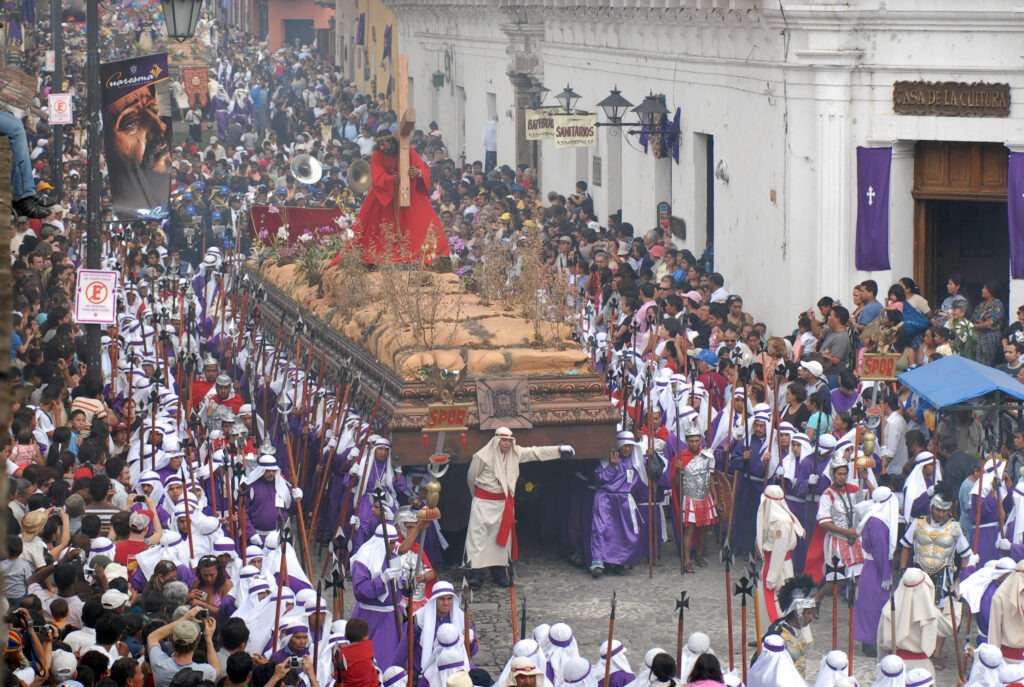
  • Guatemala: Holy Week Celebrations

    For UNESCO, the Holy Week in Guatemala is a significant cultural and religious event featuring processions, culinary specialties, and vibrant flower and fruit carpets, representing a rich tradition that fosters social inclusion and mutual respect while commemorating the Passion, death, and resurrection of Christ.

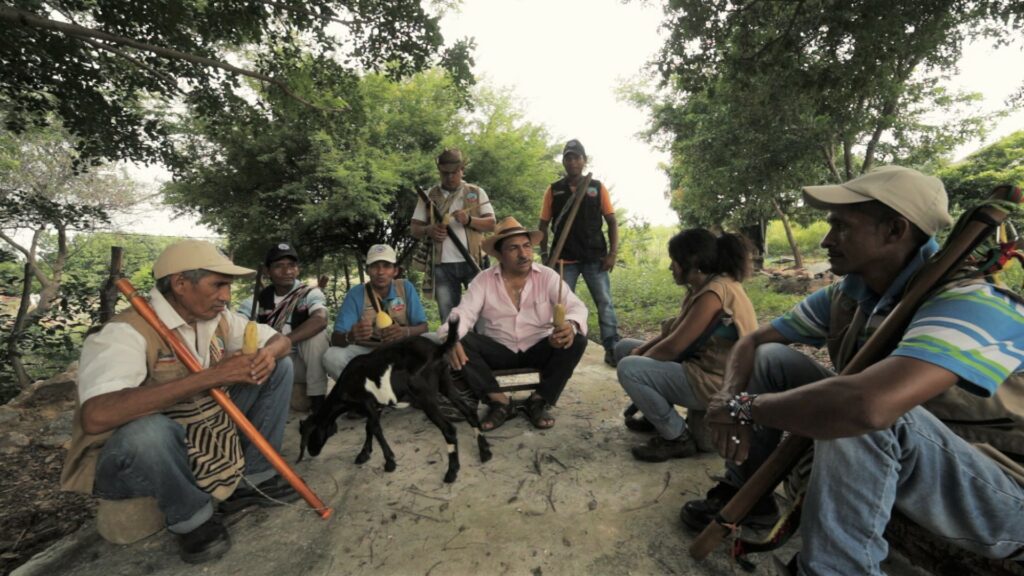
  • Colombia: Ancestral Knowledge System of the Arhuaco, Kankuamo, Kogi, and Wiwa Peoples

    The ancestral knowledge system of the Arhuaco, Kankuamo, Kogi, and Wiwa peoples of the Sierra Nevada de Santa Marta is a profound framework that guides their sacred missions for harmony with the physical and spiritual universe, emphasizing the preservation of sacred sites, traditional rituals, and the protection of their cultural identity and ecosystem.

UNESCO
Guatemala: Holy Week Celebrations
UNESCO
Colombia: Ancestral Knowledge System of the Arhuaco, Kankuamo, Kogi, and Wiwa Peoples

2023

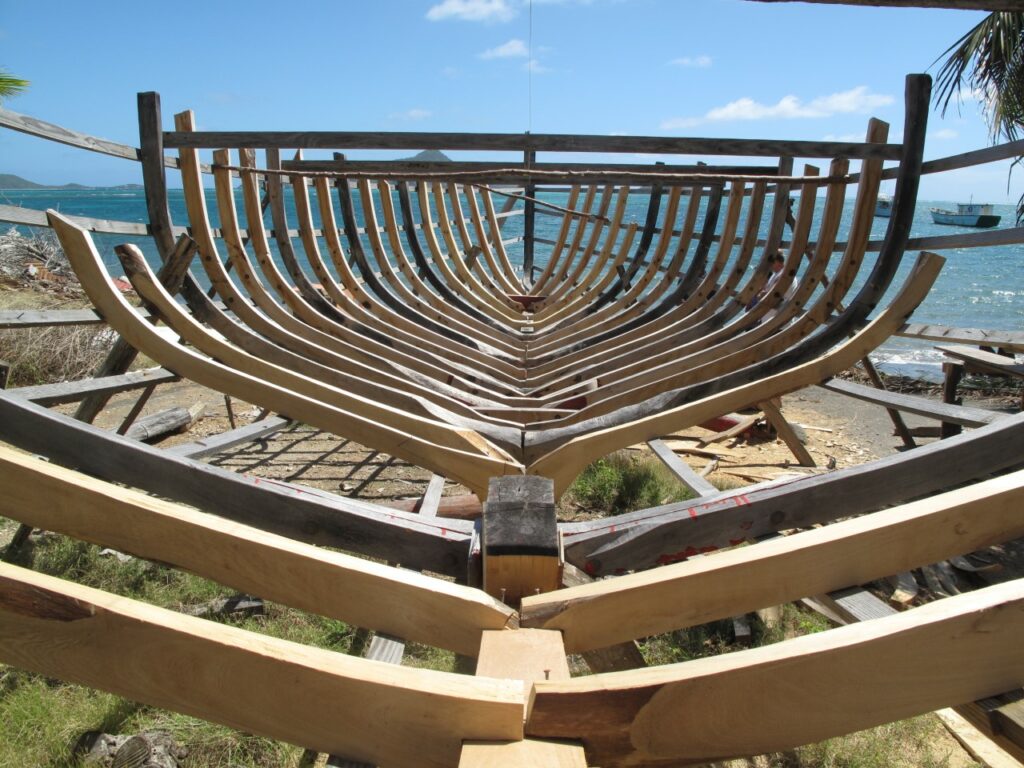
  • Grenada: Traditional Wooden Boat Building in Carriacou and Petite Martinique

    For UNESCO, The traditional practice of wooden boat building in Carriacou and Petite Martinique is a centuries-old craft involving the entire community in various roles, where skilled shipwrights select trees, perform rituals, and celebrate the launch with traditional blessings and festivities, fostering social bonds and cultural heritage.

  • Colombia : Midwifery: Knowledge, Skills, and Practices

    Midwifery is a vital practice in various countries, including Colombia, Cyprus, Germany, Kyrgyzstan, Luxembourg, Nigeria, Slovenia, and Togo, where midwives provide essential care and education to pregnant women and their families, blending traditional knowledge with evidence-based practices while preserving cultural rituals and fostering community support across generations.

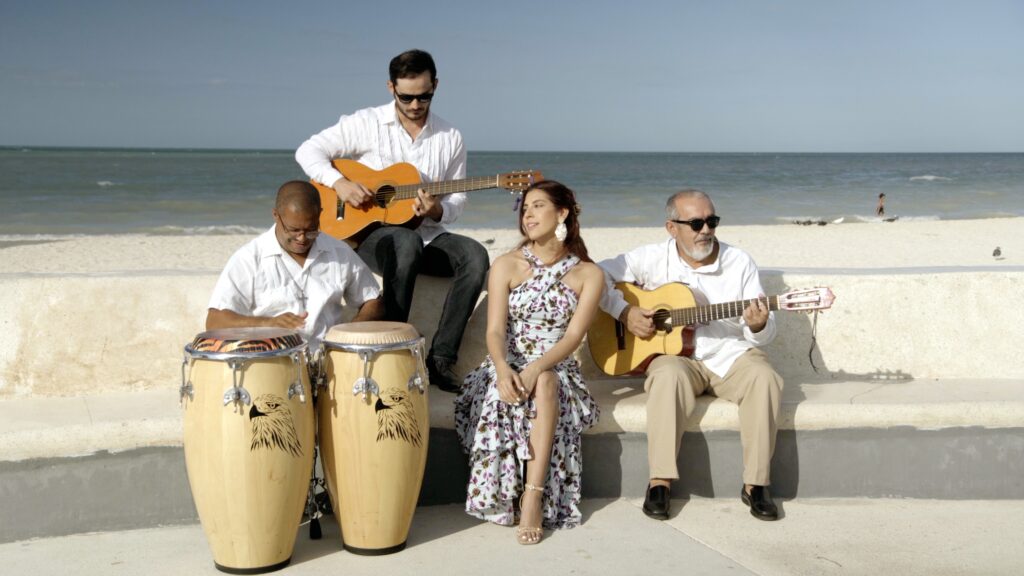
  • Cuba and Mexico: The Bolero, Identity, Emotion, and Poetry in Song

    The bolero is a vital element of Latin American sentimental music, deeply rooted in Cuba and Mexico, blending European poetic language, African rhythms, and indigenous emotions, and serving as a powerful cultural symbol that evokes feelings and connects communities through its lyrical expression and oral transmission across generations.

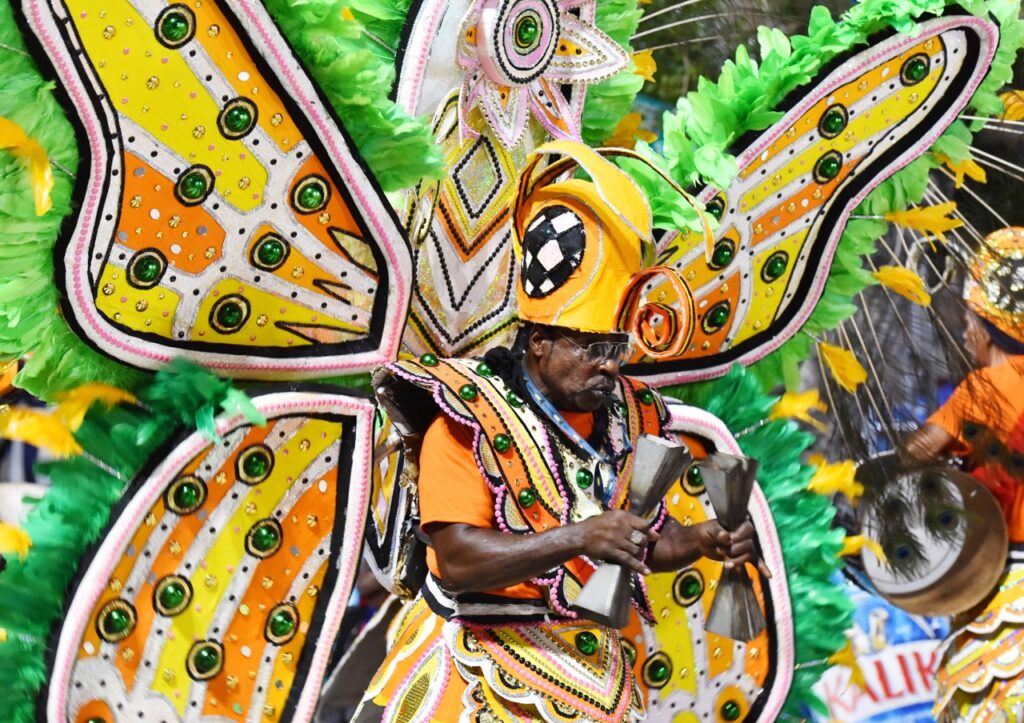
  • Bahamas : the Junkanoo: Cultural Festival of the Bahamas

    For UNESCO, Junkanoo is the national cultural festival of the Bahamas, originating in the early 19th century from enslaved Africans who created vibrant parades filled with music, performance, and storytelling, serving as a powerful expression of creativity and community unity that involves all ages in crafting elaborate costumes and celebrating cultural identity.

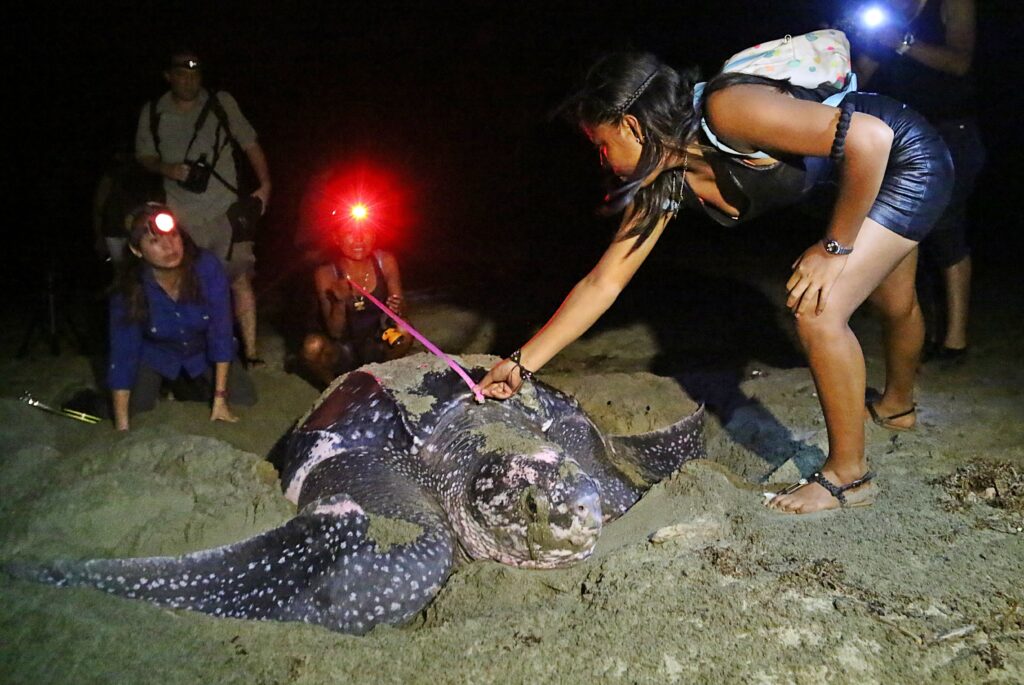
  • Panama : Armila’s Marine Turtle Cultural and Ecological Festival: Safeguarding Practices Program

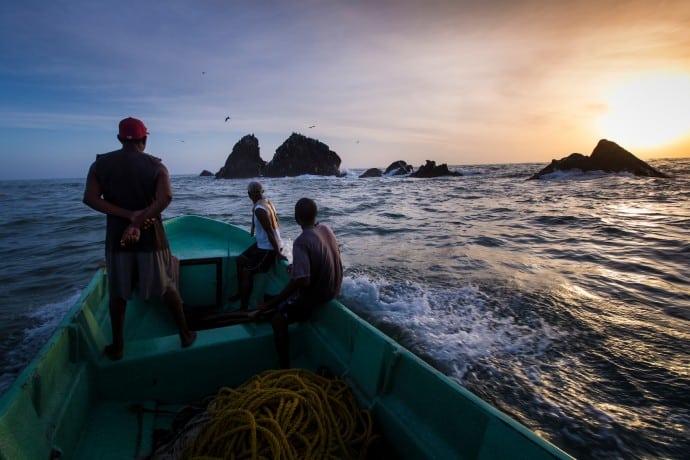
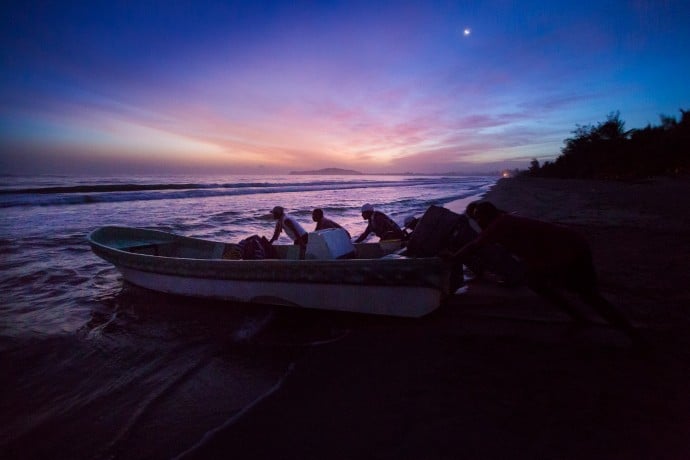
    The Marine Turtle Cultural and Ecological Festival in Armila, Panama, is a vital program initiated by the kuna people to preserve their oral traditions and environmental practices, featuring a four-day educational festival that coincides with the arrival of loggerhead turtles, promoting community engagement and the creation of an eco-label for culturally and environmentally responsible festivals.

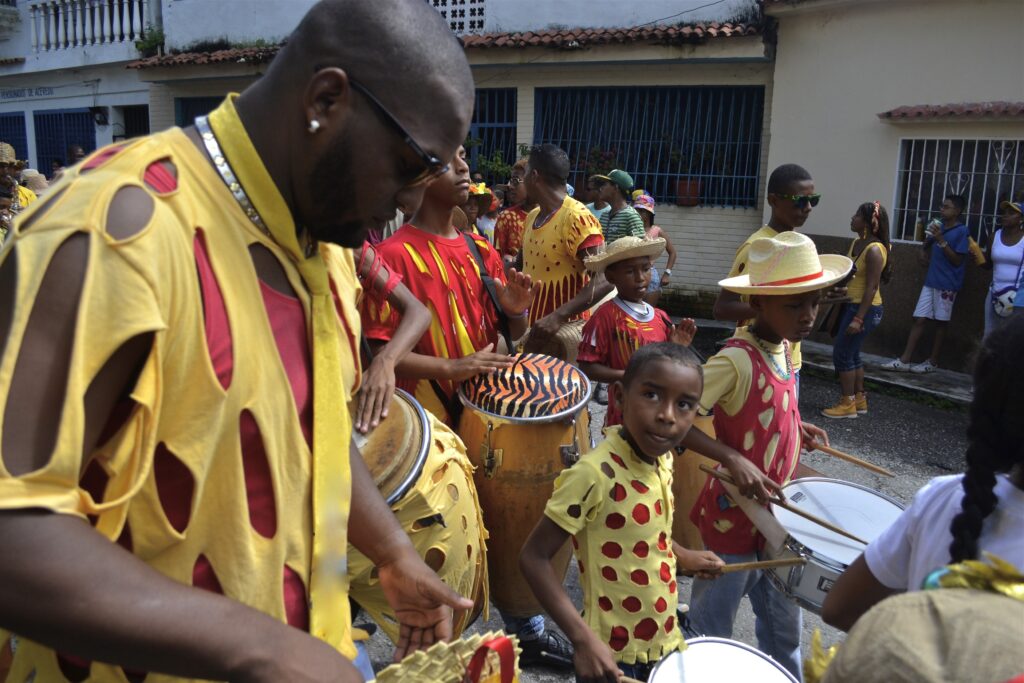
  • Venezuela : Caucagua’s Bandos and Parrandas of the Holy Innocents: Knowledge Transmission and Community Councils

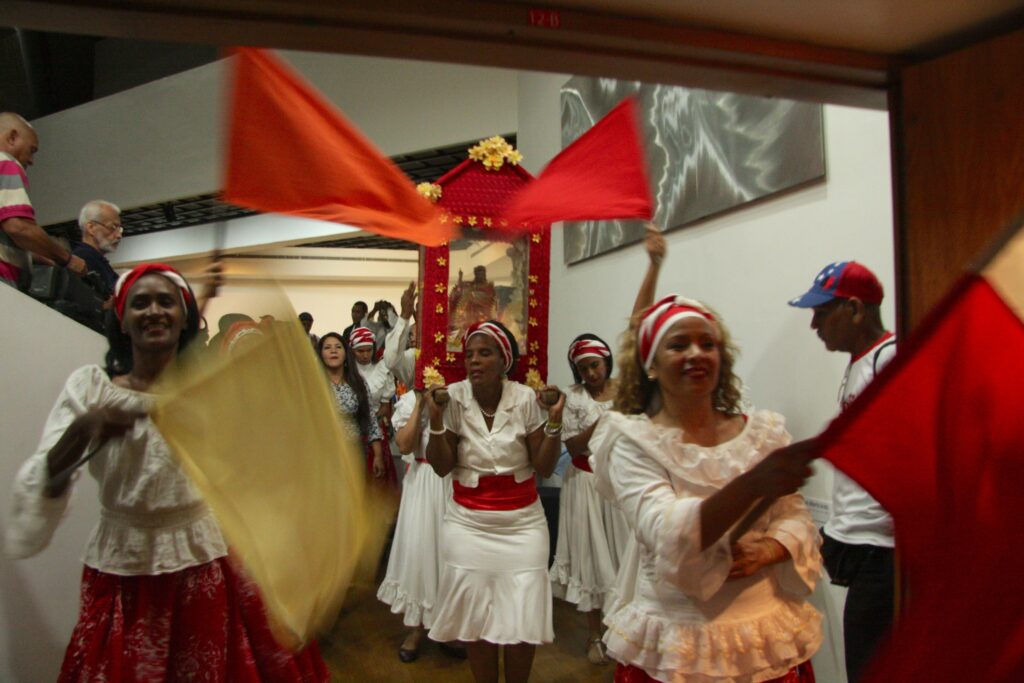
    For UNESCO, The Bandos and Parrandas of the Holy Innocents in Caucagua, Venezuela, are vibrant street festivals celebrated on December 27th and 28th, characterized by music and satirical attire, and supported by a safeguarding program that enhances oral tradition through community-led knowledge centers and councils aimed at revitalizing this Afro-descendant celebration and preserving cultural heritage.
UNESCO
Grenada: Traditional Wooden Boat Building in Carriacou and Petite Martinique
UNESCO
Midwifery: Knowledge, Skills, and Practices
UNESCO
Cuba and Mexico: The Bolero, Identity, Emotion, and Poetry in Song
UNESCO
Bahamas : the Junkanoo: Cultural Festival of the Bahamas
UNESCO
Panama : Armila's Marine Turtle Cultural and Ecological Festival: Safeguarding Practices Program
UNESCO
Venezuela : Caucagua's Bandos and Parrandas of the Holy Innocents: Knowledge Transmission and Community Councils

The cultural practices recognized by UNESCO from 2020 to 2023 exemplify the  diversity and intricate heritage of the Caribbean. From the lively rhythms of merengue and the festive celebrations of Junkanoo to the community-driven safeguarding programs of the Bandos and Parrandas, these traditions underscore the essential role of cultural expressions in preserving national identities and fostering community cohesion.

Sustainable tourism in the Caribbean has become an essential aspect of the region’s development. With its rich cultural heritage, breathtaking natural landscapes, and unique traditions, the Caribbean attracts millions of visitors each year. The promotion of these cultural elements as tourist attractions is crucial for preserving local identity while meeting the needs of visitors. This article examines the challenges and opportunities associated with sustainable tourism in the Caribbean, emphasizing cultural heritage’s role in enhancing tourist experiences.

The Importance of Cultural Heritage in Tourism

Cultural heritage encompasses the traditions, customs, arts, and historical narratives that define a community. In the Caribbean, this heritage is diverse and multifaceted, reflecting the region’s complex history influenced by Indigenous peoples, European colonization, African cultures, and more. Tourists are drawn to the Caribbean not only for its stunning beaches but also for its vibrant cultures, making cultural heritage a significant driver of tourism.

By integrating cultural experiences into tourism offerings, destinations can attract visitors seeking authentic experiences. This approach not only enriches the tourist experience but also fosters a deeper appreciation for local cultures, leading to a more sustainable form of tourism.

Sustainable Tourism in the Caribbean
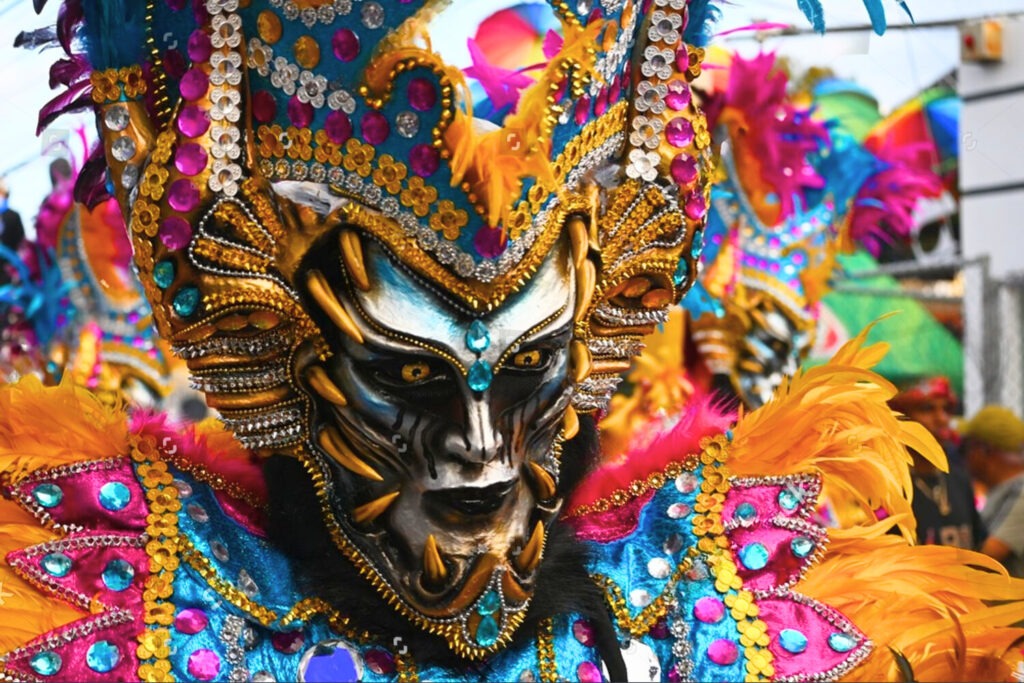
A participant adorned in elaborate costume and mask during a lively Caribbean carnival.
Sustainable Tourism in the Caribbean
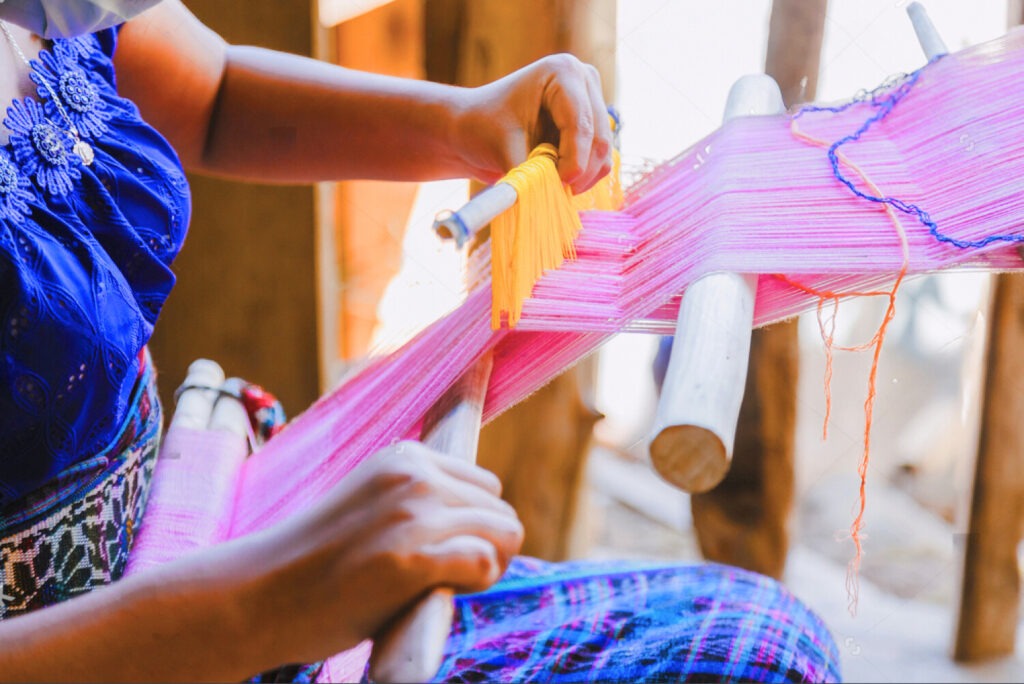
A close-up of a skilled artisan weaving vibrant textiles using a traditional loom.

Challenges of Sustainable Tourism

Pressure on Cultural Resources

The influx of tourists can lead to excessive exploitation of cultural resources, such as festivals, traditional events, and historical sites. This pressure can compromise the authenticity and longevity of local cultural practices. Destinations often face the dilemma of balancing tourism growth with the preservation of their unique cultural identities.

For instance, traditional festivals may be altered to cater to tourist expectations, potentially losing their original significance. This commercialization can lead to a superficial understanding of the culture, with visitors experiencing a version that is tailored for mass consumption rather than genuine engagement.

Erosion of Cultural Identity

Mass tourism can sometimes result in the commercialization of traditions, leading to a dilution of cultural identity. Local practices may be adapted to meet tourist expectations, creating a disconnect between genuine traditions and those presented to visitors. The risk of cultural appropriation also arises, where elements of local culture are taken out of context and used superficially by outsiders.

Moreover, younger generations may feel less inclined to engage with their heritage if they perceive it as something primarily for tourists. This generational shift can threaten the transmission of cultural knowledge and practices, jeopardizing the long-term sustainability of local traditions.

Infrastructure and Management

Many Caribbean destinations lack adequate infrastructure to manage the flow of tourists interested in culture. This can result in challenges related to site management, preservation of artifacts, and respect for traditional practices. Insufficient funding for the maintenance of cultural sites can lead to deterioration, further diminishing their appeal to tourists.

Effective management strategies are essential to ensure that cultural sites can accommodate visitors without compromising their integrity. This may involve training local guides, implementing visitor limits, and developing educational programs that emphasize the importance of conservation.

Vulnerability to Environmental Changes

Extreme weather events, such as hurricanes, can destroy cultural and historical sites, jeopardizing the heritage that attracts tourists. The resilience of these sites is essential to ensure continued tourist appeal. Climate change poses a significant threat to the Caribbean, with rising sea levels and increased storm frequency impacting both the environment and cultural heritage.
Investments in disaster preparedness and recovery are crucial for safeguarding these sites. By building resilient infrastructures and promoting sustainable tourism in the Caribbean , destinations can better withstand environmental challenges.

Opportunities of Sustainable Tourism

Highlighting Local Traditions

Sustainable tourism in the Caribbean provides a platform to promote the arts, music, dance, and festivals that are central to Caribbean identity. Events such as Carnival in Trinidad and Tobago, Junkanoo in The Bahamas, and Reggae festivals in Jamaica showcase the vibrant cultural tapestry of the region. By integrating authentic cultural experiences into tourist offerings, visitors can discover the richness of the Caribbean while supporting local communities and patricipate to the sustainable tourism in the Caribbean.

Local artisans can also benefit from Sustainable tourism in the Caribbean. By encouraging the purchase of handmade crafts and artworks, tourism can contribute to preserving traditional skills and providing economic opportunities for local artists.

Education and Awareness

Sustainable tourism in the Caribbean offers an opportunity to raise visitor awareness about cultural and environmental issues. Guided tours, workshops, and cultural events help tourists develop a deeper understanding of local realities and the importance of heritage preservation. Educational initiatives can empower visitors to engage more meaningfully with the culture, fostering respect and appreciation.

For example, cultural immersion programs that involve community members can provide tourists with insights into daily life, traditions, and the challenges local communities face. This engagement can enhance the overall visitor experience, making it more impactful and memorable.

Community Economic Development

Focusing on culture as a tourist attraction allows local communities to benefit directly from the tourism economy. This encourages the creation of artisanal businesses, cultural tours, and services related to the arts, thus stimulating local economic development. Sustainable tourism in the Caribbean can empower communities by providing job opportunities and fostering entrepreneurship.

Moreover, when tourists spend money on local products and services, the economic benefits circulate within the community, contributing to its overall well-being. This model promotes a more equitable distribution of tourism revenues, reducing reliance on external entities.

Sustainable Partnerships

Developing partnerships among governments, cultural organizations, and the private sector is crucial for promoting Sustainable tourism in the Caribbean. These collaborations can support initiatives that preserve cultural heritage while providing enriching experiences for visitors. By working together, stakeholders can create a comprehensive approach to Sustainable tourism in the Caribbean that addresses environmental, social, and economic dimensions.

For instance, partnerships can facilitate joint marketing efforts that highlight cultural events, promoting them to a broader audience. Collaborative projects can also enhance the infrastructure necessary for managing tourism sustainably, ensuring that cultural sites are well-maintained and accessible.

To conclude, sustainable tourism in the Caribbean presents both challenges and opportunities, particularly in terms of valuing culture as a tourist attraction. By adopting environmentally respectful practices and highlighting local traditions, the region can preserve its unique heritage while offering memorable experiences to visitors. A collective commitment from tourism stakeholders, local communities, and governments is essential to create a development model that benefits all, celebrating the diversity and authenticity of the Greater Caribbean.

The path forward involves recognizing the intrinsic value of culture and heritage in tourism, fostering a sense of pride among local communities, and ensuring that tourism serves as a force for positive change. By embracing sustainable tourism practices, the Caribbean can continue to thrive as a premier destination while honoring its rich cultural legacy.

Preserving the Soul of the Caribbean

From 2012 to 2015, the Caribbean’s rich cultural heritage continued to gain recognition by UNESCO. These years celebrated the region’s vibrant music, sacred rituals, and storytelling traditions, each of which is an essential piece of the Caribbean’s identity. In this article, we will dive into the elements recognized during this period, emphasizing how these practices have been safeguarded for future generations.

2012

  • Colombia: Festival of Saint Francis of Assisi, Quibdó
    This religious festival in Quibdó, Chocó is a blend of Catholicism and African spirituality, rooted in the local Afro-Colombian community. Participants honor Saint Francis of Assisi with traditional music, dance, and elaborate costumes, merging religious devotion with cultural identity.

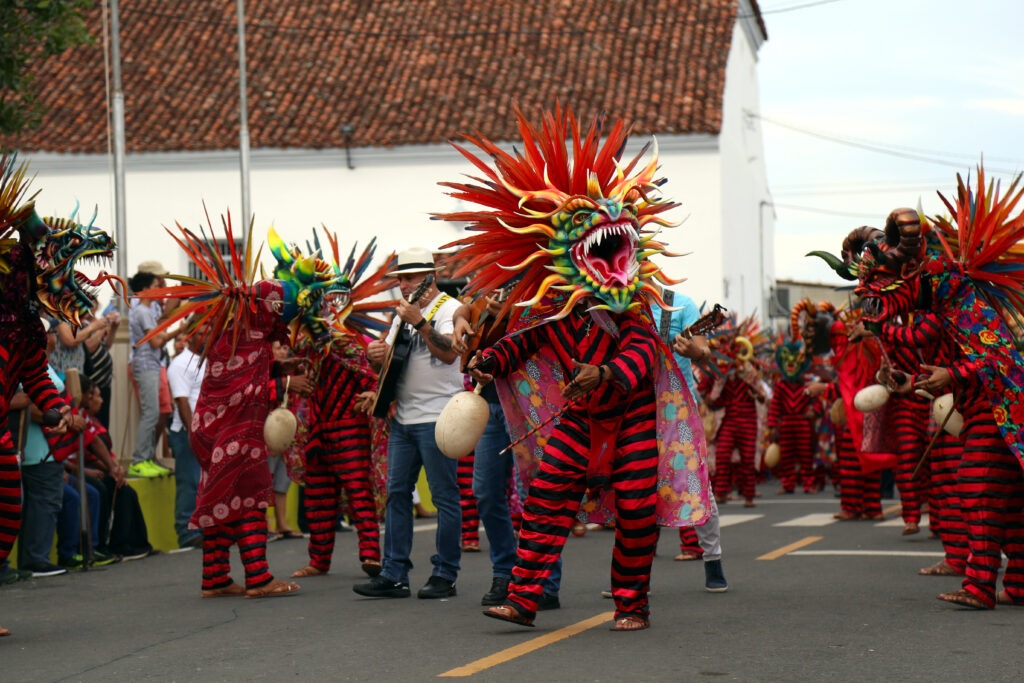
  • Venezuela (Bolivarian Republic of): Corpus Christi Devils
    In this annual celebration, masked dancers symbolically represent the battle between good and evil, with the devils ultimately being vanquished by the forces of good. This tradition is celebrated by different communities, each adding its own unique elements to the performance.

  • Mexico: Xtaxkgakget Makgkaxtlawana, Centre for Indigenous Arts
    This center, created by the Totonac people, is dedicated to preserving their culture and art through specialized educational ‘houses’ that teach various traditional practices, while fostering holistic learning and cultural revitalization.
Colombia: Festival of Saint Francis of Assisi, Quibdó
Venezuela (Bolivarian Republic of): Corpus Christi Devils
Mexico: Xtaxkgakget Makgkaxtlawana, Centre for Indigenous Arts

2013

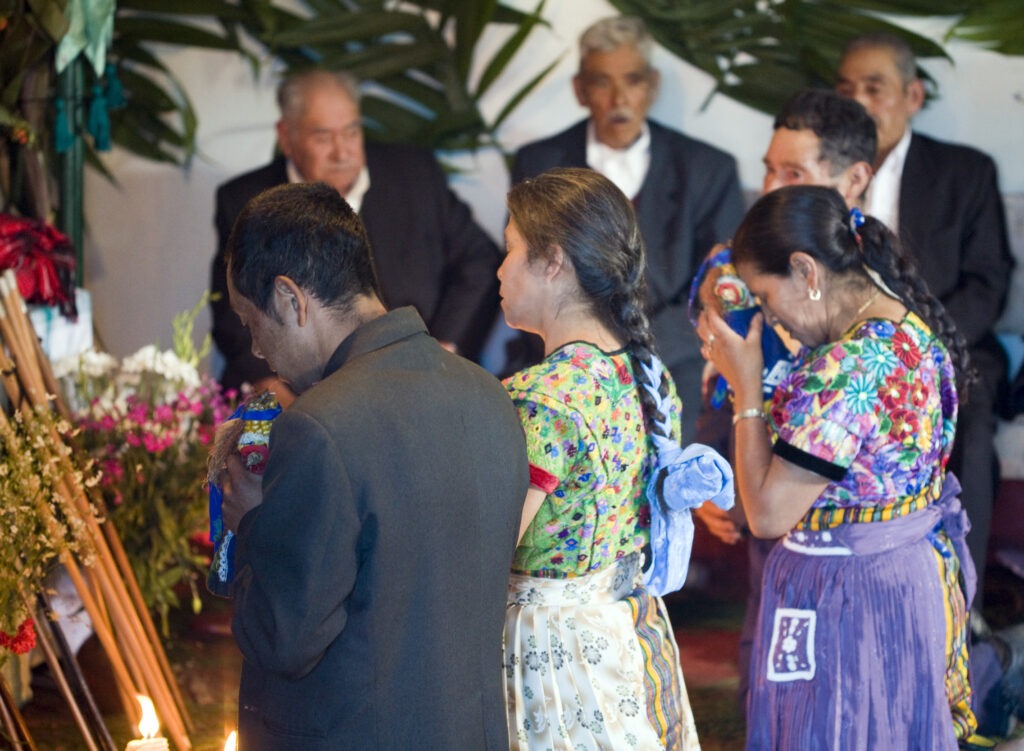
  • Guatemala: Nan Pa’ch Ceremony
    The Nan Pa’ch is a sacred Maya ritual performed to give thanks for the maize harvest. The ceremony features dances, prayers, and offerings, highlighting the deep spiritual connection between the Maya people and the land that sustains them.

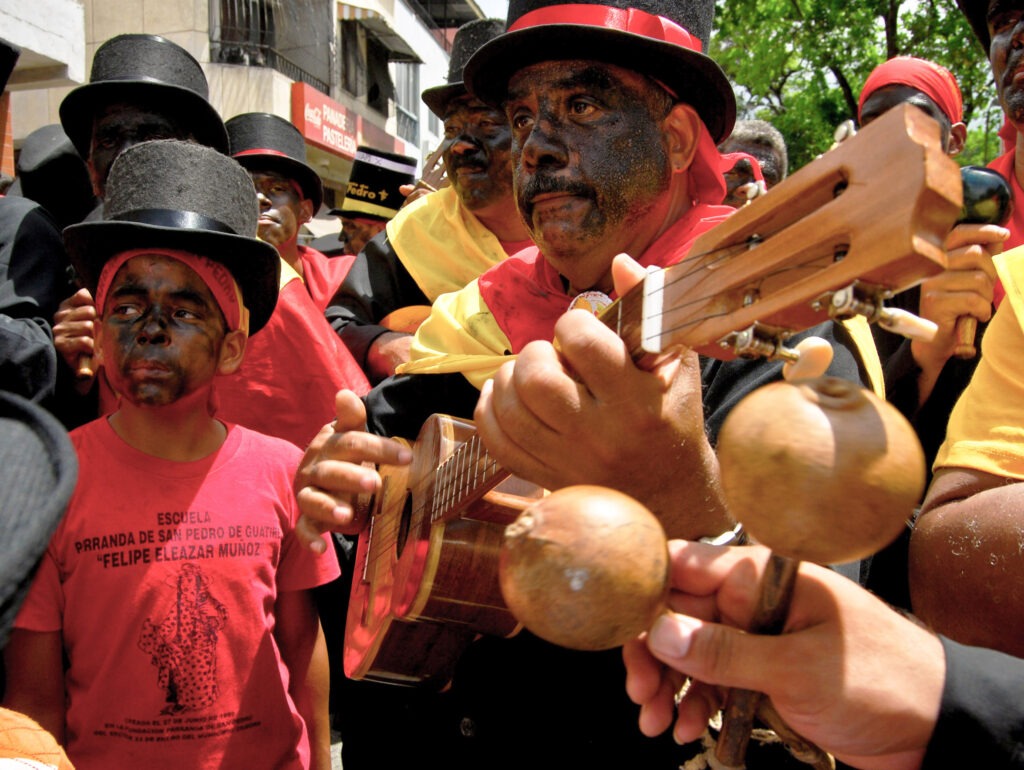
  • Venezuela (Bolivarian Republic of): San Pedro Parranda
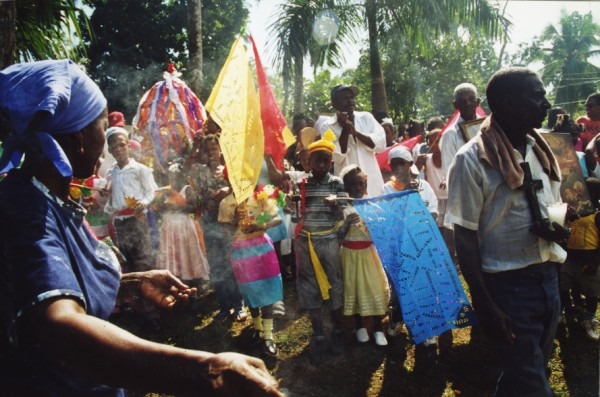
    This joyous celebration in the town of Guarenas and Guatire honors Saint Peter with a lively parade. Participants dress in bright costumes and carry wooden dolls of the saint, accompanied by traditional music and dances.

Guatemala: Nan Pa'ch Ceremony
Venezuela (Bolivarian Republic of): San Pedro Parranda

2014

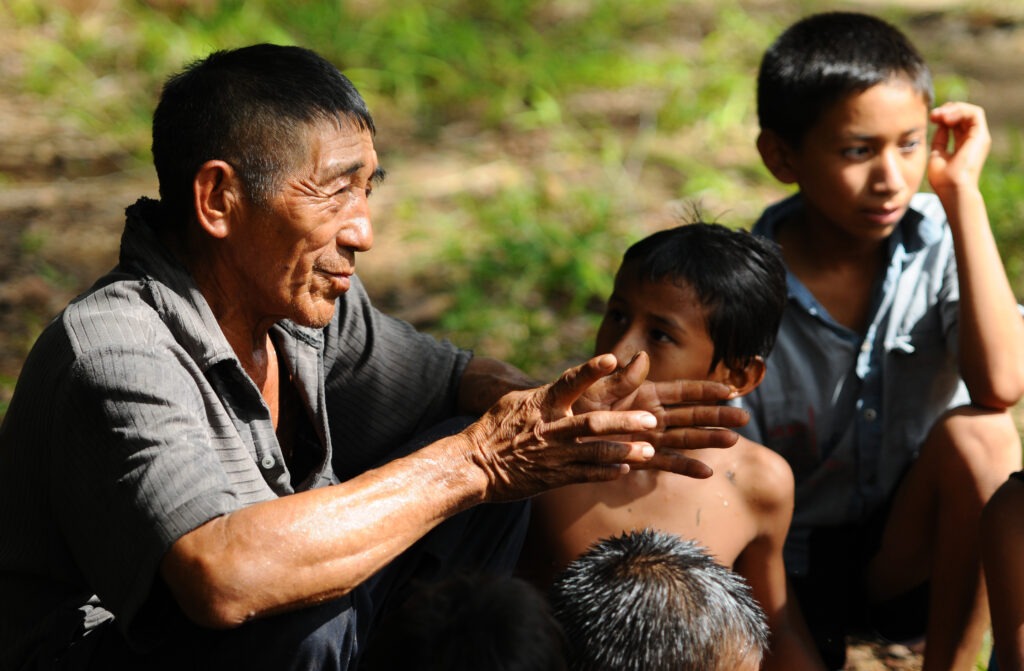
    • Venezuela (Bolivarian Republic of): Mapoyo Oral Tradition
      The Mapoyo people, an indigenous group in Venezuela, have passed down their history, values, and cultural identity through oral storytelling. This tradition preserves their connection to the land and reinforces the importance of the spoken word in maintaining cultural continuity.

    • Guadeloupe: Gwoka
      Gwoka is a music and dance tradition deeply rooted in Guadeloupe’s history of resistance and survival. With African rhythms at its core, Gwoka is a form of expression and resilience, evolving from plantation slavery to become a celebration of cultural identity.

Venezuela (Bolivarian Republic of): Mapoyo Oral Tradition
Guadeloupe: Gwoka

2015

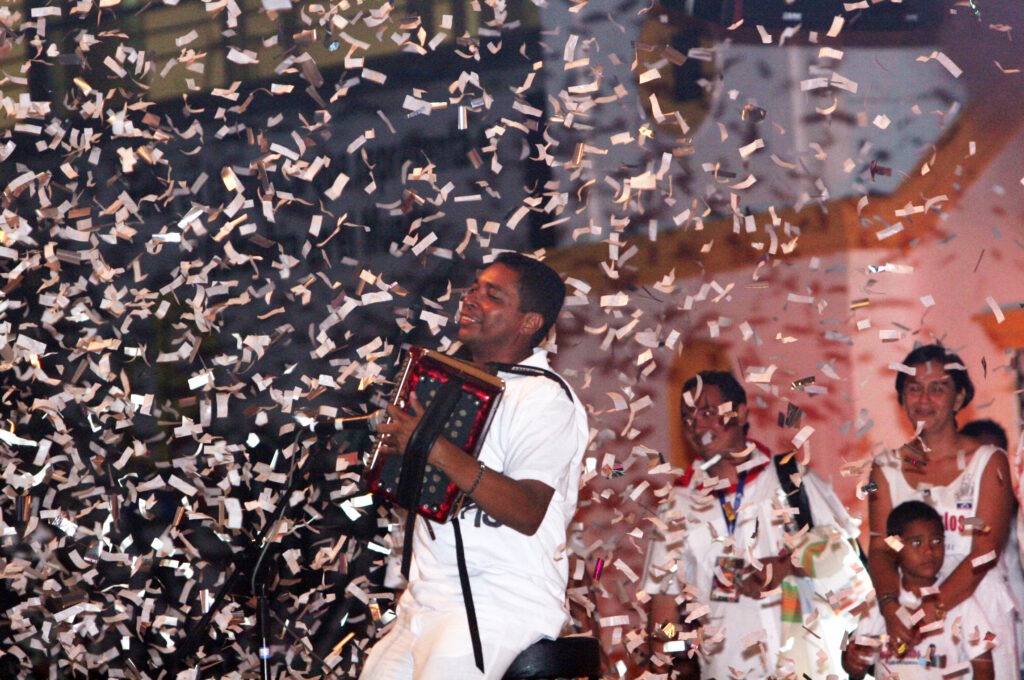
  • Colombia: Vallenato Music
    Vallenato, a genre born in the rural regions of Colombia, tells stories of love, betrayal, and everyday life. Featuring instruments like the accordion and caja, vallenato is known for its poetic lyrics and deep emotional resonance within Colombian culture.

  • Venezuela (Bolivarian Republic of): Curagua Fiber Weaving
    The craft of transforming curagua fibers into intricate textiles has been passed down for generations in Venezuela. This artisanal tradition not only preserves cultural identity but also sustains rural communities through the production of textiles used for clothing and other goods.

Colombia: Vallenato Music
Venezuela (Bolivarian Republic of): Curagua Fiber Weaving

From musical traditions that capture the soul of a people to sacred ceremonies that honor the land and the divine, the years from 2012 to 2015 saw the recognition of some of the Caribbean’s most vibrant and deeply rooted cultural elements. These practices keep the region’s spirit alive, passed down through generations. Join us in the next article, where we will explore the period from 2016 to 2019, a time of even more cultural acknowledgments from UNESCO.

The Roots of Caribbean Intangible Heritage (2008-2013)

From 2008 to 2011, several Caribbean cultural elements were recognized as intangible cultural heritage by UNESCO. This recognition emphasized the region’s rich traditions, many of which are a testament to its diverse history, from indigenous customs to the impact of African, European, and other influences.

2008

  • Nicaragua: El Güegüense
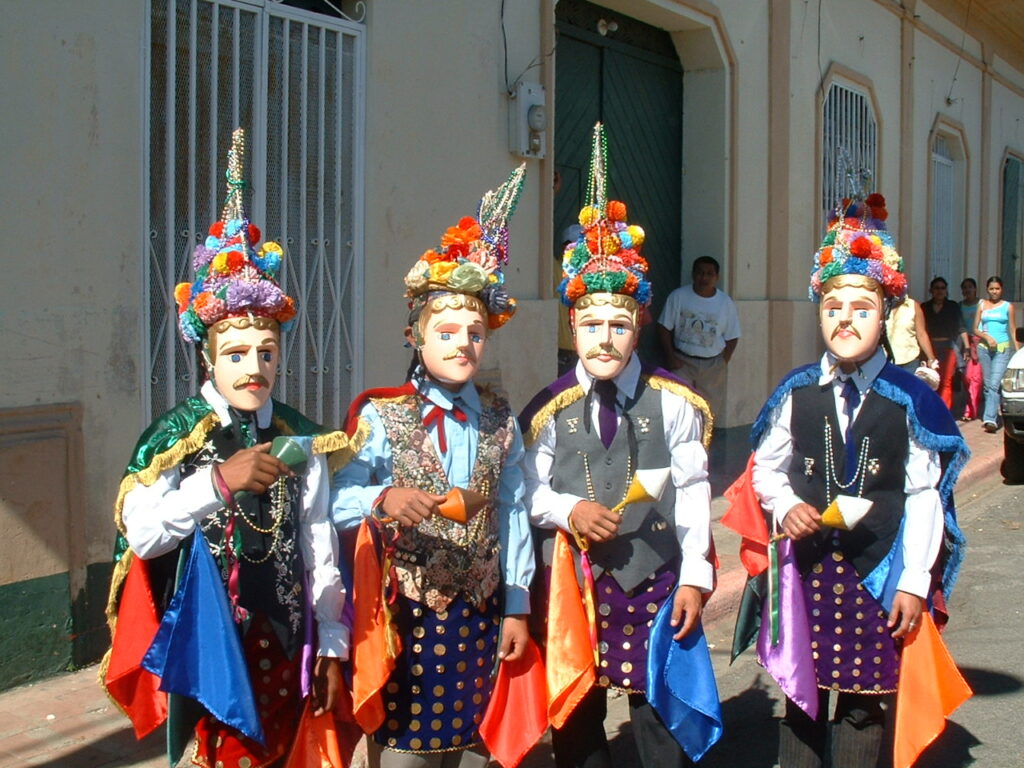
    One of the oldest theatrical performances in the Americas, El Güegüense is a satirical drama that blends indigenous and colonial Spanish elements. It reflects Nicaraguan resistance to colonial rule and is celebrated for its witty dialogue, vibrant costumes, and musical accompaniment.

  • Dominican Republic: The Fraternity of the Holy Spirit of Villa Mella
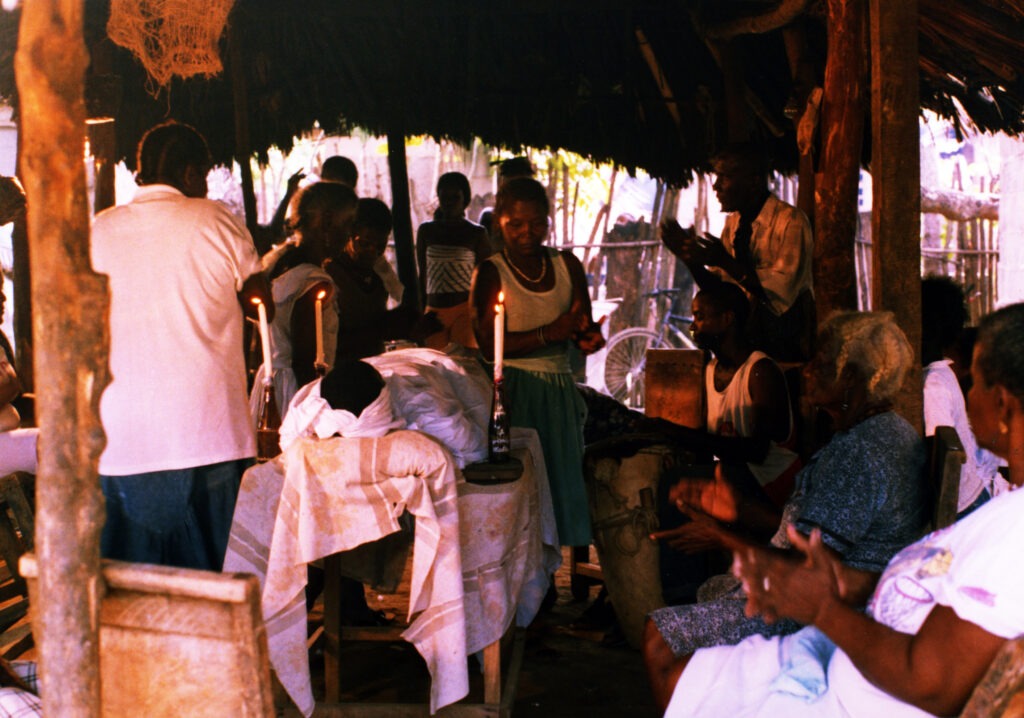
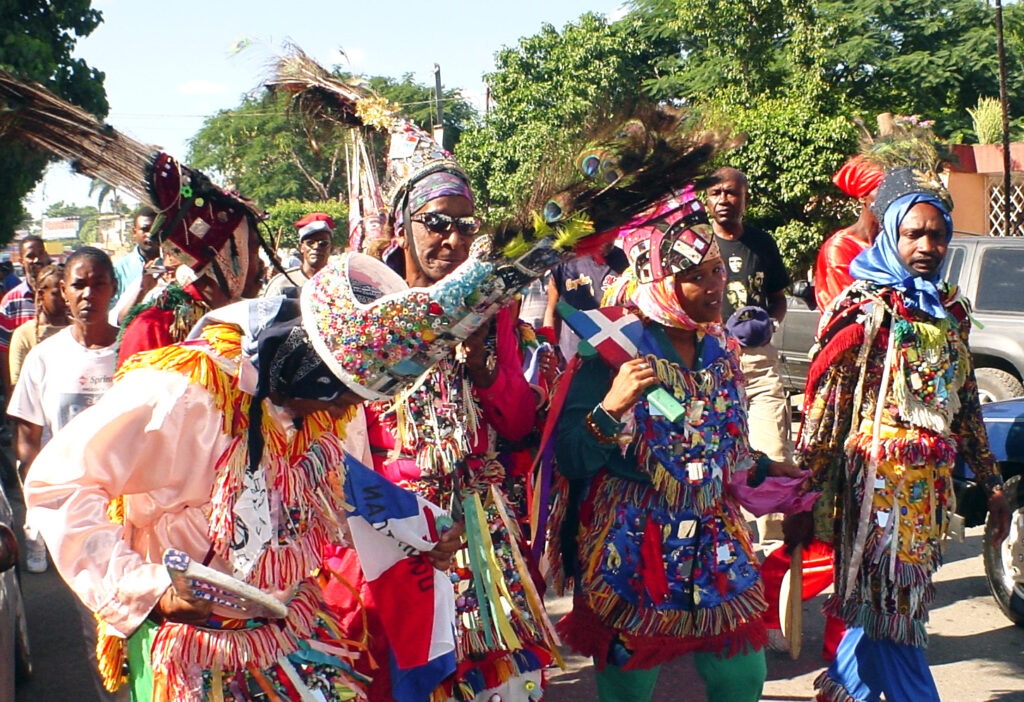
    This religious brotherhood maintains African cultural practices in the Dominican Republic through its vibrant processions and rituals. The Fraternity’s performances of sacred music and the use of traditional instruments, such as the congos, are vital to the preservation of African cultural identity in the Caribbean.

  • Colombia: Palenque de San Basilio
    Recognized as the first free town of enslaved Africans in the Americas, San Basilio preserves its unique language, customs, and traditions. Its residents have managed to keep their African roots alive, making it a significant cultural and historical site in Colombia.

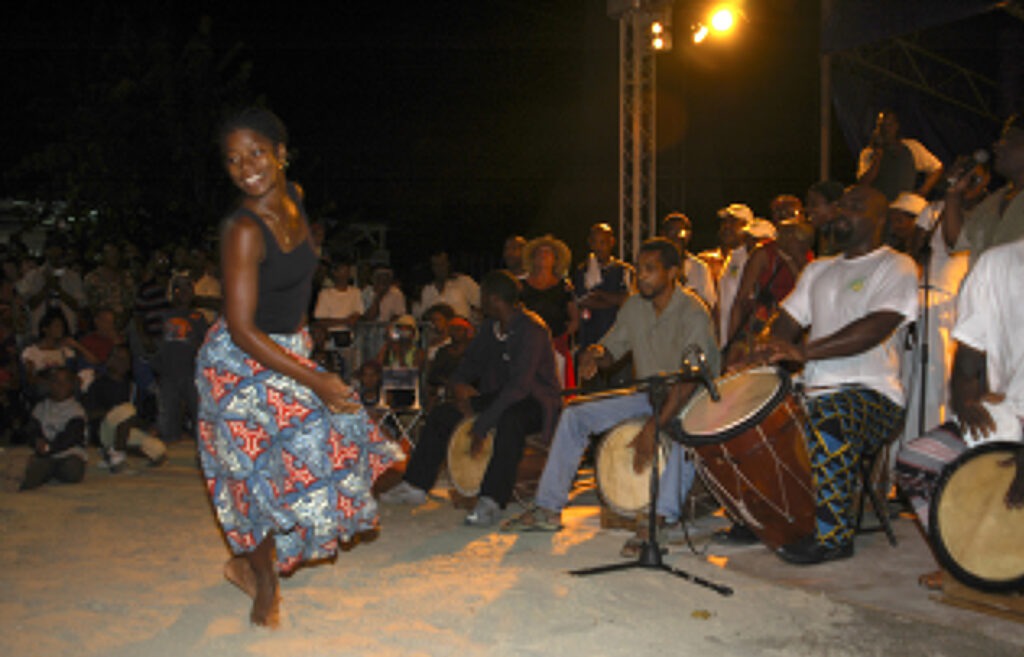
  • Belize, Guatemala, Honduras, Nicaragua: Garifuna Language, Dance, and Music
    The Garifuna people, descendants of indigenous Carib and Arawak populations mixed with Africans, have a rich cultural tradition. Their language, music, and dance embody their struggles and resilience, especially their punta music, a vibrant expression of their identity.

Nicaragua: El Güegüense
Dominican Republic: The Fraternity of the Holy Spirit of Villa Mella
Colombia: Palenque de San Basilio
Belize, Guatemala, Honduras, Nicaragua: Garifuna Language, Dance, and Music
  • Dominican Republic: Cocolo Dance Theatre
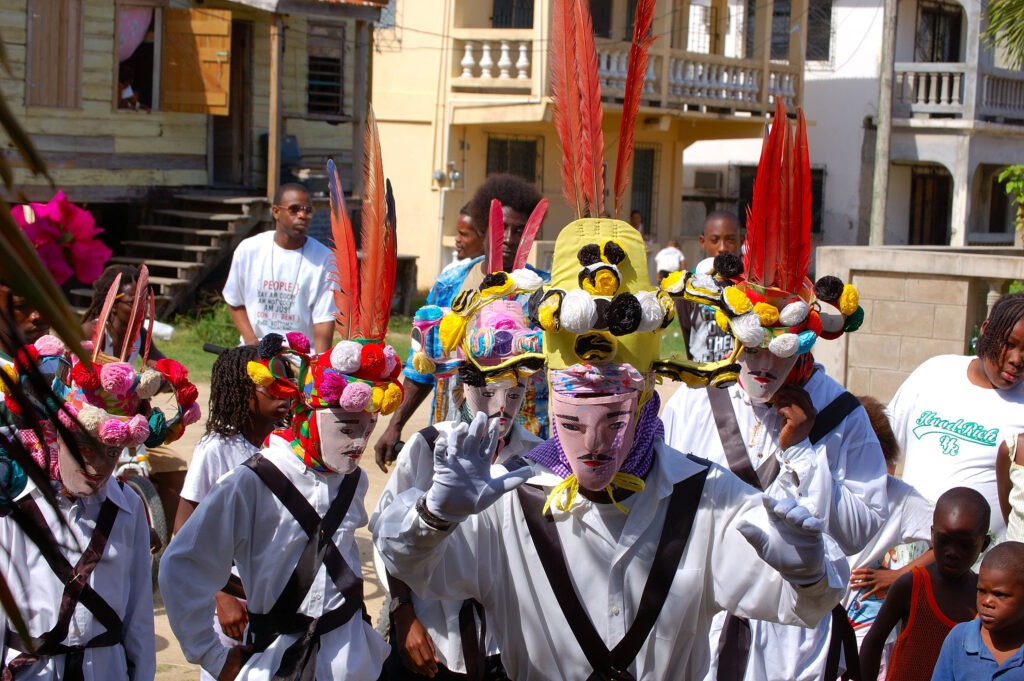
    The Cocolo dance theatre tradition originated among the descendants of British Caribbean slaves in the mid-19th century. This vibrant cultural expression blends African and European elements and is celebrated through annual performances during Christmas and Carnival.

  • Guatemala: The Rabinal Achí Dance Theatre Tradition
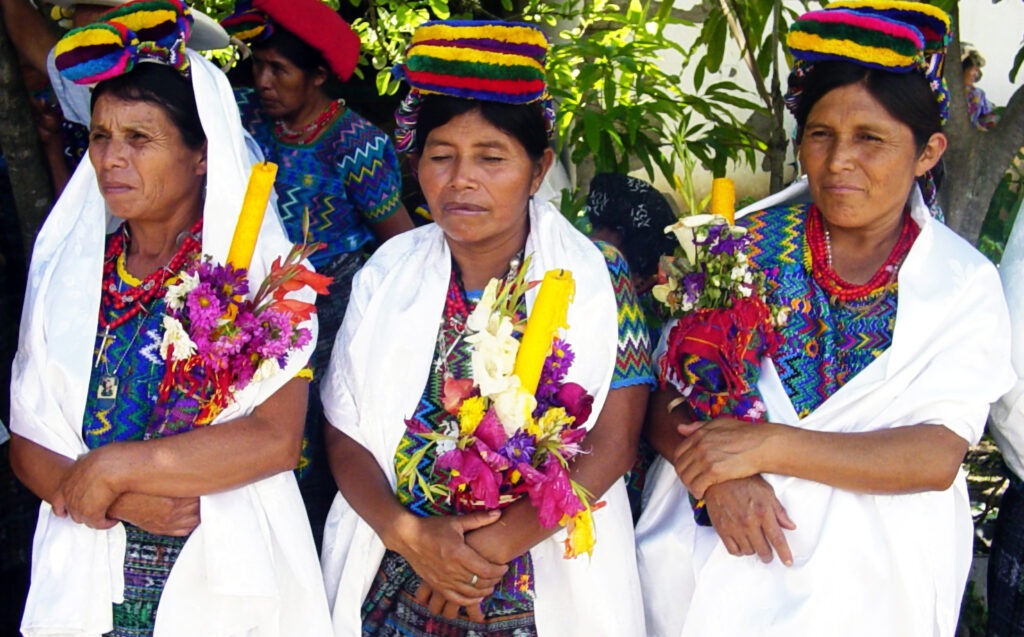
    The Rabinal Achí is a 15th-century Maya dynastic drama that reflects pre-Hispanic traditions and is presented through masked dances and theatrical performances. Danced annually on January 25th for Saint Paul, it connects the living with their ancestors, emphasizing cultural heritage and continuity.

  • Cuba: The Tumba Francesa Dance Tradition
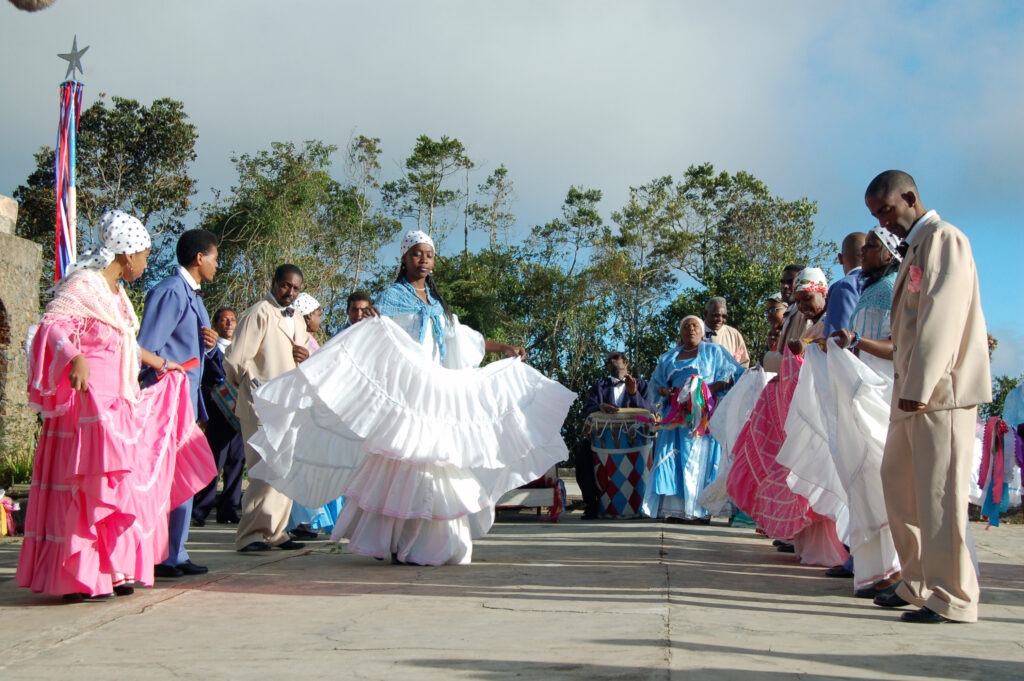
    The Tumba Francesa, meaning “French drum,” is a dance, song, and drumming style imported to Cuba by Haitian slaves in the 1790s and reflects the Afro-Haitian heritage of the Oriente province. It is characterized by a fusion of Dahomey music from West Africa and traditional French dances, featuring vibrant performances led by a singer and accompanied by distinct hand-played drums and dancers in colonial-style dresses.

  • Colombia: The Barranquilla Carnival
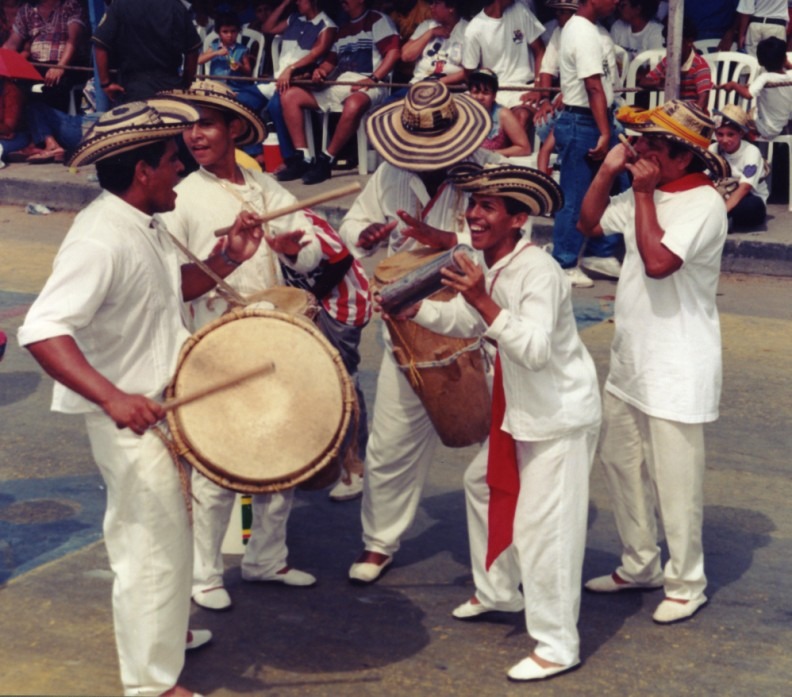
    The Barranquilla Carnival, celebrated annually for four days before Lent, features a vibrant mix of dances and music from various Colombian cultures, reflecting the city’s rich heritage. This fusion of indigenous, European, and African traditions is showcased through lively performances, colorful costumes, and satirical songs that engage the community and celebrate contemporary life..

Dominican Republic: Cocolo Dance Theatre
Guatemala: The Rabinal Achí Dance Theatre Tradition
Cuba: The Tumba Francesa Dance Tradition
Colombia: The Barranquilla Carnival
  • Mexico: Indigenous Festivals Dedicated to the Dead
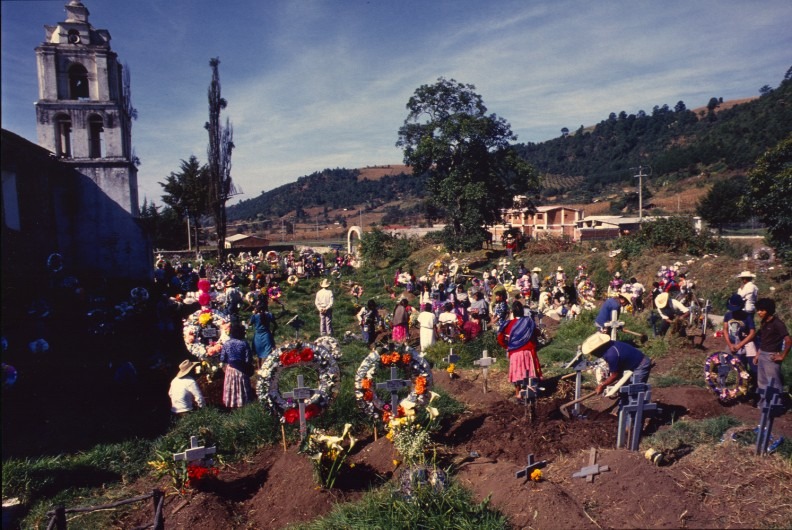
    El Día de los Muertos (Day of the Dead) is celebrated by indigenous communities in Mexico as a way to honor the temporary return of deceased loved ones, with festivities occurring from late October to early November. Families prepare altars with offerings and favorite foods of the departed, reflecting a blend of pre-Hispanic and Catholic traditions that strengthens community ties and cultural identity.

  • Jamaica: The Traditions of the Maroons of Moore Town
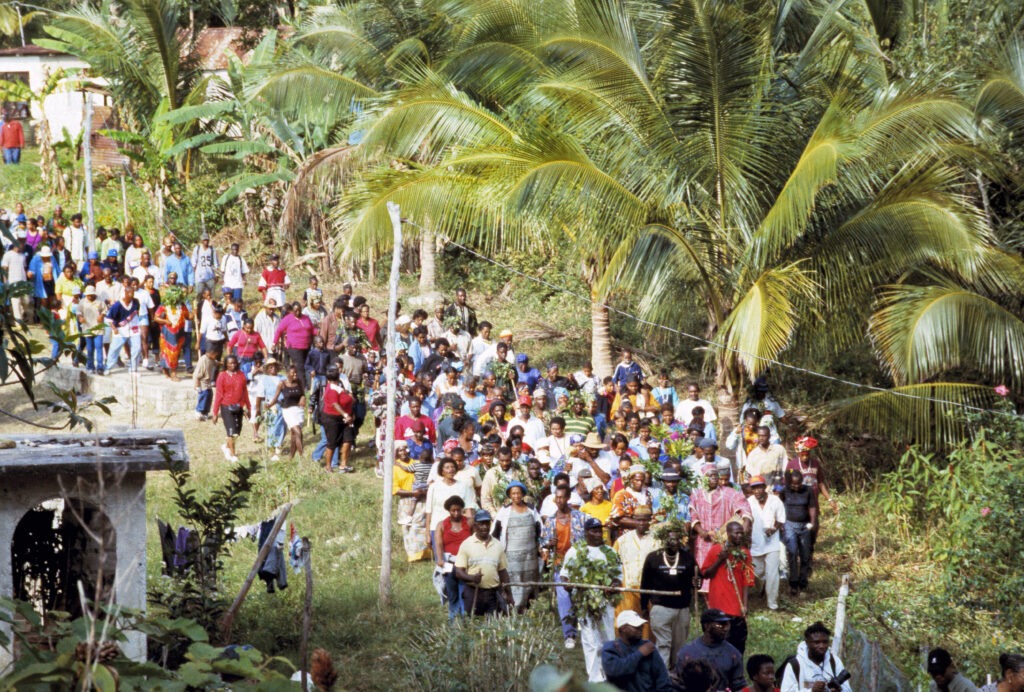
    The Maroons of Moore Town, descendants of escaped enslaved Africans, have preserved a unique cultural heritage that includes the Kromanti Play, a blend of African traditions expressed through dance, music, and rituals honoring their ancestors. Despite facing opposition from missionaries and economic challenges, these traditions remain central to the identity and resilience of the Maroon community.

  • Costa Rica: Pastoral Traditions and Ox-Carts
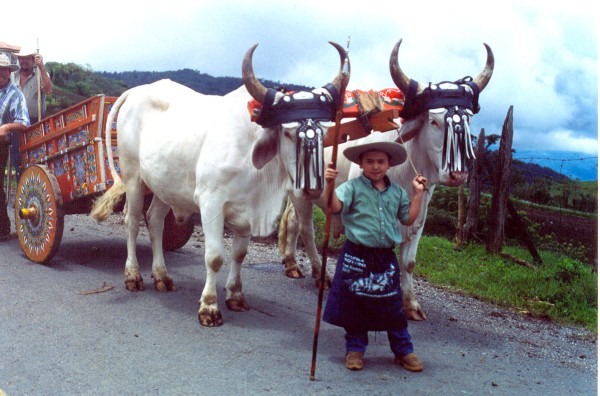
    The traditional ox-cart, known as the carreta, is a celebrated symbol of Costa Rican culture, originally used to transport coffee and adorned with vibrant regional designs. Despite their decline in practical use, these intricately decorated carts remain a cherished representation of the country’s rural heritage and are featured prominently in festivals and parades.

Mexico: Indigenous Festivals Dedicated to the Dead
Jamaica: The Traditions of the Maroons of Moore Town
Costa Rica: Pastoral Traditions and Ox-Carts

2009

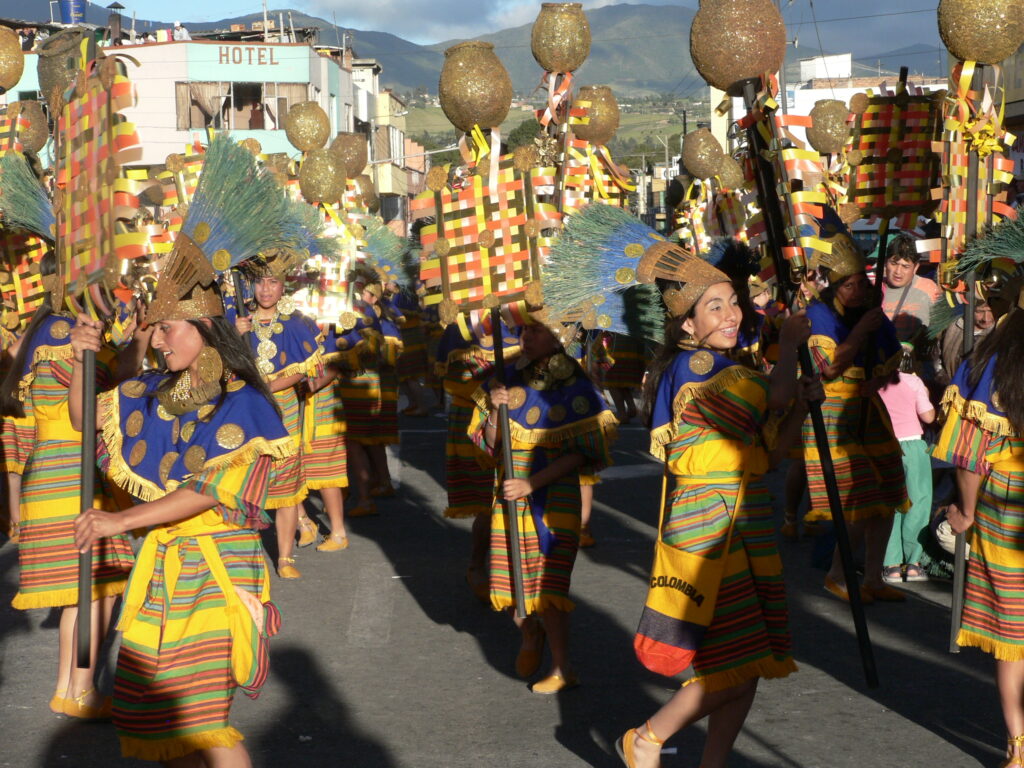
  • Colombia: Carnaval de Negros y Blancos
    Celebrated in the city of Pasto, this carnival brings together people of different ethnicities to celebrate cultural diversity. It symbolizes the unity of all races and features colorful parades, elaborate costumes, and traditional dances.

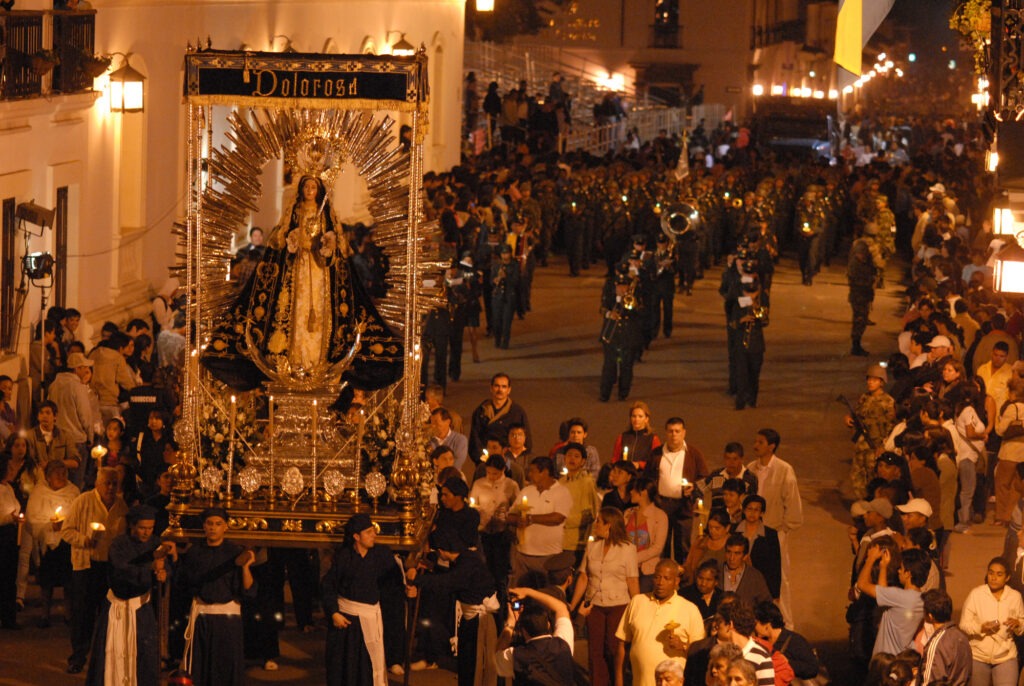
  • Colombia: Processions of the Holy Week in Popayán
    One of the oldest religious traditions in Latin America, these processions are marked by reverence and devotion. Participants carry religious icons through the streets, maintaining a solemn atmosphere as the community honors their faith.

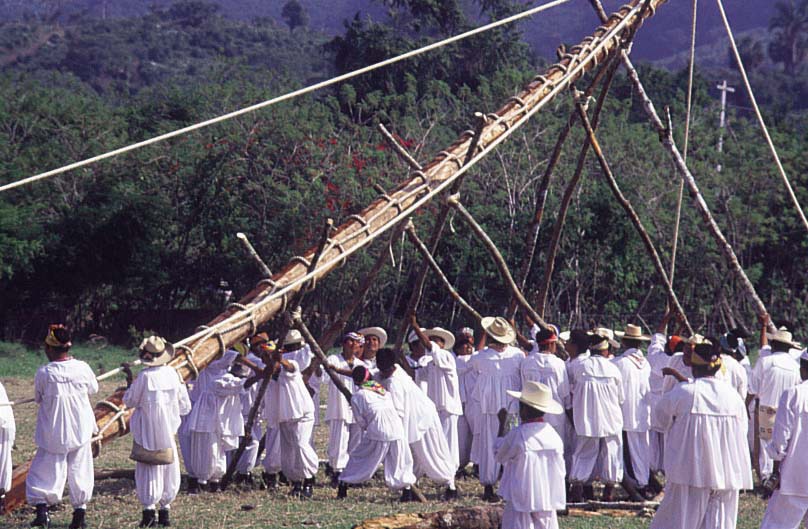
  • Mexico: Ceremony of the Voladores
    This ancient Mesoamerican ritual involves performers climbing a tall pole and spinning towards the ground, mimicking the descent of birds. It is a spiritual act meant to honor the gods and seek blessings for fertility and a good harvest.

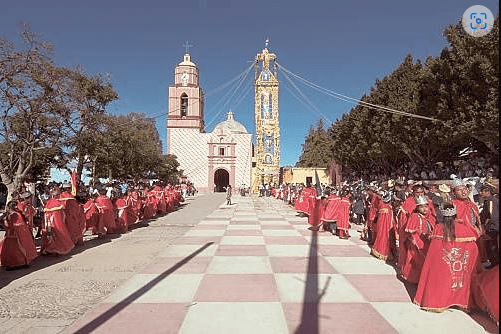
  • Mexico: Otomí-Chichimeca Heritage
    The Otomí-Chichimeca people of Querétaro honor their connection to the land through annual pilgrimages to sacred sites like Peña de Bernal, praying for water and ancestral blessings. Their vibrant traditions and rituals are essential to their cultural identity.
Colombia: Carnaval de Negros y Blancos
Colombia: Processions of the Holy Week in Popayán
Mexico: Ceremony of the Voladores
Mexico: Otomí-Chichimeca Heritage

2010

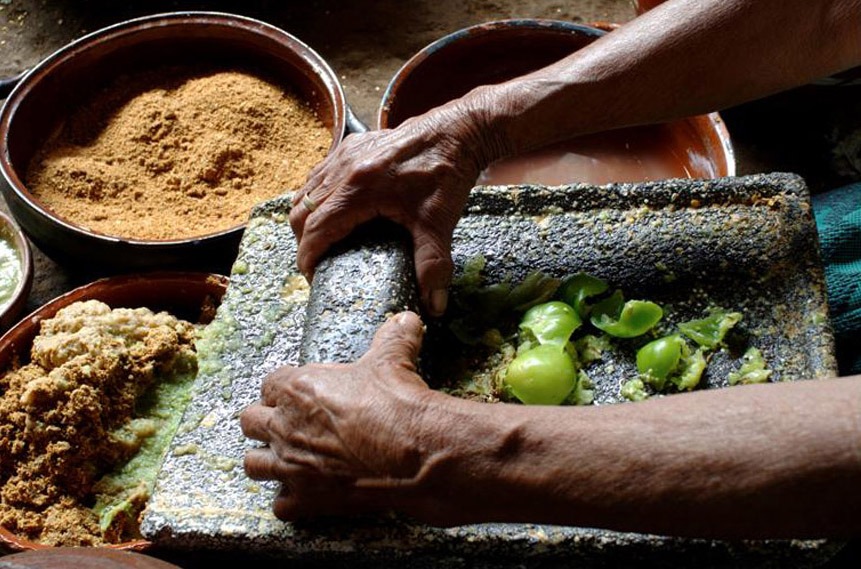
  • Mexico: Traditional Mexican Cuisine
    Recognized for its intricate methods of preparation and the role it plays in community-building, Traditional Mexican Cuisine reflects a harmonious relationship between people and nature. Corn, beans, and chili form the holy trinity of ingredients central to Mexican cuisine.

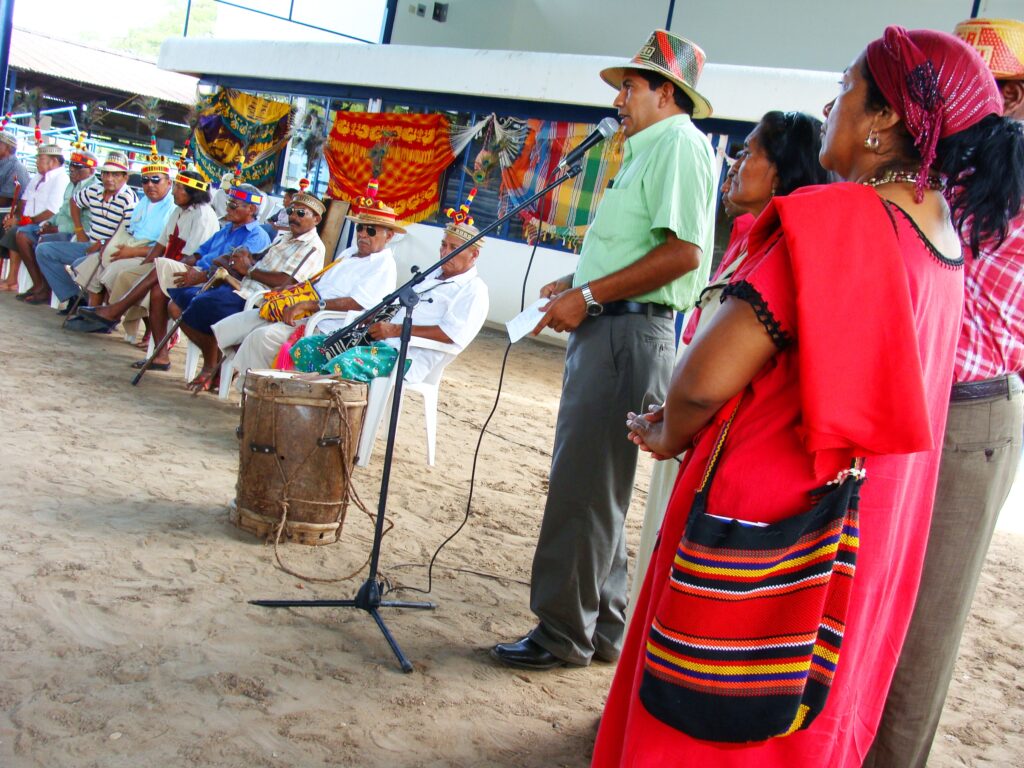
  • Colombia: Wayuu Normative System
    The Wayuu people, an indigenous group in the northern part of Colombia, have maintained their own legal system for centuries. This system promotes conflict resolution through dialogue, with spiritual leaders playing an important role in maintaining harmony within the community.

  • Mexico: Pirekua
    A traditional music genre of the Purépecha people in Michoacán, Pirekua is known for its poetic lyrics that express emotions ranging from love to mourning. Its slow tempo and melodic structure have been passed down through generations as a way of preserving their cultural heritage.
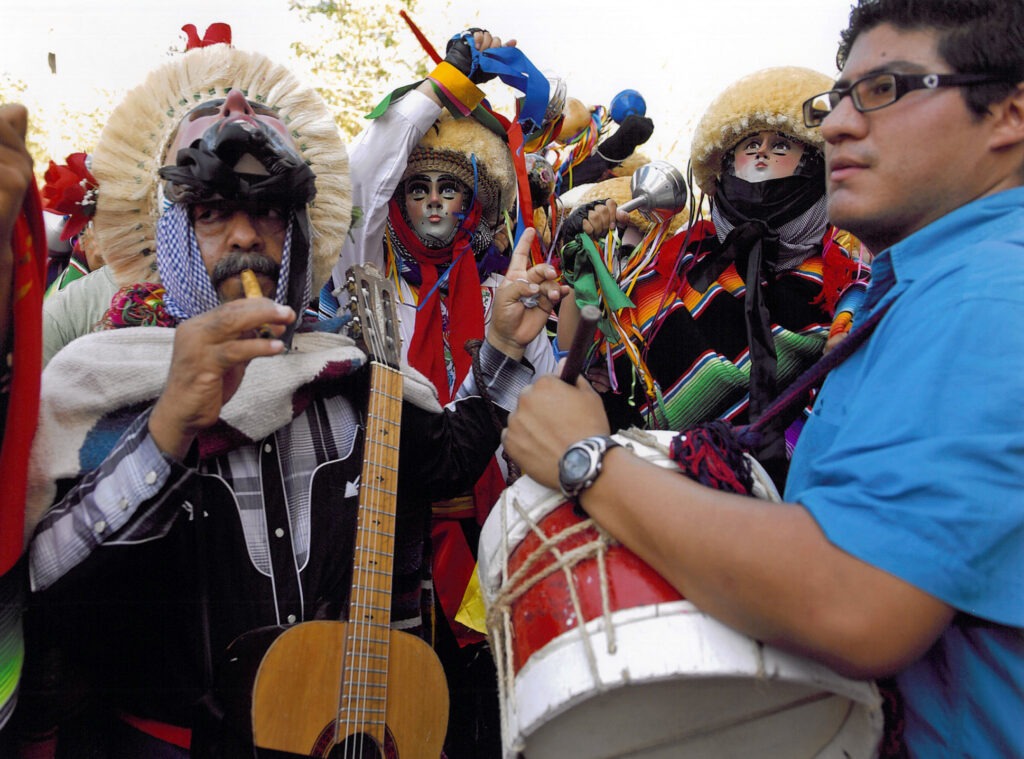
  • Mexico: Parachicos in the Traditional Festival of Chiapa de Corzo
    The traditional festival in Chiapa de Corzo, held annually from January 4 to 23, celebrates three Catholic saints with music, dance, and rituals, particularly honoring Saint Sebastian. The Parachicos dance, performed by masked dancers in colorful attire, serves as a collective offering and fosters mutual respect among the community.
Mexico: Traditional Mexican Cuisine
Colombia: Wayuu Normative System
Mexico: Pirekua
Mexico: Parachicos in the Traditional Festival of Chiapa de Corzo

2011

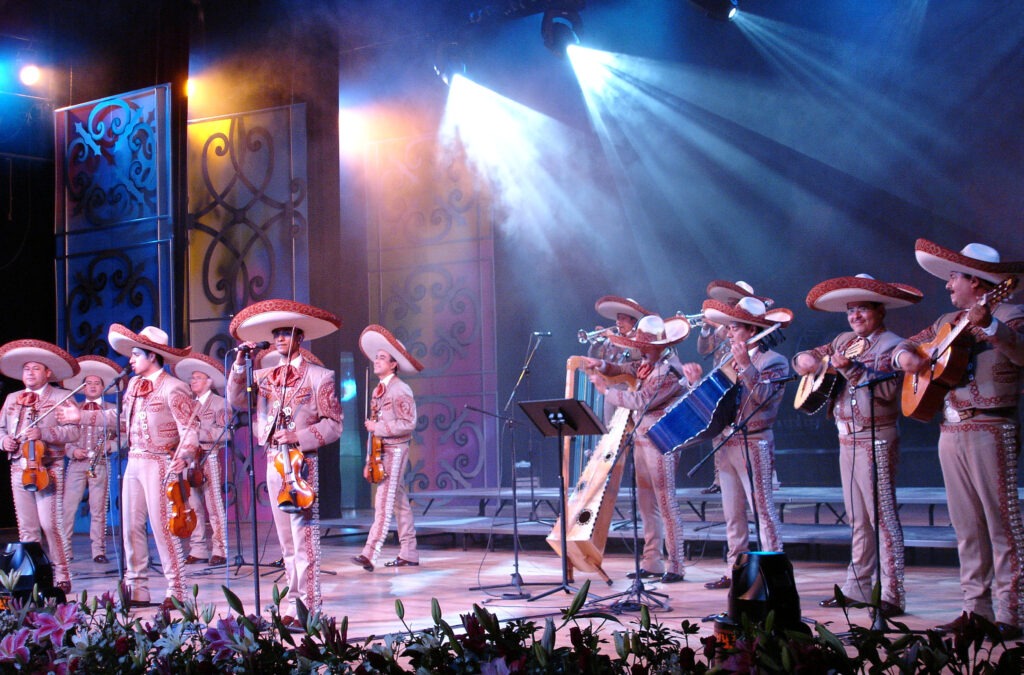
  • Mexico: Mariachi
    One of Mexico’s most recognizable cultural exports, Mariachi music is a blend of Spanish, indigenous, and African elements. It is traditionally performed at celebrations such as weddings, birthdays, and national holidays, with its vibrant rhythms and passionate lyrics captivating audiences worldwide.
  • Colombia: Jaguar Shamans of Yuruparí
    The shamans of the Yuruparí communities play a vital role in maintaining the balance between nature and humanity. Their rituals involve music, storytelling, and offerings to the jaguar, a sacred animal representing strength and wisdom.
Mexico: Mariachi
Colombia: Jaguar Shamans of Yuruparí

From the rich oral traditions of indigenous groups to the lively rhythms of musical performances, these UNESCO-recognized elements highlight the resilience and creativity of Caribbean cultures. In the next article, we will continue our journey, exploring more fascinating traditions recognized between 2012 and 2015.