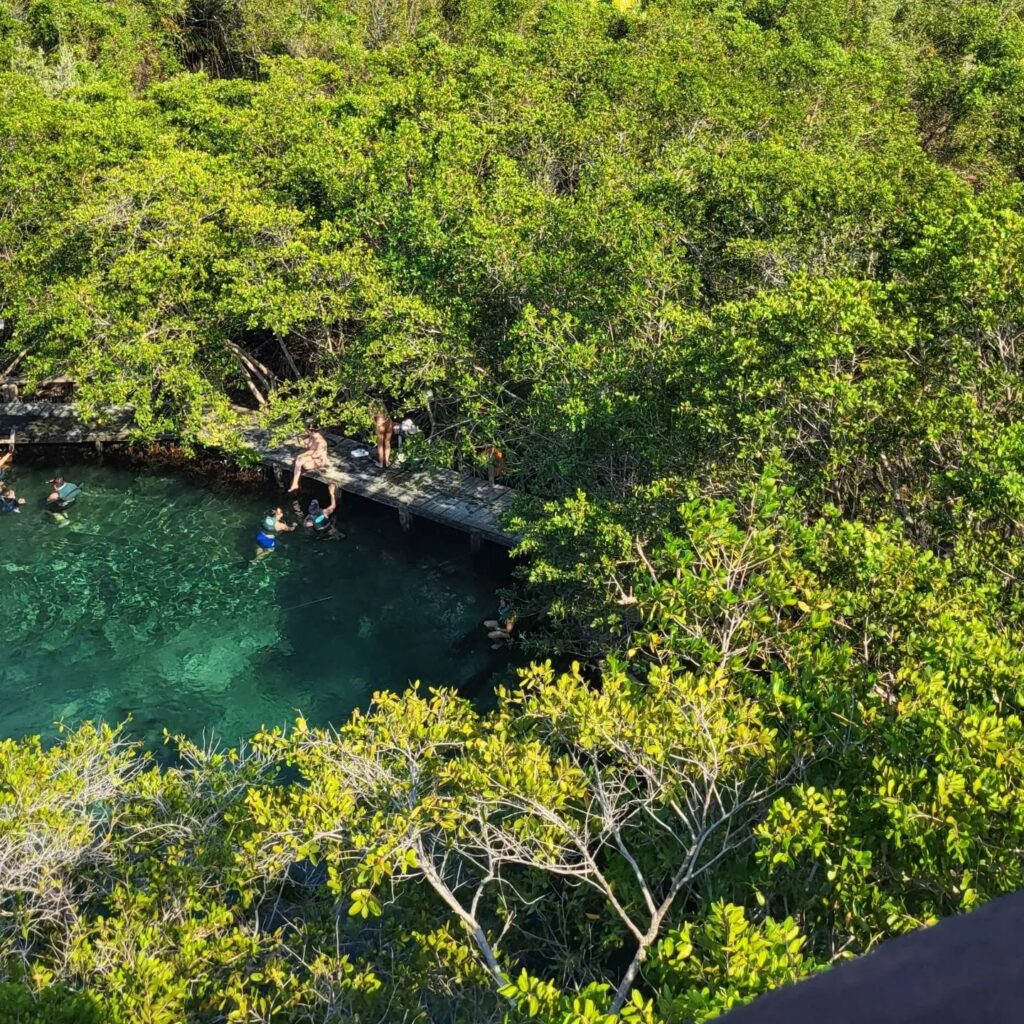
Holbox is one of those places that gives the impression of having remained away from the hustle and bustle of the world. A small strip of land in the north of the Yucatán peninsula, it lives to the rhythm of its sandy streets, its extensive mangroves, its shallow sea and the colors that change every hour of the day. This is not an island that seeks to make an impression, but one that asserts itself through its assumed tranquility.
A timeless island, accessible but unspoilt
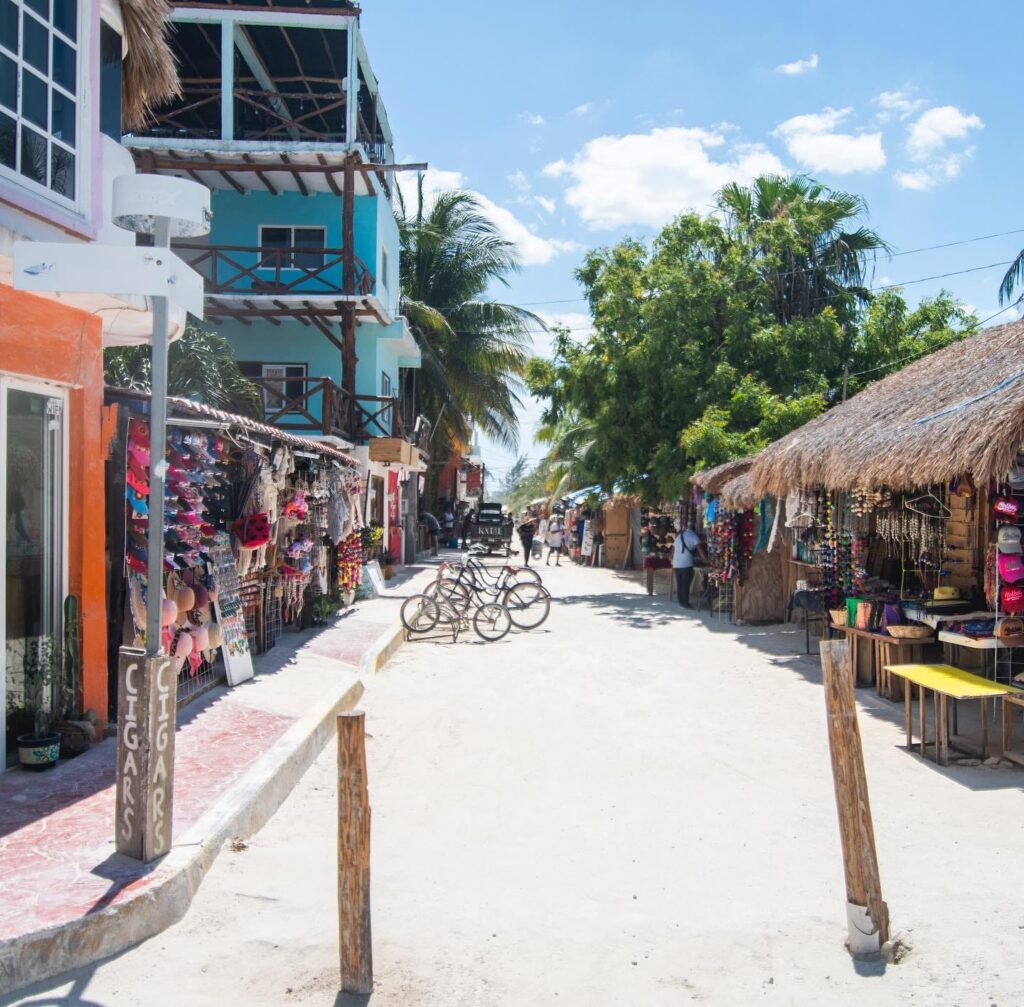
To reach Holbox, you have to reach Chiquilá, then cross a narrow strait by ferry. As soon as you arrive, you’ll notice that there are no cars here. You can get around by golf cart, bicycle or on foot. The soil remains sandy, as if the island had decided not to be tamed. This simplicity creates a special atmosphere: no horns, no traffic, just the sound of the wind, the murmur of the sea and the conversations that rise from the village’s wooden terraces. The island doesn’t offer a break, but a different way of inhabiting a place.
Landscapes that rest the gaze
Holbox’s main beach stretches for kilometers without a break, facing a sea that always seems calm. The water, shallow for several dozen meters, offers a turquoise cameo that slips into softer hues as you move further away from the shore.
Further afield, the mangroves create a world of their own: intertwined roots, birds poised, reflections almost motionless. Flamingos, sometimes present between April and October, add an unexpected touch to these landscapes. The island also bears the memory of the Yum Balam reserve, a protected area covering more than 150,000 hectares and a reminder that nature is the first inhabitant here.
A village that tells the story of an island
The village of Holbox has a real visual unity: colorful facades, murals, small family addresses, fruit stands, wooden terraces, hand-painted signs. Every street reveals a detail: a sleeping cat, a fisherman mending his net, a child crossing with a kite. Street art plays an important role here. Created by local artists or invited to festivals, the frescoes tell of the sea, animals and Mexican mythologies. They are a reminder that the island has chosen gentleness rather than excess, expression rather than performance.
The sea, a discreet but essential companion
In Holbox, the sea is omnipresent. It accompanies walkers in the morning, turns pink at sunset, and carries the boats of the fishermen who leave at dawn. The locals still make their living from local fishing, respecting the seasons and protected areas.
The island is also known for its calm waters, ideal for kayaking, paddle-boarding or simply contemplating. At times, the sea seems so shallow that you might think it’s wavering between a body of water and a mirror of light.
A territory that moves forward with care
Holbox is no longer a secret, but the island is trying to preserve what makes it unique. Inhabitants and local players encourage respectful practices: gentle travel, respect for mangroves, reduction of plastic, support for small family structures.
The Yum Balam reserve sets clear limits to prevent the island from losing its soul. This slow, careful approach is in keeping with the spirit of the island: welcoming, yes, but without denaturing itself.
Holbox, an island on a human scale
At a time when many Caribbean destinations are growing fast, the island remains a place that prefers measure to excess. Accommodations remain close to the ground, streets have no aggressive angles, and the sky retains all the space it deserves.
Highlighting Holbox means choosing to tell the story of an island that has managed to preserve a rare balance: beauty without excess, simplicity without harshness, authenticity without folklore. An island that invites you to walk softly, to look differently and to let time take its rightful place.
A strategic conference in Trinidad and Tobago
The press conference held in Trinidad and Tobago on October 6, 2025, as part of the ACI-LAC 2025 ANNUAL ASSEMBLY – CONFERENCE AND EXHIBITION, brought together the region’s leading airport industry executives. Around Mónica Infante (President of ACI-LAC and CEO of Aerodom), from the Dr. Rafael Echevarne (Managing Director, ACI-LAC) and Hayden Newton (Managing Director, Airports Authority of Trinidad and Tobago), discussions focused on traffic growth, sustainability and the investments needed to support the growth of air transport in the Caribbean and Latin America.
ACI-LAC which stands for Airports Council International – Latin America & Caribbean, is the regional branch of the worldwide airport organization. It represents the interests of 91 members operating over 360 airports in 42 countries and territories in the region.
ACI World confirms record figures
Data released during the ACI-LAC 2025 Annual Meeting show that passenger traffic in Latin America and the Caribbean will reach 789 million passengers by the end of 2025.
The best-performing countries will be :
- – Colombia 105 million (+5.6%)
- – Mexico 191 million (+4.5%)
- – Brazil: 221 million (+2.1%)
The region (Latin America and the Caribbean) is expected to handle nearly 821 million passengers in 2026 according to official ACI World projections. These figures reflect the strength of the post-pandemic recovery and the Caribbean’s growing place in international connectivity.
Long-term forecasts and a global pace
Regional air traffic is expected to reach 1.725 billion passengers by 2053, with an average annual growth rate (CAGR – Compound Annual Growth Rate) of 2.9% over the next thirty years, a rate similar to the global average.
The ACI World report also states that traffic will double between 2024 and 2047, from 758 million to 1.482 billion passengers.
Annual growth projections by sub-region confirm :
- – Mexico: +3.4%, driven by the expansion of its international hubs ;
- – Brazil: +2.4%, sustained by growth in domestic traffic ;
- – Caribbean: +2%, more moderate growth, due to the small size of island markets, their dependence on tourism and the current limitations of inter-island connectivity;
- – Other Latin American countries (excluding Mexico and Brazil) : +3%, thanks to economic diversification and new regional air corridors.
Colossal investments for sustainable growth
Capital expenditure requirements (CAPEX) for the period 2026-2040 amount to US$82.6 billion, of which over US$30 billion will be devoted to the construction of new greenfield airports.
According to data from the ACI-LAC 2025 Annual Meeting, every million additional passengers generates 9,500 jobs and $25 million in GDP, demonstrating the direct economic impact of air transport on the region.
Carbon neutrality and accessibility: regional leadership
On the environmental front, speakers highlighted the results of the Airport Carbon Accreditation (ACA) program at the ACI-LAC 2025 ANNUAL ASSEMBLY.
By September 2025, 621 airports worldwide were certified, including 104 in Latin America and the Caribbean. The region thus ranks second in the world for the number of airports committed to this approach.
This internationally recognized program assesses and rewards airports’ efforts to reduce their carbon emissions, in line with ACI World’s Net Zero 2050 objective.
The other indicator of progress concerns Accessibility Enhancement Accreditation (AEA): of the 47 airports certified worldwide, 17 are in the LAC region. This distinction confirms the role of the Caribbean and Latin America as world leaders in air accessibility for passengers with disabilities.
Connectivity and liberalization: the pillars of the future
Looking beyond the figures, Mónica Infante and Rafael Echevarne stressed the urgent need to strengthen intra-Caribbean connectivity.
For Mónica Infante, the priority is to break down regulatory barriers and create a framework enabling new regional airlines to operate freely.
For his part, Rafael Echevarne reiterated that air transport liberalization is essential to boost competition and reduce costs for passengers.
“Aviation is not just an economic sector, it’s a vital infrastructure for the integration and sustainable development of our territories,” he declared.
Finally, Hayden Newton underlined the Airports Authority of Trinidad and Tobago’s commitment to modernizing infrastructure through biometrics, automated systems and digital innovations.
The ACI-LAC 2025 ANNUAL ASSEMBLY confirmed the dynamic growth, innovation and sustainability of the airport sector in Latin America and the Caribbean.
With solid forecasts, massive investment and a vision focused on carbon neutrality, the region is establishing itself as a model of resilience and transformation in global air transport.
The MAGHIC 2 project, launched in March in Pointe-à-Pitre with the support of the INTERREG Caribbean program, marks a decisive step in the development of a low-carbon maritime sector adapted to the realities of the Caribbean.
At a time when climate issues are calling for far-reaching changes, the Caribbean is asserting its determination to become a pilot region for sustainable maritime transport. It is against this backdrop that FARWIND Energy, a start-up committed to decarbonizing maritime transport, is coordinating the MAGHIC 2 project, with the aim of structuring a genuine industrial and scientific sector around vele propulsion and hydrogen in the region.
Financed with €2.2 million in ERDF funds via INTERREG Caribbean, MAGHIC 2 embodies an alliance between technological innovation, academic research and regional ambition.
Innovative marine propulsion tested under real-life conditions
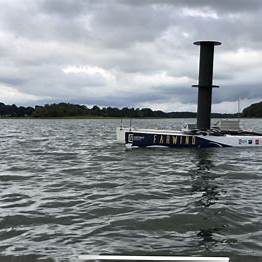
At the heart of the MAGHIC 2 project, the rotor sail developed by FARWIND Energy promises a significant reduction in CO₂ emissions, up to 40% less fuel for ships. This technology, proven in severe maritime environments, opens up concrete prospects for more responsible shipping, in line with European climate objectives and those of the IMO.
But MAGHIC 2 goes further: the project also explores innovative hydrogen storage solutions, both on land and at sea, capable of holding between 10 and 100 tonnes, with reduced land impact. A response to the logistical and energy challenges specific to island geography.
A Caribbean research and industry network to support the transition
One of the project’s strengths lies in its ability to create a regional dynamic around skills and knowledge. FARWIND Energy brings together a network of leading academic institutions:
Caribbean Maritime University (Jamaica)
University of Trinidad and Tobago
Centro Nacional de Investigaciones Cientificas (Cuba)
Universidad Autonoma de Campeche (Mexico)
These establishments will focus their work on the service life of materials and the adaptation of solutions to the specific climatic and maritime conditions of the Caribbean.
On the industrial side, SARA (Société Anonyme de la Raffinerie des Antilles) is joining the project to promote technology transfer and strengthen local skills. The ambition is clear: to structure a sustainable regional ecosystem around low-carbon marine propulsion and the hydrogen industry.
A strategic vision for Caribbean energy sovereignty
By consolidating a base of regional skills and leveraging appropriate technologies, MAGHIC 2 sets the Caribbean on the path to an ambitious and coherent maritime energy transition. The project is helping to build energy sovereignty to enhance the competitiveness and resilience of Caribbean territories.
“This project illustrates an integrated approach combining innovation, industrialization and scientific cooperation, and represents a major step forward for more sustainable shipping,” says Arnaud Poitou, President of FARWIND Energy.
Launched in Guadeloupe, MAGHIC 2 is helping a smarter, bolder Caribbean emerge, capable of inventing its own answers to global energy challenges while making the most of its natural resources, know-how and strategic position.
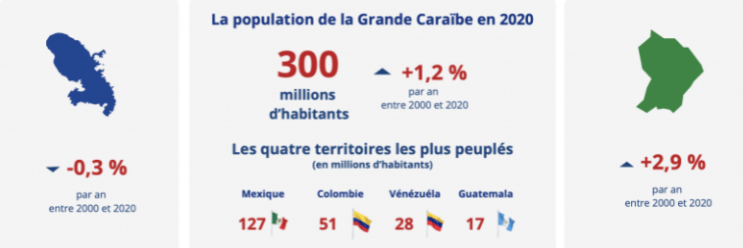
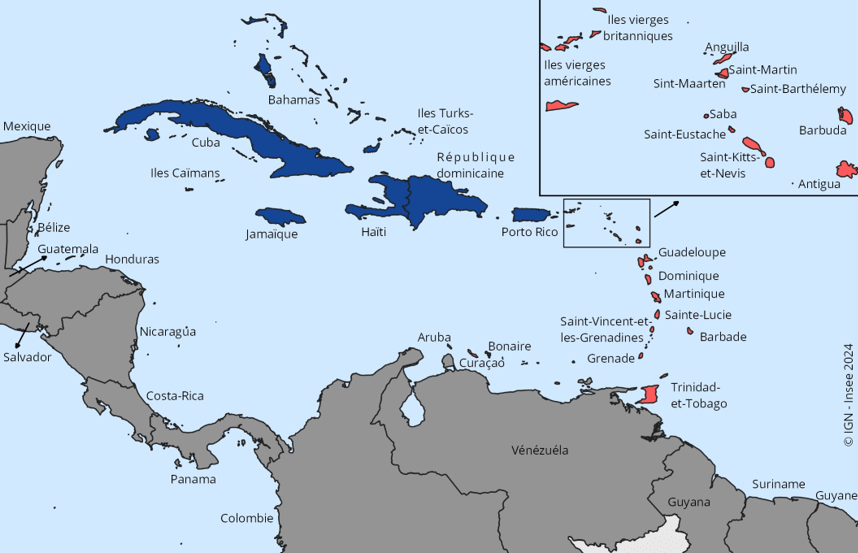
The Greater Caribbean comprising 40 territories, is a true reflection of the demographic dynamics on a global scale. By 2020, the region will be home to over 300 million people, illustrating a marked contrast between a young population and aging trends. This article looks at the challenges and opportunities presented by these Demographic dynamics, while offering a detailed analysis of the demographic realities of this unique region.
Population growth
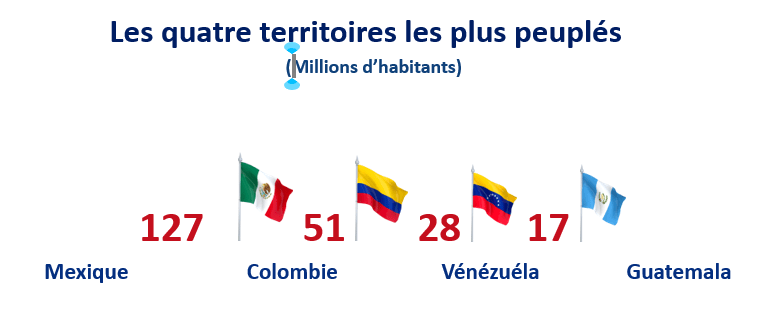
From 2000 to 2020, the population of the Greater Caribbean grew at an average annual rate of 1.2%. This growth is largely attributable to major countries such as the Mexico, Colombia, Venezuela and Guatemala which together make up a significant proportion of the regional population.
- Mexico 127 million inhabitants
- Colombia Population : 51 million
- Venezuela Population : 28 million
- Guatemala Population : 17 million
As economic leaders, these nations also face particular challenges, such as poverty, violence and immigration, which influence their demographic trajectories.
Young" territories and their demographic dynamics
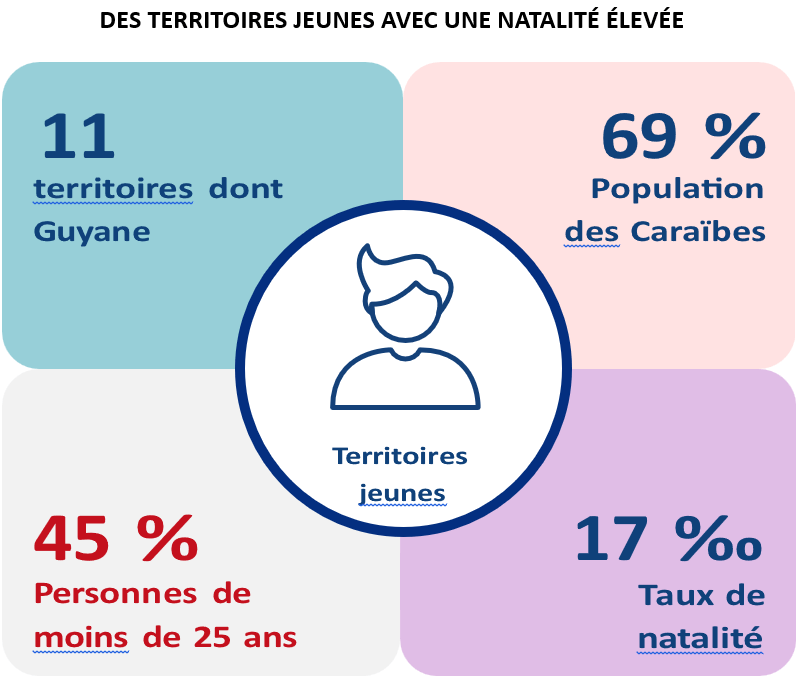
La French Guiana stands out for its high birth rate, reaching 28 ‰, with a fertility index (FCI) of 3.8, well above the renewal threshold. These figures highlight a predominantly young population, with a large proportion of inhabitants aged under 25. This demographic dynamic offers prospects for economic development, provided that jobs are created to meet this population growth.
Young people in Guyanese society
The demographic dynamics structure of French Guiana, which is rich in young people, requires significant investment in education and vocational training. Public policies must focus on creating employment opportunities, improving access to education and promoting health to ensure a promising future for this population.
Aging regions and demographic dynamics
In contrast, the French West Indies – particularly Martinique, Guadeloupe and Saint-Martin – are facing a worrying demographic ageing process. In Martinique, around 30% of the population is over 60, and the aging index is high (1.05). Negative migratory movements exacerbate this situation, leading to challenges in terms of social support and health services.
Consequences of aging
The aging of the population is creating crucial challenges for healthcare and social protection systems. Governments in the French West Indies need to develop strategies to support the elderly, improve healthcare services and attract young families to balance the demographics.
Haiti: a special case in demographic dynamics
Demographic challenges
Haiti stands out for its unique demographic challenges. With one of the highest infant mortality rates in the region (47 ‰) and below-average life expectancy at birth, the country reflects profound inequalities regarding access to healthcare and education. Although its fertility rate is higher than that of many countries in the region, this does not compensate for other indicators of health and well-being.
Inequalities in health
The situation in Haiti is alarming. High infant mortality rates and low life expectancy are often the result of poor access to healthcare, malnutrition and precarious living conditions. Sustained efforts are needed to improve these conditions and offer Haitians prospects.
A fragile economy
Haiti’s already vulnerable economy is exacerbated by these demographic challenges. Widespread poverty and a lack of economic opportunities are driving many young people out of the country, leaving an aging population and a diminished workforce. It is vital to invest in economic and social development programs to foster an environment conducive to growth.
Towards solutions tailored to demographic dynamics
The demographic landscape of the Greater Caribbean poses significant challenges for public policy. Governments need to develop strategies adapted to local realities.
Youth and employment
For young territories like French Guiana, the challenge is to support young people in their career paths and integrate new generations into sustainable employment. Training and apprenticeship programs need to be strengthened to match the needs of the labor market.
Local initiatives
Local initiatives, such as public-private partnerships, can play a vital role in job creation. Companies should be encouraged to invest in training and offer internships to young people to give them valuable experience.
Aging and quality of life
For the French West Indies and Haiti, it is crucial to introduce policies aimed at improving the quality of life of the elderly, while addressing issues of migration and economic support. Governments need to design care programs adapted to the growing needs of this aging population.
Support for seniors
Support for the elderly must not be limited to medical care. It is also essential to promote social inclusion, by offering community activities and leisure programs that foster the mental and emotional well-being of seniors.
The demographic dynamics of the Greater Caribbean are both an asset and a challenge. Decision-makers need to engage in collective reflection to adapt public policies to the specific needs of each territory. By taking these diverse issues into account, the region can look forward to a future in which all its inhabitants, young and old alike, can flourish.
Summary of Demographic Dynamics
- Youth Guiana and other young territories boast a high birth rate and potential for economic development.
- Aging The French West Indies are faced with an aging population, requiring investment in health and social support.
- Special case Haiti, with its unique challenges, requires special attention to improve living conditions.
Celebrating the Caribbean’s Cultural Diversity
Between 2020 and 2023, UNESCO continued to recognize the Caribbean’s rich intangible cultural heritage, celebrating traditions that showcase the region’s diversity and vibrant history. These recognitions by UNESCO reveal the deep cultural practices and customs that have survived generations, connecting the past with the present. This article focuses on the elements honored during this period, highlighting their significance to the Caribbean identity.
2020
Martinique: The Yole as a Heritage Preservation Model
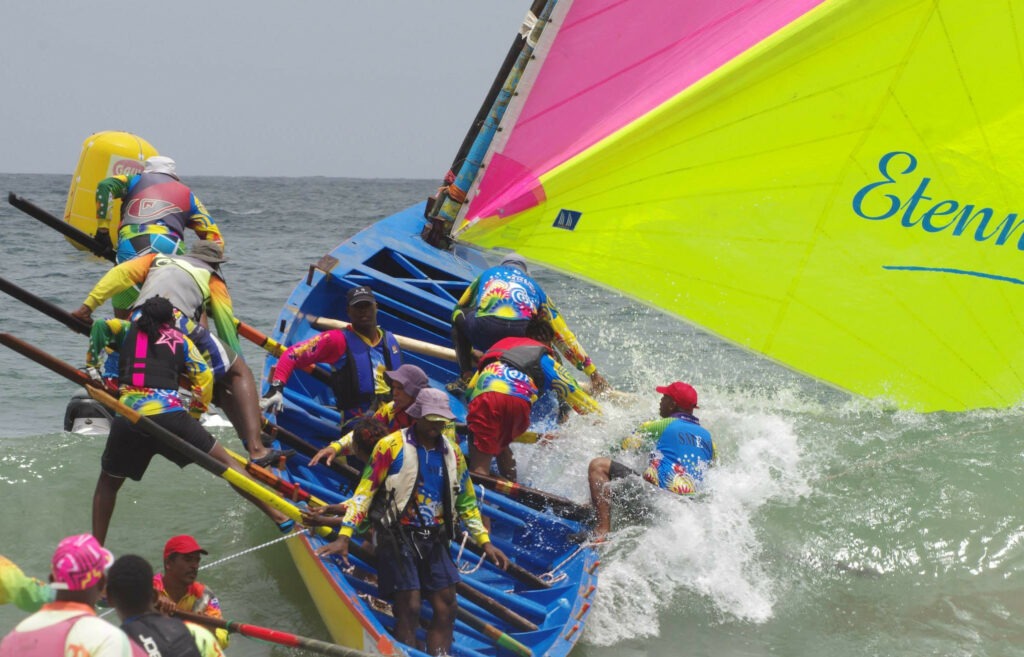
For UNESCO, the yole of Martinique, a traditional lightweight boat, symbolizes the region’s maritime history and has become a focal point for heritage preservation initiatives aimed at maintaining local craftsmanship and community ties in the face of modernization.
Colombia: Traditional Knowledge and Techniques of Mopa-Mopa Varnish
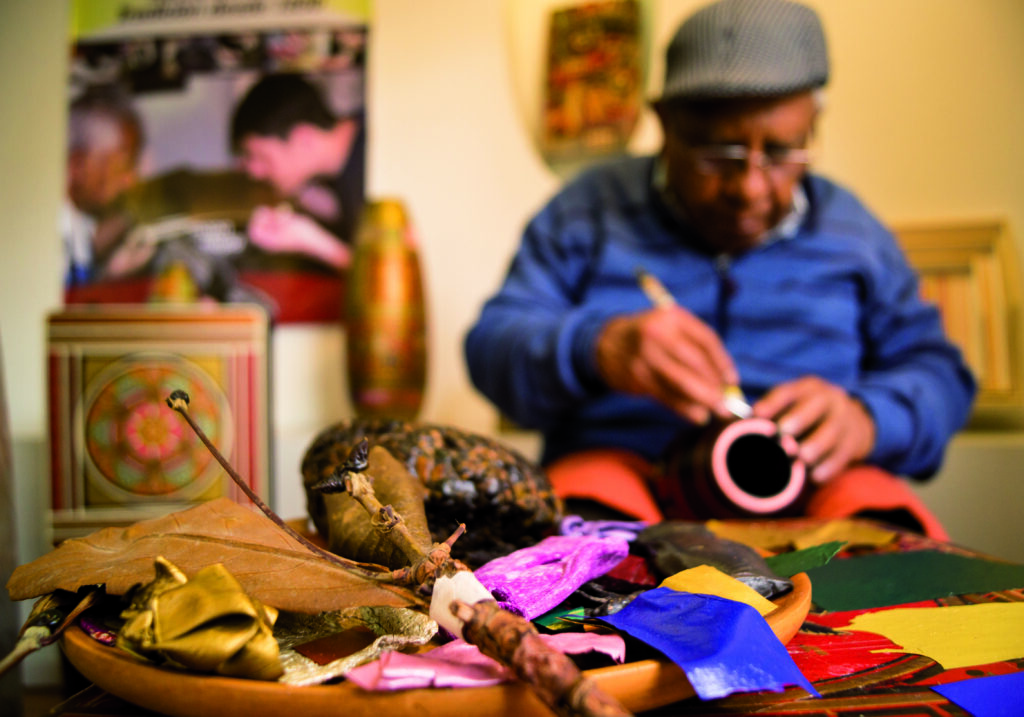
The traditional knowledge and techniques of mopa-mopa varnish from Putumayo and Nariño involve the intricate processes of harvesting mopa-mopa buds, woodworking, and decorative varnishing, representing a vital cultural identity for communities, yet facing urgent threats from globalization, deforestation, and declining practitioners.
2021
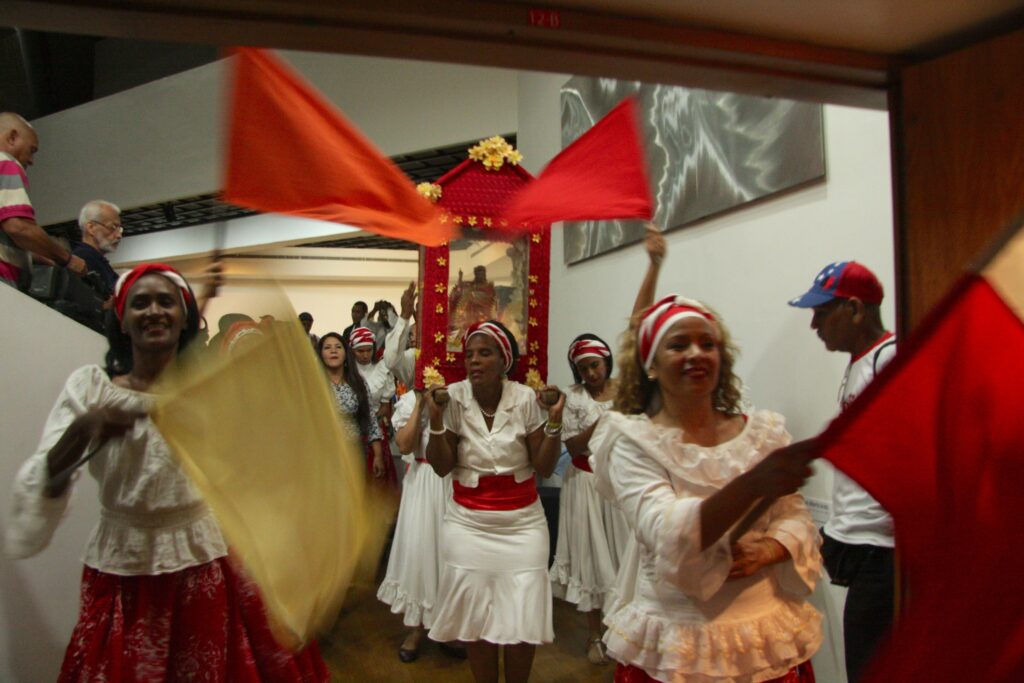
Venezuela: The Festivities of Saint John the Baptist
For UNESCO, the Venezuelan celebrations of Saint John the Baptist, rooted in 18th-century Afro-Venezuelan communities, blend Catholic influences with rich African verbal, musical, and physical expressions, serving as a powerful symbol of cultural resistance and remembrance of enslaved ancestors.
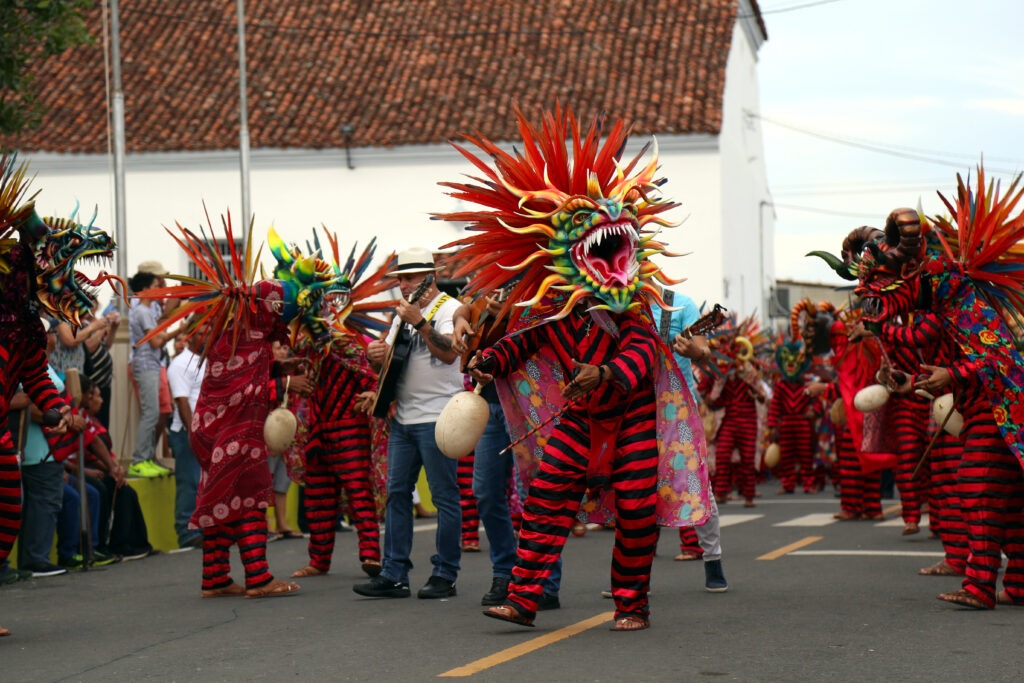
Panama: The Dance and Expressions of Corpus Christi
The Corpus Christi festival in Panama is a vibrant religious celebration that merges Catholic tradition with popular festivities, featuring theatrical performances, lively music, and colorful dances, symbolizing the struggle between good and evil while fostering community involvement and cultural transmission.
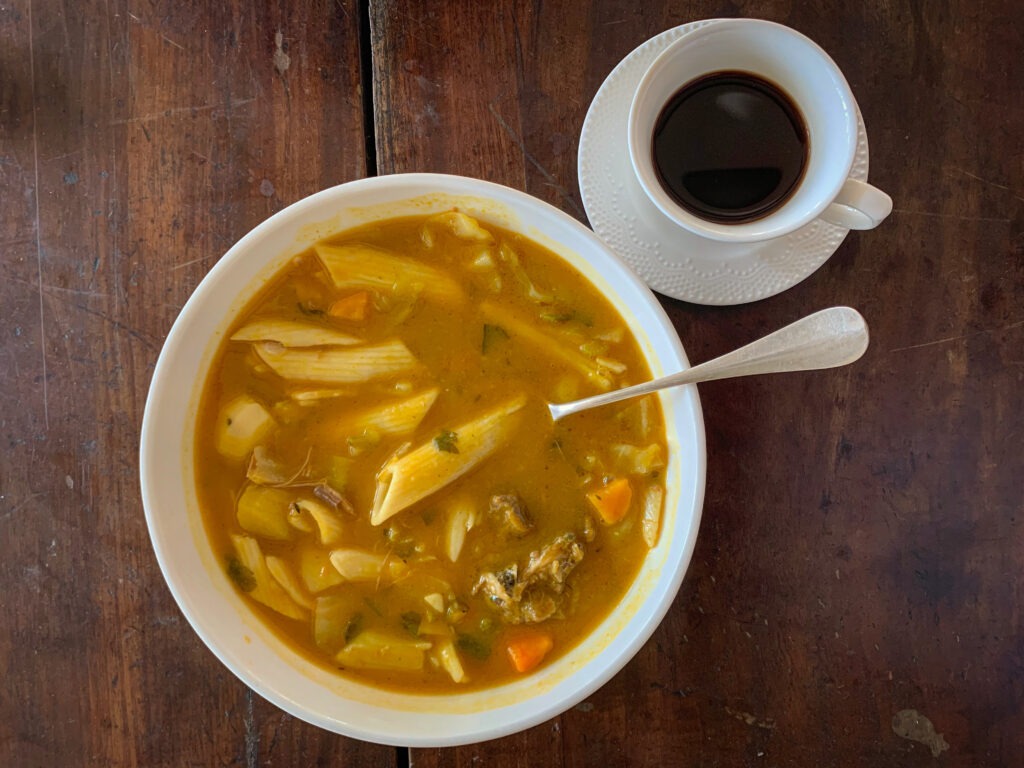
Haiti: Soup Joumou
For UNESCO, Soup Joumou, a traditional Haitian pumpkin soup, is not only a festive dish deeply embedded in Haitian identity but also a symbol of freedom and resilience, historically reserved for slave owners and now celebrated as a community unifier, especially on January 1st, Haiti’s Independence Day.
2022
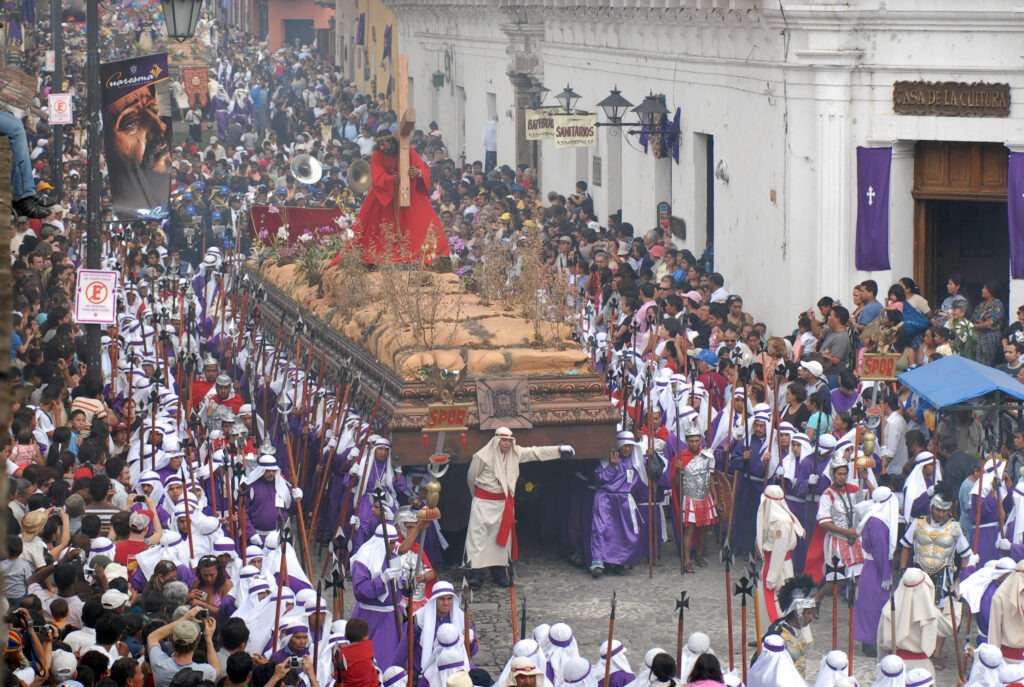
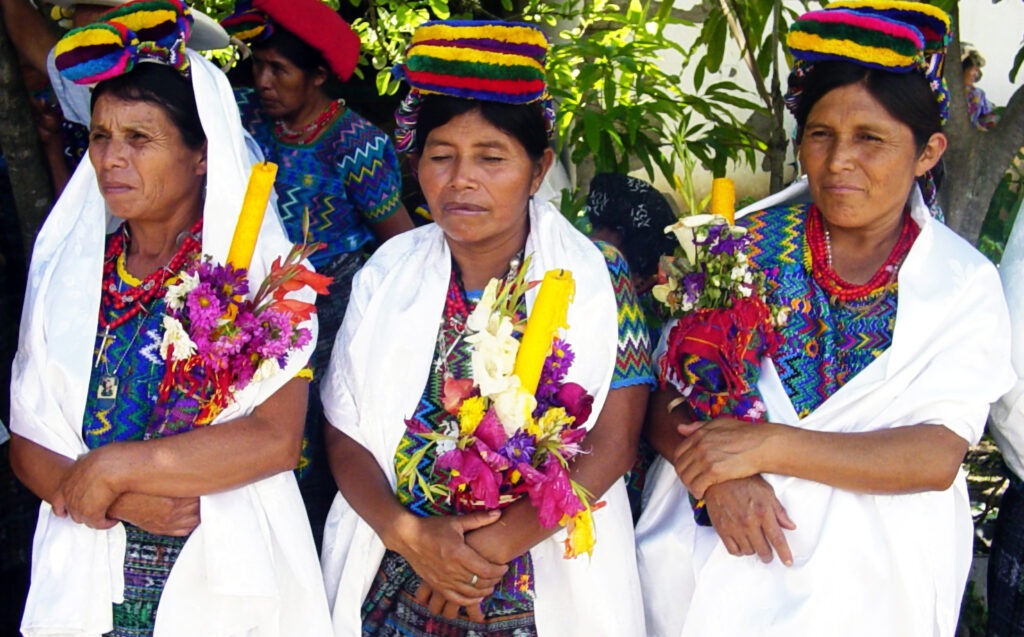
Guatemala: Holy Week Celebrations
For UNESCO, the Holy Week in Guatemala is a significant cultural and religious event featuring processions, culinary specialties, and vibrant flower and fruit carpets, representing a rich tradition that fosters social inclusion and mutual respect while commemorating the Passion, death, and resurrection of Christ.
Colombia: Ancestral Knowledge System of the Arhuaco, Kankuamo, Kogi, and Wiwa Peoples
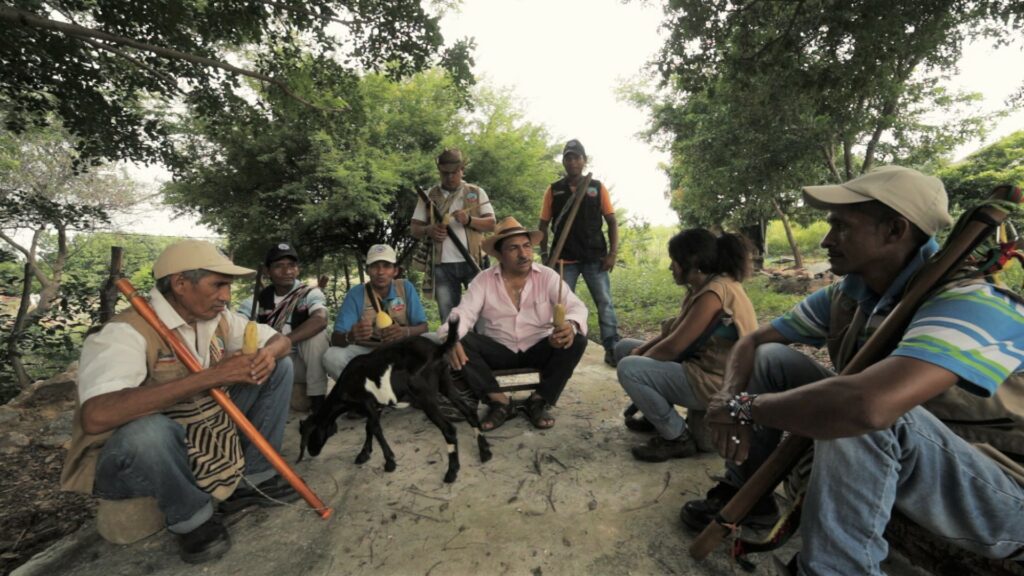
The ancestral knowledge system of the Arhuaco, Kankuamo, Kogi, and Wiwa peoples of the Sierra Nevada de Santa Marta is a profound framework that guides their sacred missions for harmony with the physical and spiritual universe, emphasizing the preservation of sacred sites, traditional rituals, and the protection of their cultural identity and ecosystem.
2023
Grenada: Traditional Wooden Boat Building in Carriacou and Petite Martinique
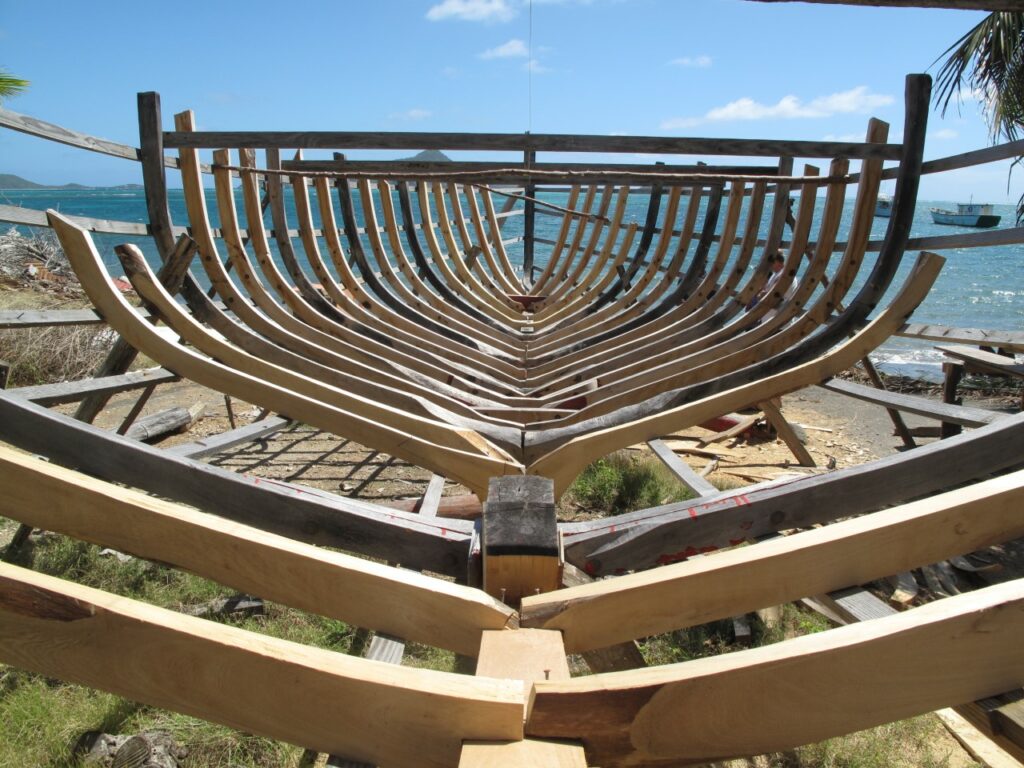
For UNESCO, The traditional practice of wooden boat building in Carriacou and Petite Martinique is a centuries-old craft involving the entire community in various roles, where skilled shipwrights select trees, perform rituals, and celebrate the launch with traditional blessings and festivities, fostering social bonds and cultural heritage.
Colombia : Midwifery: Knowledge, Skills, and Practices
Midwifery is a vital practice in various countries, including Colombia, Cyprus, Germany, Kyrgyzstan, Luxembourg, Nigeria, Slovenia, and Togo, where midwives provide essential care and education to pregnant women and their families, blending traditional knowledge with evidence-based practices while preserving cultural rituals and fostering community support across generations.
Cuba and Mexico: The Bolero, Identity, Emotion, and Poetry in Song
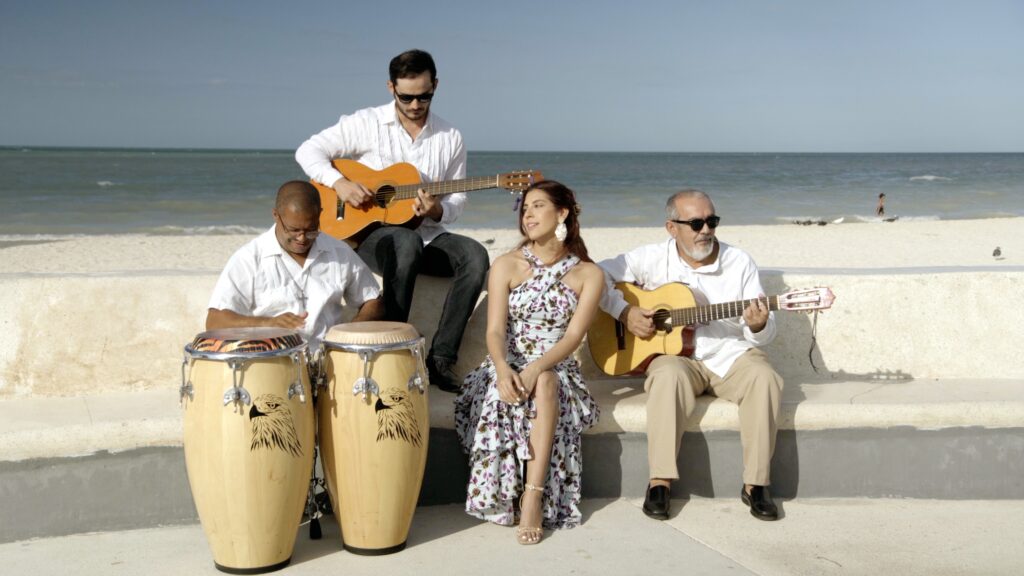
The bolero is a vital element of Latin American sentimental music, deeply rooted in Cuba and Mexico, blending European poetic language, African rhythms, and indigenous emotions, and serving as a powerful cultural symbol that evokes feelings and connects communities through its lyrical expression and oral transmission across generations.
Bahamas : the Junkanoo: Cultural Festival of the Bahamas
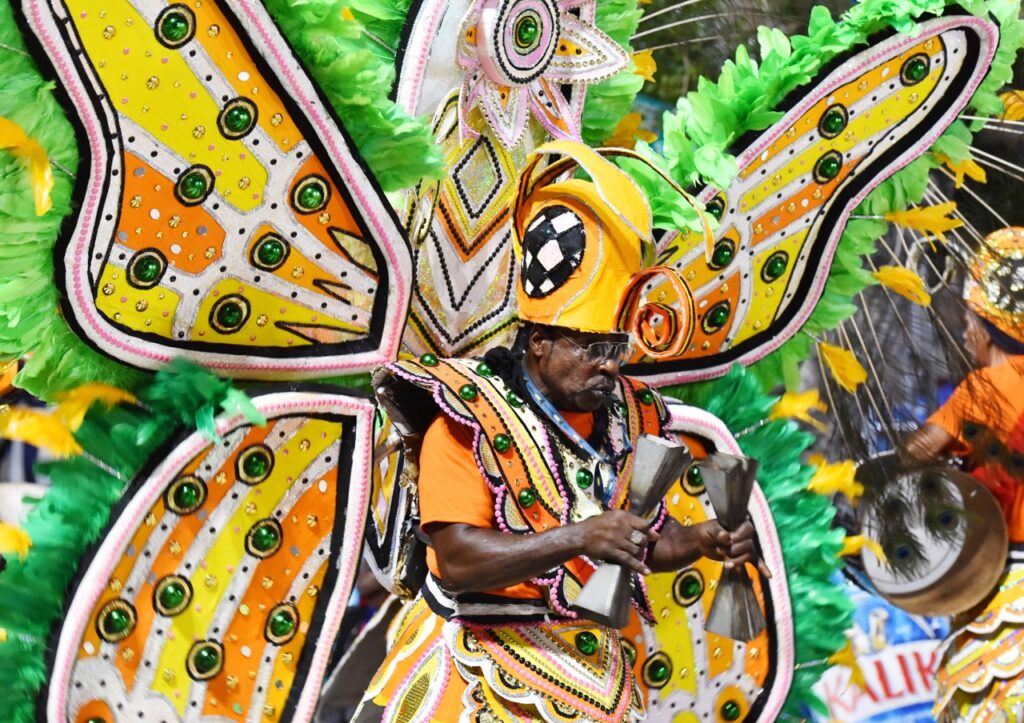
For UNESCO, Junkanoo is the national cultural festival of the Bahamas, originating in the early 19th century from enslaved Africans who created vibrant parades filled with music, performance, and storytelling, serving as a powerful expression of creativity and community unity that involves all ages in crafting elaborate costumes and celebrating cultural identity.
Panama : Armila’s Marine Turtle Cultural and Ecological Festival: Safeguarding Practices Program
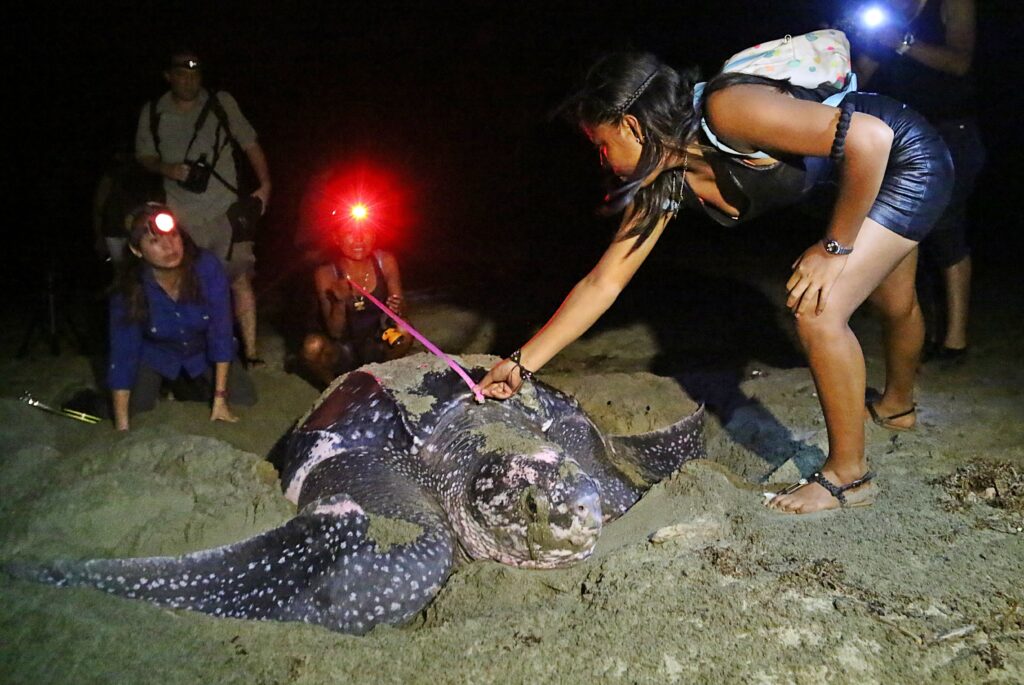
The Marine Turtle Cultural and Ecological Festival in Armila, Panama, is a vital program initiated by the kuna people to preserve their oral traditions and environmental practices, featuring a four-day educational festival that coincides with the arrival of loggerhead turtles, promoting community engagement and the creation of an eco-label for culturally and environmentally responsible festivals.
Venezuela : Caucagua’s Bandos and Parrandas of the Holy Innocents: Knowledge Transmission and Community Councils
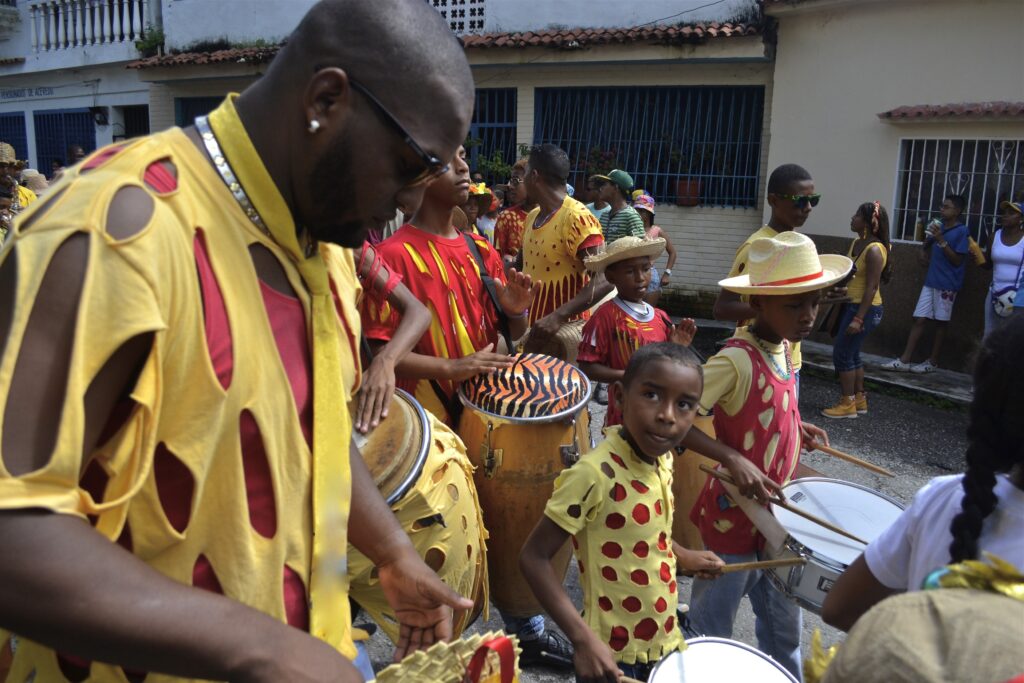
For UNESCO, The Bandos and Parrandas of the Holy Innocents in Caucagua, Venezuela, are vibrant street festivals celebrated on December 27th and 28th, characterized by music and satirical attire, and supported by a safeguarding program that enhances oral tradition through community-led knowledge centers and councils aimed at revitalizing this Afro-descendant celebration and preserving cultural heritage.
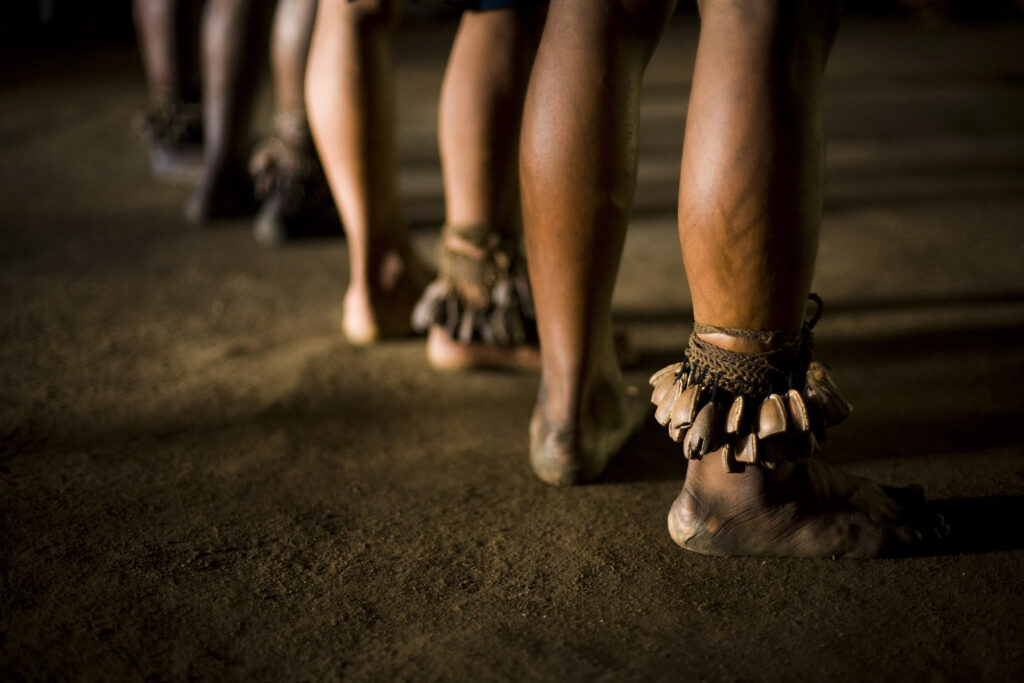
The cultural practices recognized by UNESCO from 2020 to 2023 exemplify the diversity and intricate heritage of the Caribbean. From the lively rhythms of merengue and the festive celebrations of Junkanoo to the community-driven safeguarding programs of the Bandos and Parrandas, these traditions underscore the essential role of cultural expressions in preserving national identities and fostering community cohesion.
Celebrating the Caribbean’s Cultural Diversity
Between 2016 and 2019, UNESCO continued to recognize the Caribbean’s rich intangible cultural heritage, celebrating traditions that showcase the region’s diversity and vibrant history. These recognitions by UNESCO reveal the deep cultural practices and customs that have survived generations, connecting the past with the present. This article focuses on the elements honored during this period, highlighting their significance to the Caribbean identity.
2016
-
Dominican Republic: Music and Dance of Merengue
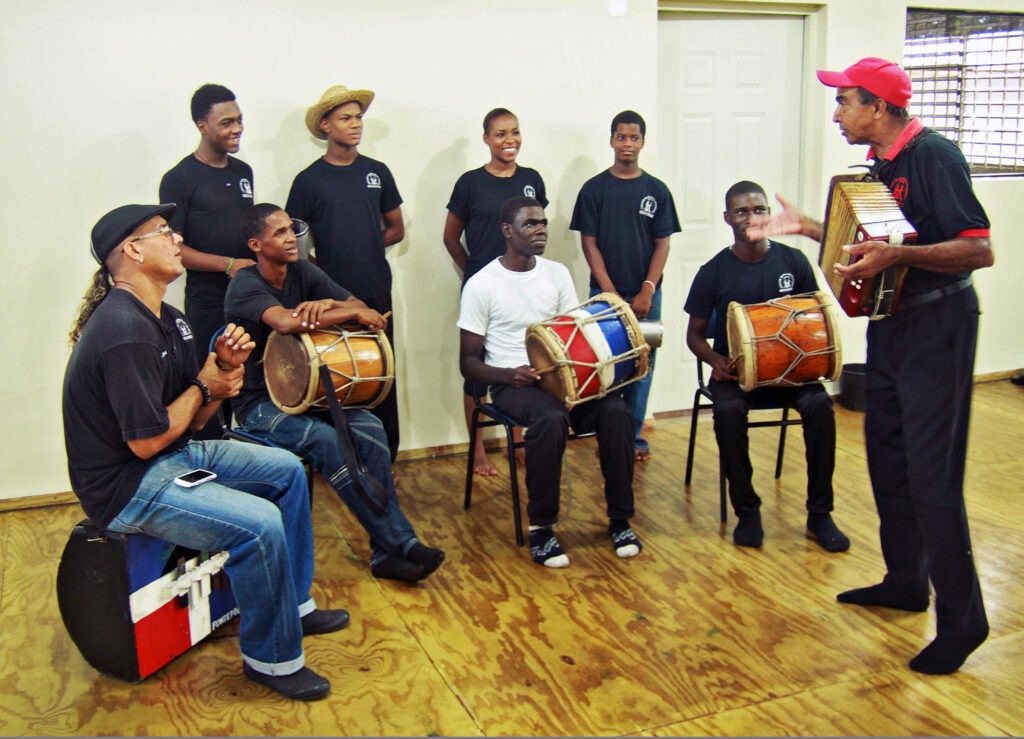
For UNESCO Merengue is not just a genre of music in the Dominican Republic but a national symbol. Its fast rhythms and lively dance steps are part of every major celebration. The music blends European and African influences, representing a fusion that is emblematic of the island’s history and cultural makeup. -
Cuba: Rumba
Rumba is a joyous celebration of Cuban identity through a fusion of African rhythms and Spanish melodies. It is more than a musical genre—rumba incorporates dance, percussion, and vocals, creating an art form that fosters community, expression, and connection with heritage. -
Venezuela (Bolivarian Republic of): Carnival of El Callao
El Callao Carnival is a colorful and vibrant cultural event that dates back to the 19th century. It celebrates African, indigenous, and Caribbean roots through parades, masquerades, and traditional music. The carnival symbolizes unity and cultural resilience in the face of hardship, making it a significant event for Venezuelans. -
Mexico: La Charrería, Equestrian Tradition
La Charrería is a traditional equestrian practice among cattle-raising communities in Mexico that combines cultural heritage and competitive sport, showcasing skillful performances while promoting important social values to younger generations.
2017
-
Colombia and Venezuela (Bolivarian Republic of): Work Songs of the Plains (Chants de travail des llanos)
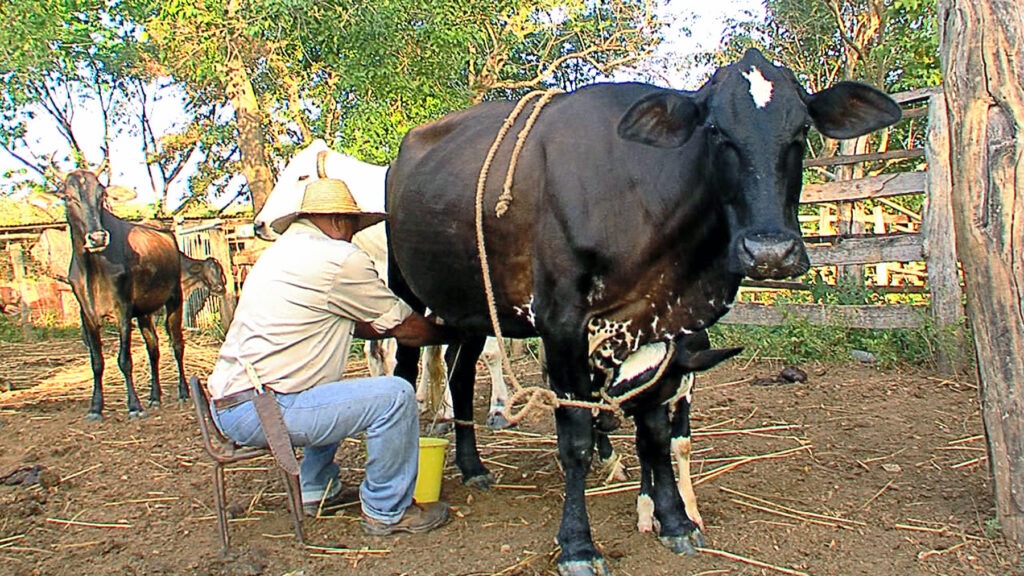
For UNESCO, these songs, sung by the cattle ranchers of the Orinoco Plains, are an essential part of the daily life of llaneros (plainsmen) in Colombia and Venezuela. The songs are used to communicate with the animals and among workers, celebrating the deep connection between humans, animals, and the vast plains. -
Cuba: Punto
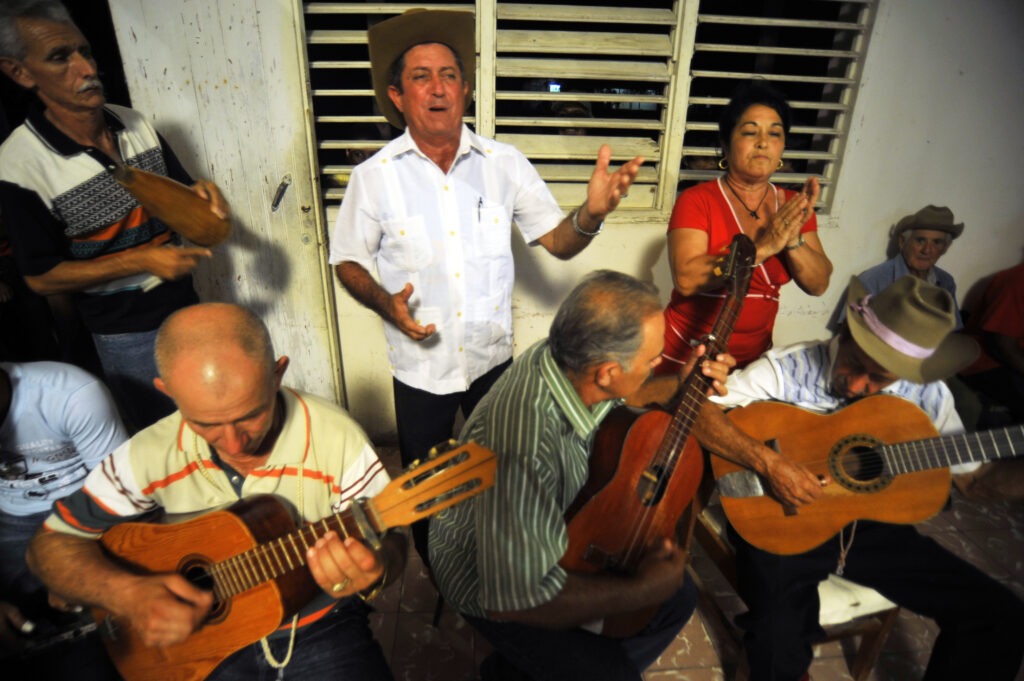
Punto is a traditional Cuban music genre combining poetic lyrics with melodies played on stringed instruments. Originating from Spanish peasant music, it is often performed in community gatherings and has become a key part of Cuban cultural identity, symbolizing a deep connection to the land and rural life. -
Panama: Techniques for Weaving Talco Hats and Pintas
This tradition involves intricate craftsmanship in the weaving of talco hats, crinejas, and pintas, often made from plant fibers. The practice is passed down from generation to generation, ensuring the preservation of the craft and its cultural significance in Panama.
2018
-
Jamaica: Reggae Music
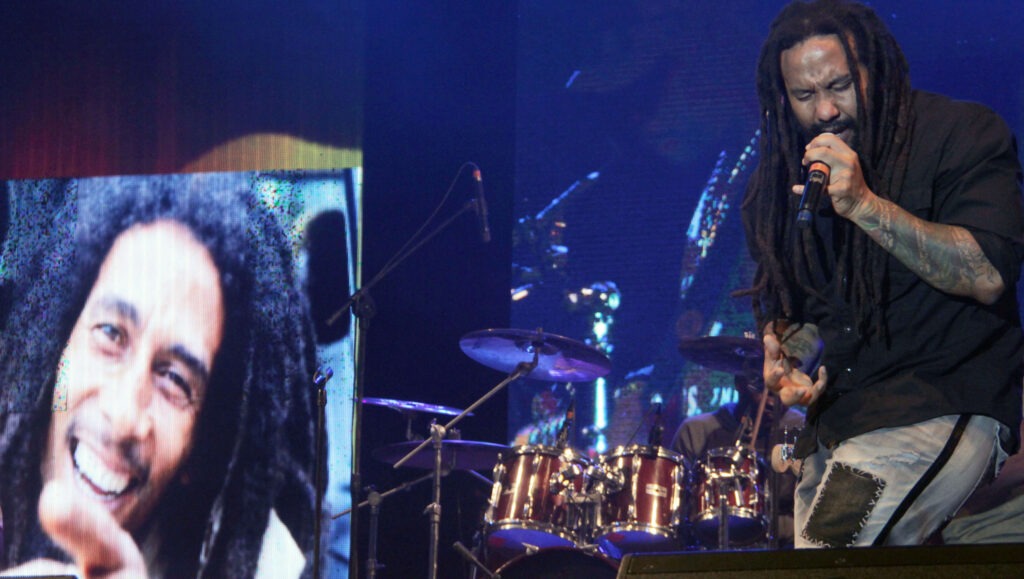
For UNESCO, Reggae, synonymous with Jamaica, is more than just music; it is a cultural force that promotes messages of peace, love, and resistance. Popularized by icons like Bob Marley, reggae’s rhythms and messages have influenced people worldwide, while remaining deeply rooted in the island’s African traditions. -
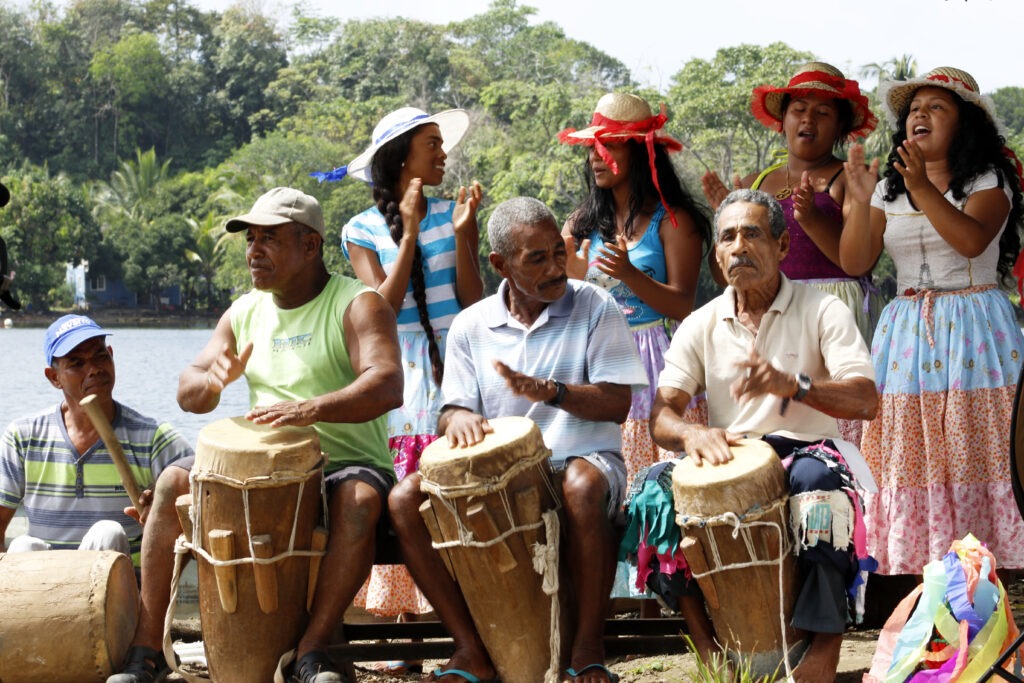
Panama: Expressions and Rituals of Congo Culture
In Panama, the Afro-descendant Congo culture is celebrated through songs, dances, and rituals. These practices are not only a form of entertainment but also acts of resistance, passed down from enslaved Africans to their descendants. Congo rituals are performed in festivals that remember the struggles of the African diaspora and the fight for freedom. -
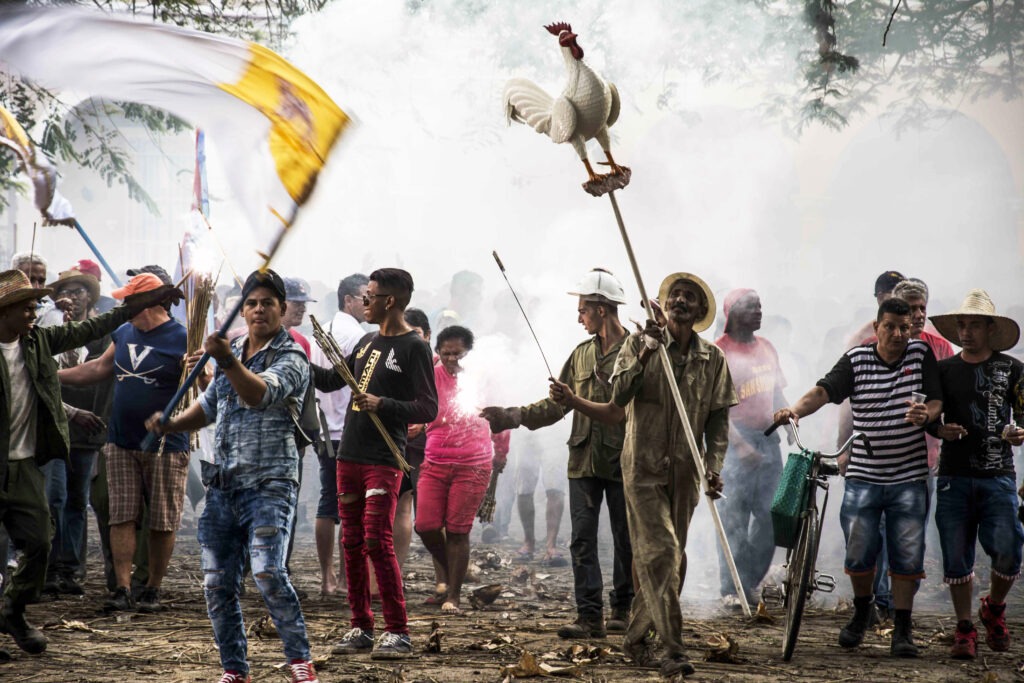
Cuba: Parrandas (Traditional Cuban Festivals)
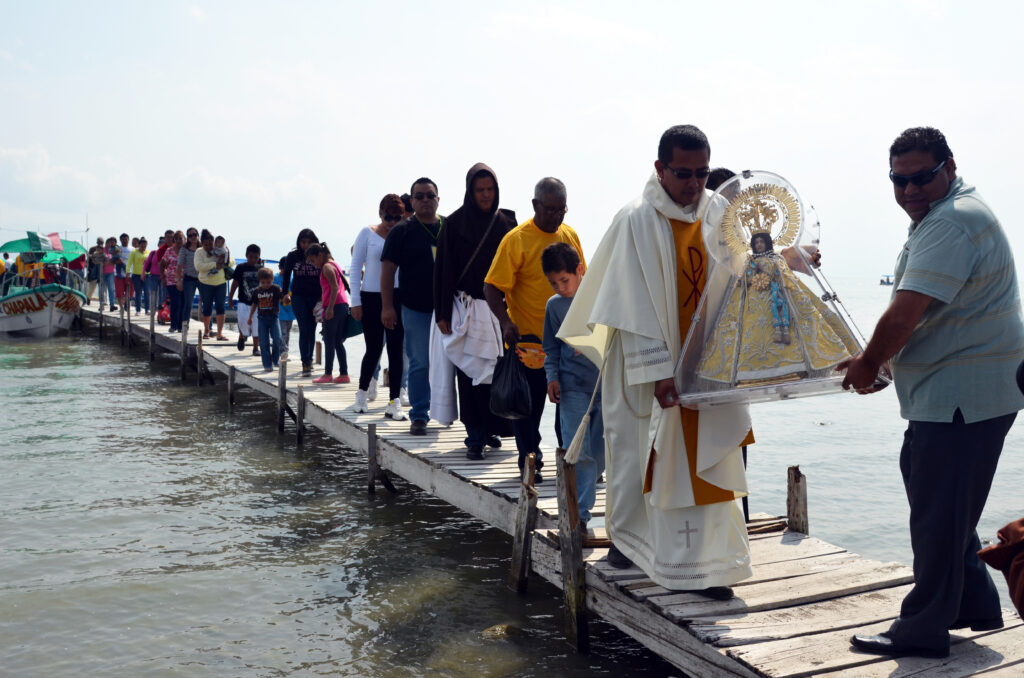
Originating in central Cuba, parrandas are lively celebrations that mix music, dance, and fireworks. These festivals bring communities together to celebrate their shared identity and provide a stage for collective creativity. - Mexico: La Romería, Ritual Pilgrimage Cycle
La Romería is a deeply rooted annual tradition celebrated on October 12 in honor of the Virgin of Zapopan, culminating a ritual cycle with over two million participants, vibrant indigenous dances, and community activities that strengthen social ties.
2019
-
Dominican Republic: Music and Dance of Bachata
For UNESCO, Bachata, known for its romantic lyrics and soulful melodies, is an iconic genre in the Dominican Republic. Rooted in rural life, it has evolved from humble beginnings into a symbol of Dominican identity, blending African, European, and indigenous influences to create a unique sound. -
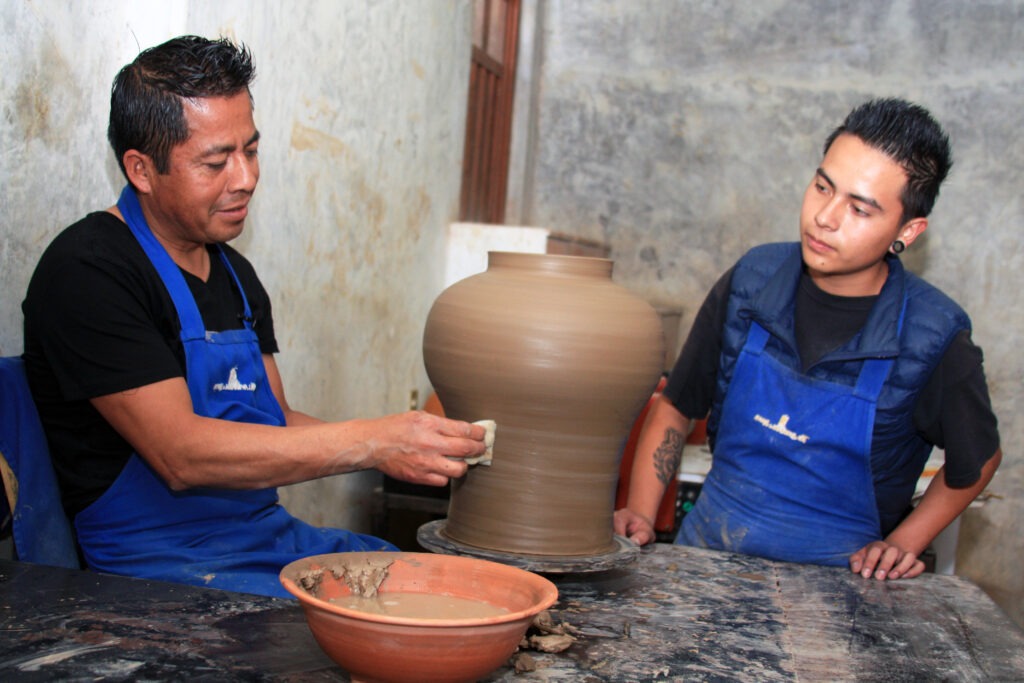
Mexico: Artisanal Talavera Pottery
The process of making Talavera pottery in Puebla (Mexico) and Spain is a centuries-old tradition that requires skill and patience. The vibrant designs and intricate patterns reflect the cultural exchange between the two regions, making it a symbol of shared heritage. -
Venezuela (Bolivarian Republic of): Biocultural Program for the Safeguarding of the Palm Tradition
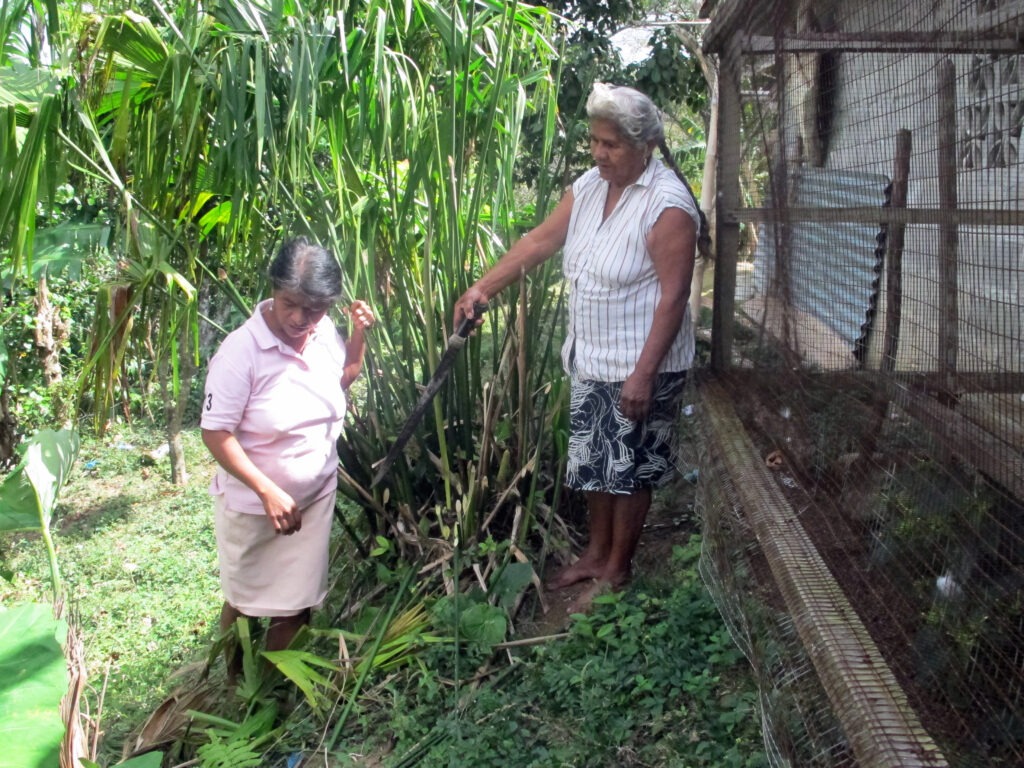
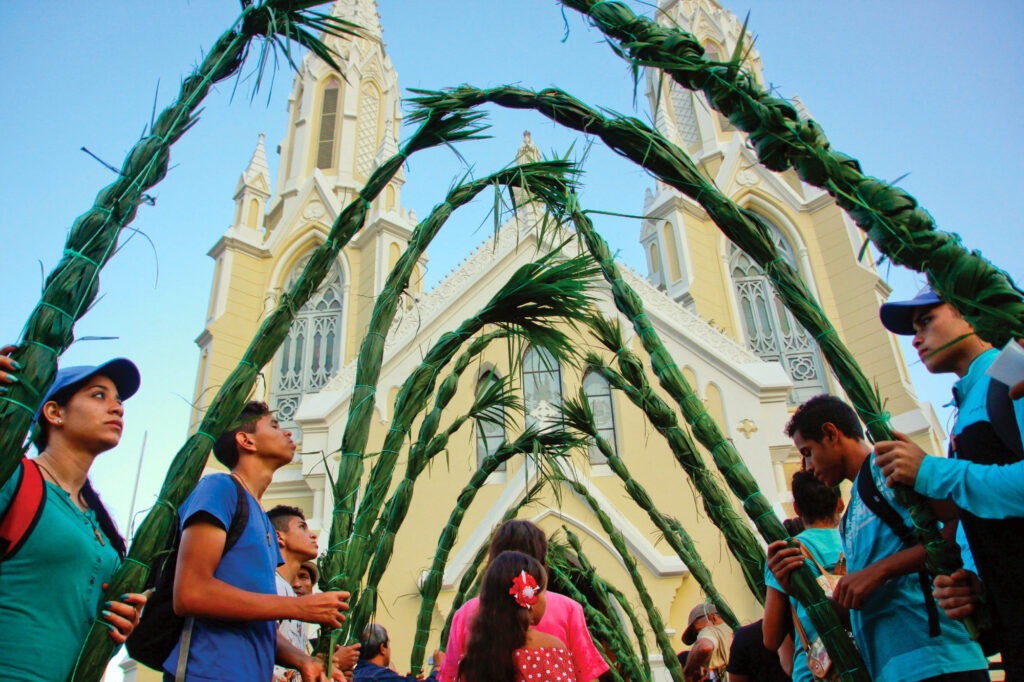
This program aims to preserve the knowledge and practices associated with the harvesting and processing of the blessed palm (palma bendita) in Venezuela. The program helps maintain local traditions while promoting environmental sustainability. - Colombia: Strategy for Safeguarding Traditional Crafts for Peacebuilding
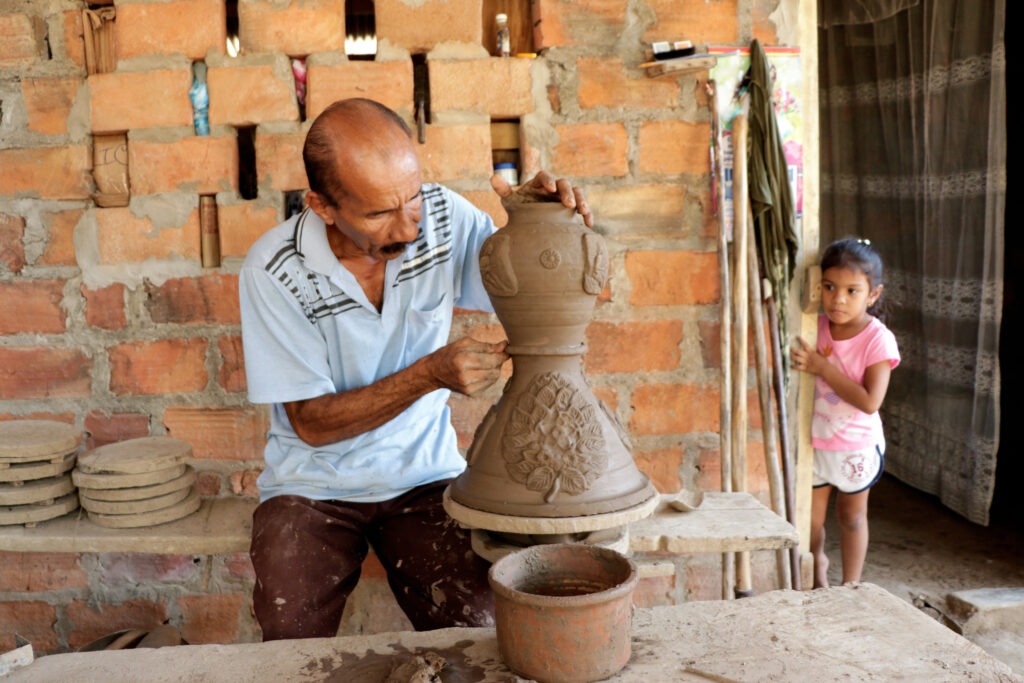
This strategy aims to preserve traditional crafts through intergenerational knowledge transmission and practical learning, empowering vulnerable youth and fostering cultural entrepreneurship to contribute to peacebuilding and social inclusion.
The cultural practices recognized by UNESCO from 2016 to 2019 showcase the diversity and complexity of Caribbean heritage. From music and dance to traditional craftsmanship, these elements highlight the importance of preserving cultural practices that define national identities. In our final article, we will explore the UNESCO recognitions from 2020 to 2023, further unveiling the rich heritage of the Caribbean region.
The Roots of Caribbean Intangible Heritage (2008-2013)
From 2008 to 2011, several Caribbean cultural elements were recognized as intangible cultural heritage by UNESCO. This recognition emphasized the region’s rich traditions, many of which are a testament to its diverse history, from indigenous customs to the impact of African, European, and other influences.
2008
Nicaragua: El Güegüense
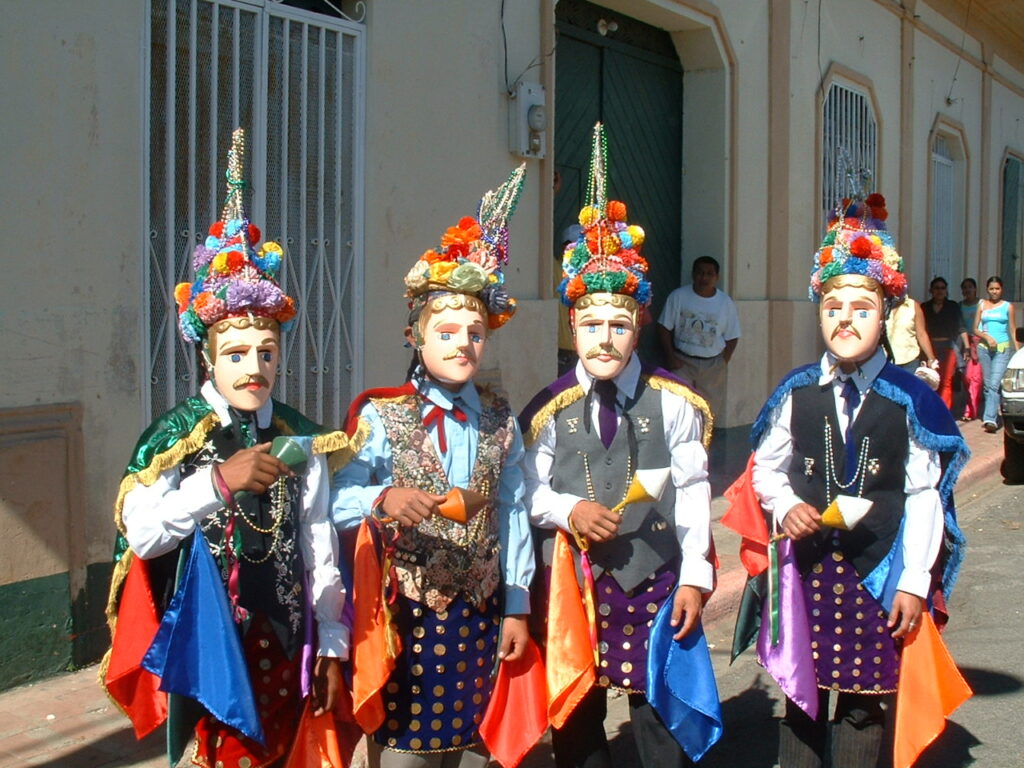
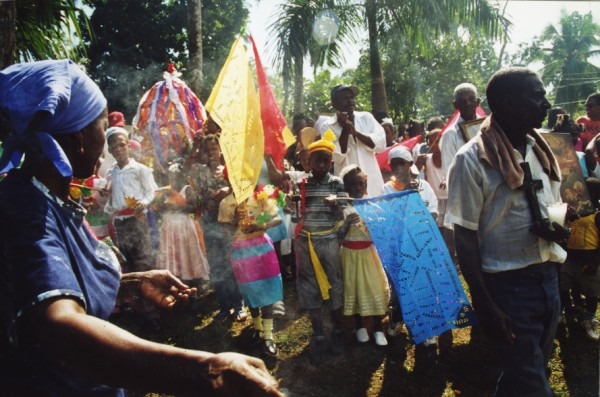
One of the oldest theatrical performances in the Americas, El Güegüense is a satirical drama that blends indigenous and colonial Spanish elements. It reflects Nicaraguan resistance to colonial rule and is celebrated for its witty dialogue, vibrant costumes, and musical accompaniment.Dominican Republic: The Fraternity of the Holy Spirit of Villa Mella
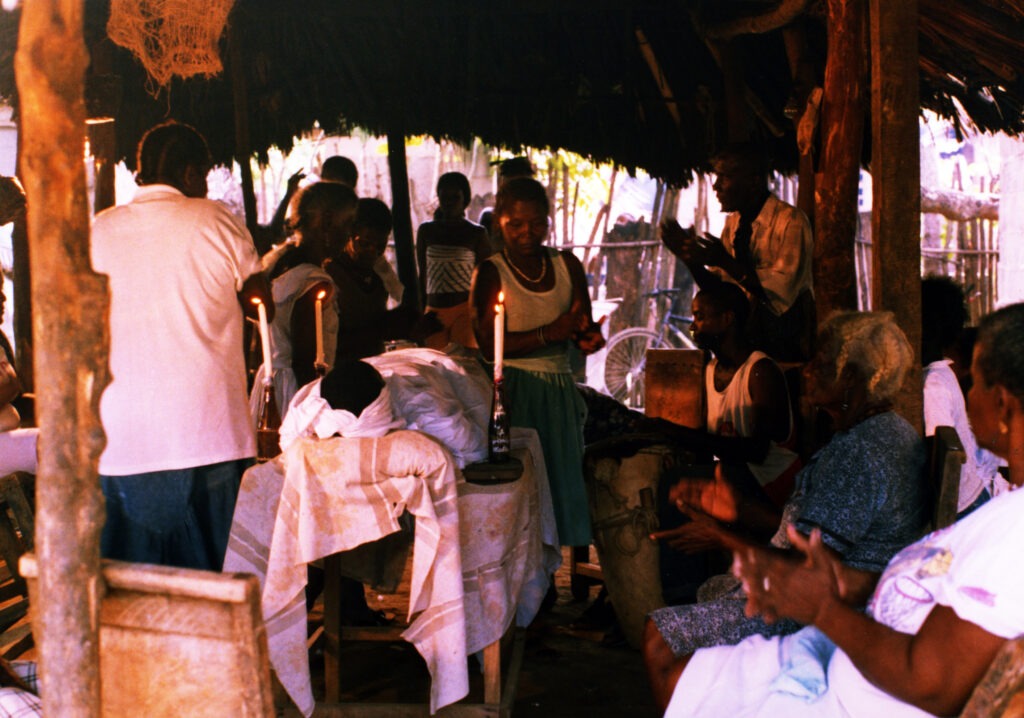
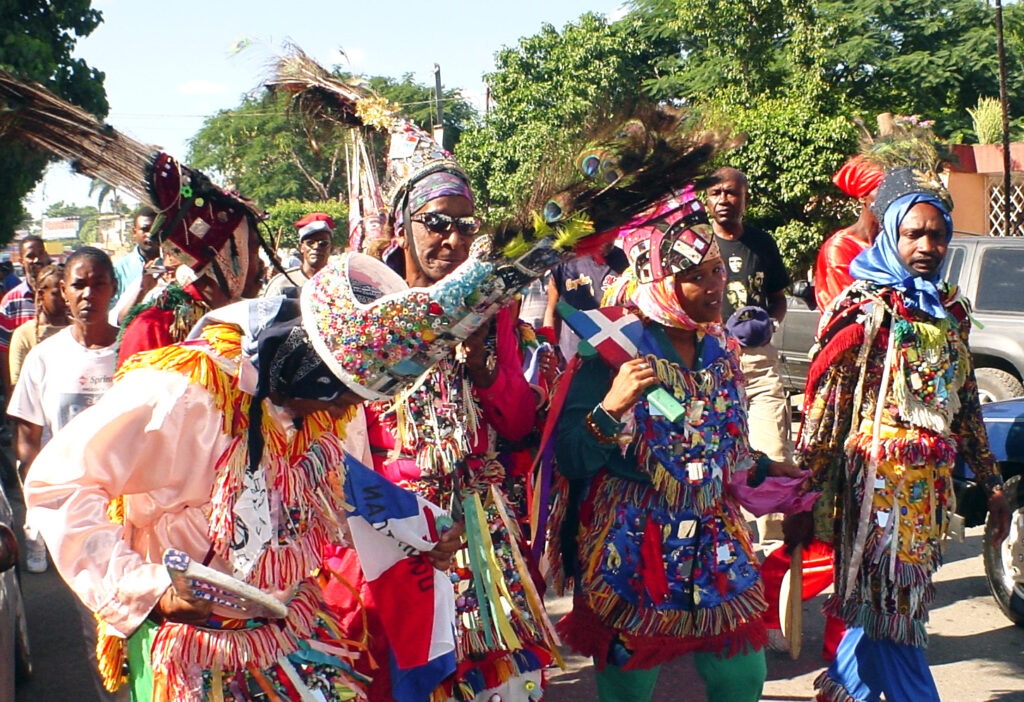
This religious brotherhood maintains African cultural practices in the Dominican Republic through its vibrant processions and rituals. The Fraternity’s performances of sacred music and the use of traditional instruments, such as the congos, are vital to the preservation of African cultural identity in the Caribbean.Colombia: Palenque de San Basilio
Recognized as the first free town of enslaved Africans in the Americas, San Basilio preserves its unique language, customs, and traditions. Its residents have managed to keep their African roots alive, making it a significant cultural and historical site in Colombia.Belize, Guatemala, Honduras, Nicaragua: Garifuna Language, Dance, and Music
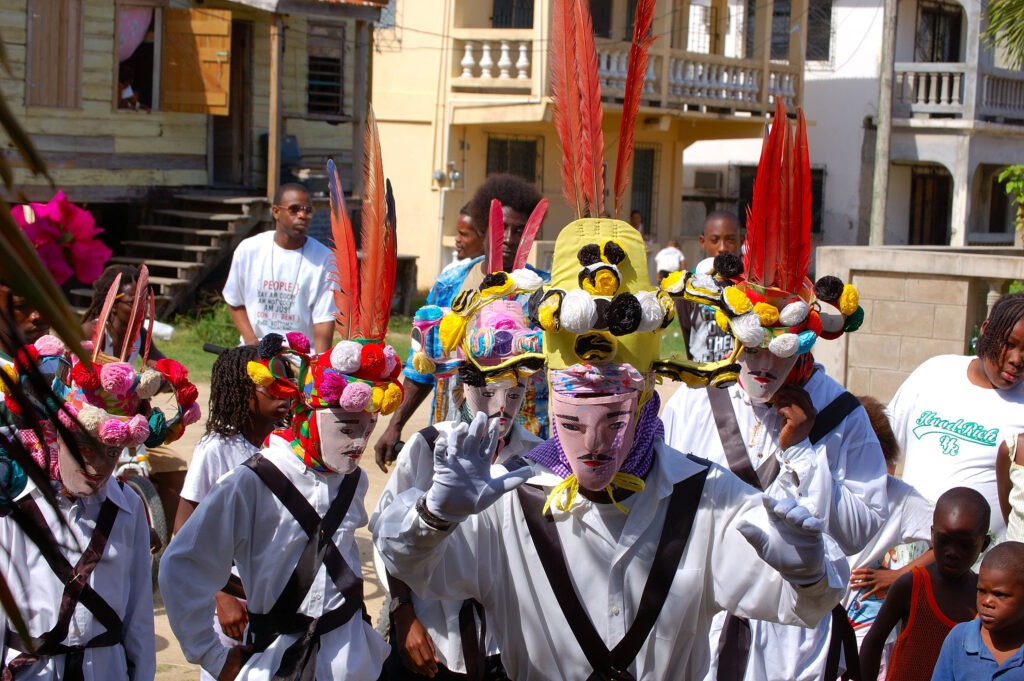
The Garifuna people, descendants of indigenous Carib and Arawak populations mixed with Africans, have a rich cultural tradition. Their language, music, and dance embody their struggles and resilience, especially their punta music, a vibrant expression of their identity.
Dominican Republic: Cocolo Dance Theatre
The Cocolo dance theatre tradition originated among the descendants of British Caribbean slaves in the mid-19th century. This vibrant cultural expression blends African and European elements and is celebrated through annual performances during Christmas and Carnival.Guatemala: The Rabinal Achí Dance Theatre Tradition
The Rabinal Achí is a 15th-century Maya dynastic drama that reflects pre-Hispanic traditions and is presented through masked dances and theatrical performances. Danced annually on January 25th for Saint Paul, it connects the living with their ancestors, emphasizing cultural heritage and continuity.Cuba: The Tumba Francesa Dance Tradition
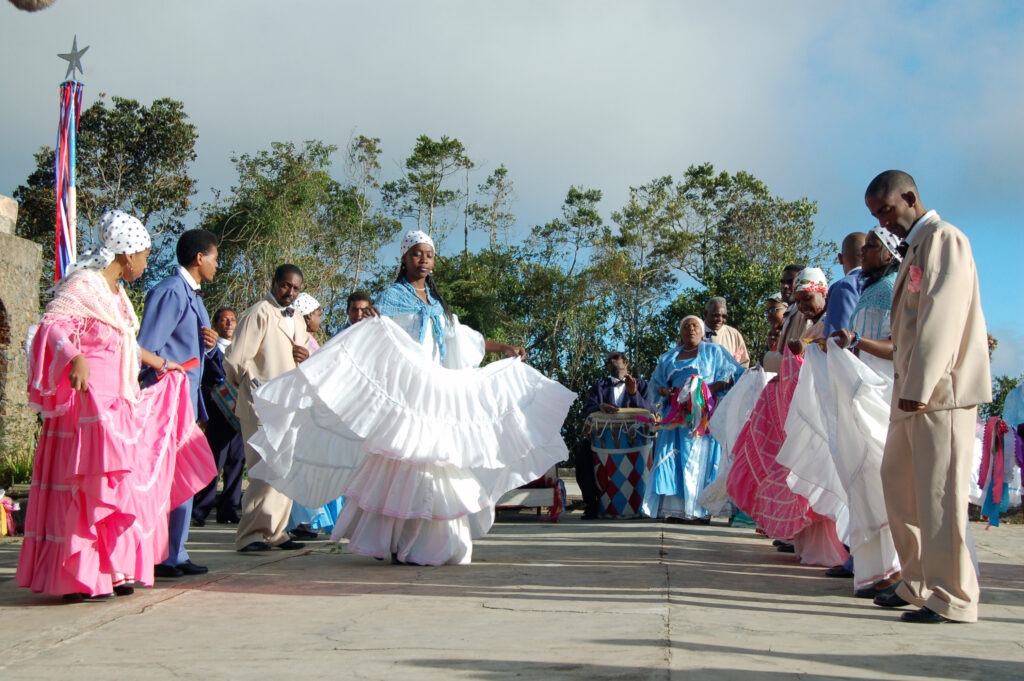
The Tumba Francesa, meaning “French drum,” is a dance, song, and drumming style imported to Cuba by Haitian slaves in the 1790s and reflects the Afro-Haitian heritage of the Oriente province. It is characterized by a fusion of Dahomey music from West Africa and traditional French dances, featuring vibrant performances led by a singer and accompanied by distinct hand-played drums and dancers in colonial-style dresses.Colombia: The Barranquilla Carnival
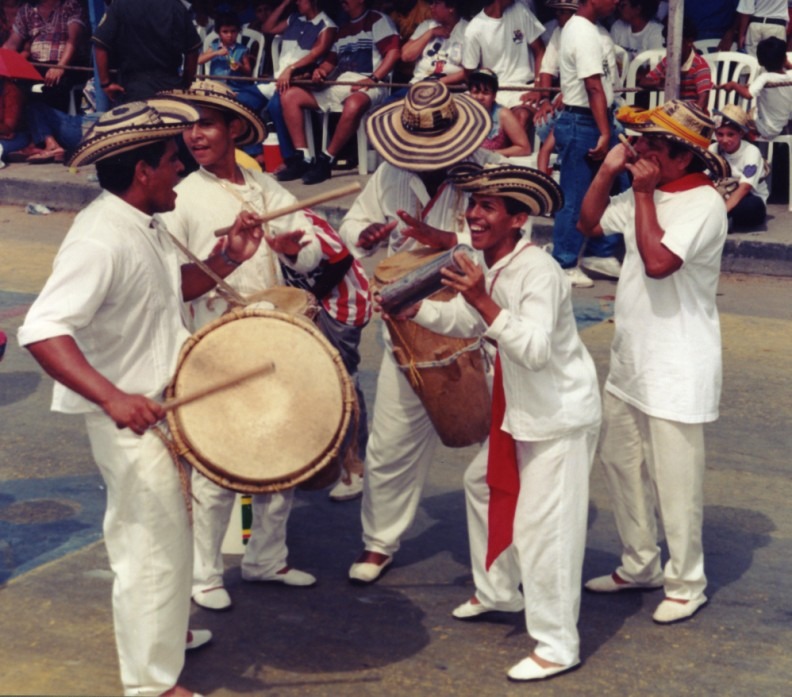
The Barranquilla Carnival, celebrated annually for four days before Lent, features a vibrant mix of dances and music from various Colombian cultures, reflecting the city’s rich heritage. This fusion of indigenous, European, and African traditions is showcased through lively performances, colorful costumes, and satirical songs that engage the community and celebrate contemporary life..
Mexico: Indigenous Festivals Dedicated to the Dead
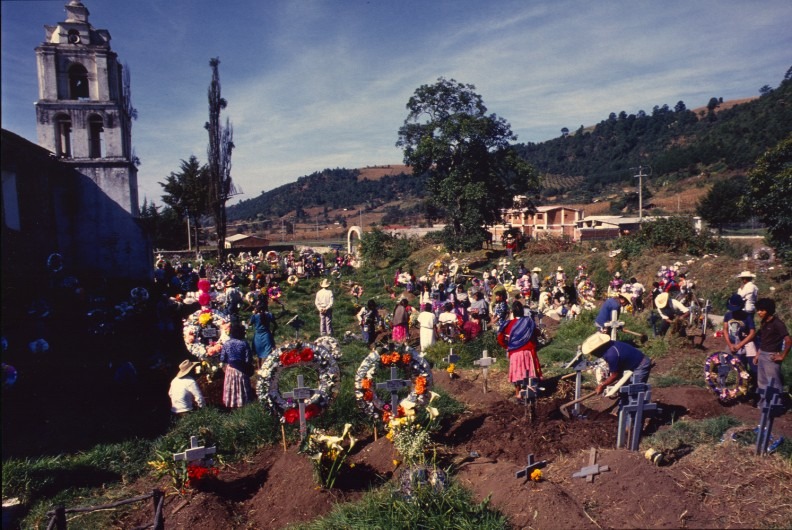
El Día de los Muertos (Day of the Dead) is celebrated by indigenous communities in Mexico as a way to honor the temporary return of deceased loved ones, with festivities occurring from late October to early November. Families prepare altars with offerings and favorite foods of the departed, reflecting a blend of pre-Hispanic and Catholic traditions that strengthens community ties and cultural identity.Jamaica: The Traditions of the Maroons of Moore Town
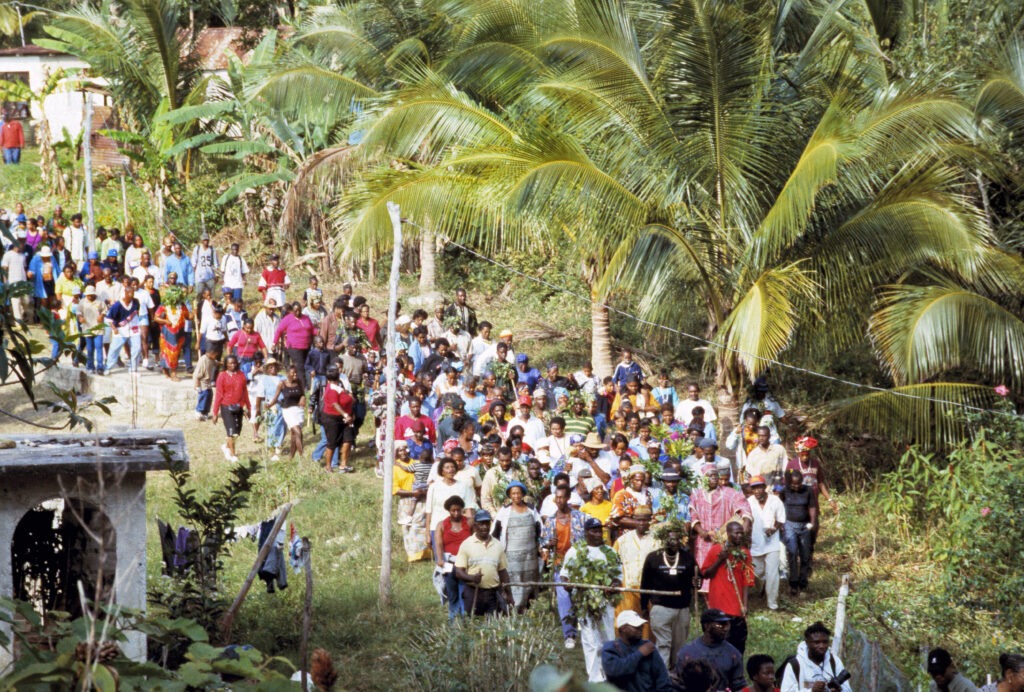
The Maroons of Moore Town, descendants of escaped enslaved Africans, have preserved a unique cultural heritage that includes the Kromanti Play, a blend of African traditions expressed through dance, music, and rituals honoring their ancestors. Despite facing opposition from missionaries and economic challenges, these traditions remain central to the identity and resilience of the Maroon community.Costa Rica: Pastoral Traditions and Ox-Carts
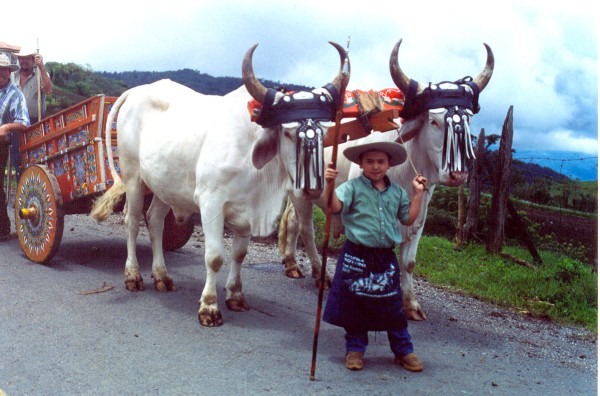
The traditional ox-cart, known as the carreta, is a celebrated symbol of Costa Rican culture, originally used to transport coffee and adorned with vibrant regional designs. Despite their decline in practical use, these intricately decorated carts remain a cherished representation of the country’s rural heritage and are featured prominently in festivals and parades.
2009
Colombia: Carnaval de Negros y Blancos
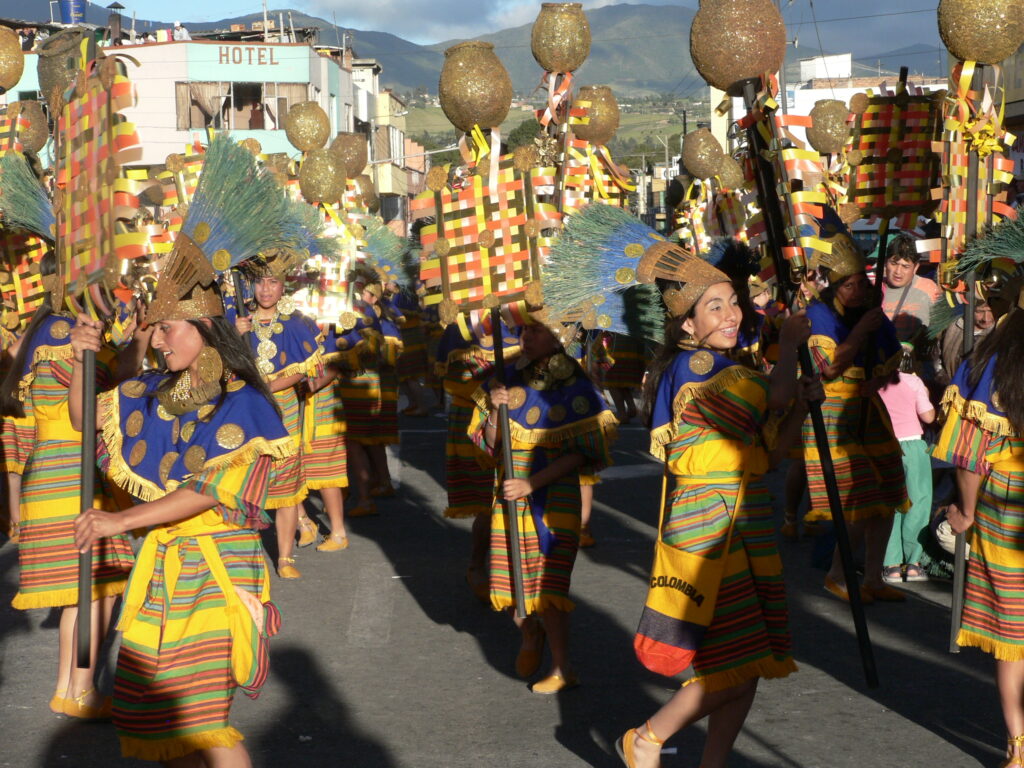
Celebrated in the city of Pasto, this carnival brings together people of different ethnicities to celebrate cultural diversity. It symbolizes the unity of all races and features colorful parades, elaborate costumes, and traditional dances.Colombia: Processions of the Holy Week in Popayán
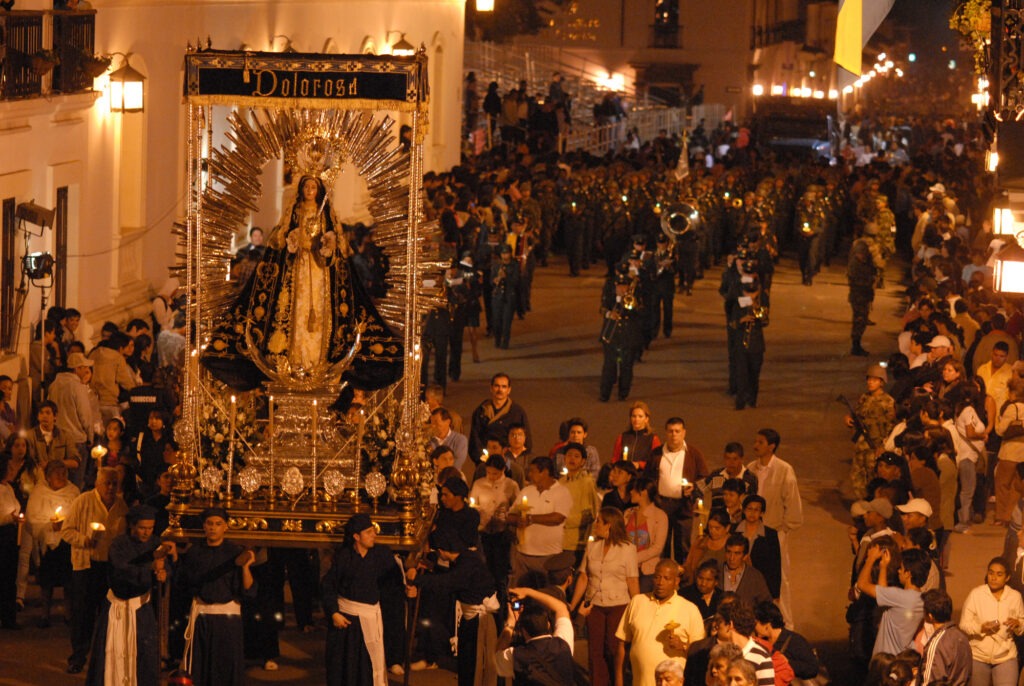
One of the oldest religious traditions in Latin America, these processions are marked by reverence and devotion. Participants carry religious icons through the streets, maintaining a solemn atmosphere as the community honors their faith.Mexico: Ceremony of the Voladores
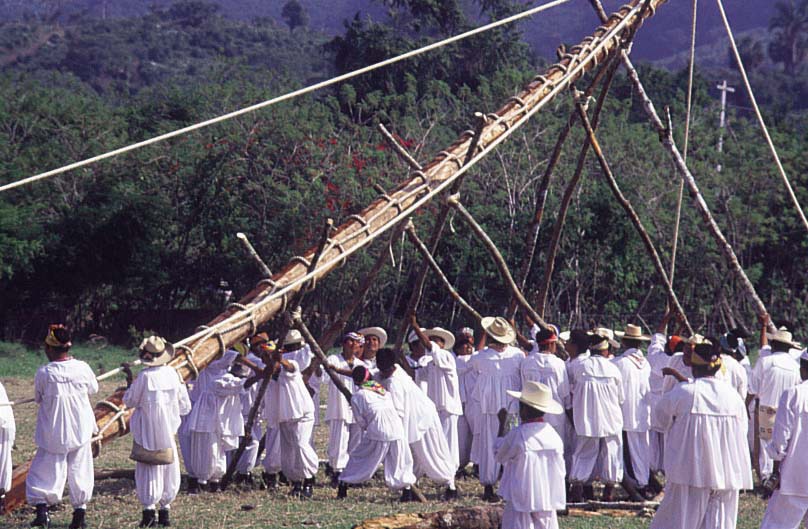
This ancient Mesoamerican ritual involves performers climbing a tall pole and spinning towards the ground, mimicking the descent of birds. It is a spiritual act meant to honor the gods and seek blessings for fertility and a good harvest.
- Mexico: Otomí-Chichimeca Heritage
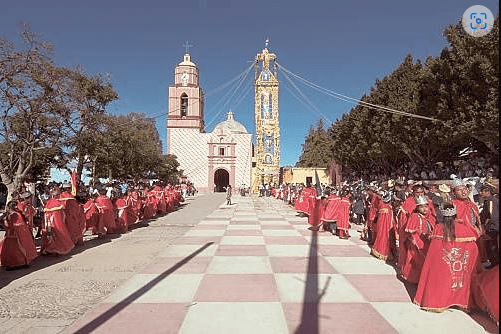
The Otomí-Chichimeca people of Querétaro honor their connection to the land through annual pilgrimages to sacred sites like Peña de Bernal, praying for water and ancestral blessings. Their vibrant traditions and rituals are essential to their cultural identity.
2010
Mexico: Traditional Mexican Cuisine
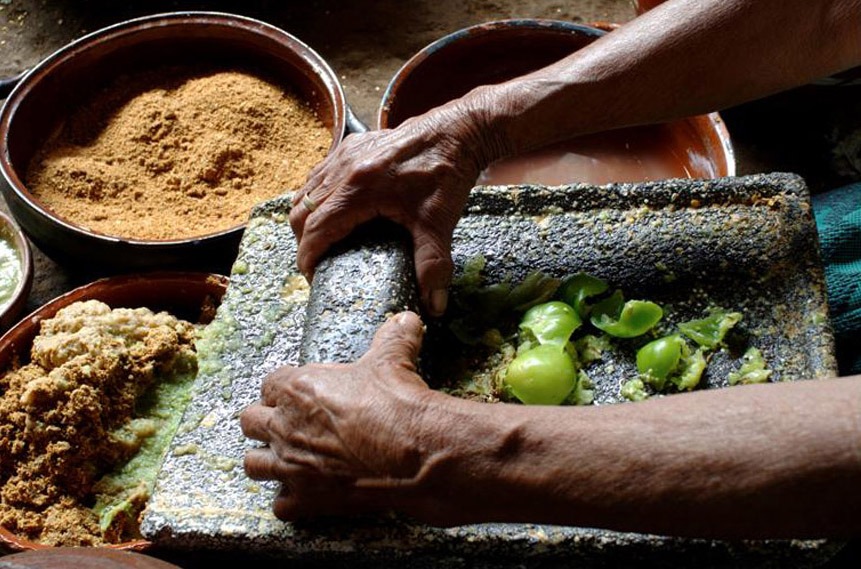
Recognized for its intricate methods of preparation and the role it plays in community-building, Traditional Mexican Cuisine reflects a harmonious relationship between people and nature. Corn, beans, and chili form the holy trinity of ingredients central to Mexican cuisine.Colombia: Wayuu Normative System
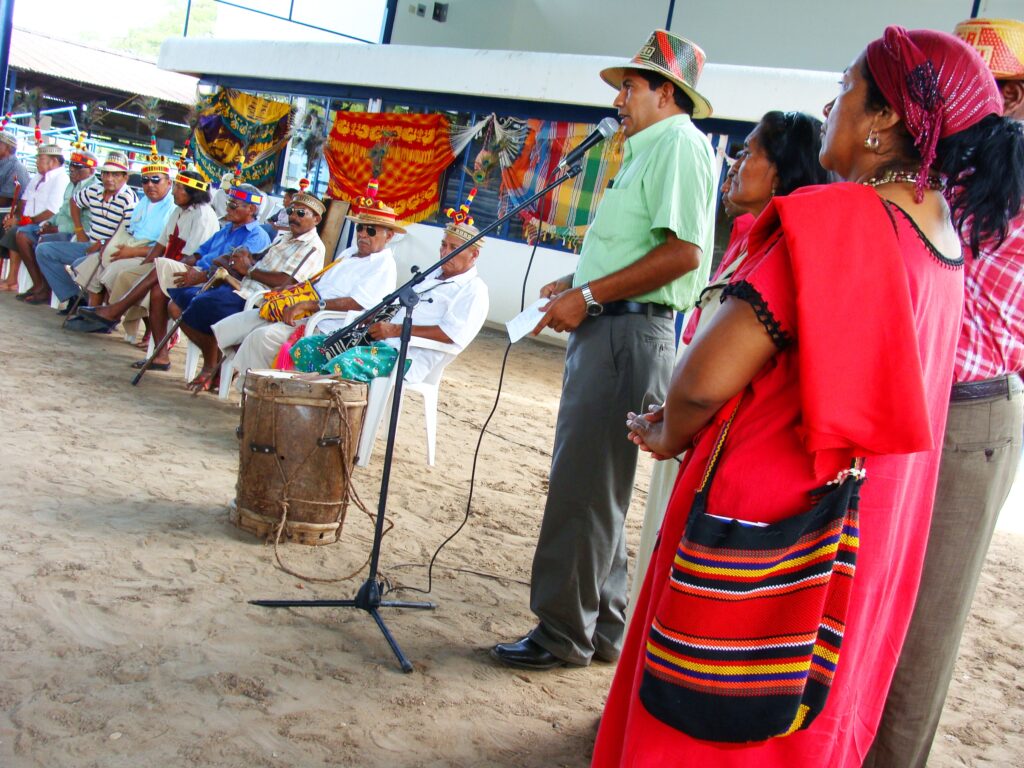
The Wayuu people, an indigenous group in the northern part of Colombia, have maintained their own legal system for centuries. This system promotes conflict resolution through dialogue, with spiritual leaders playing an important role in maintaining harmony within the community.Mexico: Pirekua
A traditional music genre of the Purépecha people in Michoacán, Pirekua is known for its poetic lyrics that express emotions ranging from love to mourning. Its slow tempo and melodic structure have been passed down through generations as a way of preserving their cultural heritage.
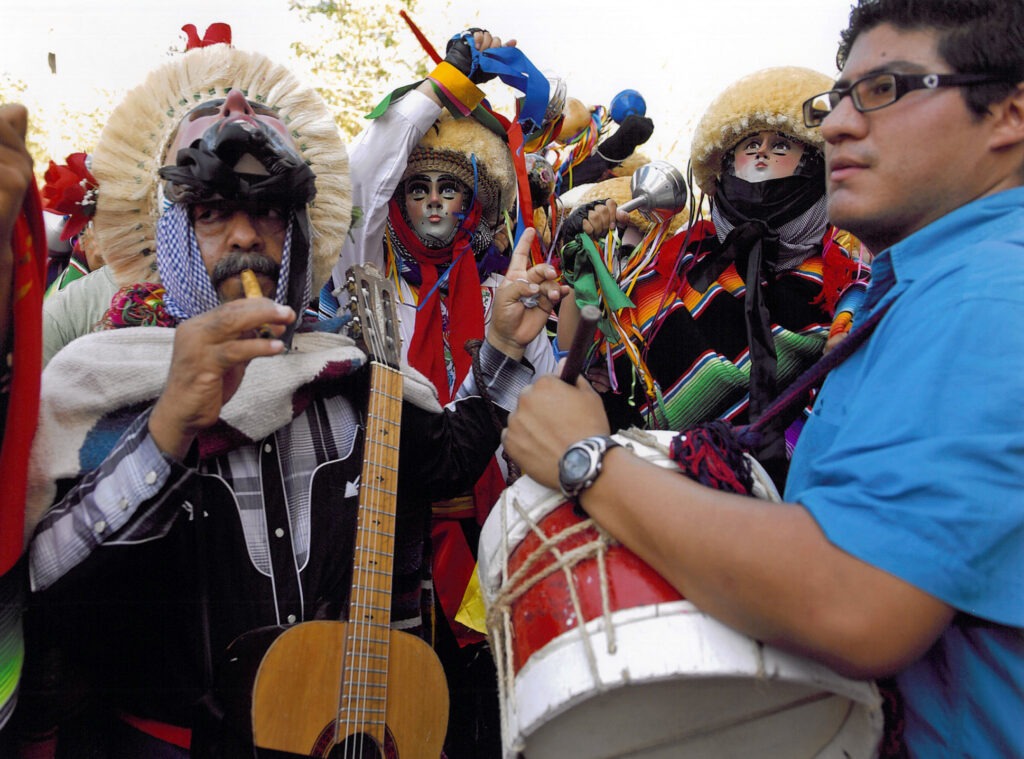
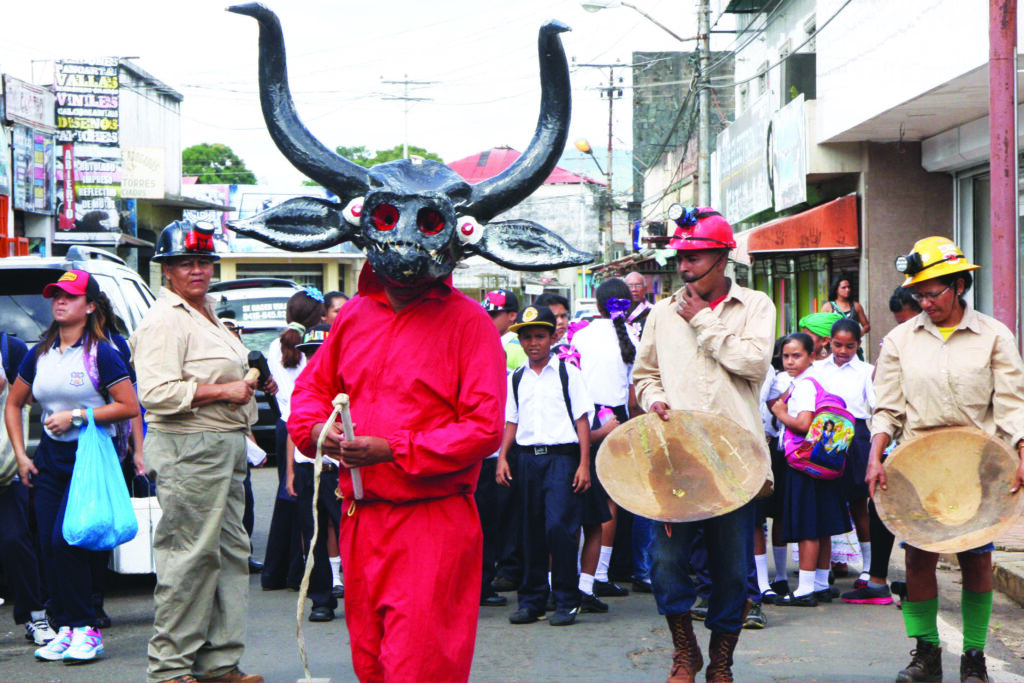
- Mexico: Parachicos in the Traditional Festival of Chiapa de Corzo
The traditional festival in Chiapa de Corzo, held annually from January 4 to 23, celebrates three Catholic saints with music, dance, and rituals, particularly honoring Saint Sebastian. The Parachicos dance, performed by masked dancers in colorful attire, serves as a collective offering and fosters mutual respect among the community.
2011
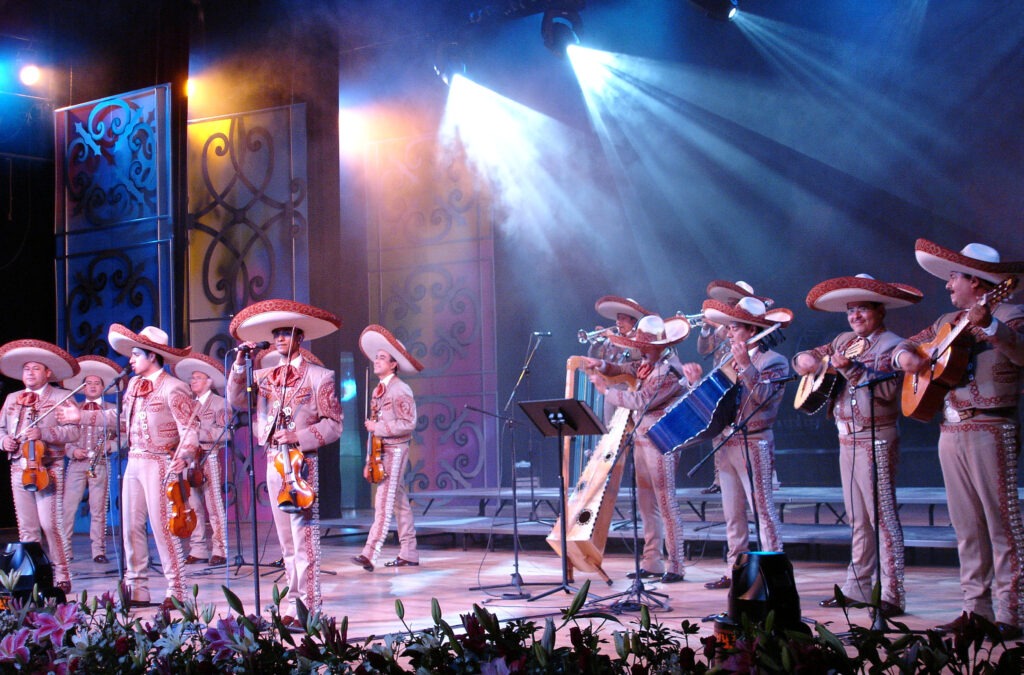
Mexico: Mariachi
One of Mexico’s most recognizable cultural exports, Mariachi music is a blend of Spanish, indigenous, and African elements. It is traditionally performed at celebrations such as weddings, birthdays, and national holidays, with its vibrant rhythms and passionate lyrics captivating audiences worldwide.Colombia: Jaguar Shamans of Yuruparí
The shamans of the Yuruparí communities play a vital role in maintaining the balance between nature and humanity. Their rituals involve music, storytelling, and offerings to the jaguar, a sacred animal representing strength and wisdom.
From the rich oral traditions of indigenous groups to the lively rhythms of musical performances, these UNESCO-recognized elements highlight the resilience and creativity of Caribbean cultures. In the next article, we will continue our journey, exploring more fascinating traditions recognized between 2012 and 2015.