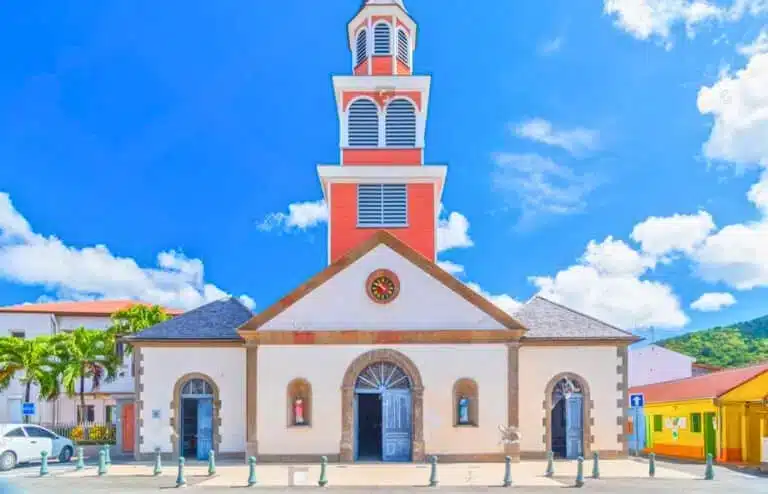
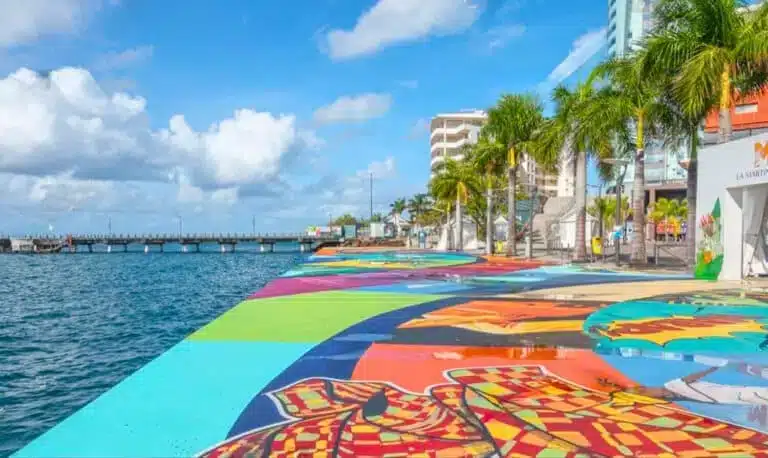
From December 11, 2026, to March 5, 2027, the route Martinique – Panama City, Air France will offer this route twice a week, with a stopover in Pointe-à-Pitre. More than just a new destination, this route could transform the way people from Martinique travel to Central America, South America, and several Caribbean territories.
Martinique – Panama City : Redrawing the Map of Travel
From Martinique, certain cities on the American continent appear close on a map, yet are difficult to reach. To get to Quito, Lima, San José, or Tegucigalpa, travelers often have to deal with long routes and inconvenient connections. The new route is expected to reduce this sense of isolation. Passengers will depart from Fort-de-France, make a stop in Pointe-à-Pitre, and then continue on to Panama City. This is therefore not a direct flight, but a new regional route connecting the French West Indies to one of the main hubs on the American continent.
This trend goes beyond the issue of tourism alone. It also affects families, students, professionals, artists, and entrepreneurs who have ties to Spanish- and English-speaking regions in the Americas.
Two flights a week to launch new routes
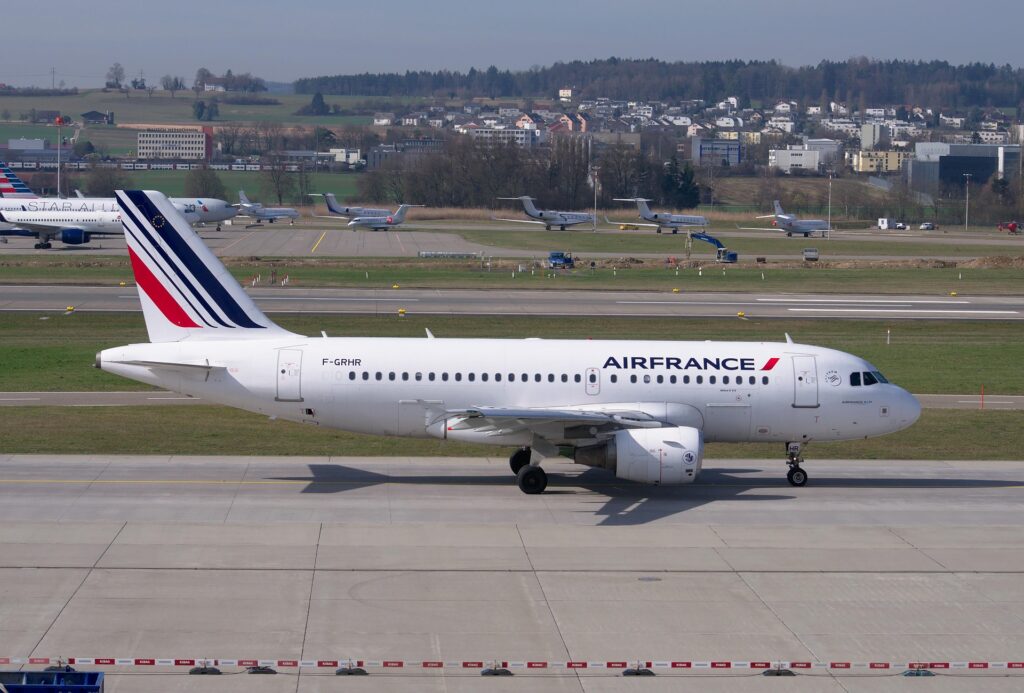
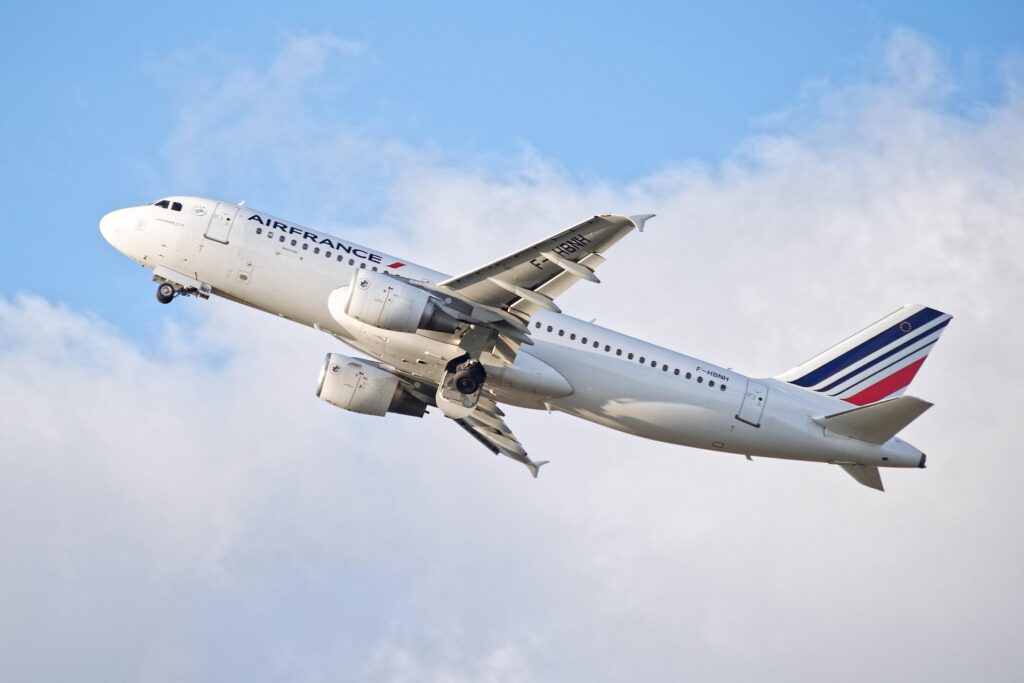
The route will be operated by an Airbus A320, with 170 seats divided between Business and Economy class. High-speed Wi-Fi is also available on board. Bookings are now open, with a promotional round-trip fare starting at 499 euros (including tax), excluding service fees. This is an introductory price and may vary depending on dates, availability, and booking conditions. The program remains subject to obtaining the necessary government approvals. This first season of Martinique – Panama City should therefore be considered a launch phase.
Panama City: A Destination and a Stopover
The appeal of this flight lies in Panama City’s dual role. The capital is worth visiting in its own right, with its canal, historic district, and Panamá Viejo, an archaeological site that highlights the isthmus’s historic role in interoceanic trade. The complex comprising Panamá Viejo and the historic district is listed on the UNESCO World Heritage List. Panama City also serves as a gateway to continue your journey to other destinations. The announced destinations include Asunción, Guatemala City, Guayaquil, Quito, Lima, Managua, Montevideo, San José, and Tegucigalpa. Havana, Georgetown, Port of Spain, Punta Cana, and Santo Domingo are also among the destinations accessible via connecting flights.
This new geographical landscape could bring Martinique closer to countries with which it already has trade ties, but where such ties are sometimes hindered by a lack of convenient connections. Martinique – Panama City thus becomes a gateway to the Americas and offers a new alternative for organizing certain regional trips.
Martinique – Panama City Revives Caribbean Memories
The connection between the French West Indies and Panama did not begin with aviation. It spans the history of the canal and the large-scale Caribbean labor migrations of the early 20th century. The Panama Canal Authority reports that approximately 7,500 men were recruited in 1907 from the French islands of Martinique and Guadeloupe. They traveled to the isthmus to work on the construction project led by the United States. Behind this figure lie individual life stories, separated families, departures that were sometimes permanent, and a Caribbean presence that has contributed to Panama’s modern history.
This thesis lends a special depth to this new connection. More than a century after those crossings, modes of transportation have changed, but the movement of people continues to link the Caribbean territories to the mainland. Air travel is thus part of a history that predates flight schedules and connecting flights. It serves as a reminder that Caribbean societies have long been shaped by departures, returns, work, and encounters between the islands and the mainland.
A Trial Season for Martinique
For Nathalie Sébastien, Chair of SAMAC’s Executive Board, this service is intended to strengthen tourism, economic, and cultural ties with the Americas. The success of the initiative will be measured by its practical implementation: affordable prices, convenient schedules, seamless connections, and the ability to meet the needs of travelers from Martinique. The first season of Martinique – Panama City will show whether this expansion will be limited to the winter or whether it can become a long-term development. Behind these two weekly flights lies a broader question: Can Martinique regain a more central role in Caribbean and U.S. air travel?
The Route Martinique – Panama City will be offered from December 11, 2026, to March 5, 2027. Air France plans to operate two flights per week departing from Fort-de-France, with a stop in Pointe-à-Pitre. The schedule is subject to the necessary government approvals.
No. Passengers will depart from Martinique Aimé Césaire Airport and make a stop in Pointe-à-Pitre before continuing on to Panama City. It is therefore more accurate to refer to this as a new air route rather than a direct flight.
The announced connecting flights will allow passengers to continue on to Lima, Quito, San José, Guatemala City, Port of Spain, Havana, Santo Domingo, and several other cities in Central America, South America, and the Caribbean.
The World Cup 2026 will feature three representatives from the Caribbean and Central America: Haiti, Curacao and Panama. Three different trajectories, three strong histories, but the same message: the region is moving forward, getting organized and increasingly asserting its place in international soccer. For Haiti, the event takes on a historic dimension, as the national team returns to the world stage for the first time since 1974. For Curaçao, it’s an unprecedented feat. Panama, meanwhile, confirms its new regional status. Together, these three nations are breathing new life into the Caribbean.
Haiti returns to the world stage after 52 years
Haiti’s qualification is one of the great stories of the World Cup 2026. Fifty-two years after the 1974 epic, the Grenadiers have made a comeback that has left a lasting impression on fans and diaspora alike. Their progress has been built on rigor, cohesion and genuine collective progress.
The decisive match was the 2-0 victory over Nicaragua, the symbol of a focused and determined group. Haiti finished top of its group, buoyed by a solid defense, a rapid transition and a state of mind that has set a new tone in national soccer. It’s no coincidence that the Haitians won the trophy: it reflects the hard work they have put in, despite the country’s political, social and structural challenges.
But this qualification goes beyond soccer. It sheds a new light on Haiti, offering a moment of cohesion and pride in a context where every bit of good news counts. For young people, it’s a source of inspiration. For local sports organizations, it is an encouragement to continue training, even with limited resources.
Curaçao, a small territory's achievement in the World Cup 2026
The other major surprise of the World Cup 2026 comes from Curacao. With a population of just 150,000, the island becomes one of the smallest territories ever to qualify for a World Cup. This result illustrates the considerable progress made by the Federation, which relies on a solid network of players from the Dutch diaspora and a demanding technical staff.
This qualification brings global visibility to a territory that is often underestimated in international soccer. For the Caribbean, it’s a strong signal: even small islands can, with the right structure and a clear vision, reach the biggest competitions.
Already qualified in 2018, Panama has made its second appearance in four editions. Its qualification for the World Cup 2026 is part of a continuity: a strengthening national championship, a clear policy of soccer development and a team capable of regularly competing with the best CONCACAF nations.
For the region, Panama’s consistency is a benchmark: it shows that progress is not a one-off, but a long-term process.
The expansion of the World Cup to 48 teams is a major game-changer. For CONCACAF, this means more places and a real opening for Caribbean and Central American nations.
The presence of Haiti, Curaçao and Panama at the World Cup 2026 reveals several key trends:
– increasing the skills of regional federations ;
– the growing role of diasporas ;
– the gradual professionalization of the workforce;
– Caribbean soccer gaining in recognition and legitimacy.
This trio shows that the region is no longer just about the continent’s usual giants.
For Haiti, this qualification acts as a rallying point. It stimulates soccer schools, brings communities together and projects a positive image of the country abroad. For Curaçao, it opens up unprecedented opportunities for tourism, culture and sports. For Panama, it reinforces a momentum already underway around investment in infrastructure and training programs.
Throughout the Caribbean, the World Cup 2026 is becoming a showcase. It enables the territories to showcase their talent, determination, youth and ability to produce teams that count.
The World Cup 2026 will be a turning point for the Caribbean and Central American region. With Haiti, Curacao and Panama qualifying, this edition will offer rare visibility to territories that are often under-represented in world soccer. Haiti made a historic comeback, Curacao achieved a remarkable feat and Panama confirmed its progress. Together, they put the Caribbean on the international soccer map, reminding us that regional talent just needs a place to express itself.
Between 2020 and 2023, UNESCO continued to recognize the Caribbean’s rich intangible cultural heritage, celebrating traditions that showcase the region’s diversity and vibrant history. These recognitions by UNESCO reveal the deep cultural practices and customs that have survived generations, connecting the past with the present. This article focuses on the elements honored during this period, highlighting their significance to the Caribbean identity.
2020
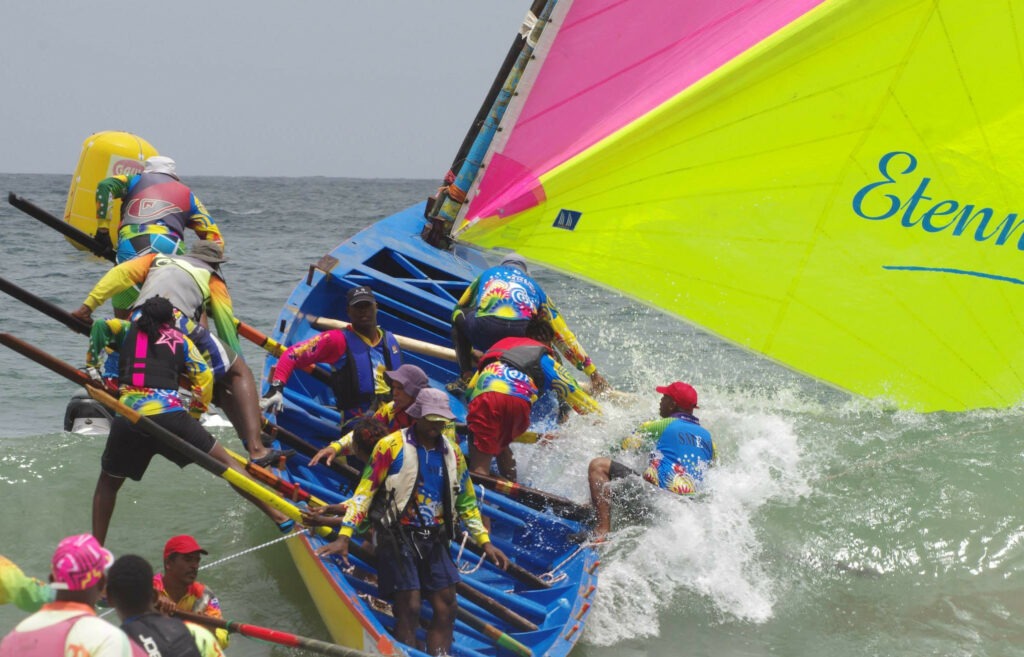
Martinique: The Yole as a Heritage Preservation Model
For UNESCO, the yole of Martinique, a traditional lightweight boat, symbolizes the region’s maritime history and has become a focal point for heritage preservation initiatives aimed at maintaining local craftsmanship and community ties in the face of modernization.
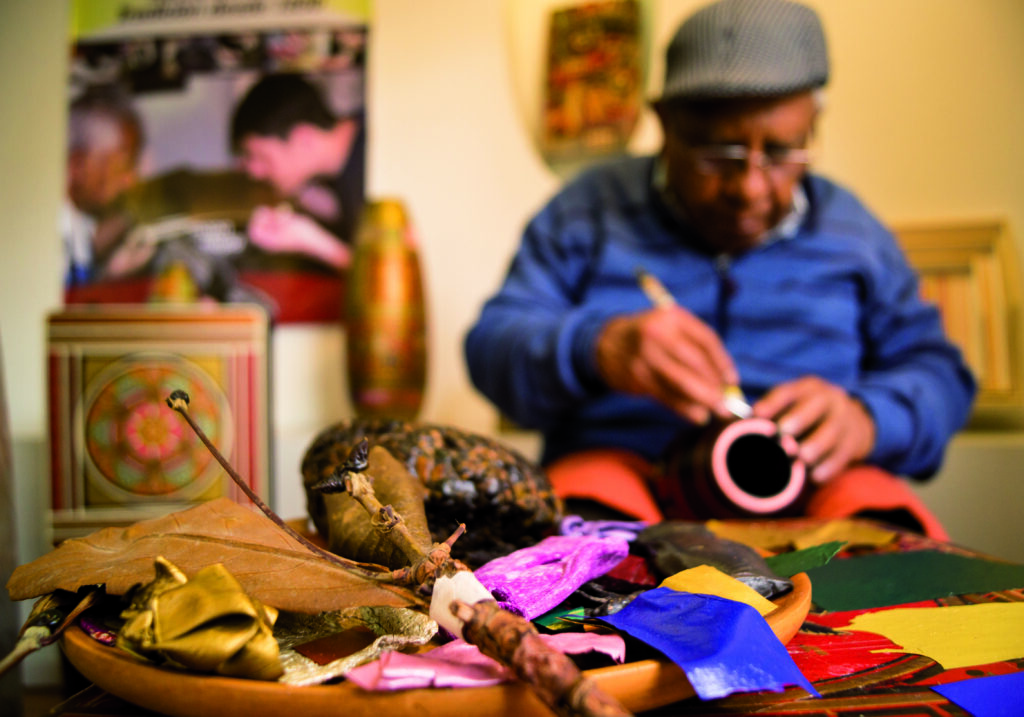
Colombia: Traditional Knowledge and Techniques of Mopa-Mopa Varnish
The traditional knowledge and techniques of mopa-mopa varnish from Putumayo and Nariño involve the intricate processes of harvesting mopa-mopa buds, woodworking, and decorative varnishing, representing a vital cultural identity for communities, yet facing urgent threats from globalization, deforestation, and declining practitioners.
Martinique: The Yole as a Heritage Preservation Model
Colombia: Traditional Knowledge and Techniques of Mopa-Mopa Varnish
2021
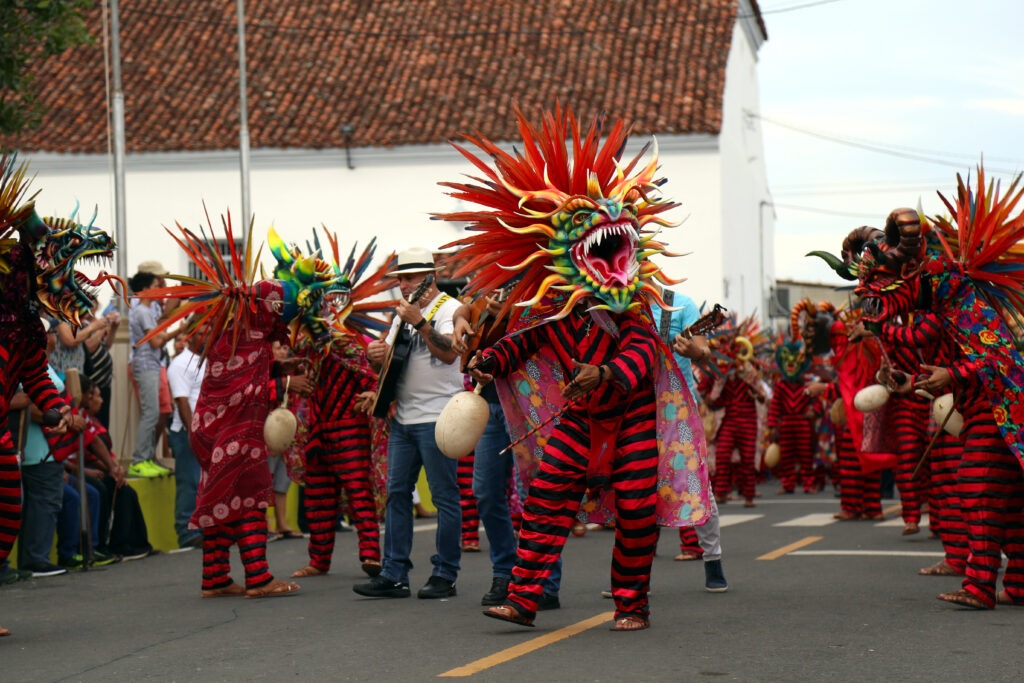
Venezuela: The Festivities of Saint John the Baptist
For UNESCO, the Venezuelan celebrations of Saint John the Baptist, rooted in 18th-century Afro-Venezuelan communities, blend Catholic influences with rich African verbal, musical, and physical expressions, serving as a powerful symbol of cultural resistance and remembrance of enslaved ancestors.
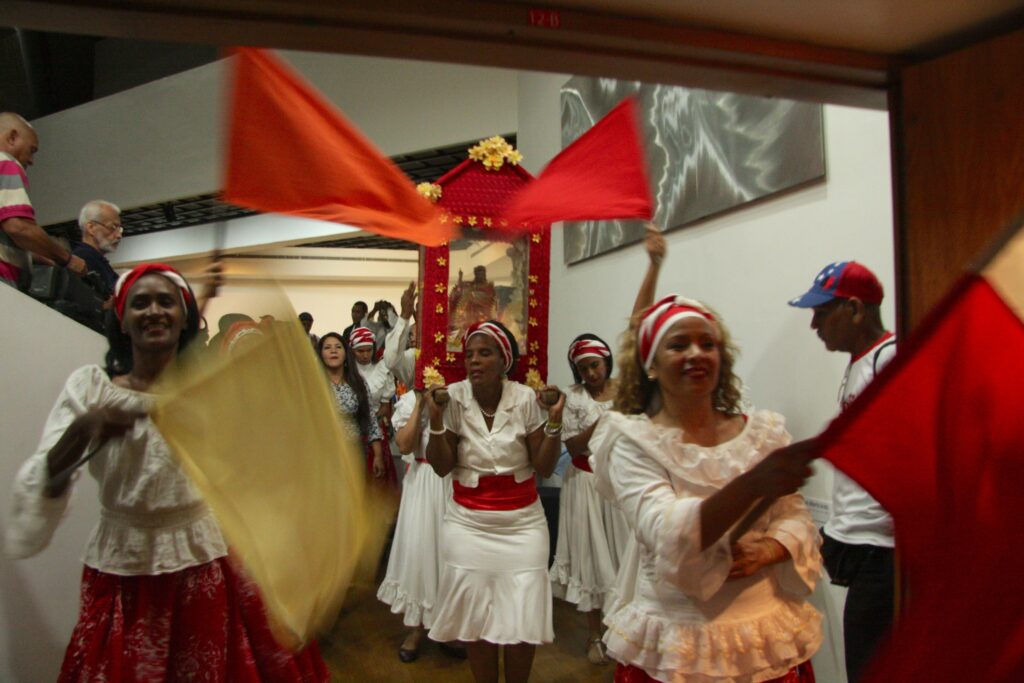
Panama: The Dance and Expressions of Corpus Christi
The Corpus Christi festival in Panama is a vibrant religious celebration that merges Catholic tradition with popular festivities, featuring theatrical performances, lively music, and colorful dances, symbolizing the struggle between good and evil while fostering community involvement and cultural transmission.
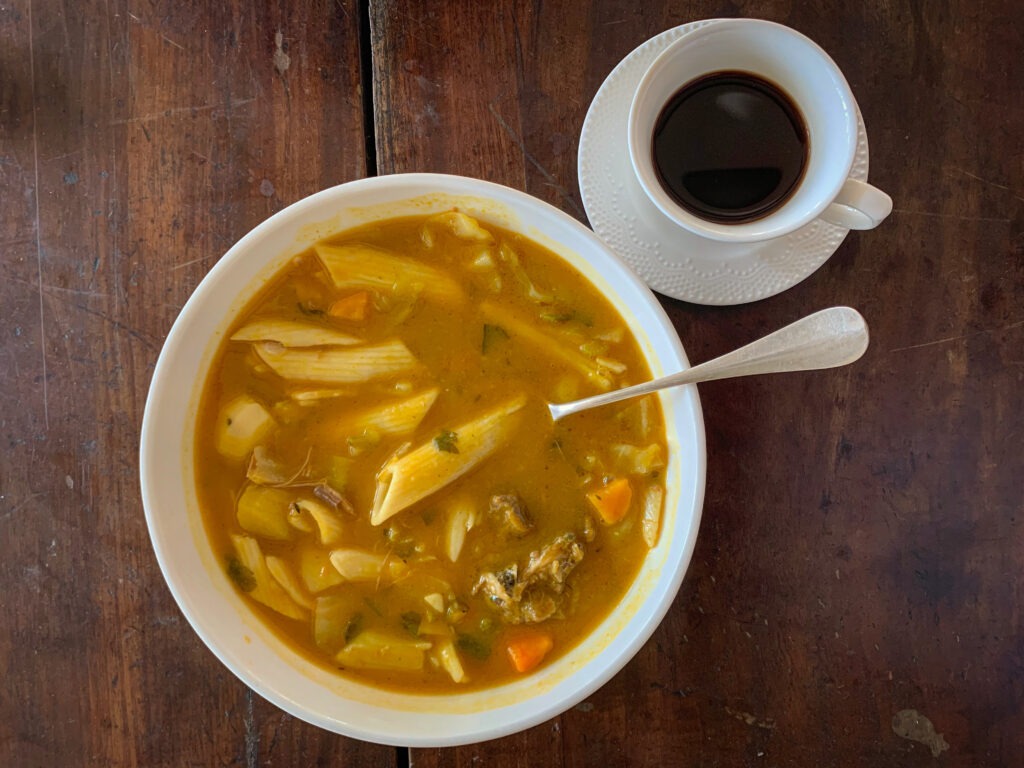
Haiti: Soup Joumou
For UNESCO, Soup Joumou, a traditional Haitian pumpkin soup, is not only a festive dish deeply embedded in Haitian identity but also a symbol of freedom and resilience, historically reserved for slave owners and now celebrated as a community unifier, especially on January 1st, Haiti’s Independence Day.
Venezuela: The Festivities of Saint John the Baptist
Panama: The Dance and Expressions of Corpus Christi
Haiti: Soup Joumou
2022
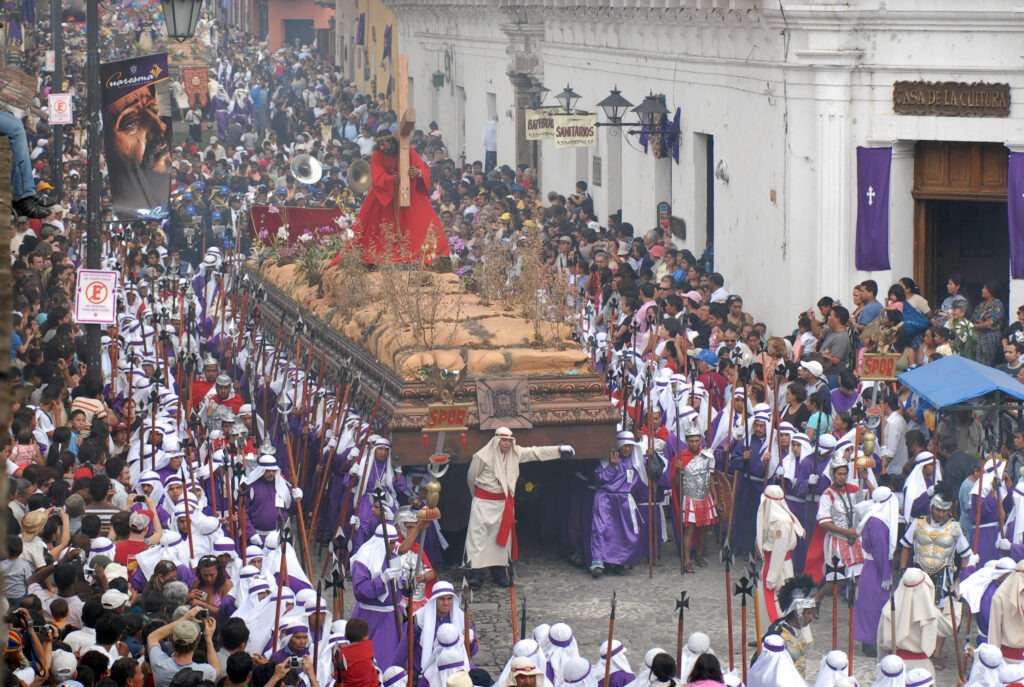
Guatemala: Holy Week Celebrations
For UNESCO, the Holy Week in Guatemala is a significant cultural and religious event featuring processions, culinary specialties, and vibrant flower and fruit carpets, representing a rich tradition that fosters social inclusion and mutual respect while commemorating the Passion, death, and resurrection of Christ.
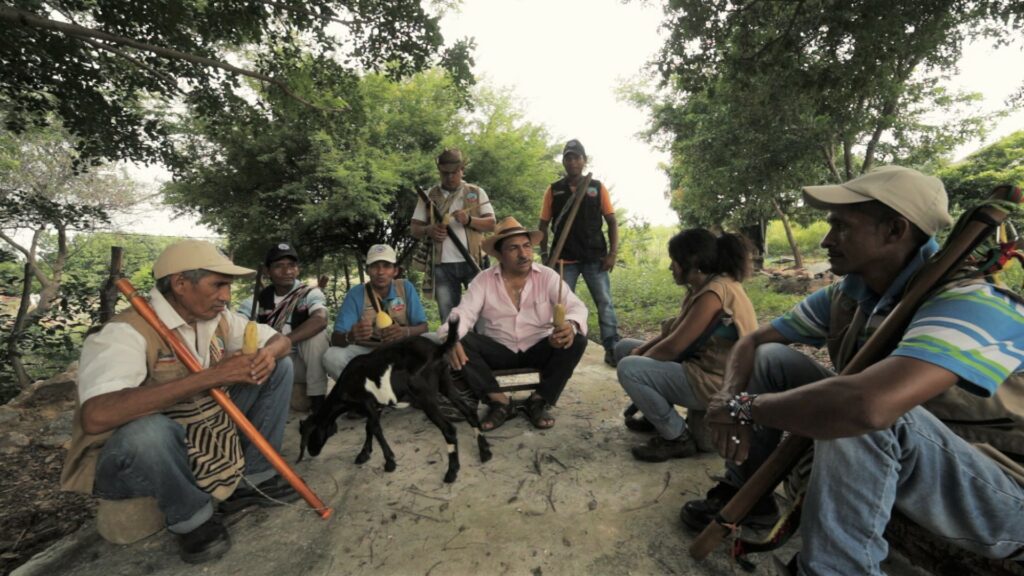
Colombia: Ancestral Knowledge System of the Arhuaco, Kankuamo, Kogi, and Wiwa Peoples
The ancestral knowledge system of the Arhuaco, Kankuamo, Kogi, and Wiwa peoples of the Sierra Nevada de Santa Marta is a profound framework that guides their sacred missions for harmony with the physical and spiritual universe, emphasizing the preservation of sacred sites, traditional rituals, and the protection of their cultural identity and ecosystem.
Guatemala: Holy Week Celebrations
Colombia: Ancestral Knowledge System of the Arhuaco, Kankuamo, Kogi, and Wiwa Peoples
2023
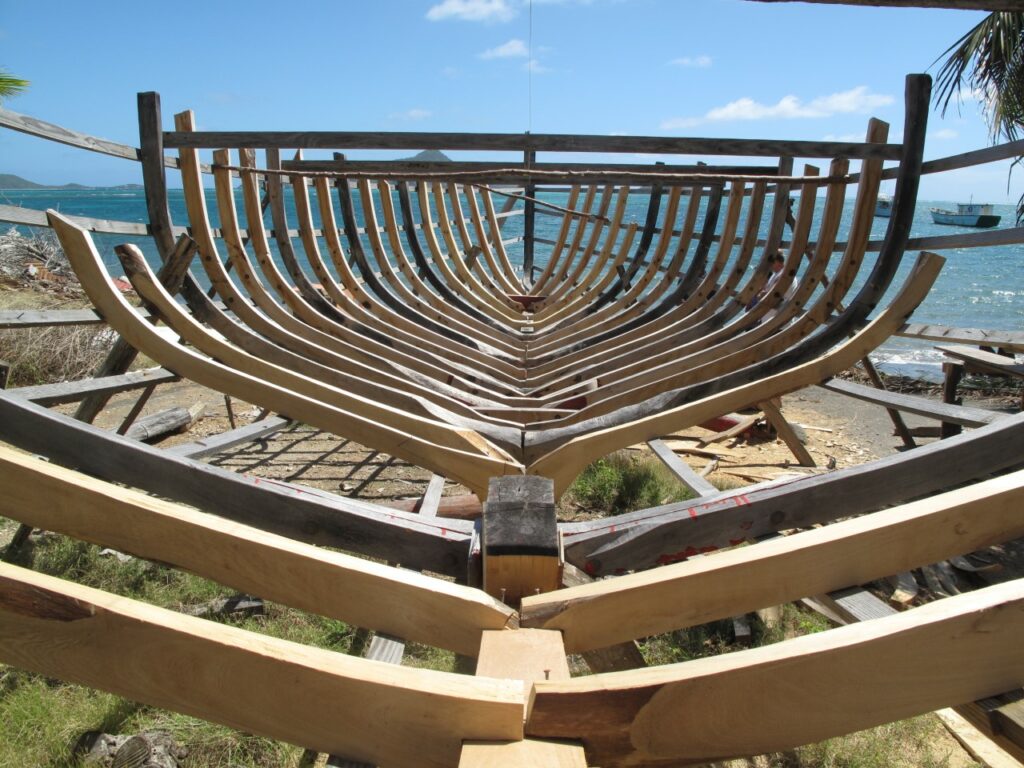
Grenada: Traditional Wooden Boat Building in Carriacou and Petite Martinique
For UNESCO, The traditional practice of wooden boat building in Carriacou and Petite Martinique is a centuries-old craft involving the entire community in various roles, where skilled shipwrights select trees, perform rituals, and celebrate the launch with traditional blessings and festivities, fostering social bonds and cultural heritage.
Colombia : Midwifery: Knowledge, Skills, and Practices
Midwifery is a vital practice in various countries, including Colombia, Cyprus, Germany, Kyrgyzstan, Luxembourg, Nigeria, Slovenia, and Togo, where midwives provide essential care and education to pregnant women and their families, blending traditional knowledge with evidence-based practices while preserving cultural rituals and fostering community support across generations.
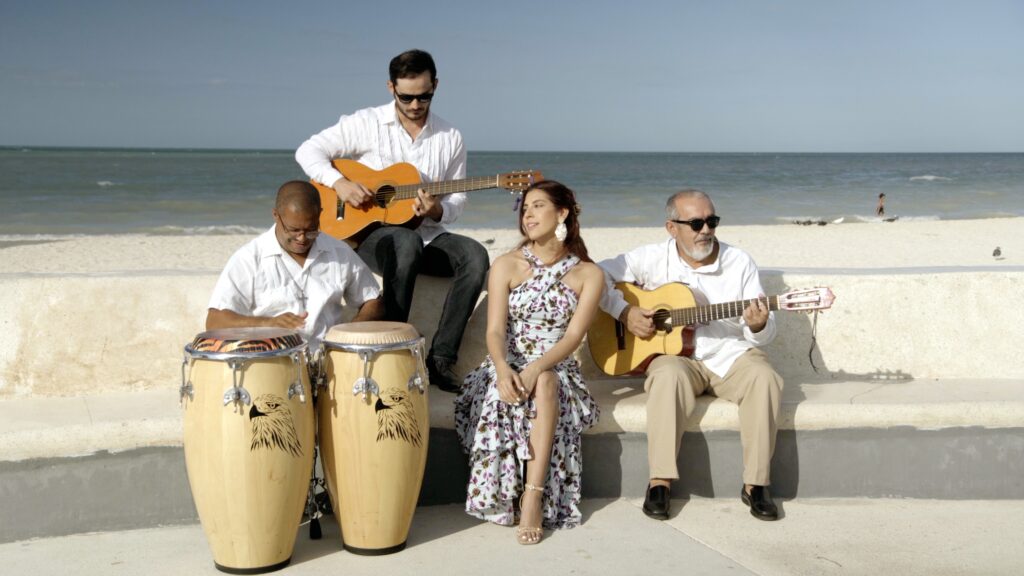
Cuba and Mexico: The Bolero, Identity, Emotion, and Poetry in Song
The bolero is a vital element of Latin American sentimental music, deeply rooted in Cuba and Mexico, blending European poetic language, African rhythms, and indigenous emotions, and serving as a powerful cultural symbol that evokes feelings and connects communities through its lyrical expression and oral transmission across generations.
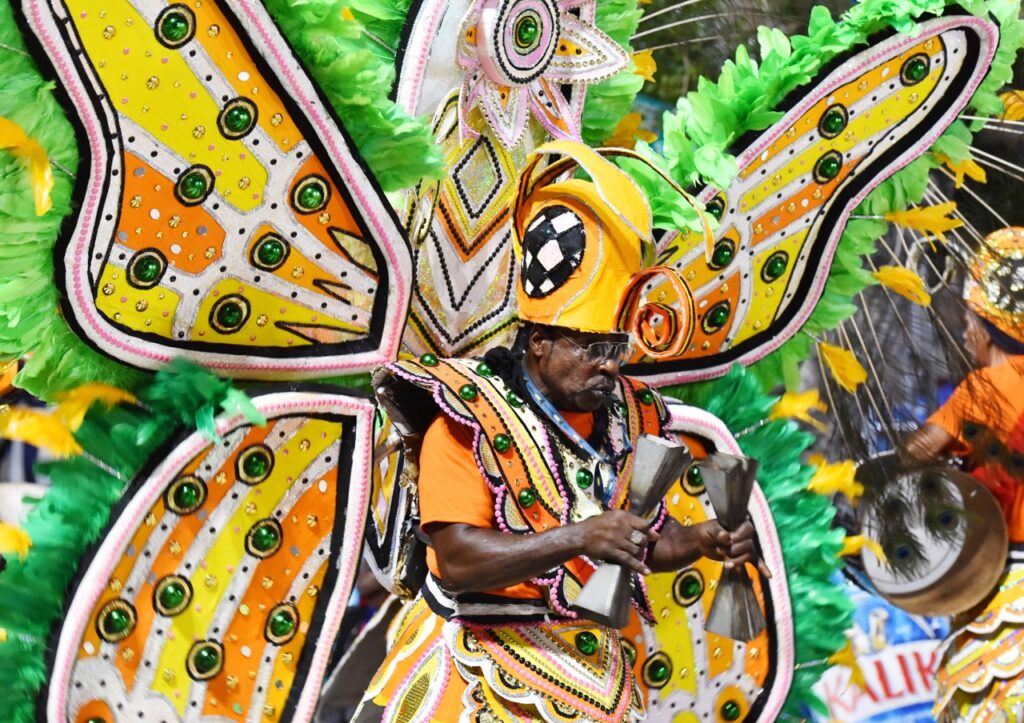
Bahamas : the Junkanoo: Cultural Festival of the Bahamas
For UNESCO, Junkanoo is the national cultural festival of the Bahamas, originating in the early 19th century from enslaved Africans who created vibrant parades filled with music, performance, and storytelling, serving as a powerful expression of creativity and community unity that involves all ages in crafting elaborate costumes and celebrating cultural identity.
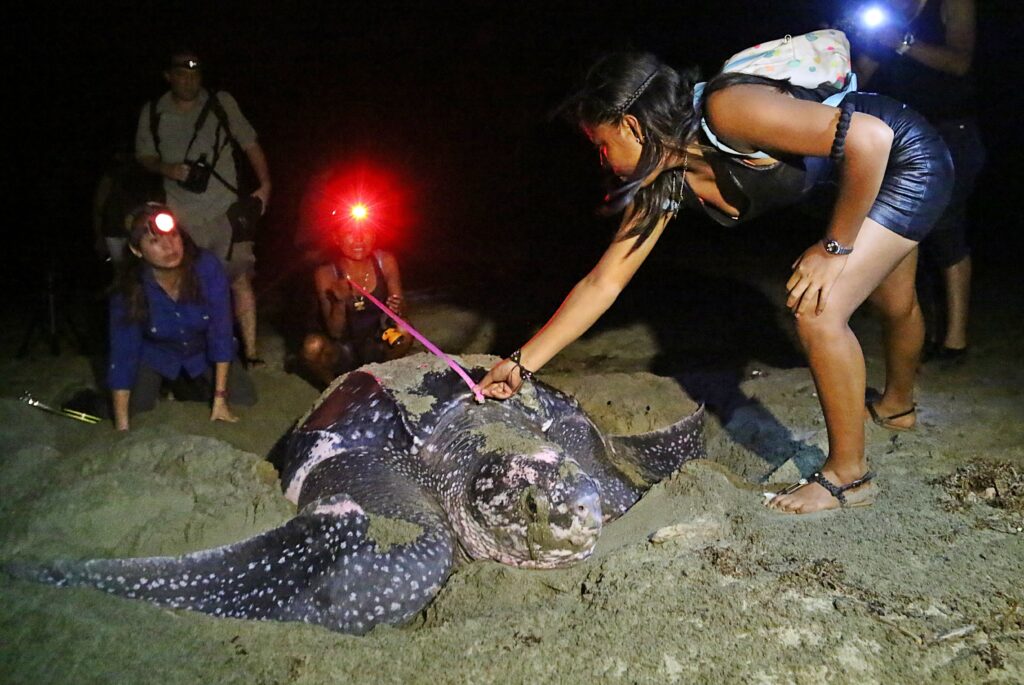
Panama : Armila’s Marine Turtle Cultural and Ecological Festival: Safeguarding Practices Program
The Marine Turtle Cultural and Ecological Festival in Armila, Panama, is a vital program initiated by the kuna people to preserve their oral traditions and environmental practices, featuring a four-day educational festival that coincides with the arrival of loggerhead turtles, promoting community engagement and the creation of an eco-label for culturally and environmentally responsible festivals.
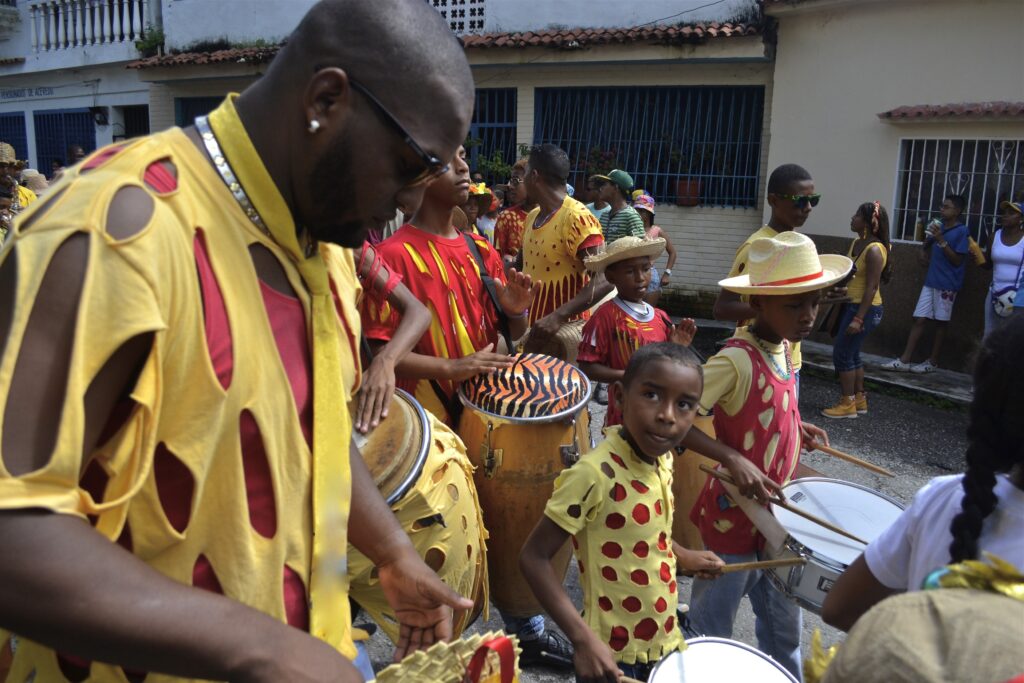
Venezuela : Caucagua’s Bandos and Parrandas of the Holy Innocents: Knowledge Transmission and Community Councils
For UNESCO, The Bandos and Parrandas of the Holy Innocents in Caucagua, Venezuela, are vibrant street festivals celebrated on December 27th and 28th, characterized by music and satirical attire, and supported by a safeguarding program that enhances oral tradition through community-led knowledge centers and councils aimed at revitalizing this Afro-descendant celebration and preserving cultural heritage.
Grenada: Traditional Wooden Boat Building in Carriacou and Petite Martinique
Midwifery: Knowledge, Skills, and Practices
Cuba and Mexico: The Bolero, Identity, Emotion, and Poetry in Song
Bahamas : the Junkanoo: Cultural Festival of the Bahamas
Panama : Armila's Marine Turtle Cultural and Ecological Festival: Safeguarding Practices Program
Venezuela : Caucagua's Bandos and Parrandas of the Holy Innocents: Knowledge Transmission and Community Councils
The cultural practices recognized by UNESCO from 2020 to 2023 exemplify the diversity and intricate heritage of the Caribbean. From the lively rhythms of merengue and the festive celebrations of Junkanoo to the community-driven safeguarding programs of the Bandos and Parrandas, these traditions underscore the essential role of cultural expressions in preserving national identities and fostering community cohesion.
To provide the best experiences, we use technologies like cookies to store and/or access device information. Consenting to these technologies will allow us to process data such as browsing behavior or unique IDs on this site. Not consenting or withdrawing consent, may adversely affect certain features and functions.
Functional
Always active
The technical storage or access is strictly necessary for the legitimate purpose of enabling the use of a specific service explicitly requested by the subscriber or user, or for the sole purpose of carrying out the transmission of a communication over an electronic communications network.
Preferences
The technical storage or access is necessary for the legitimate purpose of storing preferences that are not requested by the subscriber or user.
Statistics
The technical storage or access that is used exclusively for statistical purposes.The technical storage or access that is used exclusively for anonymous statistical purposes. Without a subpoena, voluntary compliance on the part of your Internet Service Provider, or additional records from a third party, information stored or retrieved for this purpose alone cannot usually be used to identify you.
Marketing
The technical storage or access is required to create user profiles to send advertising, or to track the user on a website or across several websites for similar marketing purposes.