GUADELOUPE/ANTIGUA – Michael Eutrope: Caribbean expert in luxury, tradition and excellence

Michael Eutrope

Born in Sainte-Rose, Guadeloupe, and based in Antigua for almost 25 years, Michael Eutrope embodies a vision of Caribbean luxury rooted in transmission, refinement and authenticity. With an international career in the prestige hotel industry, he combines experience, rigor and creativity to reinvent upscale tourism in the Caribbean. Here’s a look back at the career and convictions of a man who makes service an art and the territory a place of expression.

A Caribbean journey in the service of hotel excellence

Trained as a chef in Guadeloupe, then in France and England, Michael Eutrope climbed the restaurant ladder to become a manager in the luxury hotel business. After a spell in the French army as maître d’hôtel to generals, he forged a rigorous protocol that has stayed with him ever since. But it was in Antigua that he found his professional equilibrium, becoming a reference in the discreet luxury sector. Today, at the head of MDE Luxury Hospitality Consultant  wich accompanies villas and prestigious homes, offering a tailor-made service worthy of the finest hotels.

Michael Eutrope

Caribbean luxury: authenticity, service and customization

For Michael Eutrope, luxury isn’t about gilding the lily, it’s about getting it right. “True luxury is a clean beach, a good meal, a shower that works and human service,” he sums up. His vision is rooted in local culture: he values traditions, local products and Caribbean hospitality, without ever compromising on quality. Tailor-made is his signature: organizing an experience around sugar cane or the mango festival becomes a pretext for cultural immersion. For him, it’s only by restoring meaning and roots to luxury that the Caribbean will be able to make a lasting impact.

A sustainable hotel industry and talent to discover

Michael Eutrope advocates a human-scale hotel model, based on ecology, the experiential and quality of life. He believes in the potential of farmhouse boutique-hotels, which grow what they serve to their guests in a short circuit. We don’t want 300-room hotels anymore,“he says,” but unique places that are tailored to each customer. He invites Caribbean youth to dream big and embark on careers of service with pride, and appeals to the diaspora: come back to pass on and inspire new generations.

Michael Eutrope

Rekindling the spirit of welcome

“We were very well brought up in the 60s and 70s. We need to rediscover our savoir-être, pass it on and serve with pride,” he insists. Michael Eutrope embodies a Caribbean that dares to distinguish itself through excellence, while remaining true to its DNA. A source of inspiration for all those involved in Caribbean tourism.

Michael Eutrope

Luxury with roots, looking to the future

Through his journey, Michael Eutrope reminds us that the Caribbean doesn’t need to copy external models to shine. By focusing on people, service quality, cultural heritage and sincere hospitality, it can offer the world a unique vision of luxury, warm and sustainable. An invitation to reinvest our territories with boldness and authenticity.

Michael Eutrope

Leave a Reply

Your email address will not be published. Required fields are marked *

More articles from RK

Caribbean Cinema
FILM & VIDEO
Tolotra

Stories of Caribbean Cinema, Maroon Culture, Transmission, and the Imagination. Texts by Guillaume Robillard. Ciclic, 2026

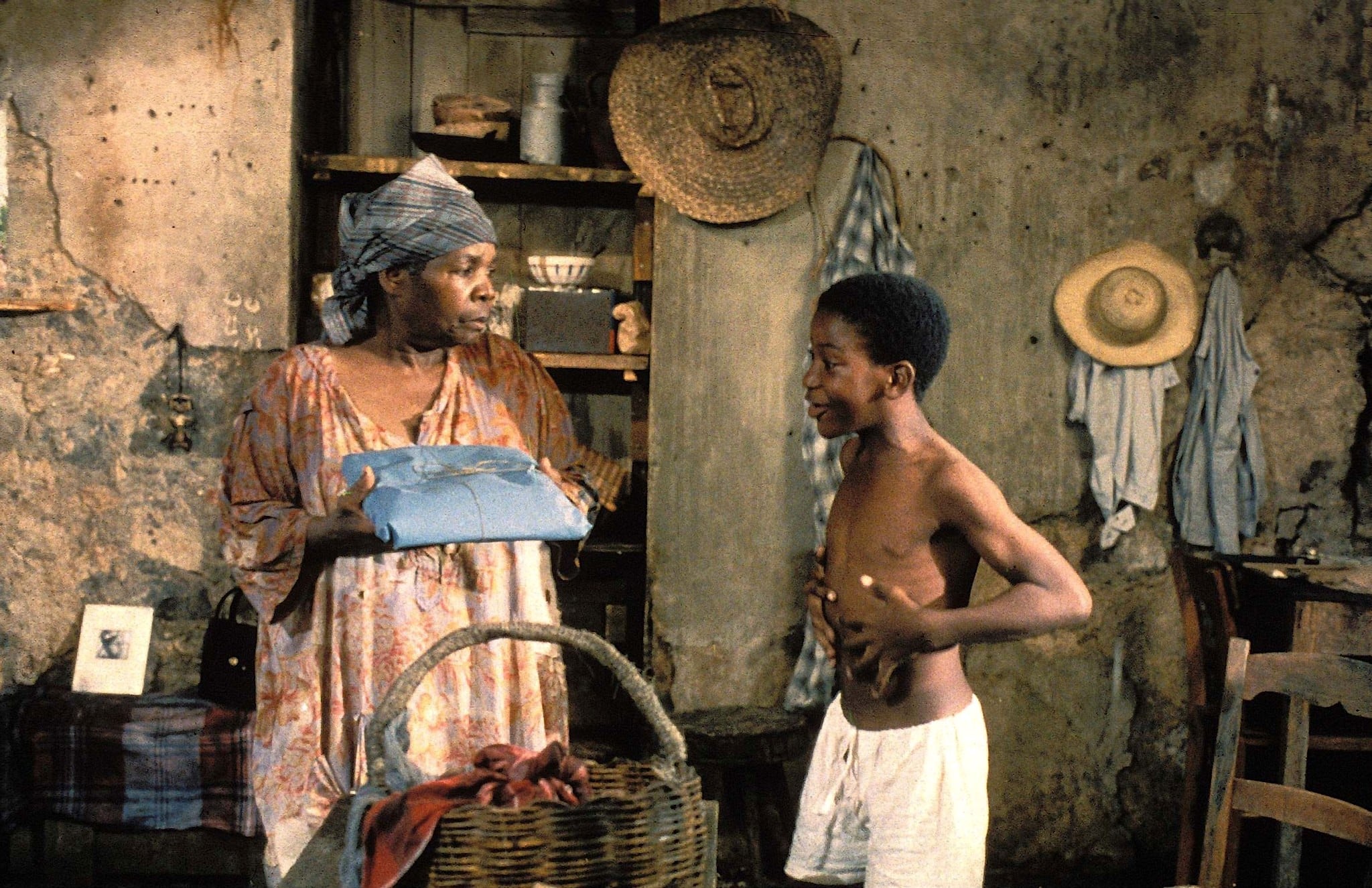
The history of Caribbean cinema continues its journey through the 1980s. After three episodes devoted to the early developments of several cinematic movements in the region, this fourth installment brings together two films from Martinique and one from Curaçao. From the “marronnage” in *Le Sang du flamboyant* to the international trajectory of *Rue Cases-Nègres*, and on to the unique worldof *Almacita di Desolato*, these three works explore different relationships to memory, oral tradition, Africa, and Caribbean imaginaries. This article is the fourth installment in a series of ten. The first three are already available on Richès Karayib, and six more will continue this story through the 2020s. 1981: MARTINIQUE — *The Blood of the Flamingo*, by François Migeat This film is unique in Caribbean cinema. Indeed, its director is a “Metropolitan” (that is, a white man from mainland France who had no deep-rooted ties to the French West Indies) who
Read More »
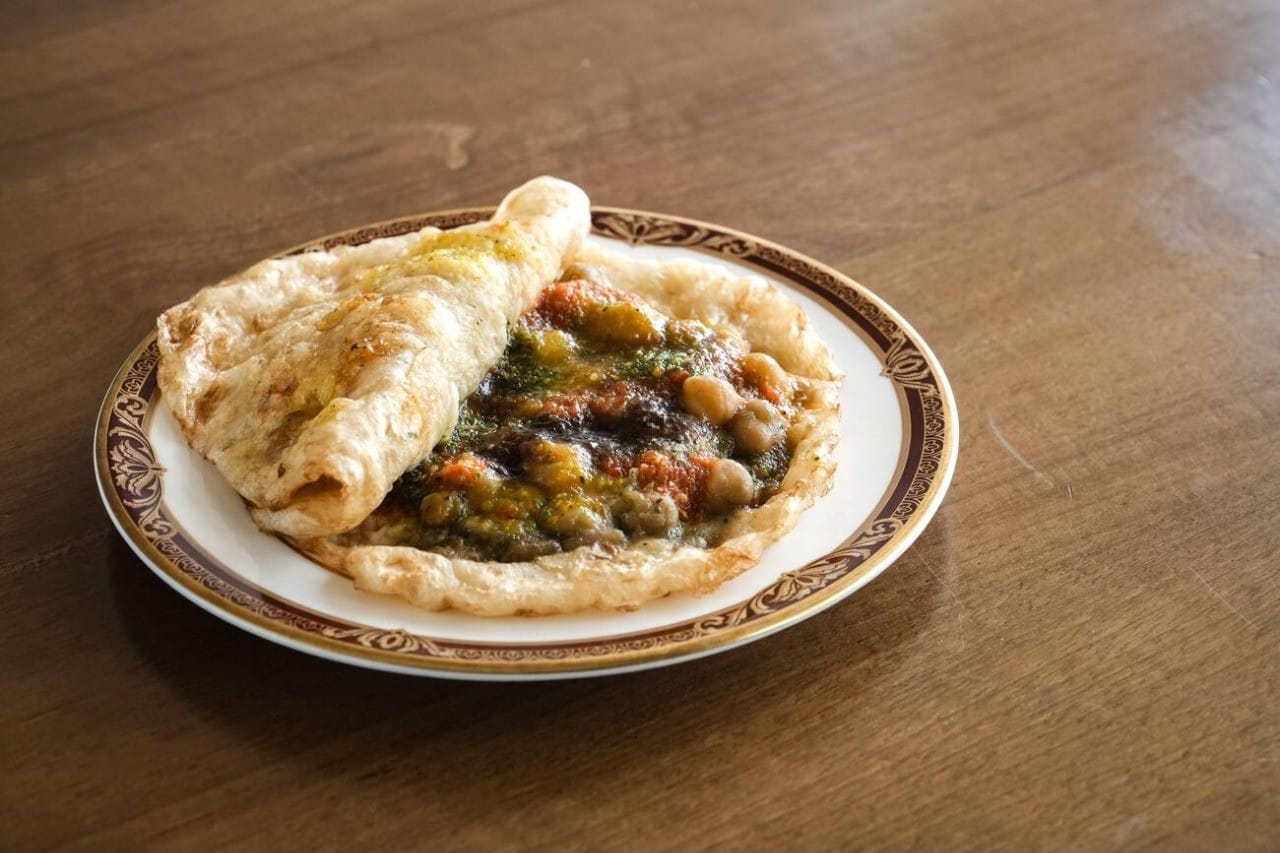
Doubles, plat de rue de Trinité-et-Tobago composé de deux baras frits et de pois chiches au curry
CULINARY ART
Tolotra

Doubles: The Story of Emamool Deen Behind Trinidad’s Street Food Dish

In Princes Town, in southern Trinidad and Tobago, the “doubles” were born in 1936 from a simple gesture: a customer asking for a second piece of bread. At the time, Emamool Deen and his wife Rasulan were selling curry chickpeas on a single piece of fried bread, unaware that they were inventing the country’s most iconic street food. Nearly a century later, doubles still tell the story of Indo-Trinidadian heritage through this chickpea sandwich, which has become a national symbol. A Morning in Princes Town, 1936 At 4:00 a.m., in a courtyard in Princes Town, in the southern part of Trinidad and Tobago, Rasulan Deen lights the fire that will heat the coconut oil. Her husband, Emamool Deen, is boiling the chickpeas that the couple was able to buy by selling a goat, the only possession they had. The year is 1936, and according to oral tradition preserved by several
Read More »
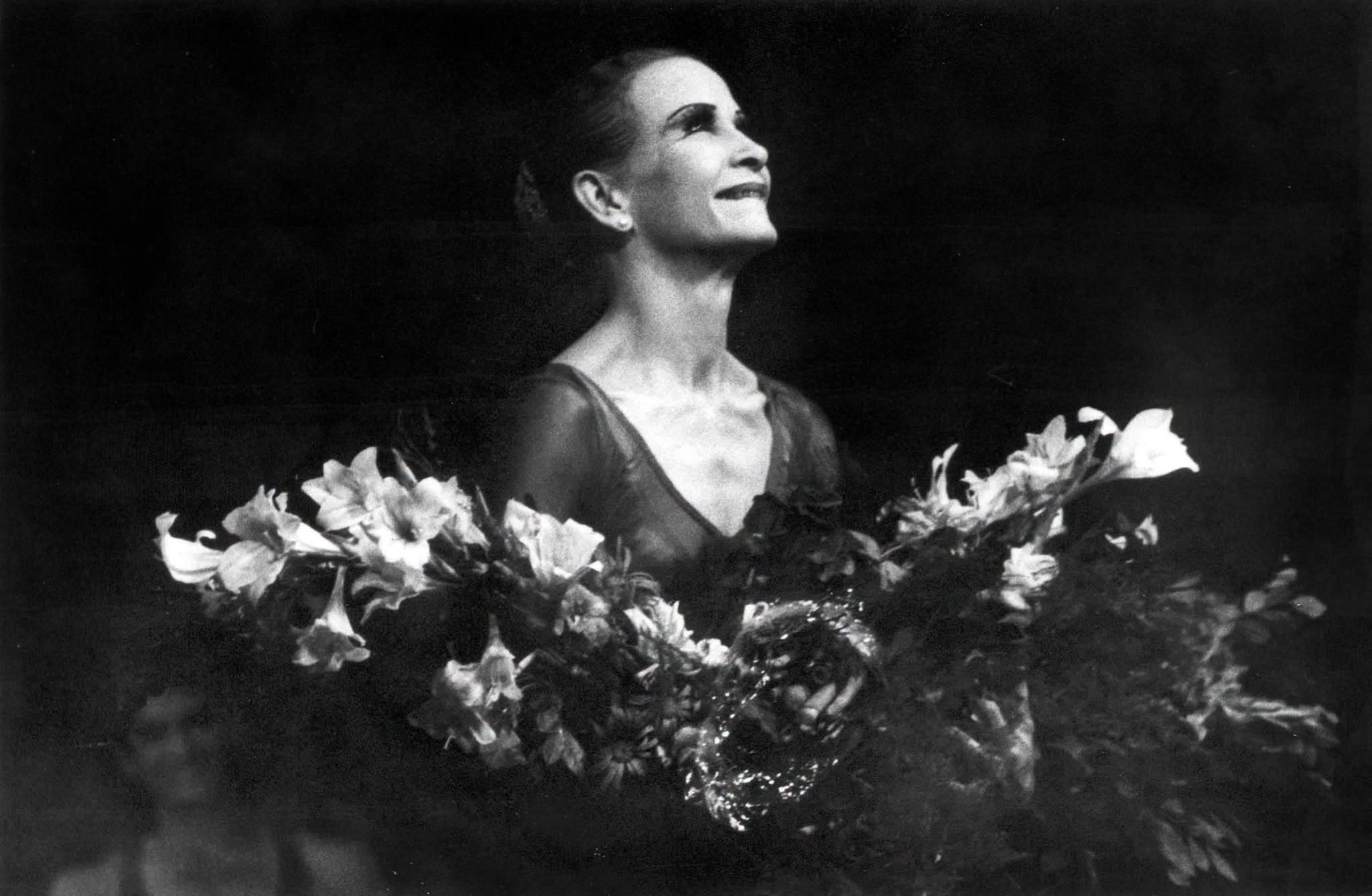
María Elena Llorente recevant un hommage floral, Ballet Nacional de Cuba
DANCE
Tolotra

María Elena Llorente: 50 Years of Ballet in the Service of Cuba

In May 1977, a Cuban dancer took the stage in New York with the Alvin Ailey Dance Theater. In the audience that evening, actor Harry Belafonte watched the performance and would later describe the evening as a significant historical event. This dancer’s name was María Elena Llorente, prima ballerina and ballet mistress of the Ballet Nacional de Cuba. Her career spans fifty years of dance, spent almost entirely with a single company—the one founded by Alicia Alonso in Havana—on an island where, over the decades, classical ballet has become as much a source of national pride as it is an art form. María Elena Llorente, of the Sociedad Pro-Arte at the National Academy It all began at the Sociedad Pro-Arte Musical, a school in Havana where young Cuban women learned the basics of classical ballet even before the official founding of the national ballet company. María Elena Llorente then continued

Read More »

conTACT RK

we'd love to have your feedback on your experience so far

Join The List

Join our Richès Karayib community!  Sign up for our newsletter.

Want To Maximize Your Business Presence On Riches Karayib?

Complete the form to start the application