

Martinique – Touristriel, another way of looking at attractiveness

touristriel

In Martinique, attracting tourists is no longer just about beaches, landscapes and cultural heritage. It’s also built behind the scenes: on the productive sectors, local know-how and infrastructures that make coherent development possible. As part of Touristriel Week, Richès Karayib took a look at a little-explored dynamic: the opening up of industrial sites as a lever for attractiveness, providing a concrete illustration of how the region really works.

On a regional scale, this dynamic is part of the AMPI (Association Martiniquaise pour la Promotion de l’Industrie). Through its member companies, including BATIMAT Recyclage, it deploys a coherent cycle combining the structuring of sectors, the opening up of industrial sites and the transmission of know-how.

The touristriel: understanding before consuming

The word touristriel takes on its full meaning here. It refers to an experience of understanding the region, based on openness, pedagogy and a clear understanding of know-how. Visiting an industrial site means taking a fresh look at the flows, materials, constraints, technical and environmental choices that shape the area.

touristriel
touristriel
touristriel
touristriel

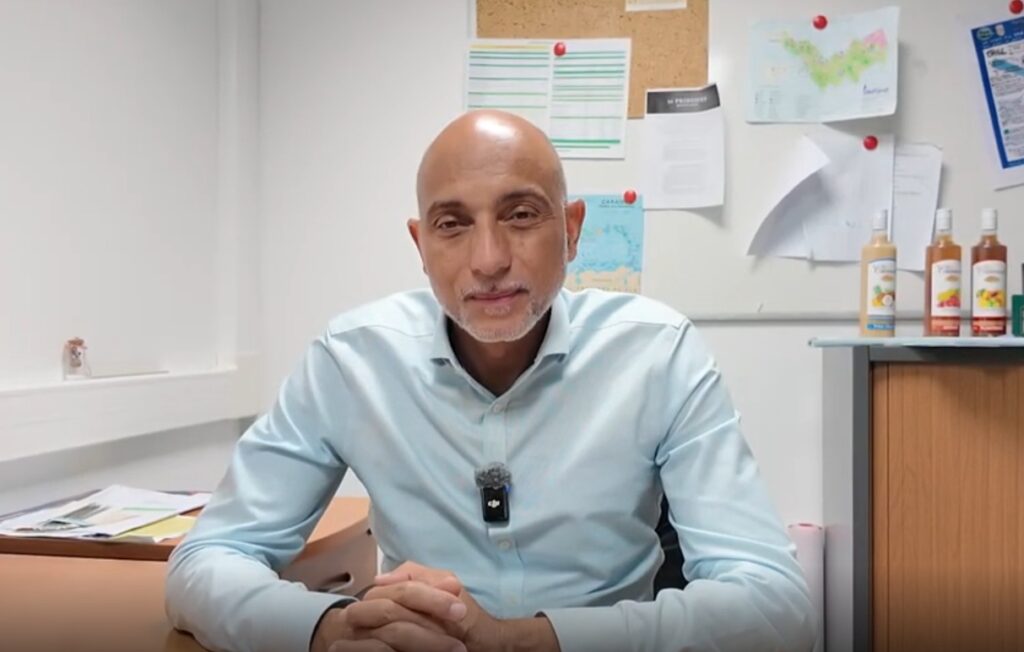
For Charles Larcher, President of AMPI, the stakes are clear:

“Opening our factories means that Martiniquans and visitors alike can discover their industry, meet its employees and understand local know-how. Industry is a heritage, part of the soul of a territory.”

Touristriel doesn’t add another offering: it enriches the existing offer by bringing coherence between sustainable tourism discourse and productive reality.

Charles Larcher

BATIMAT Recycling: open to explain, not to seduce

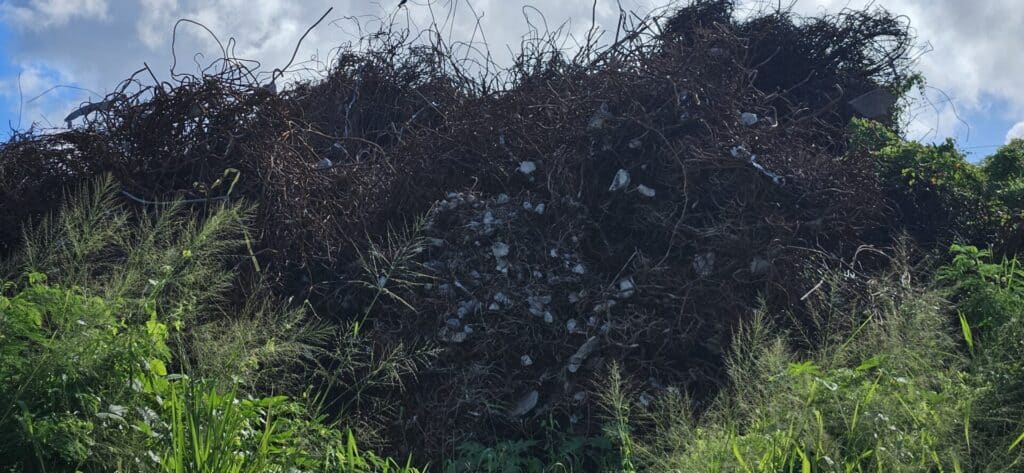
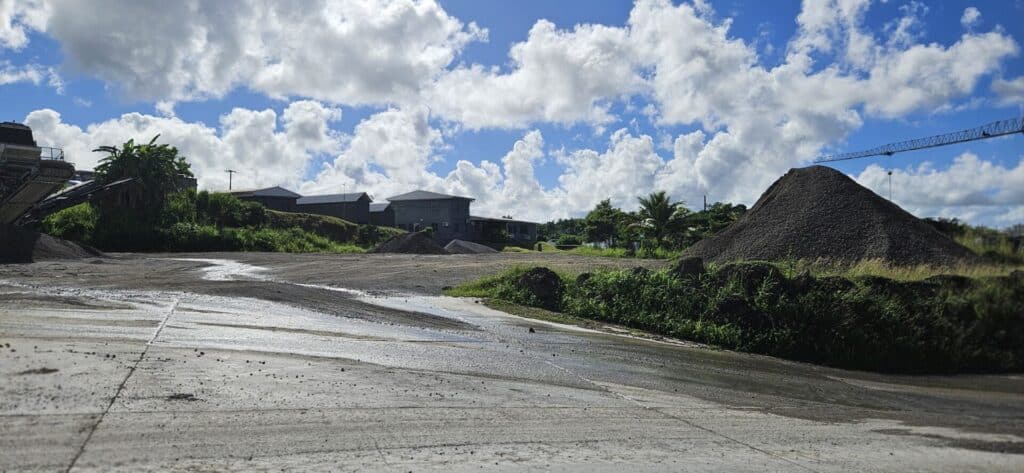
In the field, BATIMAT Recyclage is a perfect illustration of this approach. Specializing in the recycling of inert construction waste, the company transforms rubble, concrete and deconstruction materials into reusable resources, as part of a circular economy approach.

For Yannis Bride: Quality, Health, Safety and Environment Manager, the opening of the site is not part of a tourism strategy in the strict sense of the term:

“We open our doors because we have nothing to hide. Showing our processes, explaining how we manage waste, how we limit our impacts, it’s a way of making our action understandable and visible.”

This transparency arouses curiosity among schoolchildren, elected representatives, professionals and visitors alike. A curiosity focused on understanding waste flows and the structural choices that determine an island’s sustainability.

touristriel

Territorial appeal: credibility before image

The link between industry and tourism is not based on staging, but on credibility. credibility. A region that welcomes visitors while outsourcing the management of its waste, materials or resources loses coherence. Conversely, a well-structured local industry boosts confidence and the overall image of the destination.

On the scale of Martinique, this logic goes far beyond the construction sector alone. Agri-food, energy, construction, recycling: these are just some of the areas in which openness and pedagogy can play a key role. indirect levers of attractiveness by showing that the region produces, transforms and innovates.

touristriel
touristriel

A Caribbean dynamic yet to be structured

Discussions during Tourist Week also highlighted a broader issue: Caribbean cooperation.
While the challenges are common – waste management, limited resources, environmental constraints – responses are often fragmented, hampered by standards, regulations and the absence of a shared strategy.

For both AMPI and BATIMAT Recyclage, the opening of sites can also become a starting point for starting point for regional professional exchanges. This is another area where the touristriel is an eye-opener. Here again, touristriel acts as an eye-opener, creating spaces for dialogue where previously there were only silos.

touristriel
touristriel

Show to welcome

The touristriel reveals industry as a living, visible component of the region. In this way, it is helping to change the way people look at Martinique. By opening their doors, players like BATIMAT Recyclage, supported by the vision conveyed by AMPI, are contributing to a more mature attractiveness, based on understanding, consistency and responsibility. An attractiveness that not only seduces, but also reassuring, credible and inspiring.

In a Caribbean in search of sustainable models adapted to its island realities, this approach could well become one of the markers of a more conscious tourism – and of a more assertive territorial development.

FAQ

Touristriel is an approach that combines tourism and industry, opening up productive sites to help visitors understand the know-how, constraints and choices that structure Martinique’s territory.

Touristriel enhances attractiveness by bringing coherence between sustainable development rhetoric and production reality. It enhances a region’s credibility before its image, by showing how it produces, recycles and innovates locally.

No. The touristriel is also aimed at Martiniquans, schoolchildren, elected representatives and professionals. It fosters a collective understanding of how the region works, and paves the way for local and Caribbean cooperation.

Leave a Reply

Your email address will not be published. Required fields are marked *

More articles from RK

Anthony Joseph
LITERATURE
Tolotra

Anthony Joseph: From Trinidadian Calypso to Cosmic Jazz

In the summer of 2026, Anthony Joseph is active on two fronts at once. His tenth album, The Arkcontinues its musical exploration, while the collection Haunting the Black Air, released on July 2, brings his poetry back to themes of memory, the diaspora, and sound. For the Trinidadian artist, writing, singing, and storytelling are all part of the same creative process. Anthony Joseph, a voice shaped by Trinidad and London Born in Trinidad and now based in London, Anthony Joseph has spent several decades building a body of work that defies easy categorization. A poet, novelist, musician, and scholar, he currently teaches creative writing at King’s College London. This versatility is not merely a collection of professions; it reflects a Caribbean way of circulating the word across the page, the stage, rhythm, and oral tradition. Music entered his life as a writer at an early age. He began writing poetry

Read More »
Keisha Bissram
HISTORY & HERITAGE
Tolotra

Keisha Bissram: “Black Cake” Turns a Recipe into a Memory

At Christmas, black cake is a staple on the table. We admire its dark color, its dense texture, and the aroma of the fruit. Yet behind every slice, someone has planned ahead, measured ingredients, waited, and repeated the same steps over and over. With her short film *Black Cake*, Keisha Bissram asks a question: What becomes of a tradition when the woman who kept it alive is no longer there? Keisha Bissram recounts a grieving process that goes beyond the absence of a loved one The film follows Sherry Sankar, an Indo-Caribbean woman grappling with the loss of her mother and profound family upheavals during Christmas. Keisha Bissram does not treat grief as an isolated event. The loss reveals a quiet system: recipes preserved, gatherings organized, tensions absorbed, and traditions upheld—all without us always realizing the effort involved. A mother leaves behind more than just possessions. She may leave behind

Read More »
Vejigantes
HISTORY & HERITAGE
Tolotra

Vejigantes of Loíza: Masks of Afro-Puerto Rican Heritage

As the last weekend of July approaches, Loíza is getting ready to send its masked characters back out onto the streets. Among them, the vejigantes march forward wearing wooden horns and faces carved from coconut shells. Behind their spectacular appearance lies a complex history: that of a Spanish figure that has become, in Puerto Rico, a powerful symbol of Afro-Boricua creativity. A mask shaped by the region A rounded shell, two eye slits, a toothed mouth, and long horns arranged like a crown. The vejigantes of Loíza are instantly recognizable. The material they’re made of sets them apart from those of Ponce, where the caretas are generally made of papier-mâché. . This difference is not merely an aesthetic detail. The coconut ties the mask to the coastal landscape, to the available resources, and to the artisanal craft. The Smithsonian holds several pieces made in Loíza, including a coconut careta attributed

Read More »

conTACT RK

we'd love to have your feedback on your experience so far

Join The List

Join our Richès Karayib community!  Sign up for our newsletter.

Want To Maximize Your Business Presence On Riches Karayib?

Complete the form to start the application