

Martinique – Touristriel, another way of looking at attractiveness

touristriel

In Martinique, attracting tourists is no longer just about beaches, landscapes and cultural heritage. It’s also built behind the scenes: on the productive sectors, local know-how and infrastructures that make coherent development possible. As part of Touristriel Week, Richès Karayib took a look at a little-explored dynamic: the opening up of industrial sites as a lever for attractiveness, providing a concrete illustration of how the region really works.

On a regional scale, this dynamic is part of the AMPI (Association Martiniquaise pour la Promotion de l’Industrie). Through its member companies, including BATIMAT Recyclage, it deploys a coherent cycle combining the structuring of sectors, the opening up of industrial sites and the transmission of know-how.

The touristriel: understanding before consuming

The word touristriel takes on its full meaning here. It refers to an experience of understanding the region, based on openness, pedagogy and a clear understanding of know-how. Visiting an industrial site means taking a fresh look at the flows, materials, constraints, technical and environmental choices that shape the area.

touristriel
touristriel
touristriel
touristriel

For Charles Larcher, President of AMPI, the stakes are clear:

“Opening our factories means that Martiniquans and visitors alike can discover their industry, meet its employees and understand local know-how. Industry is a heritage, part of the soul of a territory.”

Touristriel doesn’t add another offering: it enriches the existing offer by bringing coherence between sustainable tourism discourse and productive reality.

Charles Larcher

BATIMAT Recycling: open to explain, not to seduce

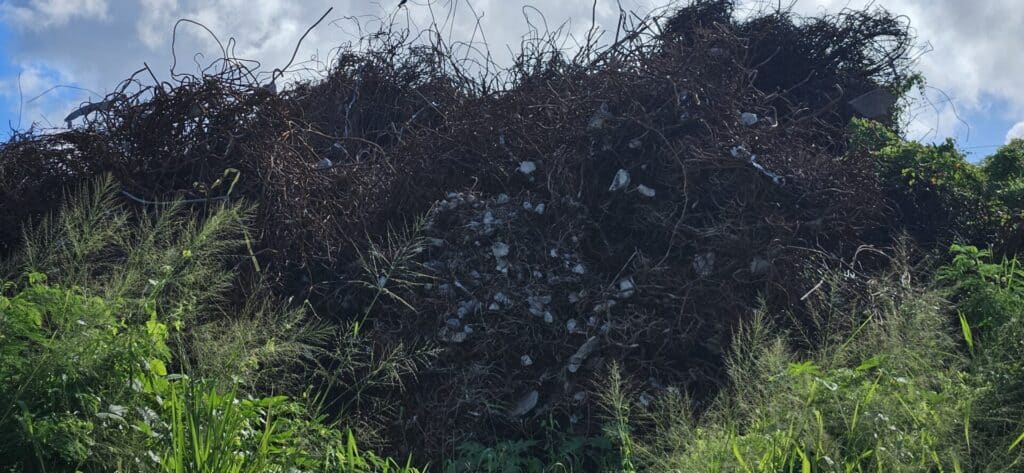
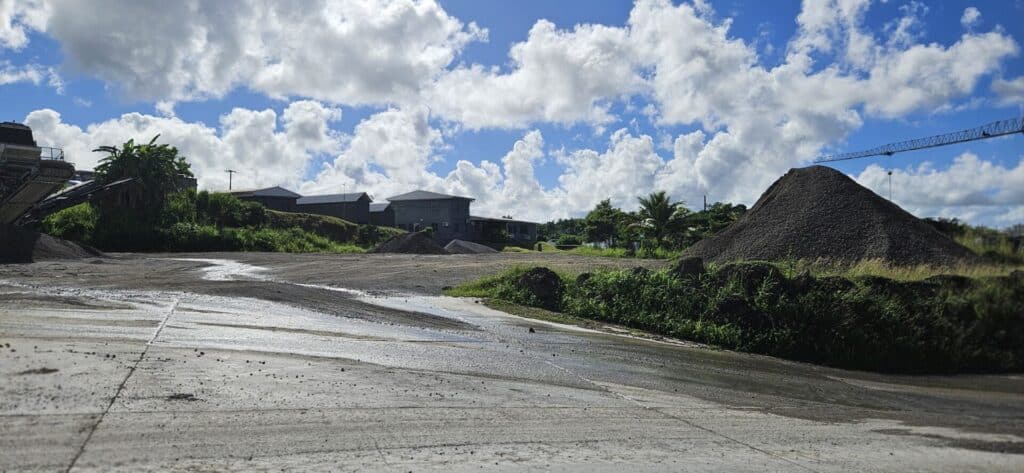
In the field, BATIMAT Recyclage is a perfect illustration of this approach. Specializing in the recycling of inert construction waste, the company transforms rubble, concrete and deconstruction materials into reusable resources, as part of a circular economy approach.

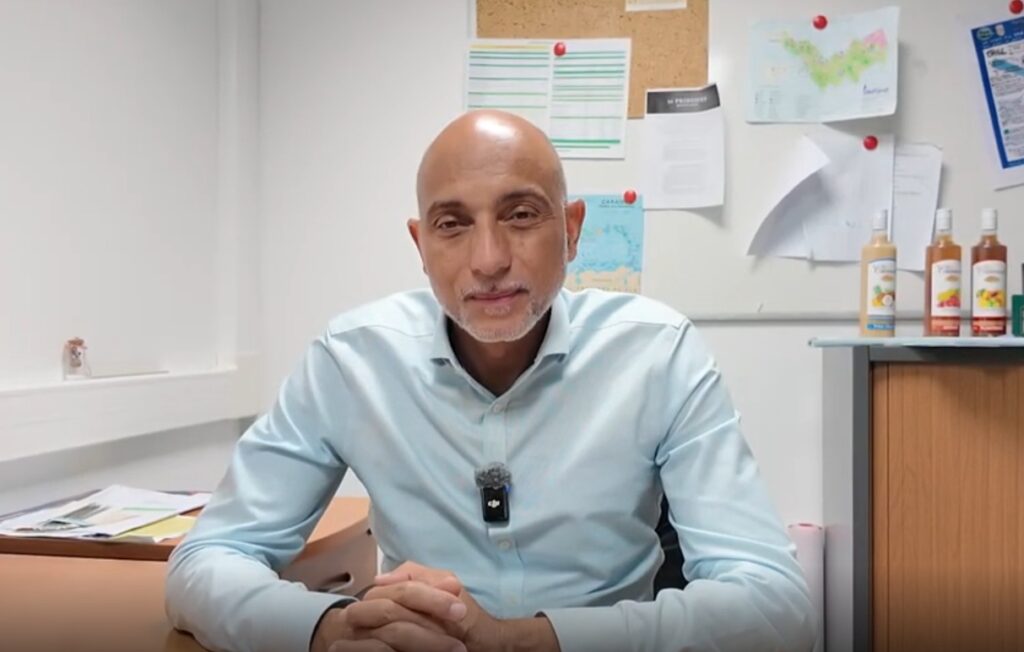
For Yannis Bride: Quality, Health, Safety and Environment Manager, the opening of the site is not part of a tourism strategy in the strict sense of the term:

“We open our doors because we have nothing to hide. Showing our processes, explaining how we manage waste, how we limit our impacts, it’s a way of making our action understandable and visible.”

This transparency arouses curiosity among schoolchildren, elected representatives, professionals and visitors alike. A curiosity focused on understanding waste flows and the structural choices that determine an island’s sustainability.

touristriel

Territorial appeal: credibility before image

The link between industry and tourism is not based on staging, but on credibility. credibility. A region that welcomes visitors while outsourcing the management of its waste, materials or resources loses coherence. Conversely, a well-structured local industry boosts confidence and the overall image of the destination.

On the scale of Martinique, this logic goes far beyond the construction sector alone. Agri-food, energy, construction, recycling: these are just some of the areas in which openness and pedagogy can play a key role. indirect levers of attractiveness by showing that the region produces, transforms and innovates.

touristriel
touristriel

A Caribbean dynamic yet to be structured

Discussions during Tourist Week also highlighted a broader issue: Caribbean cooperation.
While the challenges are common – waste management, limited resources, environmental constraints – responses are often fragmented, hampered by standards, regulations and the absence of a shared strategy.

For both AMPI and BATIMAT Recyclage, the opening of sites can also become a starting point for starting point for regional professional exchanges. This is another area where the touristriel is an eye-opener. Here again, touristriel acts as an eye-opener, creating spaces for dialogue where previously there were only silos.

touristriel
touristriel

Show to welcome

The touristriel reveals industry as a living, visible component of the region. In this way, it is helping to change the way people look at Martinique. By opening their doors, players like BATIMAT Recyclage, supported by the vision conveyed by AMPI, are contributing to a more mature attractiveness, based on understanding, consistency and responsibility. An attractiveness that not only seduces, but also reassuring, credible and inspiring.

In a Caribbean in search of sustainable models adapted to its island realities, this approach could well become one of the markers of a more conscious tourism – and of a more assertive territorial development.

FAQ

Touristriel is an approach that combines tourism and industry, opening up productive sites to help visitors understand the know-how, constraints and choices that structure Martinique’s territory.

Touristriel enhances attractiveness by bringing coherence between sustainable development rhetoric and production reality. It enhances a region’s credibility before its image, by showing how it produces, recycles and innovates locally.

No. The touristriel is also aimed at Martiniquans, schoolchildren, elected representatives and professionals. It fosters a collective understanding of how the region works, and paves the way for local and Caribbean cooperation.

Leave a Reply

Your email address will not be published. Required fields are marked *

More articles from RK

Stephen Cat Coore
MUSIC
Tolotra

Jamaica – Reggae legend Stephen Cat Coore dies aged 69

Stephen Cat Coore died at the age of 69, leaving the Caribbean bereft of one of its most consistent and demanding artisans. Guitarist, singer, composer and co-founder of the group Third World, he embodies a singular trajectory in the history of Jamaican music: that of a creator who chose continuity, rigor and thoughtful openness rather than rupture or effect. His death is not just that of a renowned musician. It marks the loss of a cultural landmark, of a man who knew how to think of reggae as a space for dialogue between Caribbean heritage and the global circulation of sounds. A musical heritage steeped in Jamaican history Stephen Cat Coore was born in a Jamaica where music was already structuring the collective narrative. Son of Bunny Ruggs, a member of the Maytals, he grew up in the shadow of a heritage shaped by ska, rocksteady and the first expressions

Read More »
Karen VIRAPIN
AIR
Tolotra

Karen VIRAPIN: Air Caraïbes’ first female CEO from the French overseas territories

Appointed Deputy CEO in January 2026, Karen Virapin becomes the first woman from the French overseas territories to reach this level of governance withinAir Caraïbes. A major development for the airline, but also a strong signal for the Caribbean air transport sector. Beyond the symbolism, this appointment raises a central question: what concrete impact could it have on governance, social dialogue, the regional network and service quality? An appointment that reflects continuity, but not stasis Having been with the company for fourteen years, Karen Virapin is no parachute. A former Director of Human Resources, Karen Virapin has been involved in all the company’s structural transformations: organizational changes, workforce growth, adaptation to the economic and social constraints of the airline industry. Her appointment to the position of Managing Director is therefore a logical step in the company’s continuity. But continuity does not mean standstill. In a sector as exposed as air

Read More »
Rara
HISTORY & HERITAGE
Tolotra

Haiti – Rara: street music, spirituality and social protest

The Haitian Rara is neither processional music nor seasonal entertainment. It is a structuring social fact. It’s rooted in the country’s history, religious practices, social hierarchies and modes of protest. Present in the streets, on the roads, in towns and outlying districts alike, Rara articulates sound, movement and speech in a collective logic that goes far beyond musical performance. In Haiti, Rara is part of a precise temporality, mobilizing entire communities and transforming public space into a place of ritualized expression. It is at once a spiritual practice, a social organization and a popular language. Rara: a collective practice before being a musical genre It cannot be understood as a simple sound style. It functions as a cultural season and a collective scheme. For several weeks, bands organize themselves, rehearse, build their instruments, prepare their routes and appearances. This preparation involves responsibilities, defined roles and an internal hierarchy that structure

Read More »

conTACT RK

we'd love to have your feedback on your experience so far

Join The List

Join our Richès Karayib community!  Sign up for our newsletter.

Want To Maximize Your Business Presence On Riches Karayib?

Complete the form to start the application