


Mofongo is the first dish people ask for in Puerto Rico—a generous, garlic-infused puree made from green plantains pounded in a mortar. But its name comes neither from the Taíno nor from Spanish; it comes from Angola. Three cultural heritages—Taíno, African, and Spanish—are still pounded together today in the same wooden mortar. A tradition passed down in the kitchen In many Puerto Rican families, the first encounter with mofongo takes place on a Sunday at the dinner table, often served with a bowl of broth on the side. Several chefs on the island say they grew up with this tradition—frying green plantains and then mashing them in a wooden mortar—long before they understood everything this dish reveals about Puerto Rico’s history. Mofongo is a purée made from fried green plantains, pounded in a wooden mortar called a pilón, then mixed with chicharrón (fried pork rinds), garlic, and sometimes hot broth.
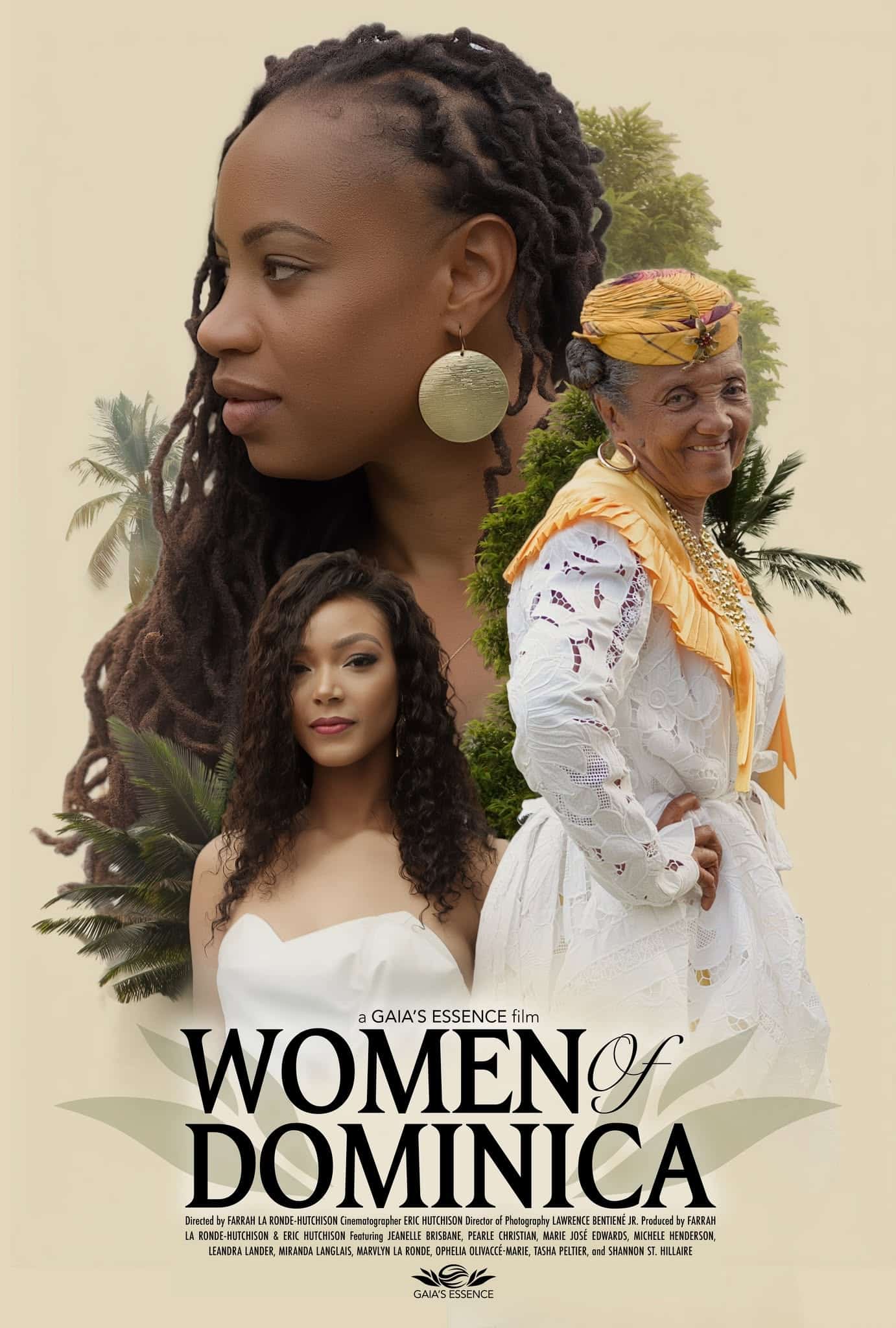
“Women of Dominica” brings together ten women from different generations around a shared narrative: the Creole heritage of Dominica. The documentary, directed by environmental scientist-turned-filmmaker Farrah La Ronde-Hutchison, will have its U.S. premiere on September 5 in Miami, ahead of a wider release scheduled for 2027. Among the voices featured is that of Ophelia Marie, a historic figure in Dominican music. A story of passing down traditions, between a mother and her daughter The Women of Dominica project has its roots in a family story. In 2019, Farrah La Ronde-Hutchison’s mother received the Golden Drum, a Dominican award dedicated to the preservation of traditional Creole attire. She had carried this responsibility for more than thirty-five years, passing down to her daughter the techniques and fabrics of a garment that few in younger generations still know how to tie today. It was this tradition passed down from mother to daughter that
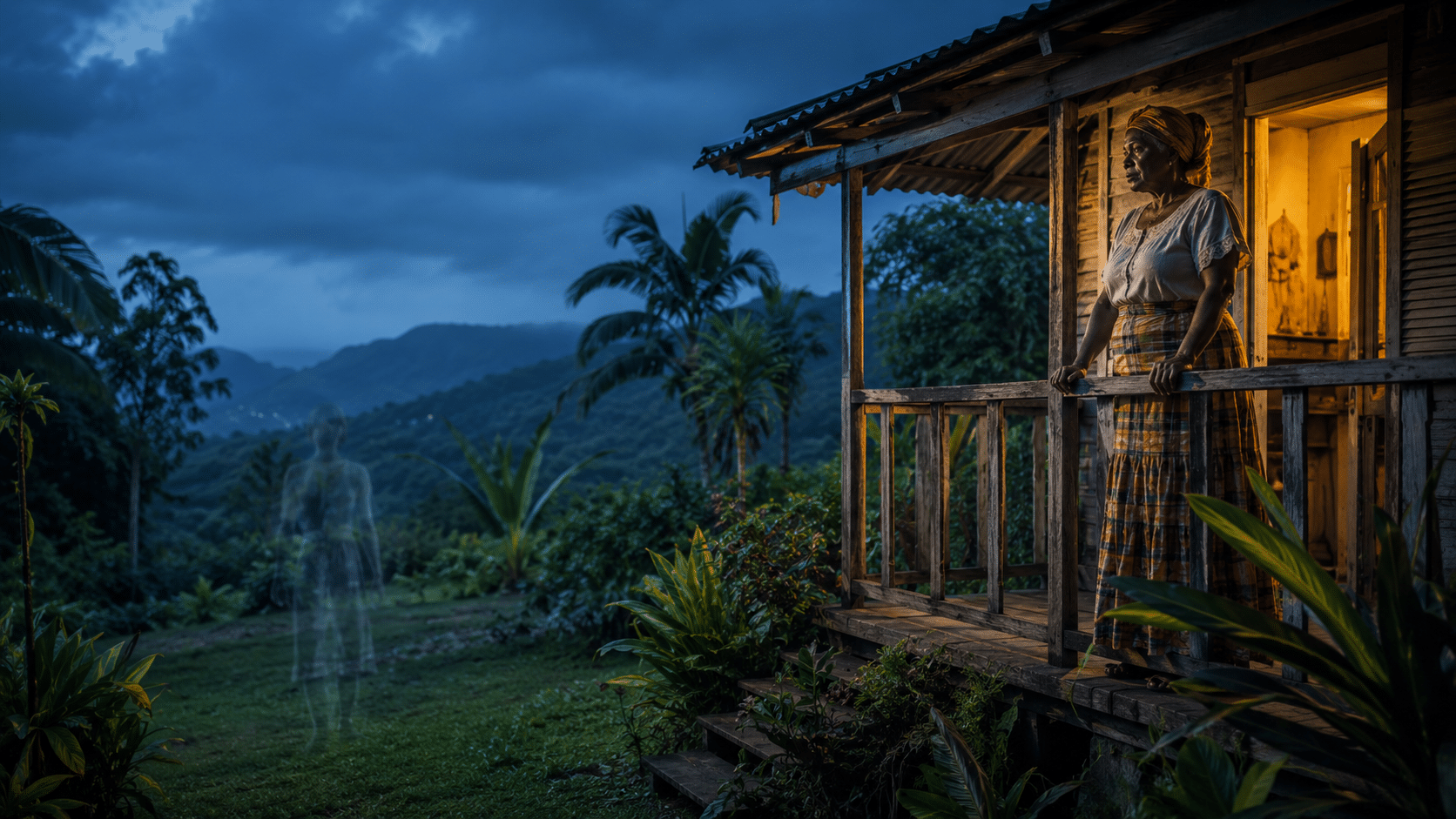
“Duppy know who fi frighten”: this Jamaican saying resonates from childhood onward, long before we fully understand its meaning. In Jamaica, at dusk, a scene plays out across generations. Children are called back inside before night swallows the garden. There’s no need to argue the point—outside, the duppies lurk, those spirits that didn’t follow the dead to the end of their journey. A man from Old Harbour, now in his eighties, told researchers in 2021 how these stories shaped his childhood evenings—not so much to terrify as to keep the children close to home. From this inherited fear arose a saying that is still heard today throughout the island: “Duppy know who fi frighten”—the duppy knows who to frighten. What does “Duppy know who fi frighten” mean? The Jamaican Patwah online dictionary illustrates the expression with a typical phrase, “Him cyaa try mi, duppy know who fi frighten,” which could
