A miniature island with great character

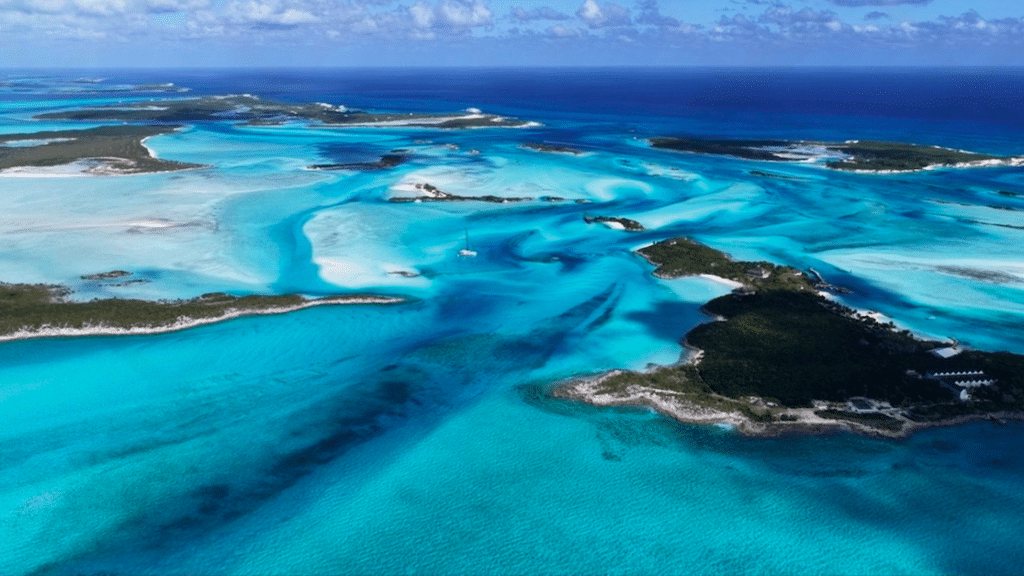
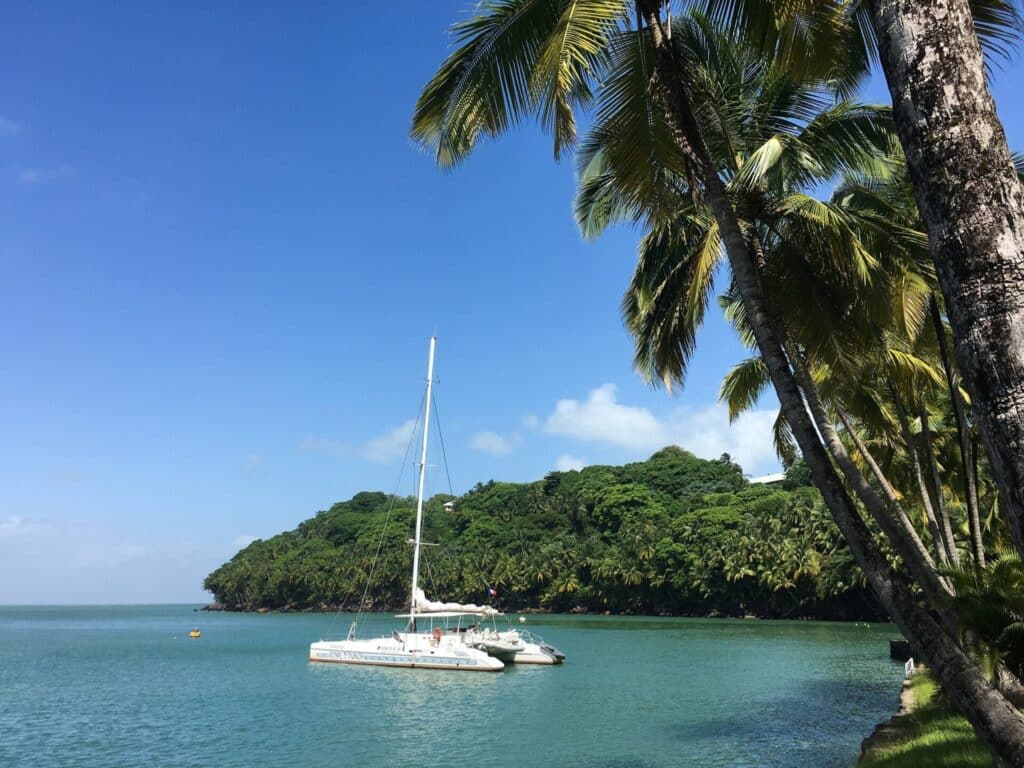
Lost between Canouan and Union Island, Mayreau is the smallest inhabited island in Saint Vincent and the Grenadines. Fewer than 300 inhabitants live here, to the rhythm of the wind and the sea. Accessible only by boat, Mayreau has no airport, giving it a rare charm in the contemporary Caribbean: that of an unspoilt territory on a human scale.

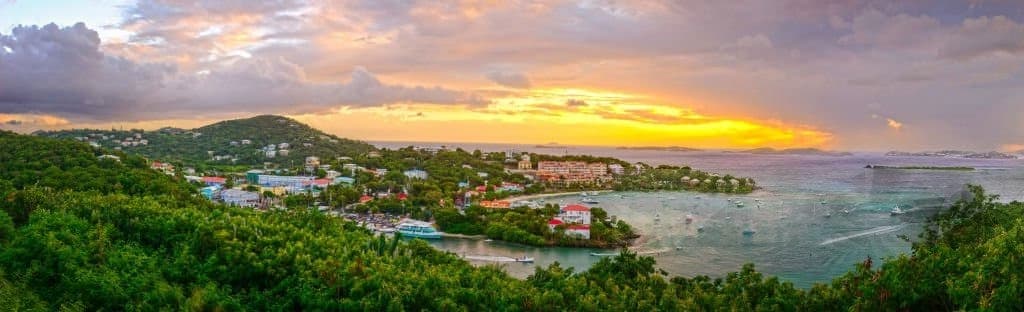
Here, everything seems measured. Time, distance, gestures. A single village, Old Wall, clings to the hillside. Inhabitants cross paths with kindness, children play in the alleys, and in the evening, the golden light stretches out to sea. The island’s atmosphere is one of simplicity that cannot be imitated.

Mayreau
Mayreau
Mayreau

An exceptional geography

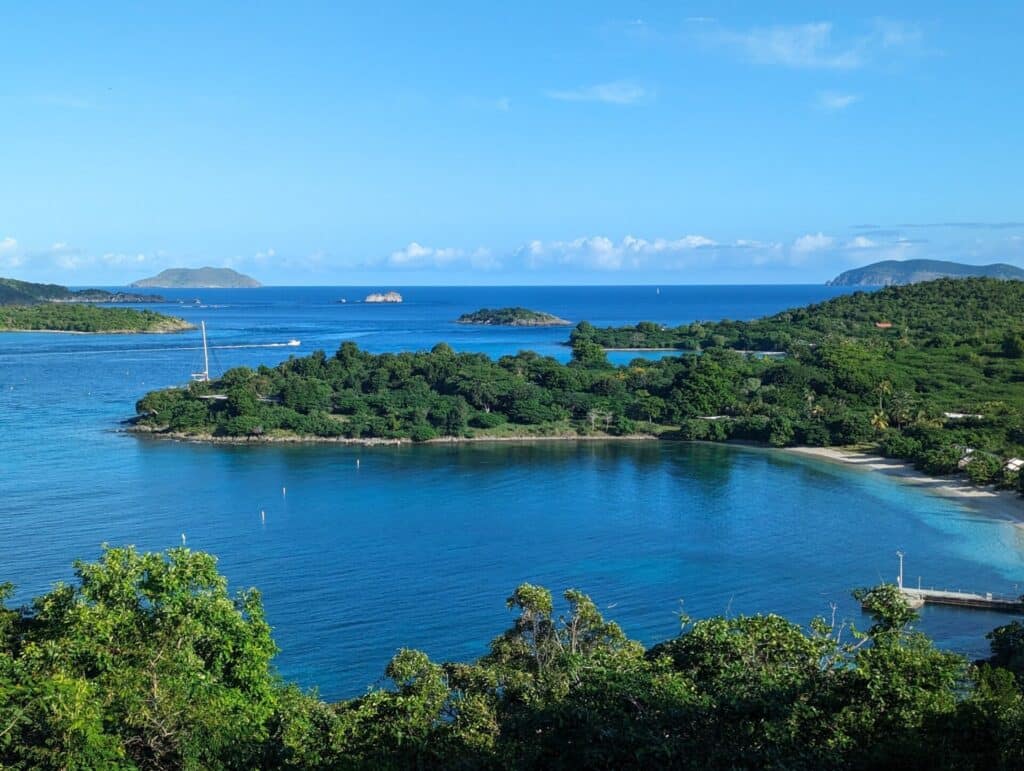
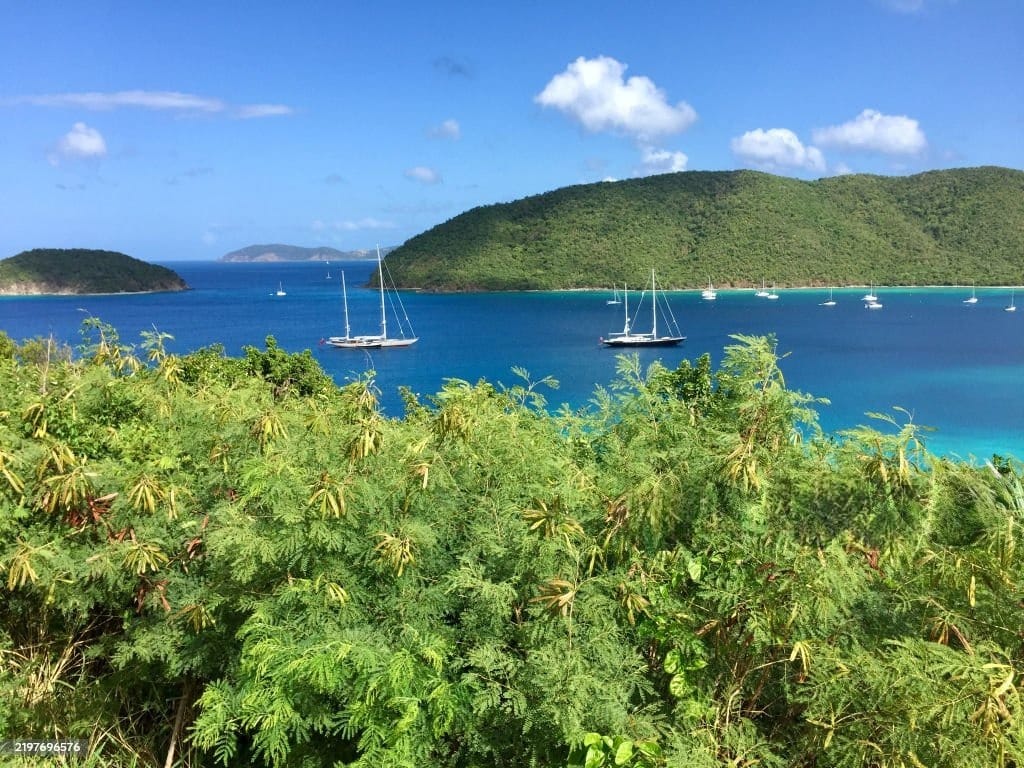
Despite its small size – just 4 km² – Mayreau boasts an astonishingly rich geography. The island forms a gentle relief, alternating hills, beaches and seagrass beds. From the summit, near the Divine Mercy Catholic Church, the panorama is breathtaking: a string of turquoise islets form the Tobago Cays, a marine sanctuary world-famous for its translucent waters and protected coral reefs.

This viewpoint, one of the most spectacular in the Caribbean, symbolizes the island’s uniqueness: a tiny island that opens up views of infinity. The view extends over shades of blue and green that change with the day. The ever-present wind also seems to be part of the scenery, like a breath linking sea and land.

Mayreau
Mayreau

A living marine heritage

Life in Mayreau is inextricably linked with the sea. Artisanal fishing remains an essential activity: fish, lobster, lambis and sea urchins feed the local cuisine and form part of trade with neighboring islands. Early in the morning, the colorful boats leave the bay of Saline or Salt Whistle, gliding on the still calm sea.

The locals know every current, every cove, every season. Their relationship with the sea is not touristy, it’s vital. The oldest still tell of journeys between Grenada, Bequia and Saint-Vincent to sell fish or trade salt. This know-how, handed down from generation to generation, remains at the heart of the island’s identity…

Some of the most beautiful beaches in the Caribbean

Mayreau’s beaches are among the most remarkable in the archipelago. Salt Whistle Bay, to the north, forms a perfect curve between two seas: on one side, the calm waters of the lagoon; on the other, the waves of the Atlantic. This site, often mentioned in nautical guides, attracts sailboats who anchor at a respectful distance, aware of the unique character of the place.
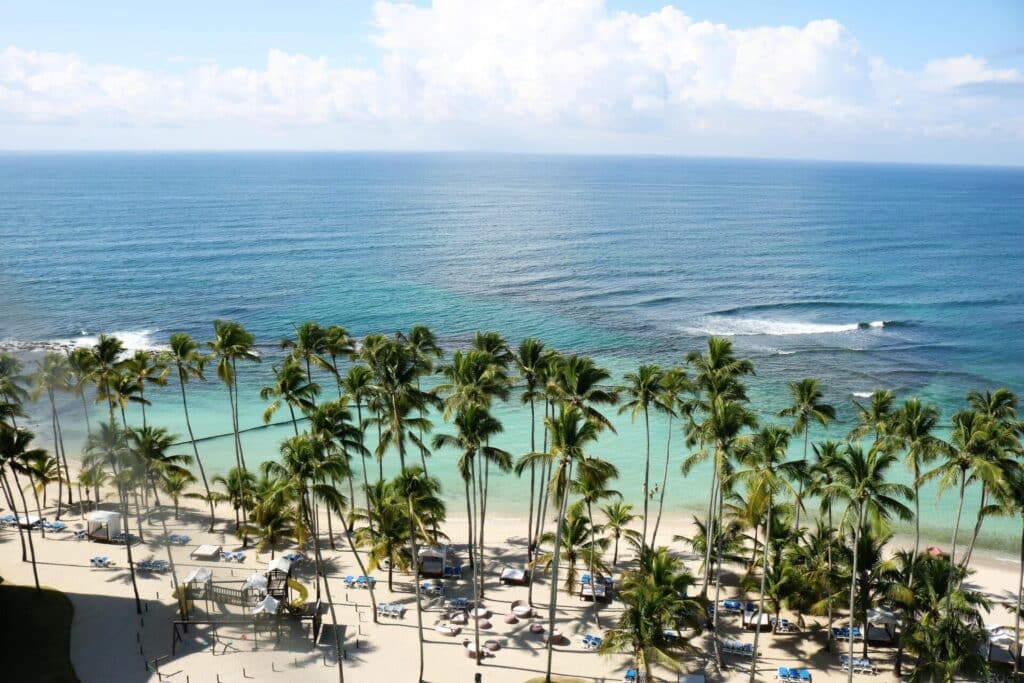
Saline Bay, larger and more open, welcomes ferries and fishermen. This is where daily life is concentrated: children bathing, boats leaving and returning, discussions in the shade of almond trees. Each of Mayreau’s beaches has its own atmosphere – one for contemplation, one for movement, all for emotion.

Mayreau
Mayreau

Authenticity on a human scale

In Mayreau, there is only one main road. It links Saline Bay to the top of the village, winding through the hills to the Divine Mercy church. Life is concentrated on this modest road: a few bars, a small market, brightly painted houses and the occasional hand-painted sign indicating a family restaurant.

The inhabitants are naturally kind and live in a local economy. Electricity comes in part from solar panels, accommodation is small and tourism is respectful. Nothing is standardized here. You come for the essential: the sea, the light, the people.

This sobriety is not an absence, but a strength. It makes Mayreau a place where every visitor feels invited to slow down, to walk, to listen. In the evening, sounds mingle: the lapping of the water, the music of a local bar, the wind in the palm trees. It’s a gentle symphony that never completely dies away.

A balance between tradition and sustainability

Like many of the Grenadine islands, Mayreau has to reconcile its ecological preservation with its openness to the world. Water resources are limited, and residents are pragmatic in their approach: rainwater harvesting, rational waste management and solar power generation. This discreet model of sustainability makes the island a silent reference in the region.

Local authorities and the community work together to maintain this fragile balance: welcoming without altering, sharing without denaturing. Tourism is developed in a controlled manner, in keeping with the island’s culture. Visitors who set foot here quickly understand that the island is not an island of consumption, but one of transmission.

Mayreau
Mayreau

The inner Caribbean

Highlighting Mayreau is a reminder that in the heart of the Caribbean, there are islands that refuse to be caught up in the frantic rush of the modern world. Here, beauty doesn’t need to shine brightly to be seen. It’s in the details: a sunrise over Salt Whistle, a child’s smile at the market, a boat slowly pulling away towards the Tobago Cays.

Mayreau embodies this inner Caribbean, sensitive and sincere. A land where the sea is a companion, nature is a guide and silence is a language. In an archipelago often in a hurry, the island reminds us that true luxury is time.

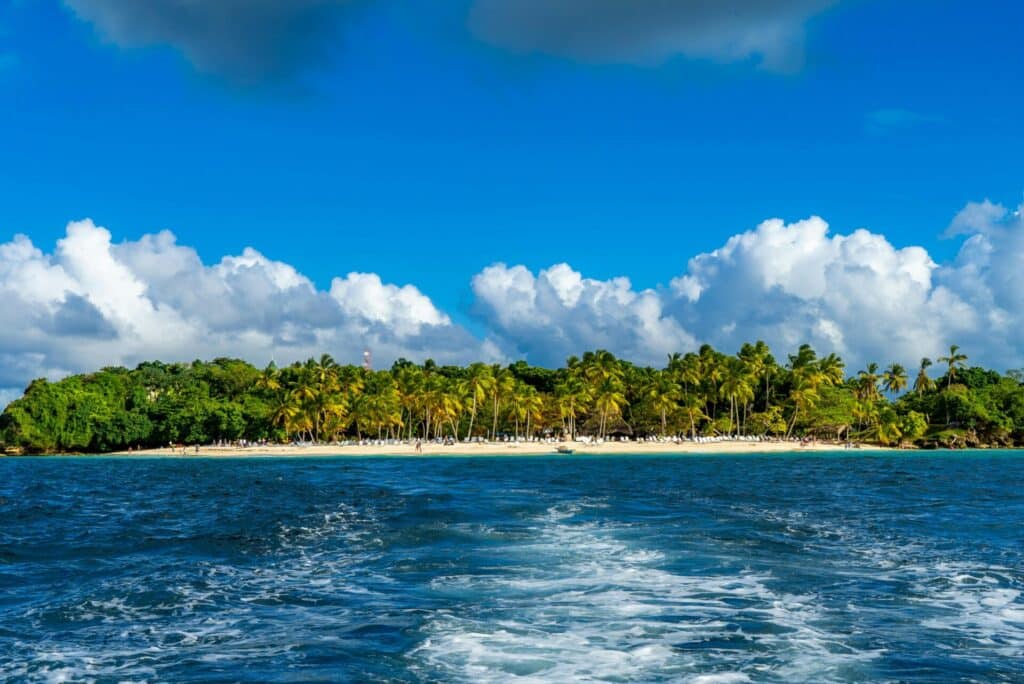
As the ferry pulls away from the mainland and heads towards Culebra, you feel as if you’ve left behind the rhythm of the ordinary. Here, every beach whispers a story, every cove invites silence, every horizon evokes a space where the soul breathes. Culebra is a gentle invitation to reconnect with the sense of landscape and insularity.

A subtly designed geography

Culebra, a municipality of Puerto Rico, is located some 27 kilometers east of the main island. It is approximately 11 kilometers long and 5 kilometers wide, giving it a modest but harmonious geographic density. Around its coastline lie more than twenty cays and islets, often classified as reserves, which extend the marine territory beyond the visible shoreline.

The Culebra National Wildlife Refuge, established in 1909, covers a significant part of the coast, mangroves and small outlying islands. It protects marine areas, coral reefs, turtle nesting beaches and the forests around Monte Resaca, the island’s highest point. These protected areas embody the balance between biodiversity, sustainable tourism and local pride.

Culebra

Exceptional beaches and marine atmosphere

The island’s reputation is largely based on its beaches. Flamenco Beach is one of the world’s most renowned, with its bright white sand and clear waters, often hailed in international rankings. Nearby, a rusty old Sherman tank, a relic of the military era, recalls a time when the sea was used for other purposes.

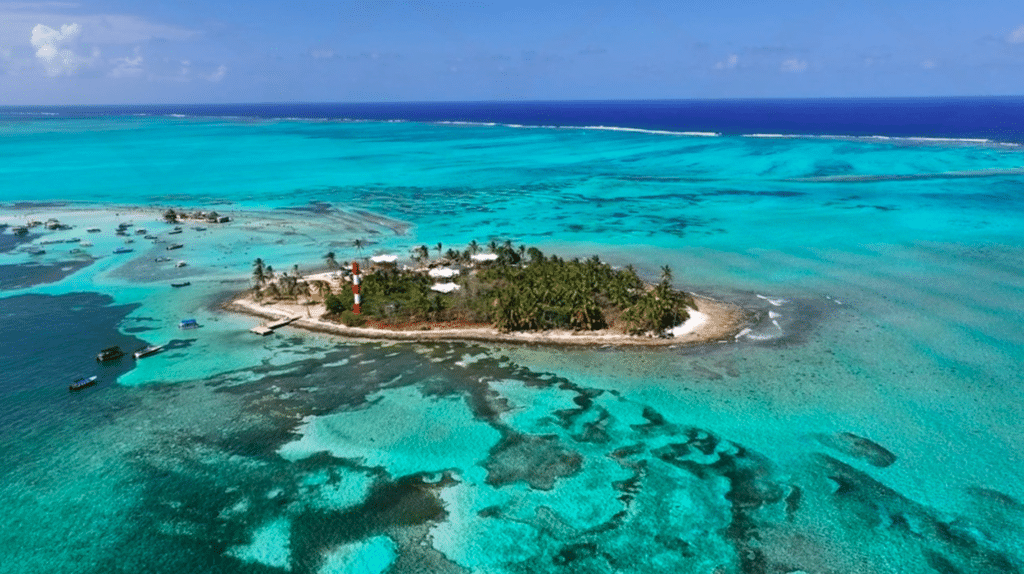
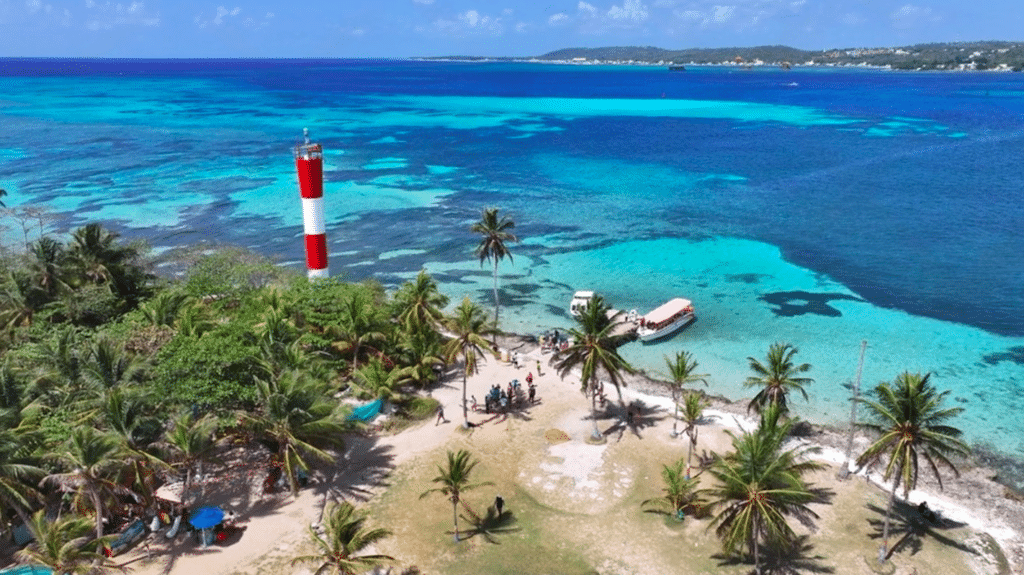
Other, more discreet beaches, such as Carlos Rosario or Tamarindo, offer a more intimate atmosphere, conducive to underwater observation or contemplation. Further offshore, the islet Culebrita, accessible only by boat, reveals a 19thᵉ century Spanish lighthouse and several peaceful coral-lined coves. These places give Culebra a rare depth: a balance between raw beauty and respect for living things.

Culebra
Culebra

History, memory and community spirit

Culebra’s modern history has been marked by an American military presence. From the 1930s to the 1970s, the island was used as a naval exercise ground, until the inhabitants united to demand an end to the firing. In 1975, the people won this battle: the navy left the island, making way for a civilian project focused on nature and reconstruction.

Today, the Culebrense community of less than two thousand inhabitants lives by the sea. Artisanal fishing, small-scale commerce and moderate tourism sustain the economy. Here, modernity has not erased the old ways of doing things: repairing a net, maintaining a boat, cooking the day’s catch are still daily practices, handed down with pride.

Trails, secondary beaches and marine routes

To walk in Culebra is to understand the island from the inside. Roads lead to lookouts offering views of the surrounding cayes, and trails wind through areas where vegetation mingles with rock. Monte Resaca, to the north, offers a panoramic view of the chain of protected islets.

For sea lovers, every cove becomes a sensory exploration ground. Around the island, the waters are rich: intact coral reefs, tropical fish, hawksbill turtles and parrotfish color the sea with an abundance of life. The island has become a benchmark for responsible snorkeling and marine ecotourism.

Culebra
Culebra

Challenges and vision

Culebra’s challenge lies in its balance: how to preserve the purity of its ecosystems while maintaining a viable economy for its inhabitants? Fresh water, imported from the mainland, remains precious; the modest infrastructure requires maintenance and planning. Yet Culebra’s strength lies in its ability to resist tourist standardization.

Local initiatives encourage a sustainable approach: family-run accommodation, tours guided by locals, restaurants promoting the products of the island’s fisheries and agriculture. This conscious choice for development on a human scale makes the island a possible model for the Caribbean of tomorrow.

Culebra
Culebra
Culebra

An island to be experienced more than visited

What sets Culebra apart is its sincerity. Nothing here is artificially seductive. The charm comes from the wind, the light, the voices of the locals and the swaying of the boats in the bay. The visitor leaves with the memory of a true place, where the sea tells, where silence has meaning.

When the sun dips over Flamenco Beach and the last light is reflected on the waves, the island reveals itself in its most beautiful definition: an island of balance, memory and sea. A space that, without ever raising its voice, reminds us of what the very essence of the Caribbean still means today.

An island apart in the Caribbean

Bequia, the second largest island of Saint Vincent and the Grenadines, covers an area of around 18 km². It may seem modest in size, but its history and identity make it a singular territory. As soon as you approach its shores, a direct link with the sea is revealed: fishing boats lined up on the sand, sailboats at anchor in Admiralty Bay, shipyards where wood crafts are perpetuated. Bequia is a land shaped by the sea, its riches and its trials.

The breath of maritime history

© Photos Wilfred Dederer © BTA 2025

Bequia’s memory is deeply linked to whaling. As early as the end of the XIXᵉ century, locals learned from American whalers how to hunt humpback whales. This practice, now classified by the International Whaling Commission as “aboriginal subsistence hunting”, remains limited to a quota of four catches per year, rarely reached. More than a resource, it is now a heritage that illustrates how an island community has built its survival on the sea.
At the same time, Bequia retains a tradition of wooden boat building. In the villages, carpenters still fashion boats by hand. Each boat is a collective work of art, reflecting skills handed down from generation to generation.

Bequia
© Photos Wilfred Dederer © BTA 2025
Bequia
© Photos Wilfred Dederer © BTA 2025

The power of nature and everyday life

The island’s landscapes are a mix of beaches, hills and viewpoints. Princess Margaret Beach, just a stone’s throw from Port Elizabeth, stretches out its blond sand bordered by almond trees. Further south, Friendship Bay opens its waters to the Atlantic, offering a livelier sea. Trails lead up to Peggy’s Rock, a peak that reveals the beauty of the surrounding Grenadines.
These landscapes are also the rhythms of daily life. Fishermen leave the bay at dawn and return laden with tuna, sea bream and lobster. The market comes to life afterwards, reflecting a way of life still centered on the sea and its resources.

Bequia
© Photos Wilfred Dederer © BTA 2025
Bequia
© Photos Wilfred Dederer © BTA 2025

A preserved island culture

Bequia
© Photos Wilfred Dederer © BTA 2025
Bequia
© Photos Wilfred Dederer © BTA 2025

With around 5,000 inhabitants, Bequia remains a community on a human scale. Musical traditions – steelband, reggae, calypso – accompany gatherings, while crafts express the local identity. Meticulously carved models of wooden boats tell of the island’s maritime past, and are on display even in the small stores of Port Elizabeth.
This attachment to the island’s heritage is also expressed in its gastronomy, which focuses on seafood. Each dish is a reminder of the balance between tradition and adaptation.

Bequia
© Photos Wilfred Dederer © BTA 2025
Bequia
© Photos Wilfred Dederer © BTA 2025

Port Elizabeth, an island crossroads

Port Elizabeth, Bequia’s modest capital, nestles at the head of Admiralty Bay. This natural harbor attracts fishermen, sailors and visiting yachts. For decades, it has been a renowned stopover for Caribbean sailing. Here, the liveliness of the anchorage contrasts with the tranquility of the lanes lined with colorful houses and small cafés. The island has not sought to become a mass destination: it favors a measured approach to tourism, based on close contact with the locals.

Bequia
Port Elizabeth. © Photos Wilfred Dederer © BTA 2025

Legacy and future

Bequia illustrates the dilemmas faced by many small Caribbean islands: preserving authenticity while securing an economic base. Controversial whaling is often the focus of debate, but it does not sum up the island. The future also relies on fishing, local agriculture, boating and handicrafts, all sectors that maintain a resilient economy.
This direction reflects a clear choice: to maintain a balance between openness to the world and respect for an identity forged by the sea.

A sensitive and human Caribbean

Bequia is not an island defined by its size or infrastructure, but by its maritime soul. Its landscapes, traditions and people make up a mosaic where every detail carries the weight of history and the hope of the future. On this island of the Grenadines, the sea is more than just a horizon: it is a memory, a resource and a promise.

Bequia
© Photos Wilfred Dederer © BTA 2025
Bequia
Bequia
© Photos Wilfred Dederer © BTA 2025
Bequia
© Photos Wilfred Dederer © BTA 2025
Bequia
© Photos Wilfred Dederer © BTA 2025
Bequia
© Photos Wilfred Dederer © BTA 2025

A unique island in the Caribbean

Isla Margarita, located off the Venezuelan coast, belongs to the state of Nueva Esparta, alongside the islands of Coche and Cubagua. Nicknamed the “Pearl of the Caribbean”, it occupies a unique place in the region’s history. At once a land of memory, a remarkable natural area and a place of contemporary contrasts, Isla Margarita illustrates the many facets of the Caribbean, past and present.

Origins linked to pearls

Isla Margarita ‘s European history began in 1498, during Christopher Columbus’s third expedition. On his arrival, the island was inhabited by the Guaiqueries, an indigenous fishing people. The Spaniards soon began exploiting the pearl deposits in the surrounding waters, giving the island its fame and its name: Margarita, Latin for “pearl”.

Over the following centuries, the wealth generated by these pearls attracted pirates and privateers. The English and Dutch attacked Spanish installations, forcing the Crown to fortify the coasts. These episodes left behind a military heritage that can still be seen today, bearing witness to the colonial rivalries that marked the Caribbean Sea.

Isla Margarita

A contrasting geography

Isla Margarita is 78 kilometers long and 20 kilometers wide, making it one of Venezuela’s largest islands. Its territory is divided into two mountain ranges linked by a low, narrow isthmus. This relief gives rise to a diversity of landscapes: arid zones to the north, green hills to the east, lagoons and mangroves along the coast.
The semi-arid tropical climate alternates between dry seasons and moderate rainfall. These characteristics explain the presence of fragile ecosystems that are essential to Caribbean biodiversity. Isla Margarita’s ecological richness makes it an area of great heritage value.

Protected lagoons and remarkable biodiversity

Among Isla Margarita’s natural gems is the La Restinga lagoon classified as a national park since 1974. This 18,000-hectare ecosystem includes canals, islets, mangroves and beaches. The fauna is abundant: fish, crustaceans, flamingos and herons make up a rich natural tableau. La Restinga is one of the island’s most emblematic sites, both for its beauty and its ecological importance.

Another protected site is the Laguna de Las Marites a listed natural monument, is distinguished by its hypersaline waters and mangroves. It is home to migratory bird species and a flora adapted to extreme conditions. These areas, though fragile, symbolize the desire to preserve vital zones in the face of urban and tourist pressures.
In the center of the island, the Cerro El Copey National Park – Jóvito Villalba protects mountain forests and freshwater springs. Rising to almost 900 metres, this massif offers a striking contrast with the arid coastal areas, confirming Isla Margarita’s ecological diversity.

A colonial heritage that's still with us

Isla Margarita’s strategic position made it a central point on colonial sea routes. Numerous fortifications remain, such as the Santa Rosa fort in La Asunción and the La Galera fort in Juan Griego. These monuments are a reminder of the frequent pirate attacks and the island’s military importance in the defense of colonial Venezuela.

The main cities also reflect this history. La Asunción the administrative capital, boasts a cathedral and streets of colonial charm. Porlamar a more modern city, has become the commercial heart of the region, thanks to its status as a free port since 1974. Juan Griego, last but not least, the city is known for its spectacular sunsets and commercial past. This urban triptych embodies the complementary relationship between memory, commerce and local life.

Isla Margarita

Tourism and the economy: a changing sector

For decades, Isla Margarita has been one of Venezuela’s leading tourist destinations. Beaches such as Playa El Agua and Playa Parguito, tax-free shopping centers and natural landscapes attracted both national and international visitors.
However, the Venezuelan economic and political crisis has profoundly affected this dynamic. Visitor numbers have plummeted, some hotels and resorts have closed, and infrastructures suffer from a lack of maintenance. Despite this, Isla Margarita still has great potential: its natural assets and free port status could once again become economic levers if the country stabilizes.

Isla Margarita
©Isla Margarita
Isla Margarita
©Isla Margarita
Isla Margarita
©Isla Margarita

Cultural identity and daily life

Beyond the economy, Isla Margarita retains a strong cultural identity. Religious traditions, such as the Virgen del Valle festival, attract thousands of worshippers every year. Local music, notably the galerón margariteñoillustrates a blend of Spanish and Afro-Caribbean influences.
Gastronomy features seafood: fish, lobster, seafood and typical dishes such as torta de cazón. Local crafts, notably woodworking and basketry, also contribute to the family economy and reinforce the island’s cultural dimension. Isla Margarita remains a place where popular traditions and modernity coexist.

Isla Margarita

An island of contrasts and resilience

Isla Margarita illustrates the contemporary paradoxes of the Caribbean: an island with exceptional landscapes and a rich historical heritage, but facing major economic and political challenges. Yet the resilience of the island’s inhabitants, their attachment to tradition and their determination to preserve its natural spaces, all point to a potential renaissance.
Highlighting Isla Margarita is a reminder that the Caribbean is more than just idyllic beaches. It also means giving a voice to territories marked by history, rich in culture and with a future that depends on collective choices in terms of sustainability and governance.

Isla Margarita

A unique island in the heart of the Caribbean

Marie-Galante, located in the south-east of Guadeloupe, is one of those territories that have preserved a strong identity within the Caribbean. Nicknamed “the island of a hundred mills”, it still retains traces of its sugar-making past, which has shaped its landscape, economy and collective memory. With its gentle hills, endless cane fields and jagged coastline, Marie-Galante’s rural character stands in stark contrast to the image of some more urbanized tourist destinations.

The island’s uniqueness lies in its balance between tradition and modernity. Far from the crowds, it attracts those who wish to experience a Caribbean faithful to its roots. The island is also a place of remembrance, where the history of slavery and sugar production still finds multiple echoes in its culture and landscapes.

Sugar heritage and mills

Marie-Galante

The nickname “the island of a hundred mills” is not insignificant. In the XVIIIᵉ and XIXᵉ centuries, Marie-Galante was a major center of sugar production. Windmills, used to crush sugarcane, dominated the plantations. Today, some 60 of these mills remain, restored or in ruins, and form a veritable open-air museum.

These vestiges are a reminder not only of past prosperity, but also of the harshness of the slavery system that marked the island. Through them, the island tells its own story: that of a territory that contributed to the global sugar economy, while bearing the weight of the servitude imposed on generations of deported Africans.

Marie-Galante

An island of agricultural rum

Although sugar has lost some of its importance, rum remains the great ambassador of Marie-Galante. The island is home to several renowned distilleries, including Bellevue, Bielle and Poisson (Père Labat). These distilleries perpetuate a centuries-old tradition, producing an agricultural rum made directly from cane juice, considered one of the purest in the Caribbean.

Marie-Galante rum is renowned for its strength and aromatic richness. At 59°, it has become a veritable signature. The distilleries welcome visitors, offering an immersion in production methods and the history of cane. Through this product, the island exports not only a drink, but also a part of its heritage and know-how.

Marie-Galante
©Ti Boutik à rhums by Carol

Authenticity preserved

Marie-Galante retains a singular atmosphere, marked by slowness and simplicity. Far from large hotel complexes, it favors small-scale tourism, based on self-catering cottages, bed & breakfasts and family-run structures. This orientation guarantees a more direct encounter between visitors and locals, in a spirit of conviviality and mutual respect.

Farming is still very much a part of everyday life on the island. The cultivation of sugar cane, yams, manioc and sweet potatoes ensures continuity with ancient practices. This rural character gives the island a strong identity, where land and sea are still central to the balance.

Marie-Galante

Some of the region's most unspoilt beaches

In addition to its historical and agricultural heritage, Marie-Galante’s beaches are equally appealing. Plage de la Feuillère, with its white sand and turquoise lagoon, is one of the most beautiful in the Caribbean. Anse Canot, Grande Anse and Vieux-Fort offer seascapes of great purity.

These largely untouched sites reflect the island’s decision not to give in to the excesses of mass tourism. Here, nature takes center stage, without artifice. This preservation is a real asset at a time when many Caribbean destinations are under pressure from intensive development.

Marie-Galante
Marie-Galante

A vivid collective memory

Marie-Galante cannot be understood without taking into account its painful history. Like other Caribbean islands, it was marked by the slave trade and slavery. This memory, still palpable today, is expressed in commemorations, literature and stories handed down from generation to generation.

Places like the Murat dwelling, a former sugar plantation now transformed into a museum, provide a better understanding of this past. They remind us that the economic wealth of the time was built on profound human suffering. Through this recognition, the island is participating in a process of transmission and resilience.

Marie-Galante
Marie-Galante
Marie-Galante
Marie-Galante

A region in search of balance

Today, Marie-Galante is at a crossroads. Between the desire to preserve its authenticity and the need to strengthen its economic appeal, the island is looking for a sustainable model. Tourism, limited but qualitative, could be a balanced development path that respects both culture and the environment.

Local initiatives, notably in agri-tourism, rum production and heritage enhancement, show that Marie-Galante intends to take control of its future. The island thus illustrates another way of existing in the contemporary Caribbean: by making the most of its own assets, rather than imitating external models.

Marie-Galante

A Caribbean with a human face

Putting Marie-Galante in the spotlight means showing a Caribbean where time seems to flow differently. It’s a reminder that the region’s identity is also nourished by its small islands, their memories and traditions. With its mills, distilleries, beaches and rural character, the island embodies a human Caribbean, where the inhabitants remain the true custodians of the land.

In a world where tourism tends to standardize experiences, the island offers another perspective: that of a place that embraces its history, values its heritage and asserts a distinct identity. In this way, it sets an example for all islands seeking to combine past, present and future in a sustainable way.

A small island with a great heritage

Carriacou, Grenada‘s sister island, lies in the heart of the Grenadines, between the main island and St. Vincent. With just 13,000 inhabitants, it embodies a more intimate Caribbean, far removed from the mass tourism logics that mark other territories. Its name, inherited from the Amerindian populations, means “island of reefs”, in reference to the richness of its seabed. This identity, both geographical and symbolic, sums up what Carriacou is all about: a territory where nature, culture and history intertwine to offer a singular vision of the region.

Carriacou
©Grenada Tourism Authority

A living cultural heritage

One of Carriacou’s most remarkable features is its attachment to its cultural traditions. Big Drum Dance and music inherited from African ancestors, remains at the heart of community gatherings. Each rhythm, each dance step, tells the story of the people who came from Africa and settled on the island over the centuries. This intangible heritage is a direct link to the island’s Caribbean and African roots, resonating with the region’s collective memory.

Carriacou
©grenadanationaltrust

But this is not the only cultural expression on the island. Its carnival, marked by the Shakespeare Mas is a singularity unique in the world. Inhabitants, dressed in traditional costumes, declaim Shakespeare’s verses in the streets. This practice, inherited from the British colonial period, bears witness to the creative appropriation of a European heritage by a Caribbean society. It illustrates the ability of the islands to transform influences from elsewhere into deeply rooted local traditions.

Carriacou
©grenadanationaltrust

Shipbuilding, a distinctive expertise

Carriacou is also known for its tradition of wooden boat building. This know-how, handed down from generation to generation, remains a pillar of local identity. Artisanal shipyards still produce sturdy boats, used for fishing and sometimes even for inter-island transport. This practice, which combines ancestral knowledge with adaptation to contemporary needs, reflects the ingenuity and resilience of the local people.

Beyond the economy, shipbuilding is a cultural symbol. Each boat launched is celebrated as a community event, bringing families and neighbors together in an atmosphere of solidarity. This ritual gives the island a unique dimension in the Caribbean, where few territories have maintained such an attachment to this type of tradition.

Carriacou
©heleneclement
Carriacou
©heleneclement

Unspoilt nature

The beauty of the island’s natural landscapes is another attraction. Beaches such as Paradise Beach or Anse La Roche. These are peaceful settings where tranquillity takes precedence over the influx of visitors. Nearby, the Sandy Island is an ecological jewel. Accessible by boat, this small islet is a protected reserve, rich in coral and marine species. Carriacou demonstrates its commitment to preserving its environment, an essential condition for maintaining the balance between human activities and biodiversity.

The island’s relief, less rugged than that of other Caribbean territories, also allows for small-scale agriculture. Manioc, yams, sweet potatoes and tropical fruits make up a diet that remains linked to the land. This agricultural dimension, often invisible to visitors, nonetheless contributes to the island’s food self-sufficiency and the maintenance of traditional practices.

Carriacou
©heleneclement
Carriacou
©heleneclement
Carriacou
©Grenada Tourism Authority
Carriacou
©Grenada Tourism Authority

Authenticity with a difference

Unlike other more high-profile destinations, Carriacou has chosen a more measured path to development. Tourism structures do exist, but on a smaller scale: guesthouses, family-run restaurants, excursions led by locals. This approach limits the impact of tourism on the environment and allows economic benefits to circulate more widely within the community.
This model reflects a vision of tourism that is in tune with the island’s values: preservation, respect for traditions and a focus on local identity. It attracts a public interested in culture, history and direct contact with the local population, rather than standardized leisure consumption.

©heleneclement
©Grenada Tourism Authority
Carriacou
©heleneclement

Carriacou in Caribbean history

Carriacou’s importance goes beyond its small size. Like many islands in the region, it has been marked by colonization, the slave trade and the struggle for influence between European powers. The first inhabitants, the Amerindians, left an imprint that is still perceptible in the toponym and certain traditions. African populations, who arrived by force, brought with them the knowledge and cultural expressions that today form the basis of the island’s identity.
In its own way, the island illustrates the overall history of the Caribbean: that of an area shaped by human movement, cultural resistance and constant adaptation. This historical role, often overlooked, deserves to be highlighted in any reflection on the region.

A Caribbean with a human face

Highlighting Carriacou is a way of showing a different Caribbean, where proximity to the inhabitants and respect for traditions take precedence over the quest for fast consumption. It’s also a reminder that a small island can carry a powerful message: that of a society capable of preserving its heritage while adapting to the realities of the present.
Carriacou, with its small size and ability to maintain ancient practices, demonstrates that authenticity is still possible in the contemporary Caribbean. The island is not content to exist in Grenada’s shadow: it is asserting its singularity, and its attachment to an identity that combines African heritage, colonial influences and local know-how.

Some places are meant to be shared. Others you want to keep all to yourself. Anguilla Great House belongs to both. Tucked along the powder-white sands of Rendezvous Bay, this hidden gem invites you to breathe deeper, move slower, and connect — with the land, the people, and yourself. Forget towering resorts or over-the-top amenities. Here, Caribbean-style cottages nestle into tropical gardens just steps from the sea, kissed by ocean breeze and island sun. What matters most? That unmistakable feeling of being exactly where you belong.g.

A Legacy of Local Vision

Anguilla Great House is not just another hotel. It’s the fruit of a quiet, visionary act of resistance. Its founder, Conrad Walton Flemming, architect and builder, set out to prove that Anguillians could be the architects of their own tourism future. On his grandfather’s land, he built this place in the 1980s using local resources and a human-centered approach to hospitality. Step by step, by training and empowering a local workforce, he brought to life a destination that still today proudly upholds its 100% Anguillian roots.

No one ends up at Anguilla Great House by accident. Those who book a stay often return — year after year, with friends, with family, and with memories that keep growing.

Here, hospitality feels real. Smiles are genuine, voices carry the local rhythm, and the warmth you feel isn’t trained — it’s passed down.

The luxury of slowing down

From your private bungalow, just steps from the sea, the sound of the waves becomes a comforting melody. Rendezvous Bay stretches out before you — vast, almost untouched, and utterly hypnotic. You walk. You breathe. You unplug. At Anguilla Great House, everything is done with heart — even the art of doing nothing.

Rooms are airy, restful, and designed for real comfort. You’ll sleep deeply, eat joyfully, and raise a glass to the kind of moments that don’t need filters. Think handcrafted cocktails, generous plates of island cuisine, and quiet joy at every turn. Here, luxury isn’t measured in stars, but in precious moments. Like watching your mother chat with strangers, beyond language barriers, in a family-style atmosphere that makes distance disappear.

I came here with work in mind. But what I found was something far more precious: a rare moment between mother and daughter, shaped by warm sand, slow days, and the joy of unexpected encounters. (Yes, Yoyo came with me!)

Where Caribbean Hospitality Comes to Life

What you feel here — what you experience — isn’t accidental. It’s the result of a clear vision: a Caribbean hospitality rooted in its land, yet open to the world. A vision where every guest is welcomed like someone coming home. The team, mostly local, is trained with care, skill, and heartfelt pride.

Their mission?

To make you feel at home, even if it’s your first time. And they do… And it works — 80% of guests return. A number that speaks of connection, not marketing.

Yes, the beach is breathtaking. Yes, the palms sway like a slow-motion postcard. But what you’ll remember is how it made you feel: unrushed, unbothered, and fully present.

Anguilla Great House is more than a hotel – it’s a pause, a breath of fresh air, a family. Maybe that’s what travel is really about: feeling alive, at home, and far from the noise.

Ready to press pause?

A little-known island in the heart of the Caribbean

Isla de Providencia remains one of the most unique territories in the Caribbean. Located nearly 700 kilometers from the Colombian coast and just 200 kilometers from Nicaragua, it stands out for its geographical isolation and deep-rooted cultural identity. Far from the mass tourism that shapes the image of many Caribbean islands, it embodies a model of authenticity and preservation.

Its history has long been marked by piracy and smuggling. In the XVIIᵉ century, the island served as a strategic base for English privateers, notably Henry Morgan, who planned several attacks against the Spanish colonies. These tales have forged a collective memory that is still vivid, and give Isla de Providencia a special aura in the Caribbean imagination.

An exceptional natural heritage

The island is surrounded by the third largest coral reef in the world, classified as a Biosphere Reserve by UNESCO in 2000. This ecological wealth makes Isla de Providencia a sanctuary for marine fauna and a key territory in the fight to protect Caribbean biodiversity. The landscapes alternate between verdant mountains, golden sandy beaches and mangroves, forming a rare balance between nature and culture.

The presence of coral reefs, lagoons and endemic species is a reminder of the island’s importance in regulating marine ecosystems. For researchers and environmentalists, the island is a living laboratory of ecological resilience in the Caribbean. The conservation efforts made by the local population reinforce the island’s reputation as a place where nature is not just a backdrop, but a vital resource.

Isla de Providencia
©voyagefamily
Isla de Providencia
©viajeroscallejeros

A plural cultural identity

The history of Isla de Providencia bears witness to the multiple influences that have shaped it. A former stronghold of the English colonists, marked by the presence of Africans and now part of Colombia, the island retains a lively English Creole language alongside Spanish. Traditional music, blending African rhythms, British tunes and Caribbean sounds, illustrates this unique cultural hybridity.

The island’s gastronomy is based on seafood and coconut milk. The black crab, an endemic species on the island, has become a culinary and identity symbol. Its fishing is governed by strict community rules to preserve the resource, demonstrating how local culture integrates sustainable practices. This collective management is an example of successful community governance, where tradition and modernity come together to serve the common good.

Isla de Providencia
©viajeroscallejeros
Isla de Providencia
©viajeroscallejeros

Resilience in the face of hardship

In November 2020, Isla de Providencia was hit by Hurricane Iota, the most powerful hurricane ever recorded in the area. Nearly 98% of the island’s infrastructure was destroyed, including schools, hospitals, homes and energy networks. In the face of this disaster, the island has embarked on a gradual reconstruction, with the support of the diaspora, NGOs and the Colombian government.

This resilience illustrates the ability of island communities to overcome disasters while affirming their determination to protect their natural and cultural heritage. Inhabitants have opted for environmentally-friendly reconstruction, using more resistant materials and infrastructures designed to limit the impact of future cyclones. Today, despite the difficulties, the island is a model of rebirth in the Caribbean.

Isla de Providencia
©viajeroscallejeros
Isla de Providencia
©viajeroscallejeros

Confidential, sustainable tourism

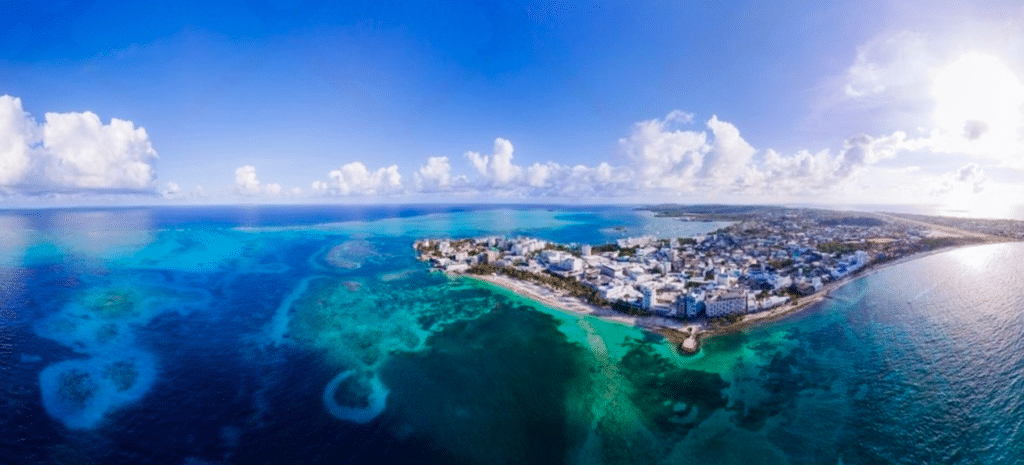
Unlike its neighbor San Andrés, Isla de Providencia has opted for limited tourism development. A handful of family-run hotels and guesthouses welcome visitors, in a spirit of respect for social and environmental balance. The locals, who are very involved in the organization of hospitality, make tourism a complementary activity rather than a dominant industry.

This strategic orientation protects the island from the excesses of mass tourism and ensures a better distribution of income within the community. It also positions the island as a benchmark for responsible tourism in the Caribbean, attracting a public in search of authenticity and meaning. This measured approach helps to maintain a close bond between the island’s inhabitants and their territory, avoiding the excesses seen elsewhere.

Isla de Providencia
©Charly Boillot
Isla de Providencia
©viajeroscallejeros

Historical and strategic roots

Isla de Providencia ‘s importance extends beyond its island setting. During colonization, it was a strategic point for European powers in the Caribbean Sea. Spanish attempts to recapture the island from English colonists bear witness to its geopolitical value. Today, this memory is reflected in the ruins, oral histories and traditions that remind us that the Caribbean was a place of confrontation, but also of cross-fertilization.
This historical heritage, far from being static, is mobilized by the inhabitants as a lever of identity and tourism. Isla de Providencia is more than just a landscape; it’s also a place where history is embodied in everyday life, through language, music and social practices.

Isla de Providencia
©viajeroscallejeros

A Caribbean off the beaten track

Isla de Providencia illustrates another facet of the Caribbean: a discreet island, driven by its history, marked by climatic challenges, but determined to preserve what makes it unique. With its past as a land of privateers, its rich natural heritage and its resilience in the face of disasters, it symbolizes a Caribbean that looks to the future without denying its roots.

Highlighting the island shows that there are territories in the region that successfully combine cultural identity, historical memory and sustainable strategies. It embodies a more intimate Caribbean, where the balance between man and nature is not a slogan but a lived reality.

A singular island

Union Island embodies the image of a Caribbean that is both authentic and confidential. Located in the south of the Grenadines archipelago, this small 8 km² island attracts travelers looking for an intimate getaway. Unlike the big beach destinations, Union Island offers an experience where nature, culture and local traditions intertwine in a fragile but preserved harmony. Its reputation has been forged around its beaches, its exceptional marine environment and its gateway to the Tobago Cays, a unique ecological sanctuary in the region.

A land shaped by the sea

Union Island’s identity is intimately linked to the ocean. Clifton, the main village and harbor, is alive with fishermen, yachtsmen and water sports enthusiasts. Kitesurfing has become a flagship activity, attracting an international community that contributes to the local economy while raising the island’s profile. But beyond the sport, there’s a whole maritime culture at work here, from the lively fish market to the colorful boats lining the coastline. The island’s close proximity to the Tobago Cays, protected by a marine park, accentuates this vital link with the sea, offering visitors privileged access to one of the most beautiful coral reefs in the Caribbean.

Union Island
©cata-blackpearl
Union Island
©unionislandenvironmentalalliance
Union Island
©location-catamaran-antilles

The richness of a preserved heritage

If Union Island is seductive for its landscapes, it is also captivating for its cultural heritage. The island retains a strong identity marked by Creole traditions, gastronomy based on local produce and popular festivities. Each event, however modest, takes on a collective dimension that bears witness to the inhabitants’ attachment to their land. Visitors discover a territory where hospitality remains a cardinal value, in an atmosphere that contrasts with the more effervescent pace of neighboring islands. This authenticity is a major asset for a new generation of travelers keen to experience the realities of local communities.

Union Island
©cata-blackpearl
Union Island
©cata-blackpearl
Union Island
©cata-blackpearl

A fragile ecosystem to be enhanced

Union Island also faces crucial environmental challenges. As in the rest of the archipelago, climate change, rising sea levels and tourist pressure are major challenges. However, local initiatives are emerging to protect this territory. Associations and community players are committed to preserving beaches, coral reefs and mangroves. These actions, which often receive little media coverage, are helping to build an image of the island as a responsible destination, where tourism is part of a sustainable approach. For travellers, this means the opportunity to participate in holidays that have a direct positive impact on the environment and local society.

Union Island
©cata-blackpearl
Union Island
©cata-blackpearl
Union Island
©unionislandenvironmentalalliance

A timeless experience

What sets Union Island apart is the feeling of being in a place where time flows differently. Visitors enjoy a slower pace, direct contact with the locals and a natural setting of rare beauty. Far from the big hotel complexes, accommodation is mainly in small family-run structures and charming villas, allowing for a personalized stay. This unique atmosphere attracts both sailing enthusiasts and couples seeking privacy, as well as nature lovers wishing to discover an unspoilt Caribbean.

Union Island
Tobago Cays ©location-catamaran-antilles
Union Island
©unionislandenvironmentalalliance

5 things to do on Union Island

  1. Climb Fort Hill : for a panoramic view of the Grenadines and to appreciate the island’s strategic importance.
  2. Swimming at Chatham Bay : an unspoilt beach, ideal for relaxation and snorkelling.
  3. Stroll through Clifton Market : A lively place where Creole flavours mingle with local people.
  4. Take an excursion to the Tobago Cays : just a few nautical miles away, a true marine paradise classified as a protected reserve.
  5. Taste the local cuisine : fresh grilled fish, spicy dishes and traditional drinks that reflect the soul of the island.
Union Island
©unionislandenvironmentalalliance
Union Island
©unionislandenvironmentalalliance

August 15, 2025 will go down as a milestone in the history of regional connectivity. Caribbean Airlines inaugurated its new direct service between Dominica and Puerto Rico, creating a strategic bridge between two complementary territories: one recognized as the Caribbean’s “nature island”, the other as an essential air hub for North American travellers.

This long-awaited launch meets growing demand from regional and international travellers, and confirms Caribbean Airlines’ role as a key player in Caribbean air transport.

A launch celebrated on both sides of the sea

Inaugural flights BW296 and BW297 set the tone for a new stage in Caribbean mobility. At Douglas-Charles airport in Dominica, the aircraft was greeted by a traditional water salute, a powerful symbol of the importance of this opening. On the other hand, in San Juan, a cultural ceremony highlighted the historical and human links that already unite the two territories.

For Garvin Medera, CEO of Caribbean Airlines, this new route is part of a wider strategy: “These schedule improvements are a direct response to market demand and feedback from our customers.” With this announcement, the company reaffirms its commitment to offering a more fluid and accessible air network in the Caribbean region.

Caribbean Airlines
Caribbean Airlines

Air services tailored to today's needs

Caribbean Airlines is now offering up to three weekly flights between San Juan and Dominica. Flight BW297 departs Puerto Rico at 4:00 pm, landing in Dominica at 5:50 pm, while return flight BW296 leaves Douglas-Charles at 10:25 am for San Juan at 12:15 pm.

With a flight time of around 1h50, the trip is quick and comfortable. Fares start from 363 US dollars round-trip, a price that further opens up the destination to a regional audience while attracting North American travelers.

In addition to this route, Caribbean Airlines is also strengthening its connections between Dominica and Trinidad, facilitating connections to New York and other international destinations via Port-of-Spain. The airline is thus positioning itself as a facilitator of multi-destination travel, particularly popular with tourists wishing to combine several islands in a single holiday.

©DiscoverDominica
BETWEEN DOMINICA AND NEW YORK – STARTING AUGUST 15
Caribbean Airlines
BETWEEN DOMINICA AND PUERTO RICO– STARTING AUGUST 15
Caribbean Airlines
BETWEEN DOMINICA AND TRINDAD – STARTING AUGUST 15

Dominica, a preserved natural treasure

With this new connection, Caribbean Airlines is putting the spotlight on a little-known territory: Dominica. Situated between Guadeloupe and Martinique, this English-speaking island of around 66,000 inhabitants attracts visitors with its authenticity and commitment to the environment.

Nicknamed the “Nature Island”, Dominica is famous for its Boiling Lake, countless rivers, spectacular waterfalls and Morne Trois Pitons National Park, a UNESCO World Heritage Site since 1997. Trafalgar Falls, Middleham Falls and Emerald Pool are must-sees for lovers of unspoilt scenery.

Visitors can hike the 185-kilometer Waitukubuli National Trail, which crosses the island from one end to the other, or meet the Kalinago community, custodians of an ancestral Caribbean culture. Add to this a pioneering environmental policy – Dominica has banned single-use plastics from 2019 – and the island emerges as a model of sustainable tourism.

Boiling Lake
©discoverdominica
Caribbean Airlines
©DiscoverDominica
Caribbean Airlines
©DiscoverDominica
Boiling Lake
©discoverdominica

Puerto Rico, the ideal gateway

Opposite this unspoiled jewel, Puerto Rico presents itself as a modern and practical hub. For American travelers, it requires no passport, making it a true gateway to the Lesser Antilles.

San Juan is known for its colorful historic center, a UNESCO World Heritage Site, as well as for its urban and festive atmosphere. The island also offers natural treasures such as the El Yunque rainforest and unique beaches like Mosquito Bay in Vieques, world-famous for its bioluminescence.

For Chekira Lockhart-Hypolite, Dominica’s Acting Minister of Tourism, “this new service brings incredible convenience, especially for travelers from the United States. With less congestion than major hubs like Miami or New York, visitors reach Dominica faster and with less stress.”

Caribbean Airlines
©Kristin Northrop Osborne
Caribbean Airlines
©Kristin Northrop Osborne
Caribbean Airlines
©Kristin Northrop Osborne
Caribbean Airlines
©Kristin Northrop Osborne
Caribbean Airlines
©Kristin Northrop Osborne

Economic and tourism benefits

In addition to its practical benefits, this direct service provided by Caribbean Airlines represents a major economic lever. It encourages the development of multi-island tourism, combining the modernity of Puerto Rico with the ecological adventure of Dominica.

For Willianette Robles Cancel, Executive Director of the Puerto Rico Tourism Company, “the tourism industry is a pillar of the Caribbean economy. These alliances that increase air access are essential to encourage growth and offer varied experiences.”

The Dominican authorities are anticipating a significant increase in tourist arrivals, particularly from the United States. This increase should support the local economy while preserving the island’s authentic charm.

Caribbean Airlines

With this new route, Caribbean Airlines is not content to simply open an air route. It offers a new way to travel in the Caribbean, combining efficiency, comfort and cultural diversity.

Dominica gains in accessibility without sacrificing its authenticity, while Puerto Rico strengthens its role as a strategic hub. For travelers and economic players alike, this air route represents much more than just a journey: it is a link between preserved nature and modernity, between authenticity and connectivity.