French Guiana Zoo : a biodiversity sanctuary in the heart of the French Amazon

French Guiana Zoo

Between Macouria and Montsinéry-Tonnegrande, the French Guiana Zoo has established itself as a unique site of its kind. Far from being just a place to observe wildlife, it plays a central role in the conservation, care and rehabilitation of local species that are often threatened. The park, which is a member of the European Association of Zoos and Aquariums (EAZA), is part of an approach that combines welcoming the public with scientific preservation missions, in a territory where the Amazon occupies more than 90% of the land.

From singular origins to a strengthened mission

The history of the  French Guiana Zoo began in 1983, under the name of Fauna Flora Amazonicaa center specializing in hummingbird breeding. The site soon broadened its scope to become a wildlife park, home to various species emblematic of the Amazon region. Closed in 2007 for safety and modernization reasons, it was reopened in 2008 by Franck and Angélique Chaulet, already owners of the “Zoo de Guadeloupe” and Jardin de Balata.

Since then, the site has undergone complete restructuring and the addition of major infrastructures, including a vast aviary inaugurated in 2014, paying tribute to Eugène Bellony, a pioneering figure in wildlife parks in French Guiana.

French Guiana Zoo
©zoo de Guyane
French Guiana Zoo
©zoo de Guyane

Why create such a refuge?

The creation of French Guiana Zoo was a response to a dual need: to provide a safe space for endangered species, and to raise public awareness of the richness and fragility of Guiana’s biodiversity. This Amazonian department is home to an exceptional natural heritage, but is subject to multiple pressures: deforestation, illegal hunting, animal trafficking and habitat destruction. In this context, the structure has become an essential link in the fight for the survival of certain emblematic species, such as the jaguar or the ferocious harpy, which are experiencing a progressive reduction in their vital space.

French Guiana Zoo
©zoo de Guyane
French Guiana Zoo
©zoo de Guyane

A scientific and environmental mission. Pic ©zoo de Guyane

At the heart of its actions, the Zoo runs breeding programs under the EEP (European Endangered Species Programme), concerning more than a dozen endangered species housed on the site. These initiatives make it possible to maintain viable populations in captivity, while providing for their reintroduction into their natural habitat whenever possible.

At the same time, the Zoo is working with the association SOS Faune Sauvage, a care center for injured, sick or poached animals. After rehabilitation, some specimens are returned to the Amazon rainforest, completing a rescue cycle that goes beyond the scope of a conventional zoo. This collaboration gives rise to concrete actions in the field, ranging from veterinary follow-up to the release of animals such as sloths and toucans, which are sometimes nursed for several months.

Zoo de Guyane
©zoo de Guyane
Zoo de Guyane
Zoo de Guyane

A space designed for animal welfare

French Guiana Zoo extends over several hectares of forest, with spacious enclosures designed to reproduce the natural environment of each species as closely as possible. The tour follows forest trails and suspended walkways, offering visitors a respectful immersion in the Amazonian environment. The canopy bridges, almost 400 metres long, allow visitors to observe the animals in close-to-natural conditions. Jaguars, pumas, fierce harpies, red-faced spider monkeys, caimans, tapirs, red ibises and margays are among the permanent residents.

Each facility is designed to encourage natural behavior: ponds for aquatic species, high perches for birds, wooded areas for felines. The site’s caretakers and veterinarians work daily to enrich the animals’ environment, in order to stimulate their instincts and well-being.

Zoo de Guyane
©zoo de Guyane
Zoo de Guyane
©zoo de Guyane
Zoo de Guyane
©zoo de Guyane
Zoo de Guyane
©zoo de Guyane

Added value for local tourism

In addition to its ecological role, the Zoo has become the department’s second most popular tourist attraction, behind only the Isles of Salut. It attracts both residents and travelers seeking a better understanding of Amazonian wildlife. Economic spin-offs include the creation of direct jobs, the training of specialized personnel and the stimulation of related activities, such as hotels and restaurants. The site is also integrated into wider discovery circuits, linking natural and cultural heritage.

A lasting commitment. Pic ©Zoo de Guyane

The existence of the French Guiana Zoo illustrates how tourism and the environment can complement each other. By showcasing local species and playing an active part in their preservation, the park embodies a form of responsible tourism, focused on imparting knowledge and protecting natural heritage. This model proves that a public establishment can become a key player in conservation, while remaining a major asset for the local economy.

Zoo de Guyane
Zoo de Guyane
Zoo de Guyane
Zoo de Guyane
Zoo de Guyane
Zoo de Guyane
Zoo de Guyane
Zoo de Guyane

Leave a Reply

Your email address will not be published. Required fields are marked *

More articles from RK

NEWS
Tolotra

396 million people speak French: the 2026 report reveals

The Organisation internationale de la Francophonie has published a figure that reshuffles the deck in the global language debate: 396 million people now speak French. With this total, the French language in the world rises from 5th to 4th position behind English, Mandarin and Spanish, but ahead of standard Arabic. This is more than just an announcement. It marks a fundamental change in the place of French on the international stage, and confirms that the language continues to make headway in strategic areas such as education, economic exchanges, digital technology and cultural mobility. Global progress changes the narrative around French For years, French has often been portrayed as a language of great influence, but weakened in the face of global competition. The OIF’s 2026 report introduces an important corrective. The French language in the world is not only holding its own: it is gaining ground in terms of the number
Read More »
Bonaire
TOURISM
Tolotra

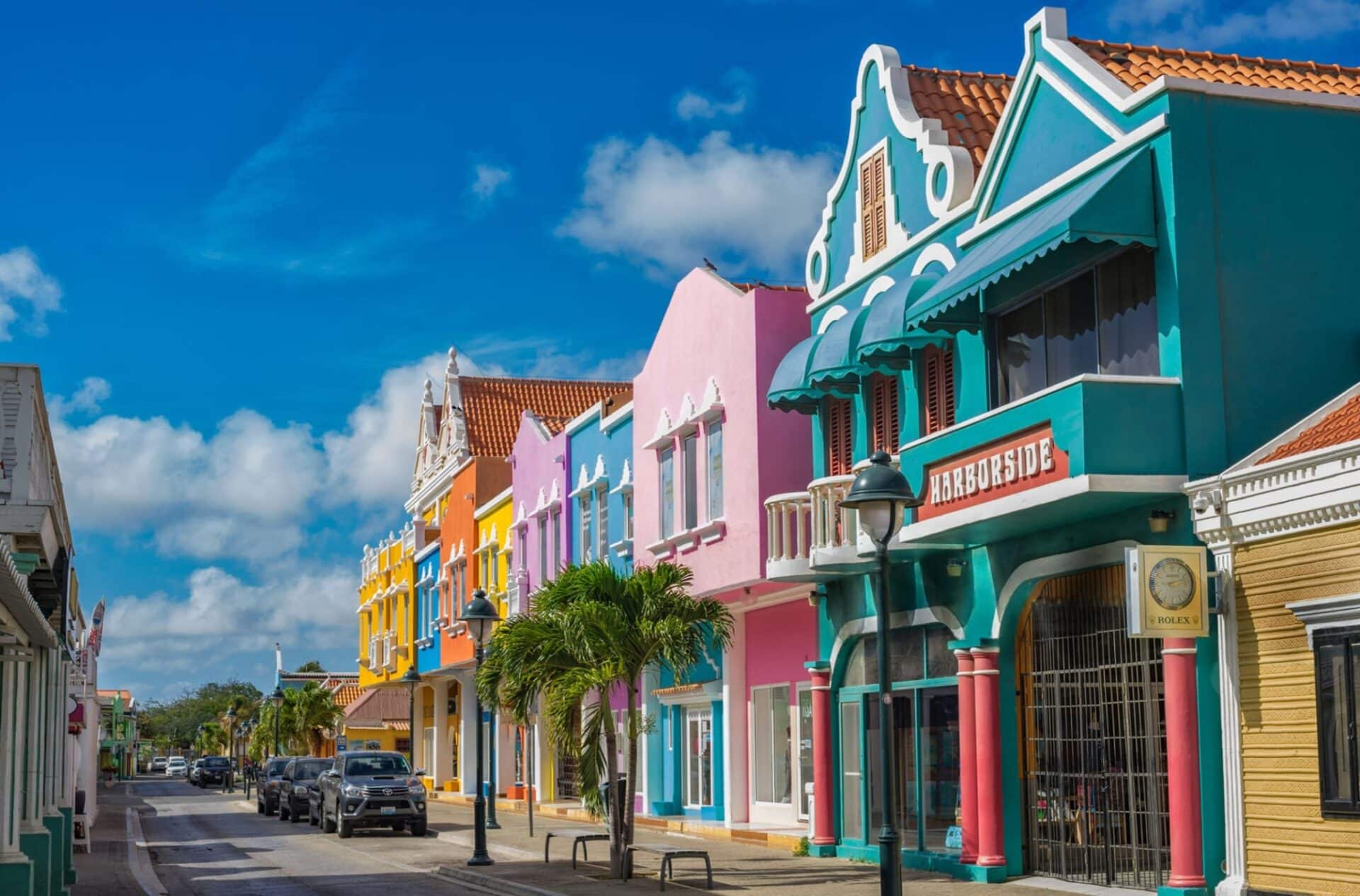
Bonaire, a Caribbean island built around the sea and conservation

In the southern Caribbean, off the coast of Venezuela, Bonaire is a territory in a class of its own. Less publicized than its neighbors Aruba and Curaçao, the island has built its identity around one central principle: the protection of its environment. Here, the sea structures the economy, landscapes and customs, while tourism development has been gradual and controlled. For travelers, Bonaire offers a clear picture: a compact island, visible natural areas, an accessible coastline and an organization geared towards sustainability. An island structured by its marine park Since 1979, Bonaire’s entire coastline has been protected by the Bonaire National Marine Park which completely surrounds the island. This marine area regulates nautical activities and aims to preserve the coral reefs, considered among the best preserved in the Caribbean. One of the island’s special features is the direct accessibility of its marine sites. Diving and underwater observation can be carried out
Read More »
Marcus Garvey
HISTORY & HERITAGE
Tolotra

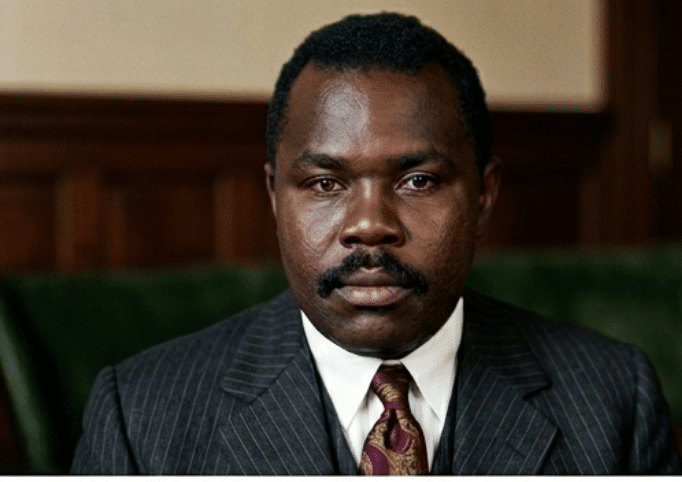
Jamaica – Marcus Garvey, Jamaican hero of international renown

Marcus Garvey remains one of the most influential figures to emerge from the Caribbean. Born in Jamaica at the end of the 19th century, he transformed a local experience into a political and cultural project of international scope. At a time when black populations faced deeply rooted systems of exclusion, Marcus Garvey proposed a structured vision based on dignity, organization and autonomy. Recognized today as a national hero in Jamaica, he is much more than a historical symbol. His story helps us understand how the Caribbean helped shape major intellectual and political movements on a global scale. His name continues to circulate in contemporary debates on identity, memory and the development of societies born out of colonial history. From Jamaican origins to the formation of a committed conscience He was born on August 17, 1887 in St. Ann’s Bay, Jamaica, into a modest family. Very early on, he developed a

Read More »

conTACT RK

we'd love to have your feedback on your experience so far

Join The List

Join our Richès Karayib community!  Sign up for our newsletter.

Want To Maximize Your Business Presence On Riches Karayib?

Complete the form to start the application