Martinique – Jordan Beal: A photographic exploration at unRepresented

Jordan Beal

The unRepresented fair, dedicated to artists not represented in galleries, offers an exceptional showcase this year to Jordan Beal, a photographer from Martinique whose work pushes back the boundaries of traditional photography. The first winner of the grant to support contemporary French Caribbean and Amazonian creation, he is exhibiting his “Corrosion” series in Paris, a work that questions our perception of nature and territory. This event marks an important milestone for this emerging artist and for the recognition of talent from the Caribbean.

Who is Jordan Beal?

Jordan Beal, born in 1991 in Martinique, is a photographer whose artistic approach is distinguished by its experimental character and unique sensibility. From the outset, he has shown a keen interest in exploring the interactions between man and his natural environment.

In 2022, he presented “Pour faire le portrait d’une fleur” at Tropiques Atrium. This monographic exhibition showcased a daring technique: certain photographic prints were buried underground for several weeks. This symbolic process aimed to restore to nature what it had inspired in the artist, creating works marked by the imprint of time and natural elements.

Jordan Beal’s art transcends the traditional boundaries of photography. His work questions concepts such as territory, natural and political boundaries, and the transformations undergone by nature in an ever-changing world.

Bursary to support French contemporary creation in the Caribbean and Amazon regions

This grant, initiated by Rubis Mécénat, La Station Culturelle (Martinique) and unRepresented, aims to promote emerging artists from the Caribbean and Amazon territories. It responds to a crucial need: to offer greater visibility and professional resources to creators who are often marginalized on the international art scene.

The main objective is twofold:

  • Supporting artistic production: Artists receive funding to carry out their projects.
  • Supporting their professional development: A personalized program of meetings with experts from the artistic world is set up.

For Jordan Beal, this grant has been decisive. It enabled him to exhibit his “Corrosion” series in a prestigious setting, while strengthening his presence on the European art scene. It also illustrates the importance of promoting talent from regions that are often under-represented in the global cultural landscape.

The "Corrosion" series: A work between abstraction and reality

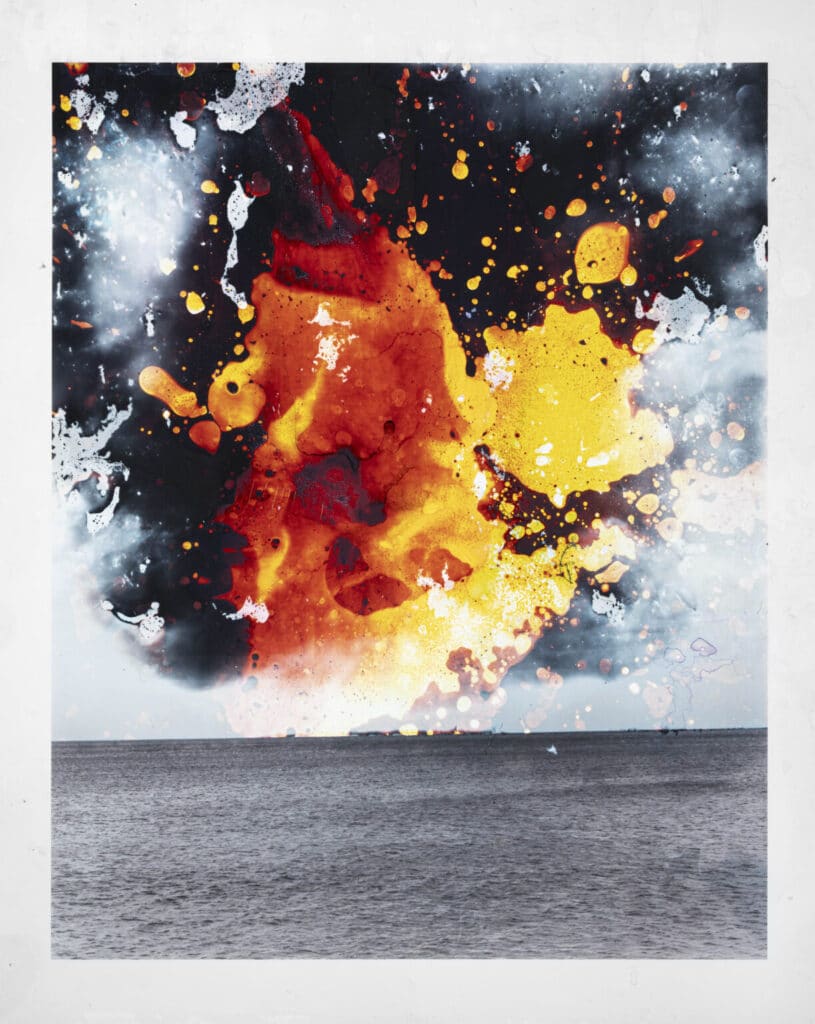
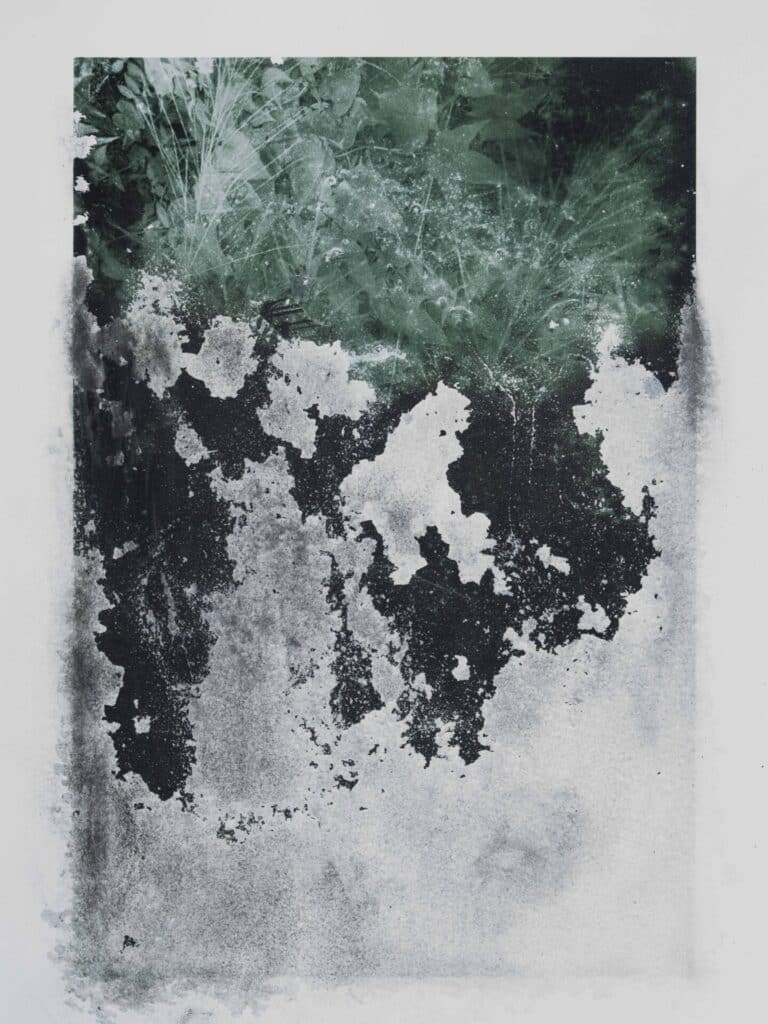
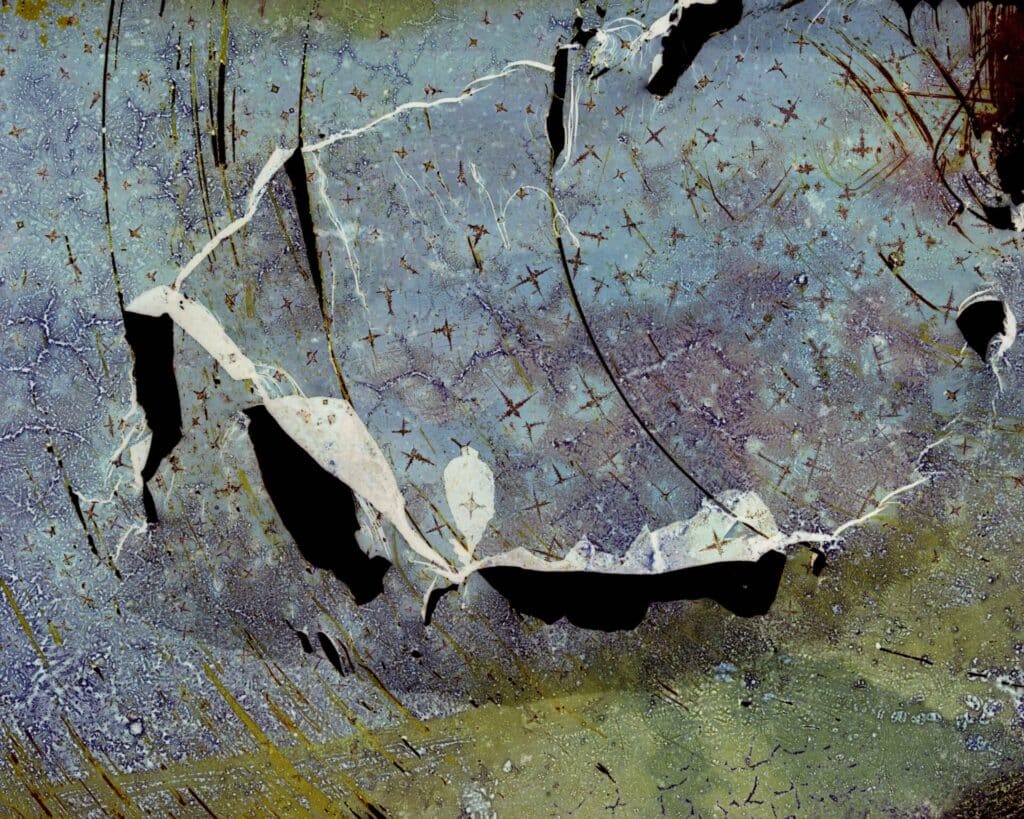
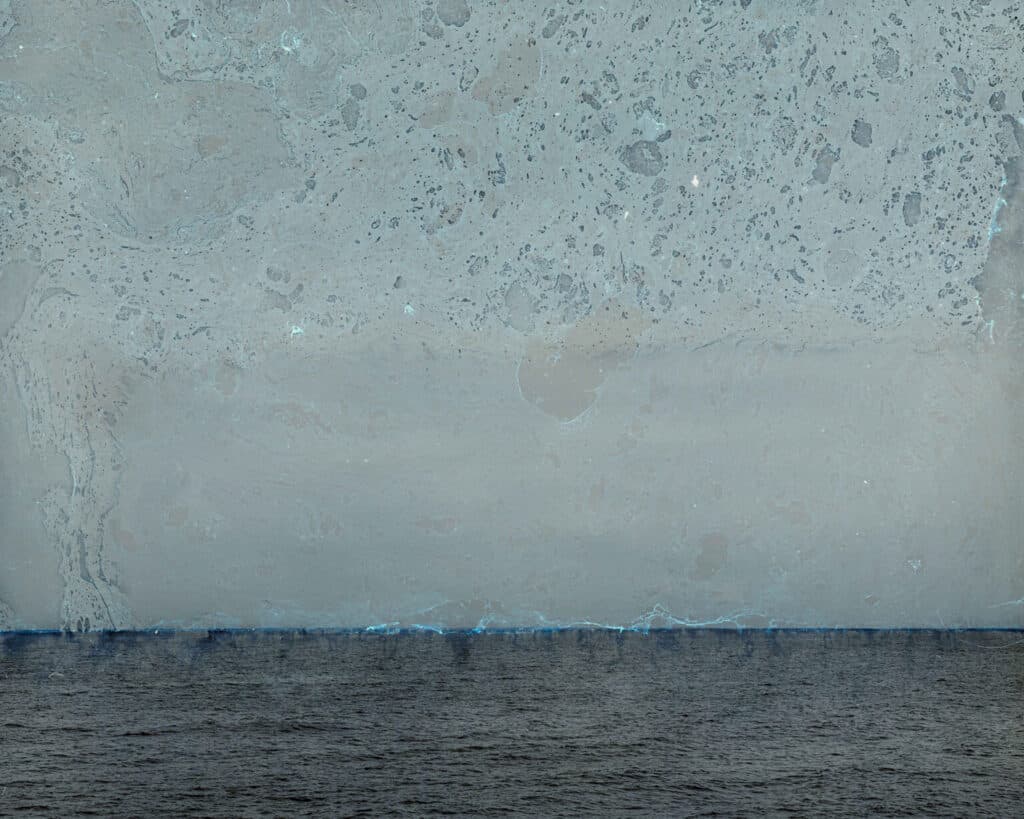
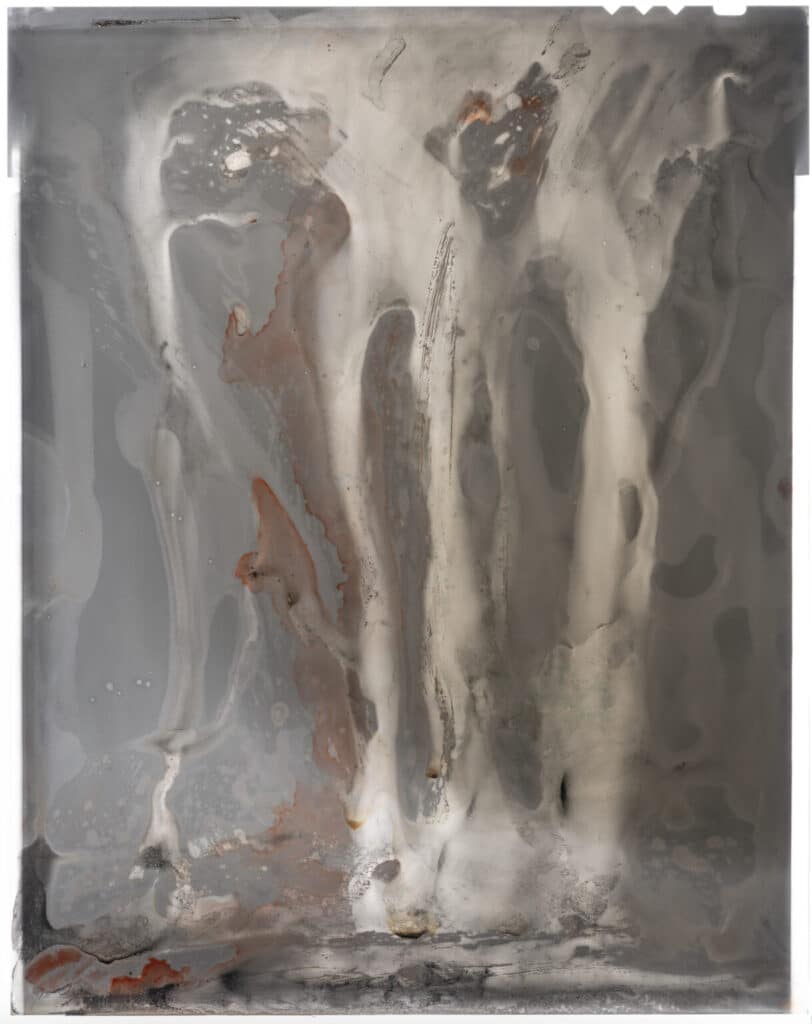
The “Corrosion” series represents a turning point in Jordan Beal’s career. This work explores the limits of the photographic medium by integrating chemical processes, double exposures and artistic cut-outs. These techniques enable the initial image to be transformed into an abstract composition where reality and the imaginary mingle.

The central themes of “Corrosion” include:

  • The relationship between man and his natural environment.
  • Chemical transformations as a metaphor for the passage of time.
  • The blurred boundaries between abstraction and figuration.

Through these works, Jordan Beal offers a poetic reflection on notions of territory and identity. The landscapes he creates are imbued with an enigmatic beauty, inviting the viewer to rediscover the world from a new angle.

Jordan Beal
Jordan Beal, Corrosion 07, 2025, inkjet print on deteriorated Hahnemühle Ultra Smooth paper from scan of deteriorated negative, 24 × 30 cm. Jordan Beal.
Jordan Beal
Jordan Beal, Corrosion 06, 2025, inkjet print on deteriorated Hahnemühle Ultra Smooth paper from scan of deteriorated negative, 24 × 30 cm. Jordan Beal.

Exhibition at unRepresented

The unRepresented fair has established itself as an essential space for artists not represented in galleries. Dedicated to aesthetic experimentation, the event showcased emerging talent while providing a platform for exploring new forms of artistic expression.

This year, the show was held at Le Molière, in the heart of Paris. Jordan Beal’s solo exhibition stood out for its boldness and originality. From April 4 to 6, 2025, visitors were able to discover the “Corrosion” series, a work that defied photographic convention while celebrating the cultural richness of the Caribbean.

Why is this exhibition important?

  • It gave Jordan Beal international exposure.
  • She highlighted the dynamism of the Caribbean art scene.
  • She illustrated the importance of initiatives like unRepresented to promote emerging artists.
Jordan Beal
Jordan Beal, Corrosion 05, 2024, pigment print on Hahnemühle Ultra Smooth paper from scan of damaged negative, 60 × 48 cm. © Jordan Beal.
Jordan Beal
Jordan Beal, Corrosion 04, 2023, pigment print on Hahnemühle Ultra Smooth paper from scan of deteriorated negative, 75 × 60 cm. Jordan Beal.
Jordan Beal
Jordan Beal, Corrosion 09, 2024, deteriorated 4 × 5 negative, 10 × 12 cm. Jordan Beal.

A lasting impact on the Caribbean art scene

Jordan Beal embodies a new generation of Caribbean artists who are pushing the boundaries of traditional mediums while exploring universal themes such as identity, territory and nature. His success at unRepresented testifies to the immense potential of this often underestimated region on the global art scene.

Thanks to this grant and his Paris exhibition, he is paving the way for other artists from the Caribbean and Amazon. He demonstrates that these territories are not only rich in biodiversity, but also in cultural creativity.

Leave a Reply

Your email address will not be published. Required fields are marked *

More articles from RK

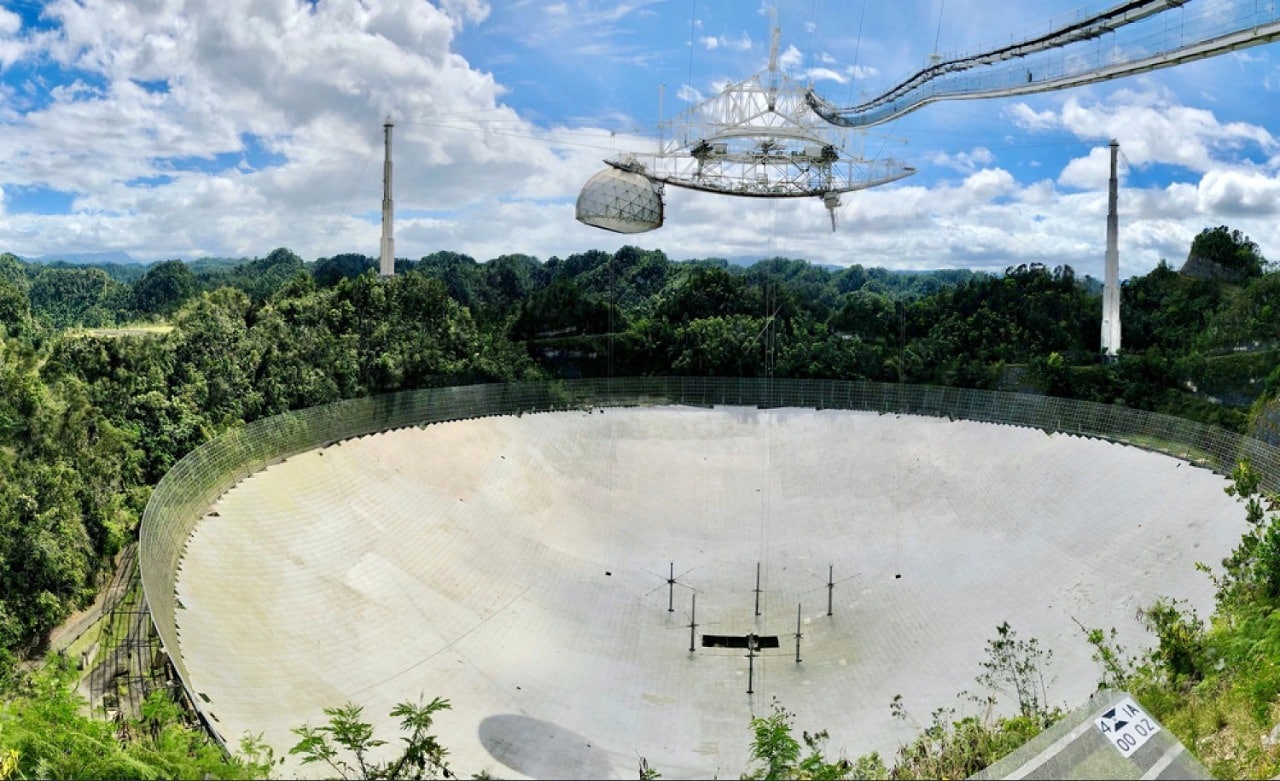
Aerial view of the former Arecibo radio telescope dish in Puerto Rico, surrounded by forest
TOURISM
Tolotra

Arecibo, Puerto Rico: A 305-meter telescope collapsed on December 1, 2020

For 53 years, Arecibo, in Puerto Rico, was home to the world’s largest single-dish telescope, with a mirror 305 meters in diameter. Its platform collapsed on December 1, 2020, without causing any injuries. The Arecibo site now houses an educational center open to the public by ticket. On December 1, 2020, at approximately 7:55 a.m. (Puerto Rico time), the Arecibo telescope platform collapsed into the crater above it, where it had stood since 1963. No one was injured. The director of the National Science Foundation (NSF), Sethuraman Panchanathan, expressed sadness over the situation but was grateful that no one had been harmed. In Arecibo, in northern Puerto Rico, this collapse brings to a close a story that began in 1960. That year, teams entered a natural depression in the karst region to install a giant mirror there. A single number sums it all up: 305 meters. The Arecibo Observatory, a
Read More »
Caribbean Cinema
FILM & VIDEO
Tolotra

S7/10 – Stories of Caribbean Cinema: Creating from Small Islands. Texts by Guillaume Robillard. Ciclic, 2026.

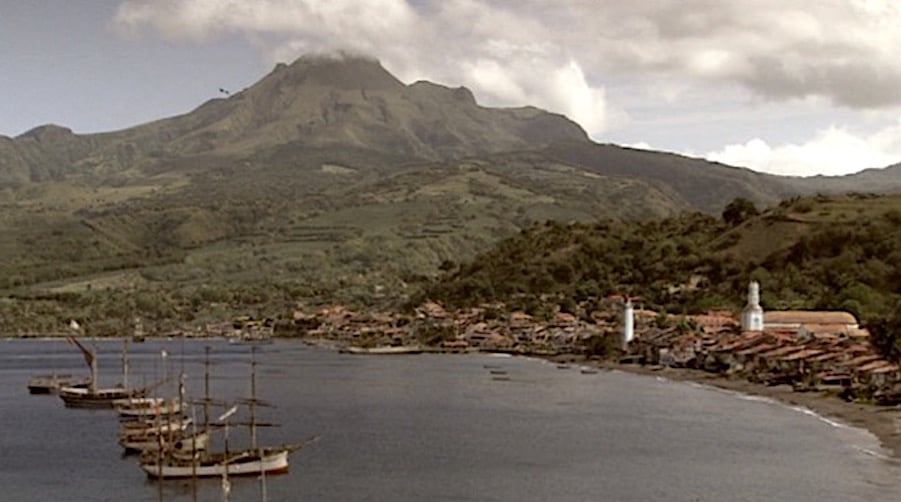
After Cuba, Jamaica, Trinidad and Tobago, Haiti, Guadeloupe, and Martinique, our serieson the history of Caribbean cinema continues its exploration of Caribbean cinema in the early 21st century. This seventh episode takes us from Antigua and Barbuda to Martinique. On one hand, Howard and Mitzi Allen are helping to build a local movie theater in a small island nation. On the other, Guy Deslauriers and Patrick Chamoiseau are depicting the origins of the biguine in 19th-century Saint-Pierre. You are watching the seventh episode of ten. Six episodes are already available on Richès Karayib, and three more will follow. 2001: ANTIGUA AND BARBUDA – “THE SWEETEST MANGO, THE SKIN” BY HOWARD ALLEN The Skin is the second feature film by the Allen couple—Howard directing and Mitzi producing. In 2001, they directed *The Sweetest Mango* (2001) so that their country would have its first “local” feature film to mark the dawn of
Read More »
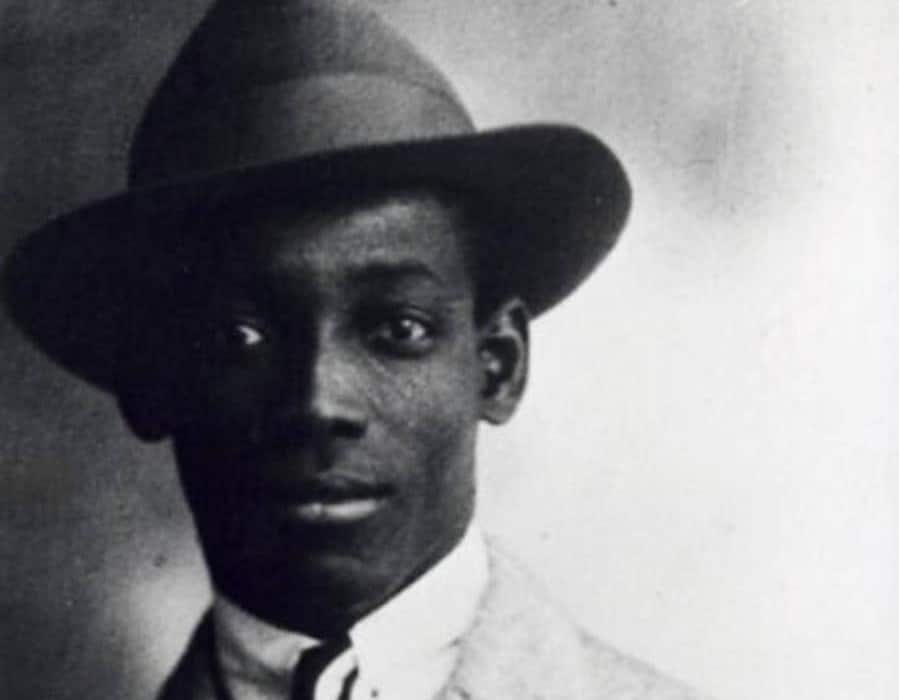
Vintage black-and-white portrait of Anton de Kom in a light suit and felt hat
HISTORY & HERITAGE
Tolotra

Anton de Kom and Wij slaven van Suriname, a Book Against Colonialism

Anton de Kom, born in Paramaribo (Suriname) on February 22, 1898, and died at the Sandbostel camp (Germany) on April 24, 1945, is the author of We, the Slaves of Suriname, published in 1934. This book is described as the first history of Suriname written by a Surinamese author. He wrote it in the Netherlands after his expulsion from Paramaribo in 1933. On February 7, 1933, a crowd gathered in front of the prison in Paramaribo, Suriname—then a Dutch colony—to demand the release of Anton de Kom. Shots were fired. Two protesters were killed and many others were wounded, according to the Canon Netherlands. Arrested six days earlier, the man would never stand trial. The colonial authorities deported him to the Netherlands, and he would never see his country again. Anton de Kom, the son of a slave born in Paramaribo Anton de Kom was born in Paramaribo on February

Read More »

conTACT RK

we'd love to have your feedback on your experience so far

Join The List

Join our Richès Karayib community!  Sign up for our newsletter.

Want To Maximize Your Business Presence On Riches Karayib?

Complete the form to start the application