

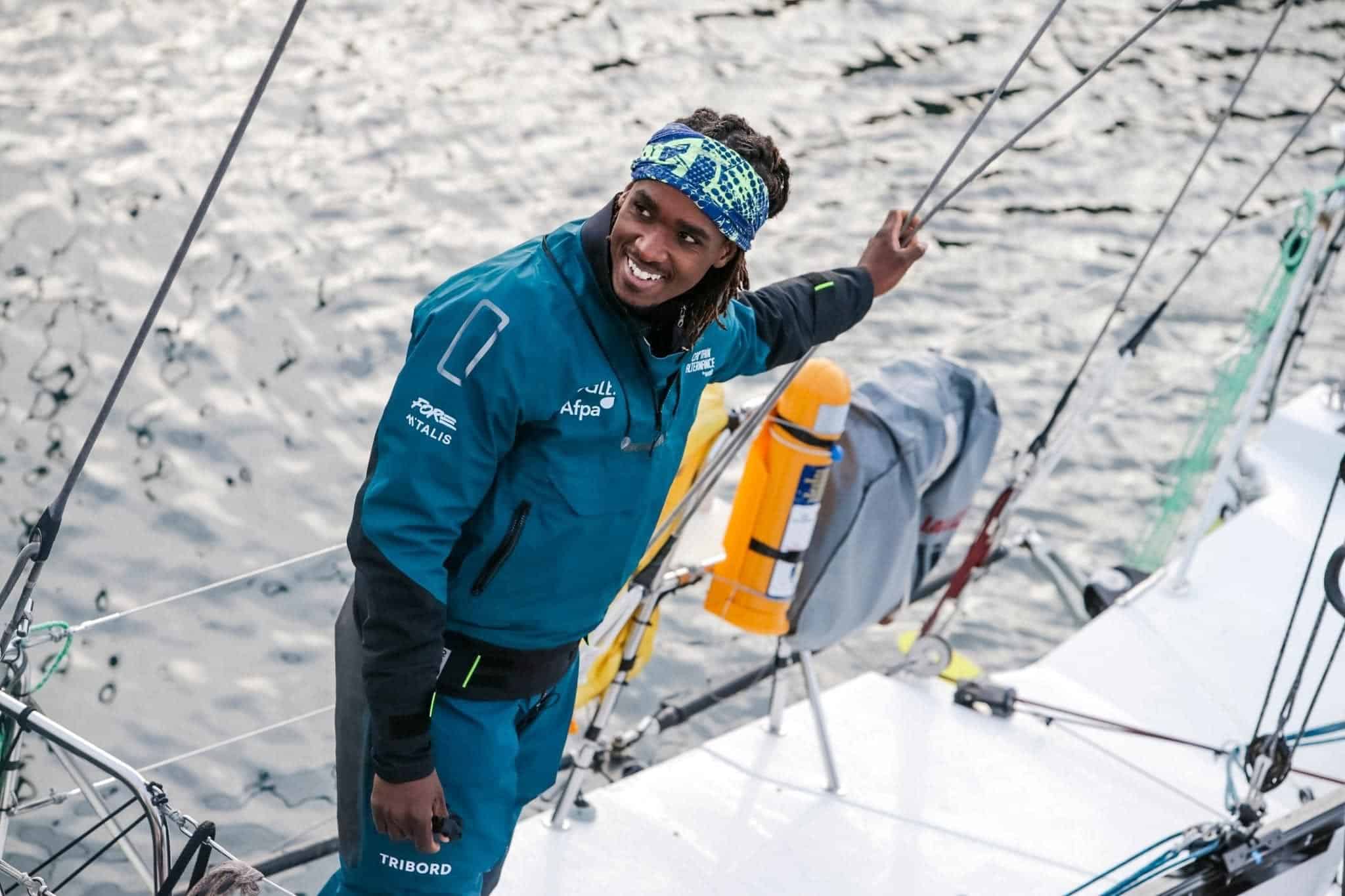

With just a few days to go before the 2026 Route du Rhum, Kéni Piperol is preparing for his second solo Atlantic crossing. Four years after his first attempt, which was marred by mechanical trouble, the Guadeloupean sailor is now aiming for a Top 15 finish in the Class40 category. With DrépaVoile, his ambition extends beyond the rankings, as he is combining this new adventure with the fight against sickle cell disease, outreach to young people, and artistic creation. On Friday, October 16, at 10:30 p.m. according to his crew, Kéni Piperol set sail from La Trinité-sur-Mer aboard his Class40, DrépaVoile. The start of the voyage to Saint-Malo was eventful. In rough seas, with gusts reaching 23 knots, the sailboat quickly found its rhythm and maintained a reported average speed of 12 knots throughout the night. At daybreak, conditions eased along the Breton coast. This voyage will take the boat
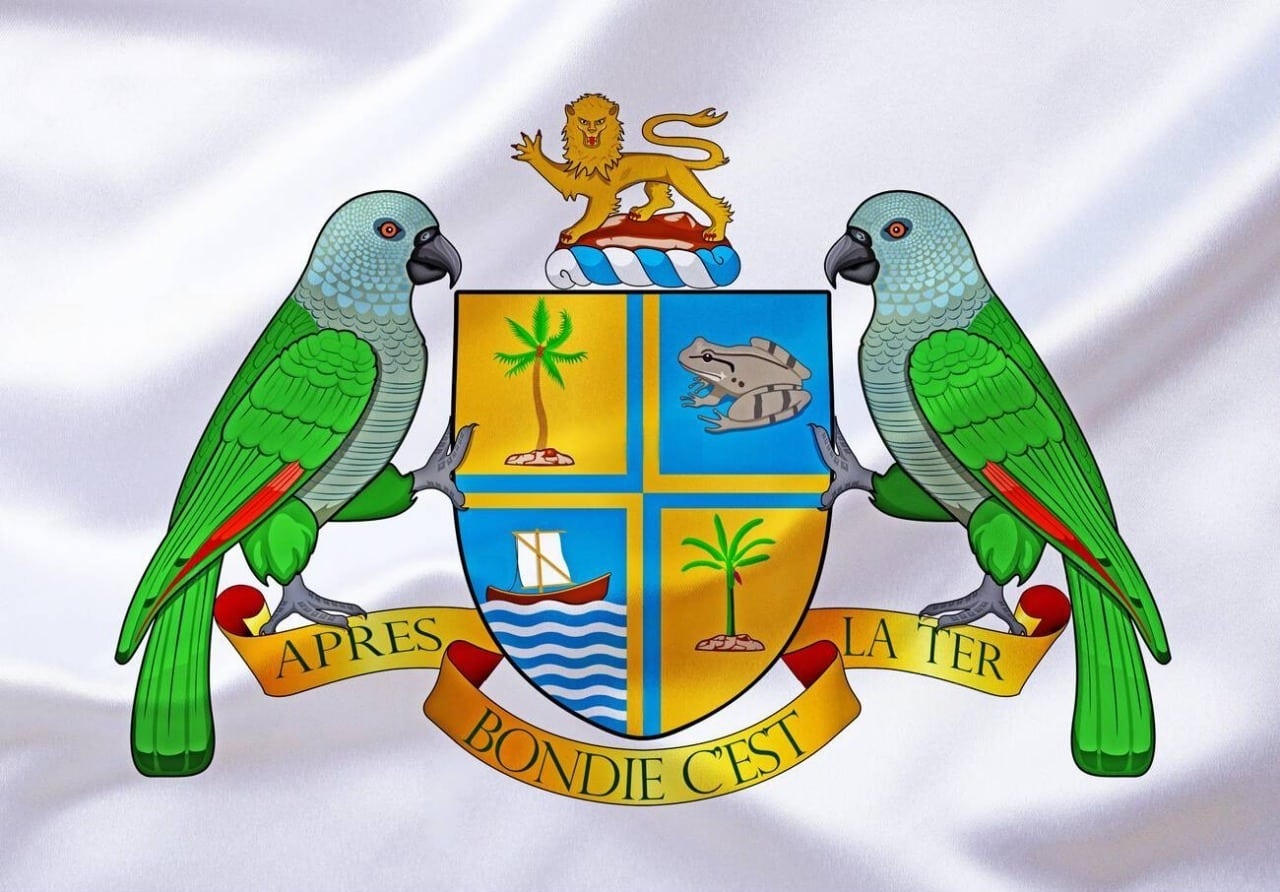
Beneath the shield of Dominica’s coat of arms, a scroll carries a phrase in Kwéyòl. « Après Bondie, c’est la terre ». After God, the earth, or “after God the Earth” in the official English translation. Five words of a French-based creole, and a clear hierarchy. In the rank that follows God, Dominica has placed the soil. « Après Bondie, c’est la terre », an order of things “Bondie” is the French creoles’ word for the good Lord. “Après” puts what follows immediately behind. The verb “c’est” asserts. The phrase asks for nothing; it states a fact. It says what matters on a volcanic island whose economy rests on agriculture. The coat of arms illustrates it word for word. Two of its four quarters show a tree on a mound of black rock, the coconut palm on one side, the fruit-laden banana tree on the other. The black is that
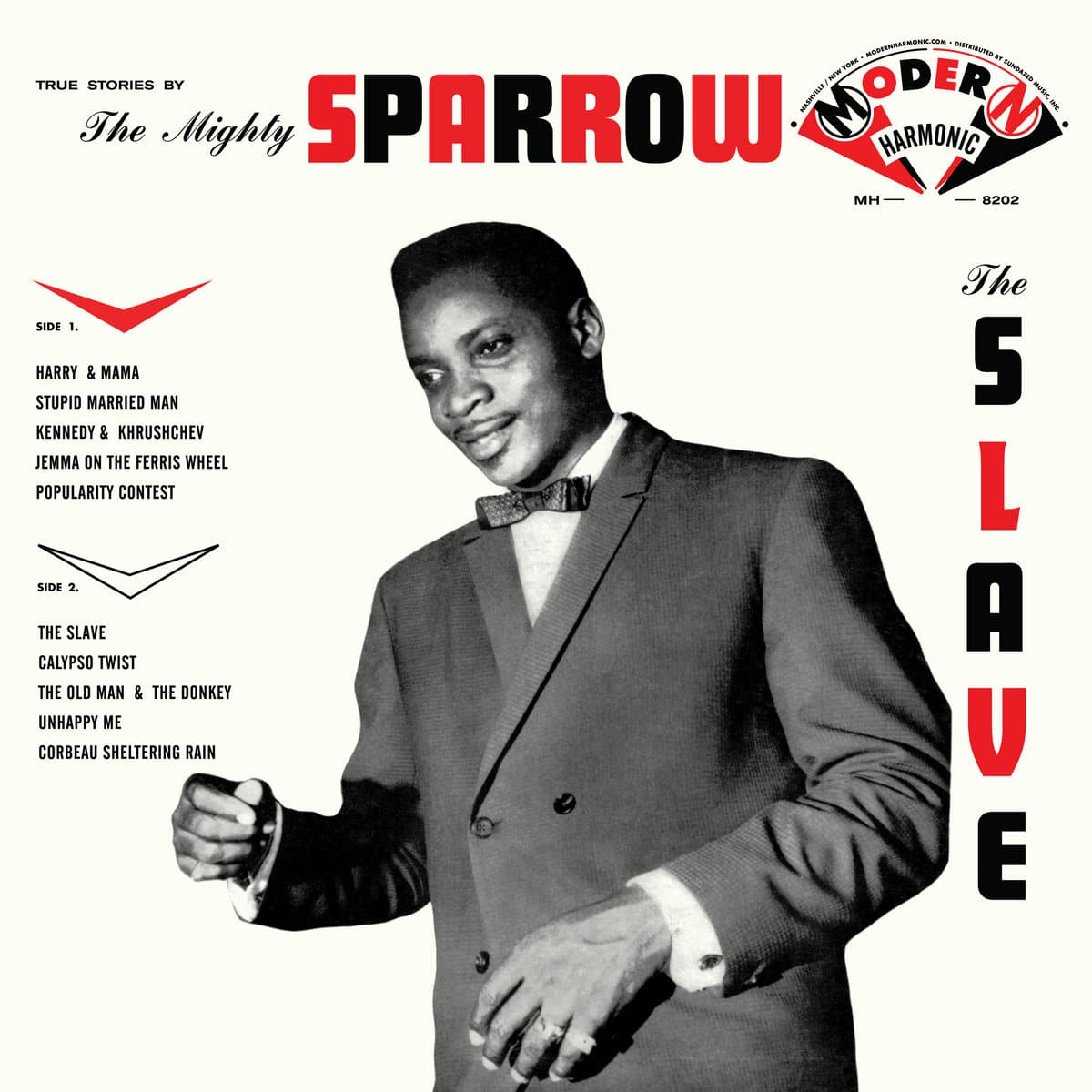
Mia Mottley began her tribute to Mighty Sparrow by quoting “The Slave,” a song from 1963. At the calypso artist’s funeral on October 16, 2026, she called for the song to be included in the Caribbean Examinations Council’s curriculum. This idea raises a simple question: what place do Caribbean voices have in schools? Mia Mottley began her tribute to Mighty Sparrow by quoting lines from “The Slave.” On October 16, 2026, at the National Academy for the Performing Arts in Port of Spain, the Prime Minister of Barbados then called for this 1963 song to be included in the Caribbean Examinations Council (CXC) curriculum. She wanted every child in the region to understand both the pain and the mission behind it. She turned to Kamla Persad-Bissessar, Prime Minister of Trinidad and Tobago, so they could work together to convince their counterparts. Persad-Bissessar replied that she would work with her Caribbean
