The Caribbean is facing growing environmental pressure from the massive arrival of sargassum: brown seaweed that washes up on the coast in large numbers, weakening coastal ecosystems and affecting fishing, tourism, public health and the daily lives of island communities. It is against this backdrop that the SARSEA – Sargassum Regional Strategies for Ecosystem-based Actions project was officially launched on October 28, 2025 in Saint Lucia, marking a turning point for regional management of this challenge.
A structuring framework and committed partners
Financed by the Agence Française de Développement (AFD) and implemented by Expertise France in partnership with the Commission of the Organization of Eastern Caribbean States (OECS), the SARSEA project offers the states concerned a framework for cooperation, knowledge and action.
The SARSEA project will focus on a number of key areas:
– Strengthen regional cooperation on Sargasso planning and management, to improve political coordination and international visibility of the phenomenon.
– Support small island states – notably Dominica, Grenada, Saint Lucia and Saint Vincent and the Grenadines – in implementing integrated sargassum management and recovery initiatives, adopting a circular and sustainable approach.
– Support regional scientific cooperation to better understand the phenomenon, anticipate its effects and guide management strategies.
– Integrate the gender approach into all Sargasso-related policies and actions, to ensure an inclusive and equitable response.
The opening ceremony in Saint Lucia was attended by governmental, institutional and scientific representatives from all over the Eastern Caribbean. Among them were the French Ambassador to the Eastern Caribbean, Barbados and the OECS, Marie-Noëlle Duris, and the French Ambassador for regional cooperation in the Atlantic zone, Arnaud Mentré.
Dominica stressed the need for a coordinated, multi-level approach to Sargassum management, citing the role that each island can play in a value chain adapted to its capabilities. Saint Lucia reaffirmed its commitment to playing an active part in this collective response. Grenada, for its part, put forward several priorities: the creation of a regional testing center, the implementation of a grounding monitoring system, a harmonized collection mechanism and a strengthening of sanitary monitoring.
During the event, a partnership protocol was signed between Expertise France and the OECS Commission, reinforcing the institutional framework for regional action. Round tables addressed the national visions of partner countries, followed by the challenges and opportunities of regional cooperation in Sargasso management. The afternoon was devoted to a presentation of the project strategy and a coordination meeting of partners. The following day, participants took part in a collective scientific workshop led by the Institut de Recherche pour le Développement.
The SARSEA project aims to consolidate a network of public, private and scientific players in the region, with a view to pooling skills, data and best practices. The objective of the SARSEA project is clear: to improve preparedness and response to Sargasso groundings, while strengthening the resilience of coastal territories.
Under the SARSEA project, although four states will benefit directly from the project, all twelve OECS member states will be able to take advantage of the lessons, tools and best practices that emerge. This reinforces the regional and inclusive dimension of the action.
Massive sargassum groundings in the Caribbean are not an isolated phenomenon: they disrupt coastlines on a daily basis, affect people’s health (toxic gas emissions during decomposition, respiratory problems), weaken marine ecosystems (seagrass beds, corals, mangroves) and threaten key economic sectors such as fishing and tourism.
In this context, fragmented or national management alone is no longer enough. The phenomenon crosses borders, currents and ecosystems. The SARSEA project proposes a coordinated, sub-regional response based on robust science.
Future milestones
– Structuring integrated value chains around sargassum: from collection to valorization (possibly into bioproducts, fertilizers, etc.).
– Set up harmonized monitoring systems for strandings, collection and sanitary analysis.
– Deployment of concerted scientific actions to fill knowledge gaps and guide better-adapted public policies.
– Promoting women’s participation and gender mainstreaming in all phases of action.
Dissemination of project feedback, tools and best practices to all OECS member states.
The launch of the SARSEA project marks an essential step in the regional mobilization against the impact of sargassum in the Eastern Caribbean. By combining political, scientific, technical and inclusive cooperation, the island states now have a structured framework for tackling this complex phenomenon. The SARSEA project does not replace national or local work: it amplifies and structures it, giving it scope and resources. With this new impetus, the prospect of concerted, better-informed and sustainable management of sargassum is taking shape in the region.
The Organization of Eastern Caribbean States (OECS) has taken another step forward in its commitment to sustainable development by signing a memorandum of understanding with the International Solar Alliance (ISA). The agreement was signed in Santiago, Chile, at the seventh meeting of the ISA Regional Committee for Latin America and the Caribbean, held from August 4 to 6, 2025.
More than just a technical document, it embodies a collective vision: to accelerate the energy transition of small island states thanks to solar energy, and reduce dependence on costly fossil fuel imports.
OECS: a central player in the Eastern Caribbean
Created in 1981, the OECS currently has eleven members, including six independent states: Antigua and Barbuda, Dominica, Grenada, Saint Kitts and Nevis, Saint Lucia and Saint Vincent and the Grenadines. This regional organization plays a fundamental role in economic integration, shared governance and the coordination of public policies in strategic areas such as education, health, climate and energy.
The signing of this protocol with the ISA is part of a wider strategy to strengthen the economic and environmental resilience of a region particularly exposed to the effects of climate change, devastating hurricanes and volatile energy prices.
The ISA, founded in 2015 on the initiative of India and France, today brings together 124 member states on four continents. It positions itself as a gas pedal of the solar transition, offering innovative financing, technical support and capacity-building programs. Its expertise is particularly valuable for countries in the South, which have to reconcile economic development with climate imperatives.
Under the agreement, ISA undertakes to :
✅ promote solar energy in member states,
✅ mobilize public and private funds via the World Solar Fund and other climate finance instruments,
✅ strengthen local skills through Solar Technology Application Resource Centers (STAR-C).
Action-oriented cooperation
For the OECS, the agreement signed with the ISA goes beyond mere institutional cooperation. It aims to achieve concrete results:
✅ develop solar projects capable of reducing dependence on diesel,
✅ facilitate access to financing for governments and businesses alike,
✅ create skilled jobs in green industries,
✅ pool solar equipment purchases to lower costs.
This strategy is perfectly aligned with the “Decade of Sustainable Energy” launched by the OECS for the period 2025-2035. The objective is clear: to make solar energy a cornerstone of the economic and social development of member states.
OECS member countries belong to the category of Small Island Developing States (SIDS). Their vulnerability is manifold:
Geographical, because hurricanes and extreme weather can destroy energy infrastructures in a matter of hours;
financial, since access to international credit remains limited due to the small size of their economies;
structural, with heavy dependence on fossil fuel imports that weigh heavily on national budgets and trade balances.
Kerryne James, Minister for Climate Resilience and Co-Chair of the ISA Regional Committee for Latin America and the Caribbean, emphasized this point: “We need to recognize that access to finance for the energy transition remains a major challenge for SIDS.”
A regional center of excellence for solar energy
One of the most innovative aspects of this cooperation is the creation of a Regional Center of Excellence for Solar Energy. This will be used to develop local expertise, promote knowledge sharing and set up training programs tailored to Caribbean realities.
According to Ashish Khanna, Managing Director of the ISA, this initiative will also leverage digital innovations: “By promoting group purchasing of solar energy through digital bidding platforms, we will improve efficiency, reduce costs and attract large-scale private investment.”
A long-term vision for the Caribbean
For Dr Didacus Jules, Director General of OECS, the agreement signed is not just about energy. It is a truly strategic investment in the resilience and economic independence of the region. By transforming the energy sector, the OECS intends to offer its citizens a better quality of life, while reducing greenhouse gas emissions.
The Decade of Sustainable Energy (2025-2035) thus marks a turning point: solar energy is no longer seen as just another option, but as a pillar of the economic and social future of the islands of the Eastern Caribbean.
OECS as regional leader
By signing this agreement with the International Solar Alliance, the OECS confirms its role as a leader in the Caribbean energy transition. By focusing on solar energy, it is charting a credible course towards greater resilience, independence and prosperity for its member states. Beyond the technical aspect, this partnership embodies an ambition: to enable small island states to transform their vulnerability into an asset, by becoming laboratories for sustainable solutions on a global scale.
A regional dynamic in the face of energy dependence
Geothermal energy cooperation in the Caribbean is emerging as a strategic response to the common energy challenges faced by member states of the Organization of Eastern Caribbean States (OECS). Faced with the volatility of fossil fuel prices and the need for a low-carbon transition, several island territories have embarked on an innovative collective approach: the pooling of a geothermal drilling rig. This approach aims to strengthen their energy sovereignty while reducing operating costs.
Available and underused geothermal resources
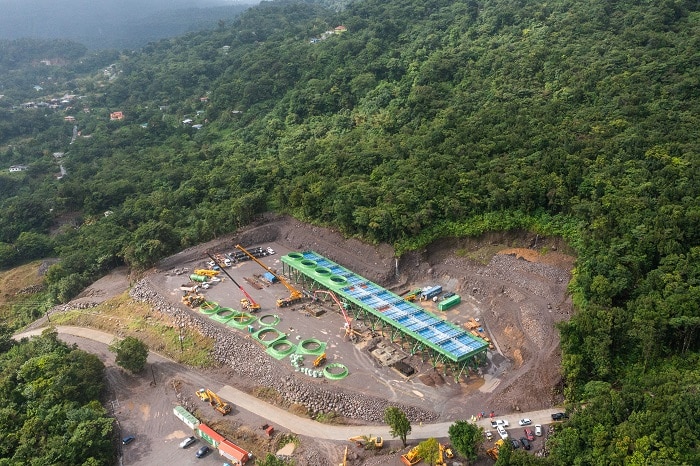
The volcanic islands of Dominica, Montserrat, Saint Lucia, Saint Kitts and Nevis, Grenada and Saint Vincent and the Grenadines have promising geothermal reservoirs. Their common geological characteristics offer a unique opportunity to produce renewable, stable and climate-independent electricity locally. Yet, despite this potential, geothermal energy cooperation in the Caribbean remains in its infancy. To date, only Dominica has embarked on the construction of a geothermal power plant, aiming to cover 50% of its electricity demand by the end of 2025.
The main stumbling block remains the high cost of exploratory drilling, estimated at several million dollars per well, not least due to the need to bring in a drilling rig from abroad. The lack of shared equipment at regional level is also a major obstacle.
To overcome these obstacles, the OECS has set up the GEOBUILD program (Geothermal Energy: Capacity Building for Utilization, Investment and Local Development). Co-financed by the Caribbean Development Bank (CDB) and implemented in partnership with the Caribbean Centre for Renewable Energy and Energy Efficiency (CCREEE), this program aims to structure geothermal cooperation in the Caribbean around three axes: capacity building, financial engineering and shared governance.
The main beneficiaries – Dominica, Saint Lucia, Grenada, Saint Vincent and the Grenadines and Saint Kitts and Nevis – take part in training workshops and technical exchanges, as well as field missions such as a visit to the Bouillante power plant in Guadeloupe. The aim is to create a regional geothermal energy culture adapted to local realities.
A shared drilling rig : towards concrete implementation
At the heart of this strategy, the pooling of a drilling rig is currently under study. The Italian company ELC-Electroconsult S.p.A., an expert in energy infrastructures, has been commissioned to assess the technical, economic and regulatory feasibility. The study explores scenarios for deploying the equipment in different member states, possible governance models and staff training requirements.
This geothermal energy cooperation initiative in the Caribbean would create a rotation schedule between territories, limiting mobilization and demobilization costs, while guaranteeing greater availability of the tool.
Pooling such equipment could generate substantial savings, with drilling costs cut by 20-30%. It would also make geothermal energy cooperation more competitive than the widespread use of oil-fired generators. What’s more, this approach would encourage the creation of technical jobs, the structuring of a regional industry and the revival of related activities such as engineering and industrial maintenance.
Geothermal energy cooperation in the Caribbean would also pave the way for new uses: heating agricultural greenhouses, thermal aquaculture, agri-food production, or even developing wellness tourism around natural hot springs.
Enhancing local skills
An essential aspect of the project is to increase the skills of local players. The aim is to reduce dependence on foreign experts by training specialized geologists, drillers, technicians and engineers. Partnerships are envisaged with regional universities such as the University of the West Indies (UWI) and the University of the West Indies to create appropriate curricula.
So geothermal energy cooperation in the Caribbean is not just a technical project: it’s part of a process of transforming educational, industrial and institutional systems, for the benefit of greater autonomy.
Financial partnerships and multilateral support
The initiative is supported by a number of international donors. In addition to the CBD, the project is supported by the European Union via the GCCA+ program, the Green Climate Fund and the Inter-American Development Bank. These players provide invaluable expertise in structuring the project in line with international standards, while ensuring that it is adapted to the specific characteristics of the islands.
The success of geothermal energy cooperation in the Caribbean will nevertheless depend on the political will of the governments concerned, their ability to share responsibilities, and the soundness of the legal mechanisms governing the use of the drill.
A collective ambition for the Caribbean of tomorrow
More than a technical project, geothermal energy cooperation in the Caribbean embodies a bold regional vision. By joining forces, the OECS countries are laying the foundations for an integrated, resilient and forward-looking energy strategy. If successful, geothermal energy cooperation in the Caribbean could become a model for other pooling initiatives in the fields of water, transport and health.
It bears witness to a shared conviction: in the face of global challenges, the Caribbean can build local, sustainable and mutually supportive solutions.
Saint Lucia asserts its commitment to offering a unique experience rooted in its identity
At Seatrade Cruise Global 2025 in Miami, Saint Lucia reminded us of what makes it unique in the Caribbean world: an exceptional natural heritage, a dynamic culture and a tourism experience that can’t be found anywhere else. In the words of Louis Lewis, CEO of the Saint Lucia Tourism Authority, the Caribbean island confirms its determination to combine authenticity, dynamic tourism and the preservation of its deep-rooted identity.
A destination of spectacular nature and living heritage
For Louis Lewis, Saint Lucia offers more than just heavenly beaches. The island offers a unique experience, where nature and culture meet at every step.
The only place in the world where you can drive directly into an active volcano,
Remarkable natural sites: waterfalls, hot springs, lush forests, black and golden sand beaches,
“We have an exceptional natural product, but it’s also the human richness and cultural mix of Saint Lucia that make the experience unforgettable,” emphasizes Louis Lewis.
The local culture, a blend of British, French, African and Caribbean, is expressed through :
Creole festivals,
Traditional festivals,
Localgastronomy and music,
Community events to promote the island’s authenticity.
🎯 Saint Lucia’s challenge: to make every stopover an immersion in a unique, deeply-rooted art of living.
Diversifying the offer and smoothing out the tourist season
While cruising remains a strong pillar of the tourism economy, Sainte-Lucie is not content with a seasonal activity concentrated on winter.
Thanks to the Community Tourism Agency, new products have been created for :
Promoting authentic local experiences,
Develop new cultural and natural excursions,
Attract visitors in both high and low seasons.
A few emblematic examples:
The Sea Moss Experience (based on traditional seaweed),
Creole festivals and carnivals,
Flower Festival,
Tours of unspoilt villages and natural sites.
This strategy aims to spread visitor flows throughout the year, protect emblematic sites from over-visitation and strengthen the local economic impact.
🎯 Louis Lewis’ vision: to build harmonious tourism growth, driven by authenticity, living culture and respect for natural resources.
Saint Lucia, emotion at the heart of the cruising experience
At Seatrade Cruise Global 2025, Saint Lucia has stated loud and clear that its tourism development will be based on authenticity, diversity and preservation.
With its accessible volcanoes, Creole traditions and warm welcome, the island offers cruisers much more than just a stopover: an immersion in a land where nature, culture and history weave unique and lasting memories.
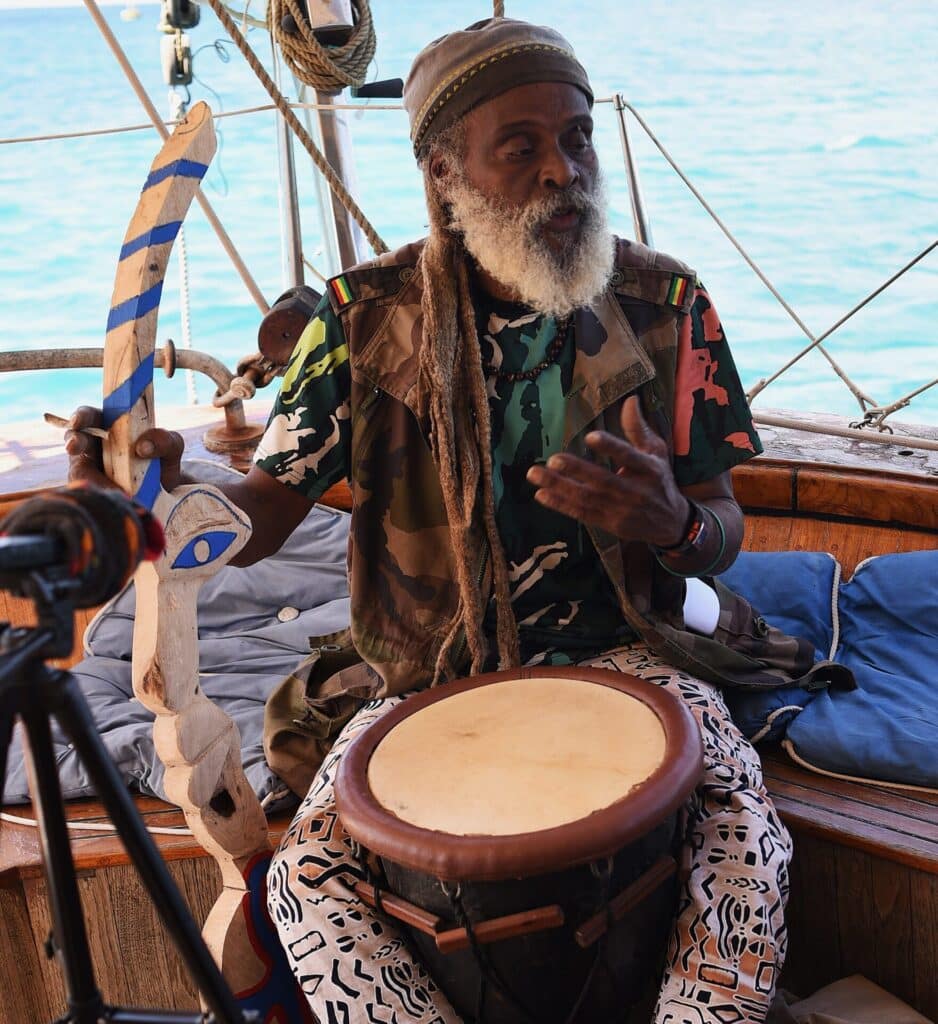
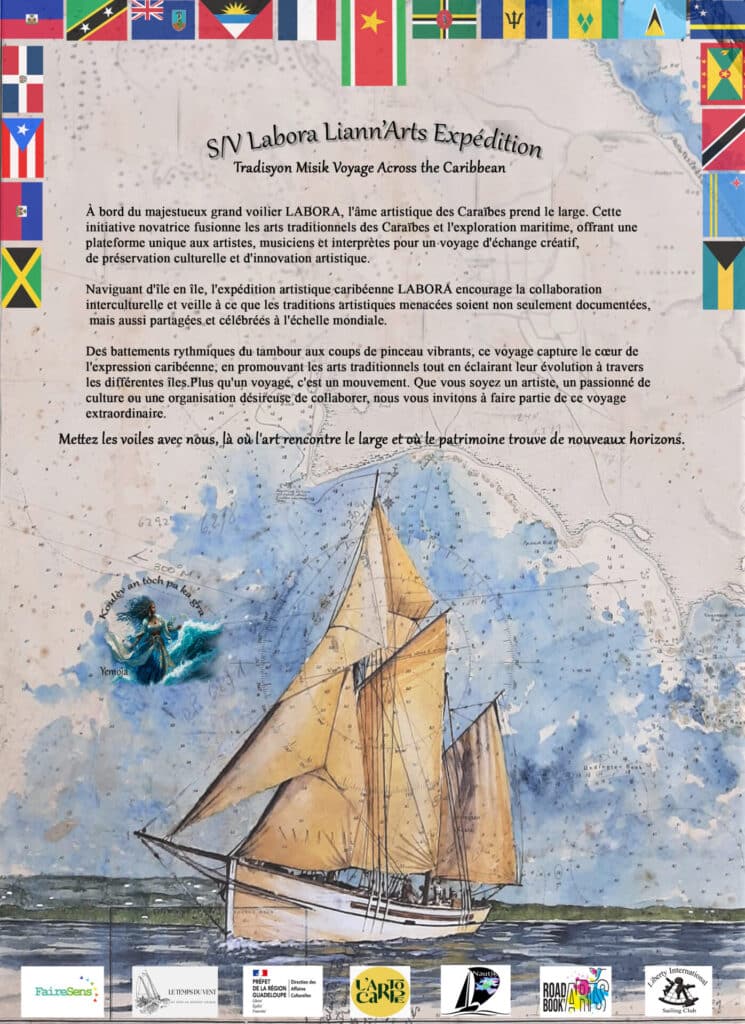
Labora Caribbean Art Expedition is an artistic, maritime and heritage initiative that has taken root in Guadeloupe and is now spreading throughout the Caribbean. Supported by artists, sailors, researchers and institutions, this expedition aboard a traditional sailboat aims to link islands, gather knowledge, promote dialogue between generations and enhance the value of popular cultures that are often marginalized. More than just an artistic program, it is a living process of documentation, transmission and exchange between island communities, with the sea as a link.
A mobile artistic platform born in Guadeloupe around the sailboat Labora
The project takes shape around the S/V Labora, a Danish wooden hajkutter built in 1939, now restored and transformed into a living museum and mobile creative platform. The idea was born in Guadeloupe, particularly during his stopover at the ACTe Memorial during the Rhum Race, where musicians from Grenada came aboard and hundreds of Guadeloupean schoolchildren discovered life on board. This experience gave rise to a collective desire to make the Labora a vehicle for living memory on a Caribbean scale.
Three fundamental axes: traditional arts, navigation and transmission
Labora Caribbean Art Expedition is based on three inseparable pillars:
The traditional Caribbean arts (music, dance, visual arts, oral narratives, craft skills).
The sailing as a means of transport, but also as a historical link between the islands.
The intergenerational transmission through workshops, residencies, documentaries and training courses.
At each port of call, the sailboat becomes both itinerant stage, a place of artistic residence and living archive space.
Responding to island isolation with art and the sea
The project is based on a simple but profound observation: in the Caribbean, many island communities remain isolated isolated by a lack of transport infrastructure which hinders cultural exchanges. The sailboat Labora overcomes these obstacles by creating a creation, documentation and sharing network.. It becomes a tool for dialogue, breaks down prejudice, connects artistsand opens up spaces for collaboration between often distant communities.
Educational, social and scientific objectives
The ambition of Labora Caribbean Art Expedition is to preserve endangered knowledge but also to give them a place in today’s society. The project aims to :
Document vanishing traditions through films, recordings films, recordings, photographs, logbooks.
Creating digital archives returned to communities and schools.
Organize transmission workshops in schools, ports, neighborhoods and villages.
Set up an international internship program (in conjunction with anthropology, musicology, ethnology and audiovisual universities).
Encourage the emergence of educational initiatives integrating Caribbean cultures into curricula.
A collective project: artists, institutions, researchers, sailors
Three main entities coordinate the project:
Road Book’ Arts (Guadeloupe), an association specializing in artistic production and cultural residencies.
Le Temps du Vent, a French collective based in Marie-Galante and owner of the Samsara sailboat, dedicated to promoting traditional sailing.
The Liberty International Sailing Club (LISC), a transnational structure that pilots the sailboat Labora and brings together sailors, anthropologists, video artists and musicians.
They are accompanied by an extended network of Caribbean and international partners, including :
Galerie l’Art s’En Mêle, Artocarpe, United Caribbean Artists, Patoray, Waka Films, FaireSens BeeSiw, La Croisée des Chemins, Pointe-à-Pitre Arts Centre.
Anna Chiara Sabatino, Italian researcher and filmmaker in digital storytelling.
Tara Douglas, documentary filmmaker from the Adivasi Arts Trust.
Mark Lindenberg, anthropologist and filmmaker.
Makeda Martel, artistic facilitator and founder of La Croisée des Chemins.
Guadeloupe's central role in project governance
A local committee supports the development and territorial anchoring of the project:
Martine Fazer, journalist and director of the International Graffiti and Street Art Festival.
Arthur Trouabal, former art expert and trainer.
Raymonde Pater Torin dancer, choreographer and specialist in gwoka.
Their involvement ensures that the project remains connected to local realities without exoticism or folklorization.
Expedition schedule and itinerary
The pilot phase will run from January to May 2025 with stopovers in Guadeloupe, Dominica, Martinique and probably Saint Lucia. It will enable us to test formats, evaluate logistics, refine the documentation method, and solidify partnerships. The aim is then to extend the project into 2026 gradually linking Trinidad to Cuba with two to three sailboats sailing in coordination eventually.
An invitation to Caribbean artists
The Labora team is launching a call for participation Caribbean artists wishing to get involved in this collective creative process. Whether musicians, dancers, craftsmen, storytellers, video artists or teachers, all are invited to come on board to share their vision of living heritage and contribute to a shared Caribbean memory.
Labora Caribbean Art Expedition is more than just a cultural expedition. It’s a project political, social and educational which uses traditional navigation as a lever for cohesion, resilience and inspiration. By linking islands, it also links memories, heritages and generations. It proposes a new way of thinking the Caribbean from the sea by floating the forgotten voices, the threatened gestures, and the music that carries the soul of the island peoples.
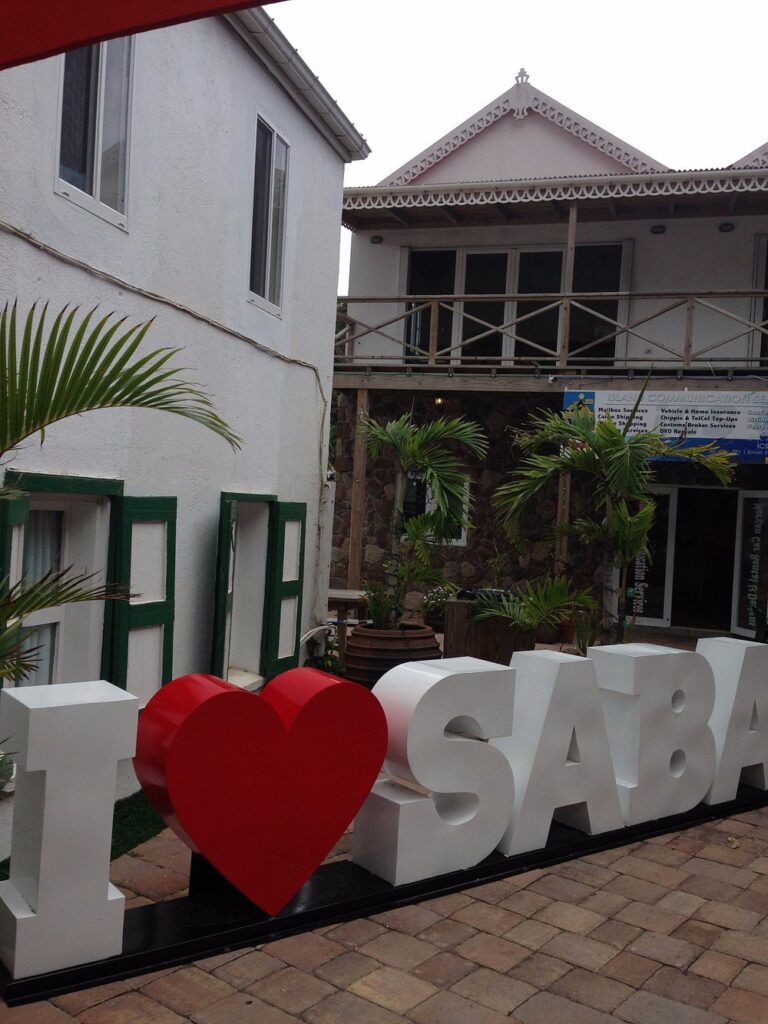
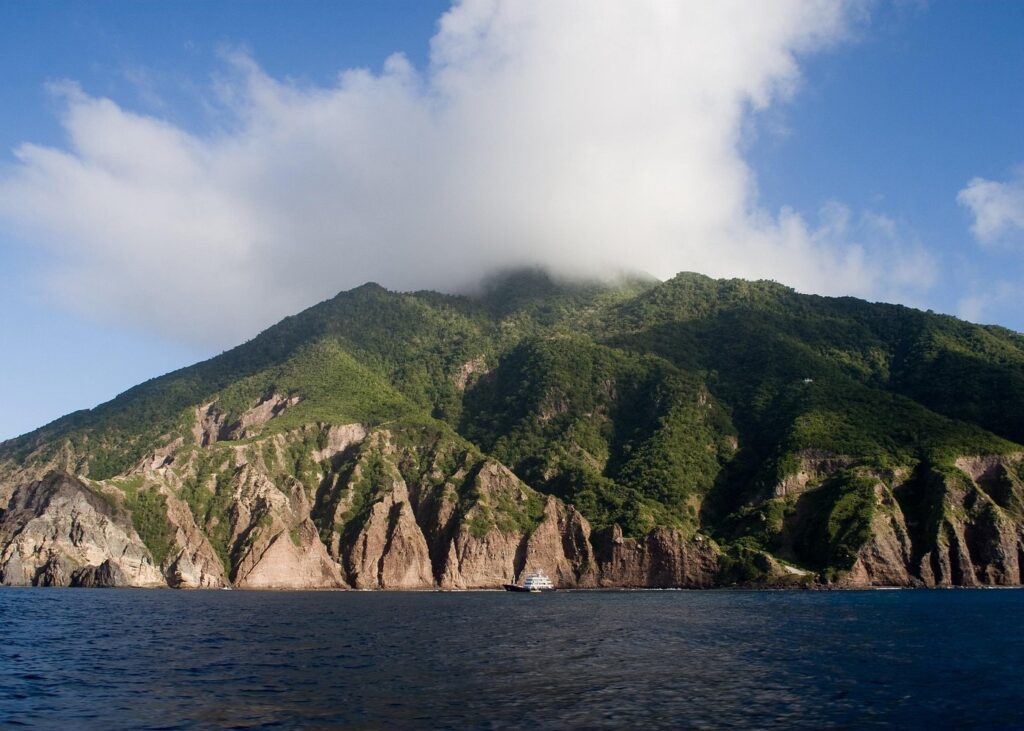
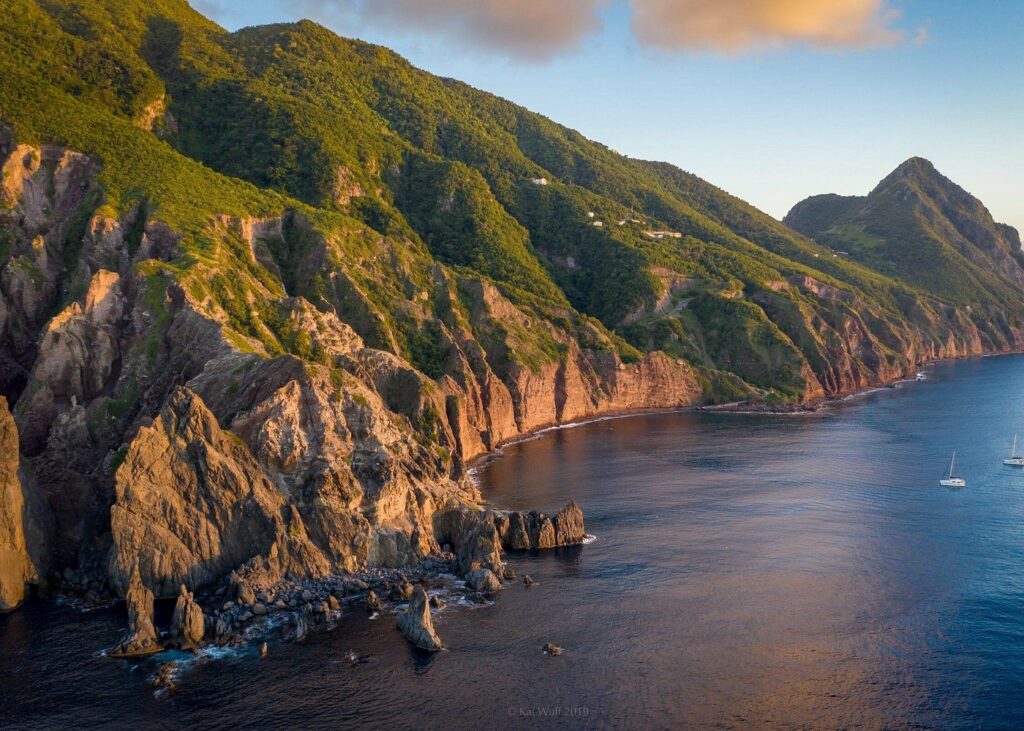
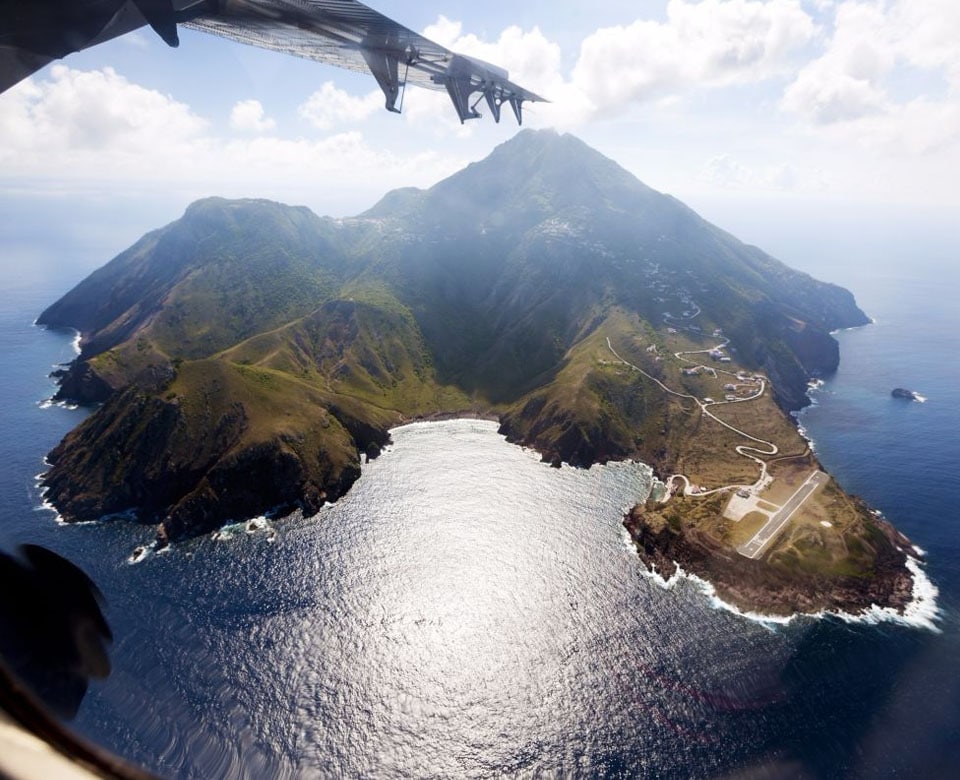
A getaway to Saba, the volcanic pearl of the Lesser Antilles: a promise of adventure and authenticity, just a stone’s throw from Saint Martin. Saba, a little-known volcanic island, fascinates visitors with its unspoilt nature, colorful villages and unique atmosphere, far from the hustle and bustle of tourism. Ready to embark on an unforgettable escape to the heart of the Lesser Antilles?
Discovering Saba: an extraordinary volcanic island
Geography and location
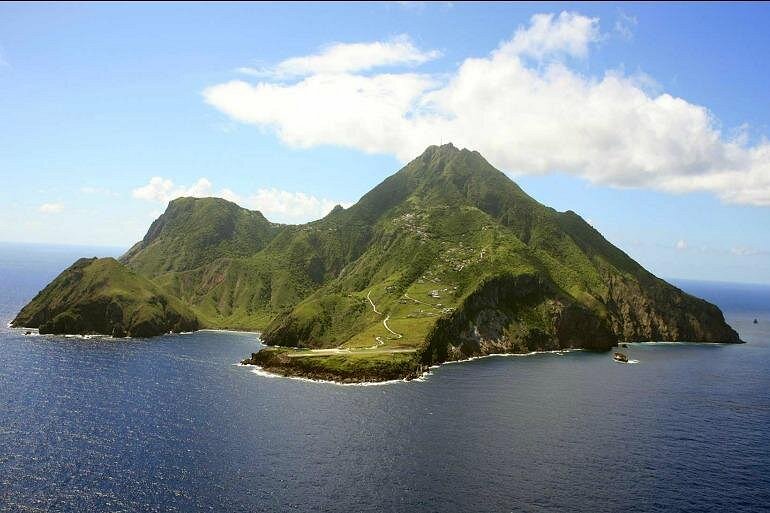
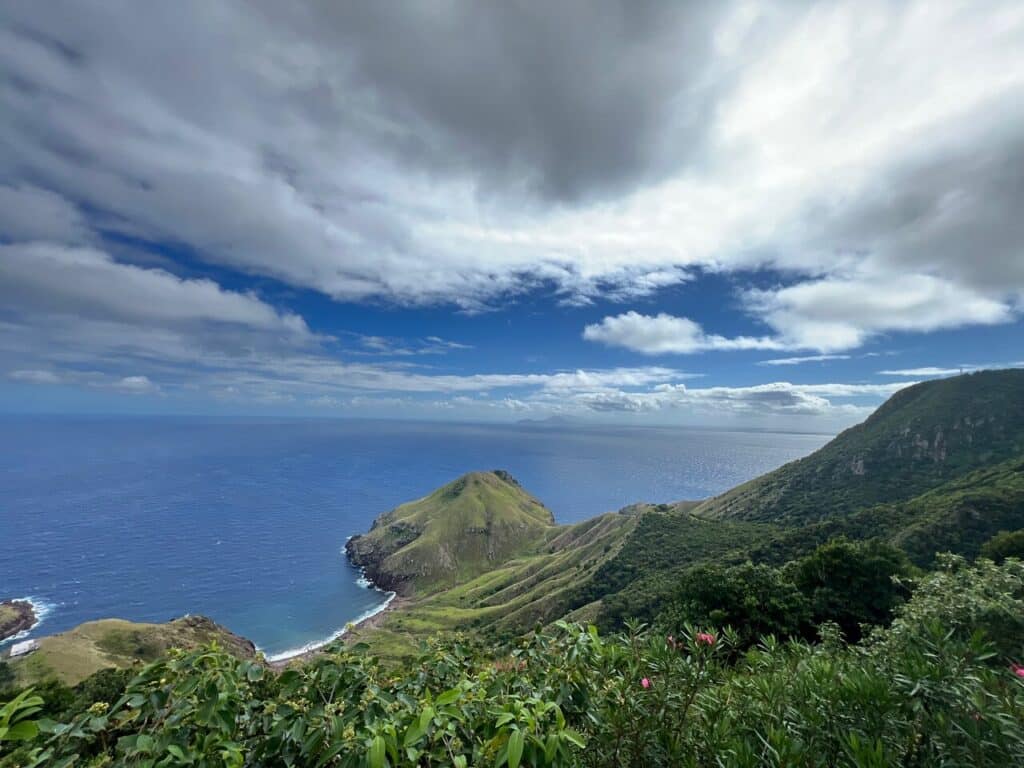
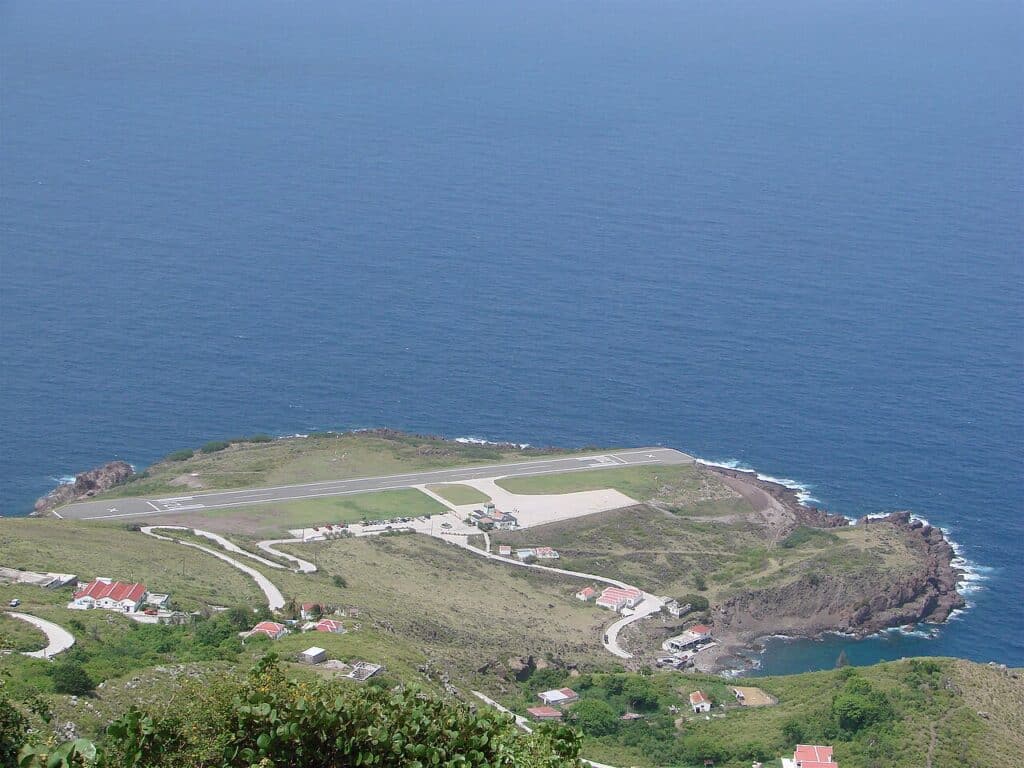
Saba lies just 44 kilometers south-southwest of Saint Martin, in the northern part of the Caribbean arc. This tiny Dutch territory, just 13 km² in size, is distinguished by its rugged terrain, steep cliffs and lack of traditional beaches. Here, the sea laps the craggy rocks, offering a striking natural spectacle.
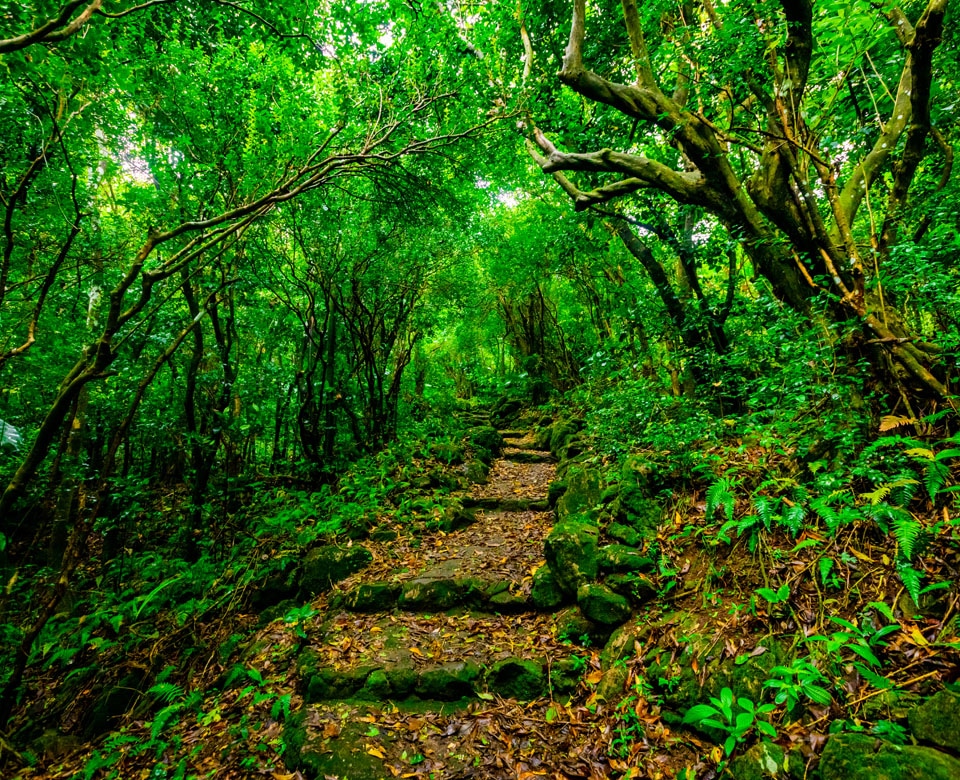
Dominating the island, Mount Scenery rises to 887 meters, making it the highest point in the Kingdom of the Netherlands. This dormant volcano, covered by dense rainforest, is the beating heart of Saba. Its summit, often shrouded in mist, attracts hikers and lovers of spectacular panoramas. Climbing its trails offers a breathtaking view of the whole of the Lesser Antilles, with the immensity of the Caribbean Sea as a backdrop.
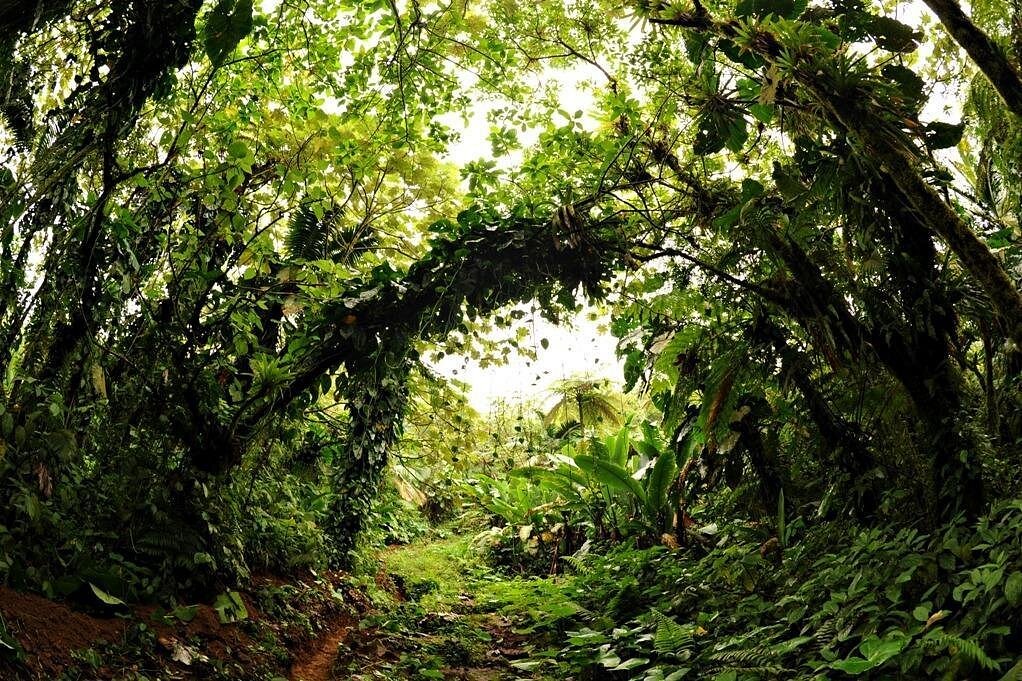
Saba is a veritable ecological sanctuary. The rainforest, nicknamed Elfin Forest Reserveevokes a fairytale world of mosses, ferns and tropical trees. Mahogany trees, once abundant, are now rare, victims of the cyclones of the last century. But the island’s wealth of vegetation remains so impressive that Saba recently applied for inclusion on UNESCO’s World Heritage List.
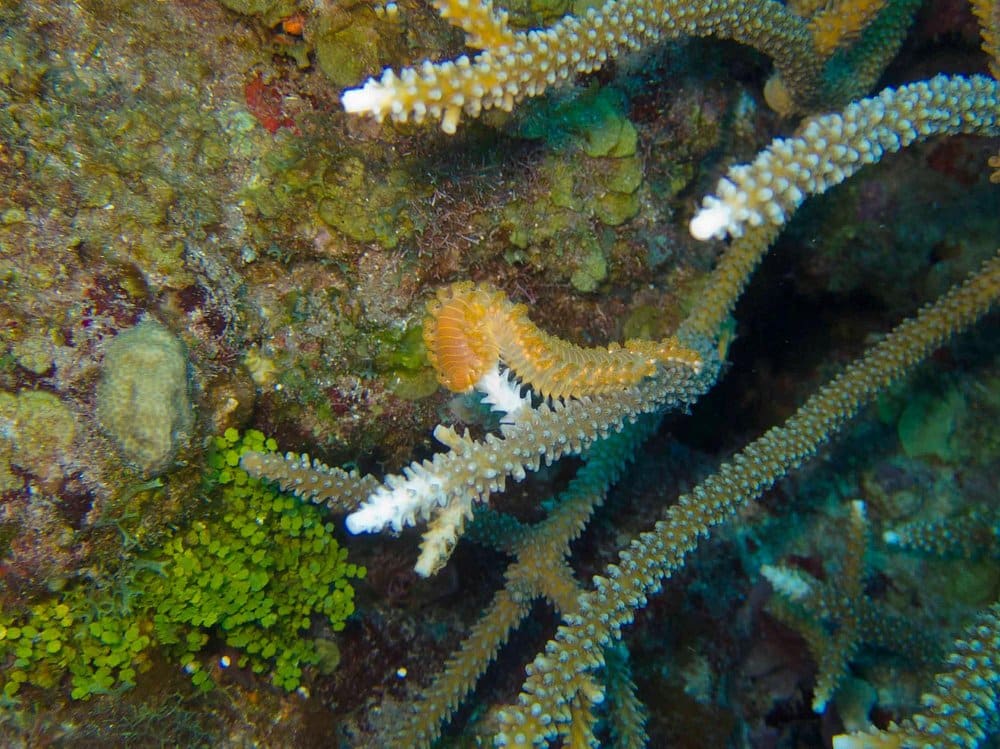
Saba’s isolation has favored the emergence of unique species. The famous Saba black iguana, the red-bellied couresse snake and the funnel-eared bat are all endemic to the island. The seabed is home to a 4.3 km coral reef, part of the Saba Marine Park, a veritable paradise for divers and marine biologists.
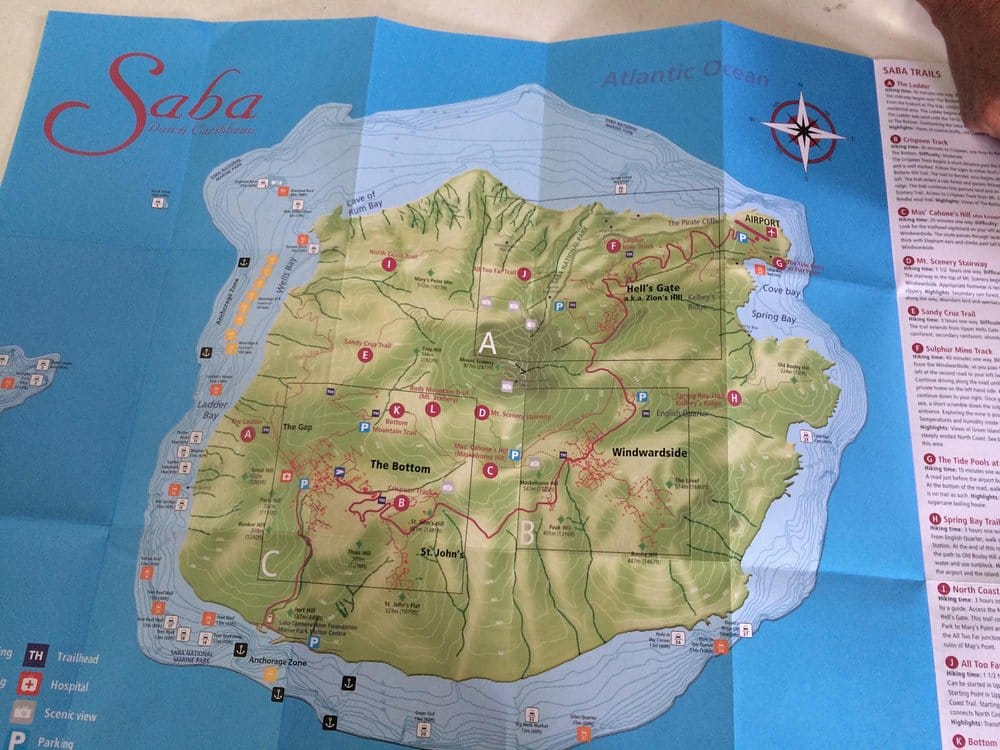
It’s impossible to talk about a Saba getaway without mentioning hiking. The island offers several marked trails, the most famous of which is the ascent of Mount Scenery. This hike, accessible to all with a minimum level of fitness, passes through lush forests and offers unique views of the island and the sea. The Saba Trail Shop, located in Windwardside, offers maps, advice and badges for hikers.
Saba is a world reference for scuba diving. Its crystal-clear waters, protected by a marine park, teem with coral, tropical fish, turtles and sometimes even peaceful sharks. .Spots such as “Tent Reef” and “Ladder Labyrinth” are among the most famous in the Caribbean. Eco-tourism enthusiasts will appreciate the preservation of the environment and the absence of mass tourism, which give Saba a rare authenticity. .
After the effort, it’s time to discover the local flavors. Windwardside’s small restaurants offer a blend of seafood, tropical vegetables and Dutch influences. And there’s no shortage of handicrafts: jewelry, blown glass, works of art and embroidery bear witness to the skills of the Sabanese, who are proud of their heritage.
Local life and culture in Saba
Picturesque villages and traditions
Saba is made up of four main villages: The Bottom, Windwardside, Hell’s Gate and St. John’s. Each has its own character, with whitewashed houses, red roofs and narrow streets. Here, life flows peacefully, punctuated by fishing, farming and welcoming curious visitors. The inhabitants, warm-hearted and proud of their island, love to share their history and traditions.
Festivals and events
Saba’s cultural calendar is punctuated by colorful festivities. The Carnival, or Summer Festival, brings the island to life with parades, costumes and lively music at the end of July. In October, the Sea and Learn Festival raises awareness of ocean conservation through conferences and workshops led by scientists from around the world. In December, Saba Days celebrates local culture, with dances, sports competitions and giant barbecues. All opportunities to immerse yourself in Sabanese life and forge links with the locals.
Practical tips for a Saba getaway from Saint Martin
Access, transport and accommodation
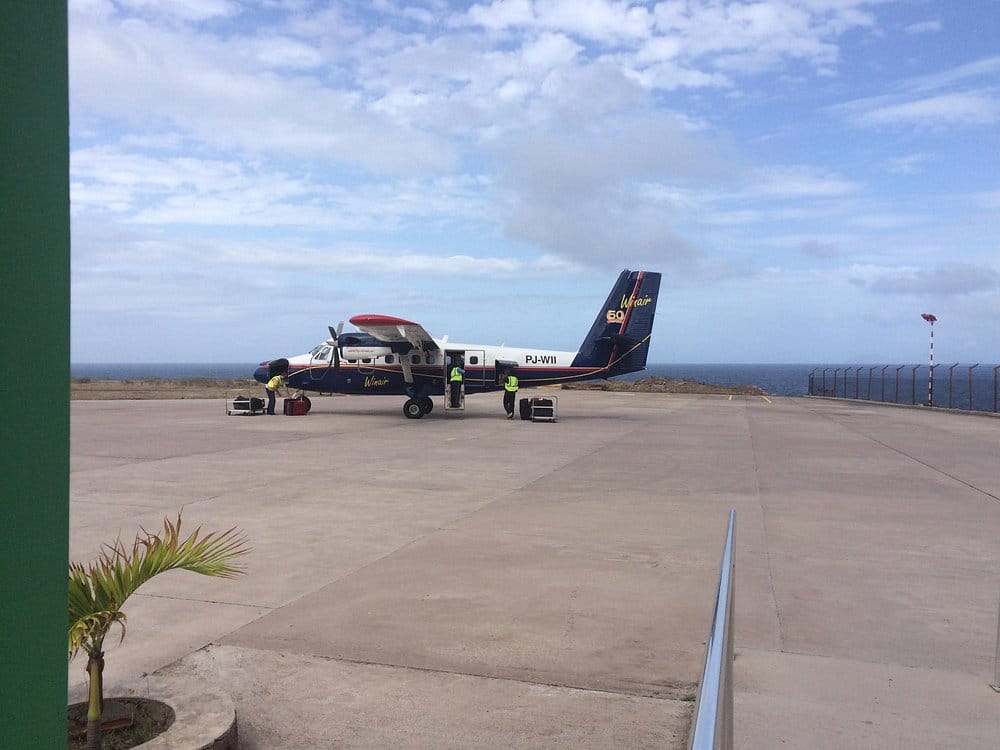
To reach Saba, simply board a ferry or small plane from Saint Martin. The boat journey takes between 75 and 90 minutes, arriving in Fort Bay, the island’s only port. On the island, the main road links the villages and makes it easy to get around, although walking remains the best way to discover Saba. The accommodation on offer, though limited, ranges from small family-run inns to charming hotels, always in a friendly, authentic atmosphere.
Best time to visit
Saba’s climate is pleasant all year round, with temperatures hovering around 27°C. The high season extends from December to April, ideal for enjoying dry, sunny weather. Between June and November, the hurricane season may bring a few showers, but also offers a quieter island, ideal for exploring in peace and quiet.
A getaway to Saba is a timeless interlude between raw nature, living traditions and sincere encounters. Far from the tourist clichés, Saba seduces by its authenticity, its abundant biodiversity and the warmth of its inhabitants. Whether you’re a seasoned hiker, an avid diver or simply curious, the island promises an unforgettable experience that lives up to its reputation as the hidden gem of the Caribbean. A word of advice: plan to stay longer than a day, as Saba is best savored slowly, like a well-kept secret.
Caribbean society : this keyword opens up a prism that is often overlooked in regional analysis. Behind the images of turquoise waters and the tourist economy, the societal reality of the Caribbean is undergoing profound change. Digital connectivity, urbanization, aging, public health and cultural diversity – recent figures paint a much more nuanced picture. Between structural mutations and daily pressures, it’s time to take a closer look at what shapes the lives of 44.8 million inhabitants.
Aruba and the Caribbean digital revolution
The most connected island in the region
With an Internet penetration rate of 97,2 %, Aruba is the most digitized territory in the Caribbean. This impressive figure – derived from statista.com – illustrates the technological turnaround of a small island state that has become a veritable digital laboratory. Caribbean society cannot be thought of today without the massive impact of permanent connection, which is redefining uses, professions, education and social relations.
The island’s digital divide: a major social challenge
But the excellence of the Aruba region should not mask the disparities. The regional average hovers around 65 %, some of the more isolated islands and rural districts still suffer from a glaring lack of equipment. Caribbean society is thus traversed by a digital divide that sometimes exacerbates long-standing inequalities. Today, more than ever, access to administration, healthcare, employment and information depends on the quality of the connection.
Accelerated urbanization: an increasingly urban Caribbean
72% urban dwellers today, 80% in 2050?
According to data from sdg.iisd.org, 72 % of Caribbeans already live in cities. This proportion exceeds the world average and is expected to reach 80% by 2050. Caribbean society of each region has to rethink its urban model: density, transport, pressure on public services, housing, security….
Town versus country: new tensions, new solutions
Urban attractiveness leads to the abandonment of the countryside, where services are declining, schools are closing and jobs are becoming scarce. Yet these rural areas are crucial to food security and ecological balance. Caribbean Society is now faced with a challenge of territorial equity, where reclaiming the countryside could become a strategic priority.
Declining life expectancy: the profound impact of the pandemic
-2.9 years on average: a historic decline
According to CEPAL, the Covid-19 pandemic has caused a sharp drop in life expectancy in Latin America and the Caribbean: from 75.1 years in 2019 to 72.1 years in 2021 i.e. -2.9 years, the biggest decline in the world. This statistic weighs heavily in the analysis of the Caribbean society revealing a structural health vulnerability.
Health response and territorial resilience
Faced with this shock, several territories invested in modernizing their healthcare systems and in local training. Despite limited resources, the best-prepared islands have demonstrated astonishing resilience. However, the return to normalcy remains fragile, particularly in secondary island areas. This reality calls for an in-depth rethink of the health management of the Caribbean society.
44.8 million Caribbeans: a diversity that shapes the regional space
A fragmented but interconnected population
In 2024, the total population of the Caribbean is 44.8 million inhabitants, according to wikipedia.org. This human mosaic, spread over dozens of territories, is one of the key factors in understanding the Caribbean society. This is both a priceless asset and a challenge in terms of cohesion, mobility and regional integration.
Cultural identities and everyday challenges
Haitian Creole speakers, Jamaican Afro-descendants, Indo-Trinidadians, Cuban mestizos… the region’s multiple identities have given rise to a Caribbean Society both abundant and fragmented. This diversity is reflected in cultural practices, educational systems, political preferences and even economic models.
Towards a better understanding of Caribbean social realities
Indicators for action
The figures presented here are not simply abstract data. They are the foundations needed to understand Caribbean society in its real transformations, far from the images of Epinal. They highlight health emergencies, digital priorities, urban tensions and demographic hopes.
What public policies for tomorrow?
Investing in universal connectivity, planning controlled urbanization, strengthening healthcare services and promoting cultural plurality: these are just a few of the ways to make the Caribbean Society a regional model adapted to the challenges of the 21st century. But this requires courageous choices and strengthened regional cooperation.
Between silent pressures and visible mutations
Caribbean society doesn’t mean standing still. Behind the statistics lie fundamental transformations: the rise of digital technology, territorial imbalances, demographic pressures and health resilience. Despite their differences, the Caribbean states share similar trajectories, with social data shaping the challenges of tomorrow. To build a more equitable and stable region, we need to look beyond the numbers – without ever losing sight of them.
“Et si tu chantais à Sainte-Lucie pour la fête de la musique 2025 ” (What if you sing in Saint Lucia for the 2025 music festival?) is the name of an innovative cultural project designed to strengthen artistic cooperation in the Caribbean. This slogan, which has become the official name of the program, invites young talent from Martinique to experience a regional musical adventure, through an unprecedented springboard between Schoelcher and Castries. Imagine: you, a young singer, guitar in hand, boarding the Capo Rosso to rock the Saint Lucia stage at the biggest musical event of the year.
A Caribbean dynamic supported by the Fête de la Musique 2025
A pilot cooperation project
“Et si tu chantais à Sainte-Lucie pour la fête de la musique 2025 ” is much more than a simple invitation. It’s a structuring project between Martinique and Saint Lucia, designed to strengthen the circulation of talent and the region’s cultural roots. The fête de la musique 2025 becomes a strategic framework for developing sustainable artistic exchanges, with a particular focus on young solo artists aged 18 to 28.
A musical springboard for young people
This project invites Martinican artists to take part in a three-stage process:
Phase 1: Call for entries until May 22, 2025. Send two singing videos (composition or cover version, in French or Creole) to co*@***lu.org.
Phase 2: live selection on May 28 at 8:30pm at the ArObase (Schoelcher), during the Ka Fè Show, an emblematic open stage.
Phase 3: Performance of the winner in Castries on June 21, for the Fête de la Musique 2025, in the gardens of the Alliance Française de Sainte-Lucie.
A stage, a jury, regional visibility
The selection panel
On May 28 at the ArObase, the five finalists will be judged by a panel of renowned professionals:
★ Christiane BOURGEOIS
★ Victor O
★ James Germain
★ Ophélie COHEN
★ Jean-Michel CABIT
★ Agnès BRETEL
An artistic and human experience
The winner will benefit from :
★ round-trip boat transport (Capo Rosso),
★ a stay from June 20 to 22 at the Bel Jou Hotel,
★ meals included,
★ a public concert at the Alliance Française de Sainte-Lucie during the Fête de la Musique 2025,
★ media visibility (press, social networks),
★ encounters with local artists and audiences.
Organizers with roots in the Caribbean
SIREZ, revealing talent
Founded in Fort-de-France in 2020, Les SIREZ promotes emerging artistic expression through collaborative projects between amateur and professional musicians. Following on from the success of the MizikLab springboard, they are carrying out this new project with the aim of spreading Martinique’s culture throughout the region.
Alliance Française de Sainte-Lucie, a bridge between the islands
Established in Castries since 1953, the Alliance Française de Sainte-Lucie is a key player in the French-speaking Caribbean. It regularly initiates cultural cooperation projects between France and the Caribbean islands, through events, language training and certification.
Organizers with roots in the Caribbean
A long-term vision
“Et si tu chantais à Sainte-Lucie pour la fête de la musique 2025” is part of a sustainable approach. This springboard aims to multiply residencies, regional co-productions and collaborations between artists from the islands, while anchoring the fête de la musique in a coherent cultural project on a Caribbean scale.
A springboard for young people
Beyond the stage, this project represents a training and structuring experience for young artists. Performing in Saint Lucia in a professional context, sharing the stage with musicians from other territories, exchanging experiences, also means learning how to build a career while reinforcing a Caribbean artistic identity.
“Et si tu chantais à Sainte-Lucie pour la fête de la musique 2025” is a pioneering initiative. It links institutions, territories and young people through music, while opening up a whole new field of expression for Martinican artists. At a time when the Caribbean is rethinking its cooperation, the Fête de la Musique 2025 is a catalyst for boldness, creativity and lasting ties.
Caribbean economy is not just about tourism revenues or the clichés of dependent islands. It reveals a structural complexity and resilience to external shocks, marked by contrasting dynamics. From Guyana’s record growth to the region’s financial vulnerability, from digital innovations to the crucial role of the diaspora, here’s a quantified and sourced overview of the region’s development.
Guyana: +62.3% growth in 2022, a world record
With real GDP growth of 62.3% in 2022, Guyana has recorded the strongest growth in the Caribbean economy and the world that year (IMF). This spectacular leap is explained by the start-up of vast offshore oil fields. A member of CARICOM, this small state of 800,000 inhabitants has seen its trajectory radically transformed by the oil windfall.
But this growth does not guarantee sustainable development. The IMF warns of the risks associated with dependence on hydrocarbons, fiscal management and the absorption of social inequalities. Guyana could multiply its GDP tenfold by 2030 – provided it manages the economic and environmental fallout from this extractive boom, and makes it a structuring driver of the country’s economy.
4.7% average growth for small Caribbean economies in 2022
Excluding the exceptional case of Guyana, the small island economies of the Caribbean economy recorded average growth of 4,7 % in 2022 (IMF). This dynamic recovery, fueled by the return of post-Covid-19 tourism and favorable commodity prices, is outstripping the performance of South and Central America.
However, this rebound masks a highly heterogeneous picture. While some destinations (such as Aruba and Saint Lucia) are recovering their pre-pandemic visitor numbers, others are struggling to revive productive investment. The structural fragility of the Caribbean economy remains a recurring challenge, particularly in the face of climate and geopolitical issues.
70.3% of GDP: a high and binding level of public debt
The average public debt of Caribbean economy reached 70.3% of GDP in 2023, according to the Economic Commission for Latin America and the Caribbean (CEPAL). This ratio is well above the Latin American average and illustrates the region’s high financial exposure.
Servicing this debt weighs heavily on public budgets, limiting investment in infrastructure, education and the energy transition. Strengthening fiscal sustainability has become a sine qua non for stabilizing the economy. Caribbean economy and attract international financing.
Digital currency: the Bahamas pioneers the world with the Sand Dollar
In October 2020, the Bahamas launched the Sand Dollar, the first central bank digital currency (CBDC) fully operational worldwide (sanddollar.bs). The aim is to modernize payments, strengthen financial inclusion and guarantee monetary continuity in the event of natural disasters.
This innovation put the archipelago ahead of the major economic powers, and inspired other regional initiatives such as the DCash in the Eastern Caribbean. The digitization of currency is thus becoming a strategic lever for modernizing the Caribbean economy particularly in territories with a high degree of geographical dispersion.
Diaspora and remittances: a vital engine for Haiti and the region
At Haiti, remittances from the diaspora reached around 3.8 billion USD in 2022, i.e. four times more than the country’s export earnings (Haiti Times). This extreme dependence reflects an economic model centered on remittances from abroad.
On a regional scale migratory remittances represent on average 7% of GDP with peaks of over 20% in Jamaica. They are considered a veritable economic lifeline (The Dialogue). These flows play a crucial role in the balance of the Caribbean economy by supporting consumption, education and private investment within households.
A changing Caribbean economy, between opportunities and vulnerabilities
Caribbean economy evolves between the promise of transformation (oil, digital, tourism) and structural constraints (debt, external dependence, climatic vulnerability). The figures underline both the ingenuity of regional responses and the persistence of deep-seated fragilities.
Supporting sustainable trajectories, strengthening public institutions, and better integrating diasporas and innovations are decisive levers for building a Caribbean economy more inclusive, resilient and sovereign.
CHUM Martinique recently received a payment of over three million dollars from the government of Saint Lucia, putting an end to a hospital debt accumulated over more than two decades. This settlement is not just a financial act, but a strong political choice that redefines relations between these two island territories. It is a decisive gesture for public health, regional diplomacy and trust between institutions.
A long-standing debt with serious consequences
For many years, Saint Lucia sent its most seriously ill citizens to Martinique, due to a lack of suitable equipment and locally available medical specialties. CHUM Martinique, a reference hospital in the Caribbean, received these patients within the framework of bilateral health cooperation agreements. However, non-payment of the accumulated fees eventually generated a debt of over three million EC dollars, threatening the viability of this essential collaboration.
This financial liability has undermined trust between the two parties. On the Martinican side, recurrent delays in payments raised concerns about the continuity of services rendered. In Saint Lucia, the population was worried about losing vital access to advanced medical care. The settlement of this debt marks a turning point.
An agreement reached thanks to health diplomacy
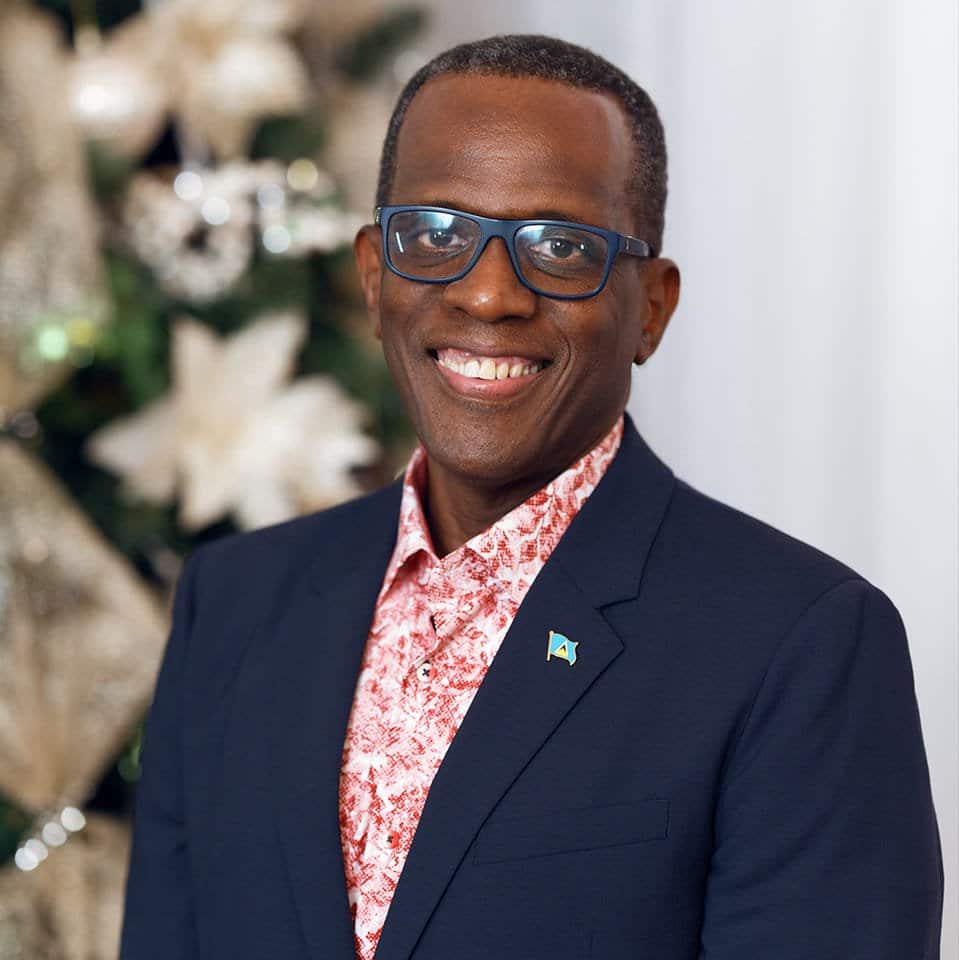
This breakthrough is the fruit of rigorous diplomatic efforts. Saint Lucia’s Prime Minister, Philip J. Pierre, led a delegation to Fort-de-France to meet with CHUM Martinique and regional authorities. The mission, which focused on health, safety and bilateral development, laid the foundations for a new cooperation agreement.
This gesture is all the more symbolic in that it comes at a time when pressure on Caribbean healthcare systems remains high, particularly in the wake of recent health crises. Saint Lucia is sending out a clear message: it respects its commitments and wants to build a lasting partnership with its neighbors.
Philip J. Pierre
CHUM's strategic role for neighboring islands
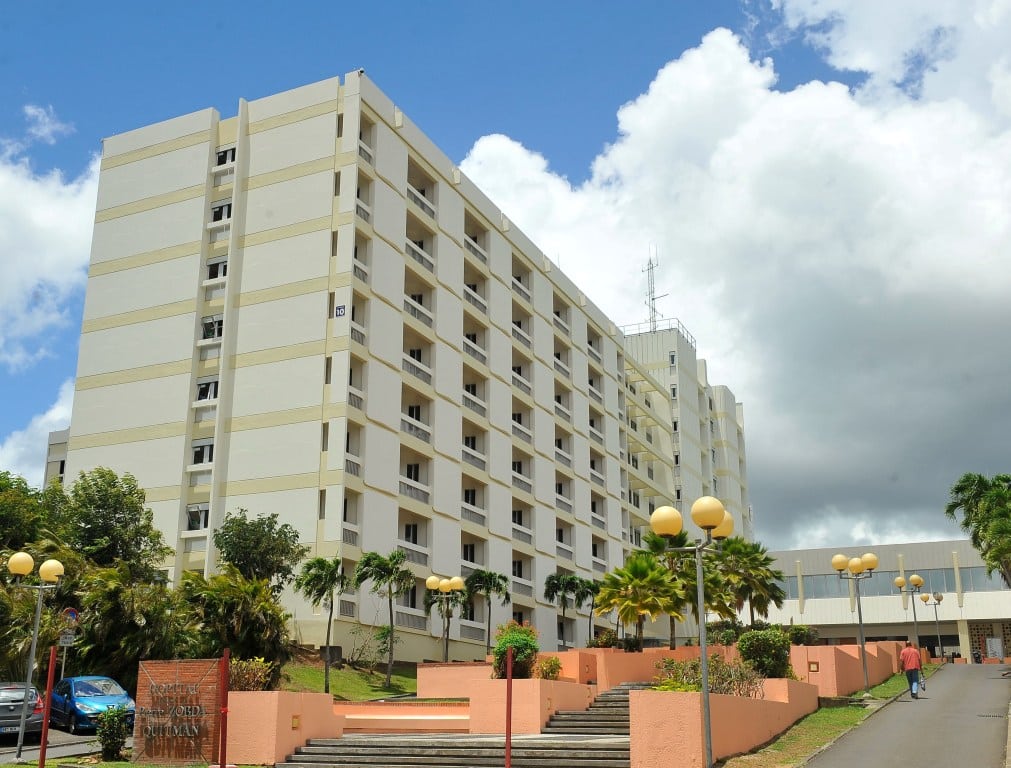
The CHUM Martinique is a key medical infrastructure in the region. It is often the only facility capable of treating certain complex pathologies, performing specialized surgical procedures, or offering heavy-duty treatments, such as oncology or interventional cardiology. Saint Lucia, like other small islands in the Eastern Caribbean, lacks this level of technical expertise.
Thanks to this regulation, Saint Lucian patients will continue to benefit from rapid, supervised access to such care, particularly in the case of life-threatening emergencies where time is of the essence. Martinique’s hospital administration, for its part, will be able to plan its capacity and logistical requirements for foreign patients with peace of mind.
CHUM Martinique
A positive impact on local public health
More than just a payment, the re-establishment of this cooperation will enable Saint Lucia to alleviate the pressure on its own healthcare system. Local hospitals, often under-resourced in terms of human and material resources, will be able to concentrate their efforts on routine care and locally manageable pathologies. The most serious cases can be referred to the CHUM Martinique without administrative blockages or legal uncertainties.
This fluidity is vital for healthcare professionals, who must be able to act quickly and within a clear framework. It is just as important for patients and their families, who will benefit from a more serene care experience.
Cooperation beyond the medical field
The official visit by the head of Saint Lucia’s government provided an opportunity to address other crucial aspects of bilateral relations. Maritime security, the fight against cross-border trafficking (drugs, arms, illegal migration) and the protection of shared maritime zones were also discussed. A joint desire emerged to strengthen information exchange, coordination of security forces, and judicial cooperation.
With this in mind, the CHUM Martinique is also becoming a symbol of regional stability and solidarity. It represents an institutional pillar around which other forms of collaboration can be grafted, ranging from the training of healthcare personnel to exchanges of administrative expertise.
CHUM Martinique
Future prospects: training, equipment and modernization
The partnership between Saint Lucia and CHUM Martinique is no longer limited to patient care. It now includes the donation of medical equipment, cross-training of medical staff and the establishment of technical cooperation protocols. These efforts are aimed at strengthening the capacities of Saint Lucia’s hospitals in the medium term, to make them more autonomous in certain specialties.
Martinique, for its part, is strengthening its role as a regional center of medical expertise, while developing constructive health diplomacy with its English-speaking neighbors. This model of cooperation could be replicated with other Caribbean territories, provided that transparency and financial accountability are ensured.
Settlement of the debt owed by Saint Lucia to the CHUM Martinique goes far beyond simple reimbursement. It is a powerful political, health and diplomatic act, restoring trust between two historically linked territories. By ensuring continuity of care for its citizens and laying the foundations for a broader partnership, Saint Lucia is taking a step towards more integrated, responsible and equitable regional cooperation.