The Venezuelan-American crisis is now at the heart of the political, economic and human concerns of the entire Caribbean region. At a time when the United States has recently carried out a military operation against the Venezuelan government, with direct consequences for Venezuela and its international relations, the Caribbean is finding itself at the center of a major domino effect affecting tourism, culture and regional cooperation – essential pillars of its identity and prosperity.
An institutional response: CARICOM calls for peace
In response to the evolving situation, the Caribbean Community (CARICOM) met in emergency session to assess the potential impact on the region. In a statement issued by the Bureau of the Conference of Heads of Government, the organization clearly laid down its principles:
- “The Region reiterates its call for peaceful dialogue through diplomatic channels to ensure Venezuela’s stability, good governance, democracy and prosperity for the people of Venezuela.” – CARICOM, Official Declaration, January 3, 2026.
This message, centered on peaceful dialogue and international cooperation illustrates the deep attachment of Caribbean states to multilateralism and non-military crisis resolution – an indispensable foundation for the region’s social, cultural and economic stability.
Impact on tourism: flight disruptions and lower bookings
One of the immediate effects of the Venezuelan crisis was the disruption to air travel in the region. In early January, temporary airspace restrictions imposed by the US administration led to the cancellation of hundreds of flights to key destinations such as Puerto Rico, the Virgin Islands and Barbados, affecting visitors and tourism professionals alike.
According to several industry reports :
- “The continual noise and threat of further actions … is only going to create more instability in the market.” – Andy Cooper, tourism industry consultant (Travel Weekly).
Cruise lines, dependent on ports such as Bridgetown and San Juan, have had to reorganize their itineraries, while tourist agencies are keeping a close eye on bookings in anticipation of a possible drop in visitor numbers.
Testimonials from the field: tourism players confronted with uncertainty
The Venezuelan-American crisis is not just a political affair; it translates into concrete decisions in the real world of hoteliers and tourism operators. On several of the region’s southern islands, local associations are reporting:
- “We have seen cancellations for groups coming in for tours, and some cruise line calls are being cancelled … It is affecting us.” – Trinidad and Tobago tourism representative, Nation News.
This situation highlights the risk to the tourism-dependent economy at a time when visitors are looking for tranquillity and security – essential elements of the Caribbean cultural experience.
Cultural issues and migration: a historical link with Venezuela
The Caribbean is more than just a tourist economy; it is also a vibrant cultural crossroads deeply linked to its South American neighbors through migration, artistic exchange and a shared history. The presence of Venezuelan communities on several islands enriches :
- – regional gastronomy,
- – musical practices,
- – visual arts,
- – and everyday human relations.
This living cultural fabric weakened by political uncertainty, risks seeing its exchanges slow down, threatening human ties that transcend national borders.
Prospects for regional cooperation: strengthening the zone of peace
Against this tense backdrop, Caribbean voices are calling for a collective response based on cooperation rather than adversity. CARICOM ‘s declaration is clear: the region must encourage diplomatic initiatives, preserve the sovereignty of states, and protect its citizens, while strengthening regional dialogue mechanisms.
A concerted strategy could not only help mitigate external shocks such as those generated by the Venezuelan crisis, but also strengthen the resilience of the tourism and cultural against future disruptions.
Between challenges and opportunities
As the Venezuelan-American crisis continues to evolve, the region finds itself at a crossroads:
- – political stability and regional security are essential to maintain the attractiveness of its tourist sites
- – cultural cohesion and shared heritage remain vectors of unity and resilience;
- – and strengthened regional cooperation, notably via CARICOM, appears to be the key to tackling external challenges together.
The Caribbean is geographically close to Venezuela and heavily dependent on regional stability. Tensions between the USA and Venezuela influence air transport, cruises, tourist flows and economic exchanges, directly affecting the Caribbean islands.
The US-Venezuelan crisis is creating a climate of uncertainty, leading to flight cancellations, increased demand for travel insurance and heightened caution among tourists. This perception of instability can weaken a key sector of the Caribbean economy.
Caribbean culture is based on the circulation of people, artists and traditions. Geopolitical tensions hamper these exchanges and put to the test the mechanisms of regional cooperation, notably within CARICOM, essential to preserving a stable and connected Caribbean.
A unique island in the Caribbean
Isla Margarita, located off the Venezuelan coast, belongs to the state of Nueva Esparta, alongside the islands of Coche and Cubagua. Nicknamed the “Pearl of the Caribbean”, it occupies a unique place in the region’s history. At once a land of memory, a remarkable natural area and a place of contemporary contrasts, Isla Margarita illustrates the many facets of the Caribbean, past and present.
Origins linked to pearls
Isla Margarita ‘s European history began in 1498, during Christopher Columbus’s third expedition. On his arrival, the island was inhabited by the Guaiqueries, an indigenous fishing people. The Spaniards soon began exploiting the pearl deposits in the surrounding waters, giving the island its fame and its name: Margarita, Latin for “pearl”.
Over the following centuries, the wealth generated by these pearls attracted pirates and privateers. The English and Dutch attacked Spanish installations, forcing the Crown to fortify the coasts. These episodes left behind a military heritage that can still be seen today, bearing witness to the colonial rivalries that marked the Caribbean Sea.
A contrasting geography
Isla Margarita is 78 kilometers long and 20 kilometers wide, making it one of Venezuela’s largest islands. Its territory is divided into two mountain ranges linked by a low, narrow isthmus. This relief gives rise to a diversity of landscapes: arid zones to the north, green hills to the east, lagoons and mangroves along the coast.
The semi-arid tropical climate alternates between dry seasons and moderate rainfall. These characteristics explain the presence of fragile ecosystems that are essential to Caribbean biodiversity. Isla Margarita’s ecological richness makes it an area of great heritage value.
Protected lagoons and remarkable biodiversity
Among Isla Margarita’s natural gems is the La Restinga lagoon classified as a national park since 1974. This 18,000-hectare ecosystem includes canals, islets, mangroves and beaches. The fauna is abundant: fish, crustaceans, flamingos and herons make up a rich natural tableau. La Restinga is one of the island’s most emblematic sites, both for its beauty and its ecological importance.
Another protected site is the Laguna de Las Marites a listed natural monument, is distinguished by its hypersaline waters and mangroves. It is home to migratory bird species and a flora adapted to extreme conditions. These areas, though fragile, symbolize the desire to preserve vital zones in the face of urban and tourist pressures.
In the center of the island, the Cerro El Copey National Park – Jóvito Villalba protects mountain forests and freshwater springs. Rising to almost 900 metres, this massif offers a striking contrast with the arid coastal areas, confirming Isla Margarita’s ecological diversity.
A colonial heritage that's still with us
Isla Margarita’s strategic position made it a central point on colonial sea routes. Numerous fortifications remain, such as the Santa Rosa fort in La Asunción and the La Galera fort in Juan Griego. These monuments are a reminder of the frequent pirate attacks and the island’s military importance in the defense of colonial Venezuela.
The main cities also reflect this history. La Asunción the administrative capital, boasts a cathedral and streets of colonial charm. Porlamar a more modern city, has become the commercial heart of the region, thanks to its status as a free port since 1974. Juan Griego, last but not least, the city is known for its spectacular sunsets and commercial past. This urban triptych embodies the complementary relationship between memory, commerce and local life.
Tourism and the economy: a changing sector
For decades, Isla Margarita has been one of Venezuela’s leading tourist destinations. Beaches such as Playa El Agua and Playa Parguito, tax-free shopping centers and natural landscapes attracted both national and international visitors.
However, the Venezuelan economic and political crisis has profoundly affected this dynamic. Visitor numbers have plummeted, some hotels and resorts have closed, and infrastructures suffer from a lack of maintenance. Despite this, Isla Margarita still has great potential: its natural assets and free port status could once again become economic levers if the country stabilizes.
Cultural identity and daily life
Beyond the economy, Isla Margarita retains a strong cultural identity. Religious traditions, such as the Virgen del Valle festival, attract thousands of worshippers every year. Local music, notably the galerón margariteñoillustrates a blend of Spanish and Afro-Caribbean influences.
Gastronomy features seafood: fish, lobster, seafood and typical dishes such as torta de cazón. Local crafts, notably woodworking and basketry, also contribute to the family economy and reinforce the island’s cultural dimension. Isla Margarita remains a place where popular traditions and modernity coexist.
An island of contrasts and resilience
Isla Margarita illustrates the contemporary paradoxes of the Caribbean: an island with exceptional landscapes and a rich historical heritage, but facing major economic and political challenges. Yet the resilience of the island’s inhabitants, their attachment to tradition and their determination to preserve its natural spaces, all point to a potential renaissance.
Highlighting Isla Margarita is a reminder that the Caribbean is more than just idyllic beaches. It also means giving a voice to territories marked by history, rich in culture and with a future that depends on collective choices in terms of sustainability and governance.
COP30: this name refers to the 30ᵉ Conference of the Parties to the United Nations Framework Convention on Climate Change, to be held from November 10 to 21, 2025 in Belém, Brazil. Held for the first time in the heart of the Amazon, this international conference will bring together more than 190 national delegations, heads of state, NGOs, scientists and representatives of civil society to negotiate urgent measures to deal with worsening climate disruption.
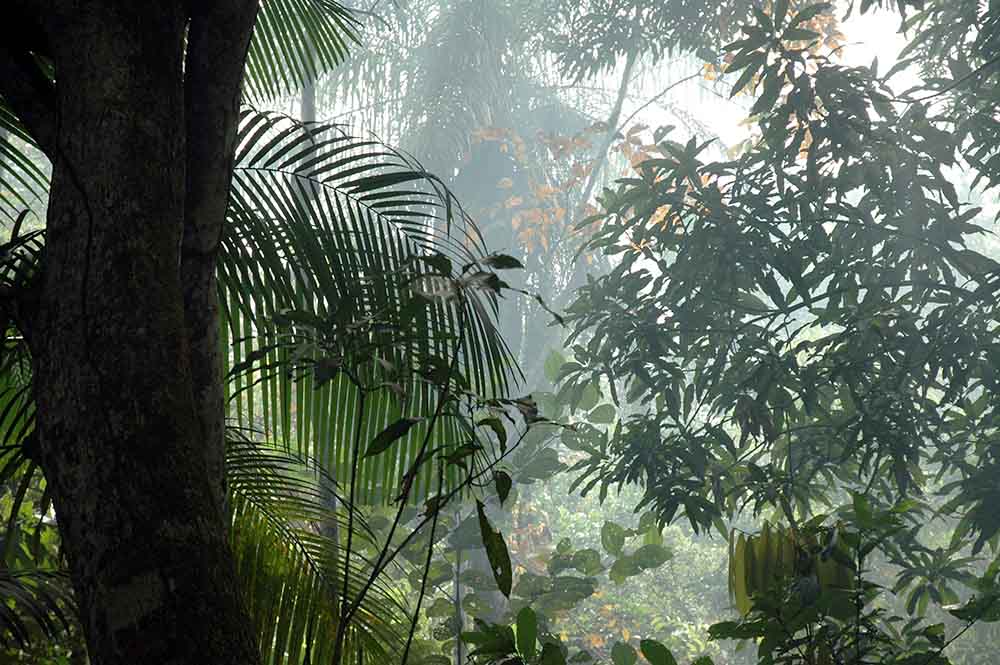
This geographic choice marks a turning point: the world’s largest tropical forest becomes both the backdrop and the focus of discussions. Faced with record levels of deforestation, loss of biodiversity and growing pressure from the extractive industries, COP30 aims to redefine the priorities in the fight against climate change by placing the protection of ecosystems at the heart of international commitments.
Curupira: an ancient spirit for the challenges of the future
To embody this decisive edition, Brazil has chosen a figure from indigenous legends: Curupira the mythical guardian of the Amazon rainforest. Far from being a consensual symbol, this character embodies a form of resistance. In Tupi-Guarani tradition, he is depicted as a small man with red hair and upturned feet, capable of outwitting intruders and fiercely defending his territory.
His name, formed from the words “curumin” (boy) and “pira” (body), evokes both childhood and vitality. Curupira is no mere folkloric character: he is deeply rooted in the collective memory of the forest peoples, and his influence extends beyond Brazil’s borders.
In French Guiana, it takes the name Makilili. In Colombia, it becomes Madre Monte. In Ecuador, it’s known as Sachamama, the mother of trees. In the Peruvian Amazon, it is known as Chullachaqui. In Suriname and Guyana, he is referred to as Winti-boskopu or Watramama. All these avatars fulfill the same mission: to protect the forest from predators.
A shared territory, a common emergency
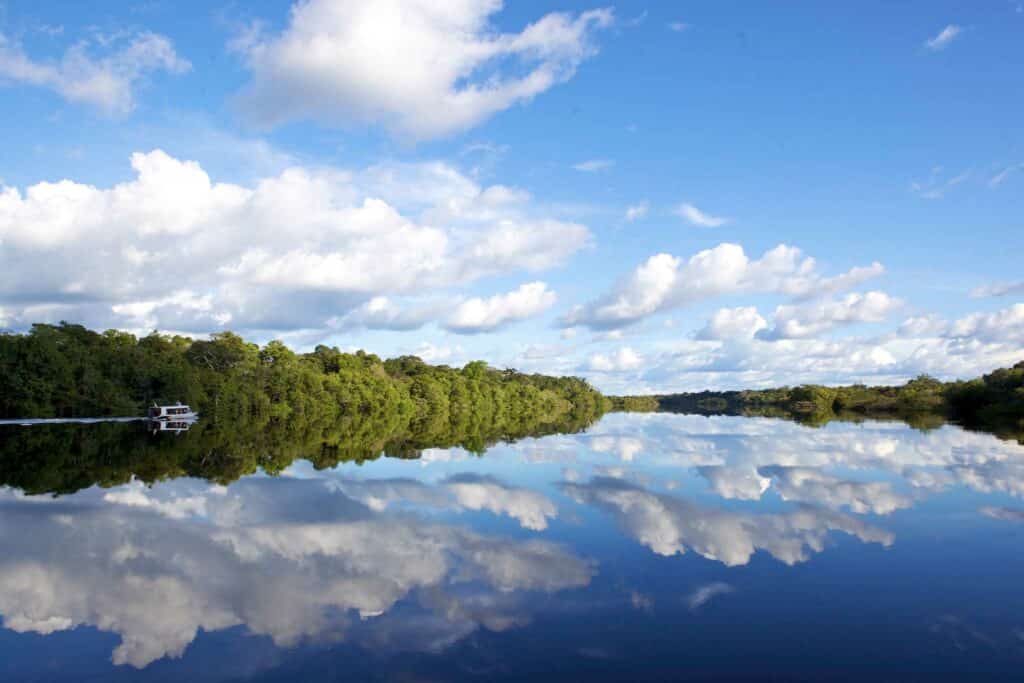
The Amazon covers more than five million square kilometers and crosses nine countries: Brazil, Colombia, Peru, Bolivia, Ecuador, Venezuela, Suriname, Guyana and French Guiana. This vast territory is home to some 34 million inhabitants, including hundreds of indigenous peoples, often on the front line of the effects of extractivist policies and the climate crisis.
By choosing Curupira as its official mascot, COP30 is sending out a strong signal: the recognition of ancestral knowledge and local struggles, and the full involvement of Amazonian populations in global debates.
COP30: objectives, tensions and expectations
COP30 promises to be a strategic moment in international climate governance. Several crucial issues will be addressed in Belém:
- ✔️ Implementing a fair energy transition, with concrete support for the most vulnerable populations.
- ✔️ The creation of a global fund to preserve tropical forests, with announced support from China.
- ✔️ The aim is to mobilize $1,300 billion a year by 2035 to finance adaptation to climate change.
- ✔️ Sensitive negotiations around the reduction of fossil fuels, in a country like Brazil, a major oil producer.
These challenges are compounded by strong popular pressure. Brazilian civil society, researchers and indigenous organizations expect ambitious decisions. In this context, Curupira is not just a symbol: it has become the voice of an Amazon that is demanding its place at the negotiating table.
And what about the Caribbean?
The Caribbean territories are participating fully in COP30, as members of the Framework Convention and representatives of the Small Island Developing States. They include Barbados, Trinidad and Tobago, Haiti, Saint Lucia, Jamaica, Cuba, Antigua and Barbuda, Dominica, Saint Kitts and Nevis, Grenada and Saint Vincent and the Grenadines.
Why is their presence essential? Because these countries, although low emitters of greenhouse gases, are bearing the full brunt of climate change: increasingly violent cyclones, rising sea levels, water stress, coastal erosion and the collapse of marine biodiversity.
For the Caribbean, COP30 is an opportunity to advocate specific financing mechanisms tailored to their vulnerability, as well as to showcase their often innovative local initiatives in resilience, sustainable agriculture and risk management.
An educational and symbolic device around Curupira
Not every climate conference has had a mascot, but Curupira marks a breakthrough. At COP28, a sea turtle symbolized the fragility of marine ecosystems. But until now, no figure had embodied a protective force rooted in popular belief.
Curupira is to be presented in the form of educational and symbolic objects: posters, educational games, school events and workshops in the “citizens’ villages” running parallel to the official conference. This choice aims to raise awareness of global climate issues among a wider public, especially young people, through a figure from the collective imagination.
Curupira, the Amazon's red alert to the world
Through Curupira, COP30 is reminding us that the answers to ecological crises will not only come from laboratories or ministries. They will also require listening to local communities, recognizing local knowledge and redefining our relationship with living things.
By setting up its debates in the Amazon, COP30 is opening a new chapter. For the Caribbean, as for the Amazonian countries, it’s a question of transforming a long-marginalized voice into a lever for global decision-making. And perhaps by looking Curupira in the eye, leaders will understand that the forest is not asking for charity. It demands respect.
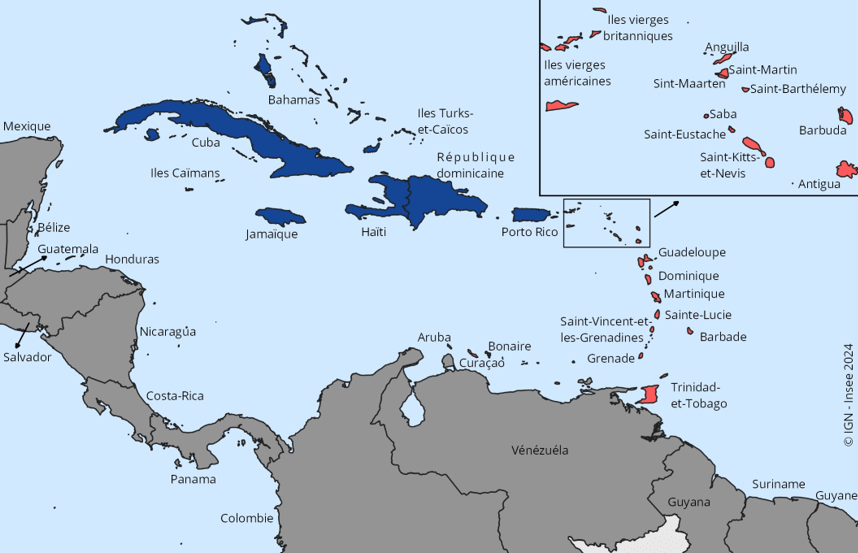
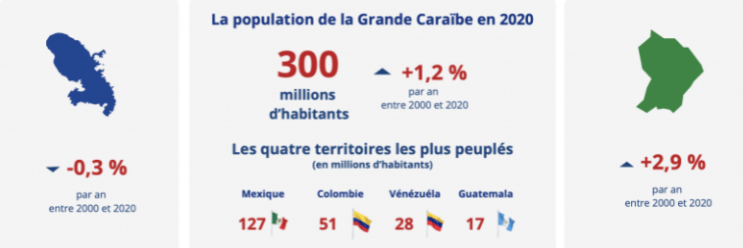
The Greater Caribbean comprising 40 territories, is a true reflection of the demographic dynamics on a global scale. By 2020, the region will be home to over 300 million people, illustrating a marked contrast between a young population and aging trends. This article looks at the challenges and opportunities presented by these Demographic dynamics, while offering a detailed analysis of the demographic realities of this unique region.
Population growth
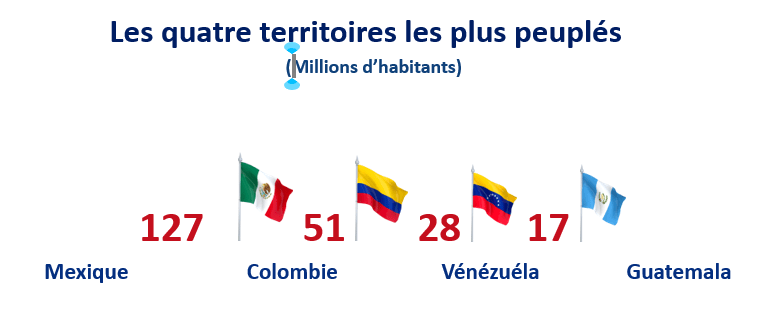
From 2000 to 2020, the population of the Greater Caribbean grew at an average annual rate of 1.2%. This growth is largely attributable to major countries such as the Mexico, Colombia, Venezuela and Guatemala which together make up a significant proportion of the regional population.
- Mexico 127 million inhabitants
- Colombia Population : 51 million
- Venezuela Population : 28 million
- Guatemala Population : 17 million
As economic leaders, these nations also face particular challenges, such as poverty, violence and immigration, which influence their demographic trajectories.
Young" territories and their demographic dynamics
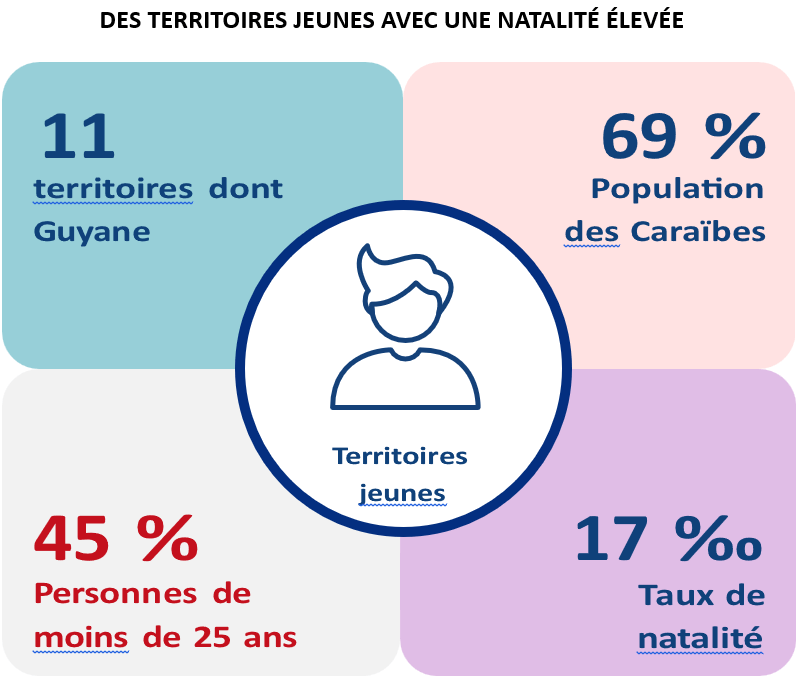
La French Guiana stands out for its high birth rate, reaching 28 ‰, with a fertility index (FCI) of 3.8, well above the renewal threshold. These figures highlight a predominantly young population, with a large proportion of inhabitants aged under 25. This demographic dynamic offers prospects for economic development, provided that jobs are created to meet this population growth.
Young people in Guyanese society
The demographic dynamics structure of French Guiana, which is rich in young people, requires significant investment in education and vocational training. Public policies must focus on creating employment opportunities, improving access to education and promoting health to ensure a promising future for this population.
Aging regions and demographic dynamics
In contrast, the French West Indies – particularly Martinique, Guadeloupe and Saint-Martin – are facing a worrying demographic ageing process. In Martinique, around 30% of the population is over 60, and the aging index is high (1.05). Negative migratory movements exacerbate this situation, leading to challenges in terms of social support and health services.
Consequences of aging
The aging of the population is creating crucial challenges for healthcare and social protection systems. Governments in the French West Indies need to develop strategies to support the elderly, improve healthcare services and attract young families to balance the demographics.
Haiti: a special case in demographic dynamics
Demographic challenges
Haiti stands out for its unique demographic challenges. With one of the highest infant mortality rates in the region (47 ‰) and below-average life expectancy at birth, the country reflects profound inequalities regarding access to healthcare and education. Although its fertility rate is higher than that of many countries in the region, this does not compensate for other indicators of health and well-being.
Inequalities in health
The situation in Haiti is alarming. High infant mortality rates and low life expectancy are often the result of poor access to healthcare, malnutrition and precarious living conditions. Sustained efforts are needed to improve these conditions and offer Haitians prospects.
A fragile economy
Haiti’s already vulnerable economy is exacerbated by these demographic challenges. Widespread poverty and a lack of economic opportunities are driving many young people out of the country, leaving an aging population and a diminished workforce. It is vital to invest in economic and social development programs to foster an environment conducive to growth.
Towards solutions tailored to demographic dynamics
The demographic landscape of the Greater Caribbean poses significant challenges for public policy. Governments need to develop strategies adapted to local realities.
Youth and employment
For young territories like French Guiana, the challenge is to support young people in their career paths and integrate new generations into sustainable employment. Training and apprenticeship programs need to be strengthened to match the needs of the labor market.
Local initiatives
Local initiatives, such as public-private partnerships, can play a vital role in job creation. Companies should be encouraged to invest in training and offer internships to young people to give them valuable experience.
Aging and quality of life
For the French West Indies and Haiti, it is crucial to introduce policies aimed at improving the quality of life of the elderly, while addressing issues of migration and economic support. Governments need to design care programs adapted to the growing needs of this aging population.
Support for seniors
Support for the elderly must not be limited to medical care. It is also essential to promote social inclusion, by offering community activities and leisure programs that foster the mental and emotional well-being of seniors.
The demographic dynamics of the Greater Caribbean are both an asset and a challenge. Decision-makers need to engage in collective reflection to adapt public policies to the specific needs of each territory. By taking these diverse issues into account, the region can look forward to a future in which all its inhabitants, young and old alike, can flourish.
Summary of Demographic Dynamics
- Youth Guiana and other young territories boast a high birth rate and potential for economic development.
- Aging The French West Indies are faced with an aging population, requiring investment in health and social support.
- Special case Haiti, with its unique challenges, requires special attention to improve living conditions.
Celebrating the Caribbean’s Cultural Diversity
Between 2020 and 2023, UNESCO continued to recognize the Caribbean’s rich intangible cultural heritage, celebrating traditions that showcase the region’s diversity and vibrant history. These recognitions by UNESCO reveal the deep cultural practices and customs that have survived generations, connecting the past with the present. This article focuses on the elements honored during this period, highlighting their significance to the Caribbean identity.
2020
Martinique: The Yole as a Heritage Preservation Model
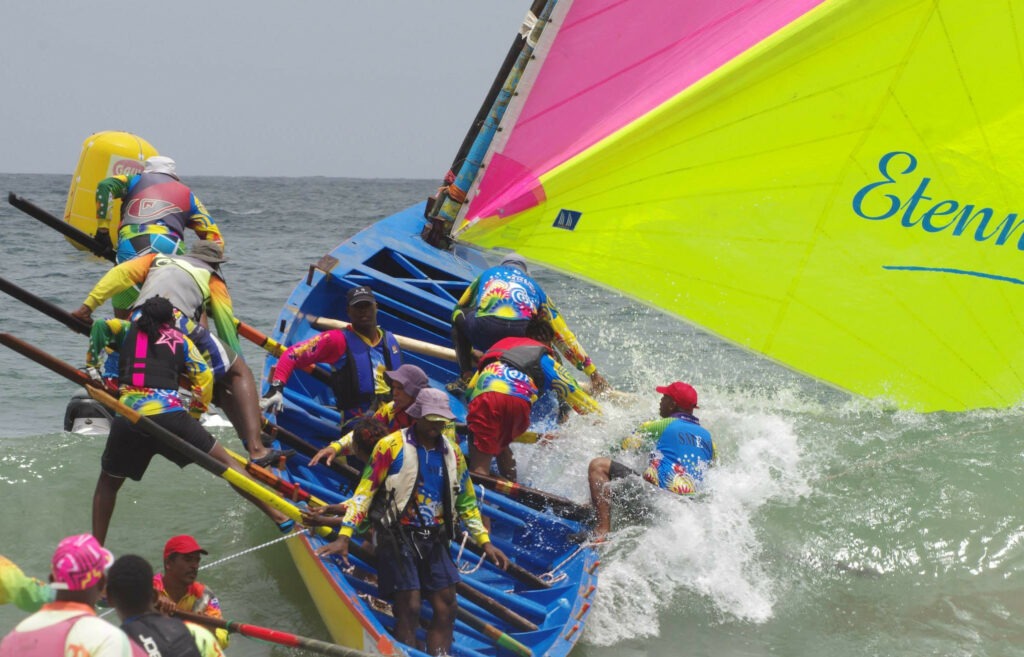
For UNESCO, the yole of Martinique, a traditional lightweight boat, symbolizes the region’s maritime history and has become a focal point for heritage preservation initiatives aimed at maintaining local craftsmanship and community ties in the face of modernization.
Colombia: Traditional Knowledge and Techniques of Mopa-Mopa Varnish
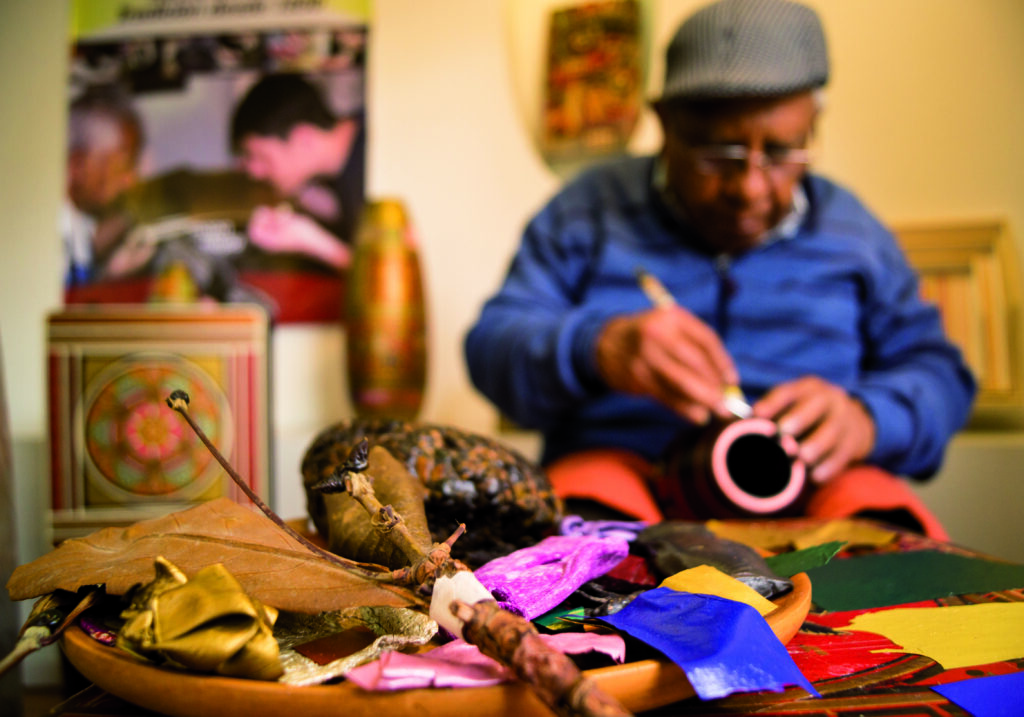
The traditional knowledge and techniques of mopa-mopa varnish from Putumayo and Nariño involve the intricate processes of harvesting mopa-mopa buds, woodworking, and decorative varnishing, representing a vital cultural identity for communities, yet facing urgent threats from globalization, deforestation, and declining practitioners.
2021
Venezuela: The Festivities of Saint John the Baptist
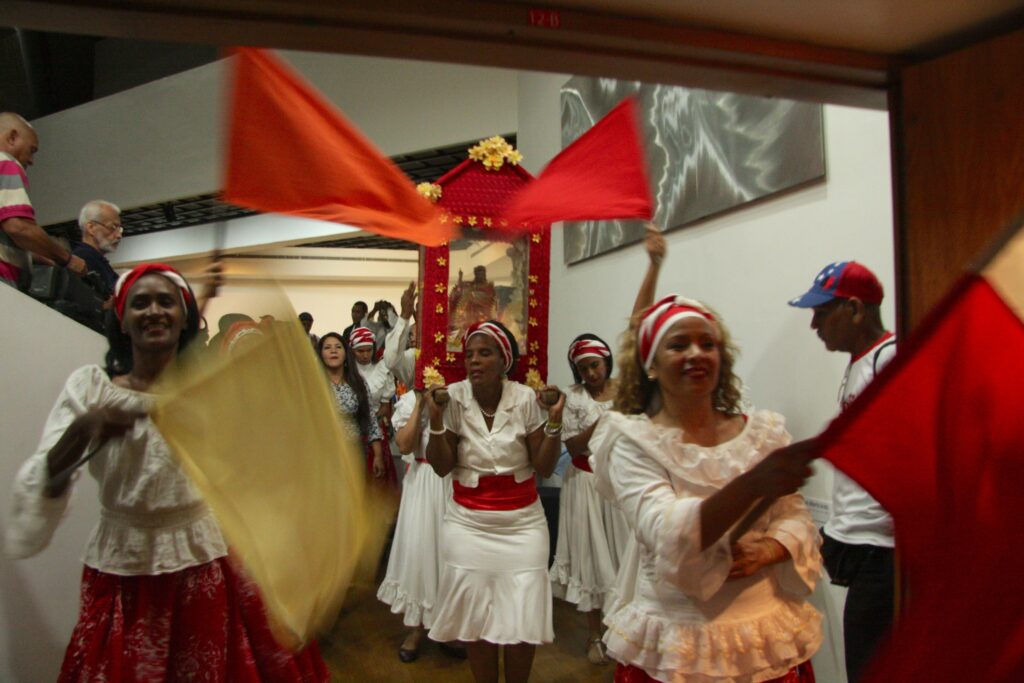
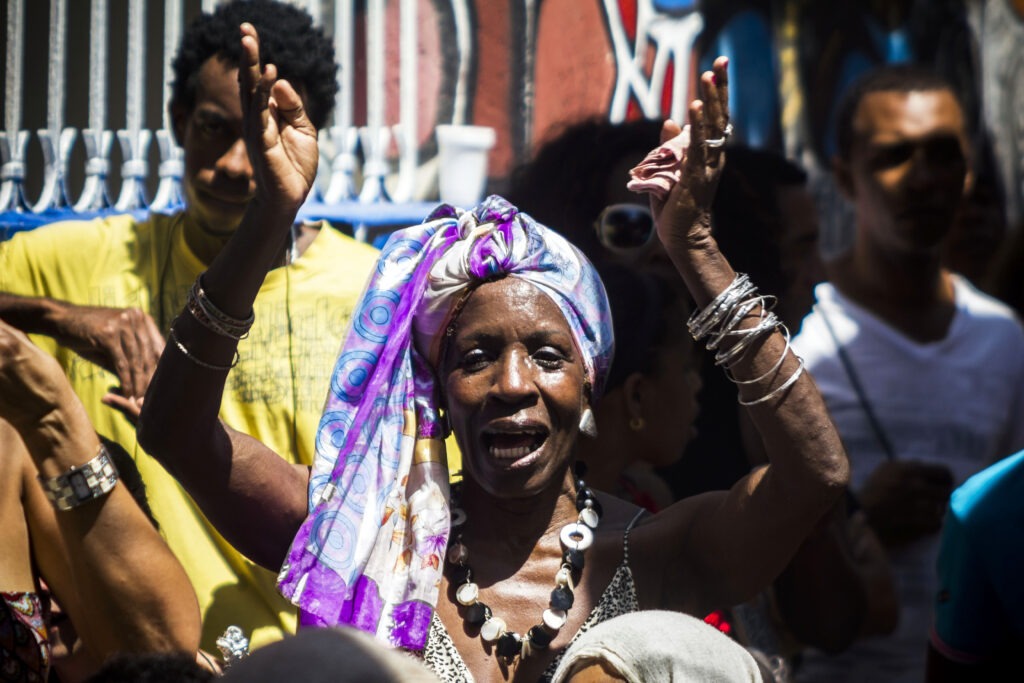
For UNESCO, the Venezuelan celebrations of Saint John the Baptist, rooted in 18th-century Afro-Venezuelan communities, blend Catholic influences with rich African verbal, musical, and physical expressions, serving as a powerful symbol of cultural resistance and remembrance of enslaved ancestors.
Panama: The Dance and Expressions of Corpus Christi
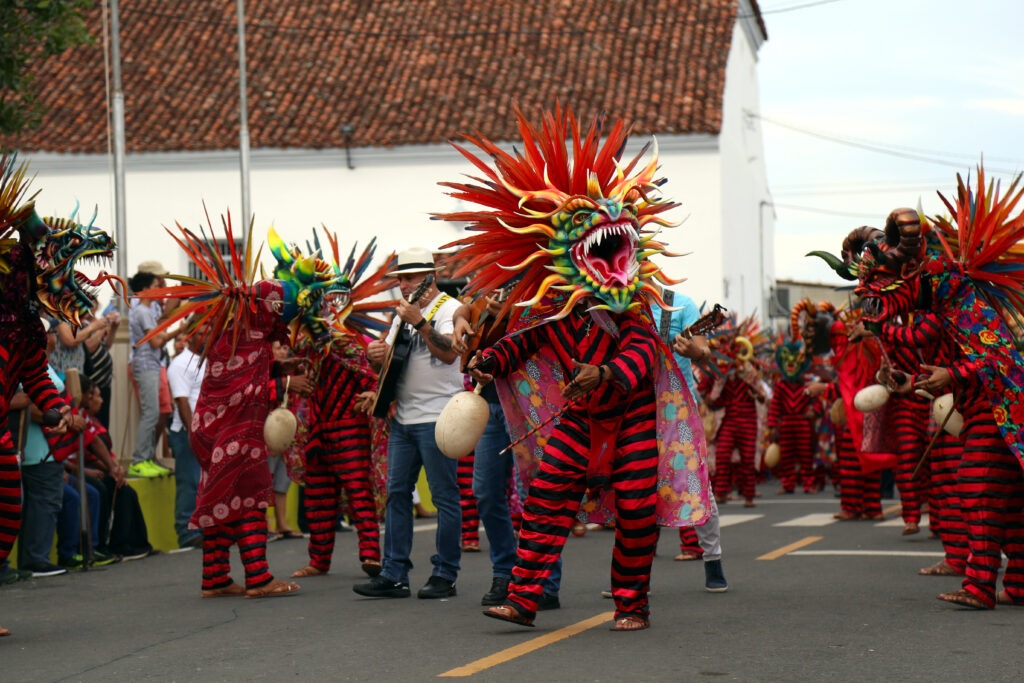
The Corpus Christi festival in Panama is a vibrant religious celebration that merges Catholic tradition with popular festivities, featuring theatrical performances, lively music, and colorful dances, symbolizing the struggle between good and evil while fostering community involvement and cultural transmission.
Haiti: Soup Joumou
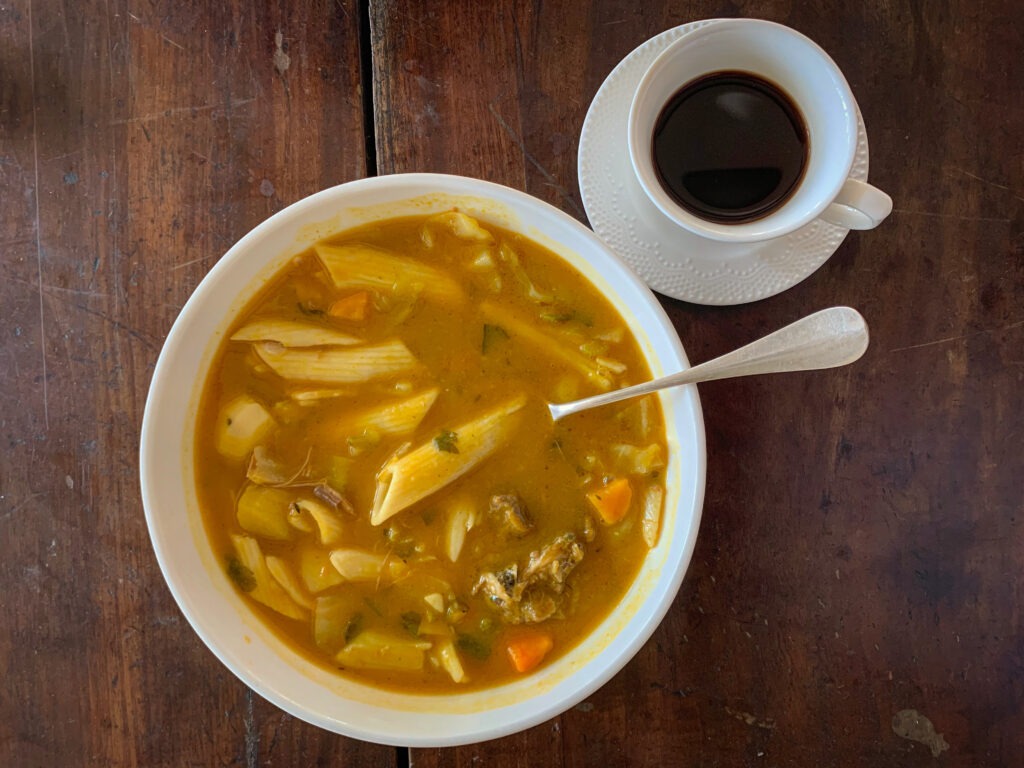
For UNESCO, Soup Joumou, a traditional Haitian pumpkin soup, is not only a festive dish deeply embedded in Haitian identity but also a symbol of freedom and resilience, historically reserved for slave owners and now celebrated as a community unifier, especially on January 1st, Haiti’s Independence Day.
2022
Guatemala: Holy Week Celebrations
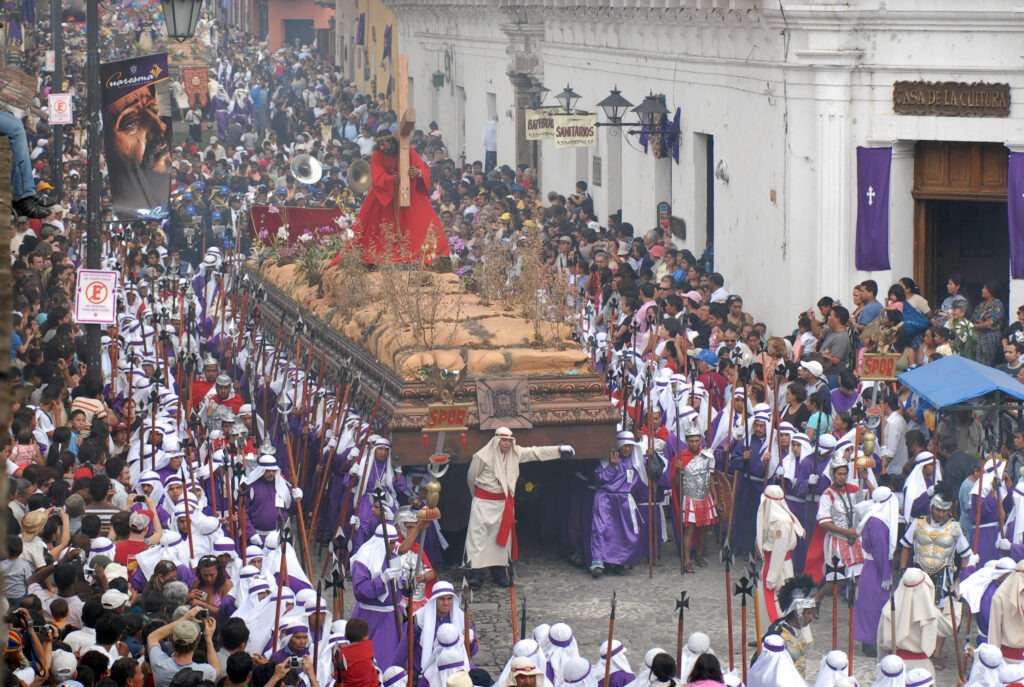
For UNESCO, the Holy Week in Guatemala is a significant cultural and religious event featuring processions, culinary specialties, and vibrant flower and fruit carpets, representing a rich tradition that fosters social inclusion and mutual respect while commemorating the Passion, death, and resurrection of Christ.
Colombia: Ancestral Knowledge System of the Arhuaco, Kankuamo, Kogi, and Wiwa Peoples
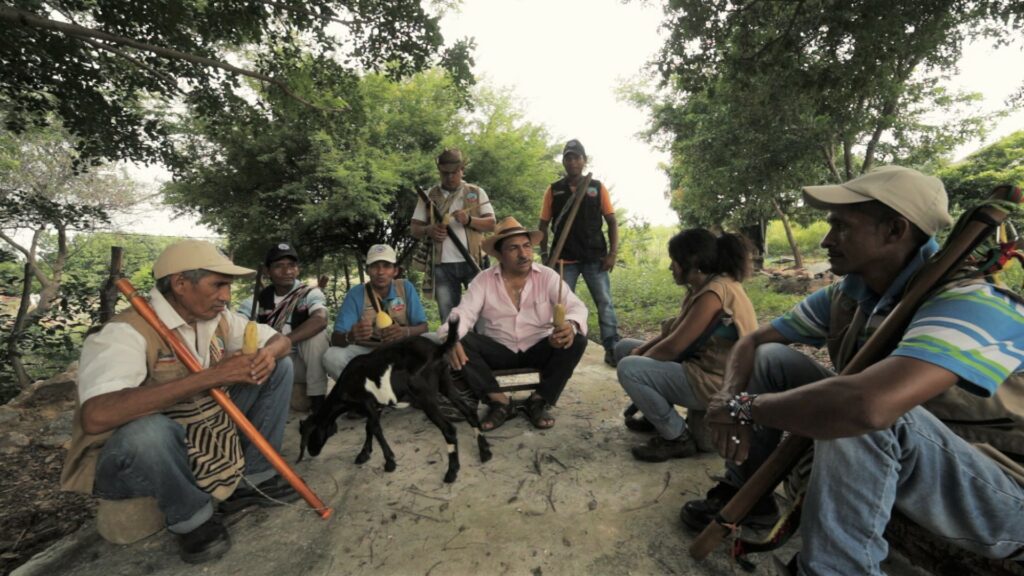
The ancestral knowledge system of the Arhuaco, Kankuamo, Kogi, and Wiwa peoples of the Sierra Nevada de Santa Marta is a profound framework that guides their sacred missions for harmony with the physical and spiritual universe, emphasizing the preservation of sacred sites, traditional rituals, and the protection of their cultural identity and ecosystem.
2023
Grenada: Traditional Wooden Boat Building in Carriacou and Petite Martinique
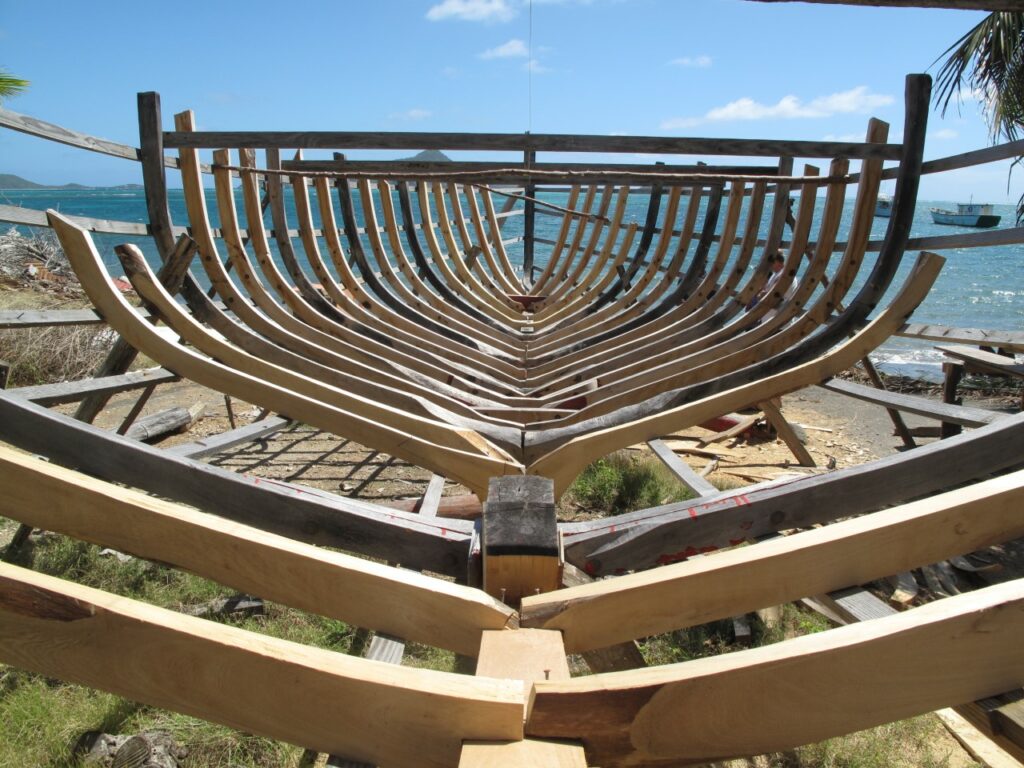
For UNESCO, The traditional practice of wooden boat building in Carriacou and Petite Martinique is a centuries-old craft involving the entire community in various roles, where skilled shipwrights select trees, perform rituals, and celebrate the launch with traditional blessings and festivities, fostering social bonds and cultural heritage.
Colombia : Midwifery: Knowledge, Skills, and Practices
Midwifery is a vital practice in various countries, including Colombia, Cyprus, Germany, Kyrgyzstan, Luxembourg, Nigeria, Slovenia, and Togo, where midwives provide essential care and education to pregnant women and their families, blending traditional knowledge with evidence-based practices while preserving cultural rituals and fostering community support across generations.
Cuba and Mexico: The Bolero, Identity, Emotion, and Poetry in Song
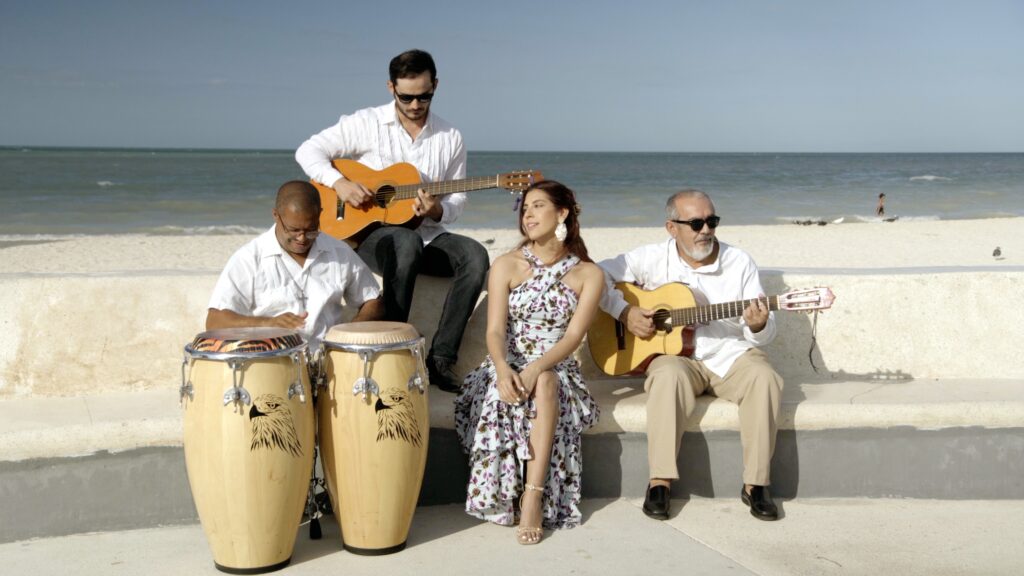
The bolero is a vital element of Latin American sentimental music, deeply rooted in Cuba and Mexico, blending European poetic language, African rhythms, and indigenous emotions, and serving as a powerful cultural symbol that evokes feelings and connects communities through its lyrical expression and oral transmission across generations.
Bahamas : the Junkanoo: Cultural Festival of the Bahamas
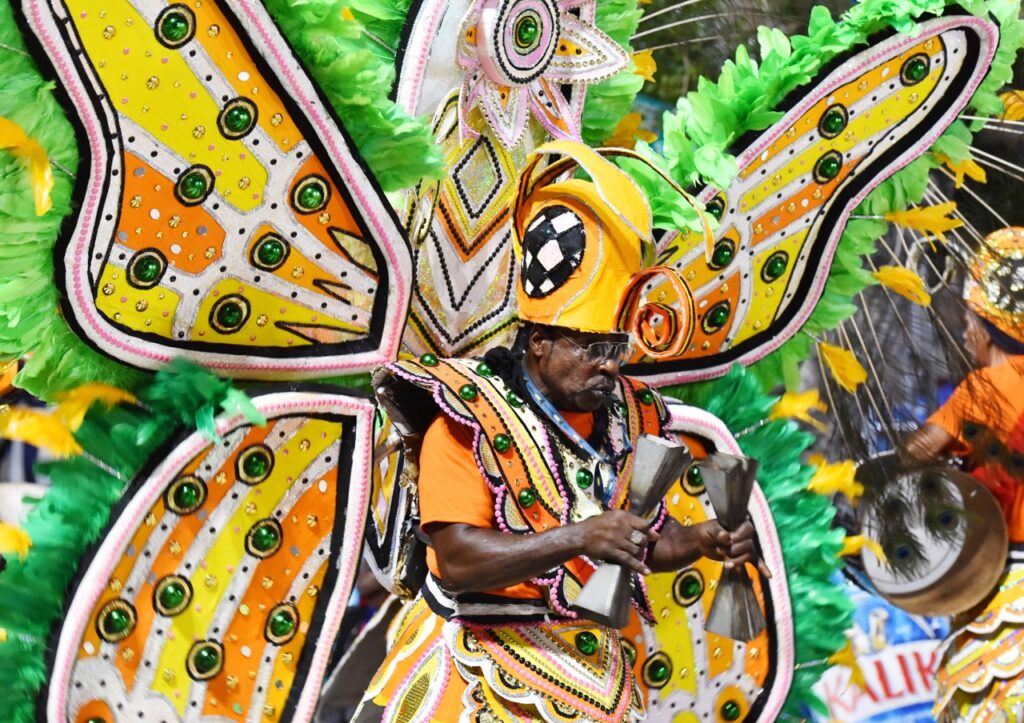
For UNESCO, Junkanoo is the national cultural festival of the Bahamas, originating in the early 19th century from enslaved Africans who created vibrant parades filled with music, performance, and storytelling, serving as a powerful expression of creativity and community unity that involves all ages in crafting elaborate costumes and celebrating cultural identity.
Panama : Armila’s Marine Turtle Cultural and Ecological Festival: Safeguarding Practices Program
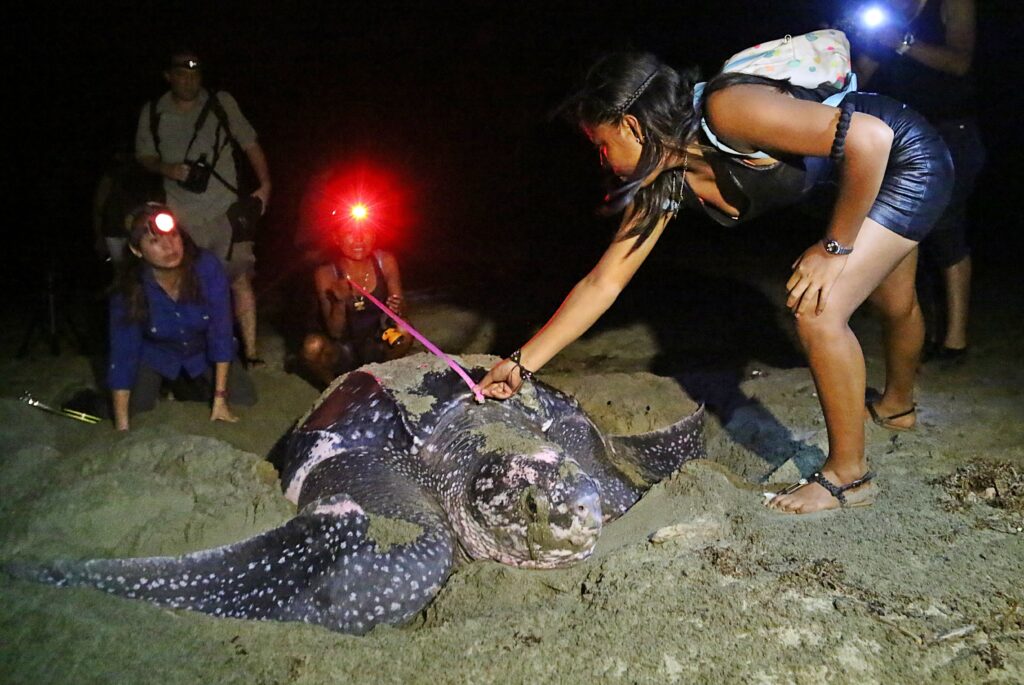
The Marine Turtle Cultural and Ecological Festival in Armila, Panama, is a vital program initiated by the kuna people to preserve their oral traditions and environmental practices, featuring a four-day educational festival that coincides with the arrival of loggerhead turtles, promoting community engagement and the creation of an eco-label for culturally and environmentally responsible festivals.
Venezuela : Caucagua’s Bandos and Parrandas of the Holy Innocents: Knowledge Transmission and Community Councils
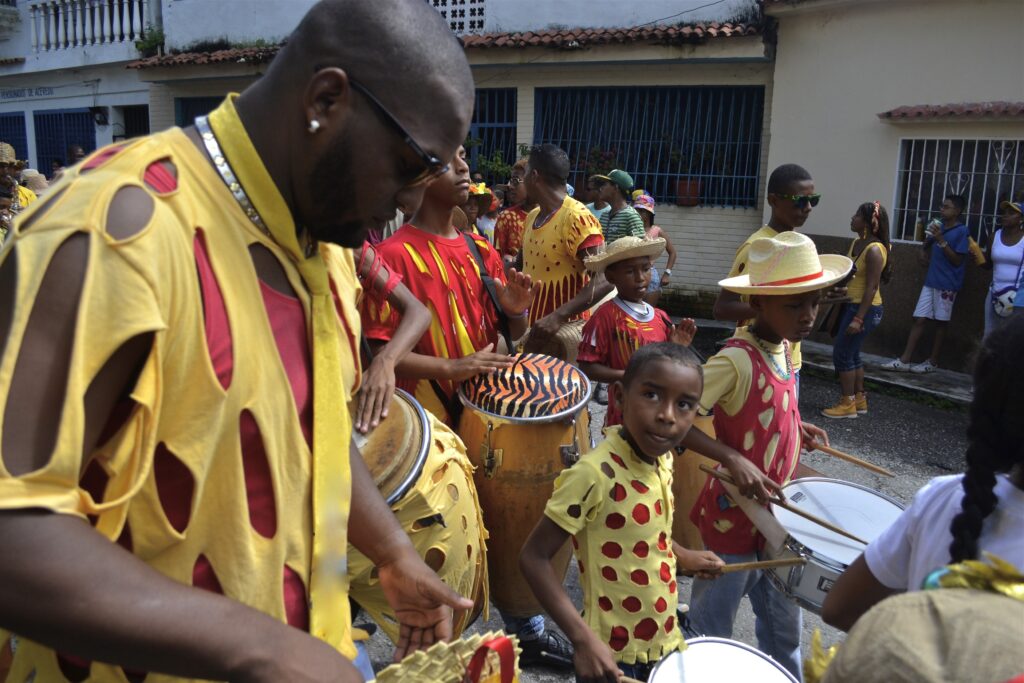
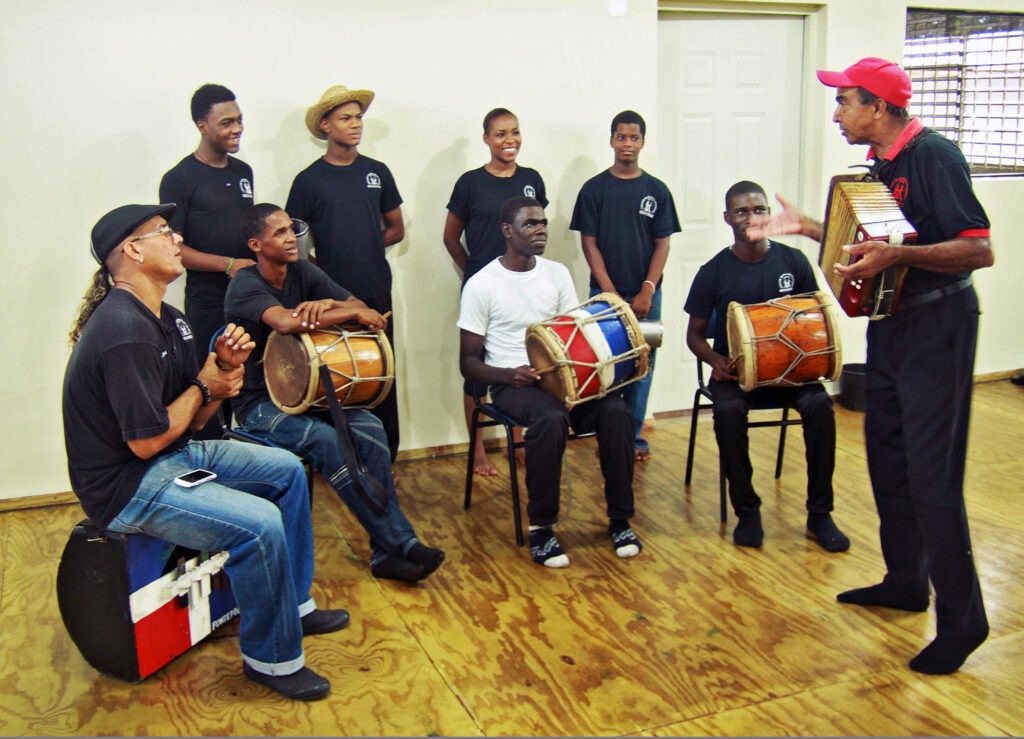
For UNESCO, The Bandos and Parrandas of the Holy Innocents in Caucagua, Venezuela, are vibrant street festivals celebrated on December 27th and 28th, characterized by music and satirical attire, and supported by a safeguarding program that enhances oral tradition through community-led knowledge centers and councils aimed at revitalizing this Afro-descendant celebration and preserving cultural heritage.
The cultural practices recognized by UNESCO from 2020 to 2023 exemplify the diversity and intricate heritage of the Caribbean. From the lively rhythms of merengue and the festive celebrations of Junkanoo to the community-driven safeguarding programs of the Bandos and Parrandas, these traditions underscore the essential role of cultural expressions in preserving national identities and fostering community cohesion.
Celebrating the Caribbean’s Cultural Diversity
Between 2016 and 2019, UNESCO continued to recognize the Caribbean’s rich intangible cultural heritage, celebrating traditions that showcase the region’s diversity and vibrant history. These recognitions by UNESCO reveal the deep cultural practices and customs that have survived generations, connecting the past with the present. This article focuses on the elements honored during this period, highlighting their significance to the Caribbean identity.
2016
-
Dominican Republic: Music and Dance of Merengue
For UNESCO Merengue is not just a genre of music in the Dominican Republic but a national symbol. Its fast rhythms and lively dance steps are part of every major celebration. The music blends European and African influences, representing a fusion that is emblematic of the island’s history and cultural makeup. -
Cuba: Rumba
Rumba is a joyous celebration of Cuban identity through a fusion of African rhythms and Spanish melodies. It is more than a musical genre—rumba incorporates dance, percussion, and vocals, creating an art form that fosters community, expression, and connection with heritage. -
Venezuela (Bolivarian Republic of): Carnival of El Callao
El Callao Carnival is a colorful and vibrant cultural event that dates back to the 19th century. It celebrates African, indigenous, and Caribbean roots through parades, masquerades, and traditional music. The carnival symbolizes unity and cultural resilience in the face of hardship, making it a significant event for Venezuelans. -
Mexico: La Charrería, Equestrian Tradition
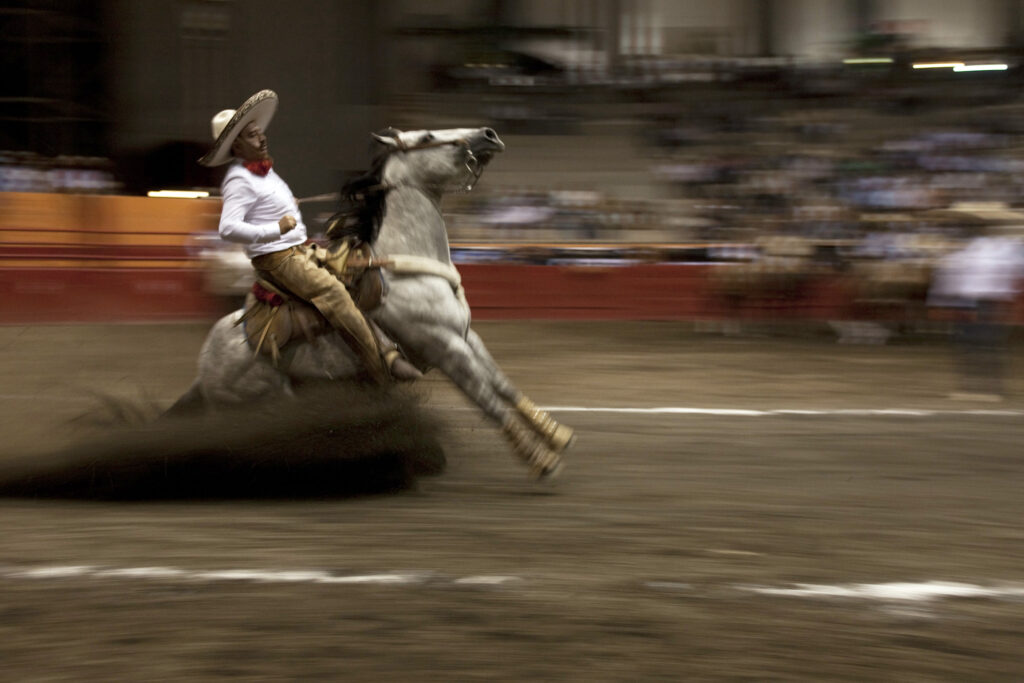
La Charrería is a traditional equestrian practice among cattle-raising communities in Mexico that combines cultural heritage and competitive sport, showcasing skillful performances while promoting important social values to younger generations.
2017
-
Colombia and Venezuela (Bolivarian Republic of): Work Songs of the Plains (Chants de travail des llanos)
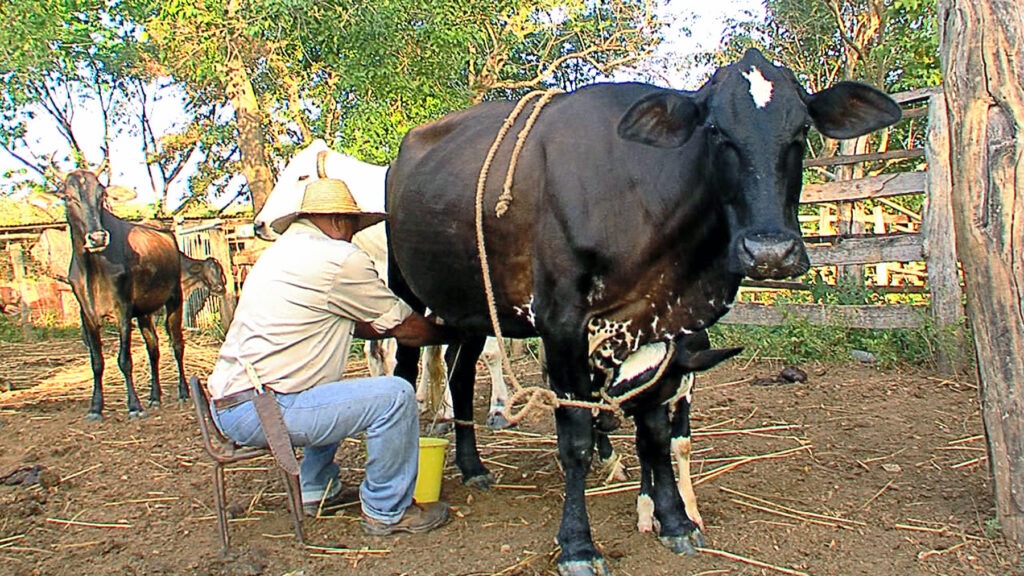
For UNESCO, these songs, sung by the cattle ranchers of the Orinoco Plains, are an essential part of the daily life of llaneros (plainsmen) in Colombia and Venezuela. The songs are used to communicate with the animals and among workers, celebrating the deep connection between humans, animals, and the vast plains. -
Cuba: Punto
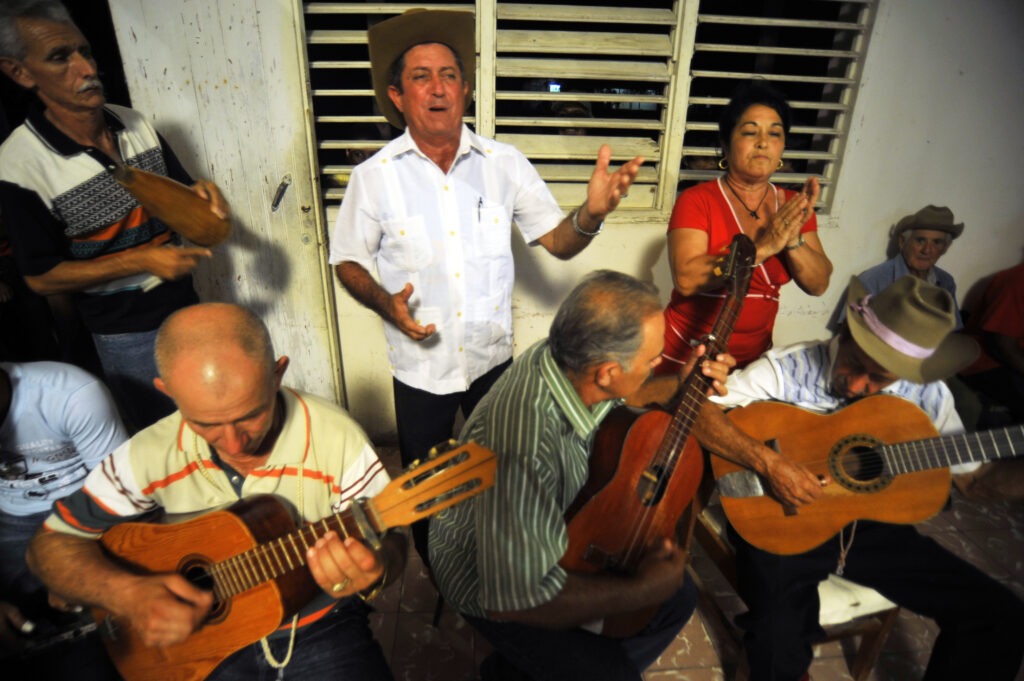
Punto is a traditional Cuban music genre combining poetic lyrics with melodies played on stringed instruments. Originating from Spanish peasant music, it is often performed in community gatherings and has become a key part of Cuban cultural identity, symbolizing a deep connection to the land and rural life. -
Panama: Techniques for Weaving Talco Hats and Pintas
This tradition involves intricate craftsmanship in the weaving of talco hats, crinejas, and pintas, often made from plant fibers. The practice is passed down from generation to generation, ensuring the preservation of the craft and its cultural significance in Panama.
2018
-
Jamaica: Reggae Music
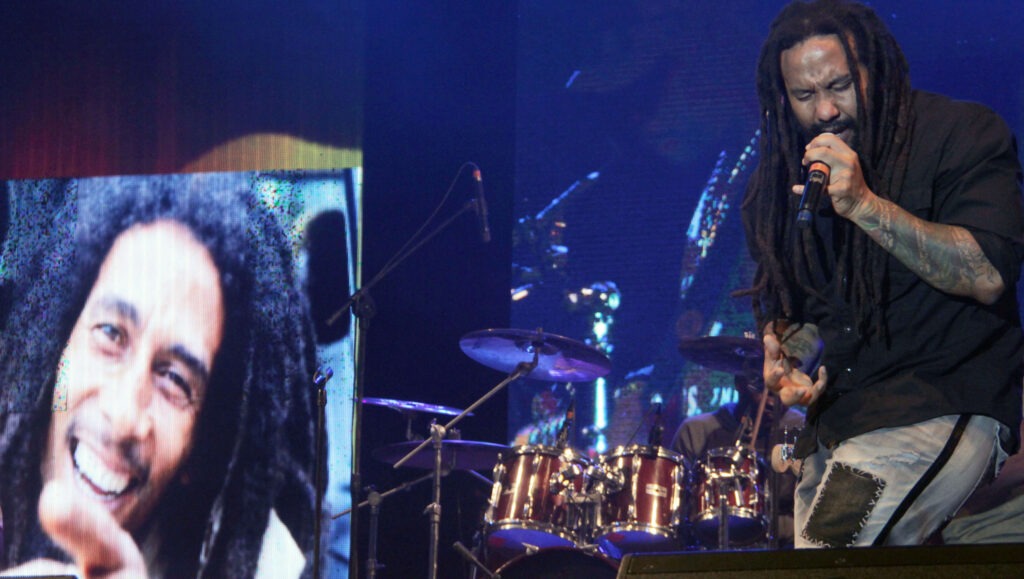
For UNESCO, Reggae, synonymous with Jamaica, is more than just music; it is a cultural force that promotes messages of peace, love, and resistance. Popularized by icons like Bob Marley, reggae’s rhythms and messages have influenced people worldwide, while remaining deeply rooted in the island’s African traditions. -
Panama: Expressions and Rituals of Congo Culture
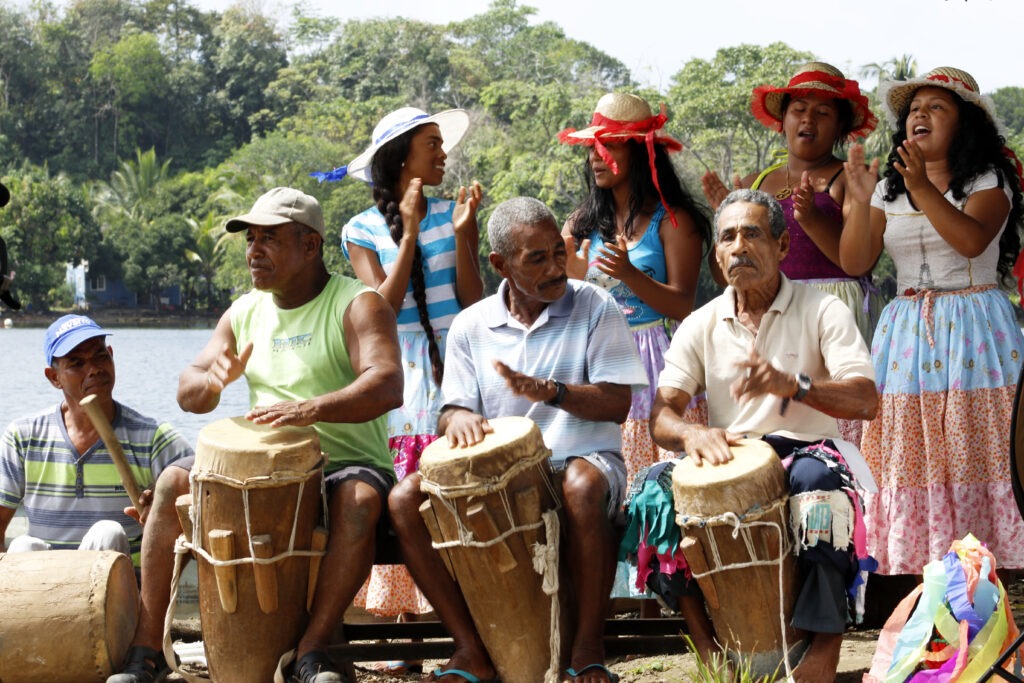
In Panama, the Afro-descendant Congo culture is celebrated through songs, dances, and rituals. These practices are not only a form of entertainment but also acts of resistance, passed down from enslaved Africans to their descendants. Congo rituals are performed in festivals that remember the struggles of the African diaspora and the fight for freedom. -
Cuba: Parrandas (Traditional Cuban Festivals)
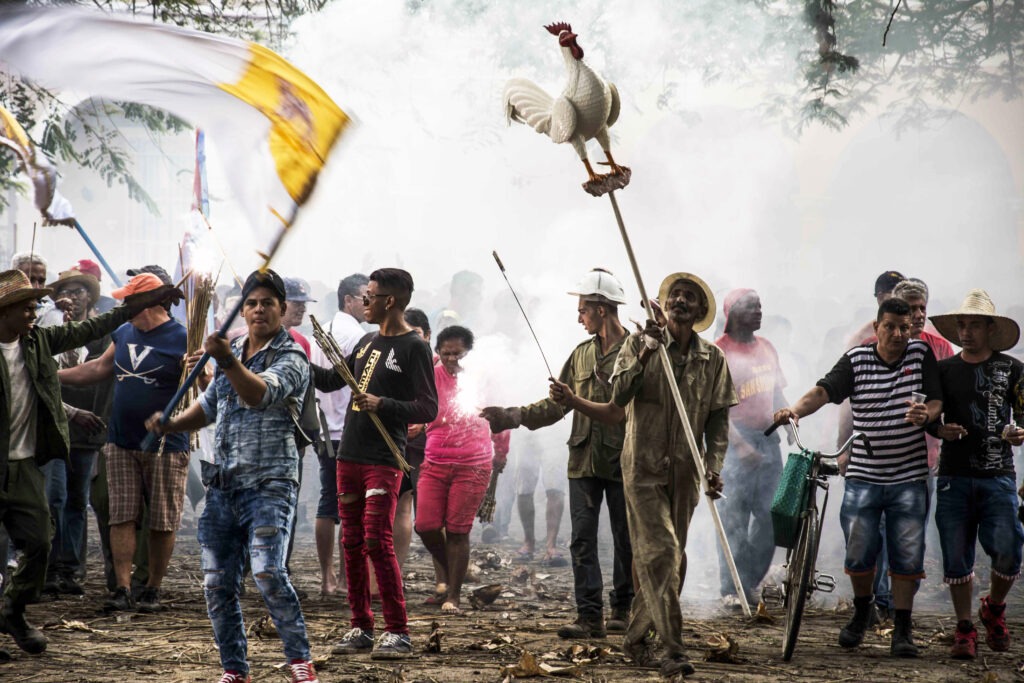
Originating in central Cuba, parrandas are lively celebrations that mix music, dance, and fireworks. These festivals bring communities together to celebrate their shared identity and provide a stage for collective creativity. - Mexico: La Romería, Ritual Pilgrimage Cycle
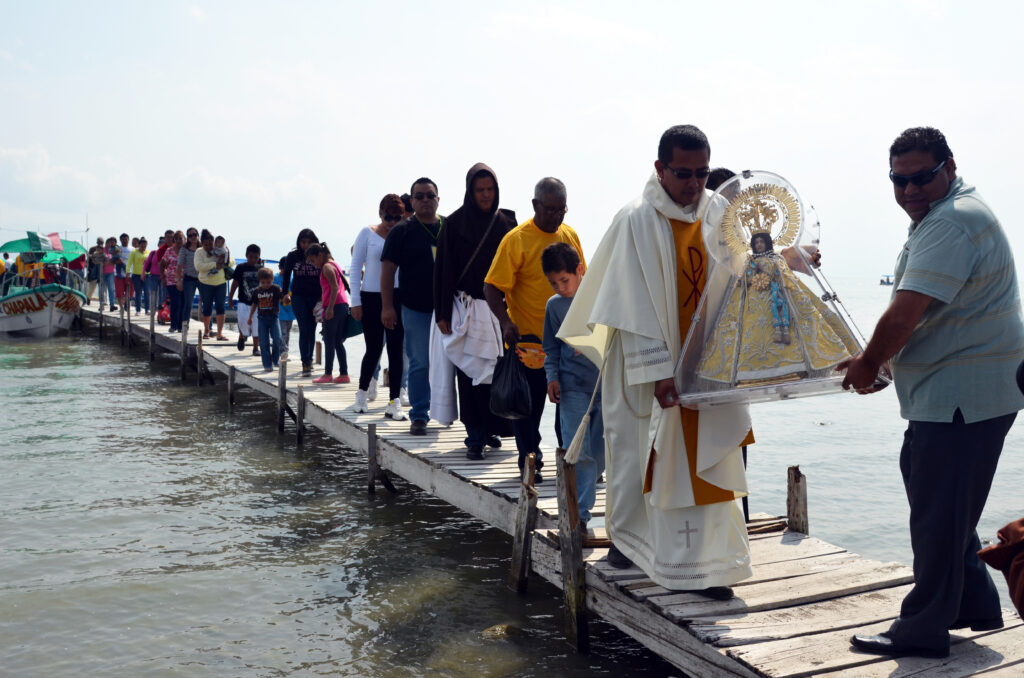
La Romería is a deeply rooted annual tradition celebrated on October 12 in honor of the Virgin of Zapopan, culminating a ritual cycle with over two million participants, vibrant indigenous dances, and community activities that strengthen social ties.
2019
-
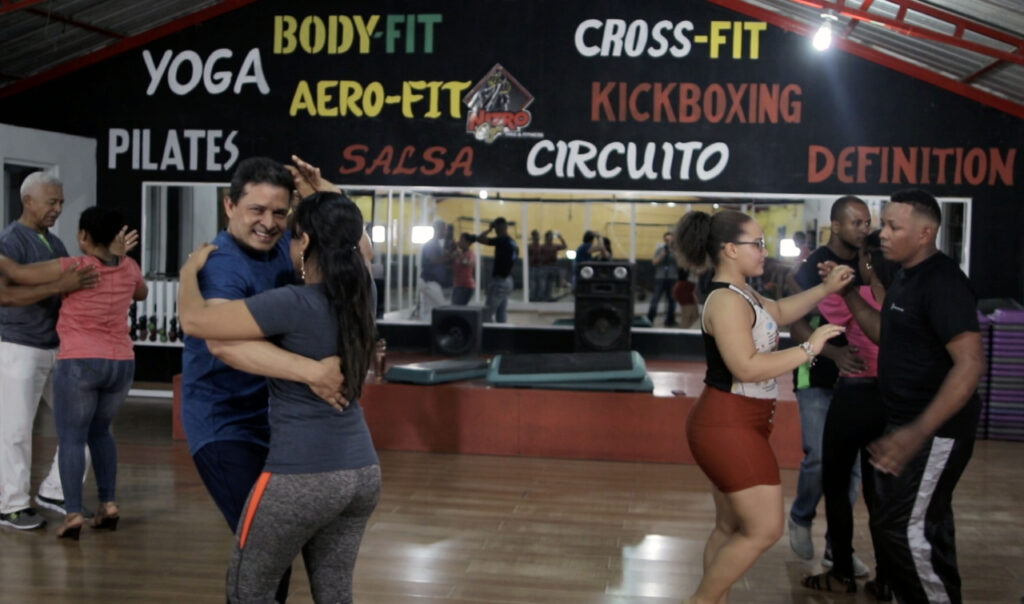
Dominican Republic: Music and Dance of Bachata
For UNESCO, Bachata, known for its romantic lyrics and soulful melodies, is an iconic genre in the Dominican Republic. Rooted in rural life, it has evolved from humble beginnings into a symbol of Dominican identity, blending African, European, and indigenous influences to create a unique sound. -
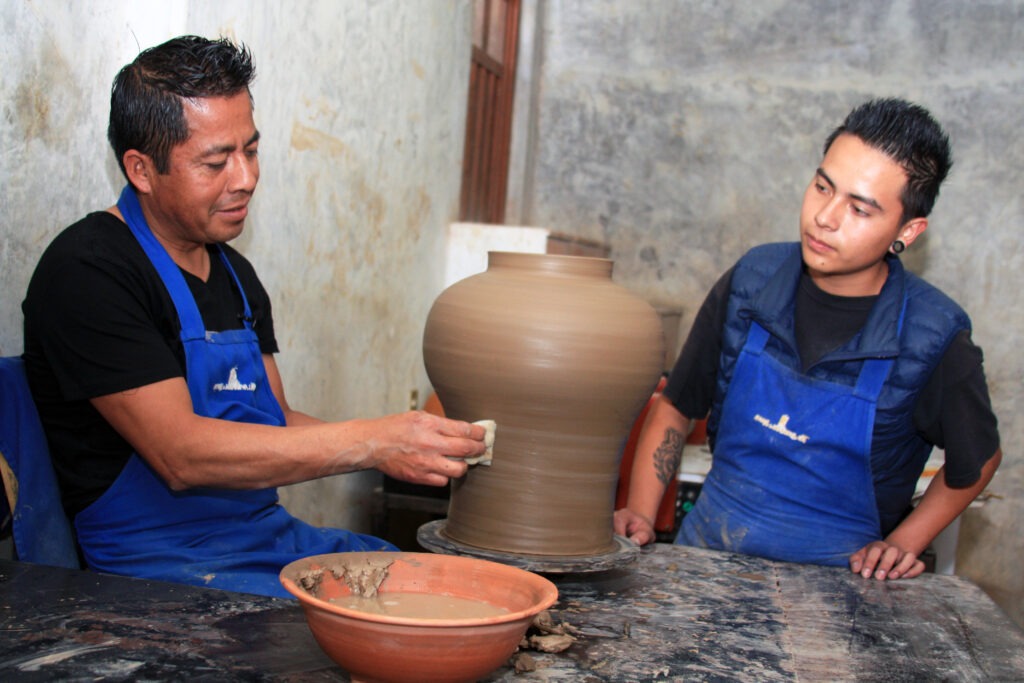
Mexico: Artisanal Talavera Pottery
The process of making Talavera pottery in Puebla (Mexico) and Spain is a centuries-old tradition that requires skill and patience. The vibrant designs and intricate patterns reflect the cultural exchange between the two regions, making it a symbol of shared heritage. -
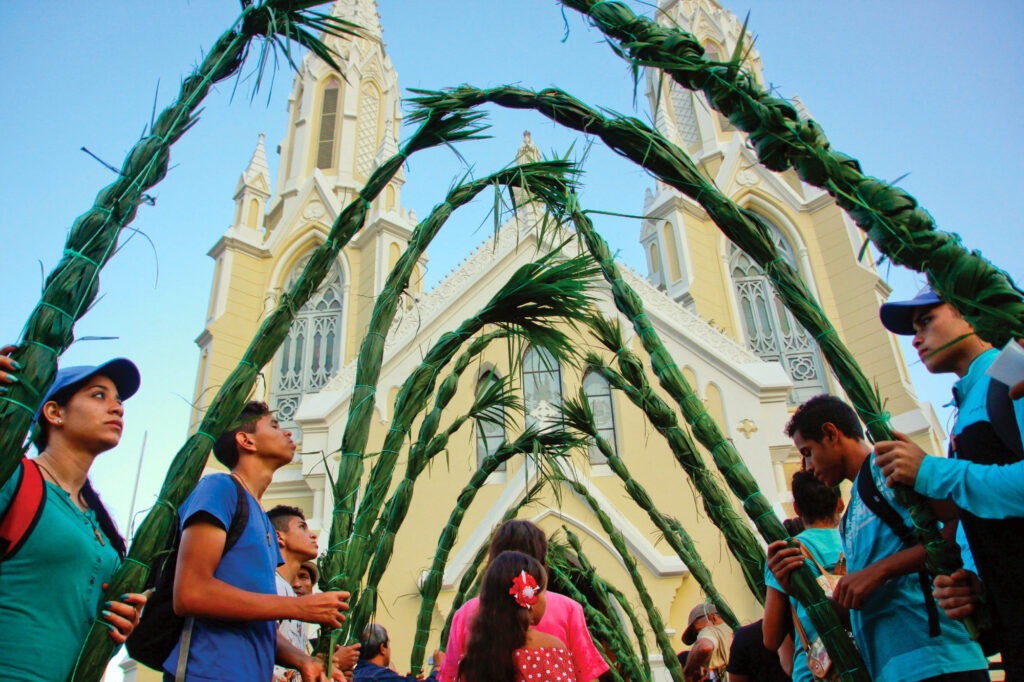
Venezuela (Bolivarian Republic of): Biocultural Program for the Safeguarding of the Palm Tradition
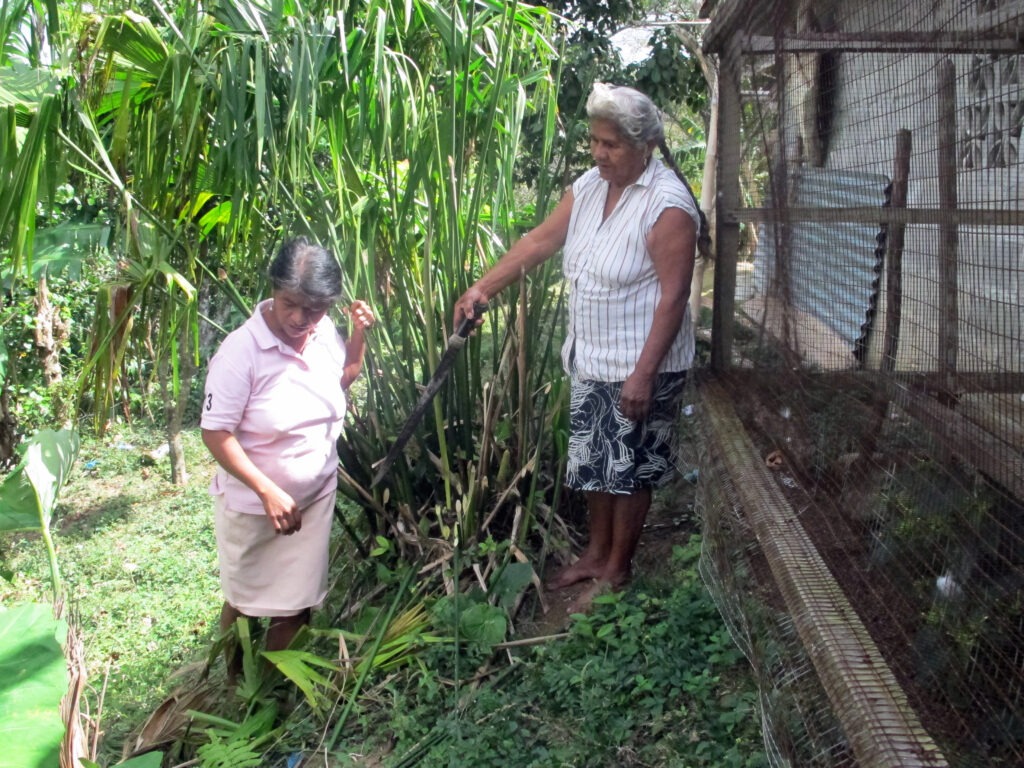
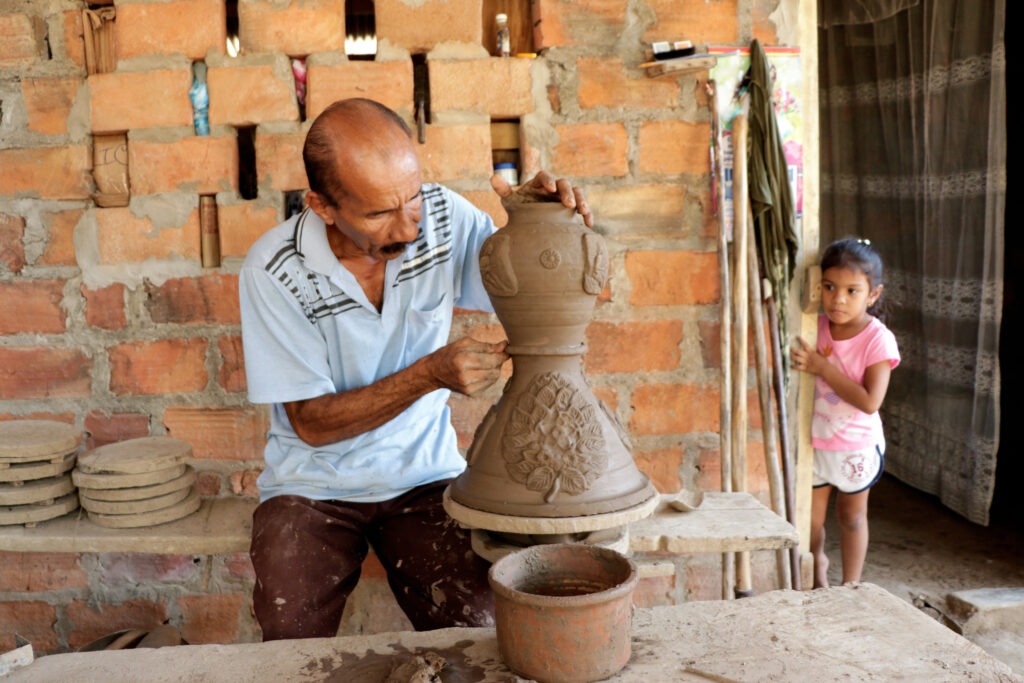
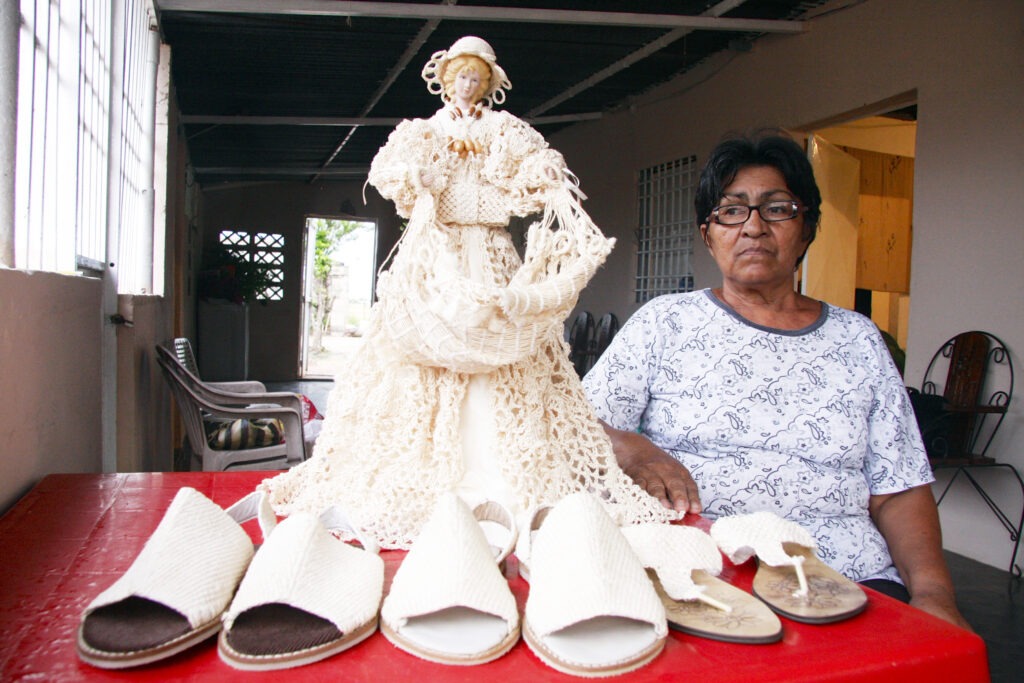
This program aims to preserve the knowledge and practices associated with the harvesting and processing of the blessed palm (palma bendita) in Venezuela. The program helps maintain local traditions while promoting environmental sustainability. - Colombia: Strategy for Safeguarding Traditional Crafts for Peacebuilding
This strategy aims to preserve traditional crafts through intergenerational knowledge transmission and practical learning, empowering vulnerable youth and fostering cultural entrepreneurship to contribute to peacebuilding and social inclusion.
The cultural practices recognized by UNESCO from 2016 to 2019 showcase the diversity and complexity of Caribbean heritage. From music and dance to traditional craftsmanship, these elements highlight the importance of preserving cultural practices that define national identities. In our final article, we will explore the UNESCO recognitions from 2020 to 2023, further unveiling the rich heritage of the Caribbean region.
Preserving the Soul of the Caribbean
From 2012 to 2015, the Caribbean’s rich cultural heritage continued to gain recognition by UNESCO. These years celebrated the region’s vibrant music, sacred rituals, and storytelling traditions, each of which is an essential piece of the Caribbean’s identity. In this article, we will dive into the elements recognized during this period, emphasizing how these practices have been safeguarded for future generations.
2012
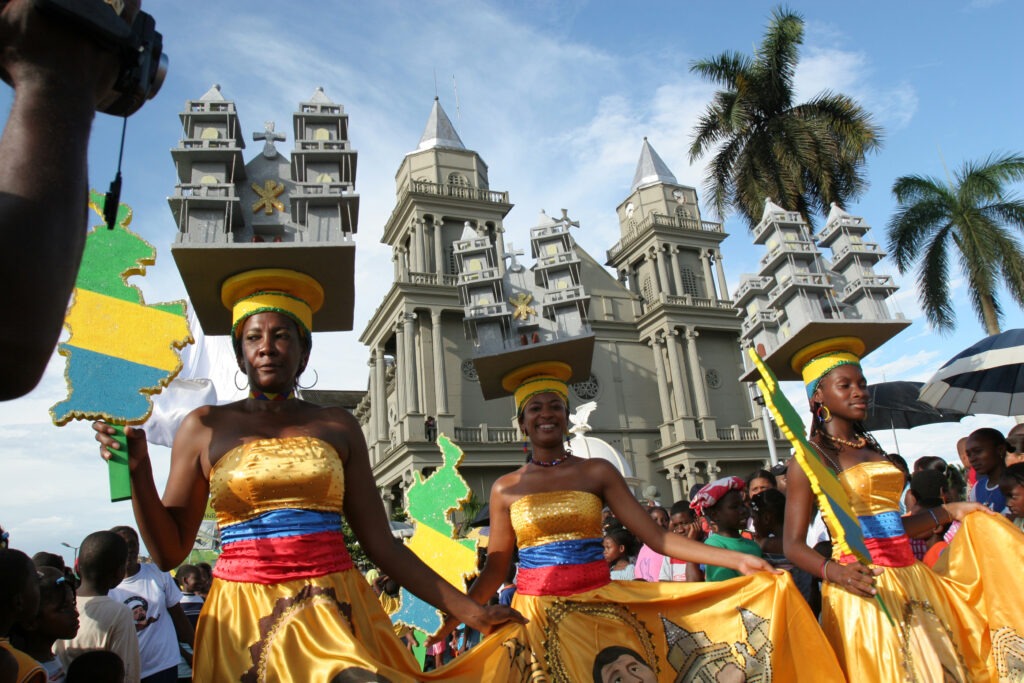
Colombia: Festival of Saint Francis of Assisi, Quibdó
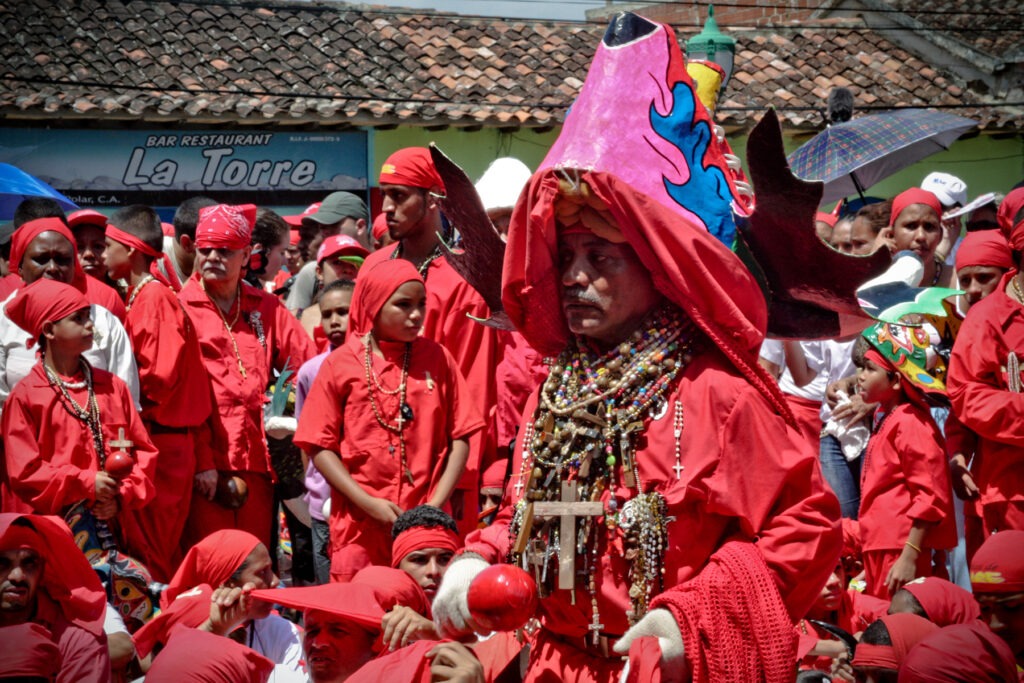
This religious festival in Quibdó, Chocó is a blend of Catholicism and African spirituality, rooted in the local Afro-Colombian community. Participants honor Saint Francis of Assisi with traditional music, dance, and elaborate costumes, merging religious devotion with cultural identity.Venezuela (Bolivarian Republic of): Corpus Christi Devils
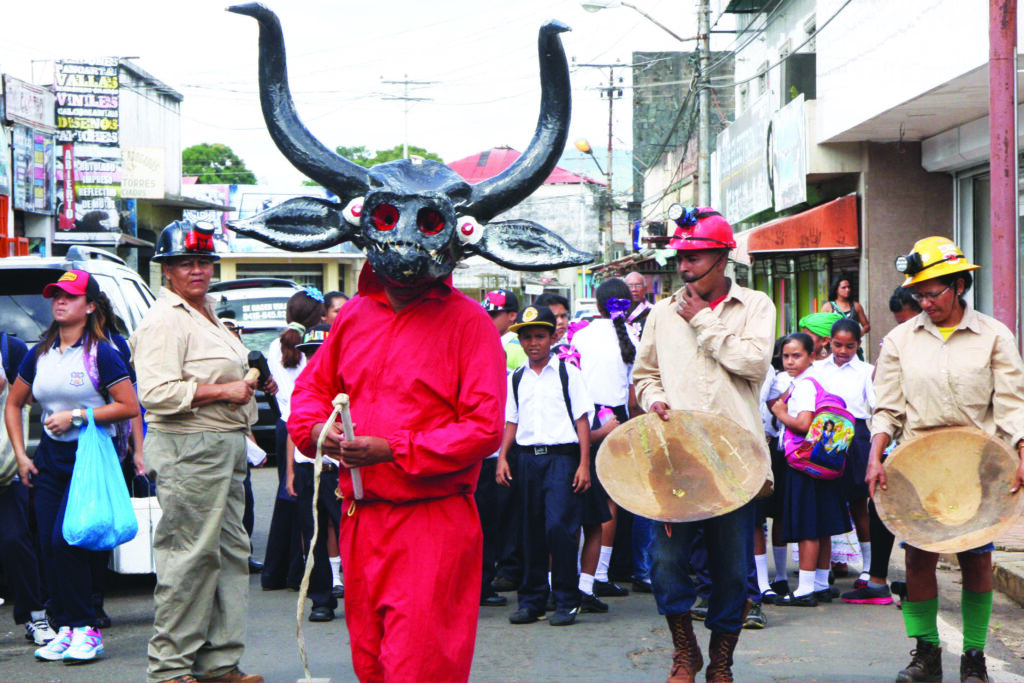
In this annual celebration, masked dancers symbolically represent the battle between good and evil, with the devils ultimately being vanquished by the forces of good. This tradition is celebrated by different communities, each adding its own unique elements to the performance.- Mexico: Xtaxkgakget Makgkaxtlawana, Centre for Indigenous Arts
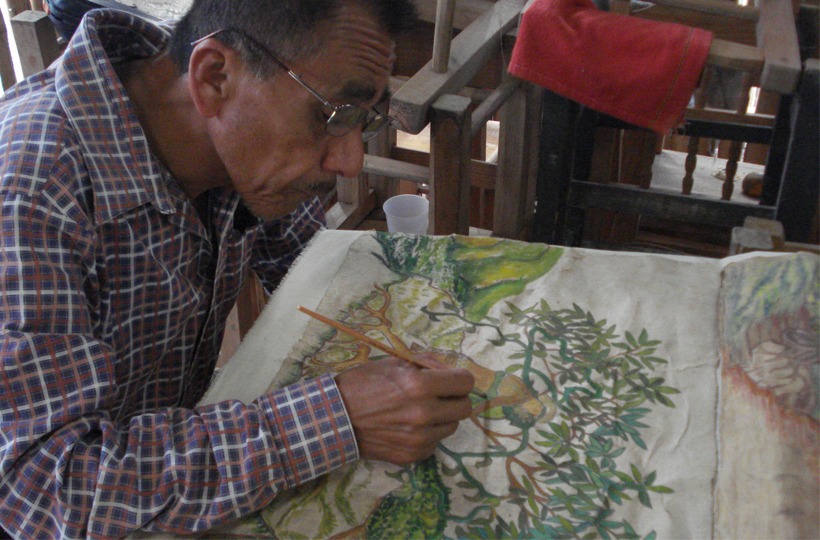
This center, created by the Totonac people, is dedicated to preserving their culture and art through specialized educational ‘houses’ that teach various traditional practices, while fostering holistic learning and cultural revitalization.
2013
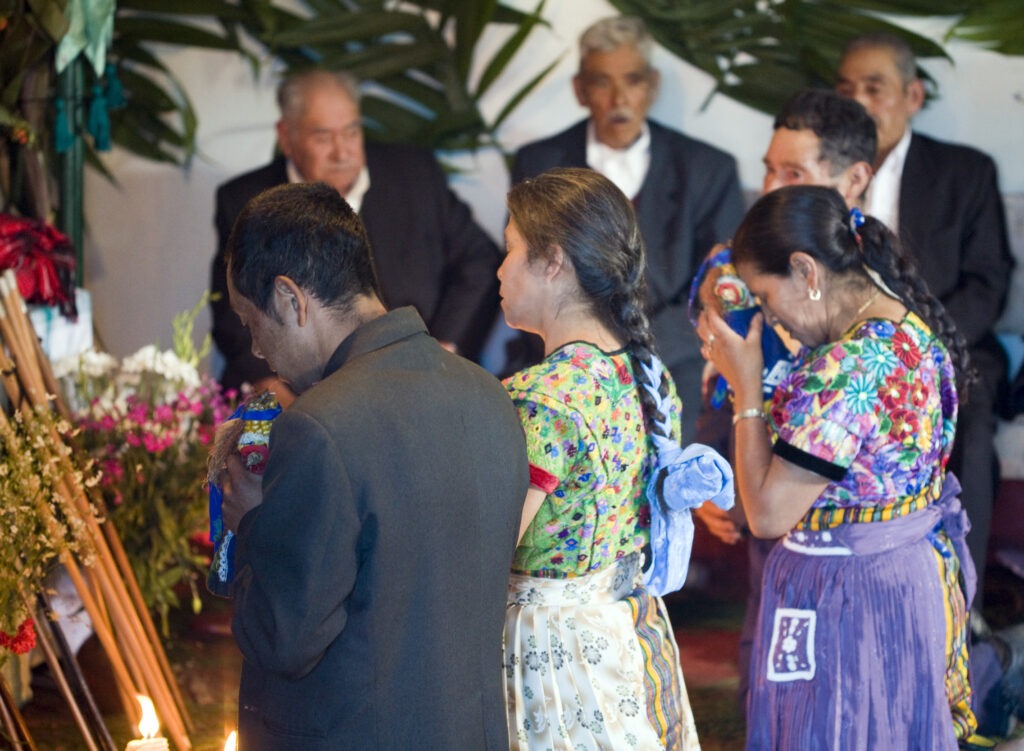
Guatemala: Nan Pa’ch Ceremony
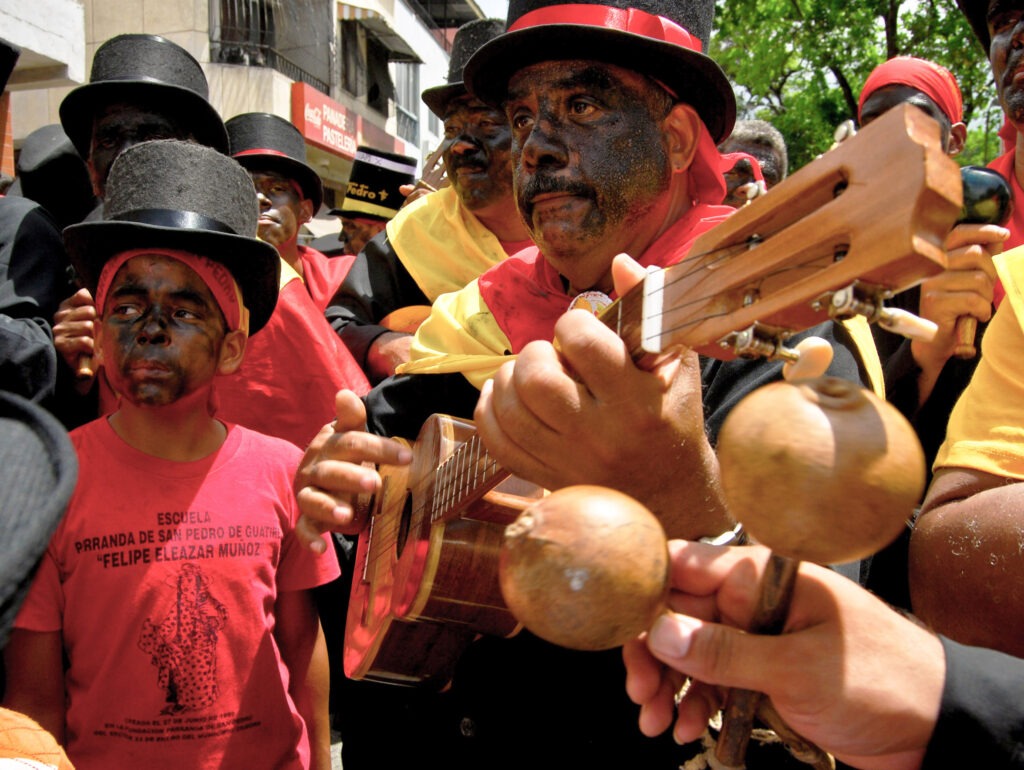
The Nan Pa’ch is a sacred Maya ritual performed to give thanks for the maize harvest. The ceremony features dances, prayers, and offerings, highlighting the deep spiritual connection between the Maya people and the land that sustains them.Venezuela (Bolivarian Republic of): San Pedro Parranda
This joyous celebration in the town of Guarenas and Guatire honors Saint Peter with a lively parade. Participants dress in bright costumes and carry wooden dolls of the saint, accompanied by traditional music and dances.
2014
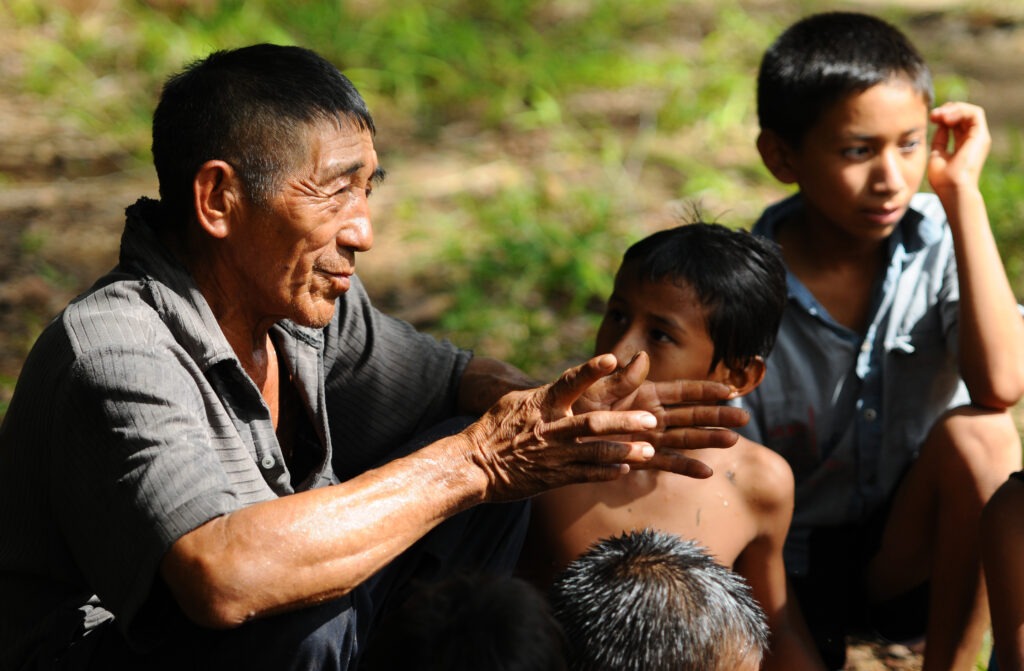
Venezuela (Bolivarian Republic of): Mapoyo Oral Tradition
The Mapoyo people, an indigenous group in Venezuela, have passed down their history, values, and cultural identity through oral storytelling. This tradition preserves their connection to the land and reinforces the importance of the spoken word in maintaining cultural continuity.Guadeloupe: Gwoka
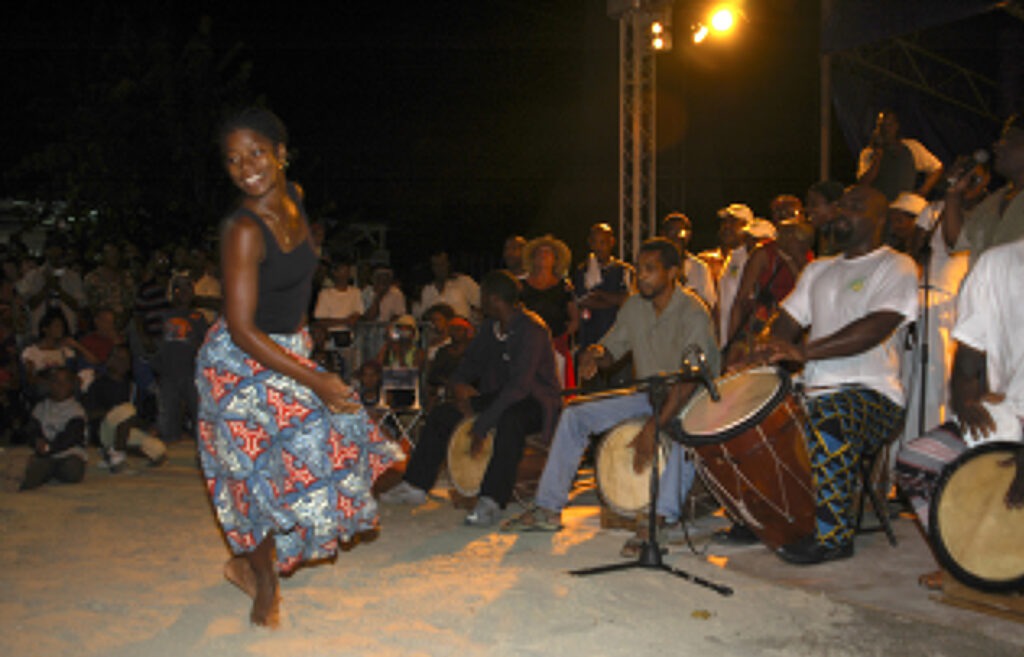
Gwoka is a music and dance tradition deeply rooted in Guadeloupe’s history of resistance and survival. With African rhythms at its core, Gwoka is a form of expression and resilience, evolving from plantation slavery to become a celebration of cultural identity.
2015
Colombia: Vallenato Music
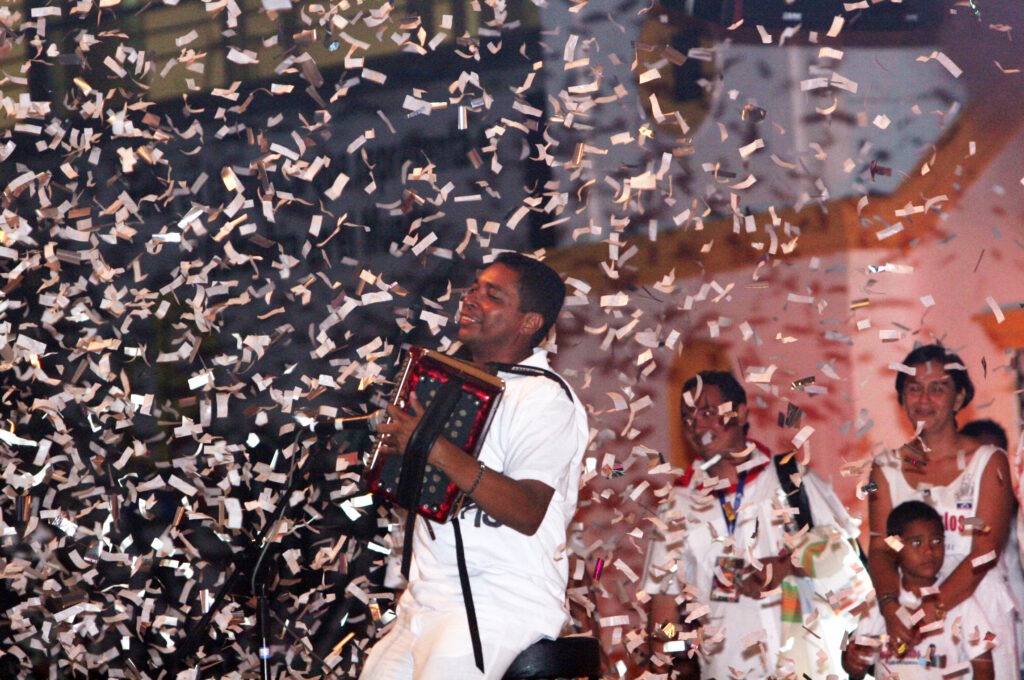
Vallenato, a genre born in the rural regions of Colombia, tells stories of love, betrayal, and everyday life. Featuring instruments like the accordion and caja, vallenato is known for its poetic lyrics and deep emotional resonance within Colombian culture.Venezuela (Bolivarian Republic of): Curagua Fiber Weaving
The craft of transforming curagua fibers into intricate textiles has been passed down for generations in Venezuela. This artisanal tradition not only preserves cultural identity but also sustains rural communities through the production of textiles used for clothing and other goods.
From musical traditions that capture the soul of a people to sacred ceremonies that honor the land and the divine, the years from 2012 to 2015 saw the recognition of some of the Caribbean’s most vibrant and deeply rooted cultural elements. These practices keep the region’s spirit alive, passed down through generations. Join us in the next article, where we will explore the period from 2016 to 2019, a time of even more cultural acknowledgments from UNESCO.