“A no babariman e broko pranasi.” Six words in Sranan, the Creole language of Suriname, to express what we sometimes learn too late. It is not the loudmouths who ravage the plantation. This phrase is an “odo,” a proverb passed down by word of mouth. It speaks of noise, silence, and threat. It also refers to a specific era, that of the plantations of Suriname and the enslaved people who fled them. Here is what it says, where it comes from, and what history allows us to hear in it.
“A no babariman e broko pranasi,” meaning and translation
Literally, “A no babariman e broko pranasi” translates to “It is not the loudmouths who ravage the plantation.” Babariman refers to someone who shouts or makes a racket. Pranasi is the plantation, and the form pernasi is also used. The verb “broko” conveys the idea of destruction. The construction is clear: a negation, a subject, and a verb that packs a punch.
The meaning becomes clear quickly. The one who makes the most noise is not the one to be wary of. Danger does not announce itself, and disasters rarely give warning. The odo invites us to look at actions rather than listen to words. Other odo say the same thing in their own way. “Babari dagu no e beti” asserts that the dog that barks doesn’t bite. The louder one shouts, the less one strikes. And the one who remains silent undoubtedly deserves more attention.
What is an "odo"?
An “odo” is, first and foremost, a saying with no known author. A phrase only becomes an “odo” after it has been passed down by word of mouth for a long time. No one remembers who first said it. This collective memory explains why an “odo” condenses the experience of an entire group into a single, concise image.
Around 1850, while slavery was still in effect in Suriname, a few people compiled more than seven hundred odo into collections. Some had come from Africa. Others were born there, and many bear the mark of the slave trade and slavery. The odo on the plantation naturally fits into this family of sayings that view the world through the lens of forced labor.
The plantation as seen by those who worked there
In “A no babariman e broko pranasi,” the word “pranasi” places the sentence within a world of forced labor, where people are judged by what they do. The odo adds a simple observation. Agitation is no measure of strength or courage.
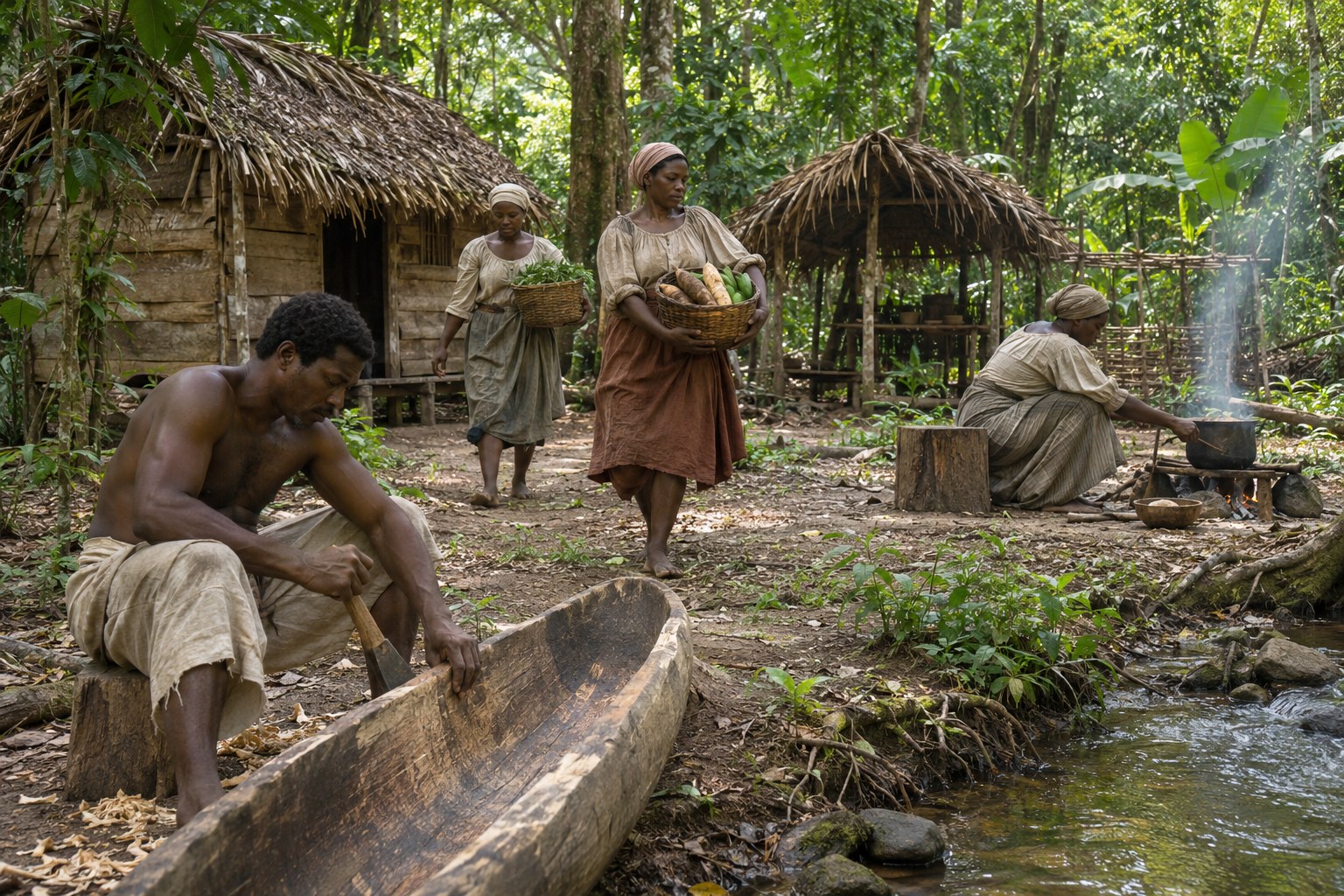
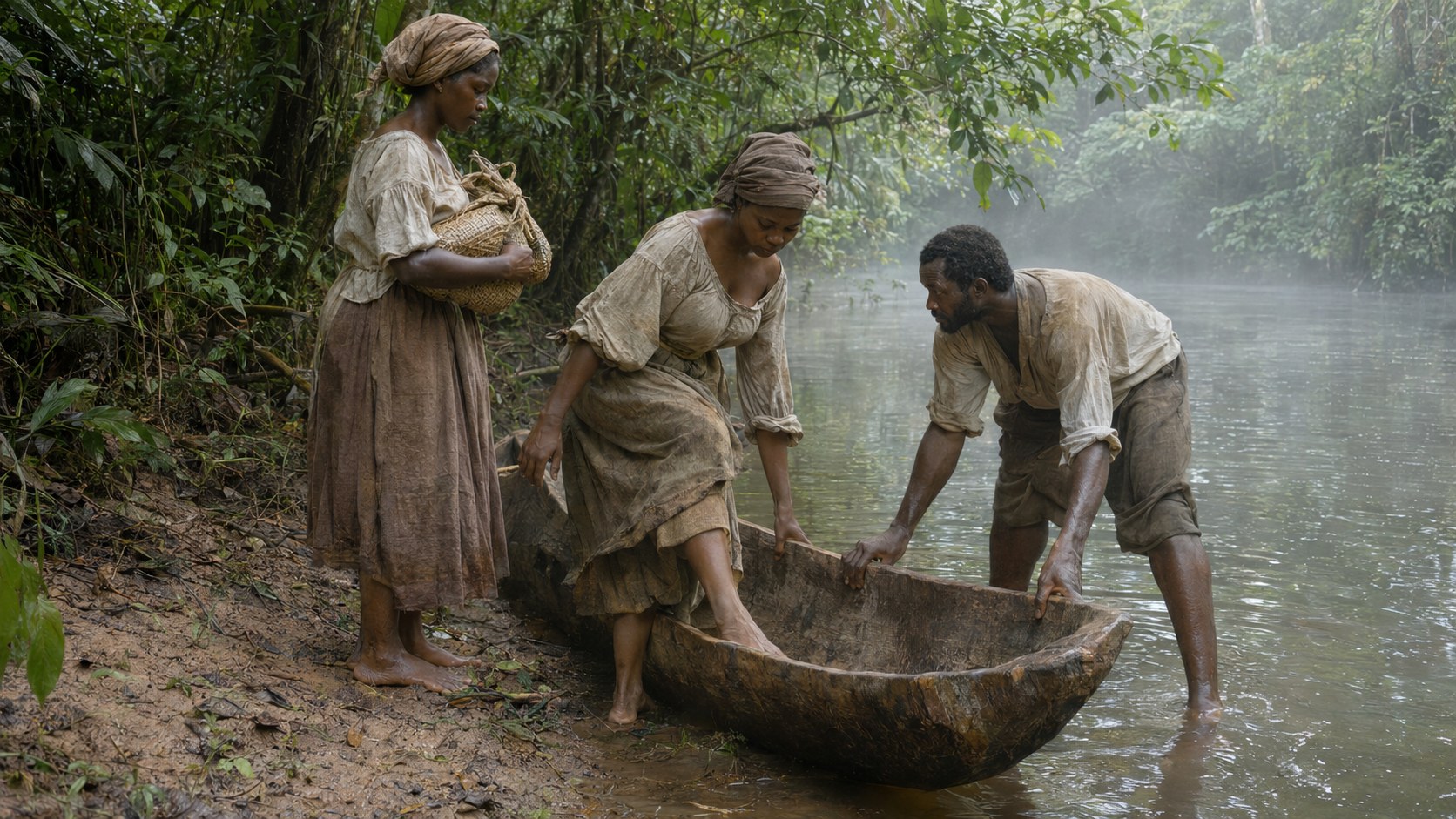
There was another side to this world. From the very beginning of the colony, enslaved people fled the plantations, and their descendants now form the Maroon communities. Colonial troops pursued them and destroyed their villages. The Maroon guerrillas, for their part, raided plantations and attacked soldiers. They defended their villages, freed enslaved people, took revenge on their former masters, and secured their livelihoods. Most did not seek to overthrow the colonial administration. A related odo says it in its own way. The Maroons know which plantations they found and which ones they destroy.
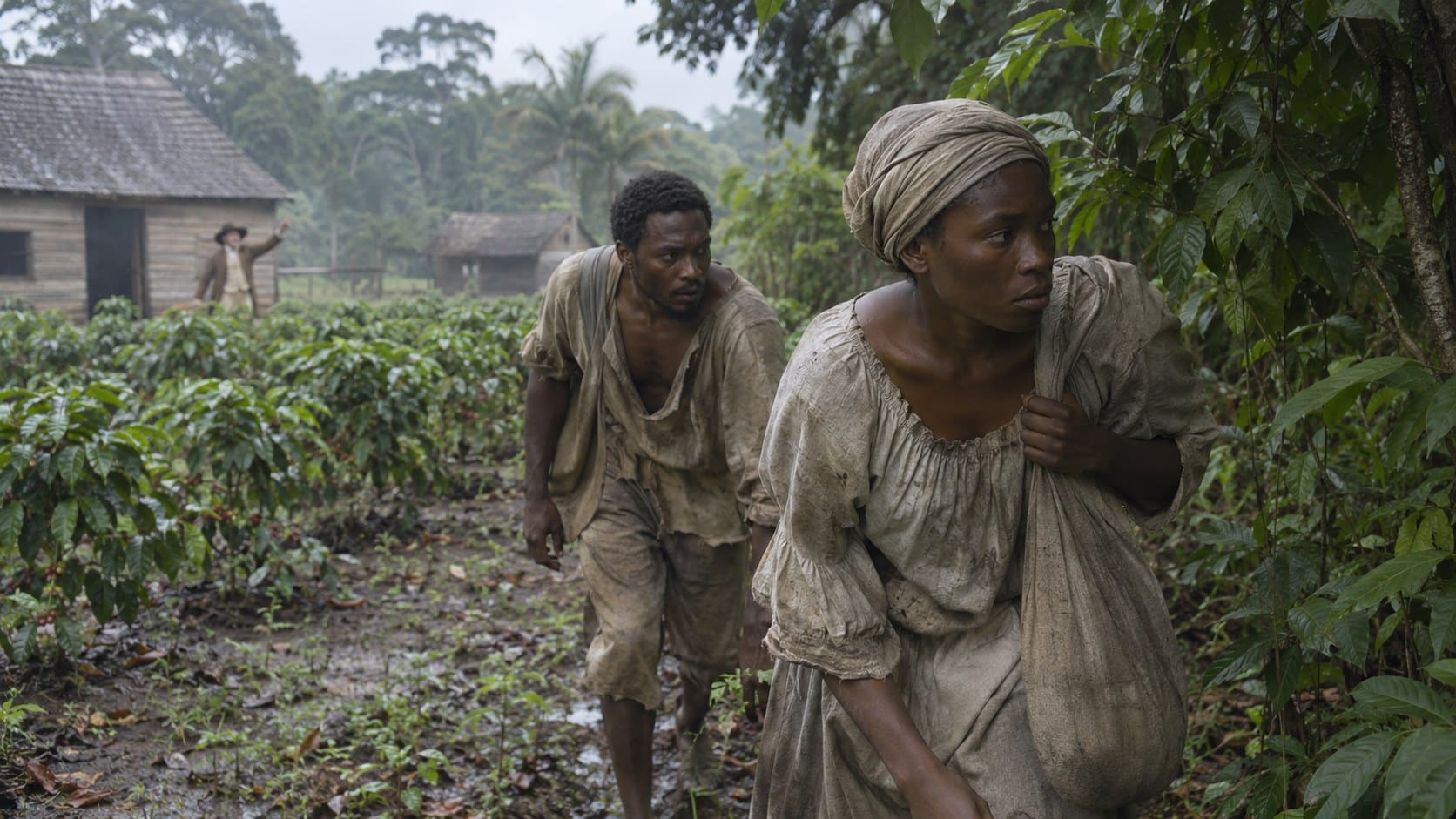
In this context, a phrase saying that the threat does not come from those who shout takes on particular significance.
What the history of marronage confirms
The word “marron” comes from the Spanish word “cimarrón,” which referred to livestock that had returned to the wild. It has lost its negative connotation. Today, there are six distinct communities: the Ndyuka, the Saamaka, the Matawai, the Aluku, the Kwinti, and the Paamaka.
In 1757, a major uprising of enslaved people shook the colony, and many people fled the plantations. The authorities eventually agreed to negotiate. On October 10, 1760, a peace treaty was signed with the Ndyuka. It recognized their freedom and autonomy. On September 19, 1762, a treaty was concluded with the Saamaka. It exists in Dutch and Sranan, and the Sranan version is perhaps the oldest known official document in that language.
Every October 10, Suriname celebrates Dag der Marrons, or Maroon Day, which has been a national holiday since 2010. The ceremony takes place at the monument on the Plein van 10 oktober 1760, featuring a traditional libation and the laying of wreaths.
A Sranan odo to remember
The six words of “A no babariman e broko pranasi” are enough to encapsulate an entire worldview. Be wary of noise, pay attention to silence, judge by actions. Sranan has preserved this lesson in a concise form, one that can be grasped at a glance and applied far beyond the plantations.
It remains to be seen how many other odo carry the memory of those years in this way. Each one tells a piece of history that the archives don’t always reveal. Another odo, another Tuesday.
Frequently asked questions
Literally, “A no babariman e broko pranasi” translates to “It is not the loudmouths who ravage the plantation.” It means that the one who makes the most noise is not the most dangerous. It encourages us to judge actions rather than words.
An “odo” is a proverb in Sranan, the Creole language of Suriname, passed down orally, and “A no babariman e broko pranasi” is an example of one. Around 1850, while slavery was still in effect, more than seven hundred odo were compiled into collections. Many bear the mark of the slave trade and slavery.
Every October 10, with “Dag der Marrons,” a national holiday since 2010. The date commemorates the peace treaty signed on October 10, 1760, with the Ndyuka, which recognized their freedom and autonomy.