Jamaica affirms its strategy of combining living heritage and maritime excellence

At Seatrade Cruise Global 2025 in Miami, Jamaica presented a strong vision: to combine the richness of its cultural heritage with the ambition to strengthen its attractiveness in the cruise industry.
With presentations by Carol Rose Brown and Mark Hylton, Jamaica, an anchor on Caribbean cruise itineraries, asserts its determination to anchor its tourism development in authenticity, innovation and resilience.

Jamaïque

Preserving Jamaica's cultural soul - Carol Rose Brown's initiative

For Carol Rose Brown, Director of the Jamaica Centre for Tourism Innovation within the Tourism Enhancement Fund, preserving Jamaican identity is a major challenge in an increasingly standardized tourism world.

At the heart of this approach: the Falmouth Artisan Village.
Designed as a living showcase for traditional skills – ceramics, basketry, leather, sewing, cigars – the village enables visitors to discover, understand and buy directly from local craftsmen.

We don’t want our culture to be relegated to a mere spectacle: it must be lived, shared, passed on,” insists Carol Rose Brown.

Jamaica

L’Artisan Village also innovates by integrating :

  • Immersive technologies (augmented reality, interactive QR codes),

  • Free events combining gastronomy, crafts and live entertainment,

  • Creative workshops, allowing visitors to actively participate.

🎯 Carol Rose Brown’s ambition: to make every stopover in the island an authentic encounter with the soul of the country, and to extend this cultural model to other sites on the island.

Jamaica
ARTISAN VILLAGE

Strengthening cruise competitiveness - The Port Authority's vision

For Mark A. Hylton, Vice President of Cruise Operations at the Port Authority of Jamaica, Island has shown exceptional resilience in the face of recent challenges.

In 2024, despite a major incident that temporarily affected one of the ports, the island maintained a high level of cruise arrivals, thanks to :

  • Solid infrastructures,

  • Close relations with cruise lines,

  • An ability to adapt quickly to new expectations.

Jamaica

The Island is also working on :

  • Improve road links to facilitate visitor mobility,

  • Develop new attractions around its ports of call,

  • Strengthen its position on Western Caribbean itineraries.

We have to keep innovating to remain competitive, while at the same time promoting what makes Jamaica unique,” stresses Mark Hylton.

🎯 Its aim: to build sustainable growth that benefits both local communities and shipping companies.

Jamaica
Jamaica
Jamaica
Jamaica
Jamaica
Jamaica

Jamaica between heritage and modernity

At Seatrade Cruise Global 2025, the Island demonstrated that cruising can be much more than just transit:
it can become an authentic encounter between travelers and territories.

Buoyed by its lively culture and ability to adapt, the island is charting an ambitious course: to build a strong maritime tourism industry, faithful to its identity and looking to the future.

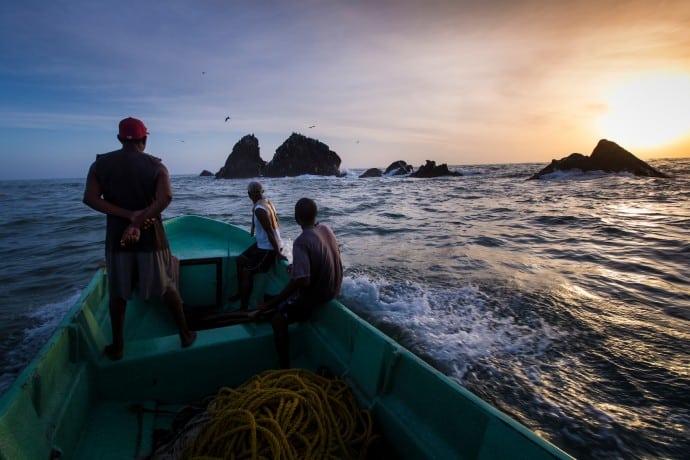
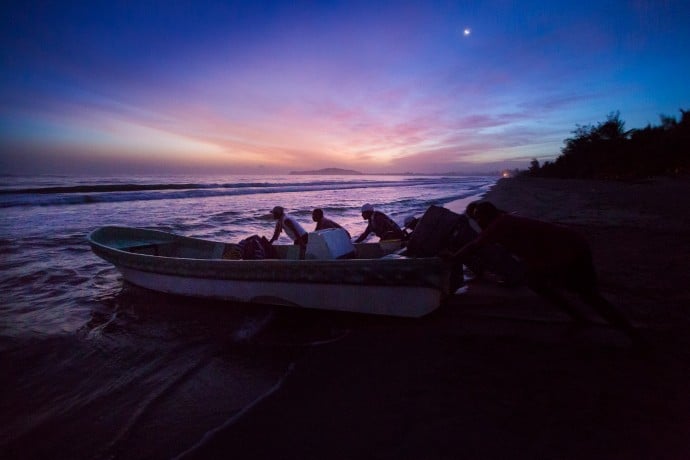
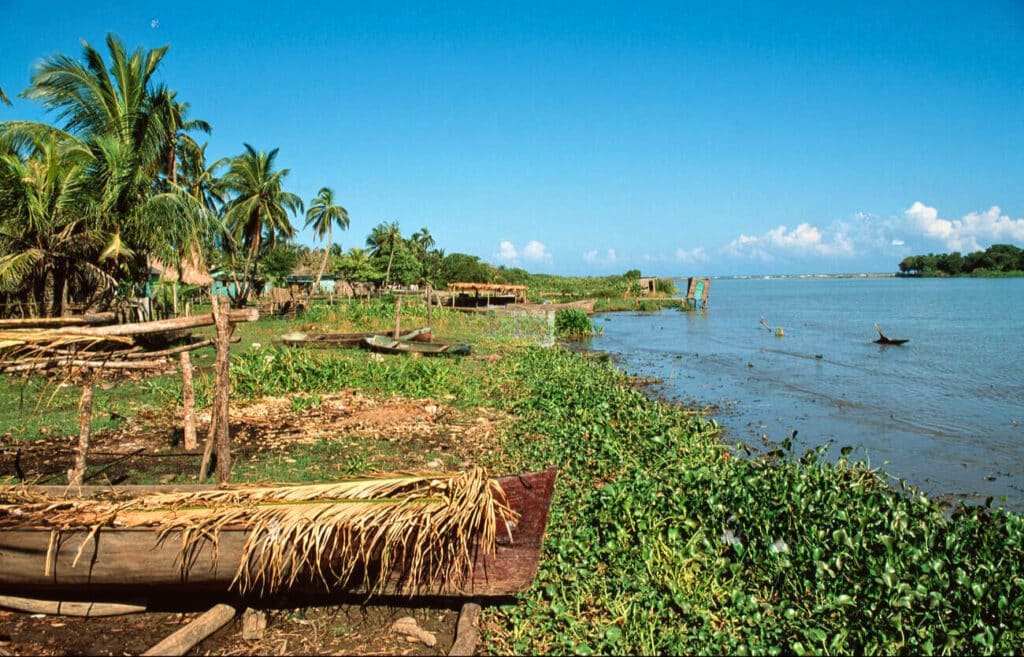
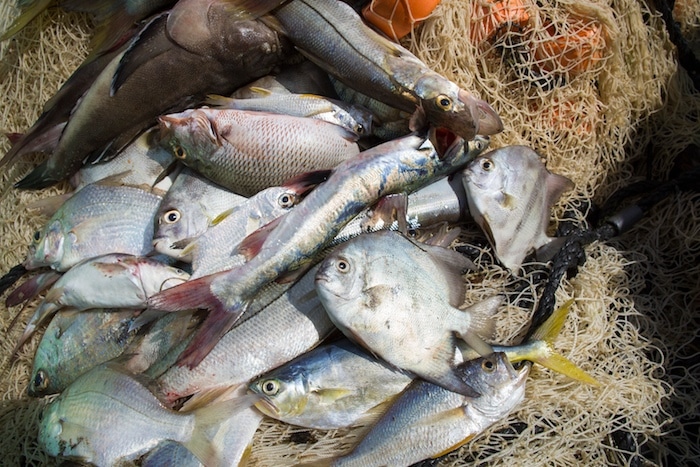
The Garifunas of Honduras embody a living memory of the Black Caribbean, at the crossroads of history, maritime tradition and contemporary struggles for cultural survival. For this Afro-Indigenous community, artisanal fishing is much more than an economic activity; it is the foundation of their identity. Heirs to a unique blend of escaped Africans and indigenous Caribbean populations, the Garifunas have developed and preserved a maritime know-how that intimately links everyday gestures to a vision of the world shaped by the ocean.

A story born of exile and resistance

The Garifunas of Honduras were not born on the shores of Central America. Their story takes root in the 17th century, on the Caribbean island of Saint-Vincent, where shipwrecked – and sometimes escaped – African slaves found refuge among the indigenous Kalinagos and Arawaks. This mix, unique in Caribbean colonial history, gave rise to a new community: the Garifunas.

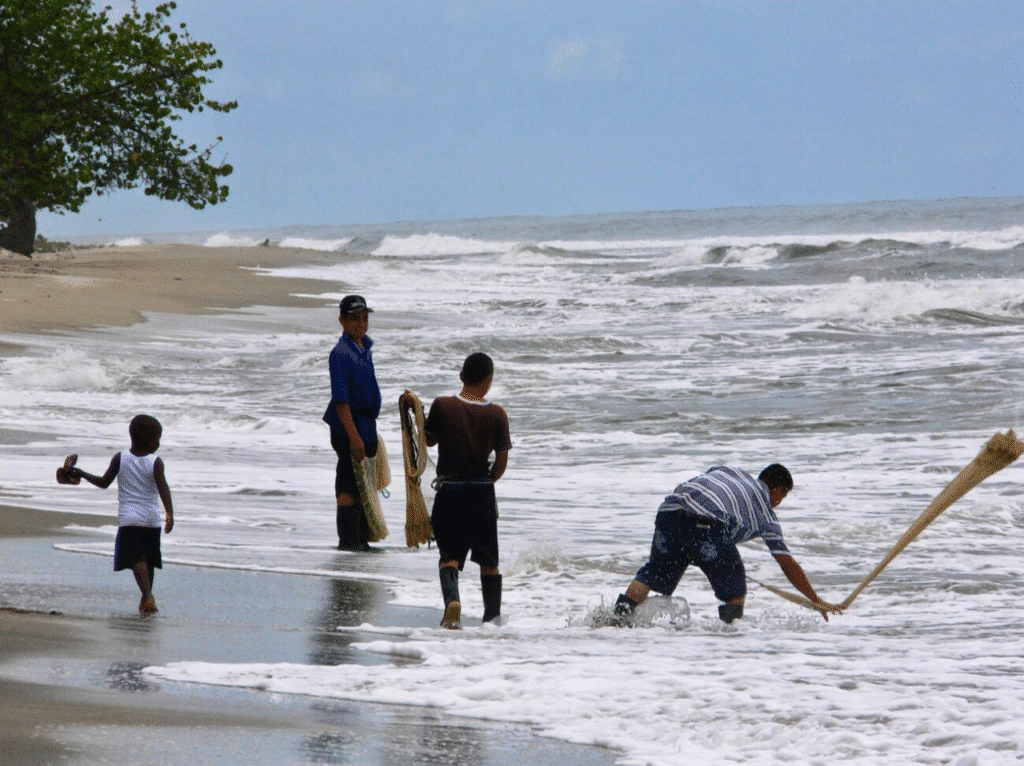
But this relative autonomy came to an end with the arrival of the British. In 1797, accused of supporting the French, the Garifunas were captured and deported en masse to the island of Roatan, off the coast of Honduras. From there, they gradually settled on the Caribbean coasts of Honduras, Belize, Guatemala and Nicaragua. It was on these shores that their special relationship with the sea emerged, through artisanal fishing.

Garifunas of Honduras
©samaritanpurse.org
Garifunas of Honduras
©samaritanpurse.org

Fishing rooted in tradition

Even today, the Garifunas of Honduras perpetuate techniques that have been passed down orally for generations. Far removed from industrial logics, their practice relies on light boats, often made of wood, powered by oars or small motors, as well as on the use of nets, lines and creels. Respect for the reproductive cycle of species, detailed knowledge of currents and the seabed, and the ability to read the signs of the sky are all part and parcel of their expertise.

Fishing is not just a matter of subsistence. It’s a deeply cultural act, closely linked to cuisine, music and spirituality. Traditional dishes such as Machuca (mashed plantain with fish in a coconut milk broth) tell the story of the sea as much as they nourish the body. The transmission of these recipes, the sharing of meals and the songs sung on fishing trips are all part of a genuine community ritual.

Garifunas of Honduras

A central role for women in the maritime economy

If the figure of the fisherman is often masculine, the Garifunas of Honduras are actually an ecosystem in which women play a central role. They prepare, process and sometimes even sell the fish. They keep culinary practices alive and organize the solidarity networks that keep villages alive. In some communities, they are also involved in coastal fishing, particularly for shellfish.

The Garifuna social model is based on complementarity between the sexes, structured around the extended family and the community. This strong social fabric provides a bulwark against external pressures, but is now under threat.

Garifunas of Honduras

Land pressure and ecological upheaval

Since the 1990s, the Garifunas of Honduras are seeing their way of life threatened by the expansion of agro-industrial, tourism and sometimes extractive projects on their coastal lands. The development of palm oil plantations, resorts and marinas is encroaching on traditional fishing grounds, sometimes without prior consultation with local communities.

Expropriations, often contested by local residents, raise legitimate concerns about respect for Garifuna land rights. This phenomenon is leading to a scarcity of accessible marine resources, increased pressure on ecosystems and the gradual economic marginalization of fishermen.

Added to this are the effects of climate change. Coastal erosion, rising sea temperatures and disrupted breeding seasons have a direct impact on the abundance and diversity of fish species. The Garifunas of Honduras must now navigate in an increasingly uncertain environment.

Community and legal mobilization

In the face of these challenges, communities are not remaining passive. The Black Honduran Fraternal Organization (OFRANEH), a pillar of the Garifuna movement, has been working for over 40 years to defend the cultural and territorial rights of the Garifunas. It supports the Garifunas of Honduras through awareness-raising campaigns, legal action at national and international level, and support for food sovereignty projects.

Emblematic cases include that of the community of Triunfo de la Cruz, which won its case before the Inter-American Court of Human Rights. OFRANEH also campaigns for sustainable fishing practices that respect biodiversity and are adapted to the local ecological context.

Community and legal mobilization

In the face of these challenges, communities are not remaining passive. The Black Honduran Fraternal Organization (OFRANEH), a pillar of the Garifuna movement, has been working for over 40 years to defend the cultural and territorial rights of the Garifunas. It supports the Garifunas of Honduras through awareness-raising campaigns, legal action at national and international level, and support for food sovereignty projects.

Emblematic cases include that of the community of Triunfo de la Cruz, which won its case before the Inter-American Court of Human Rights. OFRANEH also campaigns for sustainable fishing practices that respect biodiversity and are adapted to the local ecological context.

A threatened but resilient living heritage

Beyond the material aspects, the Garifunas of Honduras are the guardians of an exceptionally rich intangible heritage. Their language, their music to the rhythm of drums and the puntatheir dances and beliefs linked to the sea make up a powerful symbolic universe. Fishing is both an everyday act and a metaphor for our relationship with the world.

Every trip out to sea, every net cast into the water, is also an act of cultural resistance. Sea tales, work songs and prayers to ancestors before fishing bear witness to a sacred relationship with the environment.

Garifunas of Honduras

Garifuna of Honduras are not just economic players in coastal areas. They embody a balance between tradition and resilience, between ancestral know-how and contemporary issues. Their presence on the shores of Honduras is a reminder that the sea is not just a space of resources, but also a place of memory, transmission and struggle. Defending their way of life also means preserving another way of living in the world, one that is more respectful of natural and human balances.

The U.S. Virgin Islands assert their cultural and tourist uniqueness

At Seatrade Cruise Global 2025 in Miami, the US Virgin Islands (USVI) highlighted what makes them unique in the Caribbean:
a unique cultural heritage, stemming from a Danish history that is still very much alive, combined with an ambitious, sustainable cruise strategy.

Through the voice of Alani Henneman, Deputy Commissioner of the US Virgin Islands Department of Tourism, the archipelago affirms its desire to combine tourism growth with the preservation of its plural identity.

Three islands, three experiences, authentic hospitality

Tourism, the territory’s leading industry, relies heavily on cruises.
With 1.8 million cruise passengers this year and a forecast of 1.9 million next year, the USVI has confirmed its strategic position on Caribbean itineraries.

Cruising is a year-round activity, with a slight low season in summer.
Efforts made during the pandemic to improve port infrastructures are now bearing fruit: better traffic flow, better flow management, and an upscale customer experience.

US Virgin Islands

Comprising St. Thomas, St. John and St. Croix, the US Virgin Islands offer a diversity that is rare in the Caribbean.
Each island boasts its own unique atmosphere:

  • Saint-Thomas, vibrant and dynamic,

  • Saint-John, unspoilt and wild,

  • Saint-Croix, steeped in culture and history.

🎯 Alani Henneman’s stated aim: to make the USVI not just a stopover, but a real gateway to discover the richness of the region.

US Virgin Islands
Saint-Thomas
US Virgin Islands
Saint John
US Virgin Islands
Saint-Croix

Turning a stopover into a cultural immersion

For Alani Henneman, the major challenge now lies in transforming the cruise experience.

We have a strong cultural identity that we want to share: the quadrille, Danish architecture, our music and traditions. That’s what we want visitors to experience. “she explains.

The development of new themed excursions and the improvement of the hotel offer are at the heart of the strategy.
The ambition is clear: to encourage cruise passengers to extend their stay, by offering them authentic and memorable experiences.

🎯 If she could grant a wish, Alani Henneman would like to see the creation of new hotels, to turn even more passing visitors into long-term tourists.

US Virgin Islands
US Virgin Islands
US Virgin Islands

USVI, between living roots and the future of tourism

At Seatrade Cruise Global 2025, the US Virgin Islands reaffirmed that it is possible to combine historical heritage, modern tourism and a warm welcome.
By capitalizing on the uniqueness of their history and the diversity of their islands, they are charting an ambitious course:
to make every cruise a true voyage to the heart of an authentic, proudly preserved Caribbean identity.

Saint-Martin asserts its ambition to offer tailor-made cruises for refined tourism

Present at Seatrade Cruise Global 2025 in Miami, Saint-Martin (French part) asserted its unique positioning in the world of Caribbean cruising.
Through the testimonials of Aïda Weinum and Ellis Albéric, the island highlighted its desire to offer an authentic, selective experience that respects its cultural and environmental identity.

Saint-Martin

Authenticity as a pillar of tourism development

For Aïda Weinum, Director of the Saint-Martin Tourist Office, it’s essential to preserve the soul of the island in a rapidly changing cruise industry.

In Saint-Martin, the choice is clear: no very large liners on the French side, to preserve the balance between tourism and quality of life.

The island favours small cruisers and offers passengers a tailor-made experience, focusing on :

  • Gastronomy, as Saint-Martin is recognized as the gastronomic capital of the Caribbean,

  • Cultural workshops, such as cooking classes, dance classes and historical tours,

  • Authentic discoveries, far from mass tourism.

Saint-Martin
Aïda Weinum

We want every visitor to leave with a genuine souvenir, a sincere encounter with our region,” explains Aïda Weinum.

Raising awareness among the local population is also a major challenge, so that everyone becomes a player in this dynamic of upscale hospitality.

🎯 Aïda Weinum’s ambition is to establish Saint-Martin as a refined, human cruise destination, firmly rooted in its Caribbean identity.

Saint-Martin
Saint-Martin
Saint-Martin

A port for customized excellence

Saint-Martin
Albéric Ellis

Ellis Albéric, Managing Director of the Établissement Portuaire de Saint-Martin, confirms this differentiating strategy on the French side.

The port welcomes only small-capacity vessels, up to 750 passengers, giving priority to :

  • A human-scale approach,

  • A quality stopover, without saturation,

  • Personalized support for tourist flows.

Saint-Martin
Saint-Martin
Saint-Martin
Saint-Martin

A Caribbean delegation in solidarity in Washington

Saint-Martin

Our aim is not to compete with the big ports, but to offer a high-end alternative to companies and passengers alike,” stresses Ellis Albéric.

With a strong season from mid-November to May and growth of over 20%, the port plans to :

  • Platform expansion,

  • Dredging the channel to make it easier to accommodate certain units,

  • Maintaining quality standards in port and tourist services.

🎯 Ellis Albéric’s vision: to make Saint-Martin an exceptional stopover for customers in search of authenticity and refinement.

Saint-Martin, a destination of excellence

Saint-Martin

At Seatrade Cruise Global 2025, Saint-Martin (French part) demonstrated that authenticity and high standards can be the best allies of an ambitious tourism strategy.
By combining gastronomy, culture, tailor-made hospitality and port excellence, the island confirms its ambition: to remain true to its identity while offering visitors a rare and precious experience in the Caribbean.

Saint-Martin

The port of Saint Barthélemy is currently the focus of much attention. Faced with growing saturation, the local authority has launched an expansion project, essential to guaranteeing the smooth flow of trade and the island’s prosperity. Here are the issues, challenges and future of this essential infrastructure.

The port of Saint Barthelemy : the island's backbone

An irreplaceable economic role

The port of Saint Barthélemy is more than just a quay where ships dock. It is the logistical heart of the island, through which cement, vehicles, foodstuffs, fuel and various parcels pass every day. For Saint Barthelemy, where almost everything is imported, the port is synonymous with economic survival and social stability. Without it, business and daily life would come to a standstill.

An ever-increasing variety of goods flows

Every year, the port of Saint Barthélemy sees an impressive variety of goods pass through its doors. Containers of fresh produce, building materials, cars, fuel and even equipment for luxury hotels and villas pass through its quays. This diversity of flows underlines the port’s strategic importance for the entire community.

port de Saint Barthélemy

Saturation threatens logistical balance

Unprecedented traffic growth

For the past ten years, traffic at the port of Saint Barthelemy has been growing steadily. After Hurricane Irma and the economic recovery, the island saw a doubling in the number of containers imported. In 2023, nearly 8,500 containers and over 7 million liters of fuel were unloaded. This exponential growth is putting a strain on existing infrastructures.

Practical consequences in everyday life

Lack of space leads to major difficulties. Maneuvering areas are narrow, containers, barges and tankers are difficult to accommodate, and operations are sometimes confused. On some days, it’s almost impossible to simultaneously manage the unloading of a tanker and the arrival of general cargo, which slows down the supply of goods to the island and creates tensions among professionals in the sector.

port de Saint Barthélemy

A necessary expansion project

An investment of 10 million euros

Faced with this saturation point, the local authorities have decided to invest 10 million euros to expand the port of Saint Barthélemy. The project, entirely financed locally, aims to create 2,200 m² of additional quay space, representing an increase of more than 20% in operational surface area. The work, which will take five months to complete, is expected to improve traffic flow and operational safety.

Planning for the future

The expansion is not just about adding space. It also involves reorganizing flows, separating unloading areas, creating dedicated spaces for refrigerated containers and reinforcing security around sensitive installations, such as the drinking water production plant. The inner dock will be filled in to provide a new storage and handling area to meet the island’s growing needs.

The challenges of port management in Saint Barthelemy

Coexistence of different types of traffic

One of the main challenges remains the simultaneous management of different types of traffic. Containers, fuel, unloading barges: each activity has its own constraints. Expansion must be accompanied by more rigorous organization to avoid conflicts of use and guarantee the safety of all those involved.

Regulate to avoid further saturation

Expanding the port also means running the risk of further traffic growth. To avoid further saturation, the local authority is considering modulating the port tax according to the length of stay of goods, in order to encourage regular rotation and limit quay congestion. This regulation will be essential to maintain the port’s efficiency over the long term.

port de Saint Barthélemy

The port of Saint Barthelemy, a pillar of public finances

Quay dues: a major resource

A 5% wharfage charge is levied on all goods unloaded. This tax, which replaces VAT on the island, brings in almost 23 million euros a year for the local authority, making the port the second-largest source of public revenue after property transfer taxes. This simple, effective tax system enables the island to finance its infrastructure without resorting to debt.

A direct impact on island life

Revenues generated by the port account for almost a quarter of the community’s budget. They are used to finance investment in schools, health, roads and safety. The smooth running of the port therefore determines not only the supply of goods to the island, but also the quality of life of its inhabitants and the community’s ability to invest in the future.

Expanding the port is much more than a simple infrastructure project. It’s a concrete response to current saturation and a gamble on the island’s economic future. Thanks to this investment, the port of Saint Barthelemy will be able to continue playing its role as the backbone of the island’s supply, security and prosperity for years to come.

Martinique asserts its ambitions at Seatrade Cruise Global 2025

From April 8 to 11, 2025, Martinique shone at the  Seatrade Cruise Global in Miami, the world’s largest trade show dedicated to the cruise industry.
Through the voice of the Grand Port Maritime, the Comité Martiniquais du Tourisme, Marship – Antilles Shipping Services, and the CODERUM, the island has set itself a clear goal: to strengthen its position in the Caribbean cruise ecosystem, by combining operational excellence, tourism strategy and heritage enhancement.

Martinique

The Grand Port Maritime de la Martinique: a hub in full transformation

For Bruno Mencé, Chairman of the Board of the Grand Port Maritime de la Martinique, the Seatrade is “the place to be”.
In a Caribbean region that accounts for 38% of the world cruise market, it was essential for the port to assert its projects and investments with European and American companies.

The major challenge? The impact of the new European environmental tax (ETS), which penalizes both air tickets and sea fares. ” The impact on air fares can be as much as 180 euros per passenger, which is a real brake on our development as a port base,” explains Bruno Mencé.

Martinique
Bruno Mencé

In the face of these challenges, Martinique is counting on the unity of its players: the port, shipping agents and the Comité Martiniquais du Tourisme (Martinique Tourism Board) are moving forward together with a common vision. This collective approach has been hailed by companies as a guarantee of reliability and attractiveness.

🎯 If Bruno Mencé had a magic wand, he would above all like to ” lighten the impact of the ETS to preserve the development of cruising in Martinique”.

Martinique
French Guiana
French Guiana
Martinique

The Comité Martiniquais du Tourisme: positioning the island as a territory of excellence

Martinique
Bruno Brival

For Bruno Brival, CMT General Manager, Seatrade is a strategic opportunity to prepare for future seasons and attract new companies.
We still have a lot under our belts, as they say. Now it’s up to us to structure offers that are more rooted in the authenticity of the region, to transform this potential into a differentiating offer. “he stresses.

Today, Martinique is highly rated by cruise lines, but must continue to innovate. The region is moving towards year-round cruise tourism, beyond the high season, with jobs that will become less seasonal.

Martinique
Martinique
Martinique

Bruno Brival recalls the four pillars of the island’s tourist identity:

  • Seaside and water sports,

  • Historical and memorial heritage,

  • Gastronomy and spirit tourism,

  • Nature and biodiversity.

🎯 If he had a magic wand, Bruno Brival would like to ” structure a more immersive, authentic and sustainable tourism offer “.

Martinique
Martinique
Martinique
Martinique
Martinique
Martinique
Martinique
Martinique
Martinique
Martinique
Martinique

Photo credit @Comité Martiniquais de Tourisme

Marship - Antilles Shipping Services: guaranteeing operational excellence for the cruise industry

Martinique

Present in Guadeloupe and Martinique for over twenty years, Marship and Antilles Shipping Services are the full representatives of shipping companies, whether cruise or cargo.
Our role is to coordinate everything: customs formalities, provisioning, technical assistance, passenger reception, waste management “, explains Catherine Defontis, Branch Manager.

Their unobtrusive but essential work ensures that every port of call runs smoothly.
Marship works with a wide range of companies: MSC, Virgin Voyages, Mein Schiff, Royal Caribbean, Carnival, Compagnie du Ponant, and many others.

Martinique

However, several obstacles remain:

  • Cumbersome administrative procedures compared with other Caribbean territories,

  • The financial impact of the ETS, which makes French stopovers more expensive than those of their English-speaking neighbors.

🎯 If the Marship team had a magic wand, they would ” do away with the ETS, increase the number of stopovers, and continue to strengthen links between all players in the sector”.

Martinique

CODERUM: promoting authentic Martinique through spirit tourism

Martinique
Célia Sainville and the CODERUM and Comité de Tourisme Martiniquais teams

Célia Sainville, tourism manager at Habitation Clément represented CODERUM at Seatrade.
Her mission: to defend the spiritourisme, a cultural showcase for Martinique rum.

Spiritourism adds a strong cultural dimension to our tourism offering,” she reminds us.
Visiting historic distilleries, tasting rums and discovering the region’s built heritage are all experiences that enrich the stopover and leave a lasting impression on cruise passengers.

🎯 If Célia Sainville had a magic wand, she would like ” every cruise passenger, after discovering our sites, to want to come back for a real stay in Martinique “.

Martinique
Martinique
Martinique
Martinique
Martinique
Martinique
Martinique
Martinique

Coeur des îles: Martinique's experience earns international acclaim

Another strong signal for Martinique is the international recognition of the Martinique-based incoming agency Coeur des îles, recently awarded a prize by Azamara Cruises in the “Best New Tour Operator” category – a first for the Antilles. Behind this award lies the in-depth work carried out by the Julian’s group since 2022, with a qualitative, immersive and sustainable approach to tourism.

By focusing on small groups, off-the-beaten-track tours (cocoa, vanilla, Creole garden) and a coherent blend of physical activity, culture and gastronomy, Coeur des îles is responding to a growing demand to give meaning to the experience. This strategy appeals as much to North American cruisers – on the rise with 11 weekly flights to Canada in high season – as to longer-stay travelers. With more than 80,000 visitors a year, the agency proves that it is possible to combine high operational standards with local roots.

Martinique

Martinique charts its course towards an ambitious maritime future

At Seatrade 2025, Martinique demonstrated its collective spirit, its capacity for innovation and its determination to assert its Caribbean identity.
By combining port excellence, an authentic tourism offering and a strategy of unity between stakeholders, the island is gradually establishing itself as a benchmark cruise destination in the Caribbean.

The challenge remains great, between regional competition, regulatory adaptation and constant innovation.
But one thing is certain: Martinique is moving forward with conviction towards an ambitious and sustainable maritime future.

Martinique
Martinique
Martinique
Martinique

The Caribbean Shipping Association organizes the 23rd edition of the Caribbean Shipping Executives’ Conference (CSEC 2025) Fort Lauderdale, May 19-20, 2025. More than 300 maritime industry leaders from the Caribbean, Latin America and the United States will meet to discuss structural issues affecting supply chains, port security and commercial change in the Caribbean basin.

A unifying organization at the heart of regional exchanges

Founded in 1970 in Kingston, Jamaica, the Caribbean Shipping Association represents all maritime transport players in the area. Its role is to structure cooperation between ports, shipowners and freight forwarders, defend common interests and support the modernization of the sector. Backed by over five decades of experience, it is now a key player in the transformation of the regional maritime economy.

Why Fort Lauderdale for the CSEC 2025?

The holding of CSEC 2025 in Fort Lauderdale underlines the strategic importance of Port Everglades, a major infrastructure in Broward County. At the crossroads of trade between the United States and Caribbean countries, this port is adapting to the new demands of regional trade. According to Joseph Morris, Port Everglades’ General Manager, the evolution of equipment and the digitalization of logistics operations are positioning the port as a key player in cross-border maritime dialogue.

Caribbean Shipping Association

Themes in line with the sector's transformations

AI and the maritime supply chain

The integration of artificial intelligence into port and logistics management will be a central theme of CSEC 2025. The Caribbean Shipping Association will highlight the work of Daniel Acosta (Grydd Inc) and Alex Marroquin, who will illustrate how AI can improve port responsiveness and the operational performance of shipping companies. They will also discuss profitability, process automation and business intelligence.

Climate resilience and port safety

Resilience in the face of climate disruption and improved safety are among the priorities addressed. Business continuity plans, resilient infrastructures, shore power, innovations in low-emission fuels… The Caribbean Shipping Association aims to engage its members in concrete strategies for ecological transition, adapted to the specificities of the climate and local resources.

Tariffs and changes in cruising

The implications of US trade policies and the outlook for the cruise sector will be discussed on the second day. Diego Rodriguez Paez (Americas Market Intelligence) will present a macroeconomic analysis of Latin America, with a focus on port flows and tariff trends. The aim of this session is to strengthen the anticipation skills of Caribbean Shipping Association.

Caribbean Shipping Association

Key players and structuring partnerships

Official opening and speeches

William Brown, President of the Caribbean Shipping Associationand Milaika Capella Ras, General Manager, will introduce the event. They will be joined by Hazelle P. Rogers (Broward County Commissioner) and Joseph Morris. This opening sequence will emphasize the importance of a concerted approach to tackling regional logistics, energy and trade challenges.

Strategic partners

The CSEC 2025 is supported by major players such as Port Everglades, Tropical Shipping, Shipco Transport, Svitzer, Tote Maritime, Kingston Wharves Ltd, Inter-American Development Bank and CFL Global Logistics Solutions. These partners illustrate the Caribbean Shipping Association federate public, private and multilateral institutions around concrete projects.

Why register for CSEC 2025?

Direct access to expertise and networking

The CSEC 2025 offers a unique opportunity to dialogue with the leaders of the Caribbean Shipping AssociationThis will enable them to benefit from sector feedback and position themselves within a solid regional business network. Workshops, conferences, informal networking sessions… each sequence is designed to encourage useful exchanges.

Registration, fees and location

Registration is online on the official website of the Caribbean Shipping Association (conference.caribbeanshipping.org). Members benefit from a preferential rate of 750 USD until April 4, then 850 USD until May 15. Non-members can register at an early bird rate of 1,100 USD, or 1,250 USD until May 15. Day passes are also available. The event will be held at the Hilton Fort Lauderdale Marina, within easy reach of the region’s main hubs.

Caribbean Shipping Association

By bringing together decision-makers, experts and operators in the sector, the Caribbean Shipping Association confirms its structuring role for the region. The CSEC 2025 promises to be a forum for collective reflection, in the service of more resilient, more intelligent and better coordinated maritime transport. An essential milestone in anticipating future changes.

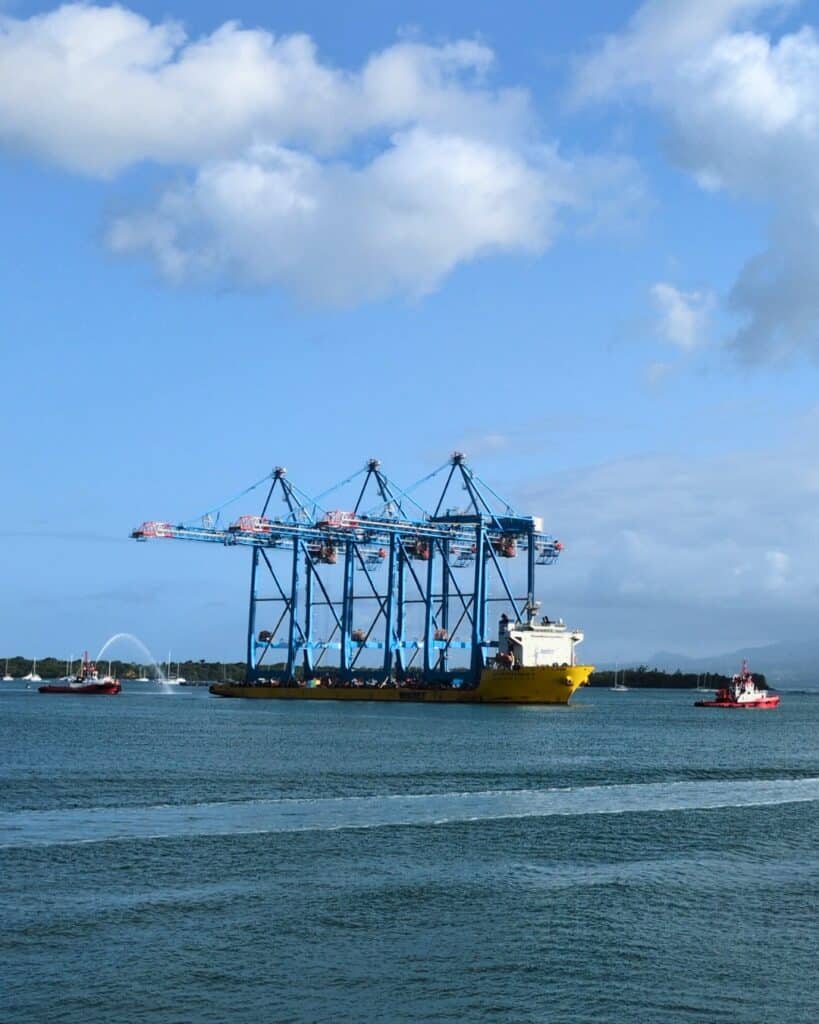
On May 12, 2025, on the Pointe des Grives quay, the Grand Port Maritime de la Martinique presented two new-generation gantry cranes. This equipment marks a strategic step forward for the region, at the heart of the Hub Antilles project, supported by the French government, local authorities and private partners.

A structuring step forward for the Pointe des Grives terminal

“This is just one brick in the larger Hub Antilles project,” asserts Bruno Mencé, Chairman of the Executive Board of the Grand Port Maritime. The arrival of these two gantry cranes marks an essential step in a major modernization program designed to make Martinique a high-performance logistics hub in the Caribbean.

Hub Antilles
Bruno Mencé

Designed by a Franco-Chinese consortium and manufactured in China, this low-profile Hub Antilles project equipment – rare in the world – took 60 days at sea to reach Fort-de-France. Each weighs 1,600 tonnes and represents a total investment of 35 million euros. Commissioning is scheduled to take place between the end of July and September 2025.

“We’re going to go from 180,000 TEU to 300,000, adding transshipment to our operations. These gantry cranes will improve our performance by at least 30%,” he explains. This increase is in response to the need to accommodate larger vessels, up to 7,900 TEU, in anticipation of growth in regional traffic.

Hub Antilles

Economic development, regional cooperation and logistical sovereignty

Bruno Mencé detailed the Hub Antilles’ ambition: “It’s not just about transshipment. It’s about creating value, capturing flows from South America, processing locally and re-exporting. A logistics zone in the inner harbor is planned to develop these processing activities.

The Hub Antilles has a clear objective: to offer local companies new economic outlets by facilitating supply, industrial transformation and re-export within the Caribbean zone. This logistical leverage should enable the structuring of a new value chain, more integrated, more competitive, and less dependent on traditional channels via Europe.

Hub Antilles

He has also announced his attendance at the annual Caribbean Ports Congress in Curacao, where the project will be presented to raise Martinique’s profile in the region. The port intends to offer an alternative to saturated hubs such as Kingston and Cartagena.

Coordinating, securing and adapting: the keys to commissioning

For Ivanh Alingéry, the port’s Director of Operations, the arrival of the gantry cranes is the culmination of a project lasting over two years: “This is a major milestone. This equipment, ordered over two years ago, is finally here. Now we just have to make the most of it.

Hub Antilles
Yvanh Alingéry

Unloading the gantry cranes from the ship is a delicate operation. “Each gantry weighs 1,600 tonnes. They have to be transferred to the quay in complete safety, thanks to sensors installed to monitor the structure during the maneuver.”

What happened next? Months of fine-tuning and adaptation. “It takes one to two years for optimal use. This is what we call a debugging period, when we fine-tune the parameters to adapt them to our ships and production rates.”

Despite the technical challenges, Alingéry emphasizes the collective commitment: “The teams have risen to every challenge so far. It’s a shared success.”

Cross-fertilization: institutional vision, port memory and ecological ambition

Frantz Thodiard, Vice-Chairman of the Supervisory Board and former Port Director, retraced the history of the different generations of gantry cranes: “We’re on the fourth, and it’s the ports that adapt to the ships, not the other way round. The project is mature, supported by the State, the CTM, the AFD, and European funds.” He insists on creating value and jobs: “Alé, viré é rété. It’s about creating local jobs and businesses around maritime transport, digital technology and the environment.

Hub Antilles
Frantz Thodiard

Jean-Claude Florentiny, speaking on behalf of the Development Council, hailed this rare and structuring renewal: “It’s not an everyday occurrence. Attractiveness also depends on our ability to attract other shipping companies. It’s a common tool, and we should be proud of it.

Hub Antilles
Jean-Claude Florentiny

Philippe Rech, representing CMA CGM, praised the quality of the collaboration: “Genuine attentiveness, professional rigor. It’s a pleasure to work with professionals. He also announced the arrival of six hybrid straddle carriers, and the deployment of a new photovoltaic-powered reefer fleet, representing an investment of around 30 million euros.

Hub Antilles
Philippe Rech

Maurice Claude, a former employee of the port, gave a testimony charged with memory and transmission. “What you see here, we built with our own hands. At the start, there was nothing. This terminal is the fruit of our sacrifices”, he recalled with emotion. Drawing on his 38-year career, he stressed the importance of never losing sight of the human dimension of these achievements: “A man without memory is a man without life. A people without memory is a people without a future.

Hub Antilles
Claude Maurice

Two current employees also spoke at the event. The first, impressed, said: “It’s not every day you see something like this. We’re used to seeing gantries on rails, but put on a boat like this, it’s impressive.”

The second shared a more transmission-oriented view: “I’ve seen the arrival of P4, P5, P6… Today, P7 and P8. I hope that the young people who have just arrived, and those who will arrive, will be able to continue the work we’ve started.”

Hub Antilles
Kevin Modestin
Hub Antilles
Michel Jouan

A tool for the future

This project has been awarded the “La Mer en Commun” label as part of the Year of the Sea 2025. It is as much a technical investment as a structural commitment: Martinique is asserting its determination to play a leading role in regional exchanges.

The port’s transformation is underway, and it’s an entire ecosystem that needs to get to grips with it: companies, manufacturers, importers, elected representatives. “The economic players have to get on board,” insists Bruno Mencé. “These gantries are a key. It’s up to all of us to build on this.

Hub Antilles
Hub Antilles
Hub Antilles
Hub Antilles
Hub Antilles
Hub Antilles

Sint Maarten asserts its ability to combine gigantism and quality of welcome

Present at Seatrade Cruise Global 2025 in Miami, Sint Maarten highlighted one of its greatest strengths:
its unique ability to simultaneously welcome several of the world’s largest cruise ships, while offering a safe, smooth and welcoming experience to cruise passengers.
Through the testimony of Rensley Rollan, Port Facility Security Manager at the Port of Sint Maarten, the Dutch island affirms its ambition to combine operational excellence with Caribbean hospitality.

Sint Maarten

Impressive control over the flow of cruise passengers

For Rensley Rollan, Sint Maarten’s performance is based on meticulous organization.
The port can accommodate up to seven cruise ships simultaneously, including theIcon of the Seas, the world’s largest cruise liner.

We are capable of handling over 30,000 passengers in a single day, which is more than the entire population of the Dutch side of the island,” he explains.
A challenge met thanks to close coordination between port teams, security forces and local authorities.

French Guiana
Rensley Rollan

The system is reinforced on busy days:

  • Traffic control,

  • Creation of safe pedestrian zones,

  • Permanent patrols to guarantee passenger safety.

Even alcohol-related incidents or medical emergencies are handled with responsiveness and efficiency.
🎯 Rensley Rollan’s wish: to further expand the port in anticipation of market growth and continue to offer a seamless experience to visitors.

A lively destination, combining leisure and authenticity

Sint Maarten

Beyond its infrastructure, Sint Maarten seduces with its unique energy.
With its water sports, lively beaches, festivals, casinos and vibrant nightlife, the island is often described as a veritable “mini Las Vegas” of the Caribbean.

This diversity allows cruisers to enjoy a wide range of experiences:

  • Farniente on white sandy beaches,

  • Cultural exploration,

  • Creole and international cuisine,

  • Sports activities for all tastes.

Even during the low summer season, Sint Maarten maintains a regular cruise activity, welcoming several calls per week.

🎯 Rensley Rollan’s vision: to continue to offer a lively, rich and attractive destination, while managing the growing volumes of visitors.

Sint Maarten, the balance between power and hospitality

At Seatrade Cruise Global 2025, Sint Maarten reaffirmed its unique position as a port of excellence capable of welcoming the world’s largest ships, without ever sacrificing the human experience and quality of welcome.

With its world-class infrastructure and Caribbean energy, Sint Maarten embodies a powerful promise: to bring gigantism, fluidity and authenticity to the world of modern cruising.

Cruise tourism in Saint Kitts : The announcement marks a turning point for the island, which recorded an 8% increase in cruise passenger arrivals during the 2024-2025 high season, compared with the previous year. Between October 2024 and April 2025, Saint Kitts welcomed 748,056 cruise passengers, compared with 690,244 in the previous season. This increase is no mere coincidence, but the fruit of a considered strategy led by the Ministry of Tourism, its partner agencies and industry players.

Speaking at a press conference at the St. Kitts Marriott Resort on April 29, 2025, Minister of Tourism Marsha Henderson emphasized that this growth was “the result of collective efforts to enhance the visitor experience, strengthen port infrastructure and ensure tourist satisfaction and safety”. This dynamism is in line with the company’s determination to make tourism a lever of development for the entire population of Saint Kitts.

Cruise tourism in Saint Kitts
Hon. Marsha T. Henderson

Growth drivers of cruise tourism in Saint Kitts

Strategic collaboration and joint efforts

The success of the 2024/2025 season is based not only on the island’s natural appeal, but also on close collaboration between the Ministry of Tourism, partner agencies and industry professionals. This synergy has enabled us to optimize our welcome for cruise passengers, offer high-quality services and ensure flawless organization at every port of call.

Minister Marsha Henderson emphasizes the importance of this collective approach: “This growth is the result of joint efforts, all focused on improving the visitor experience, developing port infrastructures and ensuring tourist satisfaction”. The figures speak for themselves: Saint Kitts cruise. Saint Kitts now boasts 748,056 visitors in a single season, making it one of the best-performing destinations in the region.

Cruise tourism in Saint Kitts

Improving port infrastructure

One of the pillars of this growth has been ongoing investment in port infrastructure. The port of Zante, the main point of arrival for cruise passengers, has benefited from improvements designed to make disembarkation more fluid, enhance security and provide attractive shopping areas for visitors. These improvements have helped to strengthen the image of Cruise tourism in Saint Kitts as a pleasant, well-organized stopover.

Companies such as Royal Caribbean, Norwegian, Celebrity, Carnival and MSC have multiplied their stopovers, seduced by the quality of the facilities and the welcome reserved for their passengers. This success confirms that cruise tourism in Saint Kitts is a lasting trend.

Cruise tourism in Saint Kitts

The impact of cruise tourism on the local population

Economic and social benefits

Over and above the figures, the Minister of Tourism reminds us that “the real success of tourism is not measured in visitor numbers alone, but in the concrete impact it has on people’s lives”. The increase in arrivals has generated significant economic spin-offs, creating jobs, boosting local trade, developing new activities and increasing purchasing power.

The cruise industry acts as a driving force for many small businesses, artisans, restaurateurs and local guides. Thanks to the influx of visitors, these players benefit from a renewed clientele and new growth opportunities.

The Tour Development Programme: a lever for small businesses

Program objectives and operation

To bring the benefits of tourism to the entire population, in August 2024 the Ministry launched the Tour Development Programme. This scheme supports small businesses in creating authentic tourist experiences, promoting the island’s culture and heritage.

At present, 15 local companies benefit from personalized support to design, promote and market their offers to cruise passengers. The aim is clear: to ensure that the Cruise tourism in Saint Kitts also supports the industry’s smaller players.

Results and outlook

The initial results are encouraging: increased sales, improved visibility, greater capacity for innovation. The Ministry of Tourism is committed to continuing this support so that these companies can continue to develop.

Cruise tourism in Saint Kitts
Hon. Marsha T. Henderson

The evolution of tourism operators and the challenges they face

Insurance: a hurdle cleared

One of the main obstacles encountered by small operators was access to suitable insurance, which is essential if they are to offer their services to cruise operators. Thanks to the Ministry’s action, this problem has now been resolved. These companies can now offer their services directly via the cruise lines, in the same way as the major operators.

This step guarantees fairer competition and opens up new growth prospects for smaller structures, reinforcing the diversity of the Cruise tourism in Saint Kitts .

Direct access for cruisers

Small local businesses can now offer their tours directly to passengers, without intermediaries. This development promotes a more authentic and equitable form of tourism, in direct contact with the local population.

Future prospects and partnerships

Visits to large cruise groups

The future looks bright, with the upcoming visit of Royal Caribbean officials to explore partnership opportunities. This follows a meeting with Carnival Corporation in October 2024.

These exchanges bear witness to the interest shown by major cruise lines in Cruise tourism in Saint Kitts and point to new prospects for the coming seasons.

Future challenges and sustainability

Despite these successes, a number of challenges remain: managing flows, preserving the environment and adapting to visitor expectations. The Ministry of Tourism is working to implement sustainable solutions so that theCruise tourism in Saint Kitts remains a model of balanced growth.

TheCruise tourism in Saint Kitts is experiencing significant growth, driven by a concerted strategy, targeted investments and strong support for local players. The 8% increase in arrivals by 2024-2025 is not only a statistical success, but also illustrates an ambition: to build an inclusive, resilient and sustainable tourism model serving the entire population.