St Vincent & Grenadines – Passing on the Garifuna heritage: a roadmap to indigenous emancipation by 2030

Garifuna

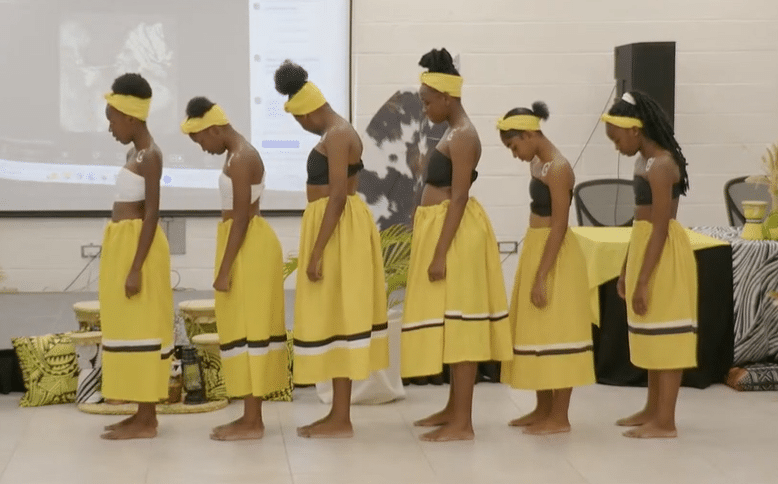
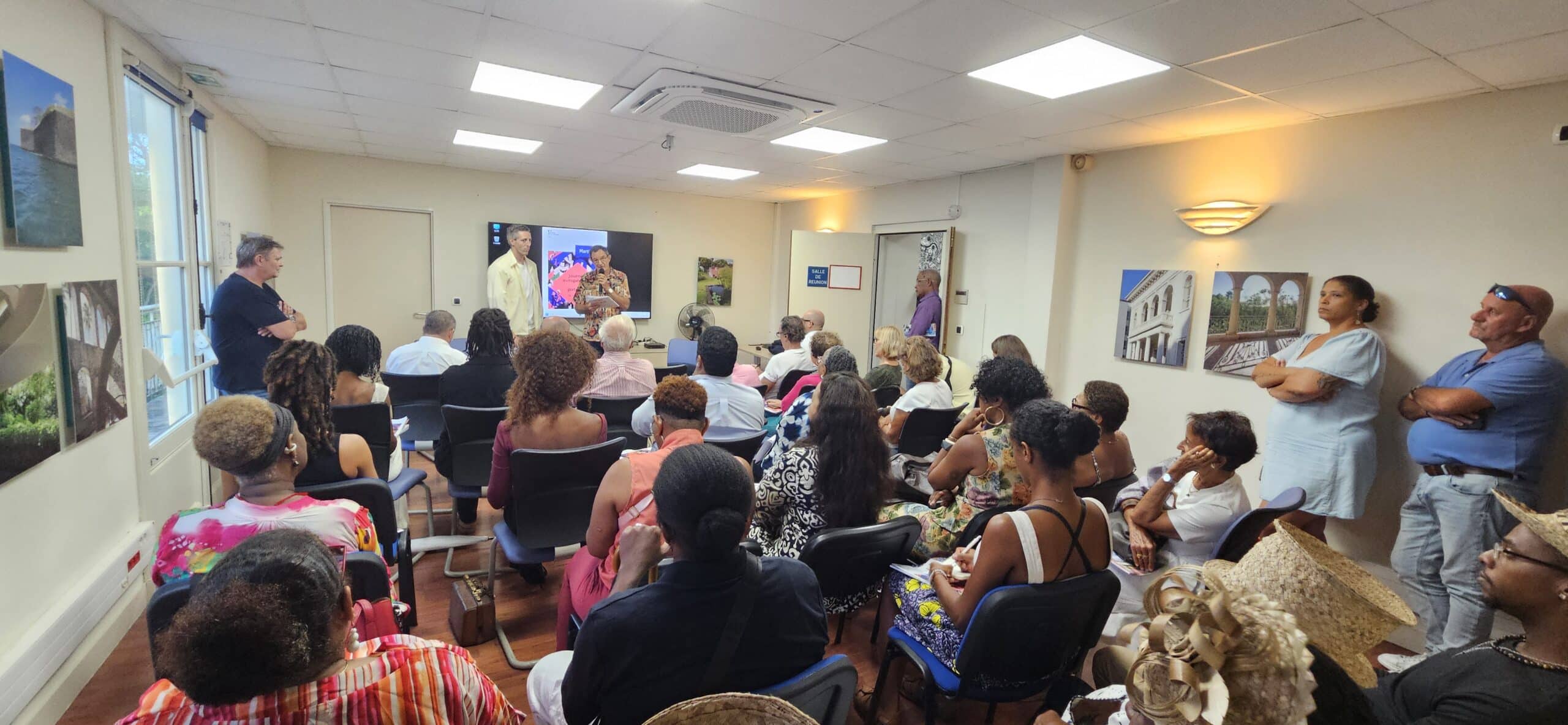
Passing on the Garifuna heritage was at the heart of the 12th International Garifuna Conference, held at the University of the West Indies Global Campus in Saint Vincent and the Grenadines. Convened by the Garifuna Heritage Foundation in partnership with the university, this 2025 edition brought together cultural leaders, researchers, artists and activists around a unifying theme: “Embracing our heritage – Strategies for building the Garifuna pillar of an indigenous peoples’ development plan to 2030”. The conference was both a time for remembrance and transmission, and a clear call to action to ensure the sustainability of the Garifuna identity across borders and generations.

Living memory: language, songs and rituals as acts of resistance

The conference opened on a highly symbolic note: the recitation of the Lord’s Prayer in Garifuna by a delegation that had come specially for the occasion. A moment that was both spiritual and linguistic, it set the tone for an event focused on cultural roots and reclaiming identity.

One of the speakers then presented a traditional song evoking exile – that of the Garifuna people uprooted from Saint-Vincent, but also exile in its universal dimension. “Exile is exile”, she asserted, drawing parallels with the Jewish diaspora and other displaced peoples. Sung in a minor mode, generally associated with melancholy, this piece was described as a powerful tool for oral transmission, conveying emotion and memory.

Here, music is more than art: it is testimony. It embodies a living memory, a cultural resistance, a link between generations. Through its rhythms, words and harmonies, it transmits a story of survival and dignity.

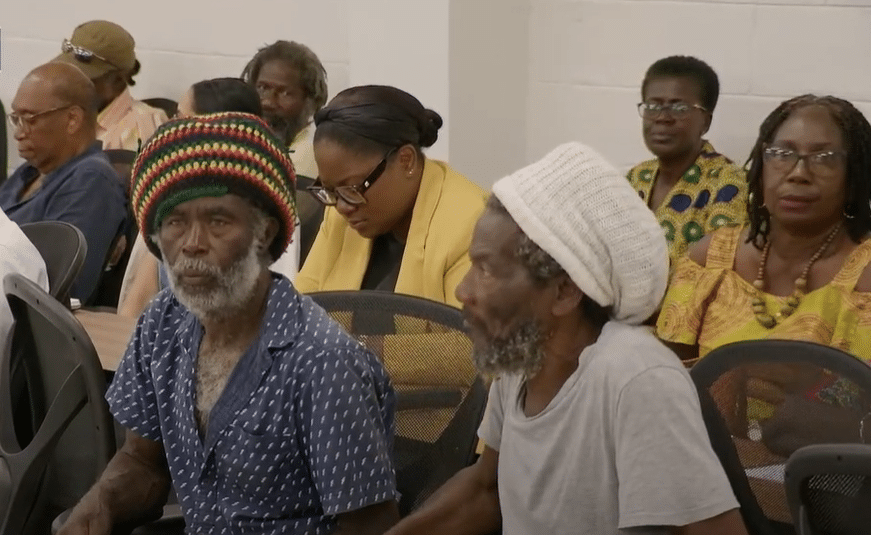
The Panelists

Garifuna
Garifuna
Garifuna

Building a development strategy rooted in indigenous knowledge

At the heart of the three-day meeting was the construction of a development framework for 2030, centered on Garifuna realities. Discussions focused on concrete strategies: education, heritage preservation, political participation and community development.

A strong consensus has emerged around the importance of indigenous knowledge in national development policies. First and foremost, language has been placed at the heart of these concerns: beyond being a communication tool, it is perceived as a vector of identity, a vision of the world, an ancestral heritage. Any truly sustainable development policy must therefore recognize and strengthen Garifuna cultural institutions.

Another key point was intergenerational transmission. The elders are the guardians of memory, but the young are called upon to become its relays, appropriating this knowledge with contemporary tools. It’s not just a question of preserving a heritage, but of building a living future, nourished by the wisdom of the past.

A clear course to 2030

At the end of the 12th International Garifuna Conference, the message was clear: passing on the Garifuna heritage is not a matter of the past, but a strategic choice for the future. Through language, music, storytelling and collective action, the participants sketched out an ambitious roadmap, in which the Garifuna identity not only survives, but asserts itself as a living force in the Caribbean and beyond.

Looking towards 2030, the Garifuna Heritage Foundation and its partners intend to translate these reflections into concrete projects. The call is out, and the march continues – rooted in memory, but resolutely turned towards the future.

Leave a Reply

Your email address will not be published. Required fields are marked *

More articles from RK

Marcus Garvey
HISTORY & HERITAGE
Tolotra

Jamaica – Marcus Garvey, Jamaican hero of international renown

Marcus Garvey remains one of the most influential figures to emerge from the Caribbean. Born in Jamaica at the end of the 19th century, he transformed a local experience into a political and cultural project of international scope. At a time when black populations faced deeply rooted systems of exclusion, Marcus Garvey proposed a structured vision based on dignity, organization and autonomy. Recognized today as a national hero in Jamaica, he is much more than a historical symbol. His story helps us understand how the Caribbean helped shape major intellectual and political movements on a global scale. His name continues to circulate in contemporary debates on identity, memory and the development of societies born out of colonial history. From Jamaican origins to the formation of a committed conscience He was born on August 17, 1887 in St. Ann’s Bay, Jamaica, into a modest family. Very early on, he developed a

Read More »
BlueSeas Festival
EVENT MANAGEMENT
Tolotra

BlueSeas Festival: in Curaçao, Pietermaai becomes the epicenter of Caribbean blues in 2026

From April 2 to 4, 2026, Curaçao hosts another edition of the BlueSeas Festival a musical event that is gradually establishing itself as one of the most unique cultural events in the Caribbean. Free, open and rooted in the urban space, the festival goes far beyond simple musical programming to become a genuine territorial experience. Right from the opening night, Thursday April 2 at Kura Hulanda Village, the mood is set: the blues settle into a heritage setting, before taking full possession of the Pietermaai district on April 3 and 4. This two-stage format structures an immersive experience in which music, architecture and local life are seamlessly interwoven. A free festival that transforms the city into an open-air stage The BlueSeas Festival is based on the principle of offering free concerts in public spaces. This choice is not insignificant. It widens access to live music, while creating direct interaction between

Read More »
Le vodou : Haïti au cœur d’une candidature patrimoniale majeure avec le Bénin
COOPERATION
Tolotra

Vodou: Haiti at the heart of a major heritage bid with Benin

The vodou is entering a new phase in its international history. The joint candidacy of Haiti and Benin for inscription on the Representative List of the Intangible Cultural Heritage of Humanity places centuries of memory, transmission and creation at the heart of a global heritage debate. The deadline set by UNESCO for applications to be examined in 2027, and submitted before March 31, 2026, places this initiative within a precise and structured institutional calendar, but the stakes go far beyond the administrative procedure. For the Caribbean, and Haiti in particular, this candidacy is no mere cultural formality. It’s about recognizing a living heritage, often misunderstood, sometimes caricatured, but deeply rooted in the country’s social, artistic and spiritual history. Vodou is not a fixed folklore; it is a cultural matrix, a way of organizing the link between generations, communities and the sacred. To place it within an international heritage dynamic is

Read More »

conTACT RK

we'd love to have your feedback on your experience so far

Join The List

Join our Richès Karayib community!  Sign up for our newsletter.

Want To Maximize Your Business Presence On Riches Karayib?

Complete the form to start the application