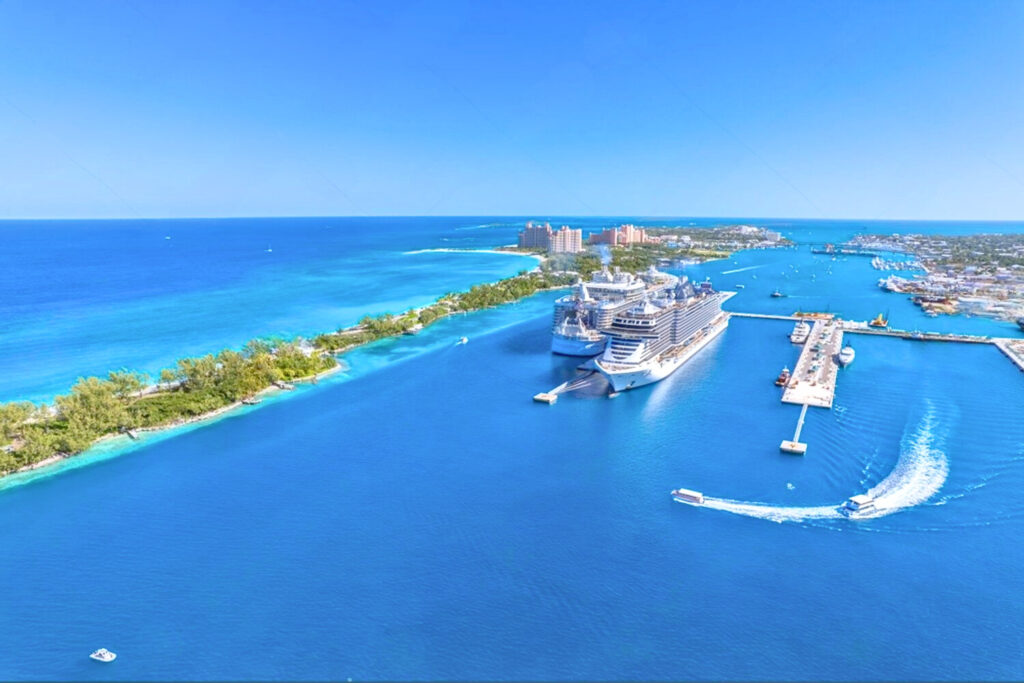
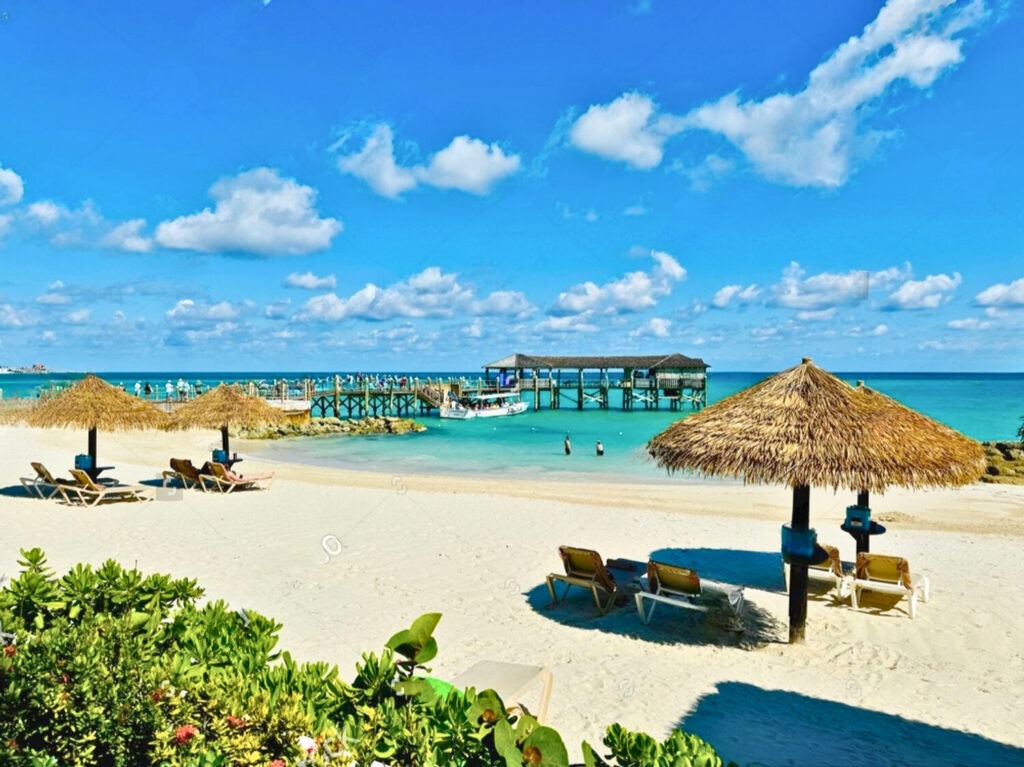
In the Bahamas archipelago, Exuma occupies a special place. This territory is not a single island, but a long chain of islets and cays stretching over 200 kilometers into the Caribbean Sea. For travelers, it represents a strong image of the Caribbean: shallow waters, sandbanks, small scattered islands and a constant relationship with the ocean.
The Exuma archipelago is made up of more than 360 islands and cays. The largest is Great Exuma, home to the main town of George Town. Great Exuma is linked by a bridge to Little Exuma, the second largest island in the district. This territorial configuration gives the whole area a clear organization: a few inhabited areas, surrounded by a multitude of largely unspoilt islets.
An area built around the sea
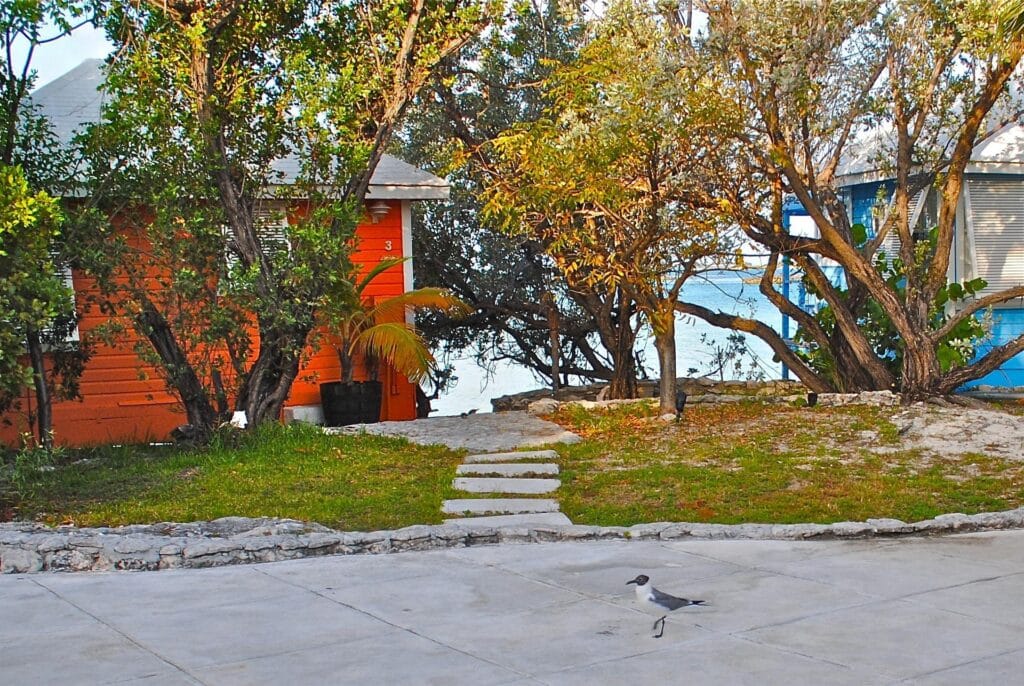
In Exuma, the sea isn’t just a landscape: it structures the whole of local life. The locals have historically made their living from fishing, sailing and ocean-related activities. The Bahamas’ shallow waters create vast turquoise lagoons, characteristic of the archipelago. The geography of the islands is relatively flat, composed of sand, limestone and low vegetation dominated by palms and coastal shrubs. This morphology allows the formation of numerous natural beaches and sandbanks visible at low tide.
For visitors, this configuration favors maritime activities: sailing between islets, coral reef observation and exploration of secluded coves.
An archipelago known for its scattered islets
One of the island’s most striking features is its scattered islets. The chain of islets forms a maritime corridor punctuated by uninhabited cays, small marinas and coastal villages. This geography has made the island particularly popular with sailors and travelers wishing to explore the Caribbean by sea. Some islands have become famous for their landscapes or natural features. These include Big Major Cay often called Pig Beach, attracts the attention of visitors for the presence of a colony of pigs living on the island. This uninhabited site has become a well-known tourist attraction in the archipelago.
The origin of these animals remains uncertain. There are several accounts of sailors who left the pigs on the island, or of an ancient shipwreck. Whatever the explanation, their presence today contributes to the archipelago’s notoriety.
An important marine protected area
It is also renowned for its environmental protection efforts. The archipelago is home to the Exuma Cays Land and Sea Park, created in 1958. The park covers a vast marine and terrestrial area designed to preserve coral reefs, mangroves and local biodiversity. The park is one of the first marine reserves of its kind in the world. Fishing is prohibited to protect ecosystems and fish populations. This conservation policy contributes to maintaining a relatively intact marine environment and supporting local species.
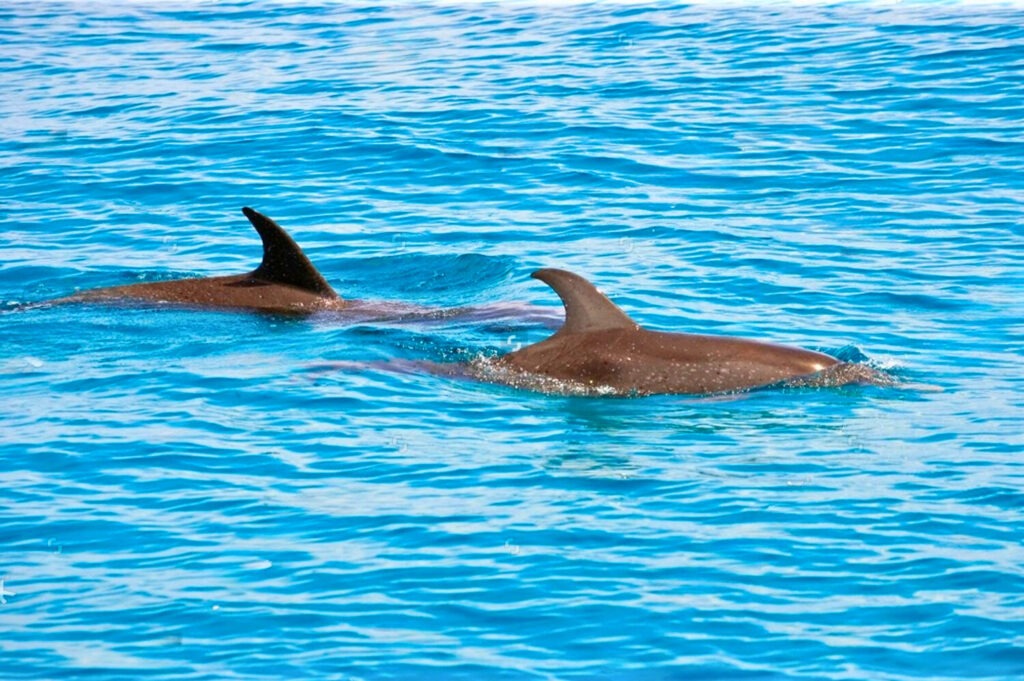
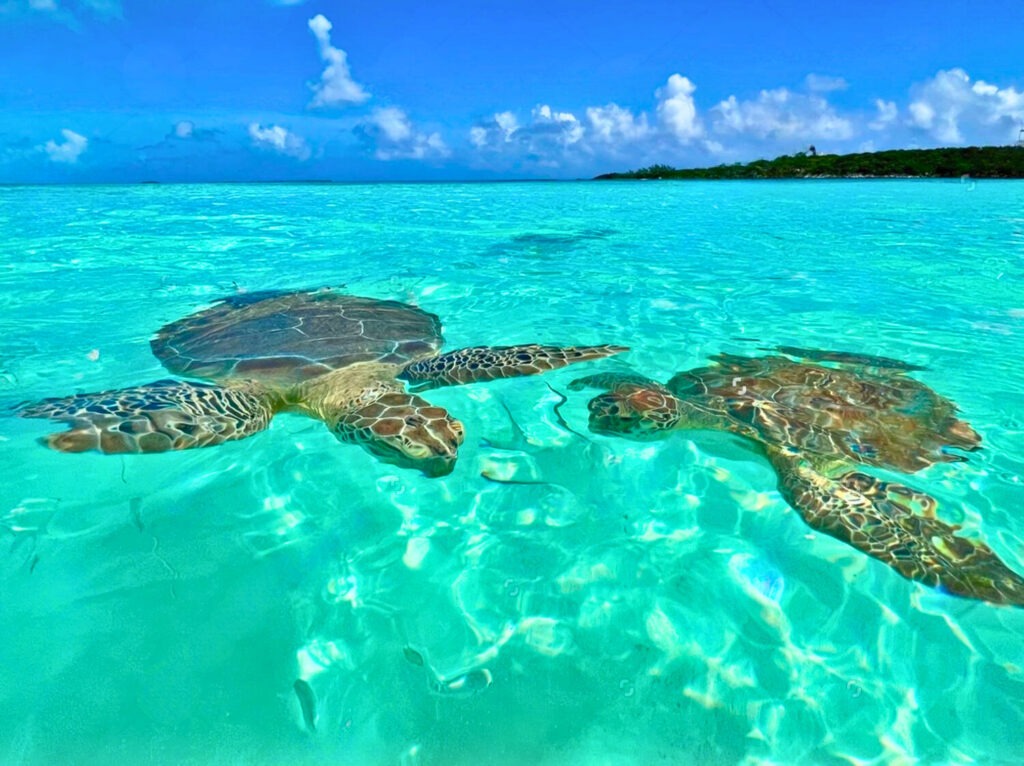
The park’s waters are home to sea turtles, conch, groupers and various species of seabirds that nest on isolated cays.
A history linked to the colonization of the Bahamas
The island’s history dates back to the end of the XVIIIᵉ century. After the American War of Independence, British Loyalist settlers moved to the islands to develop plantations, particularly of cotton. George Town, today the district’s main urban center, was founded at this time and bears the name of King George III. Over time, the agricultural economy declined and maritime activities took on greater importance. Today, the economy is based mainly on tourism, shipping and related services.
A region focused on nautical tourism
Exuma’s geographical configuration attracts many visitors interested in sailing, diving and coral reef exploration. Marinas and small ports serve as departure points for more isolated cays. Sea excursions allow visitors to visit several islands in a single day, a practice often referred to as “island hopping”. This approach fits in well with the geography of the territory, which is best discovered by sea rather than by road.
An emblematic Bahamas destination
For travelers, Exuma offers a very legible island experience: a large main island, Great Exuma, surrounded by a multitude of cays accessible by boat. This configuration alternates between inhabited villages and largely unspoilt seascapes. In this way, Exuma illustrates a Caribbean turned towards the ocean, where the archipelago and the sea remain the structuring elements of the territory.
Exuma is a district of the Bahamas located in the central part of the archipelago, southeast of Nassau. The territory consists of a long chain of islands and cays, stretching some 200 kilometers into the tropical Atlantic Ocean. The main inhabited islands are Great Exuma and Little Exuma linked by a bridge near the main town, George Town. The rest of the archipelago comprises hundreds of small, often uninhabited islands, accessible mainly by boat.
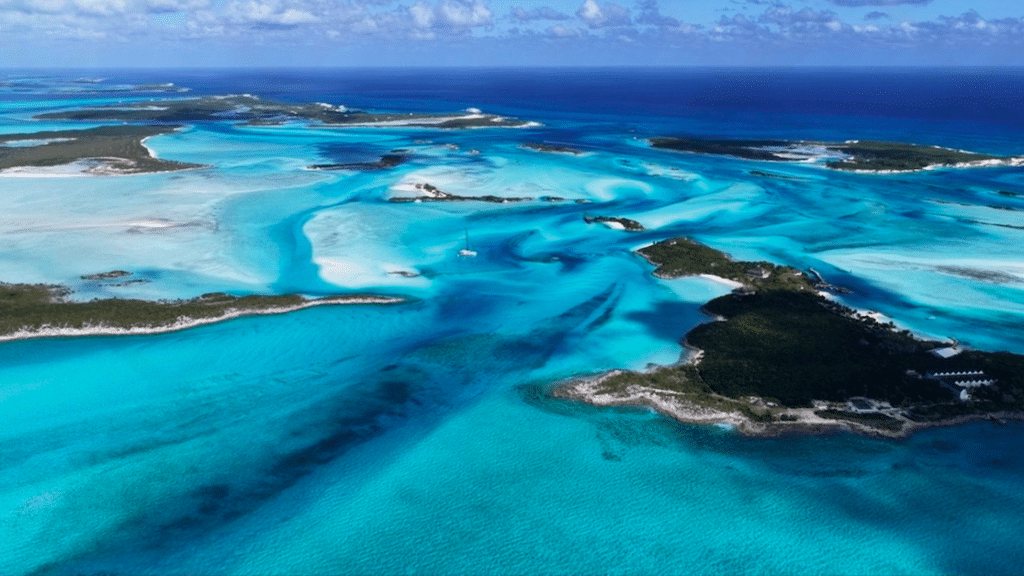
Exuma is particularly renowned for the clarity of its turquoise waters and the presence of numerous islets surrounded by shallow lagoons. The archipelago also attracts attention for its Pig Beach a small island known for its swimming pigs, now one of the Bahamas’ most photographed attractions. Beyond this curiosity, Exuma is also appreciated for its coral reefs, natural beaches and sandbars that appear at low tide.
The Exuma Cays Land and Sea Park is a nature reserve created in 1958 to protect the archipelago’s marine and terrestrial ecosystems. The park covers several dozen kilometers of islands and protected waters. Fishing is prohibited to preserve the coral reefs and marine biodiversity. Today, the park is one of the oldest examples of marine protection in the Bahamas, attracting visitors interested in sailing, diving and marine wildlife observation.
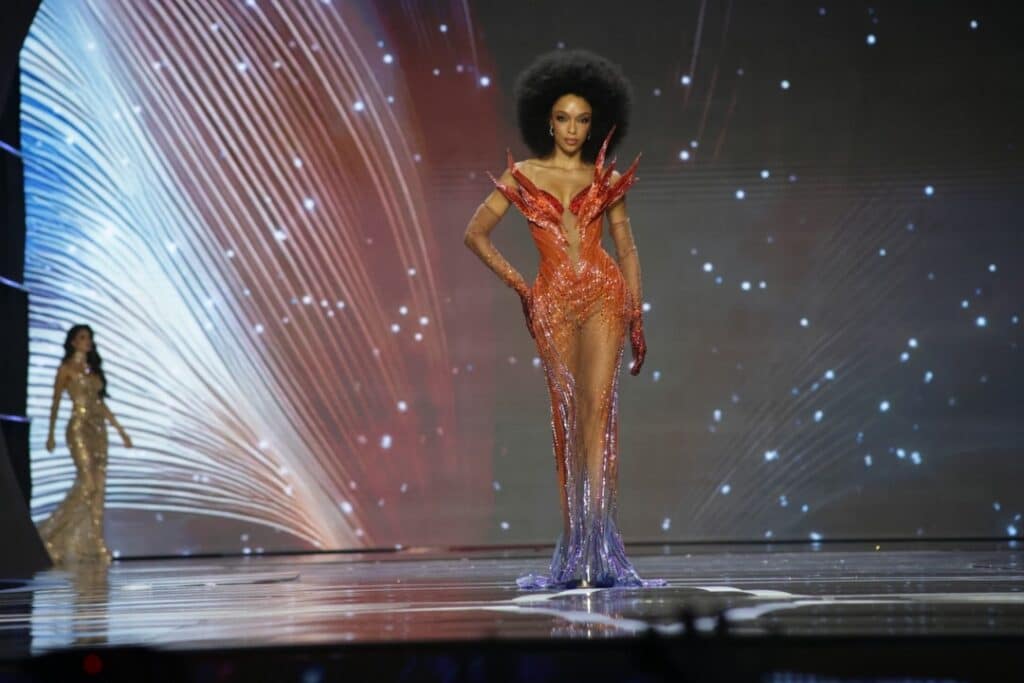
This year, the international scene is witnessing a singular edition of Miss Universe 2025. In Thailand, the first presentations quickly showed that the Caribbean occupies a special place, carried by Caribbean candidates whose backgrounds reflect the social and cultural evolution of the region. They arrive with solid skills, real commitment and a way of representing their territories that goes far beyond the contest.
This movement tells the story of a Caribbean in transformation, attentive to its issues and determined to take them beyond its borders. It highlights a region that is no longer content to exist in the event, but wishes to offer a clear vision of its realities and assert its Caribbean influence on the world stage. Through the discussions surrounding Miss Universe 2025, this presence also testifies to a need to better understand the trajectories that structure the region.
Trajectories rooted in Caribbean realities
Among the most frequently observed profiles, that of Bereniece Dickenson representative from Turks and Caicos, illustrates this dynamic. Trained in architecture and construction technology, a junior accountant and quadrilingual, she runs a mentoring program for young people. Her career path is a testament to her determination to combine technical expertise with collective responsibility, a concrete example of women’s leadership in the region.
The Guadeloupean Ophély Mézino advances with a trajectory marked by resilience and a deep commitment to women’s mental health. Her preparation, carried out with a specialized team in Guadeloupe, shows the attention paid to a candidate who wishes to convey a useful message to her territory.
The return of Haiti with Melissa Sapini, a journalist born in the United States, she is very active in the media and involved in access to scholarships for Haitian students. She is the voice of a diaspora that plays a full part in the country’s visibility.
The Jamaican Dr Gabrielle Henry, an ophthalmologist, puts the spotlight on visual health and access to care. His commitment is a reminder of the importance of academic and professional backgrounds in building public figures capable of defending essential issues.
In the other territories – Martinique, Saint Lucia, Curacao, Aruba, Belize, Bahamas, Guyana and the Cayman Islands – the candidates champion a wide range of commitments: educational success, inclusion, violence prevention, protection of LGBTQ+ rights, entrepreneurship and mental health. Each brings a unique vision to the table, while contributing to a coherent overall image of the Caribbean candidates for this edition of Miss Universe 2025.
A presence that changes perceptions
What we see around Miss Universe 2025 goes beyond the competition.
Caribbean participation acts as a vector of visibility for realities that often go unreported internationally.
In their speeches, the candidates describe their islands, their study paths, their daily challenges and the initiatives that shape their communities.
These are stories that don’t usually cross regional borders, and which reinforce Caribbean influence on a global scale.
The exhibition also highlights key issues such as mental health, the fight against violence, access to education, social inclusion and local development.
Subjects that are often neglected in the international media find a place to exist here.
Associations, educational structures and civic initiatives benefit from this visibility, which strengthens their work and sometimes opens the way to new collaborations.
For young people in the Caribbean, the impact is significant. The candidates show that paths to excellence can be forged in a wide variety of contexts: villages, urban neighborhoods, island territories, diaspora.
Their experiences – including studies, family responsibilities, social commitment and professional ambitions – provide a stimulating benchmark for young girls looking for a role model who is both close to them and open to the world, a symbol of female leadership in the Caribbean. This is particularly evident in the discussions surrounding Miss Universe 2025, where these trajectories are echoed more widely.
This edition also contributes to transforming the way we look at the region. By presenting women who are educated, committed and attentive to social issues, the Caribbean appears to be an area capable of preparing solid, legitimate personalities. This renewed image also finds its place on the cover of Miss Universe 2025, which gives rare visibility to these careers.
An edition that counts for the region
Since Wendy Fitzwilliam’s victory in 1998, the region has not won Miss Universe. Yet the 74ᵉ edition brings a different kind of significance: it reveals a Caribbean that is moving forward in earnest, defending its causes and reminding us that its territories have their rightful place in international spaces. The Caribbean candidates for Miss Universe 2025 show a region attentive to its challenges and confident in its ability to carry useful voices.
Whatever the final outcome, this Caribbean presence highlights women who embody authentic female leadership and a determination to advance their territories. It testifies to a Caribbean influence that continues to assert itself in the contemporary world. In the discussions surrounding Miss Universe 2025, this dimension is clearly evident.
From October 22 to 26, 2025, Nassau will be the cultural epicenter of the region with The Bahamas Culinary and Arts Festival. Organized by the Baha Mar resort, the Bahamas Culinary and Arts Festival combines haute cuisine, artistic creativity and Caribbean heritage. Star chefs, musicians, artisans and more than 120 artists from 21 countries will come together for a 2025 edition that confirms the growing importance of the Caribbean on the international scene.
FUZE: Caribbean art in the spotlight
Over 120 artists and 21 countries represented
At the heart of the Bahamas culinary and arts festival, the FUZE Caribbean Art Fair presents its third edition. Supported by Scotiabank, it brings together painters, sculptors, photographers and performers from all over the region. Established names such as Malene Barnett, Lavar Munroe and Janine Antoni will rub shoulders with up-and-coming talents, affirming Nassau as a creative hub.
Workshops and transmissions
FUZE is not limited to exhibitions. Workshops on Straw Craft or interactive painting (Sip N Paint) offer a dialogue between artists and audiences. This openness to transmission is at the heart of the festival’s mission: to make people see, but also to make them understand. In this context, The Bahamas Culinary and Arts Festival plays an educational role, building bridges between generations of artists and enthusiasts from all over the world.
A prestigious culinary program
Masterclasses
In partnership with Bon Appétitthe Bahamas culinary and arts festival offers a Kitchen MasterClass Series in small groups. Amanda Freitag will introduce Beef Wellington, Geoffrey Zakarian will revisit salade niçoise, Carla Hall will lead a session on Southern American cuisine, while Maneet Chauhan will showcase Indian street food. These courses go far beyond mere demonstration: they enable participants to engage in dialogue with leading culinary personalities and grasp the philosophy behind each creation.
Signature dinners
Each evening, international international and Caribbean chefs orchestrate exceptional meals. Daniel Boulud will open the ball with his Truffle Dinner at Rosewood. Marcus Samuelsson, Scott Conant, Simeon Hall Jr, Dario Cecchini and Geoffrey Zakarian will be offering new creations in the resort’s flagship restaurants: Carna, Katsuya, Leola, Marcus Up Top and Café Boulud. These moments of haute gastronomy contribute to reinforcing the Bahamas’ reputation as a leading culinary destination, and give The Bahamas Culinary and Arts Festival a strong international dimension.
Original experiences
- – Tacos & Tequila Mexican Brunch (Saturday)
- – Coconuts & Cocktails with Samuelsson and Conant (Saturday)
- – Chef Simeon’s Sunset Beach BBQ (Sunday)
- – A Taste of Mexico to close the festival
These experiences illustrate the diversity of the formats on offer, from casual brunch to refined dinner, while highlighting the inventiveness of our chefs and the richness of Caribbean influences.
Day-by-day highlights
Wednesday, October 22
- – FUZE Caribbean Art Fair opens
- – Daniel Boulud’s Truffle Dinner
Thursday, October 23
- – Afternoon Tea at The Library
- – Straw Craft Workshop
- – Happy Hour with The Essence Band at Jon Batiste’s Jazz Club
Friday, October 24th
- – Masterclass Amanda Freitag
- – Acrylic Pouring Workshop
- – Toast & Totes Workshop
- – Welcome Party with Lenny Kravitz concert
Saturday, October 25
- – Daily Expo (12pm-6pm)
- – Flamingos & Flocktails
- – Geoffrey Zakarian Masterclass
- – Sip N Paint with John Paul Saddleton
- – Tacos & Tequila Mexican Brunch
- – Chef’s Table with Dario Cecchini
- – Signature dinners (Katsuya, Café Boulud, Marcus Up Top, Leola)
Sunday, October 26th
- – Sip N Paint with June Collie
- – The Art of Brunch with Carla Hall, Amanda Freitag & Maneet Chauhan
- – Tasting Tuscany with Scott Conant
- – Figure Drawing Workshop
- – Sushi & Sake with Rolando Ordoñez
- – Masterclass Maneet Chauhan
- – Chef Simeon’s Sunset Beach BBQ
- – A Taste of Mexico
Passes for everyone
The Weekend Pass includes access to the Expo, FUZE, the Welcome Party and a signature dinner. A la carte tickets are also available for specific workshops or dinners. The offer is rounded out by packages including accommodation at the three hotels in the Baha Mar complex: the Grand Hyatt, the SLS and the Rosewood. Thanks to this formula, The Bahamas Culinary and Arts Festival becomes accessible to both curious amateurs and enthusiasts wishing to fully immerse themselves in the experience.
Economic and cultural leverage
Beyond events, The Bahamas Culinary and Arts Festival acts as a strategic lever for tourism and the Caribbean creative economy. It draws attention to the Bahamas, boosts the region’s tourist appeal and structures a truly Caribbean art scene. Through gastronomy, art and music, Nassau asserts itself as a place where past, present and future meet.
This balance of culinary excellence, artistic flair and showcasing of Bahamian traditions places the event at the heart of contemporary issues in the Caribbean. Giving new visibility to local and regional talent, The Bahamas Culinary and Arts Festival illustrates the Bahamas’ ability to combine hospitality and cultural innovation.
On July 10, 1973, the Bahamas officially became an independent state, putting an end to more than three centuries of British colonial rule. Fifty-two years later, the Caribbean archipelago commemorates this founding act under the theme: “Together We Rise”, in a spirit of unity and collective pride. Beyond the festivities, this anniversary revives a rich historical memory of resistance, social change and projections into the future.
From the Lucayans to British colonization: a history of ruptures
Long before the arrival of Europeans, the Bahamas were inhabited by the Lucayans, a peaceful people of Arawak origin who had been settled there for almost a millennium. In 1492, Christopher Columbus landed on the island, renaming it San Salvador. This contact marked the beginning of a demographic catastrophe: in less than 25 years, the 40,000 Lucayans disappeared, victims of disease, slavery and deportations orchestrated by the Spanish.
For over a century, the archipelago remained virtually uninhabited, until the arrival in 1648 of the “Eleuthera Adventurers”, English Puritans fleeing religious persecution. This nucleus formed the first permanent British settlement, marking the start of a long colonial era marked by a fragile administration, often challenged by external upheavals.
From piracy to slavery: between rebellion and domination
At the turn of the XVIIIᵉ century, the Bahamas became the scene of a spectacular period: the golden age of piracy. Nassau became the unofficial capital of a “pirate republic”, where figures such as Blackbeard, Charles Vane and Calico Jack were rampant. Faced with growing anarchy, in 1718 London dispatched Governor Woodes Rogers, who restored order by offering a royal pardon to repentant pirates.
But another scourge profoundly shaped Bahamian society: slavery. After the American War of Independence, many British loyalists settled here with their African slaves, introducing cotton plantations. Slavery was abolished in two stages: first the slave trade in 1807, then slavery itself in 1834, a seminal date still celebrated as “Emancipation Day”. The country’s culture, language and traditions are forever marked by the African imprint.
The political awakening and the march towards independence
In the XXᵉ century, the emancipation movement takes a decisive political turn. In 1953, three figures founded the Progressive Liberal Party (PLP), the first national party representing the black majority. Among them was Sir Lynden Pindling, a young lawyer of undisputed charisma, who would become the architect of independence. In 1967, thanks to a decisive coalition, he became the first black Prime Minister of the Bahamas. This historic shift – dubbed “majority rule” – marked the end of white political domination and the rise of a national consciousness.
A new constitution in 1969 enshrined domestic autonomy, while negotiations with London began in a climate of mutual respect. On June 20, 1973, the British Parliament passed the Bahamas Independence Order. On July 10, in the presence of Prince Charles, the Union Jack was lowered and a new black, gold and turquoise flag was hoisted in front of 50,000 people in Nassau. The national motto, “Forward, Upward, Onward, Together”, embodies the spirit of collective elevation that still drives the celebrations today.
A living culture, a heritage to defend
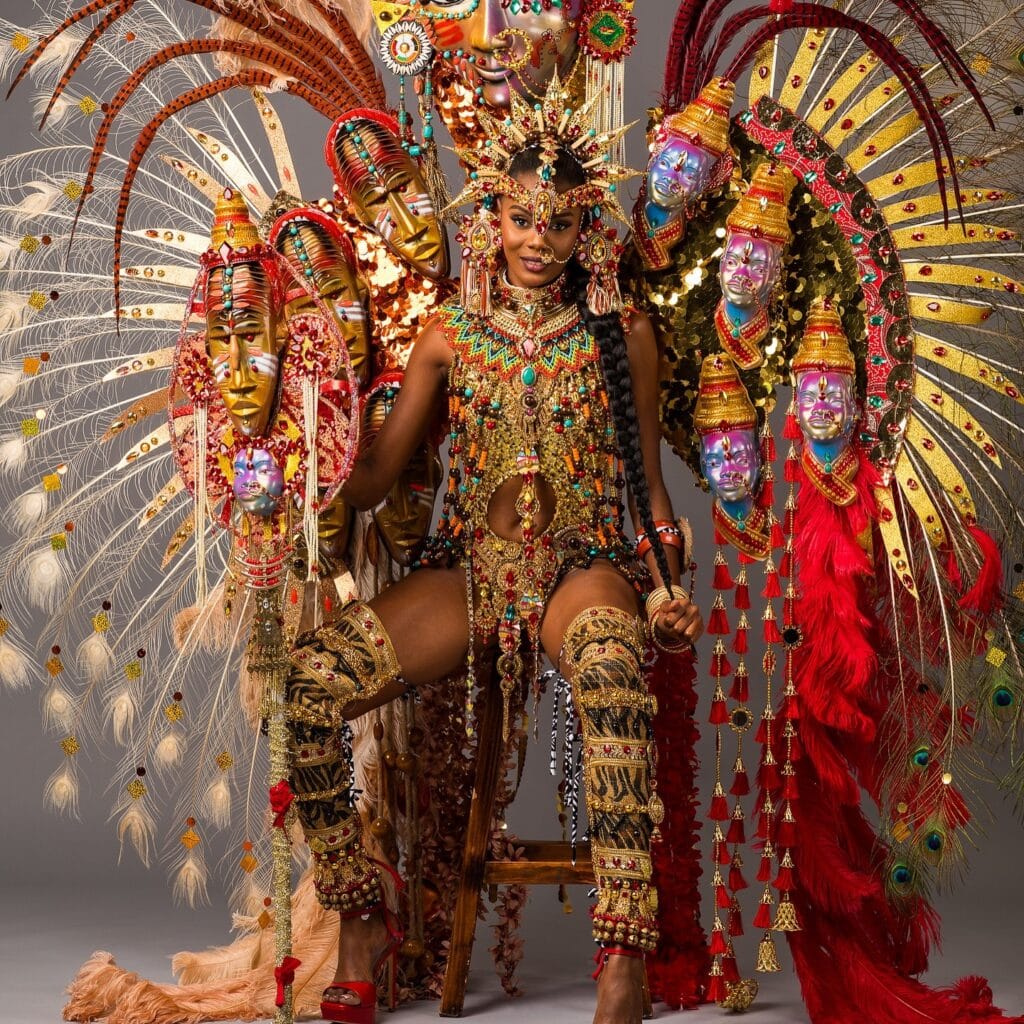
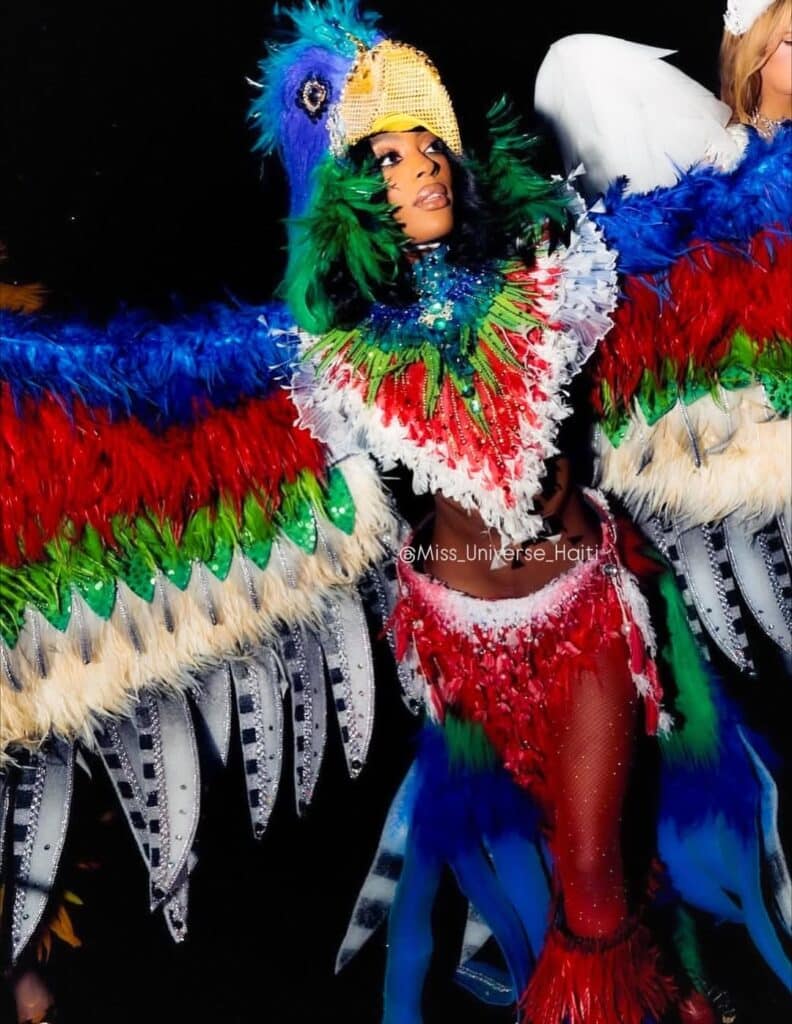
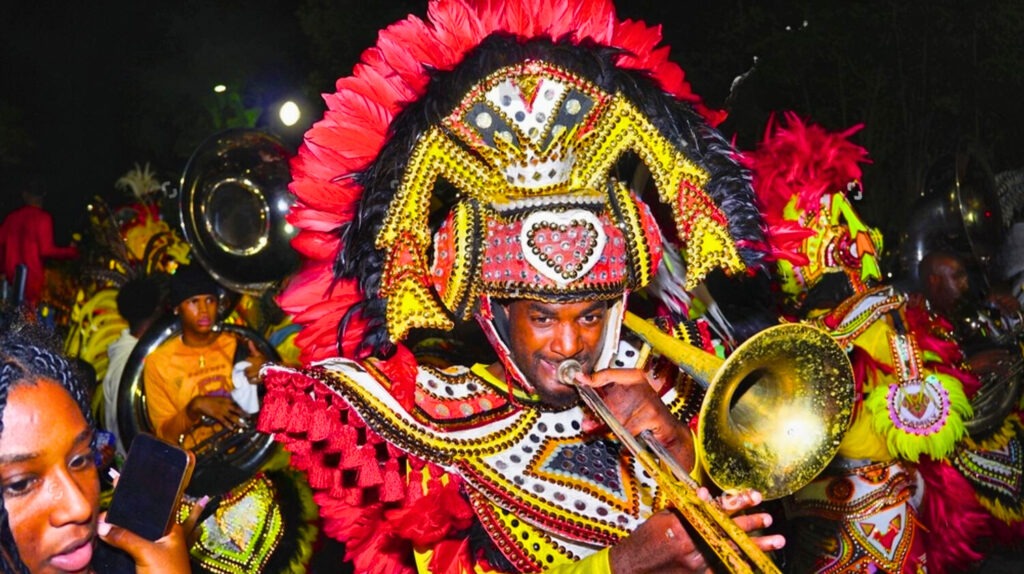
The Bahamian identity is based on a subtle balance between tradition and modernity. The Junkanoo, a street festival born of African slave rituals, has become the country’s emblematic cultural expression. Every December 26 and January 1, thousands of Bahamians parade in spectacular handmade costumes, to the rhythm of drums, bells and brass instruments. This living heritage, listed by UNESCO since 2023, embodies the resilience and creativity of a people forged in adversity.
The Bahamas’ natural wealth is as much a strategic asset as an ecological challenge. With more than 700 islands and 2,400 islets spread over 260,000 km² of sea, the archipelago is home to the world’s third-largest barrier reef, exceptional biodiversity and more than 20 national parks. But this fragile splendor is threatened by climate change, and in particular by rising sea levels, which are jeopardizing infrastructures and ecosystems.
Economy, democracy and contemporary challenges
Since independence, the Bahamas has established itself as one of the most stable economies in the Caribbean. Tourism, which accounts for over 50% of GDP, remains the main driving force. In 2024, the archipelago set a record with 11.2 million visitors. The offshore financial sector, although weakened by international regulations, retains strategic importance (around 15% of GDP). With a view to innovation, in 2020 the authorities launched the Sand Dollar, the world’s first national digital currency, and are now focusing on renewable energies and digital technologies.
On the political front, parliamentary democracy has functioned without interruption since 1973, with regular alternations between the two major parties: the PLP and the FNM. The current Prime Minister, Philip Davis, embodies this democratic continuity. However, the debate about transforming the country into a republic, revived after the example of Barbados, is stirring up certain political circles.
2025: a celebration between memory and projection
The 52ᵉ anniversary of independence is accompanied this year by official and festive ceremonies across the country. In Nassau, the Beat Retreat, held on July 4 in Rawson Square, opened the festivities with military parades, marching bands and solemn speeches. On July 7, a National Unity Day mobilized communities around civic projects and solidarity actions.
The highlight is the July 10 ceremony, with flag-raising at the Public Treasury, an official reception at Government House and fireworks displays on the main islands. Popular festivities are also organized on Eleuthera, Staniel Cay and Grand Bahama, featuring concerts, local cuisine, sports competitions and traditional dances.
A nation on its feet, facing its future
In 52 years, the Bahamas has succeeded in building a stable democracy, an open economy and a strong cultural identity. While the challenges are many: climate, diversification, technological sovereignty, national unity remains the bedrock of a promising future. The slogan “Together We Rise” thus goes beyond the ceremonial: it embodies an intergenerational pact, a common impetus to face the challenges of the 21st century.
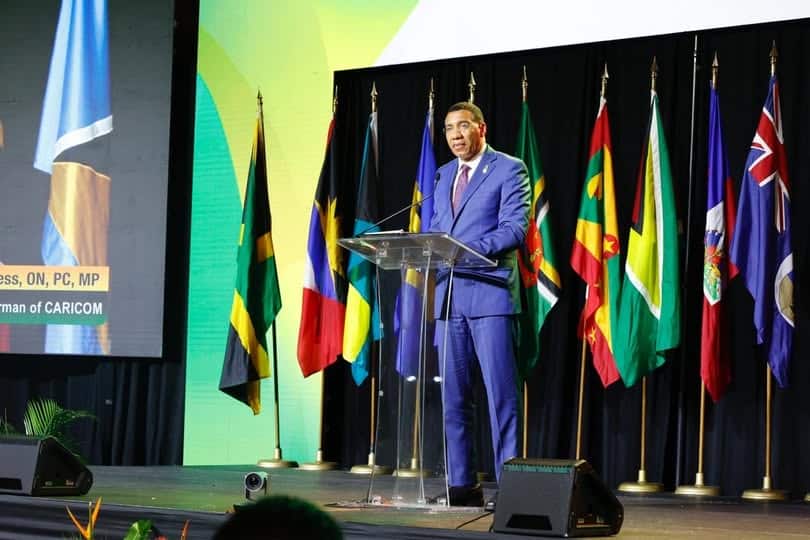
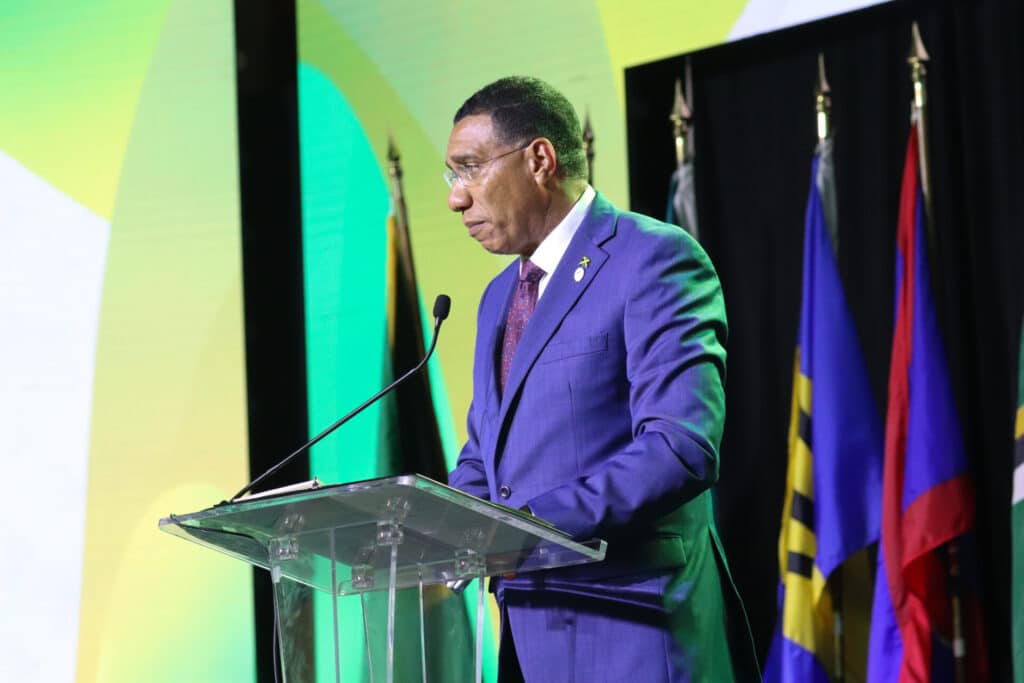
From July 6 to July 08, 2025, Montego Bay will vibrate to the rhythm of the 49th CARICOM Summit, where the Heads of State and Government of member countries will meet to discuss the major challenges facing the region. Chaired by Andrew Holness, Prime Minister of Jamaica, the atmosphere at this year’s summit is both solemn and charged with urgency, as each delegation has come with high expectations in terms of food security, economic resilience, the Haitian crisis and, above all, the overhaul of regional logistics.
The corridors of the Montego Bay Convention Centre are buzzing with strategic conversations, while plenary sessions alternate with thematic workshops, giving each territory the chance to make its voice heard.
A demanding regional context
Right from the opening of the 49th CARICOM Summit, the tone was set: the Caribbean is going through a pivotal period. Successive speeches by representatives from Barbados, Trinidad & Tobago, Saint Lucia and Dominica highlighted the reality of logistical disruption, dependence on costly air transport and the fragility of supply chains. The debates were lively, with each head of delegation insisting on the need for concrete and immediate solutions. Behind-the-scenes exchanges testify to a shared determination to make this summit a decisive moment for the region.
The priorities of the Jamaican presidency
In his inaugural address, Andrew Holness reiterated the importance of strengthening cooperation and diversifying trade, while stressing the need for rapid responses to security and climate issues. His call for collective mobilization did not go unheeded: the 49th CARICOM Summit featured a series of round-table discussions on regional peace, the pooling of resources and the role of young people in building shared prosperity.
Mia Mottley: a plea for logistics transformation
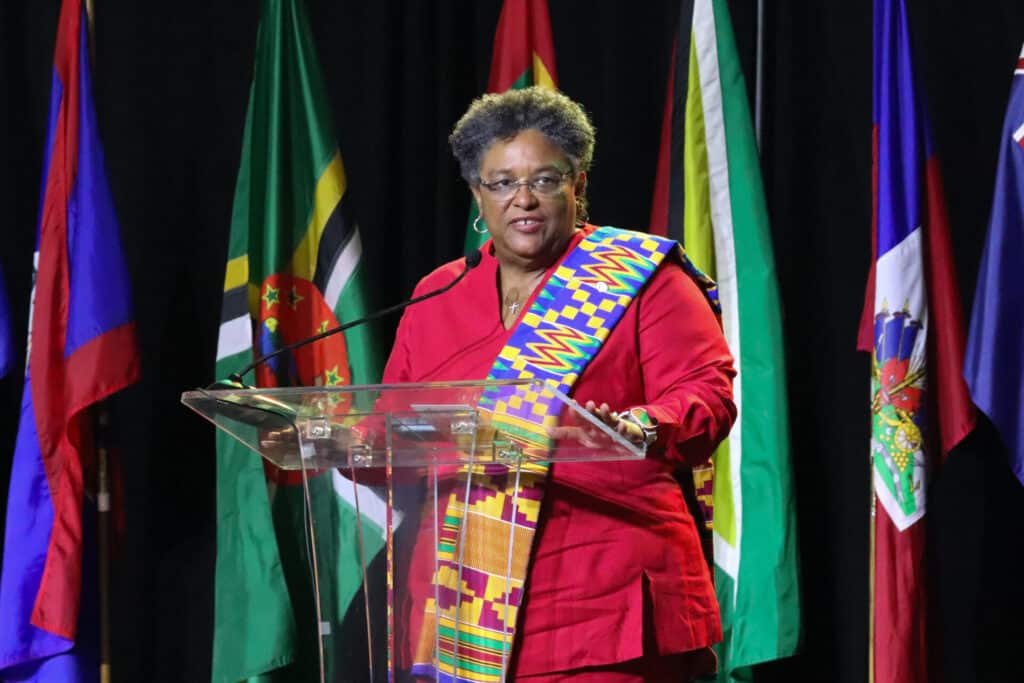
One of the highlights of the 49th CARICOM Summit was the address by Mia Mottley, Prime Minister of Barbados. With eloquence applauded by all participants, she painted a lucid picture of the logistical shortcomings holding back Caribbean development. Her voice, firm and poised, resonated in the auditorium as she spoke of the need for a “regional freight revolution”, stressing the urgent need to democratize transport and restore the sea to its historic role as a link between islands.
Concrete proposals for regional freight
Mia Mottley was not one to rest on her laurels. She announced that two CARICOM member states are in advanced negotiations to acquire cargo aircraft, an initiative she believes will help to fluidify trade and guarantee the supply of essential goods. She also mentioned the expected presentation of a private-sector-led regional ferry project, which could revolutionize connectivity between the islands. These announcements, made at the heart of the 49th CARICOM Summit, were greeted with thunderous applause, a sign that the logistics issue is at the heart of our collective concerns.
Political will at the heart of change
Mia Mottley took advantage of her platform to point out that the success of these projects depends above all on the political will of leaders. She fondly evoked memories of the Federal Maple and Federal Palm, symbols of a time when the sea united the peoples of the Caribbean. Her plea, echoed in several sessions of the 49th CARICOM Summit, found particular resonance with the delegations, who recognized the need to overcome institutional inertia to build a modern, resilient regional logistics system.
The concrete contributions of the 49th CARICOM Summit for member territories
Food security and trade fluidity
Food security was one of the key topics discussed at the 49th CARICOM Summit. Participants emphasized that the establishment of new sea and air links, such as those mentioned by Mia Mottley, will ensure a steady supply of agricultural produce and essential goods. The exchange of best practices between the Ministers of Agriculture and the Economy testifies to a shared desire to optimize logistics circuits and strengthen the food sovereignty of each territory.
Strengthening economic integration and resilience
Discussions on economic integration have highlighted the importance of pooling resources and diversifying trading partners. The 49th CARICOM Summit’s announcements of public and private investment in regional freight pave the way for enhanced cooperation, enabling member territories to better withstand external shocks, whether economic, health-related or climatic. The participants agree that this edition represents a crucial milestone on the road to shared prosperity.
Outlook for youth and innovation
Throughout the workshops, Caribbean youth and technological innovation took center stage. The initiatives presented, whether in training programs, student mobility or support for entrepreneurship, illustrate the determination of leaders to prepare the next generation and give young people the means to become part of the regional dynamic. These perspectives, discussed in depth at the 49th CARICOM Summit, point to new, concrete opportunities for young people.
The 49th CARICOM Summit, catalyst for a new regional era
In Montego Bay, the 49th CARICOM Summit continues in a studious and determined atmosphere. Led by the likes of Mia Mottley and Andrew Holness, the region is taking a decisive step towards modernizing its infrastructure and deepening its integration. The discussions, rich and sometimes passionate, bear witness to a collective determination to transform challenges into opportunities and build a sustainable future for all the people of the Caribbean.
📸 Photo gallery: relive the highlights of the opening ceremony ©CARICOM
Philip J Pierre, Prime Minister of Saint Lucia, leads the delegation of the Organization of Eastern Caribbean States (OECS) to Washington, D.C., for a series of strategic discussions with the U.S. State Department. The meeting marks an important milestone in the relationship between OECS, Bahamas and the United States. The aim is to strengthen cooperation on major issues : economy, migration, security, diaspora and public health, while ensuring fair representation of small island economies in international decision-making.
A Caribbean delegation in solidarity in Washington
Broader political representation
The delegation, led by Philip J Pierre, includes several heads of government from OECS member states. The Bahamas, although not a member of the organization, is also taking part, demonstrating the regional scope of the initiative. Among those present: Dr Ralph Gonsalves (Saint Vincent and the Grenadines), Dr Ellis Webster (Anguilla), and Phillip Davis (Bahamas). Montserrat, Martinique and Guadeloupe were excused.
Clearly defined diplomatic objectives
Through this mission, Philip J Pierre intends to consolidate ties with Washington while defending regional priorities. As Chairman of the OECS Authority, he is emphasizing the common interests of these states, which are often marginalized in major international negotiations.
Vital areas of cooperation
Boosting economic partnerships
Economic cooperation is at the top of the agenda. Eastern Caribbean states want to access new markets, encourage investment and diversify their economies. For the United States, stability in the region is also a strategic issue.
Migration and human rights
Discussions also covered migration issues, including regularization, the fight against trafficking and the protection of migrants. The Caribbean diaspora in the United States is an essential vector for development, a subject on which Philip J Pierre insists strongly.
Strengthening regional security
In the face of cross-border trafficking and criminal threats, the OECS calls for greater support in terms of surveillance and prevention. However, Philip J Pierre stresses the importance of preserving the sovereignty of the states in the region, while working together effectively.
The structuring role of the diaspora
The Caribbean diaspora makes a significant contribution to the development of its countries of origin through remittances, economic initiatives and cultural transmission. OECS members, guided by Philip J Pierre, are keen to strengthen channels of dialogue and cooperation with this dispersed community.
Cuban medical program at the heart of diplomatic tensions
Vital health support for the Caribbean
In many states, the Cuban medical program compensates for the lack of health professionals, particularly in isolated areas or in times of crisis. Philip J Pierre recalls that Cuban aid was decisive during the COVID-19 pandemic and natural disasters.
American position and regional reactions
The United States, through officials such as Marco Rubio, denounces this program and is considering sanctions. However, several Caribbean governments, including those supported by Philip J Pierre, are defending this partnership, which is essential for their populations.
A delicate balance to maintain
For OECS members, the United States remains a key partner. Philip J Pierre seeks to preserve this relationship, while asserting the specificities and needs of the Caribbean in a complex geopolitical context.
The vulnerability of small island economies
The OECS states are subject to multiple pressures : natural disasters, dependence on a few sectors, migration and difficulties in accessing financing. In Washington, Philip J Pierre argues for a differentiated approach that takes account of this structural fragility.
High expectations for the future
Strengthened regional diplomacy
The expected outcome of these talks goes far beyond declarations. Philip J Pierre hopes to obtain clear commitments on economic support, security cooperation, recognition of diasporas and continuity of health agreements.
Assertive regional leadership
With this mission, Philip J Pierre is demonstrating the OECS’s ability to speak with a united voice in major diplomatic forums. This approach illustrates our determination to defend the collective interests of the small nations of the Caribbean, without denying their specific characteristics.
By leading this delegation to Washington, Philip J Pierre confirms his central role in regional diplomacy. This dialogue between the OECS, the Bahamas and the United States highlights crucial issues for the future of the Caribbean : the economy, migration, security, health and international cooperation. Philip J Pierre’s firm yet open stance marks an important step towards greater recognition of Caribbean realities in global politics.
The exhibition Paris Noir will be a major cultural event in 2025. From March 19 to June 30, the Pompidou center is highlighting an often overlooked dimension of artistic history: the influence of Afro-descendant artists in Paris between 1950 and 2000. Nearly 400 works and documents showcase the work of 150 artists from Africa, the Americas and the Caribbean, some of whom have never before been exhibited in France. This retrospective highlights the role of the French capital as a place of resistance and transformation for contemporary artistic currents.
A historiographical challenge met
The exhibition Paris Noir undertakes the task of documenting and presenting an often marginalized artistic history. From the creation of the magazine Présence Africaine in 1947 to the distribution of Revue Noire in the 1990s, it traces half a century of expression and affirmation in Paris. In the face of scattered works and gaps in research, this initiative is an essential memorial contribution.
This chronological journey coincides with major historical events: African independence, the fall of apartheid in South Africa and the struggle for civil rights. The Paris Noir exhibition links these political contexts with artistic creation, highlighting the role of art as an instrument of resistance and identity affirmation.
Paris, refuge and creative crossroads
For artists such as Gerard Sekoto, whose self-portrait marks the entrance to the exhibition, or Beauford Delaney and his abstract compositions, Paris was a refuge from segregation, apartheid and political censorship. The city became a unique space for artistic and intellectual interaction, fostering encounters between creators from different horizons.
The diversity of practices, ranging from identity awareness to the search for new plastic expressions, bears witness to this dynamic. Paris Noir highlights how these artists have enriched artistic currents and opened up new aesthetic perspectives.
From anti-colonialism to artistic affirmation
The title Paris Noir reveals a central political dimension. The exhibition places the works in the context of anti-colonial and post-colonial struggles. From the magazine African presence to the Revue Noires show how these publications contributed to the recognition of Afro-descendant artists.
The archives, photographs and films on display illustrate how art has served as a means of expression in societies marked by colonial legacies.
Exceptional creative diversity
The exhibition highlights emblematic figures such as Wifredo Lam and Roseman Robinot, as well as lesser-known artists such as Christian Lattier and Guido Llinas. It reveals paths and influences that are still little explored in France.
The majority of the works on display have never before been shown in the country. Drawn from public and private collections, they have been brought together thanks to in-depth research. Paris Noir offers a fresh look at the contributions of Afro-descendant artists to modern art.
A scenography at the service of memory
The exhibition revolves around a central installation representing the Black Atlantic, evoking transatlantic cultural circulations and interactions. This space puts into perspective how Paris became a place of convergence for these artists.
Contemporary installations by Valérie John, Nathalie Leroy Fiévee, Jay Ramier and Shuck One enrich the itinerary and resonate with the themes addressed.
A Parisian base
The exhibition unfolds a never-before-seen cartography of Paris, highlighting the places that saw the birth of this artistic effervescence. Montparnasse, Saint-Germain-des-Prés and the Goutte d’Or emerge as spaces of creation and interaction.
A historical and cultural impact
Paris Noir highlights the French capital’s role as a pan-African laboratory for artistic expression. Institutions such as the École des Beaux-Arts contributed to the recognition of African, American and Caribbean artists, who participated in the redefinition of modernism and postmodernism.
The exhibition focuses on art as a form of resistance to postcolonial realities. It features committed works that bear witness to the struggle for independence and against racial discrimination.
A Paris-wide event
A number of Parisian galleries will be presenting exhibitions in connection with Paris Noir. Among them, Galerie Clémentine de la Féronnière will present works by George Hallett, William Melvin Kelley and James Barnor from March 19 to May 17, 2025. Galerie Hauser & Wirth will be showing collages by Frank Bowling until May 25.
L’Archipel cinema, the Maison Européenne de la Photographie and other institutions will be organizing film screenings and meetings with art historians and critics.
Practical information
The exhibition Paris Noir will be held at the Pompidou center from March 19 to June 30, 2025, from 11am to 9pm, except Tuesdays and May 1st. Tickets are available online or on site, with reduced rates for certain audiences. Guided tours and audio guides are also available.
Routes Americas 2025: The air connectivity in the Caribbean is about to reach a decisive milestone with the event Routes Americas 2025 to be held in Nassau, Bahamas, from February 10 to 12, 2025. The event will bring together over 900 aviation professionals, including representatives from airlines, airports and tourist destinations. It offers a strategic platform to discuss the challenges and opportunities facing the aviation industry in this region.
A strategic forum for air connectivity
Routes Americas 2025 has established itself as a key forum for shaping the future of air transport in the Caribbean. By bringing together the sector’s key players, the event aims to strengthen collaboration between airlines and tourist destinations. The Caribbean Tourism Organization (CTO) will play a central role, promoting the interests of its members and facilitating exchanges on the sector’s crucial issues.
The choice of the Bahamas to host this year’s event is no small one. It reflects the country’s commitment to boosting global air connectivity and supporting sustainable tourism growth. The economic benefits of this event will be felt in various sectors of the local tourism industry, from transportation and accommodation to retail and excursions.
High-level dialogues
One of the highlights of the event will be the ministerial dialogue entitled “Shaping the future of Caribbean tourism”. This round table will bring together leading figures in regional tourism, including Ian Gooding-Edghill, Barbados’ Minister of Tourism and International Transport. CTO Secretary General Dona Regis-Prosper will also play a key role in the discussions, aimed at improving connectivity and increasing the number of international flights to Caribbean destinations.
Towards strategic partnerships
Visit Routes Americas 2025 offers a unique opportunity to forge strategic partnerships. Strengthening air connectivity to and from the Caribbean requires a unified approach between all stakeholders. Collaboration between aviation and tourism players is essential to stimulate economic growth in the region.
Dona Regis-Prosper stressed the importance of working together to meet the challenges posed by the unique geography of the Caribbean, where a multitude of islands and small states require an efficient, well-coordinated air transport network.
The impact of the pandemic on the tourism sector
The COVID-19 pandemic has had a profound impact on the Caribbean tourism sector.
Routes Americas 2025 will provide an opportunity to take stock of the economic recovery and develop strategies to strengthen the sector’s resilience in the face of future crises. Discussions will focus in particular on adapting airport infrastructures to new health standards and diversifying tourist markets.
Innovation at the heart of exchanges
Technological innovation will be a key element in discussions at Routes Americas 2025. Airlines and airports will have the opportunity to present their plans for making travel smoother and more sustainable. The use of sustainable aviation fuels and the reduction of carbon footprints will also be major concerns.
A springboard for new air links
One of the concrete objectives of this event is to encourage the creation of new air links to and within the Caribbean. Meetings between airlines and destination representatives will enable market opportunities to be identified and new routes to be negotiated. These new routes could not only improve the accessibility of Caribbean destinations for international tourists, but also stimulate intra-regional tourism, an often neglected but promising growth segment.
Sustainability: a central theme
Sustainability will be a cross-cutting theme. Caribbean destinations are particularly vulnerable to the effects of climate change. The development of responsible tourism is crucial to their future. Discussions will focus on how to reconcile air traffic growth with environmental preservation. Innovative solutions, such as the use of renewable energies at airports, will be explored.
A must-attend event
The St. Kitts Tourist Board sees this participation as a catalyst for the development of gastronomic tourism on the island. Initiatives are planned to capitalize on this exhibition:
- Organizing local culinary festivals
- Development of gastronomic tours on the island
- Training and promoting young Kittitian culinary talent
Routes Americas 2025 promises to be a key event for the future of tourism and air transport in the Caribbean. By bringing together the sector’s key players, this forum offers a unique opportunity to address current challenges and pave the way for sustainable, inclusive tourism development. The benefits of Routes Americas 2025 should be felt well beyond 2025, with the implementation of new strategies and partnerships that will shape the Caribbean tourism industry for years to come. For tourism professionals and enthusiasts in the region, this is undeniably an event not to be missed.
The Bahamas is a dream destination that attracts millions of visitors every year. For 2025, the island offers a range of unforgettable experiences, from award-winning beaches to fascinating cultural events. If you’re looking to escape winter, these paradise islands are the perfect place to start the year in style. Whether you’re a sports fan, a food enthusiast or in search of romantic moments, the Bahamas welcomes you with open arms.
New flights to the Bahamas
Delta Airlines strengthens connections
In 2025, Delta Airlines launched a new direct route between Detroit and Nassau, facilitating access to this island paradise. This weekly flight, which runs until April 12, 2025, is the only direct flight between these two cities, offering a hassle-free travel experience for Michigan and Great Lakes residents.
Must-see events in the Bahamas
Junkanoo: A cultural tradition
On January 1, the island celebrates Junkanoo, a cultural festival that showcases the richness of Bahamian heritage. This colorful spectacle takes place in several towns, including Nassau, Grand Bahamas and Abaco. Flamboyant costumes, energetic dancing and live music create a festive atmosphere where everyone is invited to join in. The New Year’s parade starts at 2am, offering a memorable experience for all.
Bahamas Bowl: a major sporting event
On January 4, 2025, the Bahamas Bowl will be held when the Buffalo Bulls take on the Liberty Flames. A flagship event in college soccer, this match will be broadcast on ESPN, allowing fans from all over the world to follow this great moment of sporting competition. Free tickets will be available at John Watling’s Distillery, making this event even more accessible.
Korn Ferry Tour: world-class golf
From January 12 to 22, 2025, the Korn Ferry Tour will kick off its season in the Bahamas with the Bahamas Golf Classic at Atlantis Paradise Island. The tournament will take place at the Ocean Club Golf Course, renowned for its exceptional design. Golf enthusiasts will have the opportunity to witness top-level performances while enjoying breathtaking scenery.
Romance Week: a unique event
A celebration of love
From January 30 to February 3, 2025, the first Romance Week will take place in Nassau, organized by the Bahamas Ministry of Tourism. The event promises exclusive offers, immersive experiences and thrilling gifts for couples in search of romance. The British Colonial Hotel will serve as an idyllic setting to celebrate love.
Offers and promotions
The Bahamas also offers many promotions to attract visitors. For example, the Grand Lucayan offers a Bed & Breakfast package where you can sample traditional Bahamian dishes. And the Grand Isle Resort & Residences has a special offer: for every 4-night stay, the 5th night is free. These offers allow you to make the most of your stay in the Bahamas and save money at the same time.
Recent projects and new openings
Awards and recognition
The island recently received several prestigious awards, reinforcing its status as a leading tourist destination. The Magellan Awards recognized the Bahamas Ministry of Tourism for its innovative campaigns, while the Viddy Awards recognized several outstanding video projects. These achievements underline the Bahamas’ commitment to excellence.
Cay mounting opening
In late 2025, Montage Hotels & Resorts will open Montage Cay, a private island in the Abacos. This development will feature 50 suites, overwater bungalows and a full spa, promising a luxurious experience for all visitors.
Focus on Berry Islands
The Berry Islands are a hidden treasure in the Bahamas, ideal for fishing and snorkeling enthusiasts. Chub Cay, nicknamed “The Billfish Capital”, is a must for fishermen. Visitors can also explore Chub Cay’s wall, rich in marine life, or relax on secluded beaches such as Shelling Beach, renowned for its crystal-clear waters and white sand.
OSPREY: a new accommodation option
The OSPREY, opening in June 2024, is a hotel located on the beach of the Berry Islands, offering direct access to 400 feet of beach. Surrounded by palm trees and local flora, this establishment promises an unforgettable experience in the heart of nature.
The Bahamas is ready to welcome travelers in 2025 with a range of exciting events, new flight connections, and enticing promotional offers. Whether you’re looking for a family vacation, a romantic getaway or a sporting adventure, the Bahamas offers something for everyone. Don’t miss the chance to experience unforgettable moments in this true tropical paradise.