
Opération Pays Propre reports on its 29th edition in Martinique: 950 participants, 18 natural sites cleaned and 6.137 tonnes of waste collected. Behind these figures, a collective mobilization reminds us that the protection of Martinique’s landscapes also relies on organized actions that are passed on.
950 participants in the field
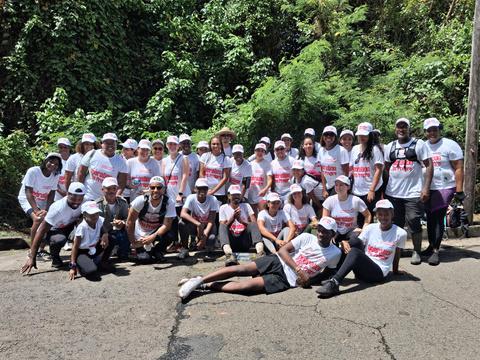
On the natural sites concerned, the gesture is simple, but it says a lot. Picking up a piece of garbage, filling a bag, moving forward as a group, taking a new look at a place you thought you knew. For the 29th edition of Opération Pays Propre, 950 participants took part in this environmental action in Martinique.
The mobilization brought together 15 companies, 8 associations and 8 schools. This mix of players gave the action a special significance. The challenge goes beyond cleaning up afterwards. It’s also about making young people, in particular, understand that abandoned garbage doesn’t disappear from the landscape. It damages the soil, beaches, paths and marine environments, and undermines what makes the island so valuable every day.
6.137 tonnes of waste collected
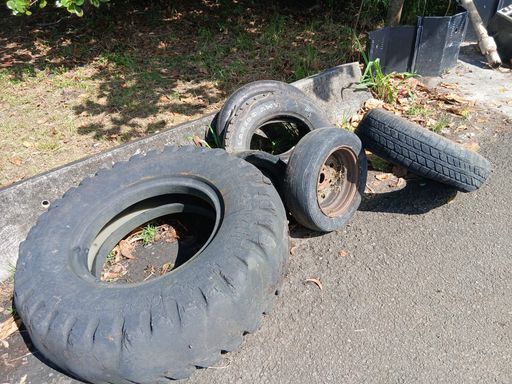
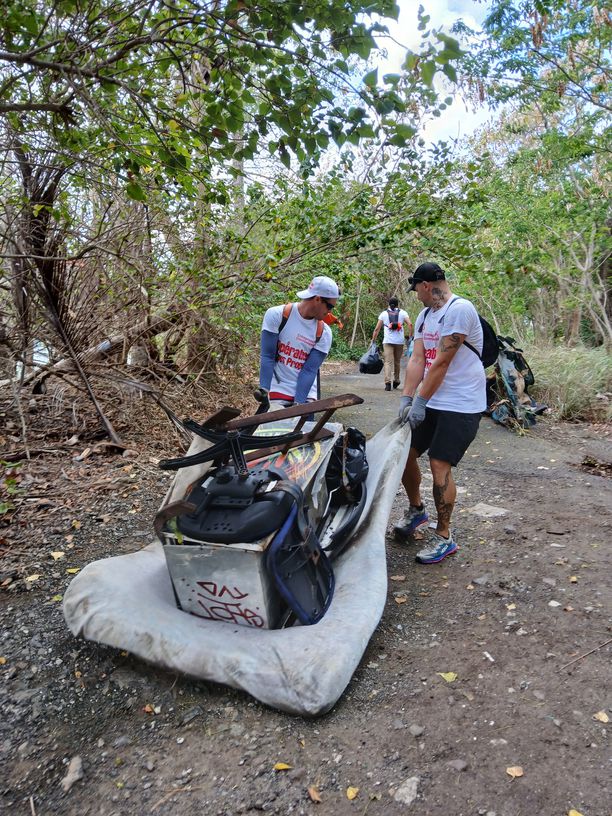
The results of Opération Pays Propre are clear: 6.137 tonnes of waste were collected this year. The clean-up involved 18 natural sites. This figure is a measure of the work accomplished, but it also forces us to look the problem in the face. If so much waste can be removed in just a few days, it’s because the pressure on natural areas remains high.
In Martinique, environmental issues have a direct impact on living conditions, natural heritage and tourism. A polluted natural site becomes a degraded area. It also weakens a place of memory, of walking, of family transmission and sometimes of economic activity. Through this operation, the participants are not protecting an abstraction. They are acting on places that local residents frequent, pass through or tell stories about.


An initiative launched in 2010
Since its launch in October 2010, on the occasion of the Fête des Entreprises, Opération Pays Propre has become a long-term project. The idea was to unite employees around a public-interest initiative: the clean-up of remarkable sites. Since then, two operations have been organized each year in partnership with the Office National des Forêts, and the initiative has opened up to companies, individuals, associations, schools and local authorities.
This development is important. It shows that an event originally conceived for the corporate world can become a broader civic event. The presence of schools is particularly important. It gives Opération Pays Propre an educational dimension. Children don’t just hear about the environment. They see what is thrown away, what accumulates and what needs to be removed.
Over 335 tonnes since launch
With this new edition, the operations carried out since 2010 total over 335.2 tonnes of waste collected and more than 23,474 participants. These two figures put the initiative on a new scale. Opération Pays Propre remains a local event, but its cumulative results tell the story of a long-term mobilization.
This continuity is essential. An isolated clean-up can leave a lasting impression. A repeated, measured and organized operation creates a collective memory. Companies, associations, schools and volunteers become links in the same chain, each with their own role, resources and presence on the ground.


A collective organization
With Opération Pays Propre, success depends on more than just the number of volunteers. It also requires logistics. The report cites the Office National des Forêts (French National Forestry Office) for its support in organizing the operation, supplying garbage can bags, supervising volunteers and disposing of waste. The Office de l’Eau provides financial support. Alizé Environnement, CACEM, Cap Nord, EKIP, Métal Dom and SMTVD are involved in waste management. The communes also contribute to waste removal.
This distribution of roles reminds us of the obvious: protecting a territory requires coordination. Voluntary action is essential, but it must be supervised, secured, financed and backed up by proper management of the waste collected.

Protecting the country, together
The strength of Opération Pays Propre lies in this meeting of concrete action and shared responsibility. On an island where natural landscapes are part of daily life, tourism, family attachment and collective identity, each piece of waste removed is also a way of looking at the country.
The Creole phrase put forward is: “Ansanm an nou protéjé péyi nou”, meaning “together, let’s protect our country”. It sums up what’s at stake. This mobilization is a reminder that protecting Martinique is not just a matter for big decisions. It also begins on a natural site, bag in hand, with the desire to leave behind a cleaner place than the one we found.
Opération Pays Propre is an environmental initiative organized in Martinique to clean up natural sites and raise awareness of the impact of waste on land and marine environments.
The 29th Opération Pays Propre brought together 950 participants, including 15 companies, 8 associations and 8 schools. The results show that 6.137 tonnes of waste were collected from 18 natural sites.
It helps to protect Martinique’s landscapes, living environment, natural surroundings and tourist image. Since 2010, over 335.2 tonnes of waste have been collected, with more than 23,474 participants.
Matnik Convergences opens up a new way of financing culture: a structured commitment by companies to projects of general interest. With seven founding members and the support of the Direction des Affaires Culturelles de la Martinique, this endowment fund aims to create a clearer dialogue between project sponsors, patrons and institutions.
A bridge between culture and business
In Martinique, many cultural project leaders face the same difficulty: identifying the right contacts, structuring a dossier, understanding the expectations of funders, and then defending their initiative within a clear framework. On the corporate side, a number of economic players are keen to support local creative, heritage or artistic initiatives, but don’t always know how to go about it.
This is where Matnik Convergences aims to take its place. Launched on the initiative of Martinique’s Direction des Affaires Culturelles, the fund is presented as a tool for convergence between companies, institutions and the cultural world. Its vocation is not simply to raise financing. It is also to create a method and a framework capable of bringing together worlds that often cross paths, but still too rarely work together.

Seven founders to launch the movement
The fund was created by a group of committed economic players. Seven founding members: Crédit Mutuel de Martinique, Groupe Elizé, Société Boris Constant, Distillerie Neisson, SACEM, SARL Maurice Laouchez and Contact-Entreprises.
This diversity counts. Matnik Convergences is not an isolated initiative, driven by a single company. On the contrary, the project seeks to build a collective logic. The aim is to enable Martiniquan companies wishing to contribute to the region’s cultural life to do so within a clearer, more transparent framework for project promoters.
However, the fund remains a company fund. The DAC Martinique provides support, notably in terms of framing and expertise, but the scheme retains its own logic. Companies contribute, projects are examined on the basis of public interest, and selection procedures will have to be confirmed by the fund’s governance.


A cultural patronage tool
For cultural players, Matnik Convergences could open up a complementary avenue. The fund does not replace traditional grant applications to the State or the Collectivité Territoriale de Martinique. It creates another possible path for cultural, artistic, heritage or environmental projects capable of fulfilling a mission of general interest.
The distinction between sponsorship and patronage remains essential. In sponsorship, a company supports an action without expecting an equivalent advertising return. It may be identified as a sponsor, but it does not become the focus of the project. Sponsorship is more of a visibility strategy.
This is the kind of philanthropic approach the fund aims to establish. For Martinique, the challenge goes beyond the mere search for funding. It’s about creating a climate of trust between those who create, transmit or restore, and those who can contribute financial, technical or human resources.

A fund that doesn't replace public money
Let’s be clear: Matnik Convergences is not intended to replace public money. The fund must open up an additional avenue, supported by companies, without taking the place of government or local authority cultural policies.
This nuance is essential. Culture in Martinique is about memory, transmission, education and the attractiveness of the region. In an area where heritage, artistic and economic issues intersect, a structured sponsorship tool can give greater visibility to projects that sometimes struggle to find their place.
The test will now begin: which projects will be supported, according to what criteria, and with what governance? It is on these answers that the real impact of Matnik Convergences will be measured. For Martinique, the challenge goes beyond the creation of a financial tool: it’s a question of knowing whether culture can become a sustainable area of cooperation between those who create, finance, transmit and bring life to the region.
Matnik Convergences is an endowment fund created to support cultural development in Martinique. It aims to bring together companies, institutions and cultural project leaders around actions of general interest.
The aim of Matnik Convergences is to create a clearer link between the business world and Martinique’s cultural sector. The fund will enable companies to support cultural, artistic or heritage projects within a structured framework.
No. Matnik Convergences does not replace public money. It opens up a complementary avenue, supported by corporate sponsors, for supporting cultural projects in Martinique, without replacing the cultural policies of the State or local authorities.
In Martinique, the DAC and the ARS are renewing their agreement on culture and health for the period 2026-2030. Behind this text, signed on April 22, are hospitalized children, EHPAD residents, people with disabilities, caregivers and artists trying to maintain an essential link: access to culture, even in times of fragility.
An agreement to keep the hospital in touch with the world
The culture and health agreement enters a new phase in Martinique. On April 22, 2026, in Le Marin, the Martinique Department of Cultural Affairs and the Martinique Regional Health Agency signed a new regional agreement for the period 2026-2030. The subject may seem institutional. Yet it touches on something very concrete: what remains of cultural life when illness, age or disability alter daily life.
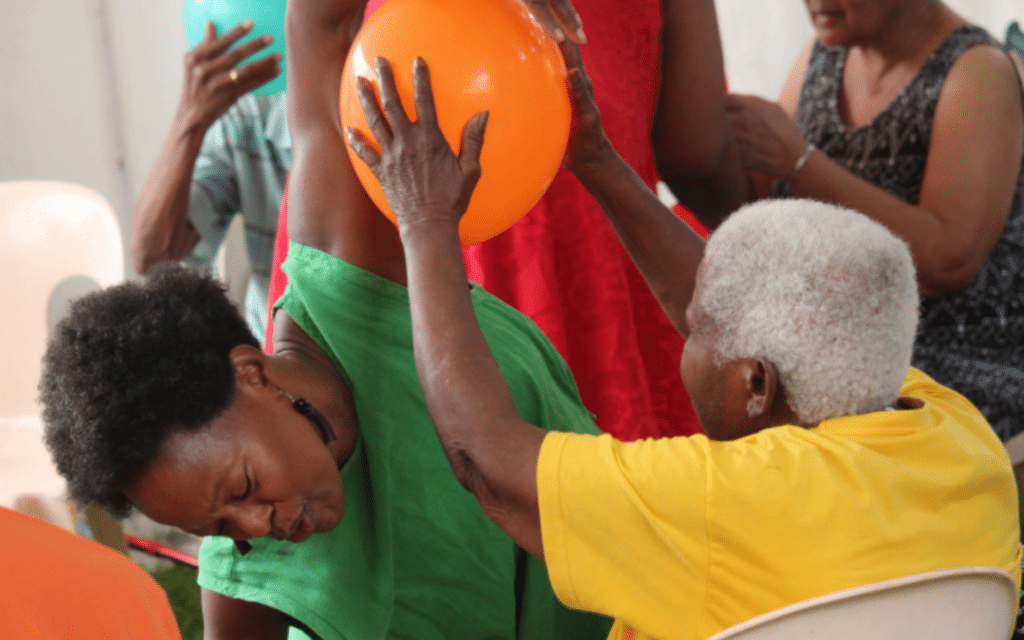
In a pediatric room, in an EHPAD, in a medico-social establishment, art doesn’t arrive as a simple entertainment. It can become a breath of fresh air, a way to speak differently, to bring back a memory, to put a person back at the center of his or her own story. This is what Séverine HUBY, artistic and cultural education and cultural action advisor at the DAC Martinique, sums up when she reminds us that “there must be no break in access to culture”.
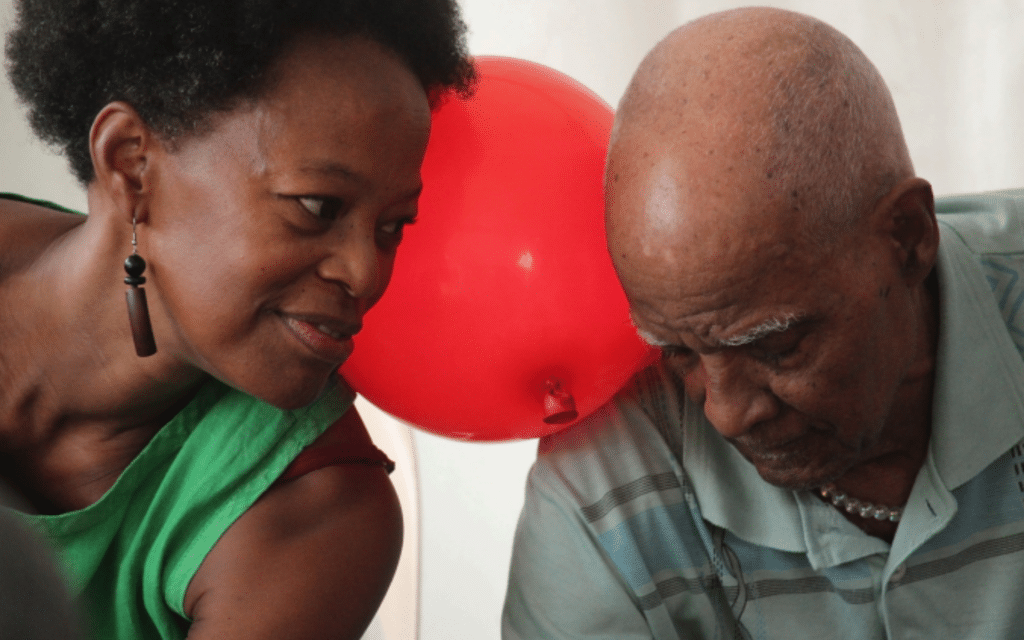
Two objectives: access to culture and global health
The culture and health agreement has two complementary objectives. The first is cultural: to strengthen access to artistic works and practices for hospitalized patients, the elderly and people with disabilities, as well as their families, caregivers and professional teams. The second is health-related: mobilizing art and culture as levers for support, prevention, well-being, autonomy and inclusion.
This regional framework is part of a national policy that has been in place for over 25 years. The first inter-ministerial agreement dates back to 1999. A new national agreement was signed in July 2025, before Martinique renewed its commitment for 2026-2030.
In the field, this means that artistic projects can be carried out in hospitals, nursing homes, facilities for the disabled and other care and support facilities. The culture and health agreement covers a wide range of fields: music, dance, theater, storytelling, puppetry, visual arts, books, cinema, intangible cultural heritage and digital creation.

110,000 per year and a professional standard
For 2026, a new call for projects is due to be launched in early May. According to Séverine HUBY, the annual budget is €110,000, with €60,000 provided by the ARS and €50,000 by the DAC. She also points out that, despite the tight budgetary situation, the funds earmarked for this program have been safeguarded.
Projects cannot be devised by an artist alone, nor by a facility alone. They must be co-constructed by a professional cultural player and a healthcare or medical-social facility. This requirement lies at the heart of the scheme. It helps to avoid proposals that are disconnected from the real needs of patients, residents and teams.
The agreement also emphasizes the active role of beneficiaries. The person supported must not remain a mere spectator. They must be able to participate, create, tell stories, move and pass on, depending on their state of health, age, disability or current abilities.

149 projects already supported in Martinique
The previous report gives an idea of what the culture and health agreement has already achieved. Between 2021 and 2025, 149 projects were supported in Martinique, for a total of €540,000. Performing arts and intangible cultural heritage projects account for more than two-thirds of the projects supported. Music, dance, drumming, storytelling, arts and crafts: these practices have a particular resonance in facilities for the elderly, because they activate memory, gestures, sounds and cultural references.


Among the projects highlighted is the Clowns Dokté association. At the Maison de la Femme et de l’Enfant (MFME) in Fort-de-France, in pediatrics in Trinité and at the Centre Hospitalier du Nord Caraïbe, clowns work with hospitalized children and their families. Before the intervention, a medical briefing is given to the care team. After the intervention, feedback can be given on elements observed in the child.
Their job is not just to make people laugh. It’s also about reducing stress, supporting families, taking the drama out of waiting or treatment times, and creating a childlike encounter. With Kloun Gran Moun, the association also works with elderly people in nursing homes, promoting social ties, memory and human presence.


A cultural policy, but also a social choice
The culture and health agreement poses a broader question: what place do we give to vulnerable people in the cultural life of the region? The answer is clear: hospitalization, age or disability must not exclude people from creation, speech, memory and sensitivity. For Martinique, the challenge is also one of heritage. When a drum, a puppet, a radio program, a dance workshop or a story enters a care facility, it’s not just an activity that begins. It’s a part of the territory that circulates, that’s passed on and that reminds us that culture doesn’t stop at the doors of fragile places.
The new Culture and Health Agreement 2026-2030 opens up a decisive period. It remains to be seen which artists, associations and establishments will respond to the 2026 call for projects. And above all, what stories will emerge from these encounters between care, memory and creation.
The culture and health agreement is a partnership between the DAC Martinique and the ARS Martinique. It aims to support artistic and cultural projects in hospitals, EHPAD and medico-social establishments, in order to maintain access to culture for hospitalized, elderly or disabled people.
Projects must be carried out jointly by a professional cultural player (artist, association, company or cultural structure) and a healthcare or medico-social establishment. This co-construction is mandatory to ensure that the project meets both the artistic objectives and the needs of the beneficiaries.
The culture and health agreement brings art into places where isolation can be strong. In Martinique, it supports projects involving music, dance, storytelling, intangible cultural heritage and the visual arts, while strengthening the social ties, memory, expression and autonomy of the people we support.
Great Blue Hole: seen from the air, it’s a dark circle in the middle of a turquoise lagoon. An almost perfect shape, set in the sea like an enigma. Off the coast of Belize, near Lighthouse Reef, this marine abyss, some 318 metres in diameter and 124 metres deep, has transformed a geological phenomenon into a global image.
A blue circle in the heart of the reef
From a small plane, the contrast is immediately striking. All around, the clear water hints at the shallows, reefs and nuances of the lagoon. In the center, the blue becomes denser, almost black. The Great Blue Hole is no mere natural curiosity. It’s an ancient limestone cavity, formed at a time when sea levels were much lower, then covered by the waters.
This uniqueness explains its visual power. Few places tell such a clear story of the link between geology, climate, sea and tourism. Here, the landscape is not just beautiful. It tells an ancient story that can be read on the surface.


A site off the coast of Belize
The Great Blue Hole is located near the center of Lighthouse Reef, a remote atoll off the mainland coast of Belize. NASA locates it some 80 kilometers off the Belizean coast, in an area where clear water allows the dark circle to stand out clearly against the reef’s shallow waters.
This site is part of the Belize Barrier Reef Reserve System, designated a UNESCO World Heritage Site in 1996. This vast protected area comprises seven zones, including the Blue Hole Natural Monument. It is one of Belize’s great natural symbols and one of the most recognizable landmarks in the English-speaking Caribbean.


More than just a postcard
The figures are striking: around 318 metres wide, 124 metres deep. But there’s more to it than that. The Great Blue Hole is a reminder that the Caribbean is not just about beaches and hotels. It also has its own natural archives. Beneath the surface, limestone walls, ancient formations and geological layers tell the story of sea-level variations and climate transformations.
This is what makes the site so special. It attracts travelers for its spectacular appearance, but it also interests scientists, environmentalists and institutions charged with protecting the reefs. In a country where the sea is at once a resource, a heritage and an economic engine, this blue circle concentrates many issues.

A showcase for tourism, but also a responsibility
The Great Blue Hole has become one of Belize‘s strongest images. It features in travel reports, tourism campaigns, aerial photographs and rankings of great marine sites. But this notoriety demands vigilance. The site doesn’t exist on its own. It depends on the health of the Belize Barrier Reef, conservation policies, water quality and the country’s ability to manage tourism development.
Belize has already experienced the tensions typical of coastal territories: pressure on reefs, development, tourist numbers, climate change. In fact, the Belizean reef was removed from the List of World Heritage in Danger in 2018, after conservation measures praised by UNESCO. This reminder is essential: a site admired worldwide can also be fragile.

What Belize is showing the Caribbean
The Great Blue Hole gives the country an immediate signature. It’s instantly recognizable. Yet its strength lies not only in its beauty. It comes from the fact that it forces us to look at the Caribbean Sea differently. Not as a backdrop, but as a living, ancient, vulnerable and strategic territory.
At a time when many Caribbean islands are seeking a better balance between tourism, natural heritage and ecosystem protection, Belize has a powerful example here. The Great Blue attracts the world’s attention. Now the real question is simple: how can we sustainably protect what everyone wants to see?
The Great Blue Hole Belize is located off the coast of Belize, near Lighthouse Reef, in the Caribbean Sea. It is part of the Belize Barrier Reef Reserve System, a UNESCO World Heritage Site.
The Great Blue Hole Belize is famous for its spectacular circular shape, visible from the sky, as well as for its impressive dimensions: around 318 meters in diameter and 124 meters deep. It has become one of Belize’s best-known natural symbols.
Yes, the Great Blue Hole Belize can be visited on organized excursions, notably by boat or aerial flight. The site attracts enthusiasts of diving, marine landscapes and natural heritage, but its frequentation must remain supervised in order to preserve this fragile ecosystem.
The 2ᵉ Summit of the Peoples of the Western Caribbean marked an important milestone for several Afrodescendant and indigenous communities in the region. Meeting in San Andrés, the summit resulted in the official handover of the San Andrés Declaration, the Constitutional Act and the Action Plan of the Confederation of the Peoples of the Western Caribbean. This step forward provides a more solid political framework for a regional dynamic driven by representatives of the Raizal, Garifuna, Miskito, Creole and other peoples of the Western Basin.
With this confederation, the 2ᵉ Summit of the Peoples of the Western Caribbean reaches a milestone. The San Andrés meeting is no longer confined to speaking collectively. It establishes a common structure designed to carry regional priorities on connectivity, rights, culture, the economy, education, the environment and governance.
The 2ᵉ Summit of the Peoples of the Western Caribbean: a regional organization taking shape
The significance of the summit lies first and foremost in what it formalizes. The creation of the Confederation of the Peoples of the Western Caribbean gives greater continuity to a process that has been underway since the first edition. It also strengthens the political weight of communities that share similar realities: marginalization, economic fragility, pressure on territories, cultural invisibilization and the need for regional representation.
San Andrés is a highly symbolic place. The archipelago occupies a strategic position in the Western Caribbean and is a central space for the Raizal people. The choice of this territory gives the summit a strong historical and regional significance, recalling the ancient links between the islands, the coasts and the peoples who live in this maritime space.
The 2ᵉ Summit of the Peoples of the Western Caribbean thus puts forward a reading of the region based on the communities themselves. This approach puts the focus back on languages, maritime circulation, shared heritages, local exchanges and forms of organization specific to the territories concerned.
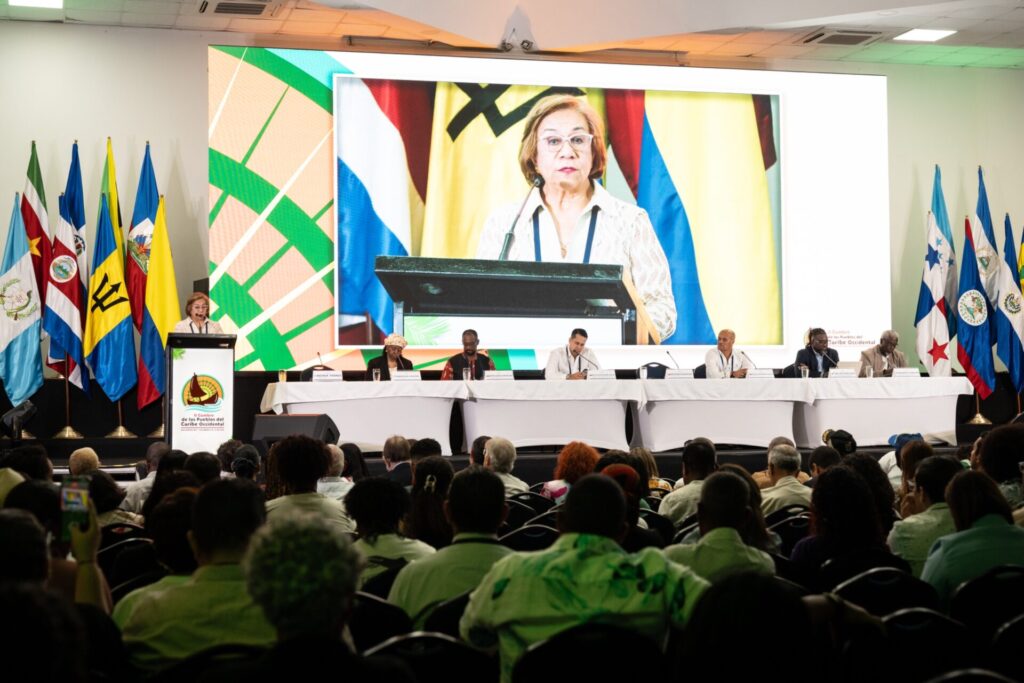
A roadmap focused on traffic, the economy and the regions
One of the strengths of the 2ᵉ Summit of the Peoples of the Western Caribbean lies in its concrete content. The declaration identifies several priorities: strengthening sea and air routes, reducing logistics costs, facilitating regional trade, supporting community businesses and consolidating local production chains. Artisanal fishing, subsistence farming, the bioeconomy and sustainable tourism all feature prominently in this vision.
This orientation gives the summit a very practical scope. Regional issues are addressed from the angle of the movement of people, goods, know-how and opportunities. For regions that are often faced with isolation, high costs and strong external dependencies, this economic roadmap carries real weight.
The declaration also provides for more advanced cooperation mechanisms on trade, investment, logistics and institutional coordination. The 2ᵉ Summit of the Peoples of the Western Caribbean thus gives a central place to economic autonomy and the ability of communities to better master their own exchange circuits.

Ancestral languages and collective memory: a major focus of the summit
The question of language plays an important role in the decisions taken at San Andrés. Creole, Miskito, Garifuna and other regional languages are presented as essential components of the identity of the peoples of the Western Caribbean. Their intergenerational transmission, their presence in education and their institutional recognition are among the objectives selected. The 2ᵉ Summit of the Peoples of the Western Caribbean gives a strong signal here. In this region, language directly affects memory, culture, collective dignity and the relationship with the territory. Its preservation is therefore a key political and cultural choice.
The declaration also raises the possibility of wider recognition of ancestral languages as intangible heritage. This perspective reinforces the role of culture in the structuring of the San Andrés regional project.

Climate, historical justice and artificial intelligence in the regional program
The 2ᵉ Summit of the Peoples of the Western Caribbean also articulates historical issues and very current challenges. The communities gathered in San Andrés recall the lasting effects of structural racism, political exclusion, territorial dispossession and violence suffered in several territories of the region. The declaration clearly places the issue of historical reparation and the protection of collective rights on the regional agenda.
The environment is also one of the summit’s key issues. The peoples of the western Caribbean are presented as the historical guardians of fragile territories, exposed to hurricanes, ecosystem degradation and the effects of climate disruption. The response defended in San Andrés is based on biodiversity, traditional knowledge, community resilience and forms of production compatible with local balances.
Another key topic is technology. The declaration devotes several passages to artificial intelligence, algorithmic bias, data mining and new digital inequalities. It introduces the notion of ethnocodification, presented as a regional approach designed to adapt technologies to the cultural, linguistic and territorial realities of the peoples concerned. This section gives the 2ᵉ People’s Summit of the Western Caribbean a particularly contemporary dimension.

San Andrés opens a new phase
The main political outcome of the 2ᵉ Summit of the Peoples of the Western Caribbean lies in this desire for lasting organization. With the confederation, the peoples gathered in San Andrés now have a more structured framework to carry their positions on connectivity, territories, languages, trade, rights and regional governance. The summit also gives greater visibility to a Western Caribbean often relegated to official narratives. Here, communities are speaking out about their future, their priorities and how they can have a greater say in regional debates. This development gives San Andrés a special place in the recent history of Caribbean cooperation.
The next edition, scheduled to take place in Bocas del Toro, Panama, confirms this desire for continuity. The 2ᵉ Summit of the Peoples of the Western Caribbean thus leaves a clear political signal: the Western Caribbean is getting organized, specifying its priorities and intends to count more in defining its regional future.
📸©GOV.CO
The 2ᵉ People’s Summit of the Western Caribbean is a regional meeting bringing together representatives of Afrodescendant and indigenous communities, as well as institutional and academic players, around the issues of integration, culture, economy and governance in the region.
The 2ᵉ Summit of the Peoples of the Western Caribbean led to the creation of the Confederation of the Peoples of the Western Caribbean, accompanied by an official declaration and an action plan structuring regional cooperation.
The 2ᵉ Summit of the Peoples of the Western Caribbean marks a step forward in the political structuring of the region’s peoples, giving them a common framework to carry their economic, cultural, environmental and institutional priorities.
The 2ᵉ Peoples Summit of the Western Caribbean addressed key topics such as regional connectivity, local economic development, preservation of ancestral languages, historical justice, climate management and issues related to technology and artificial intelligence.
The next step announced after the 2ᵉ Summit of the Peoples of the Western Caribbean is the organization of a third edition, planned for Bocas del Toro in Panama, to continue structuring and cooperation between the peoples of the region.
Direct flight between Saint Kitts and Nigeria is part of a more profound evolution in relations between the Caribbean and the African continent. On March 21, 2026, a charter flight left Robert L. Bradshaw International Airport with over 100 passengers from eight Caribbean territories. The aircraft landed the next day in Abuja, Nigeria, marking a concrete break with traditional travel routes. This journey is more than just a logistical feat. It embodies a political will: to reduce dependence on European and North American hubs, and to structure direct connections between two regions that have historically been linked, but are still poorly connected in practice.
A break with imposed routes
Until now, travelling to Africa from the Caribbean involved long and costly detours. Multiple stopovers, long journey times, administrative complexity: these constraints limited exchanges, particularly economic ones. This direct flight between St. Kitts and Nigeria changes all that. It doesn’t just reduce travel time. It redefines the conditions of access. By eliminating geographical intermediaries, it opens up the possibility of a more direct, fluid and potentially more frequent relationship.
This is a strategic development. In a region where connectivity determines opportunities, each new air route can change the dynamics of trade, tourism and institutions.
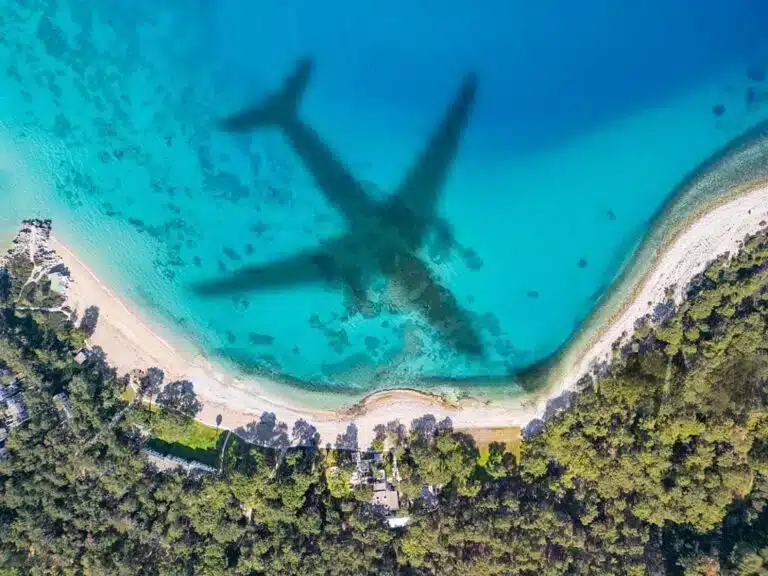
An assertive lever for economic diplomacy
The composition of the delegation spoke volumes about their intentions. Alongside political representatives were entrepreneurs, investors and cultural players. This choice confirms that the objective goes beyond the institutional framework. The trip took place against the backdrop of the Afri-Caribbean Investment Summit (AACIS) in Abuja. Discussions focused on sectors identified as priorities: agriculture, blue economy, cross-investment and cultural industries.
The direct flight between St. Kitts and Nigeria thus becomes a tool. It facilitates meetings, speeds up negotiations and lends operational credibility to projects that are often mentioned but rarely put into practice. The ambition is clear: to create a trade corridor between the Caribbean and West Africa. This notion, still theoretical, takes tangible form here.
A political reading of the Africa-Caribbean rapprochement
Beyond the economic stakes, the initiative is part of a broader reading of international relations. It reflects a desire to strengthen ties between theOrganization of Eastern Caribbean States (OECS) and the Economic Community of West African States (ECOWAS). This positioning marks an evolution. The Caribbean no longer seeks solely to consolidate relations with its traditional partners. It is exploring alternative avenues, in line with a logic of South-South cooperation. In this context, the direct flight between Saint Kitts and Nigeria sends out a signal. It shows that links between regional blocs are possible, provided they are supported by concrete infrastructures.
"Reverse Middle Passage": a reinvested symbol
The initiative is accompanied by a strong symbolic dimension, through the expression “Reverse Middle Passage”. It refers back to transatlantic history, but reverses its meaning. It is no longer an imposed crossing, but a chosen journey, organized around economic and strategic interests. This change of perspective is not insignificant. It is part of a re-reading of relations between Africa and the Caribbean, based on cooperation rather than memory alone. In this context, the direct flight between Saint Kitts and Nigeria goes beyond air transport. It is part of an attempt at political and economic repositioning.
Real but conditional opportunities
The prospects opened up by this link are numerous. They include
- – bilateral investments,
- – Caribbean exports,
- – collaborations in the blue economy,
- – the circulation of cultural and creative players.
But these opportunities remain conditional. A one-off flight is not enough to structure a lasting relationship. Continuity will be decisive: economic agreements, financing mechanisms, regularity of connections, diplomatic follow-up. The direct flight between Saint Kitts and Nigeria is a starting point, not an end point.

A new geography of trade under construction
This move raises a fundamental question: is the Caribbean in the process of redesigning its connecting axes? By bypassing the routes dominated by the North, this initiative proposes a different reading of the Atlantic. It brings together two areas which, despite their shared history, are still far apart in contemporary exchanges. The direct flight between St. Kitts and Nigeria will not immediately transform regional balances. But it does introduce a concrete possibility: that of a direct, structured and assumed relationship between the Caribbean and Africa. In a context where mobility directly influences economic opportunities, this development deserves particular attention.
The direct flight between St. Kitts and Nigeria is profoundly changing mobility conditions between the Caribbean and Africa. Until now, travel between the two regions required stopovers in Europe or North America, which added considerably to journey times and costs. This new link reduces these constraints and facilitates travel for decision-makers, entrepreneurs and investors. In the medium term, this can accelerate trade, encourage economic partnerships and strengthen the Caribbean’s presence in African markets.
This flight is strategic, because it’s not just about air travel, but a tool for regional cooperation. It is part of a process of rapprochement between the Organization of Eastern Caribbean States (OECS) and ECOWAS. The direct flight between Saint Kitts and Nigeria creates an operational link between two regional blocs, facilitating economic meetings, negotiations and joint projects. It also helps to reposition the Caribbean as an active player in South-South dynamics.
At this stage, it’s a charter flight organized as part of a major economic event. For a scheduled service to become a reality, a number of conditions will have to be met: sufficient demand, solid bilateral agreements, a viable business model for the airlines and a lasting political commitment. The direct flight between St. Kitts and Nigeria is therefore a first step, but its transformation into a scheduled service will depend on the concrete benefits of this initiative.
The vodou is entering a new phase in its international history. The joint candidacy of Haiti and Benin for inscription on the Representative List of the Intangible Cultural Heritage of Humanity places centuries of memory, transmission and creation at the heart of a global heritage debate. The deadline set by UNESCO for applications to be examined in 2027, and submitted before March 31, 2026, places this initiative within a precise and structured institutional calendar, but the stakes go far beyond the administrative procedure.
For the Caribbean, and Haiti in particular, this candidacy is no mere cultural formality. It’s about recognizing a living heritage, often misunderstood, sometimes caricatured, but deeply rooted in the country’s social, artistic and spiritual history. Vodou is not a fixed folklore; it is a cultural matrix, a way of organizing the link between generations, communities and the sacred. To place it within an international heritage dynamic is to recognize its complexity, depth and vitality.
A candidacy that redefines the way we look at vodou
The strength of this initiative lies in its ambition to go beyond simplistic representations. Too often confined to spectacular or distorted images, Vodou appears here as a complete cultural system, articulating beliefs, social practices, arts, rituals and modes of transmission. The official documentation associated with the Benin project reminds us that Vodou has its roots in West Africa, and that it spread to territories marked by the transatlantic slave trade. This historical continuity sheds light on the deep bond between Benin and Haiti, not as a diplomatic juxtaposition, but as a shared history.
This repositioning is essential. Registering Vodou as intangible cultural heritage means recognizing that it is not an isolated object, but a body of knowledge, gestures, rhythms and stories transmitted within living communities. Heritage recognition does not freeze tradition; it underlines its capacity to adapt and evolve. It affirms that the value of vodou lies as much in its spiritual dimension as in its social and artistic role.
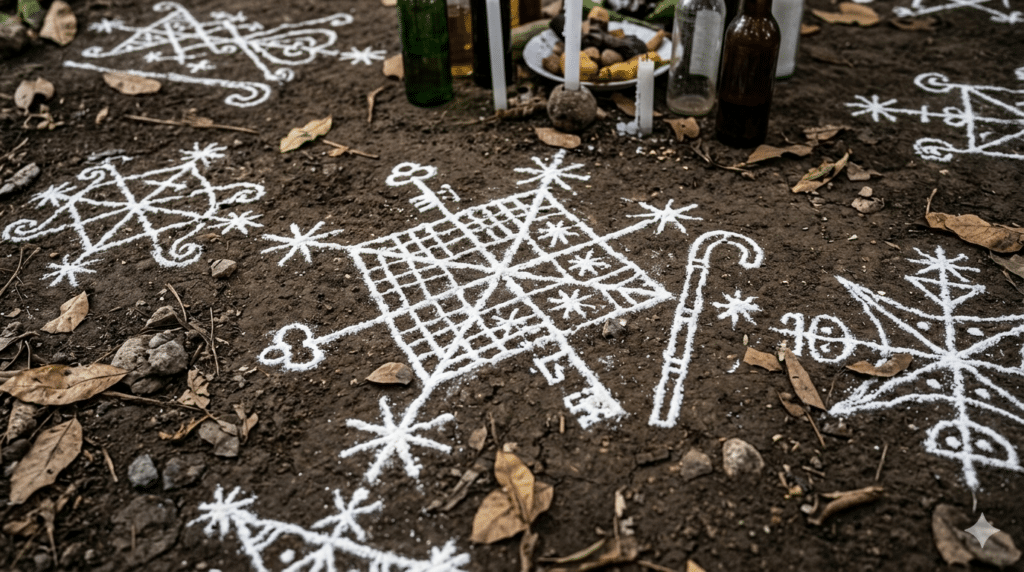
Haiti, vodou territory in the Caribbean
A structuring presence in Haitian society
In Haiti, vodou permeates the deepest layers of society. It shapes not only rituals, but also forms of sociability, symbolic calendars, relationships with ancestors and ways of interpreting the world. It is not only expressed in ceremonies; it also permeates everyday gestures, family stories and community relations. To understand Vodou in Haiti, we need to look beyond the boundary between religion and culture: it’s a universe of meaning where spirituality, aesthetics and social organization are in constant dialogue.
This reality explains why the candidacy takes on a special dimension for the country. Haiti has more than just a historical legacy; it is a vital part of a heritage that continues to shape contemporary identities and practices. In a context where Haiti’s international image is often dominated by narratives of crisis, highlighting Vodou as a living heritage is part of a more balanced and fairer rewriting of the national narrative.

An artistic and creative matrix
It has long nourished Haitian artistic expression. The percussive rhythms, responsorial songs, codified dances and symbols traced on the ground make up a remarkably rich aesthetic language. The vèvè, symbolic drawings associated with the spirits, bear witness to a graphic sophistication that has influenced generations of artists. Textiles, embroidery and contemporary creations inspired by the vodou imagination illustrate how tradition continues to dialogue with modernity.
This artistic dimension is not secondary; it lies at the heart of the application. It shows that vodou is not just a belief system, but also a creative space where body, voice and matter become vectors of memory and transmission. For readers in the Caribbean, this perspective will help them better understand why it occupies a singular place in the region’s cultural ecosystem.

From the Gulf of Benin to Haiti: transatlantic historical continuity
A history shaped by the Atlantic slave trade
The link between Benin and Haiti is part of the long history of the transatlantic slave trade. Beliefs and practices originating in the ancient kingdoms of the Gulf of Benin region crossed the ocean with enslaved people. When they arrived in the Caribbean, they were transformed, adapted and enriched by contact with other traditions and the colonial context. Haitian vodou is not a simple reproduction; it is the result of a process of cultural re-creation in the face of the violence of uprooting.
Acknowledging this continuity means recognizing the ability of displaced peoples to preserve essential elements of their worldview. The joint candidacy highlights this complex trajectory, where African memory and Caribbean experience come together in a shared heritage.
Cultural diplomacy aimed at recognition
Beyond history, this initiative is part of active cultural diplomacy. Together, Benin and Haiti are asserting the value of a shared heritage, as part of a dynamic of intercultural dialogue. This cooperation underscores the fact that intangible heritage can become an arena for rapprochement and mutual recognition, far removed from the logic of symbolic competition.
The challenges for Haiti: recognition, transmission and international image
A heritage already present on the UNESCO stage
Haiti has recently distinguished itself with the inscription of several cultural elements on UNESCO’s Representative List, including joumou soup in 2021, cassave bread knowledge in 2024 and compas in 2025. This trajectory confirms the country’s determination to promote its living traditions. In this continuity, it appears as a fundamental pillar, whose recognition would reinforce the coherence of this heritage policy.
An opportunity to rebalance representations
International recognition of vodou would have a powerful symbolic impact. It would help to deconstruct sensationalist visions and place the tradition in its historical and social context. For Haiti, the stakes are also educational: offering younger generations a more structured reading of their heritage and encouraging documentation, education and safeguarding programs.


Heritage recognition as a lever for the future
Inscription on the Representative List would not be an end in itself. It would open up a space for reflection on how to preserve a living heritage without freezing it. It would encourage the active participation of communities and strengthen transmission mechanisms. Above all, it would affirm that Vodou fully belongs to the world’s cultural heritage, not as an exotic curiosity, but as a complex system of knowledge and artistic expression.
At the crossroads of Africa and the Caribbean, it tells a story of continuity despite rupture, of creation despite constraint, of memory despite erasure. For Haiti, this candidacy represents a significant step in the recognition of a heritage that continues to structure its cultural identity and international influence.
No. Vodou is the subject of a joint nomination by Haiti and Benin for inscription on the Representative List of the Intangible Cultural Heritage of Humanity. The final decision is expected during a forthcoming evaluation cycle by the intergovernmental committee.
In Haiti, vodou is a living heritage that structures collective memory, social practices, artistic expression and intergenerational transmission. It plays a central role in Haitian cultural identity.
Vodou originated in West Africa, particularly in the Gulf of Benin region. Following the transatlantic slave trade, these beliefs and practices were transmitted to the Caribbean, where they were adapted and transformed in Haiti, while retaining common roots.
On Saturday March 14, 2026, the Hotel de l’Assemblée de la CTM in Fort-de-France hosted the 6th edition of the Caribbean Business Cruise (CBC). Organized by Isanaja Consulting in partnership with Martinique Développement this economic morning brought together Caribbean entrepreneurs from Guadeloupe, Saint Lucia and Antigua & Barbuda to work towards a common goal: to turn the Caribbean into a concrete area of economic cooperation.
A business cruise, a pioneering concept in the Caribbean
The Caribbean Business Cruise is no ordinary networking event. Created in 2019 by Isabelle Adelis Flandrina, founder and CEO of Isanaja Consulting, the Caribbean Business Cruise is presented as the first Caribbean business cruise. The concept is to enable business leaders to meet aboard a ship, away from busy schedules, to build real business relationships.
"Together with my husband, we created the first edition of the Caribbean Business Cruise in 2019, which was originally founded to enable business leaders to go on mission with their families."
— Isabelle Adelis Flandrina, fondatrice d'Isanaja Consulting
In six years, Caribbean Business Cruise has evolved to include an increasingly structured economic dimension. Caribbean Business Cruise 6 now boasts a partnership agreement with the Organization of Eastern Caribbean States (OECS), making Isanaja Consulting one of the few private French companies to hold this partnership, according to its founder. This recognition opens up access to an English- and Spanish-speaking network that Martinique is still struggling to exploit to the full.
Martinique as a host and investment destination
The Caribbean Business Cruise kicked off with a speech by Alexandre Ventadour, territorial councillor at the Martinique Assembly and President of Martinique Développement. His message: Martinique isn’t waiting for investors, it’s getting ready to receive them.
"Our Martinican companies are here to showcase what Martinique can do best."
— Alexandre Ventadour, président de Martinique Développement

Yann Yala also of Martinique Développement, gave an economic overview of the region: GDP in excess of €10 billion, with growth of around 1%, per capita GDP of €29,000, a population of 356,000, and a trade balance that is largely in deficit, with a coverage rate of around 20% by 2025. Three sectors have been identified as priority development drivers: tourism (6% of GDP, €600 million in annual sales), renewable energies and the digital economy.

With this diagnosis in mind, the question of export support became central. Martinique Développement focuses on attractiveness and installation support, while the Martinique Chamber of Commerce and Industry (CCIM) has taken over responsibility for exports, notably via the Caribbean Trade Facilitation Team. Stéphanie Pujar, project manager for Caribbean cooperation at the CCIM, presented this bilingual (French and English) program, which supports companies from Martinique, Guadeloupe and Guyana in their export development.
"International business support is truly a tailor-made service. Every company has its own project, so every company also has services that suit it."
— Stéphanie Pujar, responsable coopération Caraïbes, CCIM

French companies can benefit from grants from the French Ministry for Overseas France covering between 50% and 75% of the cost of international assignments. It’s a little-known lever that’s regularly highlighted at this type of event.
Caribbean entrepreneurs in search of partners
Caribbean Business Cruise 6 gave a dozen companies the opportunity to present themselves in two minutes, before getting down to B2B business. A deliberately tight format to get straight to the point.
Among the English-speaking participants, Celia Samuel representative of Go To Enterprise (Antigua & Barbuda) and board member of the Antigua Chamber of Commerce, was back for the second year running. She distributes wholesale food products: fruits, vegetables, meats, agro-processed products, from producer to end customer, and is looking for manufacturers wishing to export to the English-speaking Caribbean.
"I am passionate about working with other Caribbean islands and other Caribbean companies. Time waits for no man. So if you see an opportunity, jump on it. "
"I'm passionate about working with other Caribbean islands and companies. Time waits for no one. So if you see an opportunity, seize it."
— Celia Samuel, Go To Enterprise, Antigua & Barbuda
Her testimonial is a concrete illustration of the value of the Caribbean Business Cruise: during the previous edition, she forged a relationship with a producer in Grenada, and is now the exclusive distributor of his brand in Antigua, with prospects for expansion to other islands.
Chantal Alexander, General Manager of Abby’s Exotic Blends (Saint Lucia), was presenting a range of preservative-free agro-processed products based on plantain, breadfruit, sweet potato and green banana, potato chips, confectionery and rum punches, and was looking for distributors or production partners.
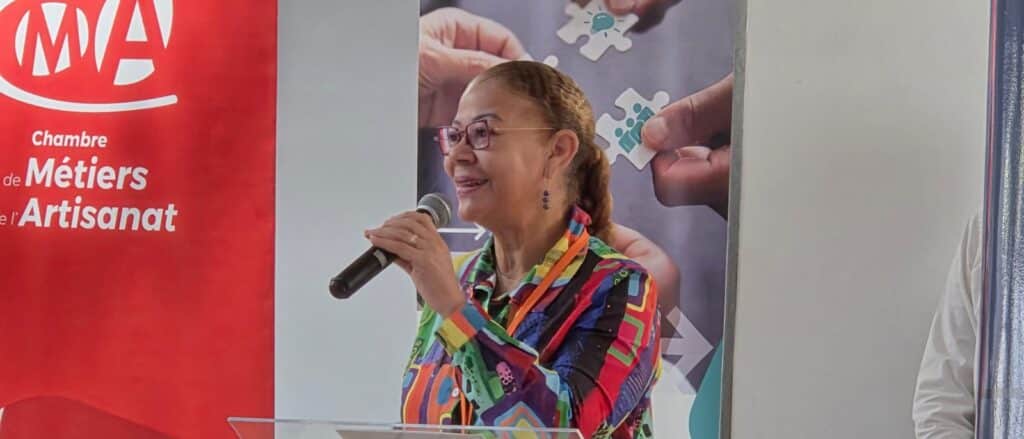
On the Guadeloupe side, the sectors represented covered a broad spectrum: cybersecurity with CyberCorsair (Jérémy Benallal) water and renewable energy engineering with Prest’eau Caraïbes (Luigi Apoari), management consulting with Auxiliary Being (Franciane Morvany), software and digital training with ISP Informatique and cultural and tourist development with the association Fout Gwada Bel (Leslie Morvany). Guadeloupe’s Chambre des Métiers de l’Artisanat was also on hand to promote its Artisans Pays de Guadeloupe label and explore synergies with its counterparts in Martinique.
A mindset to build
Isabelle Adelis Flandrina was keen to point out a reality with which the room is familiar: French-speaking and English-speaking entrepreneurs don’t arrive at the same meetings with the same frame of mind.
On the English side, when they go there, they go there to do business. Clearly, if they come to meet you, it's to find out if you can meet their demand."
— Isabelle Adelis Flandrina
This difference in entrepreneurial culture runs like a thread through the successive CBCs. This year, the Martinique and Caribbean delegations were more cautious than expected: the founder refers in particular to the Caribbean geopolitical context linked to US policies and its impact on regional business dynamics. A Haitian delegation, initially scheduled, was unable to join the event for logistical reasons.
Despite these absences, the Caribbean Business Cruise 2026 confirmed the usefulness of these regional meetings. The B2B exchanges that followed the presentations, in the Assembly hall, materialized what the CBC seeks to provoke: real connections between players who, geographically close, do not spontaneously cross paths.
Digicel Business a partner of the event, emphasized through the voice of its Administrative and Financial Director René Klock the importance of this type of initiative in strengthening the regional economic fabric around Caribbean VSEs and SMEs.
The 7th edition of the Caribbean Business Cruise is already on the cards, with organizers hoping for a larger Martinique delegation on board.

The Caribbean Business Cruise (CBC) is the first Caribbean business cruise, created in 2019 by Isanaja Consulting. Each year, it brings together business leaders from all over the Caribbean – French, English and Spanish speakers – for B2B exchanges and regional partnership opportunities. The 6th edition was held on March 14, 2026 in Fort-de-France, Martinique.
Martinique boasts a GDP of over 10 billion euros, a largely service-based economy and identified growth sectors: tourism, renewable energies and digital technology. Martinique Développement and the Martinique Chamber of Commerce and Industry offer tailor-made support for setting up and exporting, with grants covering 50-75% of the costs of international missions for French companies.
The 6th edition of the Caribbean Business Cruise in Fort-de-France brought together companies in five sectors: agro-processing (Abby’s Exotic Blends, Saint Lucia), cybersecurity (CyberCorsaire, Guadeloupe), water and environmental engineering (Prest’eau Caraïbes, Guadeloupe), distribution and international trade (Go To Enterprise, Antigua), and business training and support.
The partnership between CTO and The Travel Foundation marks an important step in the evolution of tourism policies in the Caribbean. At the ITB Berlin 2026 international trade fair, the region’s tourism leaders confirmed that they would strengthen their cooperation to support a more sustainable tourism model, more resilient to climate change and more focused on local communities.
In a region where the economy is heavily dependent on tourism, climate change is no longer an abstract issue. The effects of global warming, the intensification of weather phenomena and the erosion of coastal ecosystems now represent immediate challenges for many island territories. It is against this backdrop that the partnership between CTO and The Travel Foundation takes on a strategic dimension. The objective is clear: to transform climate commitments into concrete actions capable of supporting the economic and social future of Caribbean destinations.
ITB Berlin, a strategic venue for the voice of the Caribbean
Every year, ITB Berlin brings together the world’s key tourism players: ministries, international organizations, airlines, destinations and industry experts. For the Caribbean, this event is an essential platform for recalling a reality that is often underestimated on an international scale: small island states are among the territories most exposed to the effects of climate change.
At a session devoted to the gap between climate risks and adaptation solutions in tourism, the Secretary General and CEO of the Caribbean Tourism Organization, Dona Regis-Prosper, highlighted the region’s real-life experience. The devastating hurricanes that regularly hit the Caribbean, rising sea levels and increasing pressure on marine ecosystems have had a profound impact on the territories. Today, this first-hand experience is a driving force for rethinking the region’s tourism strategies. The partnership between CTO and The Travel Foundation is precisely in line with this dynamic of transformation.

Moving from climate talk to concrete solutions
At the heart of the partnership between CTO and The Travel Foundation lies one overriding conviction: climate strategies must now go beyond declarations of intent. Caribbean destinations already have numerous studies, scientific data and prospective scenarios on climate risks. However, a persistent challenge remains: transforming this information into genuinely funded and operational projects.
This is one of the points raised by Narendra Ramgulam, Deputy Director of Sustainable Tourism at the Caribbean Tourism Organization. According to him, the region has no shortage of ideas and analyses, but the concrete implementation of projects is often hampered by a lack of access to funding. In this context, the partnership between CTO and The Travel Foundation aims to bridge the gap between strategic planning and real action on the ground.

A tourism model focused on local communities
One of the major thrusts of the partnership between CTO and The Travel Foundation concerns the role of local populations in tourism development. In many Caribbean destinations, the economic benefits of tourism sometimes remain concentrated in certain segments of the industry. The new cooperation framework aims to foster a more inclusive approach in which tourism projects generate direct benefits for communities.
This vision also implies a strengthening of local skills in sustainable tourism professions, as well as increased support for economic initiatives that enhance the region’s natural and cultural resources. This approach is in line with a global trend in the tourism sector. Today’s travelers are increasingly interested in responsible, authentic experiences that are closely linked to the realities of the areas they visit.
Caribbean tourism faces structural transformation
The partnership between CTO and The Travel Foundation comes at a pivotal time for the Caribbean tourism industry. Several profound transformations are redefining the future of the sector. The intensification of extreme climatic phenomena, the gradual weakening of coral reefs, the erosion of certain beaches and the evolution of travelers’ expectations in terms of sustainability are gradually changing the balance of regional tourism.
These elements are not just about the environment. They directly influence the tourism experience, the competitiveness of destinations and the livelihoods of many local populations. Against this backdrop, strengthening the resilience of Caribbean tourism is becoming as much an economic priority as an environmental one.
International cooperation to strengthen resilience
The renewal of the partnership between CTO and The Travel Foundation formalizes a strengthened collaboration between two organizations committed to the transformation of global tourism. The Travel Foundation has been working for several years on initiatives to make tourist destinations more sustainable, notably through climate planning, tourism flow management and ecosystem protection.
For its part, the Caribbean Tourism Organization represents the tourism interests of many of the region’s territories and plays a central role in coordinating regional policies. By combining their expertise, the two institutions aim to develop tools and strategies that will enable Caribbean destinations to better anticipate climate risks, while maintaining their attractiveness to tourists.
A regional vision for the future of Caribbean tourism
Beyond technical cooperation, the partnership between CTO and The Travel Foundation is also part of a broader vision: that of a coordinated regional approach to sustainable tourism. The Caribbean shares many common realities. The economies of many territories rely heavily on tourism, the islands remain particularly exposed to climatic risks, and the region boasts an exceptional natural and cultural heritage.
In view of these common characteristics, regional cooperation appears to be an essential lever for developing solutions tailored to the specific characteristics of island destinations. This approach is also in line with the ambitions of the CTO Reimagine Plan, a strategy that aims to reposition Caribbean tourism around sustainability, innovation and resilience.
The Caribbean, a global laboratory for sustainable tourism
Through the partnership between CTO and The Travel Foundation, the Caribbean is also seeking to assert its role in international debates on the future of tourism. The challenges facing the region today could foreshadow those that other tourist destinations will have to face in the coming decades. From this perspective, the Caribbean can become a veritable laboratory of innovation for climate-resilient tourism strategies, sustainable management of island destinations and the integration of communities into the tourism economy.
The stakes involved in the partnership between CTO and The Travel Foundation extend far beyond regional borders. The solutions developed in the Caribbean could inspire other regions of the world facing similar challenges.
The partnership aims to develop concrete strategies to make Caribbean tourism more resilient in the face of climate change, while supporting local communities.
Caribbean destinations have to cope with intensifying hurricanes, beach erosion, coral reef degradation and rising sea levels.
The Caribbean Tourism Organization aims to position the Caribbean as a sustainable destination, capable of reconciling tourism development, ecosystem protection and benefits for local populations.
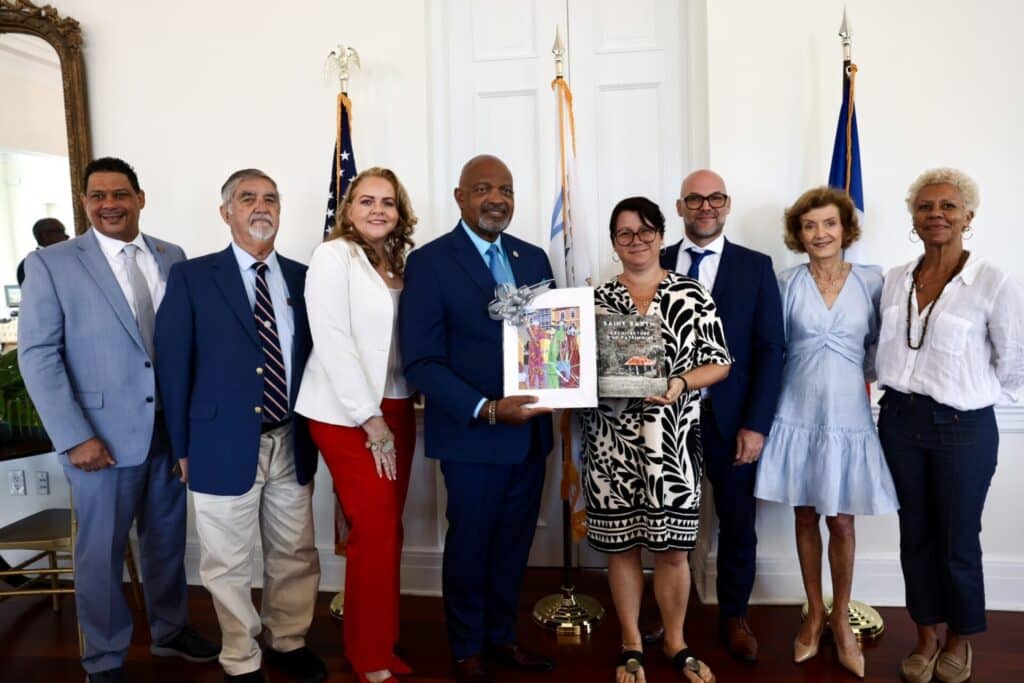
The twinning of Saint-Barth and Saint-Thomas marks a new stage in relations between two neighboring territories whose human, cultural and historical ties have long transcended administrative boundaries. Tuesday, March 10, 2026, Xavier Lédée, President of the Territorial Council of Saint-Barthélemy, and Albert Bryan Jr, Governor of the U.S. Virgin Islands, officially signed the twinning agreement between the two islands. The signing provides a concrete framework for a long-standing regional relationship, and lays the foundations for cooperation that is set to expand in a number of areas, including culture, education, sport and institutional exchanges.
In the Caribbean, where neighboring territories often share common histories, families and economic flows, this type of agreement takes on a special dimension. The twinning arrangement between Saint-Barth and Saint-Thomas illustrates this regional reality: that of close islands that are now choosing to structure their relations more closely in order to build joint projects and strengthen their dialogue.
An official signature supported by committed players
The signing of the twinning agreement between Saint-Barth and Saint-Thomas took place in the presence of a delegation representing the institutional and associative life of Saint-Barthélemy. Around the President Xavier Lédée, several personalities involved in the cultural and associative life of the region were present: Bettina Cointre, president of the culture commission, Cécile Coudreau, president of AJOE, Vianney Blanchard, president of the “Jumelage Saint-Barth et Saint-Thomas” association, and Jean-Yann Bouchau, thead of the culture and communications department.
This composition underlines the ambition of the project. The twinning between Saint-Barth and Saint-Thomas is not limited to a relationship between institutions. It also relies on cultural, associative and educational players who will play an essential role in transforming this agreement into concrete initiatives. The first working meetings should rapidly identify projects capable of giving real visibility to this rapprochement between the two territories.
Two neighbouring islands linked by a regional history
The proximity between Saint-Barth and Saint-Thomas is not new. Located just a few dozen kilometers from each other, the two islands have maintained regular human, economic and cultural exchanges over the decades. In the Caribbean, movement between neighboring islands has always shaped daily life. Families, migrations, commercial activities and cultural exchanges have all contributed to the creation of a regional space where administrative borders do not always reflect the reality of human links.
The twinning of Saint-Barth and Saint-Thomas is a logical step in this direction. It formalizes a proximity that is already well established in the region, and opens up the possibility of translating it into structured, sustainable projects.
A project several months in the making
The signing of the agreement in March 2026 is the culmination of a process initiated by the local authorities. As early as 2025, the idea of a twinning arrangement between Saint-Barth and Saint-Thomas had been mooted as a way of strengthening relations between the two territories and developing joint initiatives. Discussions held at the time had already identified several possible areas of cooperation: cultural events, educational exchanges, sporting events and institutional collaboration. The official signature now gives a formal framework to this desire for closer ties, and paves the way for the implementation phase.

Culture, youth and sport: the first areas of cooperation
One of the main aims of the twinning between Saint-Barth and Saint-Thomas is to encourage exchanges between the inhabitants of the two territories.
Cultural initiatives to promote Caribbean heritage
Culture is naturally one of the first areas of cooperation. Exhibitions, artistic encounters, exchanges between associations and heritage initiatives could all help to raise the profile of cultural links between the two islands. In a region marked by linguistic diversity and the legacy of several historical influences, these cultural exchanges also help to enhance local identities while strengthening regional bridges.
Educational exchanges for young people
The jumelage between Saint-Barth and Saint-Thomas also opens up prospects for the younger generation. School or language exchange programs could enable students to learn more about the cultural and social realities of their Caribbean neighbors. In a region where several languages coexist: French, English, Spanish and Creole, these initiatives also represent an opportunity for openness and learning.
Sport as a means of bringing people together
Sport is another important lever for cooperation. Sports meetings between young people, clubs or associations often provide a simple and effective framework for strengthening ties between neighboring territories. These events not only encourage exchanges between residents, but also give concrete visibility to the twinning between Saint-Barth and Saint-Thomas among the general public.
Saint-Thomas and the region's francophone memory
The rapprochement between the two territories is also part of a broader cultural context. St. Thomas has a history marked by the presence of communities from various Caribbean territories, including the neighboring French-speaking islands. This cultural dimension was recently brought to the fore when the authorities of the US Virgin Islands proclaimed a French Heritage Week recognizing the lasting influence of French-speaking communities in the region, particularly those linked to Saint-Barth, Guadeloupe and Saint-Martin.
In this context, the jumelage between Saint-Barth and Saint-Thomas takes on a special resonance. It helps to shed light on a shared history and to strengthen exchanges between territories whose cultural relations go back several generations.
A rapprochement revealing Caribbean dynamics
The twinning between Saint-Barth and Saint-Thomas reflects a wider dynamic in the Caribbean. The region’s territories are increasingly seeking to strengthen their direct cooperation in order to meet common cultural, economic and educational challenges. These partnerships between neighboring islands are helping to build a more connected regional space, where local initiatives can foster exchanges and encourage greater mutual understanding.
From this perspective, the rapprochement between Saint-Barth and Saint-Thomas is a concrete example of how Caribbean territories can transform their historical ties into future projects.

Cooperation set to take shape
The signing of the twinning agreement between Saint-Barth and Saint-Thomas marks the start of a new phase: that of implementing the projects that will bring this agreement to life. Future initiatives will enable us to measure the extent of this cooperation and observe how the two territories choose to develop their exchanges. In a Caribbean where relations between neighboring islands play an essential role in the circulation of cultures, ideas and initiatives, this twinning could become an example of regional cooperation built on already solid human and historical links.
The twinning between Saint-Barth and Saint-Thomas is an official agreement signed on March 10, 2026 between the Collectivité de Saint-Barthélemy and the government of the US Virgin Islands. It aims to strengthen exchanges between the two territories in a number of areas, including culture, education, sport and institutional relations.
This partnership formalizes a long-standing relationship between two neighboring Caribbean islands, enabling the development of joint projects. It also helps strengthen cultural and human links between the region’s French- and English-speaking territories.
The first avenues to be explored include cultural events, school exchanges, sporting events and institutional collaboration, designed to foster relations between residents, associations and institutions in both areas.
