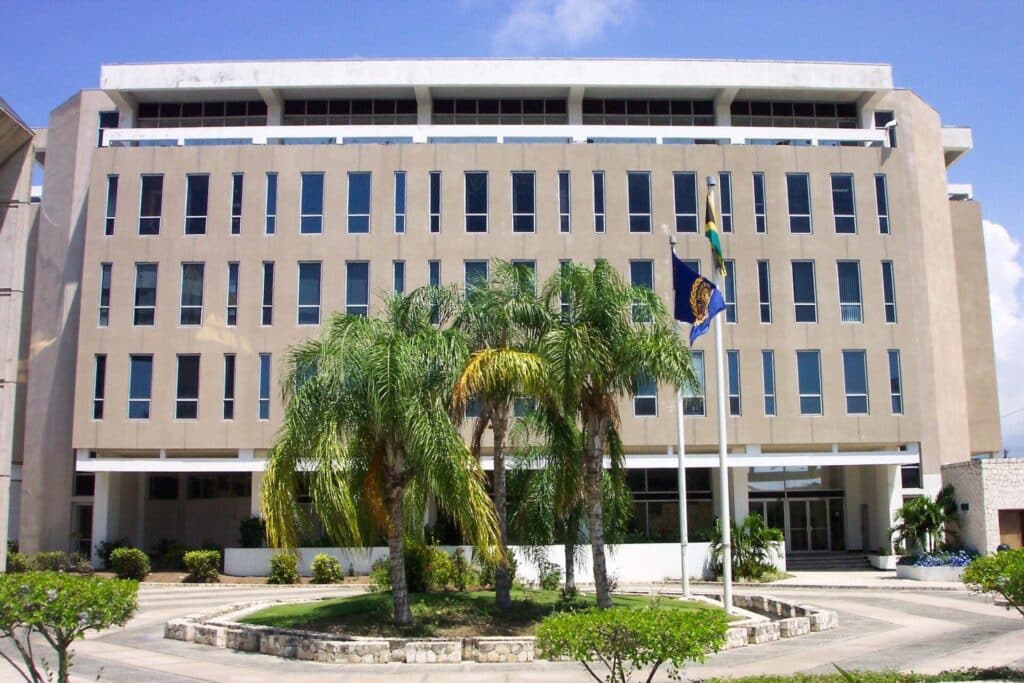
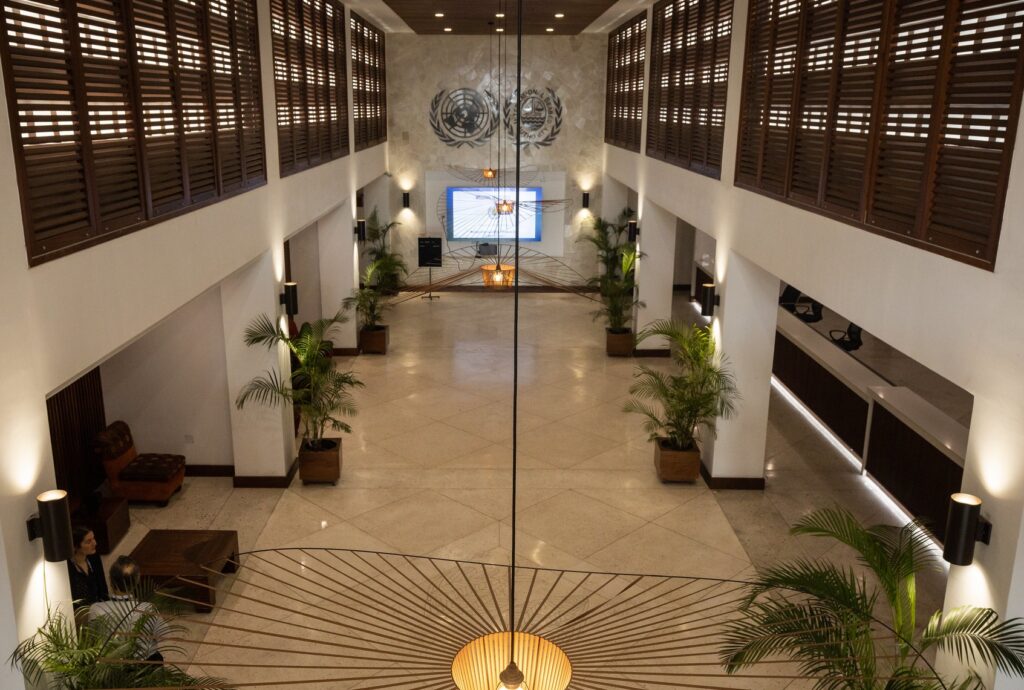
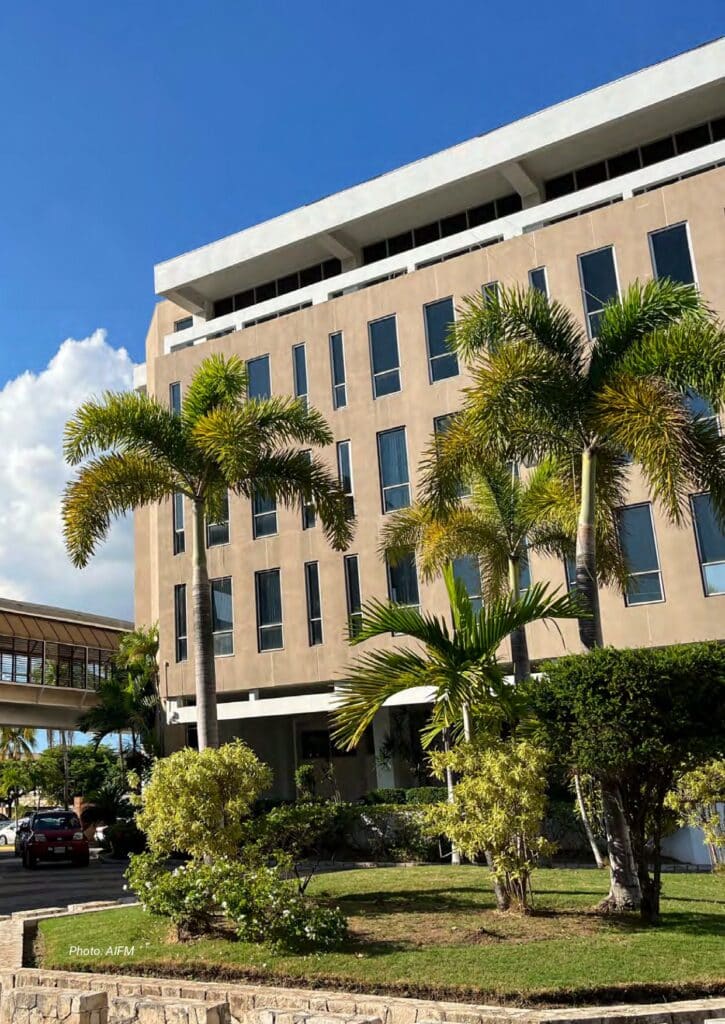
Jamaica occupies a unique position on the international maritime scene as the host state of the International Seabed Authority (ISA). Created as part of the United Nations Convention on the Law of the Sea (UNCLOS) this specialized organization regulates the exploration and exploitation of mineral resources on the high seas. on the high seas.
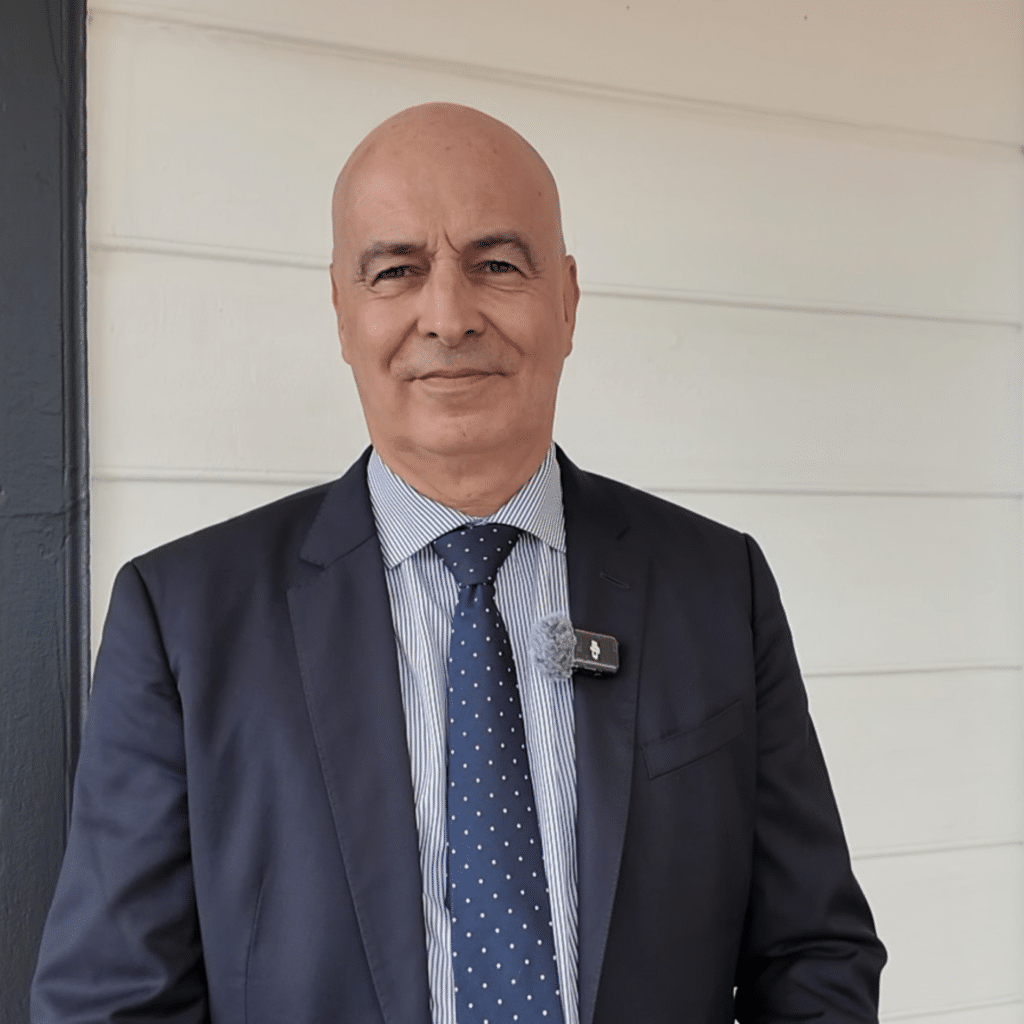
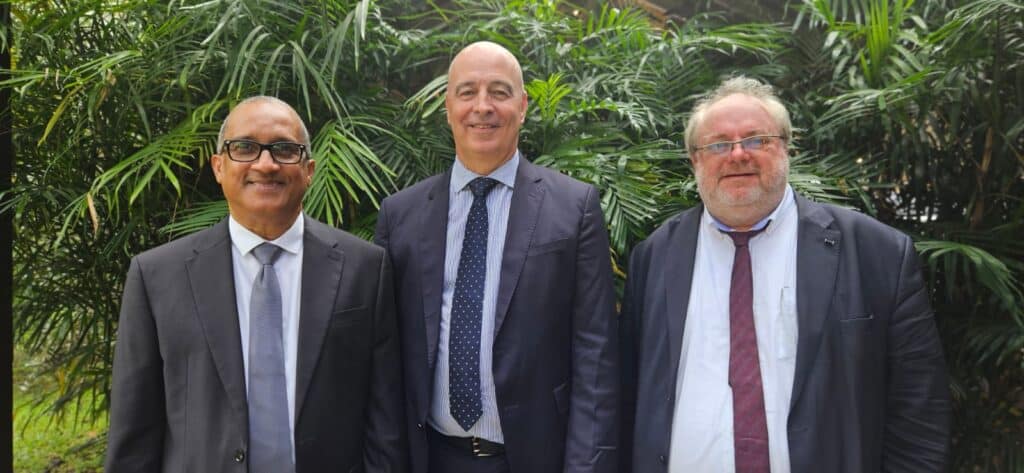
This role, although not directly exploitative for Jamaica, reinforces its diplomatic influence and its place in the major discussions on sustainable ocean governance. As Mr. Olivier Guyonvarch, Ambassador of France to Jamaica and Permanent Representative to the ISA, this institution represents a key element in the balance between economic development and protection of marine ecosystems.
The International Seabed Authority : A global mission
Created in 1996 under the United Nations Convention on the Law of the Sea (UNCLOS), the ISA is a specialized international organization that regulates mineral resources located beyond national jurisdictions, in what is known as the “high seas”. Today, the International Seabed Authority oversees 31 exploration contracts awarded to 25 countries. Jamaica sponsors one of these contracts, with a British company exploring a specific area. of polymetallic nodules in the Pacific.
One of the main missions of the International Seabed Authority is to finalize a mining code: a regulatory framework that will define the rules and conditions for the future exploitation of these resources. This code must ensure that any exploitation is carried out with the utmost respect for marine ecosystems, while allowing for an equitable sharing of benefits, particularly with developing countries.
Jamaica: A strategic role as host state
As host state, Jamaica plays an essential role in hosting this international organization, which nevertheless operates independently of its location. The choice of Kingston as IAMF headquarters in 1996 represented a diplomatic victory for Jamaica, reinforcing its image as a key player in international maritime governance.
However, the Caribbean region has no polymetallic nodules, which are mainly located in the Pacific. Despite this, the presence of the International Seabed Authority in Jamaica brings a certain prestige and underlines the country’s commitment to environmental preservation and sustainable development, crucial issues for the entire Caribbean region.
Environmental challenges and technological ambitions
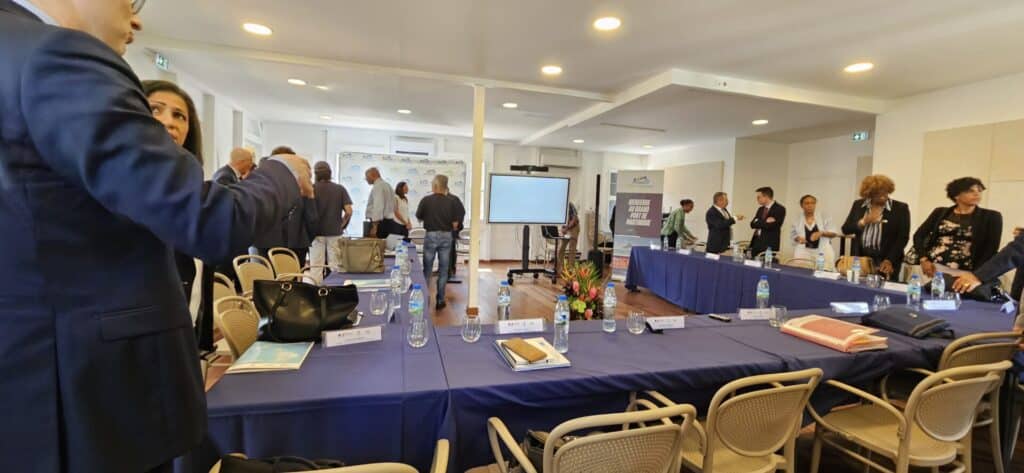
One of the biggest challenges currently facing the ISA is the adoption of the Mining Code. This complex process involves negotiations between the 36 members of the ISA Council, representing diverse national interests.
The aim is to put in place a framework that ensures fair and sustainable exploitation of resources, while protecting marine ecosystems.
Olivier Guyonvarch also stressed the crucial importance of environmental safeguards in this context. As global demand for polymetallic nodules and other critical minerals increases to meet the needs of renewable energy technologies, the International Seabed Authority will have to ensure that the rules and measures adopted are strictly adhered to. Its role thus becomes fundamental in guaranteeing the delicate balance between economic development and the preservation of marine ecosystems.
The ISA represents a collective effort to meet global environmental challenges and regulate the sustainable use of marine resources.
Although the International Seabed Authority’s operations extend beyond the borders of the Caribbean, its presence in Jamaica symbolizes the interconnectedness of nations when it comes to maritime issues. As the International Seabed Authority moves closer to adopting its mining code, the world will be watching closely as it strives to reconcile resource exploitation with ocean preservation. For Jamaica and the Caribbean, the International Seabed Authority represents both a symbol of international cooperation and a call for sustainable ocean governance.
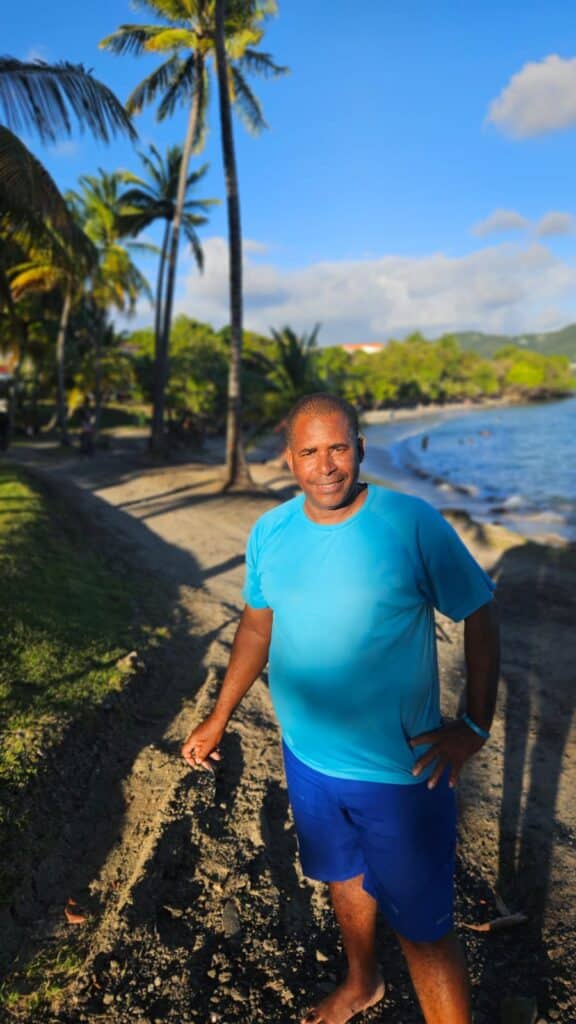
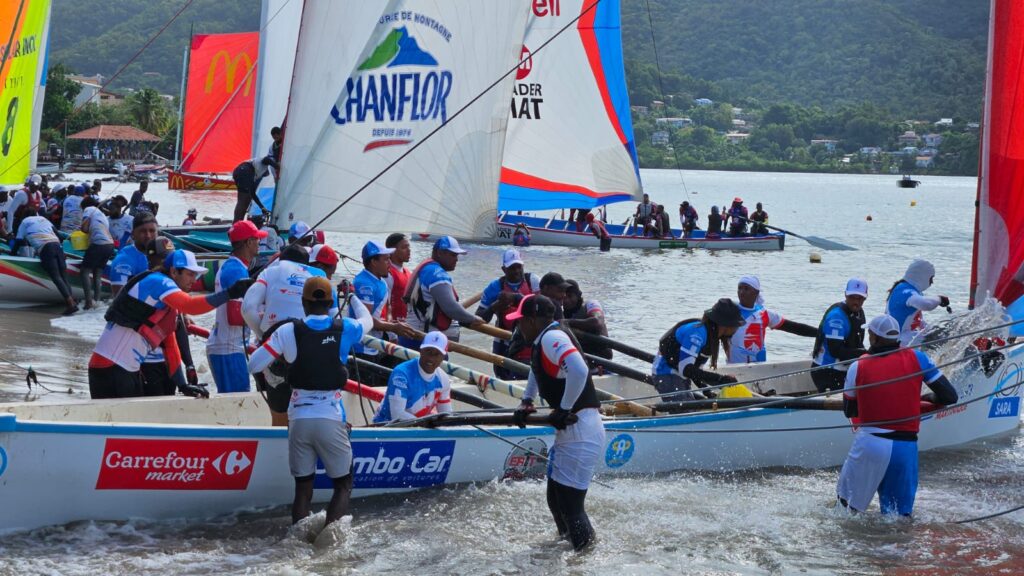
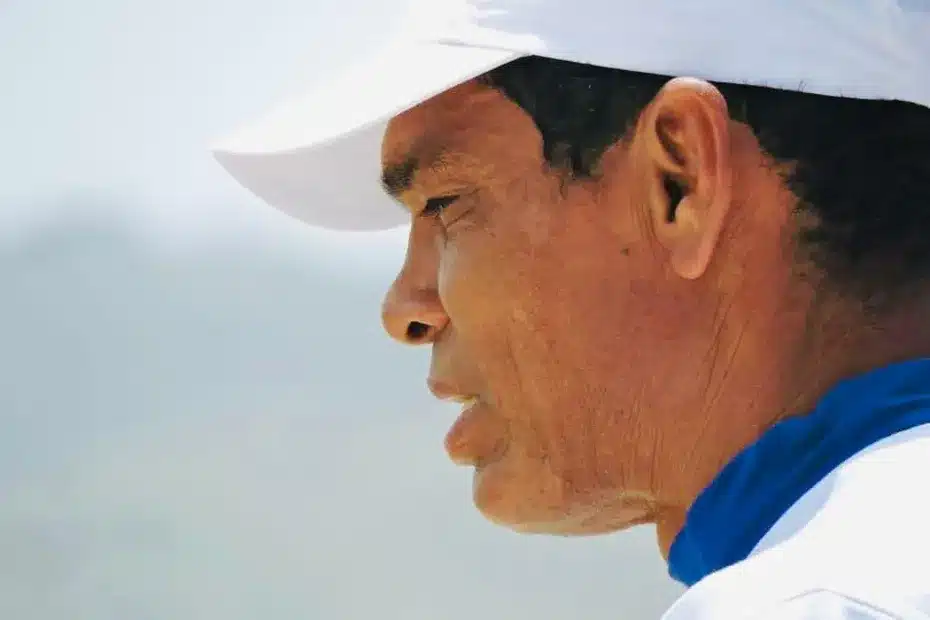
There are voices that cross generations, carried by the wind, the sea and memory. Patrick Lamon, president of the Yole Net 2000 association in Le Marin, is one of them. He didn’t learn the yole, he was born into it. Just as one inherits a name, a language, a collective narrative. His story doesn’t begin on the waves, but in a line of sailors where every gesture, every sail hoisted, tells of a past rooted in wood and salt.
A name from afar, between gum tree and skittle pin
For the Lamon family, the sea is as much a tradition as a way of life. The grandfather used to set sail in a gum tree, carved from a tree trunk. Father Didier Lamon made history by becoming the first winner of the official Tour de la Martinique in 1985. As for Patrick Lamon, he watches silently, like an attentive child, before climbing aboard once the fishing is done.
“We’d take the skiff and set sail. That’s how it was.”
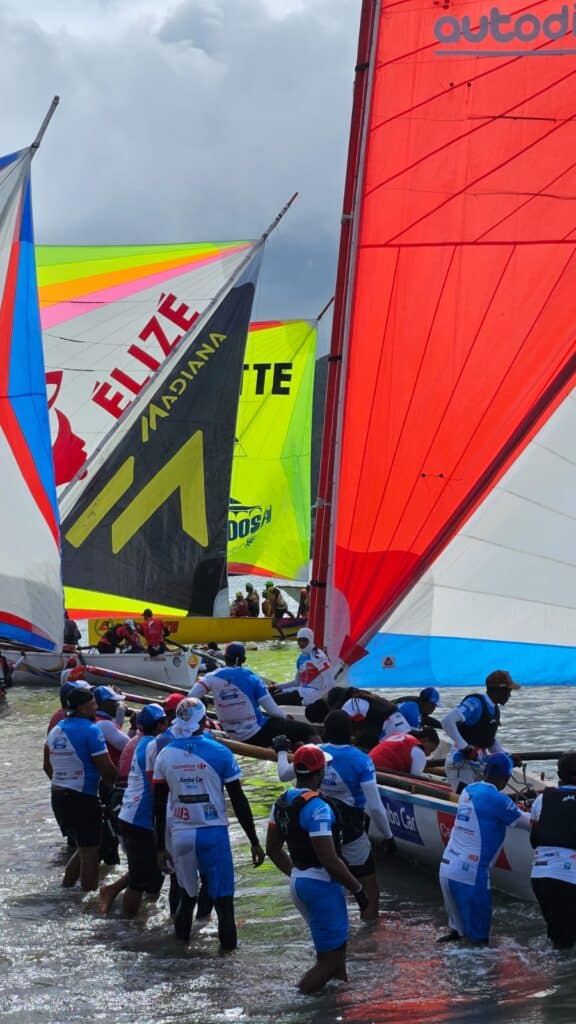
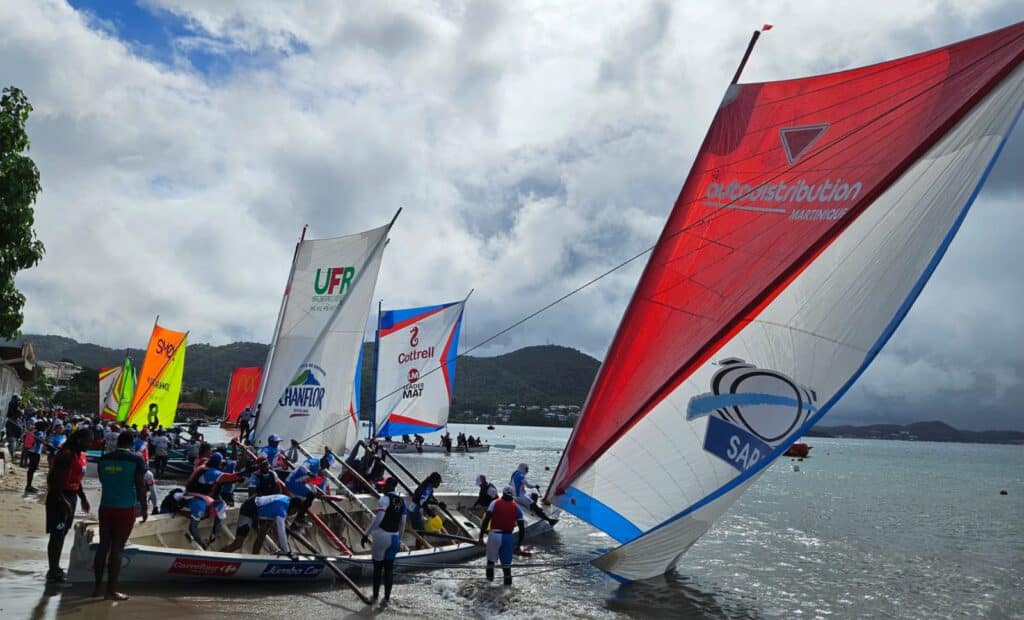
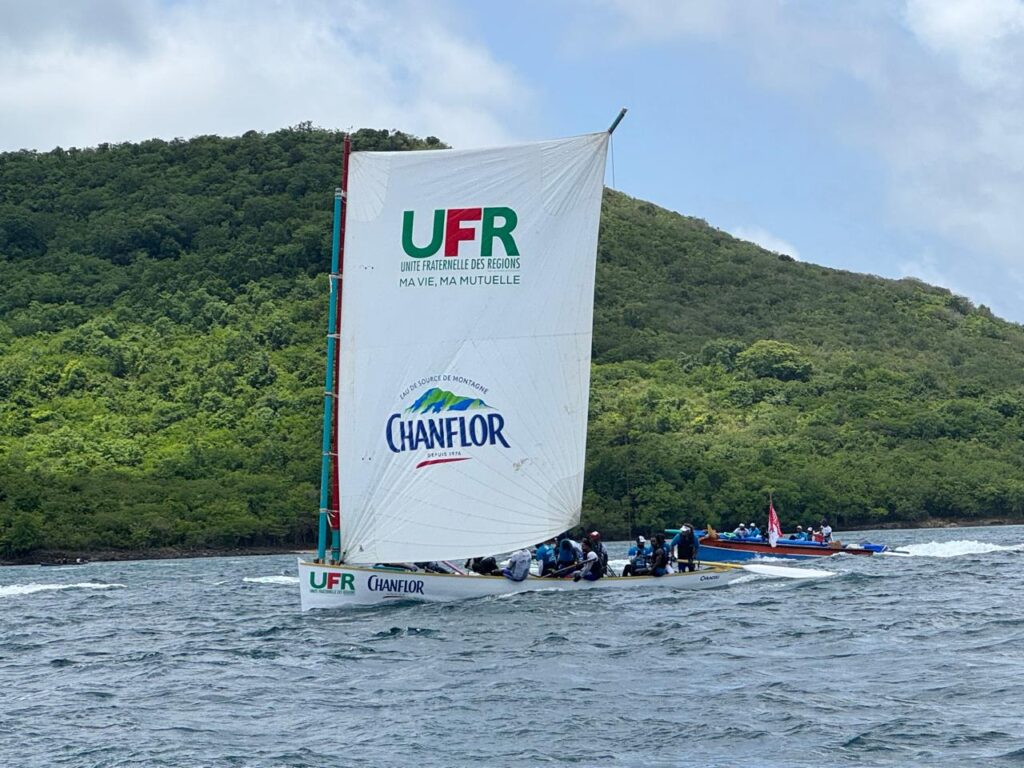
The yole was not born for racing, but for survival. It’s the result of an adaptation: when the gum tree became too unstable, sailors rethought its shape. This transformation gave rise to the yole martiniquaise, a hybrid craft, both rounded and flat, designed to take on the sea with agility and finesse.
Memories are anchored in the hull
Patrick Lamon talks about the evolution of the yole as a link between past and future. He remembers sails made of flour sacks, gumboats equipped with two sails, and the first improvised races.
“There were seven yoles with the békés, even before 1985.”
Then came composite materials, carbon sails and racing techniques. But what he remembers most of all is the resourcefulness of the sailors, their ability to turn this traditional craft into a heritage emblem. In 2022,UNESCO recognized the Yole of Martinique as part of humanity’s intangible cultural heritage.
Presiding, yes. But above all to pass on
Becoming president of Yole Net 2000 was never a personal goal. “It’s not about the title. It’s because I was born into it. I have the knowledge.” What drives him is transmission. To young people, the curious, adults in search of the sea and meaning. Although initiation sometimes begins at the age of 6 in schools, the association prefers to welcome young people from the age of 15 or 16, when maturity allows a better understanding. Reading the sea, understanding the wind, choosing the right sail: these are all part of an applied science.
“Today, we teach them the compass rose. It used to be different.”
A boat as a school of life
For Patrick Lamon, the yole is much more than a sport. It’s a school of rigor, solidarity and responsibility.
“It’s like a company. If just one yachtsman doesn’t play along, we drift.”
Here, the individual disappears in favor of the collective. You have to listen to the sea, follow the helmsman’s orders and be one with the team. Learning is open to all. The only prerequisite: not to be afraid.
A volunteer passion, a future to build
Yachtsmen sail for passion. It’s all about volunteering. Rewards are rare, sometimes symbolic: a trip, a tribute, discreet recognition.
But Patrick Lamon dreams bigger. He wants the practice of the Yole to become a real profession.
Patrick Lamon imagines a future in which certified instructors train new generations, within a structured, recognized and remunerated framework.
“One day, I’d like it to be taught, officially recognized, paid for.”
He’s thinking about bilingual training, welcoming tourists and opening up to international markets. He’s also thinking about entrepreneurs:
“Look at a skiff. Coordination, strategy, quick reaction: it’s a model.”
A Caribbean dream beyond borders
The yole has already plied the waters of Guadeloupe, Trinidad and Saint Kitts.
“In Trinidad, we brought in seven boats. In Guadeloupe, we sailed.”
His dream: to see Yole weave bridges between islands, uniting Caribbean peoples around this craft that speaks a universal language. A way of uniting know-how and memories, to the rhythm of shared winds.
The yole is all this... and more
A sport, of course. But also a school of life, a tool for transmission, a mirror of society. The art of sailing, literally and figuratively. When the clouds gather, the wind picks up and the sea gets rough, Patrick Lamon stays the course. He chooses the right sail, the right team. And he holds on. Just as you hold on to what you love.
Watch the exclusive video interview
Félix Mérine grew up close to the water, in a house facing the sea. Even as a child, the yole (boat) was part of his daily life, without imagining that this traditional craft would become his lifelong companion. But it was much later, after the storms of life, that Félix Mérine came to understand the power of this craft. The yole didn’t just teach him how to sail, it gave him a path, a course, a reason to act. Today, this helmsman-turned-entrepreneur is dedicated to passing on what the sea has given him.
A child of the sea, forged by the waves
Félix Mérine grew up a stone’s throw from the sea, in Robert, in a house where water was part of everyday life. At a very young age, he discovered the world of the yole alongside his uncles. He didn’t immediately climb aboard – at first, he observed, learned and listened. He built small yoles on the street, helped wash the sails, and unknowingly took part in the life of the yole. This is where it all begins: in the repeated gestures, the exchanged glances, the silent respect for elders.
Adrift but not lost
At 16, Félix Mérine left school. “I didn’t listen to my mother,” he says bluntly. He entered a troubled period. Military service in Lyon had a profound effect on him. Discipline, respect, responsibility: he discovered strict rules that he applied without question.
8,000 kilometers away, his mother’s advice finally made sense.
On his return, his uncles took him back on a yole. This time, he took to it for good.
Yole as a discipline, sport as a springboard
In 1987, he founded his association and imposed strict rules: regular training, zero alcohol, team spirit and respect for each other. It took time, but the results followed. The Yole became more than a sport: it became a school.
” The Yole saved my life,” says Félix Mérine.
What he learns on the water, he applies to his business. Today, he runs a transport company active in the Caribbean, with over 60 employees. What was passed on to him, he in turn passes on. “What my elders passed on to me, I have a duty to pass on in my turn,” he says.
Passing on to build tomorrow
Now retired from competitions, Félix Mérine devotes his time to passing on his skills. He supervises young people at risk, shares his experience and is in charge of a rehabilitation project through the Yole for prison inmates. For him, every effort counts, and can change everything. “Nothing is lost,” he says gravely, “even when everything seems to be.” What he has received from his elders has been decisive, and he knows that a well-supported young person can also find his way.
Félix Mérine’s story is that of a man who found in the sea a framework, a meaning, a strength. Today, he acts so that others can, in turn, move forward. Because sometimes, all it takes is a reference point, a listening ear, or a boat – to get things moving again.
Strong quote:
95% of what I have today, the yole gave it to me.
Watch the exclusive video interview
The port of Jarry Guadeloupe has taken a major strategic step forward with the arrival of three new-generation XL gantry cranes. Delivered on June 30, 2025 aboard the vessel CY Interocean II, this equipment symbolizes much more than a simple technological leap: it marks the territory’s concrete entry into a logic of performance, logistical sovereignty and energy transition, at a time when global maritime flows are becoming increasingly complex, tense and geopolitically sensitive.
A spectacular and highly strategic manoeuvre
The convoy set sail from Cobh, Ireland, on June 15. Fifteen days later, a massive and impressive silhouette appeared on the horizon of the Grand Port Maritime, attracting the attention of professionals and citizens alike. On the deck of the CY Interocean II, three blue Liebherr gantry cranes, welded to the hull, ready to be unloaded in a high-precision logistical operation.
This maneuver, programmed without interrupting the flow of goods, demonstrates a technical mastery rare in the French West Indies. For port stakeholders, this operation marks a decisive step in the transformation of the port of Jarry Guadeloupe, considered to be the economic lung of the archipelago.
A technical upgrade to meet the challenges of maritime traffic
Manufactured by the German Liebherr group, these gantry cranes have a reach of 30 meters and can lift up to 75 tons in twin-lift mode, i.e. two heavy containers simultaneously. This level of performance meets a necessity: the constant evolution of maritime traffic, with ships that are ever longer, taller, heavier, and often more respectful of environmental standards. For the port of Jarry Guadeloupe, this move upmarket means it can absorb the expected increase in tonnage, while reducing ship handling times.
Handling rates will be optimized, logistics lead times reduced, and operational capacities enhanced. This is a concrete turning point, awaited for several years by freight operators and carriers, but also by companies dependent on the fluidity of supplies.
A measurable impact on the local economy and logistics organization
This acquisition represents an investment of 40 million euros, partly financed by the Guadeloupe Region via ERDF funds to the tune of 7.2 million. It is one of the most structuring logistics projects of the decade. The port of Jarry Guadeloupe, which already generates 2,300 direct jobs and 7.7% of local wealth, is seeing its infrastructure strengthened to support local industries. It’s not just about quays and cranes: it’s about a global reconfiguration of flows, storage, transit times, the cold chain and customs security.
It also means upgrading the skills of our teams, with technical training for materials handlers, outlets for young people in logistics, and opportunities for local subcontractors. Behind the figures, hundreds of career paths can be triggered or consolidated.
Food sovereignty and economic resilience: a vital challenge
The Port of Jarry Guadeloupe handles almost 99% of the goods consumed in the region. This includes foodstuffs, building materials, medicines, fuel and capital goods. In other words, even a temporary interruption in port activity would have a direct impact on the daily lives of Guadeloupeans.
Boosting capacity, facilitating stopovers and improving infrastructure reliability means guaranteeing real logistical sovereignty in the face of climatic hazards, health crises or geopolitical tensions. The current modernization program is in line with this rationale: to protect the region through the robustness of its infrastructures, and to avoid excessive dependence on external logistics platforms.
An ecological transition based on action, not rhetoric
The three gantry cranes delivered at the end of June are also part of a drive to gradually decarbonize shipping. Designed to accommodate new-generation ships with lower CO₂ emissions, they are part of the Port of Jarry Guadeloupe ‘s alignment with the National Port Strategy 2021-2050 and the Multiannual Energy Program. The objective is clear: to move away from coal by 2026, promote the arrival of alternative fuels (biomass, biofuels) for EDF, and integrate shore-side electrical connection solutions.
In addition to gantry cranes, bulk silos, storage areas and energy flows are being reorganized to move towards a sustainable port model. In a global context of transition, Guadeloupe does not intend to remain on the quayside.
Setting course for the Caribbean: regional ambitions and a transshipment hub
The modernization of the port of Jarry Guadeloupe is not just a local emergency. It is also part of a regional repositioning strategy. With these new capacities, the Port of Jarry Guadeloupe aims to once again become a major player in transshipment in the Caribbean, capturing part of the traffic between North and South, between Latin America, the Lesser Antilles and the United States. According to internal projections, container traffic is expected to grow by +9% between now and 2028.
But to achieve these objectives, it’s not enough to have equipment. We also need to offer fast, reliable and competitive ports of call. The three XL gantry cranes, by significantly reducing call times, could be a decisive lever in winning the confidence of the zone’s major shipowners and logistics operators.
A logistics turn around to meet the challenges of tomorrow
This modernization project is neither a simple infrastructure refresh nor a mere announcement. It reflects a political, economic and environmental commitment to making the port of Jarry Guadeloupe fit for the 21st century. It’s a strategic choice with a strong territorial impact: for families, who will see their supplies secured; for young people, who will gain access to new technical trades; for companies, who will be able to rely on a high-performance logistics chain.
It’s also a message to the Caribbean: Guadeloupe is investing, innovating and intends to play its full part in the regional maritime economy, not just as a recipient of containers, but as a logistics player in its own right.
Traditour 2025 in Guadeloupe promises to be a pivotal moment for traditional sailing and Caribbean identity. For the first time, this great maritime adventure will set sail from Portsmouth, Dominica, before skirting the Guadeloupe coast over 14 segments spread over 11 days of racing, from July 3 to 13, 2025.
This edition, co-organized with La Dominique, embodies much more than just a regatta: it symbolizes the union, audacity and transmission of a living heritage, serving the influence of the entire region.
An unprecedented departure from Dominica: symbol of a bridge between the islands
A spirit of openness and regional cooperation
The opening of Traditour 2025 from Dominica marks a historic turning point. This choice, the result of a joint desire on the part of the organizers, reflects a profound desire to bring the peoples of the Caribbean closer together. In the words of ambassador Benoit Bardouille, the aim is to “promote tourism, strengthen cultural exchanges and stimulate economic growth” between the islands.
This departure is more than just a symbolic gesture: it embodies the ability of the territories to transcend borders and turn the sea, once a barrier, into a veritable hyphen. Dominica, long perceived as a distant neighbor, becomes the starting point of a common narrative, woven of solidarity, ambition and shared cultural roots.
A springboard for Dominica’s economy and image
Hosting the prologue and start of the Traditour 2025 gives Dominica unprecedented visibility. Hotels, restaurants, craftsmen, tourism service providers and local guides all benefited from the event, generating tangible economic spin-offs. More than 400 participants (crews, organizers, guides and technicians) were mobilized for the event, according to Discover Dominica.
The island’s image is also enhanced: Dominica is positioned as a benchmark maritime destination, capable of hosting an international event while respecting its natural and cultural assets.
An exceptional course: 14 segments, 11 days, 39 canoes entered
The major stages, between tradition and innovation
The Traditour 2025 route highlights the diversity of Guadeloupe’s landscapes and heritage. After setting sail from Portsmouth, the Saint canoeists will head for Terre-de-Haut (Les Saintes), before calling at Gourbeyre, Capesterre-Belle-Eau, Petit-Bourg, Pointe-à-Pitre, Baie-Mahault, Sainte-Rose, Port-Louis, Le Moule, La Désirade, Saint-François and Sainte-Anne.
The inclusion of La Désirade, which is often absent from major races, is a first, giving this edition an unprecedented scope. Each stage of the race highlights local characteristics and encourages encounters between locals, visitors and sailors.
The technical and human challenges of an extraordinary race
Taking part in the Traditour 2025 is a physical, technical and human challenge. Sailing conditions vary from stage to stage: unstable winds, unpredictable currents, reefs around Pointe des Châteaux or La Désirade, all require a thorough knowledge of the elements and absolute mastery of the canoe.
39 crews took part: 22 men, 7 women, 7 mixed and 3 juniors. This diversity is rare in sailing competitions, and illustrates the growing openness of traditional sailing to all generations and genders.
Saint-Sauveur canoes: masterpieces of know-how and innovation
Manufacturing secrets, noble materials and old-fashioned gestures
The canot saintois, at the heart of Traditour 2025, is much more than a boat: it’s a symbol of identity. Handcrafted using traditional methods, it is made from noble woods such as pear, gum, mahogany and mahogany. Every element – hull, sail, mast, ballast and helm – is designed to guarantee performance and safety. The mast and boom are often made of bamboo, and the sails of resistant fabric, adapted to the specific features of each canoe. Careful attention to decoration makes each boat a unique work of art, reflecting the tradition of its home port.
The transmission of knowledge, a living heritage
Building and sailing a Saint-Sauveur canoe is a real school of life. Old-timers share their knowledge during collective workcamps, evening gatherings, or on board during training outings. The“Traditour A Timoun” program makes the most of this intergenerational transmission: it introduces young people aged 8 to 15 to traditional sailing in an educational setting. This lively process, enriched with each new edition, perpetuates the skills of the past while opening up to innovation (safety, composite materials) in keeping with the charter of the Classe Canot Saintois.
Traditour 2025, a lever for development in Guadeloupe and the Caribbean
Cultural influence and tangible economic benefits
Each segment of the Traditour 2025 represents an opportunity to showcase local know-how: music, dance, maritime crafts, gastronomy, sea-related professions (carpenters, sailmakers, fishermen, guides). The economic impact is real: accommodation, transport, catering and handicrafts all benefit from the excitement surrounding the race. The media coverage positions Guadeloupe as a leading player in maritime and cultural tourism in the Caribbean, attracting local, regional and international audiences in search of authenticity.
A driving force for regional pride, identity and cohesion
Far beyond the numbers, Traditour 2025 plays an essential role in building a shared Caribbean identity. It reactivates memories, promotes local stories, languages and customs. The event brings together institutions (Region, ANASA, communes), private partners, volunteers and artists. The slogan “One ocean. One culture. One celebration” becomes a rallying cry for those who share the idea of a Caribbean connected by the sea and united by its traditions.
Caribbean spirit blows over traditional sailing
Players’ views, ambitions and future prospects
As the Traditour 2025 approaches, the enthusiasm is palpable. Seasoned sailors like Hugo Thélier meet up with the next generation of sailors from sailing clubs. Marine carpenters are finding recognition and orders. As for the organizers, they see in this race a laboratory for the future of sustainable nautical tourism: job creation, tourist routes around shipyards, promotion of tangible and intangible heritage, development of short circuits around ports of call. Traditour 2025 is part of a sustainable approach, combining memory, innovation and cooperation.
Traditour 2025 in Guadeloupe is a key event for the entire region. By bringing Dominica and Guadeloupe together in a project to promote their maritime heritage, this edition paves the way for new forms of regional cooperation. More than just a race, Traditour 2025 is an adventure in human identity, a link between generations, islands and cultures. It invites everyone to consider the sea no longer as a frontier, but as a shared, fertile space of both memory and modernity.
Guadeloupe asserts its ambition for controlled, sustainable growth
On the occasion of the Seatrade Cruise Global 2025 in Miami, Guadeloupe reaffirmed its strategic position in the Caribbean cruise industry.
Through the eyes of the Grand Port Maritime and the Comité du Tourisme the archipelago is clearly committed to combining port excellence, an enhanced tourism experience and sustainable development to enhance its international reputation.
The Grand Port Maritime : supporting the cruise industry
For Marc Gautier, Director of Prospective and Development at the Grand Port Maritime de la Guadeloupe, cruising is a major source of economic growth for the archipelago.
“Cruises are a strategic lever for Guadeloupe”, he asserts.
With its modern, high-performance infrastructures, the port can accommodate several cruise ships simultaneously, offering companies optimal conditions for their calls.
The number of calls to the destination is constantly increasing, a sign of its growing appeal.
A key factor in this dynamic is the strong local synergy.
“The collective work between the port, the Tourist Board, the service providers and the authorities guarantees a quality experience for companies and passengers alike,” emphasizes Marc Gautier.
While no major obstacles have been identified to date, the port remains vigilant: anticipating market developments is essential to maintain competitiveness and quality of service.
🎯 Marc Gautier’s ambition: to continue Guadeloupe’s rise in the cruise industry, while maintaining the excellence of its infrastructure and hospitality.
Distribute, enhance, build loyalty : the Comité du Tourisme's strategy
For Laurence Corenthin, deputy director of the Comité du Tourisme des Îles de Guadeloupe, the post-Covid recovery of the cruise business is a real opportunity – provided it is supported intelligently.
” We have experienced a rapid recovery. The challenge now is to better distribute flows and enhance the passenger experience. “she explains.
The Comité du Tourisme focuses on :
Enhancing the downtown area of Pointe-à-Pitre, to encourage cruise passengers to discover the destination as soon as they arrive,
The development of an off-season offering, to spread visitor numbers over the year,
Enhanced excursions and tourist experiences to meet the expectations of international customers in search of authenticity.
Cruises now play a major role in the local tourism economy. It has a direct, structuring impact on the archipelago’s economy, boosting trade, transport and cultural activities.
🎯 Laurence Corenthin’s vision: to position Guadeloupe sustainably as a cruise destination that is authentic, lively and respectful of its territory.
A destination on the move, looking to the future
At Seatrade 2025, Guadeloupe clearly demonstrated its ability to support tourism growth without compromising its identity.
Through the excellence of its port infrastructures, the richness of its tourism offering and the collective commitment of its players, the archipelago confirms its ambition: to make cruising a sustainable lever at the service of the territory and its inhabitants.
In Guadeloupe, a cruise is more than just a stopover: it’s an invitation to discover an authentic island on the move, proud of its roots and resolutely looking to the future.
French Guiana asserts its ambition to become an exceptional stopover between the Amazon and the Caribbean at Seatrade 2025
Present at Seatrade Cruise Global 2025 in Miami, French Guiana showcased its unique positioning in the world of cruising.
With presentations by Jean-Luk Le West and Thierry Eliboxthe region asserted its ambition to offer an authentic cruising experience, combining wild nature, space heritage and a tailor-made welcome, while building a sustainable, structured industry.
Developing an exceptional cruise - Jean-Luk Le West's vision
For Jean-Luk Le West, Vice-President of the Collectivité Territoriale de Guyane in charge of economic development and President of the Tourism Committee, the Seatrade was a major opportunity to position French Guiana as a new cruise operator in the region.
Unlike other destinations, French Guiana does not have a strong seasonal tourism pattern, but cruises do follow a marked rhythm, with peaks in visitor numbers.
The territory’s uniqueness is based on :
-
The Guiana Space Center, a real differentiating asset,
-
Luxuriant nature, between rivers and Amazon forests,
-
A rich multicultural heritage.
However, to fully accommodate its cruising potential, appropriate infrastructure is still needed.
Jean-Luk Le West stresses the importance of a future deepwater port, capable of accommodating different types of ships.
🎯 Its ambition is to make French Guiana an exceptional destination, between land and sea, by developing an authentic, controlled offering.
Building a sustainable cruise industry - Thierry Elibox's commitment
Thierry Elibox, President of the Club Croisière Guyanereminds us that Guiana is still an emerging market in the world of cruising.
Despite the challenges, the momentum is there:
-
Recently welcomed companies such as Exploris and Club Med,
-
Increase in the number of scheduled stopovers,
-
Strengthening synergies between local players (cabs, agencies, tour guides).
The priority today is to structure a genuine cruise industry:
-
Develop services tailored to cruise passengers,
-
Better training for professionals, particularly in English,
-
Promote authentic excursions, with experiences based on nature, history and space.
“We need to create a solid value chain around cruising, so that the economic impact is real and shared locally,” explains Thierry Elibox.
🎯 His wish: more international air links and a deeper port to support the sector’s growth.
Guiana, a new horizon for cruising in the region
At Seatrade Cruise Global 2025, French Guiana demonstrated that it would not be content to be just another stopover.
With its unique environment, its space heritage and its commitment to sustainable tourism, it has established itself as a destination in a class of its own,
offering cruise passengers a singular, authentic and resolutely forward-looking experience.
Saint Lucia asserts its commitment to offering a unique experience rooted in its identity
At Seatrade Cruise Global 2025 in Miami, Saint Lucia reminded us of what makes it unique in the Caribbean world: an exceptional natural heritage, a dynamic culture and a tourism experience that can’t be found anywhere else.
In the words of Louis Lewis, CEO of the Saint Lucia Tourism Authority, the Caribbean island confirms its determination to combine authenticity, dynamic tourism and the preservation of its deep-rooted identity.
A destination of spectacular nature and living heritage
For Louis Lewis, Saint Lucia offers more than just heavenly beaches.
The island offers a unique experience, where nature and culture meet at every step.
The only place in the world where you can drive directly into an active volcano,
Remarkable natural sites: waterfalls, hot springs, lush forests, black and golden sand beaches,
Monts Pitons, a UNESCO World Heritage site.
“We have an exceptional natural product, but it’s also the human richness and cultural mix of Saint Lucia that make the experience unforgettable,” emphasizes Louis Lewis.
The local culture, a blend of British, French, African and Caribbean, is expressed through :
Creole festivals,
Traditional festivals,
Local gastronomy and music,
Community events to promote the island’s authenticity.
🎯 Saint Lucia’s challenge: to make every stopover an immersion in a unique, deeply-rooted art of living.
Diversifying the offer and smoothing out the tourist season
While cruising remains a strong pillar of the tourism economy,
Sainte-Lucie is not content with a seasonal activity concentrated on winter.
Thanks to the Community Tourism Agency, new products have been created for :
Promoting authentic local experiences,
Develop new cultural and natural excursions,
Attract visitors in both high and low seasons.
A few emblematic examples:
The Sea Moss Experience (based on traditional seaweed),
Creole festivals and carnivals,
Flower Festival,
Tours of unspoilt villages and natural sites.
This strategy aims to spread visitor flows throughout the year, protect emblematic sites from over-visitation and strengthen the local economic impact.
🎯 Louis Lewis’ vision: to build harmonious tourism growth, driven by authenticity, living culture and respect for natural resources.
Saint Lucia, emotion at the heart of the cruising experience
At Seatrade Cruise Global 2025, Saint Lucia has stated loud and clear that its tourism development will be based on authenticity, diversity and preservation.
With its accessible volcanoes, Creole traditions and warm welcome, the island offers cruisers much more than just a stopover: an immersion in a land where nature, culture and history weave unique and lasting memories.
Labora Caribbean Art Expedition is an artistic, maritime and heritage initiative that has taken root in Guadeloupe and is now spreading throughout the Caribbean. Supported by artists, sailors, researchers and institutions, this expedition aboard a traditional sailboat aims to link islands, gather knowledge, promote dialogue between generations and enhance the value of popular cultures that are often marginalized. More than just an artistic program, it is a living process of documentation, transmission and exchange between island communities, with the sea as a link.
A mobile artistic platform born in Guadeloupe around the sailboat Labora
The project takes shape around the S/V Labora, a Danish wooden hajkutter built in 1939, now restored and transformed into a living museum and mobile creative platform. The idea was born in Guadeloupe, particularly during his stopover at the ACTe Memorial during the Rhum Race, where musicians from Grenada came aboard and hundreds of Guadeloupean schoolchildren discovered life on board. This experience gave rise to a collective desire to make the Labora a vehicle for living memory on a Caribbean scale.
Three fundamental axes: traditional arts, navigation and transmission
Labora Caribbean Art Expedition is based on three inseparable pillars:
- The traditional Caribbean arts (music, dance, visual arts, oral narratives, craft skills).
- The sailing as a means of transport, but also as a historical link between the islands.
- The intergenerational transmission through workshops, residencies, documentaries and training courses.
At each port of call, the sailboat becomes both itinerant stage, a place of artistic residence and living archive space.
Responding to island isolation with art and the sea
The project is based on a simple but profound observation: in the Caribbean, many island communities remain isolated isolated by a lack of transport infrastructure which hinders cultural exchanges. The sailboat Labora overcomes these obstacles by creating a creation, documentation and sharing network.. It becomes a tool for dialogue, breaks down prejudice, connects artistsand opens up spaces for collaboration between often distant communities.
Educational, social and scientific objectives
The ambition of Labora Caribbean Art Expedition is to preserve endangered knowledge but also to give them a place in today’s society. The project aims to :
- Document vanishing traditions through films, recordings films, recordings, photographs, logbooks.
- Creating digital archives returned to communities and schools.
- Organize transmission workshops in schools, ports, neighborhoods and villages.
- Set up an international internship program (in conjunction with anthropology, musicology, ethnology and audiovisual universities).
- Encourage the emergence of educational initiatives integrating Caribbean cultures into curricula.
A collective project: artists, institutions, researchers, sailors
Three main entities coordinate the project:
- Road Book’ Arts (Guadeloupe), an association specializing in artistic production and cultural residencies.
- Le Temps du Vent, a French collective based in Marie-Galante and owner of the Samsara sailboat, dedicated to promoting traditional sailing.
- The Liberty International Sailing Club (LISC), a transnational structure that pilots the sailboat Labora and brings together sailors, anthropologists, video artists and musicians.
They are accompanied by an extended network of Caribbean and international partners, including :
- Galerie l’Art s’En Mêle, Artocarpe, United Caribbean Artists, Patoray, Waka Films, FaireSens BeeSiw, La Croisée des Chemins, Pointe-à-Pitre Arts Centre.
- Anna Chiara Sabatino, Italian researcher and filmmaker in digital storytelling.
- Tara Douglas, documentary filmmaker from the Adivasi Arts Trust.
- Mark Lindenberg, anthropologist and filmmaker.
- Makeda Martel, artistic facilitator and founder of La Croisée des Chemins.
Guadeloupe's central role in project governance
A local committee supports the development and territorial anchoring of the project:
- Martine Fazer, journalist and director of the International Graffiti and Street Art Festival.
- Arthur Trouabal, former art expert and trainer.
- Raymonde Pater Torin dancer, choreographer and specialist in gwoka.
Their involvement ensures that the project remains connected to local realities without exoticism or folklorization.
Expedition schedule and itinerary
The pilot phase will run from January to May 2025 with stopovers in Guadeloupe, Dominica, Martinique and probably Saint Lucia. It will enable us to test formats, evaluate logistics, refine the documentation method, and solidify partnerships. The aim is then to extend the project into 2026 gradually linking Trinidad to Cuba with two to three sailboats sailing in coordination eventually.
An invitation to Caribbean artists
The Labora team is launching a call for participation Caribbean artists wishing to get involved in this collective creative process. Whether musicians, dancers, craftsmen, storytellers, video artists or teachers, all are invited to come on board to share their vision of living heritage and contribute to a shared Caribbean memory.
Labora Caribbean Art Expedition is more than just a cultural expedition. It’s a project political, social and educational which uses traditional navigation as a lever for cohesion, resilience and inspiration. By linking islands, it also links memories, heritages and generations. It proposes a new way of thinking the Caribbean from the sea by floating the forgotten voices, the threatened gestures, and the music that carries the soul of the island peoples.
Turks and Caicos asserts its identity as a lively, welcoming archipelago
At Seatrade Cruise Global 2025 in Miami, Turks and Caicos highlighted what makes them unique in the Caribbean: an authentic welcome, a unique island diversity and a deep respect for their natural and cultural environment.
Through the voices of the Tourism Board: Experience Turks and Caicos and the Ministry of Tourism, the archipelago affirms its ambition: to offer authentic experiences for every visitor, while accompanying the growth of the cruise business in a sustainable manner.
Human warmth at the heart of the experience - The view from the Comité du tourisme
For Alverson Lewis, Senior Tourism Development Manager at Experience Turks and Caicos (the Tourism Board), authenticity is the soul of local tourism.
” We want every visitor to feel welcomed like a member of the family,” he confides.
Beyond the paradisiacal beaches, the real wealth of the archipelago lies in the warmth of its people and the unique personality of each island.
Each island tells a different story:
Grand Turk, steeped in history,
Salt Cay, guardian of traditions,
Providenciales, famous for its pristine beaches,
South Caicos, an unspoilt natural sanctuary.
” We don’t sell a product, we share a story,” says Alverson Lewis.
🎯 Its aim: to preserve the authenticity of the archipelago, while developing new activities that invite visitors to go beyond the port.
Diversifying and enriching the cruise experience - The Ministry of Tourism's strategy
For Arthur Been, Deputy Permanent Secretary at the Ministry of Tourism, cruises are a pillar of the tourism economy in the TCI – but their development must remain harmonious.
Today, the archipelago welcomes over a million cruise passengers a year, mainly via Grand Turk, which offers a rare feature:
a port located just a stone’s throw from a dream beach.
Arthur Been insists on the need to make the archipelago’s hidden treasures better known:
A fascinating historical heritage, linked to the first voyages of Christopher Columbus, John Glenn and the American War of Independence,
Authentic experiences to strengthen the bond between visitor and territory.
” We’re working to create more excursions, more immersive activities, to reveal who we really are,” he explains.
🎯 Its ambition: to continue to exceed visitors’ expectations, without ever betraying the authenticity and natural beauty of the islands.
Turks and Caicos, authenticity as a signature
At Seatrade Cruise Global 2025, Turks and Caicos confirmed their vision:
to make every cruise more than just a stopover, but a true immersion in a preserved Caribbean, welcoming and full of history.
With its warm welcome, island diversity and preservation of authenticity, the archipelago is charting its course: growing without ever denying its soul.