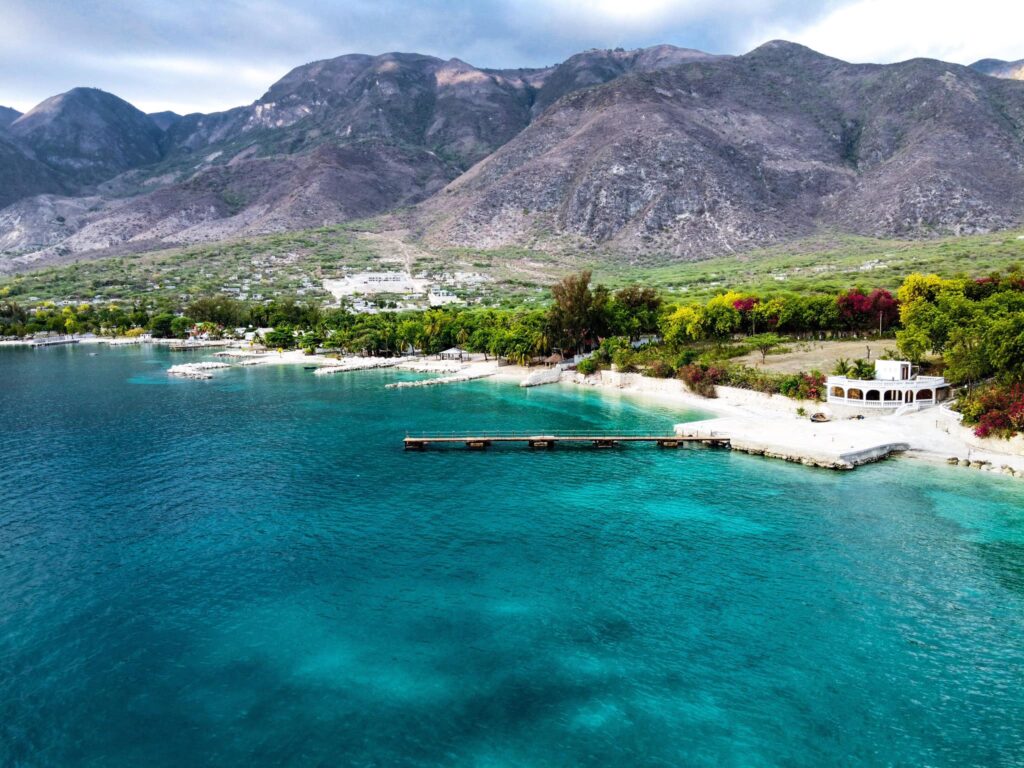
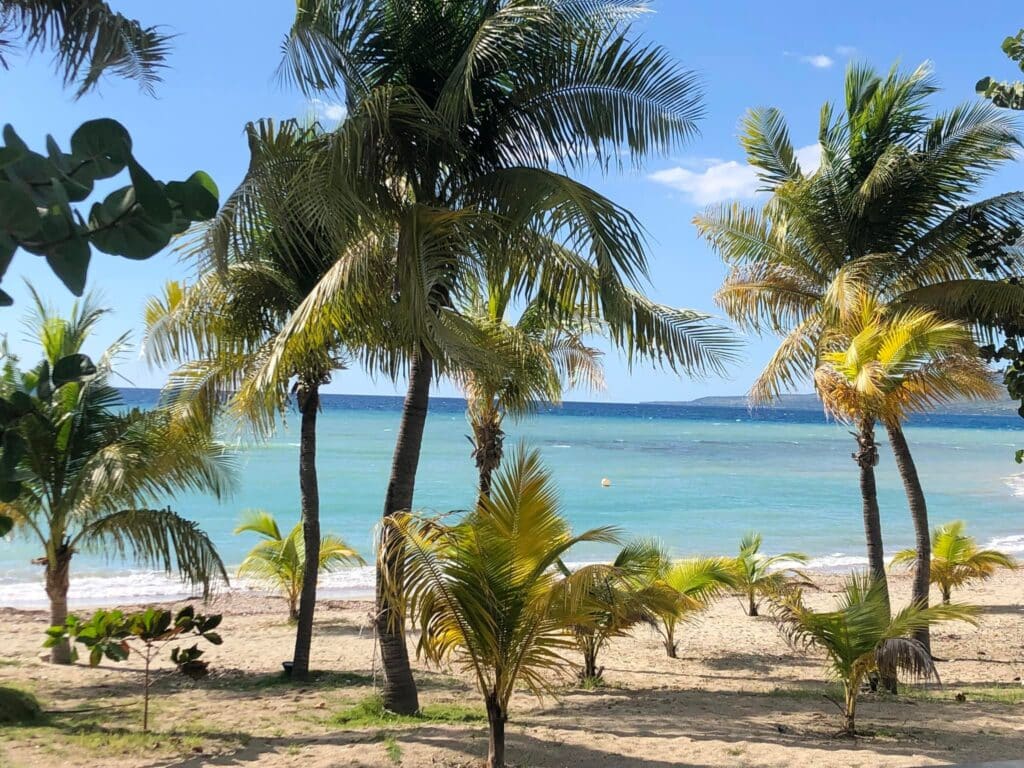
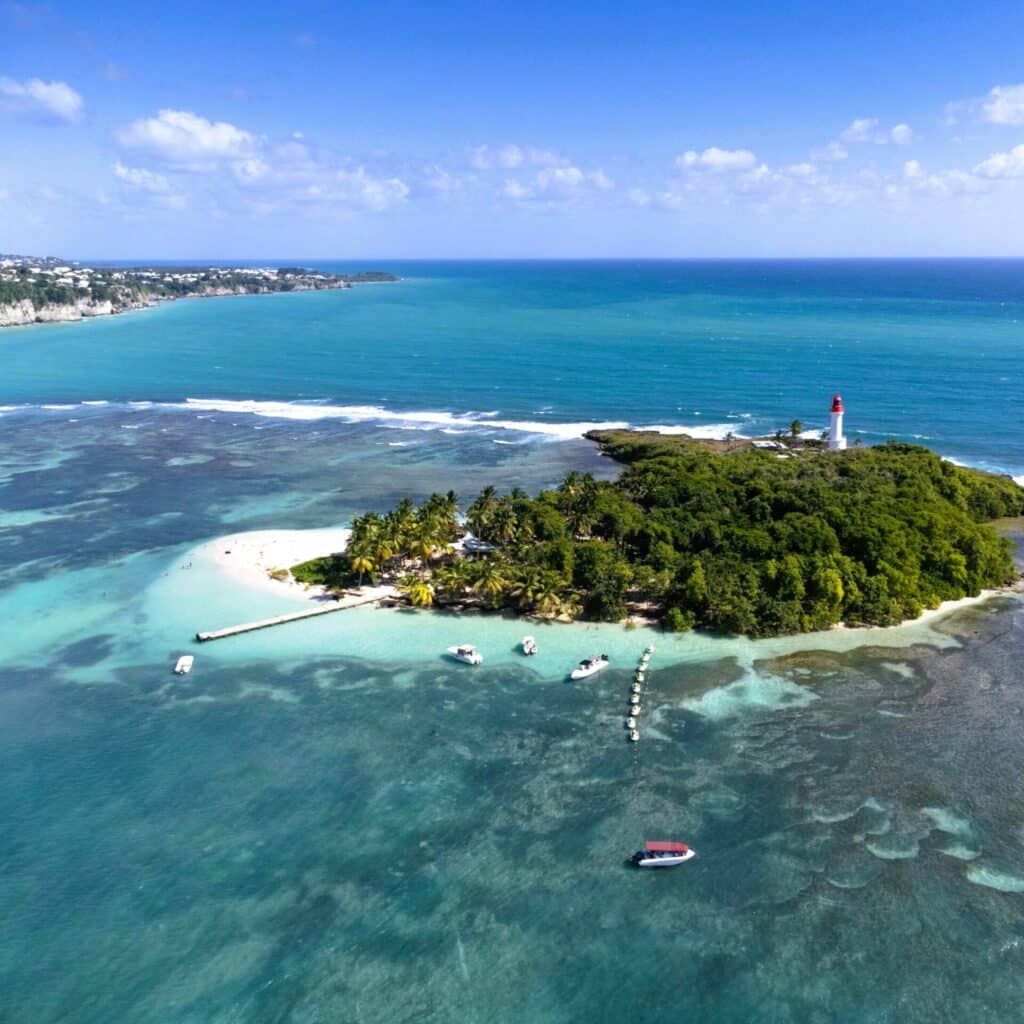
Tourism in the Caribbean is not only a major source of revenue, it is also one of the region’s most scrutinized economic pillars. An essential engine of growth for many post-Covid islands, it illustrates both the opportunities offered by international demand and the limits of a model based on external dependence. Here’s an overview of the current state of the industry, with figures and sources. Tourism in the contemporary between spectacular growth, territorial inequalities and regional integration issues.

A record 32.2 million visitors by 2023

With 32.2 million tourists in 2023, tourism in the Caribbean crossed a new threshold, exceeding its record level for 2019 by 0.8%. This performance was driven primarily by the return of North American customers, the region’s most important market. The sector’s recovery was accompanied by improved air connectivity and a return to normal sanitary conditions.

Yet this recovery conceals disparities. Tourism in the Caribbean is still characterized by a concentration on a few destinations, and relies on a service economy that is exposed to external crises. Few islands today have a truly successful diversification strategy.

Tourism in the Caribbean

Cruises: 31.1 million passengers, but an uneven impact

The cruise sector also experienced an unprecedented rebound. 31.1 million cruise passengers ships called at Caribbean ports in 2023. These flows help to revitalize local economies, provided that the calls generate real economic spin-offs.

But this boom raises questions about sustainability. The environmental impact of cruises on marine ecosystems is considerable. Tourism in the Caribbean cannot grow indefinitely without adapting its port infrastructures, nor without common regional regulatory policies.

Tourism in the Caribbean

The Dominican Republic: undisputed leader in regional tourism

La Dominican Republic alone attracts a quarter of all visitors of the Caribbean tourism market. With its beaches, massive hotel offer and well-developed air accessibility, it is establishing itself as a model for rapid growth in the sector.

This leadership highlights the growing disparities within the Caribbean tourism. While some territories struggle to capture market share for lack of infrastructure or sufficient attractiveness, others, like the Dominican Republic, are making their mark thanks to an aggressive strategy and constant investment.

Tourism in the Caribbean

Jamaica: aiming for 5 million tourists by 2025

La Jamaica attracted 2.9 million visitors in 2023 and is targeting 5 million by 2025. The government is counting on new markets, a move upmarket and the promotion of its strong cultural identity to achieve this objective.

This drive for growth reflects a broader trend in the Caribbean tourism, where several states are seeking to move beyond the classic seaside model to develop a more diversified, cultural and sustainable form of tourism.

Regional mobility: the major weakness of intra-Caribbean tourism

Despite encouraging overall figures, tourism in the Caribbean remains paradoxically poorly integrated. By 2023, only 1.6 million intra-regional tourists were recorded, i.e. 3,6 % of the total. The cost of air travel, low frequencies and regulatory barriers discourage travel between neighboring islands.

This lack of mobility is hampering the development of a coherent regional tourism market. For the tourism in the Caribbean to reach its full potential, it is imperative to encourage exchanges between local populations, by supporting regional airline projects, bilateral agreements and customs interoperability.

A key, but fragile, sector to rethink for the future

Tourism in the Caribbean remains an essential lever for development, but it faces major challenges. Concentration of flows, poor redistribution, environmental pressures, vulnerability to global shocks: the fragilities are manifold.

To move towards a more resilient model, public and private players will need to combine innovation, regulation and cooperation. This will also require greater involvement of local populations in the governance of the sector, so that the tourism in the Caribbean is not just a source of income, but a vector for economic and social emancipation.

The future of tourism in the Caribbean will depend on the ability of territories to pool their strengths, share the benefits of the sector more equitably, and adapt to the new demands of travelers. At a time when global tourism is changing, the Caribbean cannot be left behind by an inherited model.

Investing in sustainable infrastructure, strengthening regional interconnectivity, and rethinking the tourism offer in light of climatic and social challenges are the prerequisites for making the tourism in the Caribbean a real driver of equitable development.

British Virgin Islands start 2025 at the top of the international rankings, named “Best Destination of the Year” at the Luxury Travel Awardsby Modern Luxurythe largest American media group specializing in high-end lifestyle.

This recognition comes against a backdrop of strategic repositioning for the archipelago, which successfully combines hotel excellence, environmental preservation and cultural authenticity. For connoisseurs and travellers alike, curious to understand what truly distinguishes a prestigious destination, the British Virgin Islands offer an inspiring model.

An award based on standards, not notoriety

Unlike other awards, which are sometimes driven by media visibility, the Luxury Travel Awards are based on clear, rigorous criteria: innovation, quality of accommodation, personalized service, sustainable management of the territory and coherence of the tourism offering.

Outperforming established destinations such as the Bahamas, St Vincent and the Grenadines and the Maldives, the British Virgin Islands have demonstrated that a strategy based on long-term quality can win out over short-term communication campaigns. Far from mass tourism, the archipelago today attracts an international public in search of differentiated, sober and elegant experiences.

A constant presence in the benchmark rankings

The year 2025 confirms a trend observed as early as 2024: the British Virgin Islands are consistently ranked among the world’s top destinations. They feature in the “52 Places to Go in 2025” by New York Times as well as in the “World’s Best Awards” of the magazine Travel + Leisure.

This recognition is based on concrete elements: renovated infrastructures, an accommodation offer in line with contemporary luxury expectations, and a local fabric involved in tourism development. Virgin Gorda, Jost Van Dyke and Tortola are no longer just exotic names: today, they represent benchmarks for discerning travellers.

British Virgin Islands

The reopening of the Peter Island Resort: a strategic turning point

The reopening of the Peter Island Resort, after years of renovation, marks a turning point. This iconic resort, located on one of the archipelago’s largest private islands, now offers suites and villas designed for guests seeking tranquillity, refinement and controlled isolation.

The experience is based on discretion, individualized service and a preserved natural environment. The Peter Island Resort illustrates British Virgin Islands to combine modern comfort with respect for the island’s heritage, breaking away from the impersonal standards found in some of the larger hotel chains.

British Virgin Islands
Peter Island Resort
British Virgin Islands
Peter Island Resort
British Virgin Islands
Peter Island Resort

Necker and Moskito Island: the exclusive face of private islands

The British Virgin Islands are also home to two emblematic sites of extreme luxury: Necker Island and Moskito Island, owned by Sir Richard Branson. These private islands embody a vision of travel based on intimacy, autonomy and integration with nature. Guests stay in highly personalized villas, with direct access to unspoilt beaches, tailor-made water sports and dedicated staff.

Beyond their prestige, these two islands illustrate a strong trend in luxury tourism: the search for a space of one’s own, far from the gaze of others, in an ethical and controlled setting. They reinforce the selective and responsible image of British Virgin Islands.

British Virgin Islands
moskito.com
British Virgin Islands
Necker Island. ©luxethika.com

Quintessa Villa: a benchmark for private accommodation in the Caribbean

Located in Oil Nut Bay, on the island of Virgin Gorda, Quintessa Villa has been voted “Best Private Villa in the Caribbean”. With five spacious bedrooms, a honeymoon suite designed as a cocoon of intimacy, and exceptional panoramic views over the North Sound, this property exemplifies the harmony between contemporary architecture and island landscape.

British Virgin Islands
Oil Nut Bay

The seamless flow between interior and exterior, the sustainable energy management and the high quality finish of the materials used make the Quintessa a showcase for tomorrow’s hospitality. Once again British Virgin Islands don’t just follow luxury trends: they define them.

British Virgin Islands
Oil Nut Bay
British Virgin Islands
Oil Nut Bay
British Virgin Islands
Oil Nut Bay
British Virgin Islands
default

Sundara Spa: well-being, innovation and marine identity

In 2025, Quintessa Villa strengthened its offering with the opening of Sundara Spa, the first floating spa in the British Virgin Islands. Designed to blend into the seascape, this center offers treatments inspired by Caribbean traditions and the natural properties of the sea.

Customers can access it directly from their villa or yacht, for a moment of absolute relaxation. This innovation underlines the archipelago’s commitment to developing a tourism offering in keeping with its environment and cultural identity. Far from being a fashion statement, the Sundara Spa bears witness to a genuine reflection on the meaning of the customer experience.

British Virgin Islands
Quintessa Villa

Hospitality based on people and local know-how

At the heart of the British Virgin Islands British Virgin Islands is the quality of human relations. Service is never intrusive, but always present. The hotel teams are trained locally, with a constant concern for detail and personalization.

Clive McCoy, Director of Tourism, insists on this dimension: “The strength of the British Virgin IslandsIt’s their ability to create links, to offer each visitor a meaningful experience. It’s this level of attention, far removed from industrial automation, that sets the archipelago apart in the long term.

Recreational boating and preserved beaches: a rare balance

World-renowned as a boating paradise, the British Virgin Islands British Virgin Islands offer yachtsmen calm waters, protected itineraries and unspoiled natural surroundings. The archipelago thus combines nautical excellence with ecological preservation, avoiding overexploitation of sensitive sites.

Whether you choose to stay on a catamaran, in a private villa or in a small, charming hotel, the experience is always based on the same logic: that of respectful immersion in a fragile yet living territory.

The British Virgin Islands as a model of sustainability and excellence

Far from being just a passing fad, the British Virgin Islands have established themselves as a veritable laboratory for responsible luxury tourism. They show that it is possible to achieve a very high level of quality without denying local identity or compromising ecological balance.

For both discerning travelers and those wishing to understand the mechanics of demanding tourism, they are an exemplary destination. In 2025, they don’t just seduce: they inspire.

The Caribbean beaches confirm their place among the world’s most admired natural treasures, according to the 2025 edition of the World’s 50 Best Beaches. This international recognition once again highlights the richness, diversity and quality of the region’s seaside resorts. Thanks to a rigorous methodology, this ranking highlights places that are preserved, accessible and unforgettable.

A demanding and recognized ranking

The ranking World’s 50 Best Beaches is based on the opinions of over 1,000 travel specialists: journalists, influencers and editors. Caribbean beaches are featured prominently, demonstrating their global appeal. Each site is evaluated according to five specific criteria: natural beauty, water and sand quality, respect for the environment, accessibility and overall visitor experience.

A field assessment

The members of the jury surveyed dozens of coastlines, taking precise notes and analyzing the atmosphere, tranquility and quality of the water. The result is a selection of the finest seaside resorts in the world, designed to provide guidance for both those who love secluded spots and those who are passionate about the seaside.

Canto de la Playa (Dominican Republic): a discreet gem at the top of the regional rankings

In 2025, Canto de la Playa established itself as the most outstanding in the region and 6ᵉ worldwide. Located on the southern tip of the island of Saona, in Dominican Republic. The Dominican Republic is one of the world’s most popular tourist destinations, accessible only by boat.

Unspoilt nature

At Canto de la Playa, there are no hotels or visible businesses. Just a beach of pristine white sand, turquoise waters and coral reefs teeming with marine life. This unspoilt setting attracts lovers of pure nature and snorkelling.

A haven of peace for visitors

The atmosphere is calm, almost silent, with only the sound of the waves and the wind blowing through the palm trees. From many Caribbean beaches offer moments of tranquility, but Canto de la Playa stands out for its authenticity. It’s particularly pleasant to visit from October to November, when the sea is at its calmest.

Caribbean beaches
Canto de la Playa. ©Tripadvisor
Caribbean beaches
Canto de la Playa. ©Tripadvisor
Caribbean beaches
Canto de la Playa. ©Tripadvisor

Grace Bay (Turks & Caicos): the perfect harmony between nature and comfort

Another striking name among Caribbean beaches, Grace Bay in Turks and Caicos Islands, is ranked 10ᵉ in the world. This beach on the island of Providenciales is renowned for the softness of its sand and the transparency of its waters.

A perfectly landscaped site

Grace Bay stretches for over five kilometers, with a coral reef providing natural protection from the currents. This guarantees ideal conditions for swimming and water sports. The beach attracts a varied public thanks to its comprehensive offer: luxury hotels, water sports and local gastronomy.

A destination to suit all profiles

Among Caribbean beaches, Grace Bay embodies the ideal compromise between natural beauty and quality amenities. It attracts families and honeymooners alike.

Caribbean beaches
Grace Bay. ©Tripadvisor
Caribbean beaches
Grace Bay. ©Tripadvisor
Caribbean beaches
Grace Bay. ©Tripadvisor

Other Caribbean jewels in the 2025 ranking

Caribbean beaches are numerous in this prestigious list. Each offers a distinct ambience and experience:

Each offers a distinct ambience and experience:

  • Shoal Bay East (Anguilla, #14) : very clear sand, crystal-clear water, perfect for swimming.
    Seven Mile Beach (Cayman Islands, #23) : lively place, ideal for families and water sports enthusiasts.
  • The Baths (British Virgin Islands, #29) : famous for its granite rocks and natural pools.
  • Ffryes Beach (Antigua and Barbuda, #31) : calm and serenity, far from urban areas.
Caribbean beaches
Shoal Bay East. ©Tripadvisor
Caribbean beaches
Seven Mile Beach. ©Tripadvisor
Caribbean beaches
The Baths. ©Tripadvisor
Caribbean beaches
Ffryes Beach. ©Tripadvisor
  • Grand Anse (Grenade, #32) : friendly atmosphere and golden sand.
  • Bahia de Las Aguilas (Dominican Republic, #34) : a secluded, unspoilt setting still little known to the general public.
  • Meads Bay (Anguilla, #35) : a relaxing beach with calm waters.
  • Klein Bonaire Beach (Bonaire, #44) : a diver’s paradise with a remarkable seabed.
Caribbean beaches
Grand Anse. ©Tripadvisor
Caribbean beaches
Bahia de Las Aguilas. ©Tripadvisor
Caribbean beaches
Meads Bay. ©Tripadvisor
Caribbean beaches
Klein Bonaire Beach. ©Tripadvisor

Recent entrances and emblematic sites

The 2025 edition welcomes a number of territories for the first time: Antigua and Barbuda, the British Virgin Islands and Bonaire. This diversity is proof of the vitality of the region’s seaside offerings. Among the already famous beaches, Trunk Bay (Saint John, U.S. Virgin Islands) continues to seduce with its underwater trail and sparkling sand.

Why are Caribbean beaches so attractive?

Caribbean beaches are renowned for the variety of their landscapes. Some, like The Baths, are intriguing for their geology. Others, like Grace Bay, are reassuringly comfortable. This diversity means that every traveler will find a place to suit his or her needs.

Accessibility and uniqueness

Some beaches require an effort to reach (Canto de la Playa), while others are located in the immediate vicinity of hotels and infrastructure (Grace Bay). This contrast between wilderness and developed areas is what makes all the Caribbean beaches.

The 2025 edition of the World’s 50 Best Beaches illustrates the influence of Caribbean beaches on a global scale. Canto de la Playa in the Dominican Republic, Grace Bay in Turks and Caicos, Shoal Bay East in Anguilla… all these names evoke singular seaside experiences, nurtured by a preserved natural setting, waters of rare clarity and a warm local welcome. The region remains, more than ever, a benchmark for those wishing to experience sea and sand of remarkable quality.

Cruise tourism in Saint Kitts : The announcement marks a turning point for the island, which recorded an 8% increase in cruise passenger arrivals during the 2024-2025 high season, compared with the previous year. Between October 2024 and April 2025, Saint Kitts welcomed 748,056 cruise passengers, compared with 690,244 in the previous season. This increase is no mere coincidence, but the fruit of a considered strategy led by the Ministry of Tourism, its partner agencies and industry players.

Speaking at a press conference at the St. Kitts Marriott Resort on April 29, 2025, Minister of Tourism Marsha Henderson emphasized that this growth was “the result of collective efforts to enhance the visitor experience, strengthen port infrastructure and ensure tourist satisfaction and safety”. This dynamism is in line with the company’s determination to make tourism a lever of development for the entire population of Saint Kitts.

Cruise tourism in Saint Kitts
Hon. Marsha T. Henderson

Growth drivers of cruise tourism in Saint Kitts

Strategic collaboration and joint efforts

The success of the 2024/2025 season is based not only on the island’s natural appeal, but also on close collaboration between the Ministry of Tourism, partner agencies and industry professionals. This synergy has enabled us to optimize our welcome for cruise passengers, offer high-quality services and ensure flawless organization at every port of call.

Minister Marsha Henderson emphasizes the importance of this collective approach: “This growth is the result of joint efforts, all focused on improving the visitor experience, developing port infrastructures and ensuring tourist satisfaction”. The figures speak for themselves: Saint Kitts cruise. Saint Kitts now boasts 748,056 visitors in a single season, making it one of the best-performing destinations in the region.

Cruise tourism in Saint Kitts

Improving port infrastructure

One of the pillars of this growth has been ongoing investment in port infrastructure. The port of Zante, the main point of arrival for cruise passengers, has benefited from improvements designed to make disembarkation more fluid, enhance security and provide attractive shopping areas for visitors. These improvements have helped to strengthen the image of Cruise tourism in Saint Kitts as a pleasant, well-organized stopover.

Companies such as Royal Caribbean, Norwegian, Celebrity, Carnival and MSC have multiplied their stopovers, seduced by the quality of the facilities and the welcome reserved for their passengers. This success confirms that cruise tourism in Saint Kitts is a lasting trend.

Cruise tourism in Saint Kitts

The impact of cruise tourism on the local population

Economic and social benefits

Over and above the figures, the Minister of Tourism reminds us that “the real success of tourism is not measured in visitor numbers alone, but in the concrete impact it has on people’s lives”. The increase in arrivals has generated significant economic spin-offs, creating jobs, boosting local trade, developing new activities and increasing purchasing power.

The cruise industry acts as a driving force for many small businesses, artisans, restaurateurs and local guides. Thanks to the influx of visitors, these players benefit from a renewed clientele and new growth opportunities.

The Tour Development Programme: a lever for small businesses

Program objectives and operation

To bring the benefits of tourism to the entire population, in August 2024 the Ministry launched the Tour Development Programme. This scheme supports small businesses in creating authentic tourist experiences, promoting the island’s culture and heritage.

At present, 15 local companies benefit from personalized support to design, promote and market their offers to cruise passengers. The aim is clear: to ensure that the Cruise tourism in Saint Kitts also supports the industry’s smaller players.

Results and outlook

The initial results are encouraging: increased sales, improved visibility, greater capacity for innovation. The Ministry of Tourism is committed to continuing this support so that these companies can continue to develop.

Cruise tourism in Saint Kitts
Hon. Marsha T. Henderson

The evolution of tourism operators and the challenges they face

Insurance: a hurdle cleared

One of the main obstacles encountered by small operators was access to suitable insurance, which is essential if they are to offer their services to cruise operators. Thanks to the Ministry’s action, this problem has now been resolved. These companies can now offer their services directly via the cruise lines, in the same way as the major operators.

This step guarantees fairer competition and opens up new growth prospects for smaller structures, reinforcing the diversity of the Cruise tourism in Saint Kitts .

Direct access for cruisers

Small local businesses can now offer their tours directly to passengers, without intermediaries. This development promotes a more authentic and equitable form of tourism, in direct contact with the local population.

Future prospects and partnerships

Visits to large cruise groups

The future looks bright, with the upcoming visit of Royal Caribbean officials to explore partnership opportunities. This follows a meeting with Carnival Corporation in October 2024.

These exchanges bear witness to the interest shown by major cruise lines in Cruise tourism in Saint Kitts and point to new prospects for the coming seasons.

Future challenges and sustainability

Despite these successes, a number of challenges remain: managing flows, preserving the environment and adapting to visitor expectations. The Ministry of Tourism is working to implement sustainable solutions so that theCruise tourism in Saint Kitts remains a model of balanced growth.

TheCruise tourism in Saint Kitts is experiencing significant growth, driven by a concerted strategy, targeted investments and strong support for local players. The 8% increase in arrivals by 2024-2025 is not only a statistical success, but also illustrates an ambition: to build an inclusive, resilient and sustainable tourism model serving the entire population.

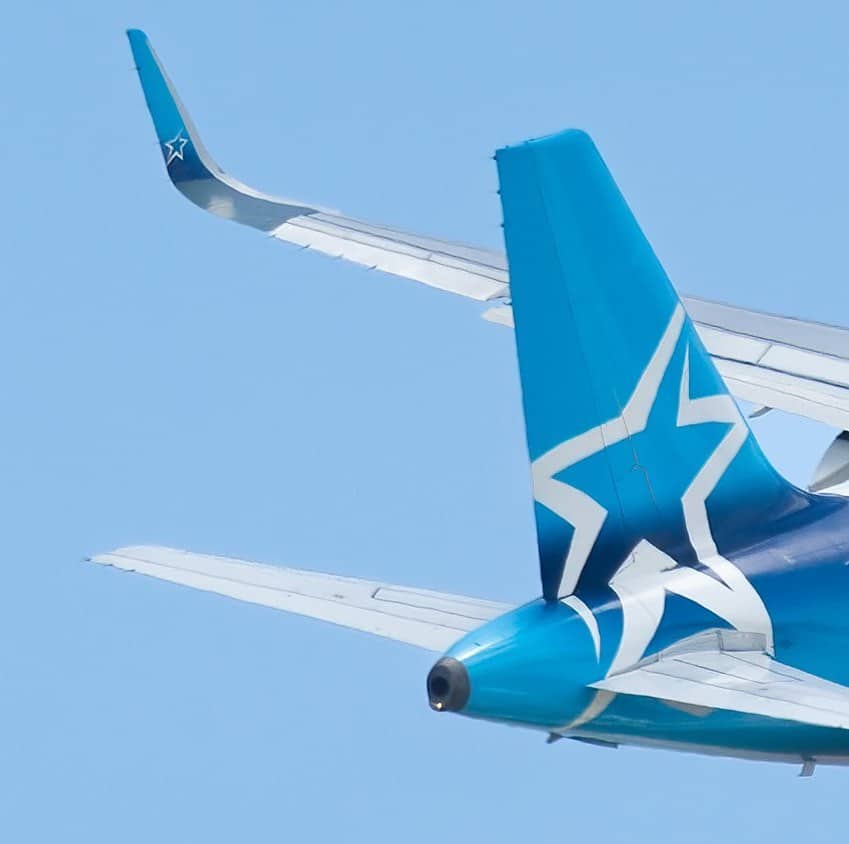
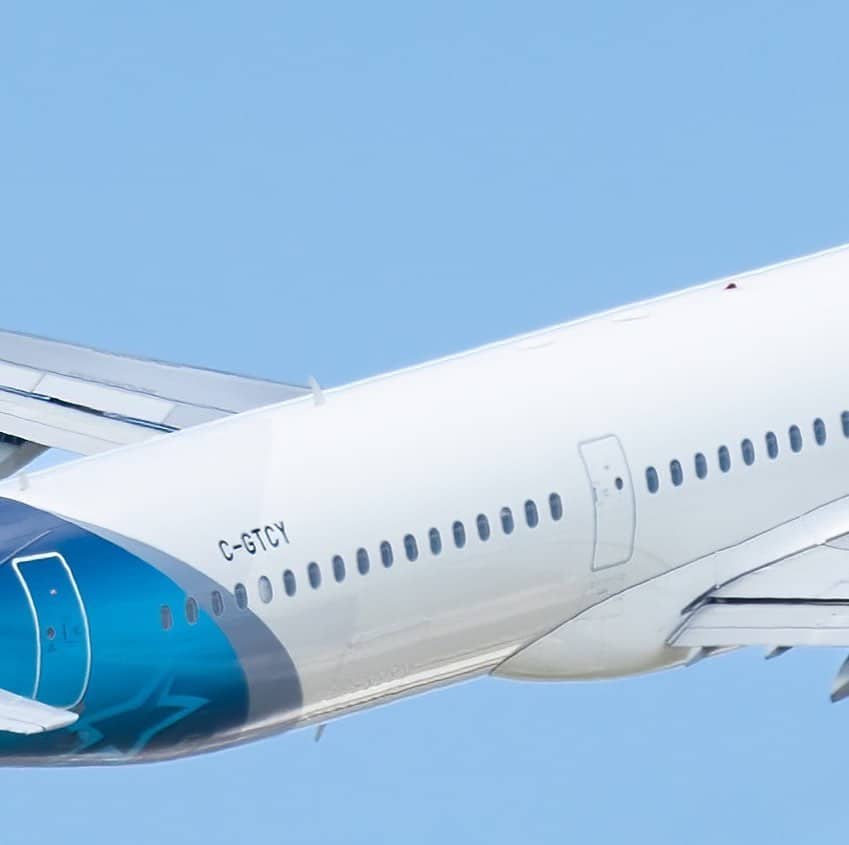
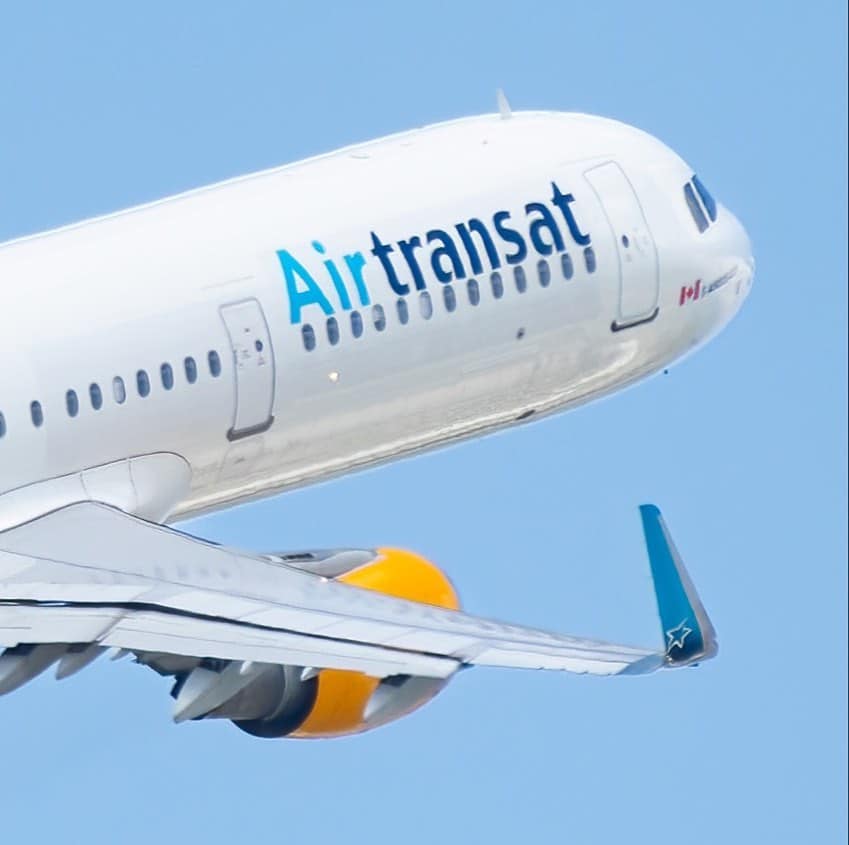
Air Transat marks a significant milestone in the air transport sector with the launch of a direct service between Quebec City and Fort-de-France. This initiative, announced on May 1, 2025, meets a growing demand for mobility between Canada and Martinique, consolidating Air Transat’s position as a key player in leisure travel from Quebec.

Ad context and strategic importance

The creation of this direct route is not insignificant. It is part of an ambitious development strategy aimed at strengthening the company’s presence in the Quebec market, while offering a direct alternative for travellers wishing to reach Martinique without passing through Montreal. According to Sébastien Ponce, Transat’s Chief Revenue Officer, the new route will optimize aircraft utilization and increase network productivity, while responding to fast-growing demand.

A stronger air bridge between Quebec and Martinique

Air Transat network expansion

With the inauguration of this new route, Air Transat is expanding its existing service between Montreal and Fort-de-France. The airline now offers a weekly Sunday flight between Quebec City’s Jean Lesage International Airport (YQB) and Martinique’s Aimé Césaire International Airport (FDF). This route will operate from December 14, 2025 to April 26, 2026, a period when tourist demand is traditionally strong.

Issues for the Quebec City region

For the Quebec City region, Air Transat’s arrival on this route represents a major step forward. Stéphane Poirier, President and CEO of YQB, points out that Fort-de-France becomes the first destination served in the Lesser Antilles from Quebec City. This illustrates our determination to develop the direct flight offer, for the benefit of travellers from all over the province, and to position Quebec City as a leading airport hub.

The advantages of the new line: comfort, modernity and efficiency

The A321LR: A plane for transatlantic routes

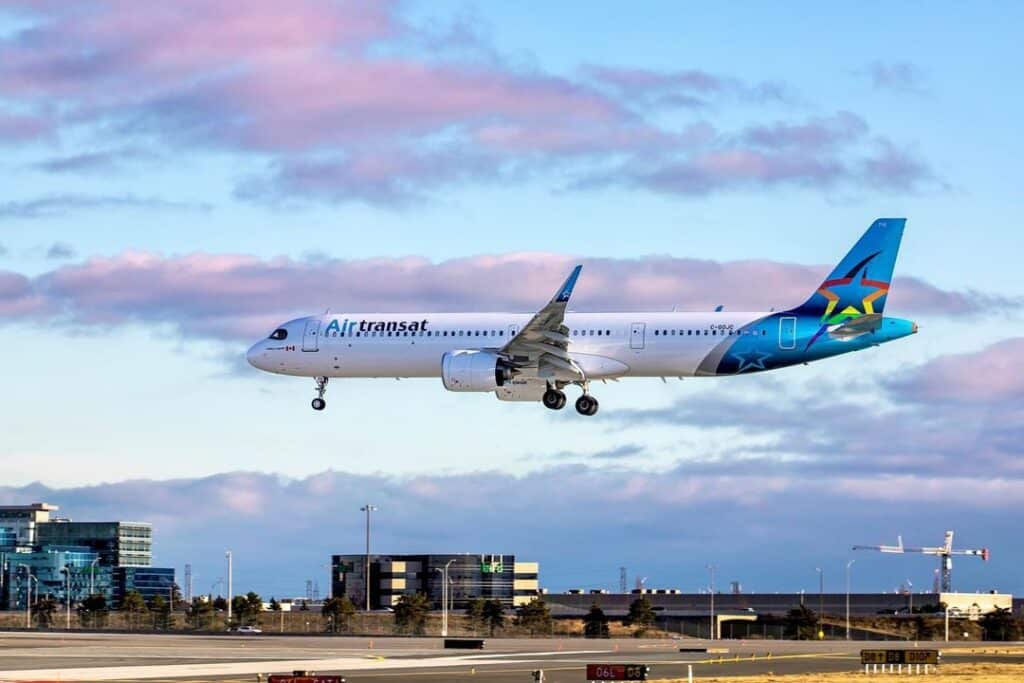
Air Transat has chosen the Airbus A321LR for this route. This aircraft, renowned for its fuel efficiency and autonomy, is perfectly suited to transatlantic flights. It offers an ergonomic cabin and a modern entertainment system, guaranteeing a pleasant and relaxing trip. The use of the A321LR also enables the airline to optimize its fleet while limiting its environmental impact.

Air Transat
Air Transat
Air Transat
Airbus A321LR ©Air Transat

Onboard services: Premium experience and entertainment

On board, the airline offers an enriched flying experience thanks to its “Club Class” seats, which offer a superior level of comfort and personalized services. Passengers benefit from a state-of-the-art entertainment system, with a selection of films, series and games suitable for all ages. This attention to comfort and quality of service is part of Air Transat’s DNA, regularly rewarded for the excellence of its customer service.

Air Transat
Airbus A321LR ©Air Transat

Consequences for tourism and the local economy

Impact on tourism in Martinique

The opening of this direct route by Air Transat should boost Martinique’s tourism sector. By facilitating access to the island for Quebec travelers, the airline is helping to strengthen cultural and economic exchanges between the two territories. Martinique’s tourism professionals are anticipating an increase in visitor numbers, particularly during the high winter season, when Martinique attracts many sun-seeking visitors.

Opportunities for Quebec travelers

For Quebecers, this new route represents a unique opportunity to fly non-stop to Martinique on a direct, comfortable flight. Whether you’re looking for a family vacation, a seaside getaway or a chance to discover Martinique’s heritage, Air Transat makes it easy to reach a destination popular with Canadians, while offering competitive fares and a quality travel experience.

Air Transat
Air Transat
Air Transat

Air Transat: a major player in leisure air transport

Company history and awards

Founded in Montreal 37 years ago, Air Transat has established itself as a benchmark in leisure travel. In 2024, it was voted “World’s Best Leisure Airline” at the Skytrax World Airline Awards, a distinction that testifies to the trust and satisfaction of its customers. With a network covering Europe, the Caribbean, South America, North Africa and the U.S. East Coast, Air Transat offers a vast choice of international destinations.

Commitment to quality and innovation

Air Transat relies on innovation and modernity to set itself apart. Its fleet is made up of recent aircraft, among the most energy-efficient in their category. The company employs 5,000 people who share the same raison d’être: to reduce distances and bring people closer together. Its commitment to service quality and passenger satisfaction is at the heart of its development strategy. .

Air Transat

Book your flight Québec-Fort-de-France

Flights between Quebec City and Fort-de-France will be offered once a week, every Sunday, from December 14, 2025 to April 26, 2026. This weekly frequency meets seasonal demand, particularly during the winter period, when many Quebecers wish to take advantage of Martinique’s tropical climate.

The opening of the direct route between Quebec City and Fort-de-France marks a major step forward in the leisure air transport sector. Thanks to this initiative, Quebec travellers benefit from easier access to Martinique, while the attractiveness of the Caribbean island is enhanced. Air Transat thus confirms its leading role in the Canadian market, combining innovation, comfort and quality service.

This new route, operated by modern, efficient aircraft, illustrates the company’s ability to anticipate passenger needs and meet the challenges of the tourism sector.

Caribbean Week in New York 2025 marks an essential milestone for the Caribbean tourism sector, taking place from June 1 to 6, 2025 at The Westin New York at Times Square. Organized by the Caribbean Tourism Organization (CTO), the event is a focal point for tourism professionals, decision-makers and enthusiasts from across the region, the diaspora and around the world. This year’s motto: “Caribbean resilience, shaping tomorrow’s tourism”. .

A strategic event for Caribbean tourism

The international scope of the event

Caribbean Week in New York 2025 offers an unrivalled platform for engaging with key players, raising the profile of Caribbean destinations and affirming brands’ commitment to the region. The event takes place within the framework of Caribbean-American Heritage Month, giving it increased exposure to the media, investors and the general public.

Choice of theme: “Caribbean resilience, shaping tomorrow’s tourism”.

There’s nothing insignificant about this theme. It reflects the determination of countries such as Jamaica, Barbados, Saint Lucia and Trinidad & Tobago to work together to build sustainable, innovative strategies capable of meeting today’s tourism challenges. Dona Regis-Prosper, Secretary General of the CTO, insists on the need to “create sustainable pathways for the future of our industry” and to “highlight the strength and diversity of the region”.

Caribbean Week in New York 2025
Dona Regis-Prosper

Detailed program for Caribbean Week in New York 2025

Highlights and professional meetings

Caribbean Week in New York 2025 is a six-day program of professional meetings, high-level forums and themed workshops. Highlights include:

  • ★ Caribbean Media Marketplace and Media Awards: forums for exchange between media, tourism boards and private players to showcase the region’s initiatives and success stories.
  • ★ Leadership forums and artificial intelligence panels: forward-looking discussions on the future of tourism, innovation and the digitalization of the sector.
  • ★ CTO business meetings: strategic sessions bringing together tourism ministers, office directors and institutional representatives.

Focus on innovation and youth

Caribbean Week in New York 2025 places particular emphasis on youth and innovation, with two flagship initiatives:

  • ★ Jean Holder Scholarship: a scholarship supported by the CTO Foundation to support the future leaders of Caribbean tourism.
  • ★ Caribbean Next-Gen Showcase: a showcase for young talent and entrepreneurs, who can present their projects and talk to industry experts.

Women in the spotlight and the orange economy

The event also gives pride of place to women entrepreneurs and the creative economy:

  • ★ Caribbean Women’s Leadership Dinner and Awards: an evening celebrating the journey and success of women leaders in tourism.
  • Session on the orange economy: a workshop dedicated to cultural and creative industries, an engine of growth and innovation for the Caribbean.
Caribbean Week in New York 2025

Partnership and visibility opportunities for brands

The benefits of partnerships

Caribbean Week in New York 2025 offers companies tailor-made partnership packages, providing exceptional visibility:

  • ★Presence oflogo on official materials, signage and event website.
  • S peaking at conferences and panels before influential audiences.
  • Privileged access to networking sessions with decision-makers and industry leaders.
  • Participation in key events such as the Media Marketplace, business lunches and strategic forums.
  • Promotional opportunities via CTO press releases, digital marketing and social networks.

How companies can participate

Companies wishing to associate themselves with Caribbean Week in New York 2025 can choose from several levels of partnership, tailored to their objectives and budget. Sponsors benefit from targeted exposure to an international audience, while affirming their commitment to sustainable development and innovation in the Caribbean region.

Caribbean Week in New York 2025

The impact of Caribbean Week in New York 2025 on the diaspora and industry players

Strengthening ties between the diaspora and the Caribbean

The event plays a key role in bringing the Caribbean diaspora living in the United States closer to their home territories. The exchanges, encounters and initiatives presented at Caribbean Week in New York 2025 promote talent, support community projects and strengthen the sense of belonging to the region.

Building bridges for the future of tourism

By bringing together decision-makers, experts, young entrepreneurs and institutional partners, Caribbean Week in New York 2025 fosters the emergence of new synergies and the implementation of innovative projects. The event acts as a veritable laboratory of ideas for rethinking Caribbean tourism, integrating issues of resilience, sustainability and inclusion.

Caribbean Week in New York 2025

Caribbean Week in New York 2025, a springboard for the future of Caribbean tourism

Caribbean Week in New York 2025 is a strategic meeting place for both seasoned professionals and novices wishing to better understand the challenges facing Caribbean tourism. Thanks to its rich program, networking opportunities and openness to innovation, the event is helping to shape the future of the sector, while strengthening cohesion between the countries of the region and their diaspora.

Whether you’re a tourism player, investor, student or simply curious, Caribbean Week in New York 2025 offers a unique opportunity to get informed, get inspired and take part in building a more resilient and inclusive Caribbean tourism.

Air Canada marks a further step in its international development strategy with the addition of a second weekly flight between Toronto and Grenada. From June 2, 2025, the airline will offer an additional service every Monday, in addition to the existing Sunday flight. This initiative, which will run until August 31, is designed to meet the growing demand from Canadian travelers, while supporting Grenada’s tourism economy during the key Spicemas period.

New organization of Air Canada flights to Grenada

The expansion of Air Canada service between Toronto and Granada means greater flexibility for travellers. Monday’s flight will leave Toronto at 9:15 a.m. and arrive in Granada at 2:35 p.m., while the return leg will leave Granada at 3:35 p.m. and arrive in Toronto at 9:25 p.m.

This organization, designed to optimize passenger comfort, maximizes the time spent on the island without wasting unnecessary time in transit. Air Canada is thus a key player in strengthening connectivity between Canada and Grenada.

Air Canada

Why is Air Canada targeting the Canadian market?

Air Canada ‘s decision to increase the frequency of its flights to Grenada is no small one. Canada remains one of the most important outbound markets for the destination, according to Petra Roach, General Manager of the Grenada Tourism Authority. Faced with potentially declining demand from the United States and international economic uncertainty, it is strategic to consolidate links with markets considered stable and dynamic.

Canadian travelers, encouraged by a favorable exchange rate and a strong interest in authentic destinations, are showing strong enthusiasm for the summer season. Their tendency to extend their stay and get involved in local life generates a positive economic impact on Grenada’s entire tourism chain. By adding a second weekly flight between Toronto and Granada, Air Canada is responding to a buoyant market dynamic and its desire to support the sector’s sustainable growth.

Spicemas 2025: a flagship season for tourism in Granada

The Air Canada flight schedule has been carefully timed to coincide with Spicemas, a major cultural event in Granada. In 2025, Spicemas will run from August 1 to 12, with highlights on August 11 and 12, the dates of Carnival Monday and Tuesday. Every year, this period attracts a varied public, who come to enjoy the island’s local traditions, costume parades and musical richness.

Air Canada
©️Spicemas Corporation

With the addition of a Monday flight, Air Canada enables Canadian travellers to plan their stay around these key dates, without calendar constraints. This strategic choice encourages participation in all the festivities and optimizes the tourist experience, while supporting the local economy at a crucial time of year.

Air Canada
©️Spicemas Corporation

Benefits for Canadian travellers

Air Canada’s increased flight frequency offers multiple benefits to travellers. On the one hand, the increased flexibility makes it easier to plan stays, whether for family vacations, extended stays or short breaks around Spicemas. On the other hand, special offers from Grenadian hotels, such as Sandals Grenada, which offers up to 1,300 Canadian dollars off certain packages, make the destination even more attractive.

By adapting its offer, Air Canada is meeting the expectations of customers looking for authenticity, comfort and cultural discoveries. Canadians benefit from simplified access to Granada, with convenient schedules and competitive fares, while enjoying total immersion in the local culture.

Air Canada
Grenada
Air Canada
Grenada
Air Canada
Grenada
Air Canada
Grenada

Economic benefits and prospects for Grenada

The addition of a second weekly flight by Air Canada is part of a process of diversification and economic resilience for Grenada. By attracting more Canadian visitors, the island reduces its dependence on other markets and strengthens the stability of its tourism sector. According to the Grenada Tourism Authority, this strategy aims to ensure the sustainability of local tourism and create economic opportunities for the population.

By increasing the number of flights, Air Canada is also helping to strengthen ties between Canada and Grenada, promoting cultural and economic exchanges. This approach is part of a long-term vision, in which the sustainability and quality of the tourism offering take precedence over simply increasing the number of visitors.

By adding a second weekly flight between Toronto and Grenada, Air Canada is demonstrating its commitment to supporting the island’s tourism development while meeting the expectations of Canadian travellers. This initiative, designed for the summer season and Spicemas 2025, offers unprecedented flexibility, economic advantages and an enriching experience for all. Thanks to Air Canada’s commitment, Grenada has become a destination of choice for Canadians in search of authenticity and a change of scenery.

Climate resilience: an island challenge

The climate resilience of the Caribbean is a concept that goes far beyond simple environmental discussions. For this region of the world, often perceived as a tourist paradise, the reality is far more complex. Despite making a marginal contribution to global greenhouse gas emissions, Caribbean countries are facing devastating climate impacts.

While the Caribbean accounts for only a tiny fraction of global CO₂ emissions, it is on the front line when it comes to the consequences of global warming. These geographical and economic realities make the fight for sustainability in this region both urgent and decisive.

Less than 1% of global emissions, but a disproportionate impact

Less than 1% – that’s the share of global CO₂ emissions attributable to the entire Caribbean, according to estimates by the IMF (0.3%), the OECD (0.23%) and BNP Paribas (economic-research.bnpparibas.com). Other sources, such as CEPAL, indicate that Latin America and the Caribbean as a whole accounts for less than 10%, and according to Richmond Vale Academy, the Caribbean produces even less than 0.1% of the world total. An island paradox: the region is not a major polluter, yet it bears the full brunt of climate change.

The Caribbean islands are particularly vulnerable to extreme climatic phenomena: increasingly powerful hurricanes, heat waves, prolonged droughts and rising sea levels affecting many islands. These environmental shocks test the limits of climate resilience of island nations.

According to the United Nations Development Programme (UNDP), small developing islands such as those in the Caribbean risk losing up to 10% of their annual GDP due to climate-related natural disasters.

Climate Resilience

An economic crisis exacerbated by climate change

6 times – the economic impact of climate change on Caribbean economies is estimated to be up to six times greater than the global average (BNP Paribas, IMF, World Bank). Every dollar lost or spent due to climate change weighs six times more than elsewhere – a colossal burden for countries that are often indebted and dependent on agriculture or tourism. It’s an ongoing test of their climate resilience.

A striking example: Hurricane Maria in 2017 caused damage equivalent to 226% of GDP of Dominica, according to the World Bank, PDNA and the ACP-EU NDRR Program (esg.wharton.upenn.edu). In just a few hours, more than two years’ worth of national wealth was wiped out. This shocking figure illustrates the extent to which a single cyclone can topple the economy of a small island state, wiping out years of efforts to strengthen the economy. climate resilience.

Energy transition: efforts, but challenges to overcome

In the face of environmental and economic threats climate resilience also requires an ambitious energy transition. Belize leads the way: 48 % of its electricity already comes from renewable sources, according to the Atlantic Council. This is a regional record. However, the majority of Caribbean countries are struggling to keep pace.

The Alliance of Caribbean States has set a collective target of 48% of electricity generated from renewable energies by 2027. Although endowed with strong solar and wind energy potential, the region is making slow and uneven progress. Accelerating this transition is essential to strengthen the region’s competitiveness. climate resilience in the face of energy dependency and volatile fossil fuel markets.

Climate Resilience

A decisive step against single-use plastics

When it comes to waste management, more than 14 countries of the Caribbean (more than a third of the region) have banned single-use plastic bags and polystyrene containers since 2019, according to a study published on ResearchGate. Among them: Saint Kitts and Nevis, Barbados and Antigua and Barbuda.

These regulatory actions, which are crucial for the marine ecosystems on which tourism, fishing and coastal protection depend, also help to strengthen climate resilience. climate resilience. However, the region is still faced with growing volumes of plastic waste, much of which comes from outside the region.

The role of young people and local initiatives

The climate resilience in the Caribbean is also rooted in civic action. Younger generations are leading local initiatives for responsible consumption, biodiversity preservation and reforestation. In several islands, ecological start-ups are emerging to support the green transition.

These community movements show that climate resilience depends not only on governments and international donors, but also on local creativity and determination.

Climate Resilience

Faced with colossal challenges climate resilience of the Caribbean is reflected in a willingness to act, even when resources seem limited. While the region bears only a small share of responsibility for global CO₂ emissions, it bears disproportionate economic and human costs.

Local initiatives, energy transition efforts and the fight against pollution are all encouraging signs. However, the road to a climate resilience is still a long way off. It is crucial that the international community supports the Caribbean’s efforts, recognizing the uniqueness of the challenges it faces.

eScoot Rentals has established itself as the pioneer of large-scale micromobility in the Caribbean, offering an innovative and environmentally-friendly transport solution in St. Vincent. With 108 electric scooters and electrically-assisted bicycles available for hire right outside the Kingstown cruise terminal, eScoot Rentals is revolutionizing the way people get around the island, whether they’re curious visitors or locals eager to rediscover their territory.

The rise of micromobility in the Caribbean

The Saint Vincent and the Grenadines context

Saint-Vincent-et-les-Grenadines, an archipelago renowned for its sumptuous landscapes, unspoilt beaches and biodiversity, attracts thousands of travelers in search of authenticity every year. Yet, until now, soft mobility has remained underdeveloped on the main island. The arrival of eScoot Rentals marks a turning point in meeting a growing need for practical, environmentally-friendly travel adapted to the island’s topography.

Why is micromobility so attractive today?

Micromobility, as embodied by electric scooters and bicycles, appeals for its flexibility and low environmental impact. They help to ease traffic congestion, reduce dependence on fossil fuels and offer an affordable alternative. In Saint-Vincent, where journeys are short, these means of transport offered by eScoot Rentals are perfectly suited to discovering the region while limiting polluting emissions.

eScoot Rentals
Kingstown

eScoot Rentals: A pioneering and committed player

A committed local company

Founded by a local team, eScoot Rentals stands out for its long-term vision. Led by Curtis Zephyrine and supported by Tiffany Morris, Andez Bascombe and Darren Deosaran, the company is now a benchmark in the island’s green mobility sector.

A fleet to suit all uses

With 108 carefully maintained electric vehicles, eScoot Rentals offers the largest micromobility fleet in the region. Whether you’re looking for a solo ride, a couple’s outing or group exploration, there’s a package to suit every need.

eScoot Rentals

Service for everyone

Located at the Kingstown Cruise Terminal, eScoot Rentals facilitates direct access for visitors arriving on the island. Local residents also benefit from this service for their daily commutes, reconnecting with their territory in a responsible way.

eScoot Rentals

A new way to experience tourism

Another look at Kingstown

Riding silently through the historic streets of Kingstown, along the waterfront or through the bustling markets, eScoot Rentals offers total freedom. Each user can stop at will, appreciate a viewpoint or visit an emblematic site, in complete autonomy.

Formulas accessible to all

The company offers several packages, from hourly rentals to full-day tours, as well as rides accompanied by local guides. These offers allow you to immerse yourself in local realities while benefiting from a clear and transparent service, as advocated by eScoot Rentals.

Simplicity and safety first

Thanks to an intuitive mobile application, you can book a vehicle with eScoot Rentals is quick and easy. Safety equipment is provided, and vehicles are rigorously maintained to ensure a trouble-free journey.

eScoot Rentals
eScoot Rentals

Ecological commitment at the heart of the project

A choice for the environment

In a country still heavily dependent on fossil fuels, eScoot Rentals is a concrete solution for reducing greenhouse gas emissions. By opting for electric vehicles, the company is protecting the island’s ecosystems while modernizing the way it travels.

Encouraging sustainable tourism

New travelers are increasingly sensitive to their impact. eScoot Rentals allows them to enjoy a personalized experience, while adhering to an eco-responsible approach. This positioning aligns the company with the sustainable development ambitions of Saint Vincent and the Grenadines.

Positive local impact

In addition to its ecological benefits, eScoot Rentals generates tangible economic spin-offs: local jobs, reduced fuel imports, more dynamic tourism. The company integrates into the local fabric by collaborating with local businesses and players.

eScoot Rentals

Prospects for Green Mobility in Saint-Vincent

A model to follow

While certain challenges remain – infrastructure development, legislative adaptation – the eScoot Rentals model shows that micromobility is not only possible, but also has a promising future in the Caribbean.

An influence on territorial transformation

The first company of this scale in the region, eScoot Rentals is inspiring other projects and helping to shape a new image for Saint-Vincent: an area that is resolutely modern, responsible and in tune with contemporary issues.

eScoot Rentals doesn’t just offer electric scooters: it is initiating a fundamental change in the way people get around Saint-Vincent. By reconciling accessibility, innovation and respect for the environment, it is redefining the tourist experience and the daily lives of local residents. A concrete initiative at the service of an island in transition towards a more sustainable future.

As the  Carnival in Jamaica  approaches 2025, scheduled for April 23 to 29, it is worth revisiting the economic impact of the previous edition, whose results confirmed the event’s growing significance within the national economy.

Carnival in Jamaica – these words sound like a call to party, but they symbolize much more than a parade of flamboyant costumes and intoxicating music. The event is rooted in Jamaican history and identity, fusing African heritage, local creative expression and a unique festive energy. Every year, thousands of participants from all over the island and beyond gather in an atmosphere where the joy of life reigns supreme.

A strategic economic pillar

An impact that exceeds expectations

Beyond its festive sparkle, Carnival in Jamaica is a major economic lever for the country. In 2024, according to a study by the Centre for Leadership and Governance at the University of the West Indies, the event generated a total economic impact of 95.4 billion Jamaican dollars. This figure places Carnival among the most profitable initiatives in the Jamaican economy.

Exceptional financial benefits

Tourism Minister Edmund Bartlett revealed that the direct impact of the 2024 edition amounted to $4.42 billion, an increase of 44.2% on 2019. Thanks to the multiplier effect, every dollar invested returned $130. A return that rivals the country’s best-performing economic sectors.

Carnival in Jamaica
Edmund Bartlett
Carnival in Jamaica
Edmund Bartlett

A public-private investment dynamic

The success of carnival in Jamaica relies on close collaboration between the state and the private sector. In 2024, carnival groups invested $727 million, of which $331.4 million was dedicated to costume creation. This value chain supports a local ecosystem of artisans, seamstresses, designers and service providers. For its part, the State has strengthened its promotion and organization strategy, recognizing carnival as a vector of international influence.

Massive leverage for employment

More than 115,000 jobs generated

The social impact of Carnival in Jamaica is equally impressive. In 2024, some 115,247 full-time equivalent jobs were supported thanks to the event. From events to hospitality, commerce, catering and the creative industries, Carnival in Jamaica acts as a catalyst for inclusive growth.

Spinoffs in the informal economy

The benefits of Carnival in Jamaica are also felt in the informal and small business sectors: beauty salons, fitness centers, transporters, restaurant owners and shopkeepers see their business grow significantly during this period. In all, Jamaican workers and entrepreneurs generated $19.14 billion in revenue.

A booming tourist attraction

International visitors

In 2024, 5,400 international tourists traveled specifically for Carnival, each spending an average of US$3,209, or 12.5 million injected into the local economy. Notably, over 54% of these visitors were first-time attendees, a sign of strong potential for loyalty and expansion.

Massive mobilization of the local population

Jamaicans were also out in force: 7,400 of them invested an average of $252,900 each in costumes, fitness, beauty treatments and entertainment. In all, local spending reached $1.73 billion, proving that the event is a major stimulus to domestic consumption.

Staying the course in the face of challenges

A return on investment to be preserved

Between 2019 and 2024, the carnival’s return on investment fell from $198 to $130 for every dollar invested, mainly due to rising costs and inflation. Nevertheless, the average over the period remains very high ($159.09), testifying to the solidity of the business model. The challenge over the next few years will be to maintain this performance while integrating more innovation.

Towards a sustainable and inclusive model

The government is focusing on a long-term strategy: enhanced promotion, greater involvement of local communities, innovation in the carnival groups’ offerings and adoption of sustainable practices. The aim is to make carnival in Jamaica an example of cultural and economic success, while respecting the principles of sustainable development.

Carnival in Jamaica is more than just a party. It’s a structuring event, capable of generating $95.4 billion and supporting more than 115,000 jobs in a single edition. It illustrates the strength of Jamaican culture when it becomes an engine for development. By combining tradition, innovation and collective commitment, Carnival continues to make Jamaica shine on the international stage.

Will the 2025 edition confirm this trajectory combining economic performance, cultural influence, and sustainable commitment?