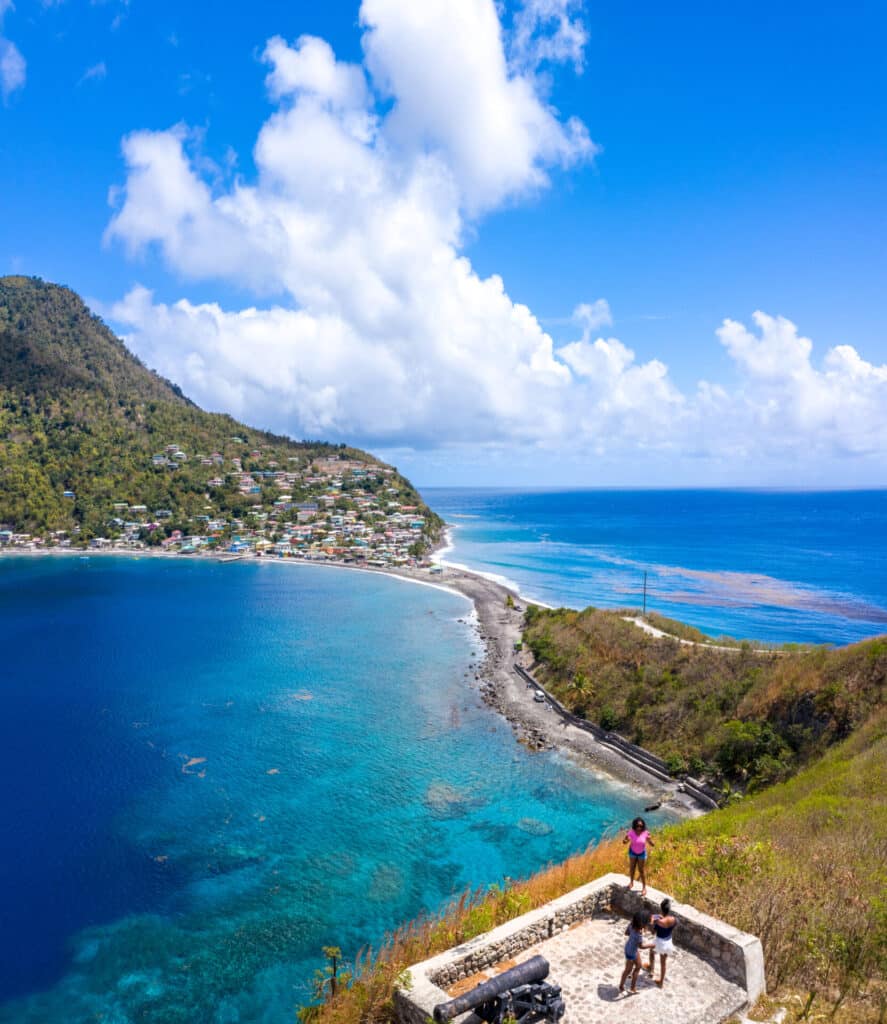
Saint Kitts affirms its commitment to sustainable tourism and immersive experiences

Present at Seatrade Cruise Global 2025 in Miami, St. Kitts confirmed its determination to establish itself as an authentic, sustainable and attractive Caribbean destination all year round.
Through the testimonies of representatives of the St. Christopher Air and Sea Ports Authority and St. Kitts Tourism Authority The island has shown that it relies both on environmental innovation and on enriching the tourist experience to attract cruise passengers and visitors from all over the world.

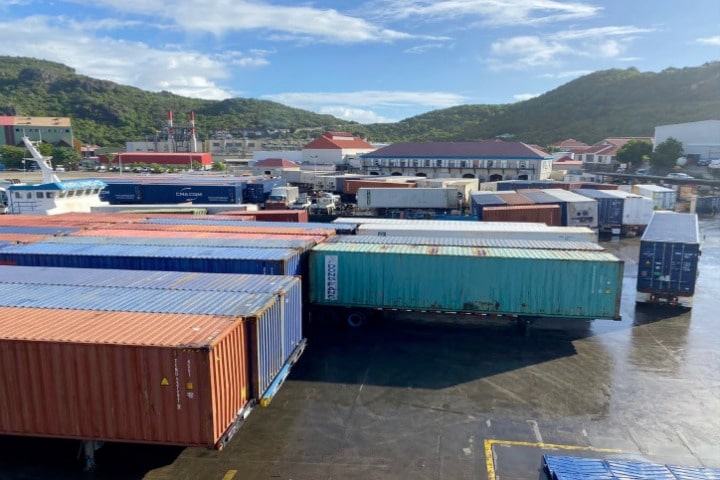
A port at the service of the island's attractiveness - The Port Authority's strategy

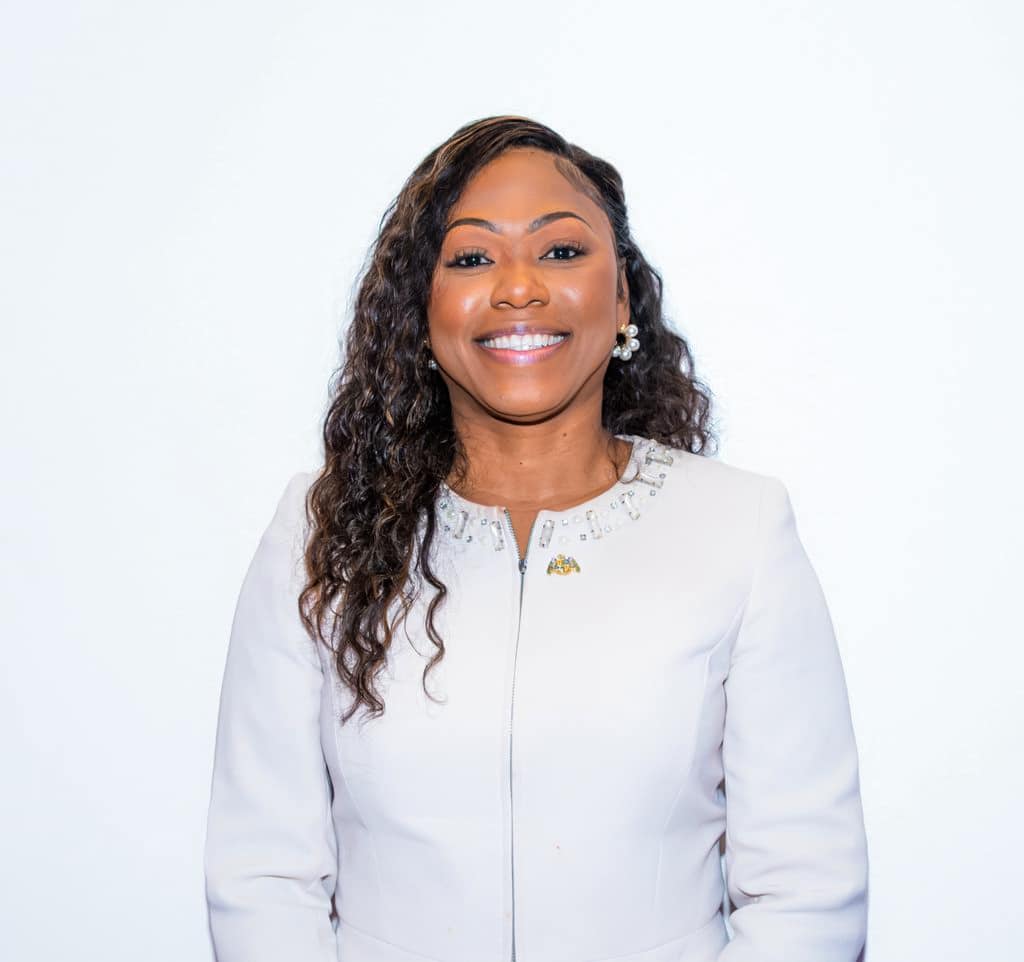
Adeola MooreGeneral Manager of St. Christopher Air and Sea Ports Authority It’s the first and last impression cruise passengers have of our island,” she stresses.

Aware of this essential role in the visitor experience, the island is constantly striving to improve its infrastructure to meet the expectations of a rapidly evolving industry.

In response to the new demands of the sector, Saint Kitts is investing in sustainable projects:

  • Deployment of solar and wind power solutions to reduce carbon footprint,

  • Anticipation of the arrival of the first ships powered by shore power.

St Kitts
Adeola Moore

With its new slogan “Venture Deeper”, the island invites visitors to dive deeper into the soul of St. Kitts: explore its culture, savor its gastronomy, vibrate to the rhythm of its music and discover its authentic way of life.

🎯 Adeola Moore’s aim: to make Saint Kitts a dynamic and attractive cruising destination all year round, beyond the peak season.

Strengthening the tourism offer - The commitment of the Comité du Tourisme

Kelly Fontenelle

For Kelly Fontenellerepresentative of the St. Kitts Tourist Board (St. Kitts Tourism Authority) For more information, visit
It’s crucial to remind companies of all that St. Kitts has to offer,” she says.

This season, the island is aiming for a historic milestone: welcoming over a million cruise passengers – a landmark performance after the slowdown caused by the pandemic.

Saint-Kitts is seductive for the diversity of its offer:

Unspoilt beaches,

Brimstone Hill Fortress, a UNESCO World Heritage Site,

Rich cultural heritage,

Local gastronomic experiences,

Numerous activities and events.

To further enhance its nautical appeal, the island is preparing to launch its own regatta, scheduled for 2026-2027.

🎯 Kelly Fontenelle’s ambition: to make this regatta a major event in the Caribbean sailing calendar.

Saint Kitts, a new impetus for sustainable and immersive tourism

At Seatrade Cruise Global 2025, St. Kitts clearly asserted its determination to consolidate its position as a benchmark cruise destination, extend its appeal beyond the traditional season, offer a more authentic experience and inscribe its development in a sustainable approach.

A cruise to St. Kitts is more than just a stopover: it’s an immersion in a lively, generous island with a resolutely forward-looking outlook.

Dominica asserts its identity at Seatrade and strengthens its cruising strategy

Present at Seatrade Cruise Global in Miami, Dominica’s Minister of Tourism, Denise Charles Pembertonhighlighted the island’s natural and cultural assets. Against a backdrop of growing cruise tourism, she also stressed the importance of raising international awareness of Dominica – often confused with its Spanish-speaking namesake – and of continuing efforts to improve accessibility and hospitality.

Dominica
Denise Charles Pemberton

A unique destination driven by nature and tradition

Nicknamed “nature island of the CaribbeanDominica cultivates a unique positioning around well-being, adventure and culture.. With its 365 riversits thermal springsits spectacular waterfalls and its boiling lake – the second-largest in the world -, it is a magnet for ecotourism and immersive experiences.

Dominica

But there’s more to the island than its scenery. It is also the cradle of the aboriginal people KalinagoA living richness that nurtures the Dominican cultural identity. Hiking on the Waitukubuli Trailkayaking, diving, local gastronomy… the offer is dense, varied and deeply rooted in the region.

Cruising, a fast-growing economic engine

“Last year, we recorded a 23% increase in the number of cruise passengers disembarking on the island”, the Minister proudly announces. This dynamism benefits many players: craftsmen, restaurateurs, cab drivers, guides… Every stopover generates immediate, tangible economic activity.

Aware of this challenge, Dominica is currently investing in the modernization modernizing its port infrastructure to accommodate larger vessels. A strategy designed to reinforce the island’s place on the map of the region’s must-visit cruise destinations.

Dominique
Dominique

Clarifying Dominica's image and strengthening connectivity

Despite its assets, Dominica still suffers from a lack of awareness. “Many people confuse our island with the Dominican Republic,” laments Denise Charles Pemberton. “If I could wave a magic wand, I’d make sure the whole world knew that Dominica is an English-speaking island located between Martinique and Guadeloupe.

Improving air and sea connectivity remains a priority to facilitate access to this still too discreet jewel of the Caribbean.

The Minister took the opportunity to invite the public to discover the island through its major cultural events, notably the Jazz & Creole on May 4 in Portsmouth, and above all the 25th anniversary of the World Creole Music Festival next October, an anniversary edition she promises will be “grandiose, combining music, culture and gastronomy”.

Dominica
Dominica

Fondation de la mer embodies action, innovation and mobilization in defense of the Ocean. From the outset, it is essential to understand that the Fondation de la mer takes concrete action to preserve marine biodiversity, combat pollution, support research and raise public awareness, particularly in sensitive areas such as the Caribbean Sea. Today, the Fondation de la mer is a major player in the protection of marine ecosystems, uniting NGOs, scientists, local authorities and citizens around a universal cause.

History of the Fondation de la mer

Created in 2015, the Fondation de la mer was born from the initiative of maritime enthusiasts, civil society and scientists. Their ambition: to respond to the ecological emergency with a global approach, combining ecology, research, innovation and citizen involvement. Thanks to solid partnerships with institutions such as the French Ministry of Ecological Transition, the CNRS and the National Museum of Natural History, the Fondation de la mer has rapidly gained in credibility and effectiveness.

Mission and values of the Fondation de la mer

The five pillars of action


The Fondation de la mer’ s missions are structured around five major themes:

  • Knowledge: supporting research and knowledge of the oceans.
  • Protect: preserve biodiversity and marine ecosystems.
  • Involve: mobilize citizens, businesses and local authorities.
  • Transform: encouraging innovation and sustainable business models.
  • Raising awareness: informing and training all audiences, especially young people.

Key partners

Its network of partners includes public institutions, associations, research centers and companies, enabling it to pool skills and reinforce the impact of its actions.

Fondation de la mer's major programs

Protecting marine biodiversity

The Fondation de la mer pilots and supports over 40 programs, including several in the Caribbean, to restore coral reefs, mangroves and seagrass beds. It also takes action against overfishing, pollution and the degradation of marine habitats.

Combating pollution and supporting research

Since 2020, the NGO has collected over 1,500 tonnes of waste from coastal areas, thanks to the mobilization of 97,000 volunteers. It also funds research projects to better understand and combat threats to the oceans.

Public awareness and involvement

More than 350,000 young people have been made aware of marine issues through workshops, educational resources and local events. The Fondation de la mer relies on everyone’s involvement to build a collective dynamic.

Concrete actions in the Caribbean Sea and areas concerned

The Fondation de la mer is deploying several flagship projects in the Caribbean Sea, in Martinique, Guadeloupe, French Guiana and other overseas territories.
These initiatives strengthen the presence and mission of the Fondation de la mer in this particularly fragile region.

A helping hand for the Mangrove Martiniquaise (Martinique)

Supported by the Roots of the Sea association, this winning project of the SOS Corail 2024 program aims to restore two degraded mangrove areas, one on the Atlantic coast, the other on the Caribbean coast. These areas are threatened by global warming, sargassum beachings, urbanization and pollution. The aim is to replant and regenerate the mangroves, while involving the local population, managers and other local associations.

The project includes :

  • An impact study and an inventory of flora and fauna.
  • Analysis of environmental conditions prior to any intervention.
  • The creation of in situ and ex situ nurseries to grow mangrove seedlings.
  • Planting and growth monitoring of 5,000 m² of mangroves.
  • An awareness-raising and training program for local residents and schoolchildren.
Fondation de la mer

Restoration of the mangroves of Diamant and Robert (Martinique)

This project, also supported by the Fondation de la mer, targets the restoration of two mangrove areas, in Diamant (Caribbean coast) and Robert (Atlantic coast). The aim is to respond to the rapid degradation of these ecosystems due to urbanization, pollution and climatic pressures. The initiative involves close collaboration with communities, the local population and experts to ensure a sustainable and inclusive approach.

The project includes :

  • Preliminary studies to identify pressures and needs.
  • Replanting mangroves with local species.
  • Ongoing environmental monitoring and involvement of local stakeholders.
Fondation de la mer

Eco-anchors to protect the seabed (Guadeloupe)

In Guadeloupe, the Fondation de la mer is supporting an innovative project to install 200 mooring eco-reefs, led by the Kazarecycle association. These eco-anchors are designed to protect seagrass beds and coral reefs, which are severely affected by boat anchors. Submerged, they provide a refuge for marine fauna and support coral growth. On the surface, they enable environmentally-friendly mooring, avoiding the destruction of sensitive habitats.

The project includes :

  • The immersion of 200 eco-reefs in areas to be protected.
  • 12 actions to clean up the seabed.
  • A social integration and circular economy component via Kazarecycle’s Atelier Chantier d’Insertion.
  • Scientific monitoring to ensure no negative impact on the environment.
Fondation de la mer
Fondation de la mer
Fondation de la mer
Fondation de la mer

Call for projects to protect and rehabilitate mangroves and reefs (Caribbean and French Guiana)

The Fondation de la mer, in partnership with IFRECOR, regularly launches calls for projects to support the protection and restoration of mangroves, coral reefs and seagrass beds in French overseas territories, including Martinique, Guadeloupe and French Guiana.

These calls for projects enable :

  • Finance concrete ecological restoration actions (planting, clean-up, scientific monitoring).
  • Involve local associations, communities and citizens.
  • Raise public awareness of the importance of these ecosystems.
  • Encourage innovation and research into nature-based solutions.
Fondation de la mer

Raising awareness and involving young people and local communities

In addition to restoration projects, the Fondation de la mer also runs awareness-raising campaigns in schools and among the general public, to raise awareness of the essential role played by mangroves, reefs and seagrass beds in the Caribbean. These actions include workshops, conferences, field trips and the creation of appropriate teaching aids.

Key figures and outlook

Results

  • More than 40 active programs, including several in the Caribbean.
  • 1,500 tonnes of waste collected since 2020.
  • 350,000 young people reached.
  • 97,000 committed volunteers.
  • In Guadeloupe, densification of seagrass beds and creation of new coral habitats thanks to eco-anchors.

The challenges ahead

The Sea Foundation must continue its efforts in the face of accelerating climate change, pollution and biodiversity loss. Innovation, citizen involvement and the strengthening of local partnerships will be key to guaranteeing the sustainability of its actions in the Caribbean Sea and beyond.

Fondation de la mer proves every day that ocean preservation, particularly in the Caribbean Sea, is possible thanks to concrete, innovative and inclusive actions. Whether by restoring mangroves, installing eco-anchors or raising public awareness, the NGO is establishing itself as a benchmark player. The results are there, but we must continue to mobilize to ensure that the sea remains a source of life and balance for future generations.

The name Joseph Laroche resonates today as a powerful symbol, that of a Haitian man, talented engineer, family man and, above all, the only known black passenger aboard the Titanic. Yet for decades, his story was overshadowed, forgotten or ignored in official accounts of the legendary sinking. A look back at an extraordinary destiny, which sheds light not only on the history of the Titanic, but also that of Haiti, the little-known jewel of the Caribbean and the silent struggle against racism in the early 20th century.

A Haitian childhood between heritage and ambition

Joseph Philippe Lemercier Laroche was born in 1886 in Cap-Haïtien, a historic city in northern Haiti, the cradle of the Haitian revolution and a powerful symbol of the Caribbean. Born into a middle-class family, he carried with him a prestigious heritage: his grandfather was a bootmaker to King Henri Christophe, the emblematic figure of Haitian independence. His mother, a shrewd businesswoman, prospered in the coffee, cocoa, sugarcane and cotton trades. She invested everything in her only son’s education, convinced that knowledge was the key to success.

At the age of 15, Joseph Philippe left Haiti for France, his chosen destination for higher education. His departure marked the beginning of a journey that combines hope, determination and confrontation with the realities of a racialized world.

Studying in France: engineers face invisible barriers

In Beauvais, Joseph Laroche obtained his baccalaureate and then a diploma in agricultural engineering. He married Juliette Lafargue, a young French woman, a rare and courageous union for the time, defying racial and social prejudice. Together, they started a family with two daughters, Simone and Louise, and were expecting a third child. Despite his skills, Joseph encounters insidious racism in France.

His diploma was not enough to open every door. He worked on the construction of line 12 of the Paris metro, linking Porte de la Chapelle to Porte de Versailles, a major project of which he was proud. But opportunities are few and far between, and stable jobs are nowhere to be found. Republican France, despite its ideals of equality, is often closed to talent from former colonies.

Joseph Laroche
The Laroche family, Joseph with his wife Juliette and their daughters Simone and Louise. Source : Domaine public

The return to Haiti: a hope supported by the family

Faced with these difficulties, Joseph Laroche and Juliette decided to return to Haiti, where Joseph’s uncle by marriage, Cincinnatus Leconte, had just been elected President of the Republic. This family link opens up new prospects: Joseph is promised a job as a mathematics teacher, a welcome professional and social recognition.

Returning to their native land becomes a family project, a dream of a better future for their children, far from European discrimination.

Choosing the Titanic: a voyage of hope and constraint

Joseph Laroche’s family first to book first-class tickets on the liner Francea symbol of elegance and social status. But the ship’s policy forbids children to dine with their parents, an unbearable affront for Joseph and Juliette. They cancel their reservation and choose to travel second class aboard the Titanic, a brand-new ship reputed to be unsinkable, which accepts children at the table.

On April 10, 1912, they set sail from Cherbourg, hoping to reach New York and then Haiti. The voyage begins under the best of auspices: luxury, comfort, the children’s wonderment. Juliette wrote a letter describing their happiness, still unaware of the tragedy that lay ahead.

Joseph Laroche
RMS Titanic, Southampton, southern England, April 10, 1912.

The shipwreck: a sacrifice and a painful separation

On the night of April 14-15, 1912, the Titanic struck an iceberg. Panic gripped the ship. Women and children are given priority for the lifeboats. Joseph Laroche sees to it that Juliette and their daughters board safely. He entrusts little Louise to his wife and daughter Simone, promising to join them soon. This will be their final farewell.

Joseph disappears into the icy waters of the North Atlantic, his body never found. Juliette and her daughters are rescued by the Carpathia, but the trauma is immense. Juliette gives birth to their third child, a boy named Joseph, in honor of his lost father.

Haiti, the Caribbean and rediscovered memory

Joseph Laroche’s story is also that of Haiti, the founding country of the first independent black republic, often marginalized in global historical narratives. His story illustrates the challenges faced by a black man from the Caribbean, confronted with discrimination in Europe, but with a strong cultural and political heritage.

For a long time, his name was erased, forgotten in the Titanic archives. This silence bears witness to the racial bias and wilful neglect of history. It was only thanks to the research of journalist and author Serge Bilé in his book: ” TITANIC’S ONLY BLACK PASSENGER” that the memory of Joseph Laroche has been revived, offering a new, more inclusive and human perspective on the Titanic tragedy.

Joseph Laroche
Journalist and author Serge Bilé. Source: Conrad Vitasse
Joseph Laroche
Book cover: “Le seul passager noir du TITANIC” (The only black passenger on board the TITANIC)

Joseph Laroche embodies the strength of a man who, despite the odds, pursued his dreams and protected his family to the point of ultimate sacrifice. His story invites us to rethink historical narratives, to recognize forgotten voices, and to celebrate the richness of Caribbean heritages in the larger global story.

The resilience of coastal fisheries in Barbados has become a crucial issue following the damage caused by Hurricane Beryl on July 1, 2024. This sector, vital to the local economy and food security, is facing major challenges linked to climate change. In this article, we look in detail at the impacts of these upheavals, the responses implemented through an ambitious project, and the expected benefits for Barbadian fishermen and coastal communities.

Climate change impacts on coastal fisheries in Barbados

Barbados, like many Caribbean islands, is already suffering the devastating effects of climate change. Hurricane Beryl in particular highlighted the vulnerability of coastal infrastructures. The Bridgetown Fisheries Complex, the heart of the local fishing industry, saw its breakwater, docks, jetties and more than 200 boats severely damaged. These infrastructures are essential for commercial and artisanal fishing, and their destruction has disrupted operations and affected fishermen’s incomes.

In addition to hurricanes, other phenomena linked to climate change are aggravating the situation: rising sea levels, more frequent and intense storms, and the invasion of sargassum, which is destroying marine habitats. These factors compromise not only the productivity of fisheries, but also the food security of the Barbadian population, which relies heavily on coastal fishing for its protein supply. This is why the resilience of coastal fisheries in Barbados is now a national priority.

The Barbados Coastal Fisheries Resilience Project

In response to these challenges, a major project was launched on April 14, 2025: the Barbados Coastal Fisheries Resilience Project. This project is the result of collaboration between the Government and people of Japan, the United Nations Development Programme (UNDP), and the Barbadian Ministry of Environment and National Beautification, as well as other partners.

With funding of US$2.93 million, this project aims to strengthen the resilience of coastal fisheries in Barbados. The project is part of a wider strategy to recover from Hurricane Beryl and adapt to climate change. It is part of a broader strategy for post-Hurricane Beryl recovery and adaptation to climate change, incorporating innovative and sustainable measures.

Resilience of Coastal Fisheries
Dr. Shelly-Ann Cox next to Japan’s Ambassador to Barbados, H.E. Misayaka Yusuke. Source : Barbados Fisheries Division
Resilience of Coastal Fisheries
Source : Barbados Fisheries Division
Resilience of Coastal Fisheries
Dr. Shelly-Ann Cox next to Japan’s Ambassador to Barbados, H.E. Misayaka Yusuke. Source : Barbados Fisheries Division

Concrete actions to strengthen resilience

The project has several key components:

  • Infrastructure rehabilitation : Reconstruction and modernization of the Bridgetown Fisheries Complex is a priority. This includes repairing the docks, piers and breakwater to protect the facility from future storms.
  • Installation of technological equipment : A Marine Travel Lift capable of lifting boats up to 54 tonnes will be acquired to facilitate ship maintenance operations. In addition, a Starlink communication system will be installed on around 100 boats to improve coordination, safety and rescue at sea.
  • Training and capacity building: Fishermen will benefit from training in disaster-resistant boat building, as well as emergency preparedness simulations and exercises. The project also supports the organizational strengthening of the Barbados National Union of Fishermen (BARNUFO) through the provision of office equipment and digital technologies.

Each initiative aims to increase the resilience of coastal fisheries in Barbados by implementing concrete solutions adapted to local realities.

Resilience of Coastal Fisheries
Japan’s Ambassador to Barbados, H.E. Misayaka Yusuke. Source : Barbados Fisheries Division
Resilience of Coastal Fisheries
Honorable Adrian Forde, Minister of Environment and National Beautification, Green and Blue Economy. Source : Barbados Fisheries Division
Resilience of Coastal Fisheries
Chief Fisheries Officer, Dr. Shelly-Ann Cox. Source : Barbados Fisheries Division
Resilience of Coastal Fisheries
UNDP Resident Representative, Ms. Limya Eltayeb. Source : Barbados Fisheries Division

Expected benefits for fishing and coastal communities

The benefits of this project are manifold. Firstly, it will rapidly restore the means of production and marketing of fisheries, thus ensuring continuity of income for fishermen and their families. Secondly, by strengthening disaster preparedness, it will reduce the risk of human and material losses in future extreme weather events.

The project also contributes to Barbados’ food security, by guaranteeing a stable supply of seafood products. It is also part of a sustainable development dynamic, promoting a blue economy that respects marine resources and coastal ecosystems. Strengthening the resilience of coastal fisheries in Barbados also helps stabilize local economies while ensuring the survival of traditional fishing practices.

Finally, international collaboration, notably with Japan and the UNDP, demonstrates the importance of mutual assistance between island states and global partners in tackling the challenges of climate change. This model of cooperation reinforces the resilience of coastal fisheries in Barbados through collective intelligence.

The resilience of coastal fisheries in Barbados is vital to the island’s economic and social survival. The project launched in 2025 illustrates a concrete and innovative response to the impacts of climate change, combining rehabilitation, technology and training. This exemplary approach offers a model for other Caribbean countries facing similar challenges. It is essential to pursue these efforts with determination and solidarity to ensure a sustainable future for Barbados’ fisheries and coastal communities.

At Seatrade Cruise Global 2025, a panel discussed the changing expectations of cruise travelers, particularly the younger generations, and how these changes require a complete reinvention of the experiences offered ashore.

Seatrade Cruise Global 2025: from guided tour to personalized experience

Moderated by Shannon McKee, President of Access Cruise, the Seatrade Cruise Global 2025 discussion featured key industry figures Tracey Diaz (Princess Cruises), Christine Manjencic (Norwegian Cruise Line Holdings), Marc Melville (Chukka Caribbean Adventures), Leyla R. Osorio (Global Cruises LLC) and Claudine Pohl (Lemoneight).

Right from the outset of Seatrade Cruise Global 2025, it was clear that today’s cruisers expect much more than a simple panoramic tour. “What this new generation is looking for is a real experience,” says Christine Manjencic. She cites the example of a “selfie tour” initially designed for Norwegian Cruise Line and adapted for Oceania Cruises under the title Capturing the Moment – a simple but effective rebranding to appeal to a premium audience.

Seatrade Cruise Global
Christine Manjencic

Today, a new generation is discovering cruising… and no longer sees it as an activity for retirees.”
Tracey Diaz
reminds us at Seatrade Cruise Global of the extent to which the pandemic has changed expectations: travel is no longer a given, but a privilege. Passengers are now looking for more intimate, truer, more human experiences.

Seatrade Cruise Global
Tracey Diaz

Authenticity, Local Voices, and Storytelling as Value Drivers

For tourism operators, the challenge is twofold: to remain innovative while remaining rooted in reality. For Marc Melville, the answer can be summed up in one word: authenticity. ” Our strength is to be resolutely local, without compromise. What seems commonplace to us is often what makes the biggest impression on a visitor.

He stresses the importance of storytelling. A gesture as simple as putting your hand on a tree can become a lasting memory, as long as it’s contextualized. “You can’t put a price on a local, authentic experience,” he stresses.

Seatrade Cruise Global
Marc Melville

With a presence in 140 destinations, Leyla Osorio observes that regular cruisers don’t want to relive the same excursion. “We need to offer a new reading of the place, with a different perspective, a different narrative.” At Seatrade Cruise Global, she also emphasizes the importance of adapting excursions to the specific identity of each cruise line.

Seatrade Cruise Global
Leyla Osorio

Experience Design, Collaboration, and Looking Ahead

All the speakers at Seatrade Cruise Global 2025 agree: the future of the industry will depend on innovation, anticipation… and greater collaboration.

Christine Manjencic shared some revealing data on how behavior has changed since the pandemic: “Before COVID, we put excursions online 2 to 3 months before the cruise, and only 20% were sold in advance.”

“Today, we open 365 days and reach 75% pre-sales.”

She adds, not without pride: “In 2019, we sent 4.3 million passengers on shore excursions. Last year, we came close to 6 million.”

This spectacular growth shows just how essential anticipation, trend monitoring and personalization have become in the design of our offers.

Claudine Pohl reminds us at Seatrade Cruise Global 2025 that the skill to tell a story is as valuable as the itinerary itself. “Without training in speaking, your guides won’t convey the experience.

Leyla Osorio, for her part, insisted on an essential new dimension in experience design: “An excursion must be immersive, authentic… and photogenic.
In an age of travel dictated by social networks, it’s no longer enough to have an experience: you have to be able to share it, visually, and derive “bragging rights” from it.
She encourages destinations to incorporate striking elements – aesthetic, symbolic, Instagrammable – that become memories as much as social proof.

Seatrade Cruise Global

Finally, Marc Melville, speaking at Seatrade Cruise Global 2025, concluded with an appeal for commitment: “The Caribbean has never had so many opportunities. Let’s seize them. Let’s work hand in hand with our cruise partners to make our islands shine even brighter.

Seatrade Cruise Global
Shannon McKee
Seatrade Cruise Global

Cruisers are no longer looking for tours, but for emotions.

This panel provides a valuable compass for Caribbean territories wishing to remain attractive to cruisers in search of meaning and authenticity.

👉 Fully embracing local roots. As Marc Melville points out, “What is banal to you can become extraordinary to a visitor.” It’s essential to focus on storytelling, sensory immersion and cultural expression, rather than conforming to globalized standards.

👉 Offer exclusive cruising value. An on-shore product has to offer something that visitors can’t book alone on the Internet. Sometimes it’s a gesture, a dish, a symbolic place or a moment to share… as long as it touches.

👉 Cooperation at all levels. Claudine Pohl reminds us of the importance of mobilizing cab drivers, craftsmen, guides and local authorities. A simple, well-thought-out “Welcome” or visual staging can transform the experience.

In short, it’s no longer just a matter of welcoming, but of passing on a story.

Strengthening sea turtle protection through regional ocean governance was one of the key issues at the 2025 annual meeting of the WIDECAST network, held in Saint Kitts and Nevis. Marine experts and conservationists from the Greater Caribbean, Australia and the Netherlands joined forces to deepen regional cooperation on marine turtle protection, with Suriname and the Guianas playing a central role.

sea turtle

A shared commitment to the Caribbean's sea turtles

Held in March at the St. Kitts Marriott Resort, WIDECAST’s AGM 2025 brought together over 80 participants committed to marine conservation. The event provided an opportunity to share update on national actions, share scientific data and make collective progress on flagship projects such as Blue Corridors for Sea Turtles, focused on preserving sea turtle migration routes and the Northwest Atlantic (NWA) Leatherback Regional Action Plan (RAP) for the Wider Caribbean, focused on protecting the leatherback in this region.

The workshops addressed fundamental themes: the fight against illegal trade, sea turtle autopsies, marine health, and the use of the EarthRanger platform for species monitoring. These exchanges illustrated WIDECAST’s key role as a network linking local actions and regional strategies.

Suriname and the Guianas in action

sea turtle

As Oceans Coordinator for WWF-Guianas and WIDECAST Country Coordinator in Suriname, the speaker presented a presentation entitled “Transforming regional ocean governance by combating IUU fishing and protecting marine turtles in the Guianas”.

Her presentation highlighted the one of the main challenges towards the decline of the leatherback which is illegal, unreported and unregulated (IUU) fishing, as well as the efforts undertaken to address them, including:

  • Strengthening fisheries governance frameworks ;

  • Enhanced surveillance and information sharing in the field;

  • Protecting spawning beaches and migration corridors;

  • Adapting to the impacts of climate change;

  • Updating Suriname’s Sea Turtle Recovery Plan (STRAP).

The Guianas are thus positioning themselves as a driving force for sustainable, concerted ocean governance on a Caribbean scale.

sea turtle

Local action for regional impact

Suriname’s contribution underlined the extent to which threats to marine biodiversity transcend national borders. The conservation of marine turtles, a migratory species par excellence, calls for coordinated, cross-functional responses.

This dynamic is illustrated by the Northwest Atlantic (NWA) Leatherback Regional Action Plan (RAP) for the Wider Caribbean and the Blue Corridors project and the commitments made collectively. Against a backdrop of increasing pressure on marine ecosystems, the future of conservation will require greater cooperation, science-based decisions and a genuine sense of the common good.

The MAGHIC 2 project, launched in March in Pointe-à-Pitre with the support of the INTERREG Caribbean program, marks a decisive step in the development of a low-carbon maritime sector adapted to the realities of the Caribbean.

At a time when climate issues are calling for far-reaching changes, the Caribbean is asserting its determination to become a pilot region for sustainable maritime transport. It is against this backdrop that FARWIND Energy, a start-up committed to decarbonizing maritime transport, is coordinating the MAGHIC 2 project, with the aim of structuring a genuine industrial and scientific sector around vele propulsion and hydrogen in the region.

Financed with €2.2 million in ERDF funds via INTERREG Caribbean, MAGHIC 2 embodies an alliance between technological innovation, academic research and regional ambition.

Innovative marine propulsion tested under real-life conditions

At the heart of the MAGHIC 2 project, the rotor sail developed by FARWIND Energy promises a significant reduction in CO₂ emissions, up to 40% less fuel for ships. This technology, proven in severe maritime environments, opens up concrete prospects for more responsible shipping, in line with European climate objectives and those of the IMO.

But MAGHIC 2 goes further: the project also explores innovative hydrogen storage solutions, both on land and at sea, capable of holding between 10 and 100 tonnes, with reduced land impact. A response to the logistical and energy challenges specific to island geography.

A Caribbean research and industry network to support the transition

One of the project’s strengths lies in its ability to create a regional dynamic around skills and knowledge. FARWIND Energy brings together a network of leading academic institutions:

  • Caribbean Maritime University (Jamaica)

  • University of Trinidad and Tobago

  • Centro Nacional de Investigaciones Cientificas (Cuba)

  • Universidad Autonoma de Campeche (Mexico)

These establishments will focus their work on the service life of materials and the adaptation of solutions to the specific climatic and maritime conditions of the Caribbean.

On the industrial side, SARA (Société Anonyme de la Raffinerie des Antilles) is joining the project to promote technology transfer and strengthen local skills. The ambition is clear: to structure a sustainable regional ecosystem around low-carbon marine propulsion and the hydrogen industry.

MAGHIC 2
MAGHIC 2

A strategic vision for Caribbean energy sovereignty

By consolidating a base of regional skills and leveraging appropriate technologies, MAGHIC 2 sets the Caribbean on the path to an ambitious and coherent maritime energy transition. The project is helping to build energy sovereignty to enhance the competitiveness and resilience of Caribbean territories.

“This project illustrates an integrated approach combining innovation, industrialization and scientific cooperation, and represents a major step forward for more sustainable shipping,” says Arnaud Poitou, President of FARWIND Energy.

Launched in Guadeloupe, MAGHIC 2 is helping a smarter, bolder Caribbean emerge, capable of inventing its own answers to global energy challenges while making the most of its natural resources, know-how and strategic position.

The opening morning of Seatrade Cruise Global 2025 set the tone: the future of cruising lies in collaboration, innovation and sustainability.

A global vision for an industry in transition

Richard Sasso, President of MSC Cruises USA, opened the event with an outline of the 2025 Global Cruise and Destination Outlook. This strategic overview served as a reminder that, despite an ever-changing global context, the cruise industry is progressing with ambition and responsibility.

Highlighting the growing importance of more sustainable tourism and authentic experiences, Richard Sasso insisted on the need to adapt offers not only to economic challenges, but also to the expectations of an increasingly impact-conscious public.

Seatrade Cruise Global 2025
Richard Sasso

Anticipating the expectations of new generations

The first panel of the day at the Seatrade Cruise Global 2025, “Sailing Across Generations and Rethinking Experiences Ashore”, moderated by Marc Blum, brought together a number of major players: Mark Edson (Royal Caribbean), Alexander Gumbs (Port of Saint-Martin), Mike Maura (Nassau Cruise Port), Natasha Salzedo (Carnival Cruise Line) and Ugo Savino (US State Department).

Together, they explored ways of adapting to changing travel profiles, highlighting the importance of technological innovation, better integration of destinations and a more personalized approach to the customer experience.

Seatrade Cruise Global 2025

A look at the world of cruise tourism

The morning of the Seatrade Cruise Global 2025 concluded with a panel entitled “World Cruise Tourism Summit: regional updates”. The event was moderated by Ioannis Bras, with the participation of representatives from MedCruise, Cruise Arabia, the Caribbean Tourism Organization and Cruise Saudi. This overview highlighted the specific realities of each region, while converging on common challenges: better managing passenger flows, developing resilient infrastructures, and strengthening cooperation between ports.

A strong idea emerged from this opening: decisions must be based on concrete data, and the future will be built by combining know-how.

We’ll be coming back to these interventions in more detail later.

Seatrade Cruise Global 2025

An innovative concept from Crescent Heights

Crescent Seas marks a true revolution in the cruise industry by offering luxury private residences on the high seas. Developed by Crescent Heights, one of the most prestigious real estate developers in the United States, this project offers travel enthusiasts and yachting lovers a unique opportunity: to live aboard an exceptional ship while traveling the world.

Unlike traditional cruises, Crescent Seas residents are not just passengers, but owners. This model allows for extended immersion in exceptional destinations, with stopovers of two to three days, offering a true itinerant lifestyle rather than just a one-off trip.

Navigator: a renovation worthy of luxury

A $50 million transformation

To launch Crescent Seas, the ship Navigator acquired in partnership with Norwegian Cruise Line Holdings Ltd. will undergo a complete renovation costing over $50 million. Three renowned design firms – Lissoni & Partners, Journey and MAWD – will work on this transformation to offer a sumptuous and elegant living environment.

Exceptional residences worth up to $8 million

The Navigator will offer 210 residences priced from $750,000 to $8 million. Each unit will be designed to reflect exclusivity and refinement, with interior spaces designed for absolute comfort.

Top-of-the-range services and optimum connectivity

Residents will enjoy amenities worthy of the finest hotels, with personalized butler service and a Starlink connection to ensure high-performance Internet access, ideal for telecommuting and distance learning.

Crescent Seas
Crescent Seas. Source: worldredeye.com
Crescent Seas
Crescent Seas. Source: worldredeye.com
Crescent Seas
Crescent Seas. Source: worldredeye.com
Crescent Seas
Crescent Seas. Source: worldredeye.com

A visionary project led by Russell W. Galbut

A leader in real estate and the cruise industry

Russell W. Galbut, founder of Crescent Heights and a leading figure in the real estate and cruise industry, is behind this ambitious project. With over 50 years’ development expertise and 23 years’ experience in the marine industry, he has met the new expectations of modern travelers.

A concept that meets travellers’ new expectations

According to Russell W. Galbut, many passengers dream of adopting a maritime lifestyle without giving up luxury and comfort. Crescent Seas offers a unique alternative to traditional cruising, transforming ships into floating residences.

Source: worldredeye.com
Russell Galbut & Harry Sommer. Source: worldredeye.com
Crescent Seas
Russell Galbut & Harry Sommer
Russell Galbut & Harry Sommer.

Source: worldredeye.com
Russell Galbut & Harry Sommer. Source: worldredeye.com

Exclusive itineraries around the world

Extended stopovers in exceptional destinations

Unlike conventional cruises, Crescent Seas offers longer ports of call, allowing guests to explore each destination in depth. Madagascar, the Faroe Islands and French Polynesia are among the scheduled ports of call, guaranteeing unforgettable cultural and natural experiences.

An adventure on seven continents

With itineraries spanning the globe, Crescent Seas offers a unique opportunity to travel across all seven continents, from the Pacific to the Scandinavian fjords, from Antarctica to the idyllic beaches of the Caribbean.

Impeccable management by experts

The Apollo Group’s expertise for unrivalled service

To guarantee an exceptional level of service, Crescent Seas relies on The Apollo Group, experts in hotel and maritime management. With over 50 years’ experience, this company will ensure a quality of welcome and catering comparable to the finest luxury establishments.

Sustainable management and exceptional quality of life on board

Each ship will retain its original crew to preserve the excellence of its service. As a result, owners will enjoy a refined living environment, where well-being and serenity are at the heart of everything we do.

Crescent Seas
Crescent Seas

A promising future for Crescent Seas

A growing fleet with four new vessels

The Navigator is just the beginning of the Crescent Seas adventure. Over the next five years, four more vessels will be added to the fleet, consolidating Crescent Seas’ position as the leader in luxury residences at sea.

A new era for offshore residences

By combining luxury, mobility and exclusivity, Crescent Seas redefines the concept of travel and ushers in a new era of residential yachting. More than just a cruise, it’s a true lifestyle, designed for those who dream of traveling the world without ever giving up the comforts of an exceptional home.