MARITIME

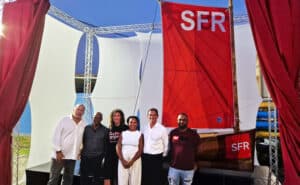
“Van Lévé,” the mini-yole that invites you to take the helm
Unveiled on September 10, 2026, at the Fort-de-France Yacht Club in Martinique, “Van Lévé” is a 4.10-meter mini-yole designed to introduce young people and beginners

Unveiled on September 10, 2026, at the Fort-de-France Yacht Club in Martinique, “Van Lévé” is a 4.10-meter mini-yole designed to introduce young people and beginners

On Sint Eustatius, a Dutch-speaking island in the Caribbean, the Quill crater is 760 meters in diameter and plunges to a depth of more than

The Series Stories of Caribbean Cinema continues its journey through several decades of filmmaking in the region. Following a first episode that began in the
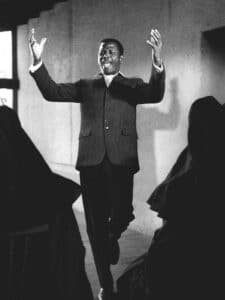
Sidney Poitier was born on February 20, 1927, in Miami, Florida, while his Bahamian parents were visiting to sell tomatoes; he later grew up without

In Curaçao, keshi yena is a dish served on special occasions: a Gouda or Edam cheese that has been hollowed out and stuffed with meat,

In a classroom in the Distrito Nacional in Santo Domingo, she taught Spanish and social studies to elementary school students. On the stage in Nha

In Haiti’s Central Plateau, a mountain trail leads to Morne Michel, one of the most remote villages served by Zanmi Lasante, the health organization co-founded

The Umana Yana is a national monument in Georgetown, Guyana, built in 1972 in just 80 days by about 60 Wai-Wai artisans. This circular building,

Early in the morning in La Ciénaga, in the Central Cordillera of the Dominican Republic, hikers load up their mules before heading deep into the
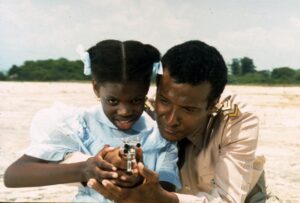
With this first episode, Richès Karayib launches a ten-part series dedicated to the history of Caribbean cinema, based on the work of Guillaume Robillard, a

On September 24, Trinidad and Tobago celebrates its 50th anniversary as a republic. In 1976, fourteen years after gaining independence, the country replaced the British

On July 16, 1941, Peter Minshall was born in Georgetown, British Guyana, and grew up in Port of Spain, Trinidad and Tobago, where he became

The history of Caribbean cinema continues its journey through the 1980s. After three episodes devoted to the early developments of several cinematic movements in the

In Princes Town, in southern Trinidad and Tobago, the “doubles” were born in 1936 from a simple gesture: a customer asking for a second piece

In May 1977, a Cuban dancer took the stage in New York with the Alvin Ailey Dance Theater. In the audience that evening, actor Harry

“Asere, ¿qué bolá?”, this Cuban street greeting, was already in common use in Havana’s working-class neighborhoods long before a U.S. president adopted it as well.
