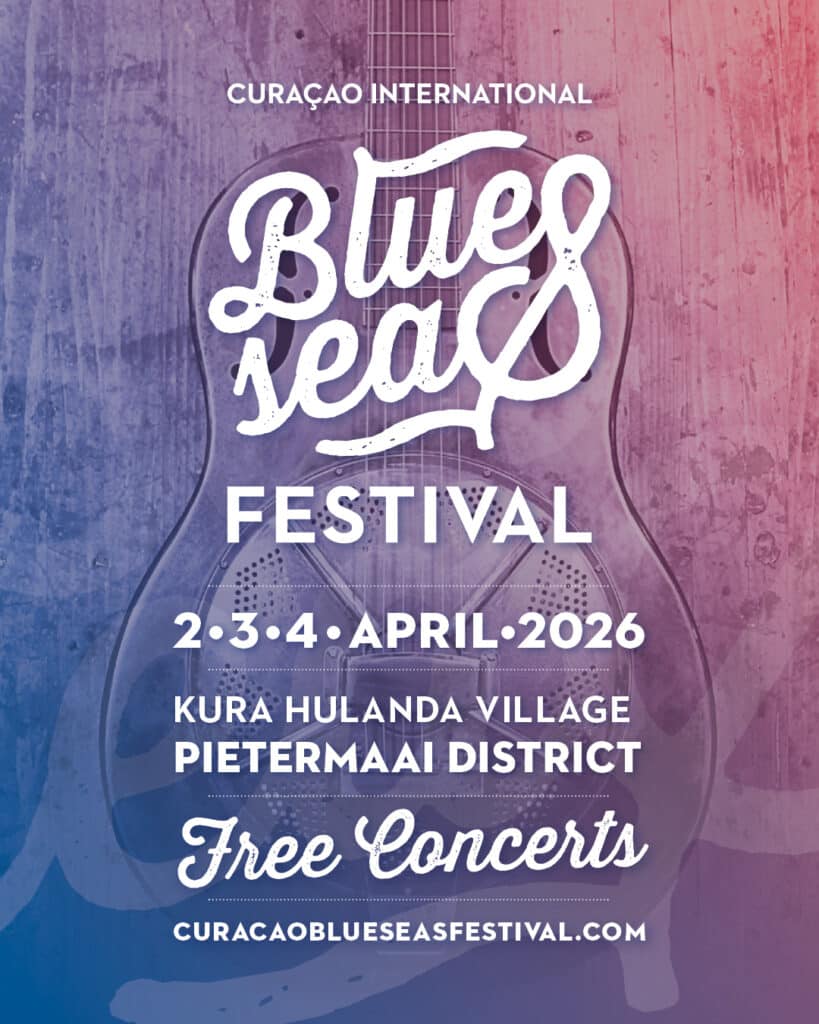
From April 2 to 4, 2026, Curaçao hosts another edition of the BlueSeas Festival a musical event that is gradually establishing itself as one of the most unique cultural events in the Caribbean. Free, open and rooted in the urban space, the festival goes far beyond simple musical programming to become a genuine territorial experience.
Right from the opening night, Thursday April 2 at Kura Hulanda Village, the mood is set: the blues settle into a heritage setting, before taking full possession of the Pietermaai district on April 3 and 4. This two-stage format structures an immersive experience in which music, architecture and local life are seamlessly interwoven.
A free festival that transforms the city into an open-air stage
The BlueSeas Festival is based on the principle of offering free concerts in public spaces. This choice is not insignificant. It widens access to live music, while creating direct interaction between international artists, local residents and visitors. At Pietermaai, the stages are not isolated. They are integrated into the streets and squares, and supported by a network of bars and restaurants that play an active part in the event. This configuration gives the BlueSeas Festival an organic, almost living dimension, where each performance fits into the rhythm of the neighborhood.
The result is clear: the festival isn’t something to be consumed, it’s something to be experienced. You circulate, you discover, you stop, you come back. The experience becomes as important as the program itself.
Pietermaai, symbol of a successful transformation
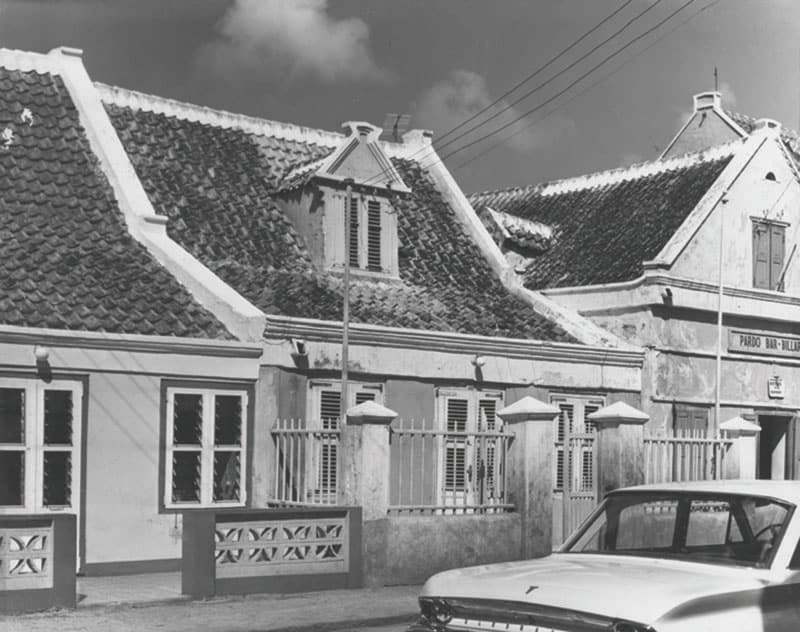
The choice of Pietermaai is no accident. This historic district of Willemstad has undergone a profound transformation since the 2000s, from a neglected area to a dynamic space combining restored heritage and intense cultural life. Today, Pietermaai is often compared to a creative district, with charming hotels, cafés, galleries and restaurants within walking distance. By locating the BlueSeas Festival in this setting, the organizers are promoting a vision of cultural tourism based on the urban experience.
In this way, the festival acts as an eye-opener. It puts the spotlight on a neighborhood, while enhancing its attractiveness. This synergy between cultural event and urban revitalization is one of the most interesting points to analyze.
International programming between heritage and renewal
The 2026 edition of the BlueSeas Festival confirms its international positioning with a selection of artists spanning several generations of the blues. Among them, Cedric Burnside embodies a direct link with the history of the genre. Grandson of the legendary R. L. Burnside, he is part of a deep-rooted musical tradition, while offering a contemporary approach to the blues. Alongside him, Samantha Fish brings a different kind of energy, marked by rock influences and a proven stage presence. Her career, punctuated by collaborations with major figures in international music, bears witness to the festival’s ability to attract high-profile artists.
The BlueSeas Festival also showcases a new generation with artists such as Toby Lee, a young British guitarist whose rapid rise on the blues scene illustrates the renewal of the genre. Other names in the line-up include Jackie Venson, Quinn Sullivan Band, Kirk Fletcher and J and the Causeways, confirming the diversity and artistic richness of this year’s event.
A cultural project driven by a strategic vision
Behind the BlueSeas Festival is the Fundashon Bon Intenshon Foundation, which plays a central role in Curaçao’s cultural development. Far from limiting itself to the organization of events, this structure makes the festival part of a global strategy of international outreach. The aim is twofold: to attract visitors while promoting local talent and spaces. The festival thus becomes a tool at the service of the region, contributing to its image and economic dynamism.
This approach is reinforced by our collaboration with Mojo Concerts, a recognized player in the organization of musical events, guaranteeing a high level of production.
An experience that goes beyond the simple musical event
What really sets the BlueSeas Festival apart is its ability to create a complete experience. Music is only one point of entry. Around it, multiple dimensions unfold: discovery of heritage, immersion in a lively neighborhood, interaction with the local scene. The free format reinforces this accessibility, while encouraging a diversity of audiences. Residents and visitors share the same spaces, the same concerts, the same moments. This mix contributes to the festival’s identity.
In 2026, the BlueSeas Festival confirms its role in the Caribbean cultural landscape. It’s not just an event for the diary, but a model urban festival that questions how culture can transform a territory.
The BlueSeas Festival 2026 takes place from April 2 to 4, with an opening in Kura Hulanda on April 2 and the main concerts in Pietermaai on April 3 and 4.
Yes, the BlueSeas Festival is a free street festival open to all in Pietermaai’s public spaces.
The festival takes place in Curaçao, mainly in the historic Pietermaai district, with an opening night at Kura Hulanda Village.
On November 19, during a key moment for understanding the dynamics of RUP and PTOM, the Centre Europe Direct Antilles-Guyane (CEDAG), in partnership with the COMOB of Martinique and the DRAJES Martinique, organized two discussion sessions on the occasion of the visit of Flora Goudappel, specialist in European constitutional law and Europe Direct Curaçao representative. The aim of the meeting was to gain a better understanding of the links between the European Union and the Outermost Regions (RUP) and Overseas Countries and Territories (PTOM). It was part of a shared desire to explore what RUP and PTOM dynamics mean in concrete terms for Caribbean territories.
Une carrière mondiale et un retour triomphal
The visit was part of a dynamic initiated a year ago: Curaçao wanted to gain a better understanding of Martinique, its European status and the scope for cooperation in the Caribbean. A territory of 160,000 inhabitants, which has just proudly celebrated its historic first qualification for the World Cup, was demonstrating its desire to forge concrete relations with another neighboring island territory… and a European one at that. A way of demonstrating that, beyond institutional arrangements, cooperation is first and foremost rooted in human initiatives.
European statutes structure Caribbean relations
In the course of the discussion, Flora Goudappel highlighted the nuances between RUP and PTOM status.
The RUP – such as Martinique, French Guiana and the Canaries – belong fully to the European Union, and benefit from derogations adapted to their insular and economic realities.
The PTOM, including Curaçao, are not part of the European Union, but enjoy a preferential position that gives them access to the European market and enables them to develop partnerships. These differences profoundly structure relations in the region.
To illustrate these distinctions, Flora Goudappel drew on real-life situations: migratory pressures in the Canaries, national choices concerning the Schengen visa, and debates in the Netherlands surrounding the planned changes to the status of Bonaire and Sint Eustatius. These realities show how in the RUP and PTOM frameworks shape the trajectories of each territory.
Building European cooperation: a mechanism for working together
One strong idea came up again and again: to use European funds, you need to master the necessary skills.
Work carried out with the Organisation for Economic Co-operation and Development (OCDE) over a period of eighteen months has highlighted a real challenge: coordination between the European Union, the State, the Region and operational players needs to be strengthened to enable smoother access to funds. When one of these links is weakened, the whole process becomes more complicated, particularly for the RUP and PTOM.
The OCDE toolbox – now accessible via the Centre Europe Direct Antilles-Guyane (CEDAG) – has been designed to support local teams, facilitate their work and make European schemes more accessible.
The Bwa Lansan association also shared its experience, illustrating how the gradual mastery of programs can transform the scope of a project and improve cooperation between RUP and PTOM.
Caribbean dynamics: where Martinique and Curaçao meet
Discussions then turned to the place of Martinique and Curaçao in regional forums such as the Caribbean Forum of the African, Caribbean and Pacific Group of States (CARIFORUM) and the Caribbean Community (CARICOM).
The Economic Partnership Agreement between the European Union and CARIFORUM opens up a wide range of prospects: youth mobility, educational programs, economic or environmental projects – these are just some of the areas in which the OR and OCT territories can find common ground.
Martinique and Curaçao are observers to CARICOM. They can attend meetings and take part in discussions, but do not enjoy full prerogatives. In the case of Martinique, this position has yet to be ratified by France, a prerequisite for full operational status. The discussions highlighted the importance of better understanding these mechanisms, so that Martinique’s local authorities can assess what these regional spaces can really do for them.
A day of sincere exchanges and shared questions
When the participants took the floor, their presentations revealed a mosaic of backgrounds: local authority officials, tourism players, association leaders, international mobility professionals. All shared the same desire: to forge stronger links between Caribbean territories, despite administrative borders, different languages and divergent statuses.
Several participants raised specific questions, while others shared their own experiences. The exchanges were characterized by frankness, lucidity and a shared desire to understand how to move forward together in concrete ways.
This collective dynamic has given substance to the idea that regional cooperation is not just an institutional principle: it is built on the voices, expectations, needs and ambitions of each individual, and on the subtle articulation of the realities of the RUP and PTOM.
A common trajectory to be written between Europe and the Caribbean
As the meeting drew to a close, a clear feeling emerged: Martinique and Curaçao possess fertile ground for developing joint projects. Mobility, education, ecology, local economy, innovation, culture… the possibilities are numerous, provided that the territories can mobilize European and regional tools in a coherent way, as encouraged by the RUP and PTOM.
The discussions on November 19 have opened up a path. A path where collaborations become possible, where European frameworks are read more clearly, and where Caribbean territories find spaces to meet differently.
That day, cooperation took shape in the voices present, but also in the desire to extend these exchanges beyond this meeting, to build a lasting relationship, adapted to the realities of the Caribbean and the ambitions of each territory – a valuable dynamic in all RUP and PTOM relations.
FAQ - RUP and PTOM in the Caribbean region
The outermost regions (RUP) are fully integrated into the European Union, and apply European law, with some adaptations to reflect their insularity. The Overseas Countries and Territories (PTOM), on the other hand, are not integrated into the European territory, but benefit from a preferential status enabling enhanced cooperation, particularly in the economic and educational fields.
Martinique, as an RUP, and Curaçao, as an PTOM, share common challenges: youth mobility, ecological transition, local economy, education and innovation. Their cooperation makes it possible to use European and Caribbean tools in a complementary way, opening up hitherto little-exploited regional perspectives.
European schemes – mobility, training, partnerships, regional programs – offer RUP and PTOM concrete opportunities for collaboration. The toolbox developed with the Organisation for Economic Co-operation and Development (OCDE) helps territorial players to make better use of these programs.
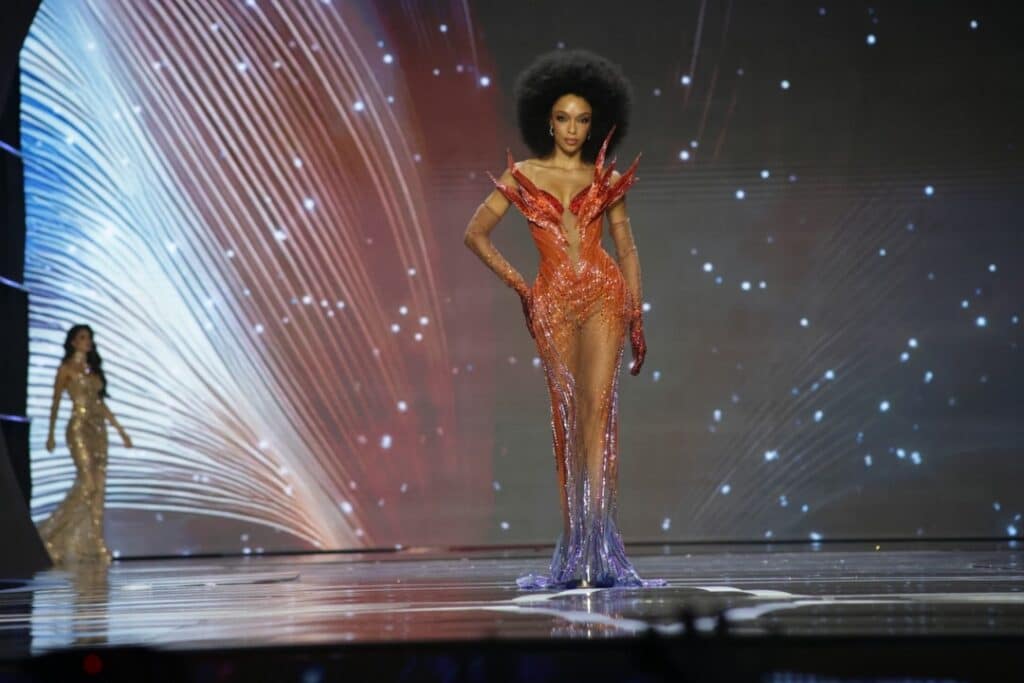
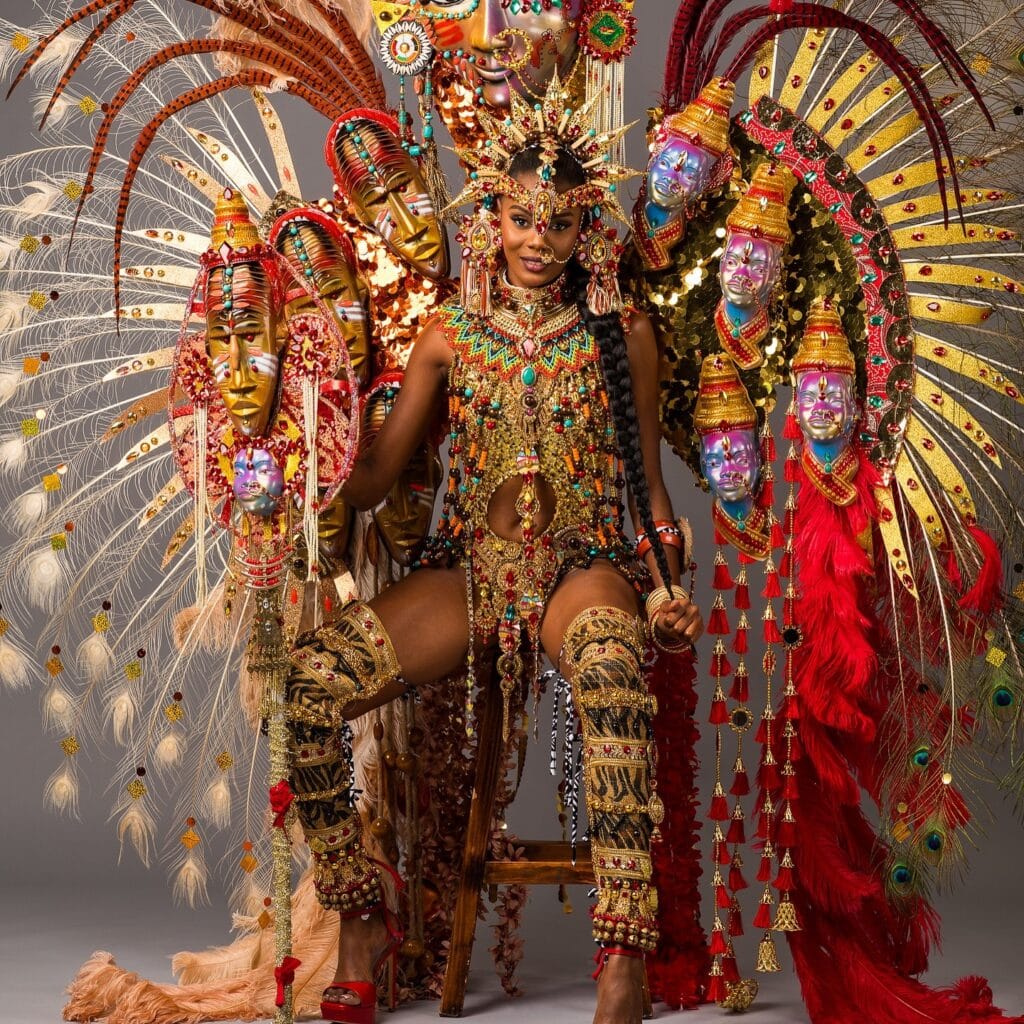
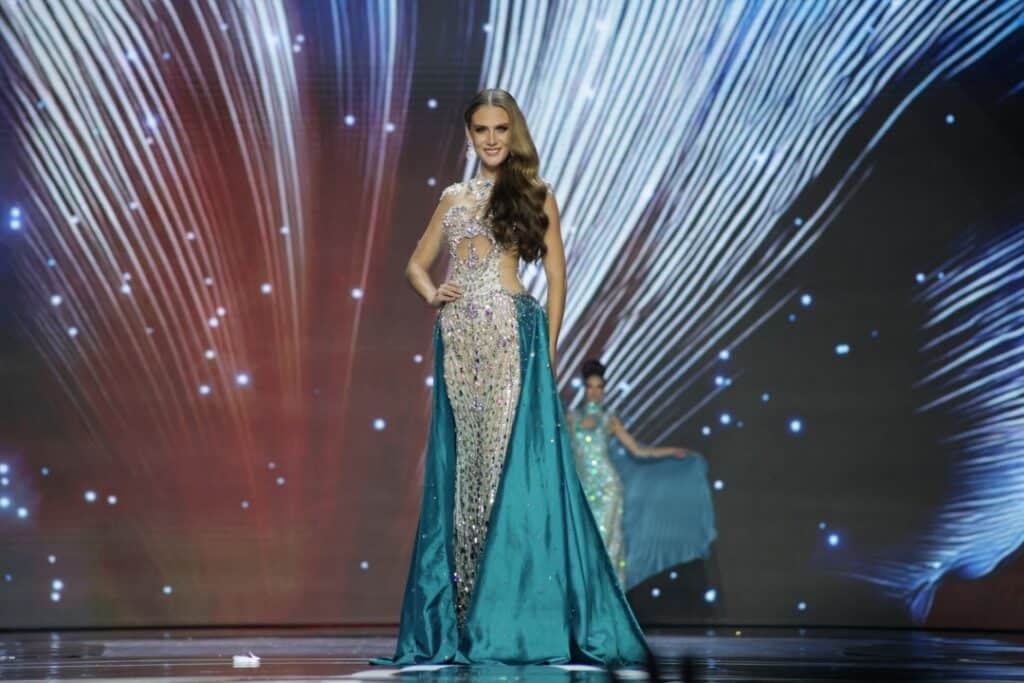
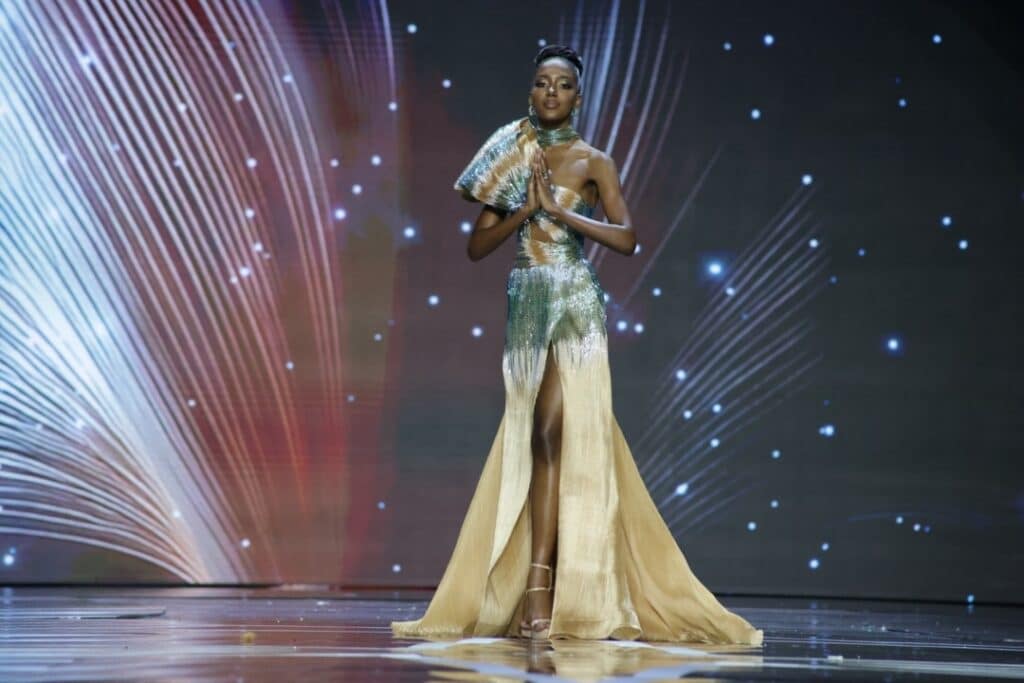
This year, the international scene is witnessing a singular edition of Miss Universe 2025. In Thailand, the first presentations quickly showed that the Caribbean occupies a special place, carried by Caribbean candidates whose backgrounds reflect the social and cultural evolution of the region. They arrive with solid skills, real commitment and a way of representing their territories that goes far beyond the contest.
This movement tells the story of a Caribbean in transformation, attentive to its issues and determined to take them beyond its borders. It highlights a region that is no longer content to exist in the event, but wishes to offer a clear vision of its realities and assert its Caribbean influence on the world stage. Through the discussions surrounding Miss Universe 2025, this presence also testifies to a need to better understand the trajectories that structure the region.
Trajectories rooted in Caribbean realities
Among the most frequently observed profiles, that of Bereniece Dickenson representative from Turks and Caicos, illustrates this dynamic. Trained in architecture and construction technology, a junior accountant and quadrilingual, she runs a mentoring program for young people. Her career path is a testament to her determination to combine technical expertise with collective responsibility, a concrete example of women’s leadership in the region.
The Guadeloupean Ophély Mézino advances with a trajectory marked by resilience and a deep commitment to women’s mental health. Her preparation, carried out with a specialized team in Guadeloupe, shows the attention paid to a candidate who wishes to convey a useful message to her territory.
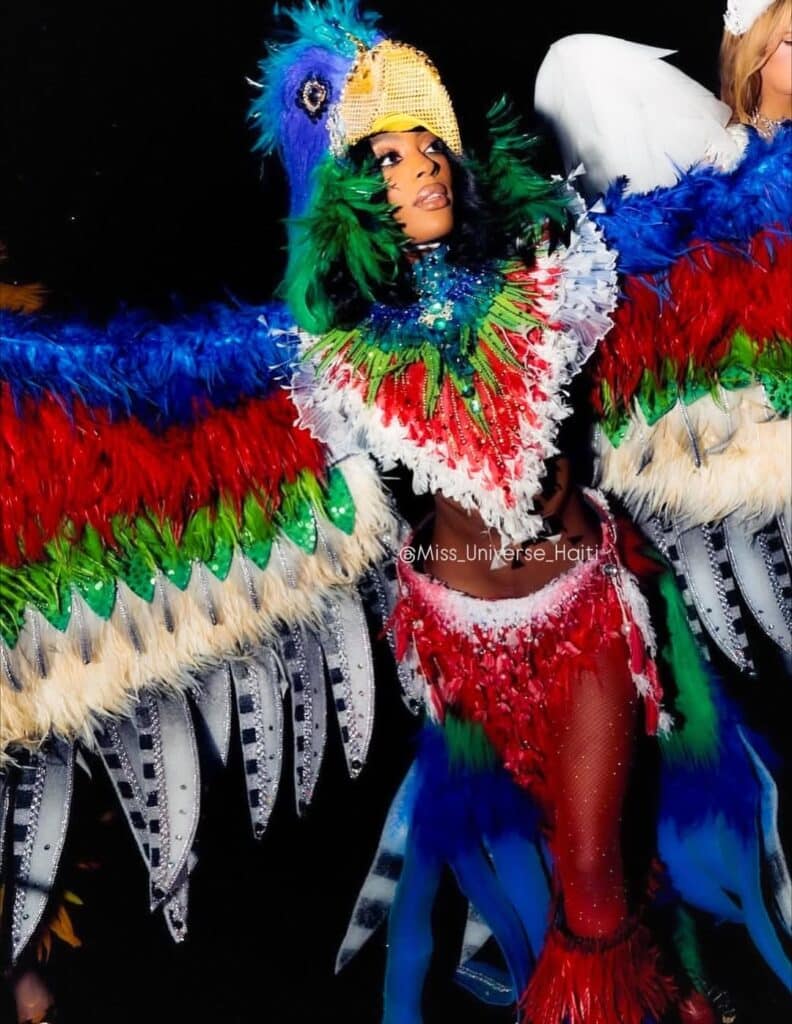
The return of Haiti with Melissa Sapini, a journalist born in the United States, she is very active in the media and involved in access to scholarships for Haitian students. She is the voice of a diaspora that plays a full part in the country’s visibility.
The Jamaican Dr Gabrielle Henry, an ophthalmologist, puts the spotlight on visual health and access to care. His commitment is a reminder of the importance of academic and professional backgrounds in building public figures capable of defending essential issues.
In the other territories – Martinique, Saint Lucia, Curacao, Aruba, Belize, Bahamas, Guyana and the Cayman Islands – the candidates champion a wide range of commitments: educational success, inclusion, violence prevention, protection of LGBTQ+ rights, entrepreneurship and mental health. Each brings a unique vision to the table, while contributing to a coherent overall image of the Caribbean candidates for this edition of Miss Universe 2025.
A presence that changes perceptions
What we see around Miss Universe 2025 goes beyond the competition.
Caribbean participation acts as a vector of visibility for realities that often go unreported internationally.
In their speeches, the candidates describe their islands, their study paths, their daily challenges and the initiatives that shape their communities.
These are stories that don’t usually cross regional borders, and which reinforce Caribbean influence on a global scale.
The exhibition also highlights key issues such as mental health, the fight against violence, access to education, social inclusion and local development.
Subjects that are often neglected in the international media find a place to exist here.
Associations, educational structures and civic initiatives benefit from this visibility, which strengthens their work and sometimes opens the way to new collaborations.
For young people in the Caribbean, the impact is significant. The candidates show that paths to excellence can be forged in a wide variety of contexts: villages, urban neighborhoods, island territories, diaspora.
Their experiences – including studies, family responsibilities, social commitment and professional ambitions – provide a stimulating benchmark for young girls looking for a role model who is both close to them and open to the world, a symbol of female leadership in the Caribbean. This is particularly evident in the discussions surrounding Miss Universe 2025, where these trajectories are echoed more widely.
This edition also contributes to transforming the way we look at the region. By presenting women who are educated, committed and attentive to social issues, the Caribbean appears to be an area capable of preparing solid, legitimate personalities. This renewed image also finds its place on the cover of Miss Universe 2025, which gives rare visibility to these careers.
An edition that counts for the region
Since Wendy Fitzwilliam’s victory in 1998, the region has not won Miss Universe. Yet the 74ᵉ edition brings a different kind of significance: it reveals a Caribbean that is moving forward in earnest, defending its causes and reminding us that its territories have their rightful place in international spaces. The Caribbean candidates for Miss Universe 2025 show a region attentive to its challenges and confident in its ability to carry useful voices.
Whatever the final outcome, this Caribbean presence highlights women who embody authentic female leadership and a determination to advance their territories. It testifies to a Caribbean influence that continues to assert itself in the contemporary world. In the discussions surrounding Miss Universe 2025, this dimension is clearly evident.
The World Cup 2026 will feature three representatives from the Caribbean and Central America: Haiti, Curacao and Panama. Three different trajectories, three strong histories, but the same message: the region is moving forward, getting organized and increasingly asserting its place in international soccer. For Haiti, the event takes on a historic dimension, as the national team returns to the world stage for the first time since 1974. For Curaçao, it’s an unprecedented feat. Panama, meanwhile, confirms its new regional status. Together, these three nations are breathing new life into the Caribbean.
Haiti returns to the world stage after 52 years
Haiti’s qualification is one of the great stories of the World Cup 2026. Fifty-two years after the 1974 epic, the Grenadiers have made a comeback that has left a lasting impression on fans and diaspora alike. Their progress has been built on rigor, cohesion and genuine collective progress.
The decisive match was the 2-0 victory over Nicaragua, the symbol of a focused and determined group. Haiti finished top of its group, buoyed by a solid defense, a rapid transition and a state of mind that has set a new tone in national soccer. It’s no coincidence that the Haitians won the trophy: it reflects the hard work they have put in, despite the country’s political, social and structural challenges.
But this qualification goes beyond soccer. It sheds a new light on Haiti, offering a moment of cohesion and pride in a context where every bit of good news counts. For young people, it’s a source of inspiration. For local sports organizations, it is an encouragement to continue training, even with limited resources.
Curaçao, a small territory's achievement in the World Cup 2026
The other major surprise of the World Cup 2026 comes from Curacao. With a population of just 150,000, the island becomes one of the smallest territories ever to qualify for a World Cup. This result illustrates the considerable progress made by the Federation, which relies on a solid network of players from the Dutch diaspora and a demanding technical staff.
This qualification brings global visibility to a territory that is often underestimated in international soccer. For the Caribbean, it’s a strong signal: even small islands can, with the right structure and a clear vision, reach the biggest competitions.
Panama confirms its rise
Already qualified in 2018, Panama has made its second appearance in four editions. Its qualification for the World Cup 2026 is part of a continuity: a strengthening national championship, a clear policy of soccer development and a team capable of regularly competing with the best CONCACAF nations.
For the region, Panama’s consistency is a benchmark: it shows that progress is not a one-off, but a long-term process.
CONCACAF transformed by the 2026 World Cup
The expansion of the World Cup to 48 teams is a major game-changer. For CONCACAF, this means more places and a real opening for Caribbean and Central American nations.
The presence of Haiti, Curaçao and Panama at the World Cup 2026 reveals several key trends:
- – increasing the skills of regional federations ;
- – the growing role of diasporas ;
- – the gradual professionalization of the workforce;
- – Caribbean soccer gaining in recognition and legitimacy.
This trio shows that the region is no longer just about the continent’s usual giants.
A direct impact on local communities
For Haiti, this qualification acts as a rallying point. It stimulates soccer schools, brings communities together and projects a positive image of the country abroad.
For Curaçao, it opens up unprecedented opportunities for tourism, culture and sports.
For Panama, it reinforces a momentum already underway around investment in infrastructure and training programs.
Throughout the Caribbean, the World Cup 2026 is becoming a showcase. It enables the territories to showcase their talent, determination, youth and ability to produce teams that count.
The World Cup 2026 will be a turning point for the Caribbean and Central American region. With Haiti, Curacao and Panama qualifying, this edition will offer rare visibility to territories that are often under-represented in world soccer. Haiti made a historic comeback, Curacao achieved a remarkable feat and Panama confirmed its progress. Together, they put the Caribbean on the international soccer map, reminding us that regional talent just needs a place to express itself.
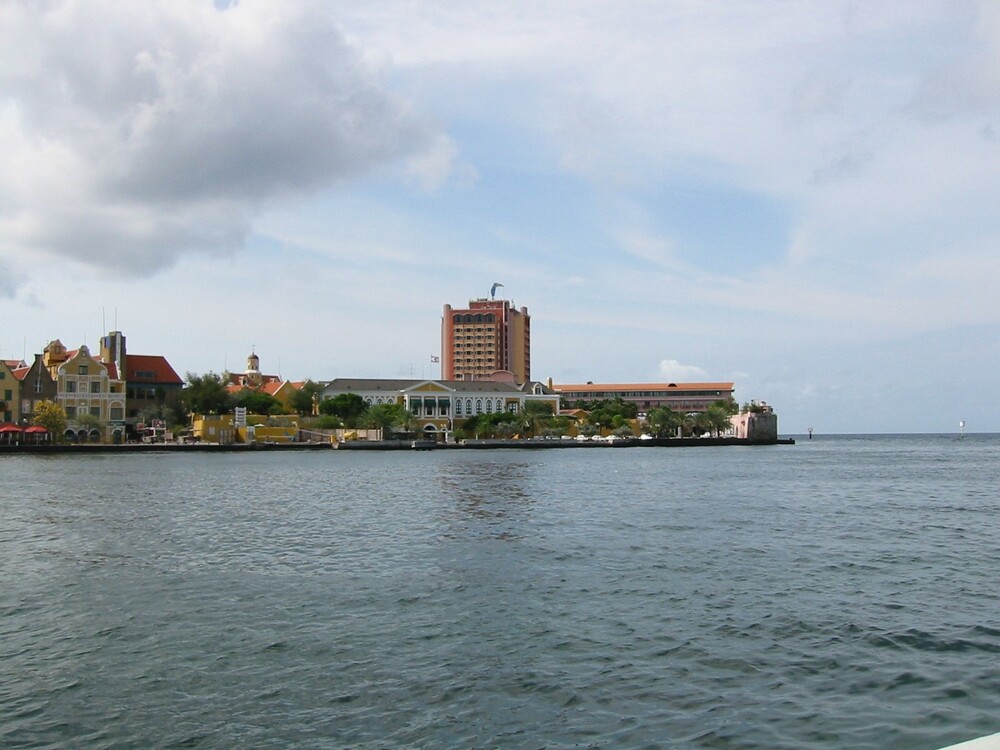
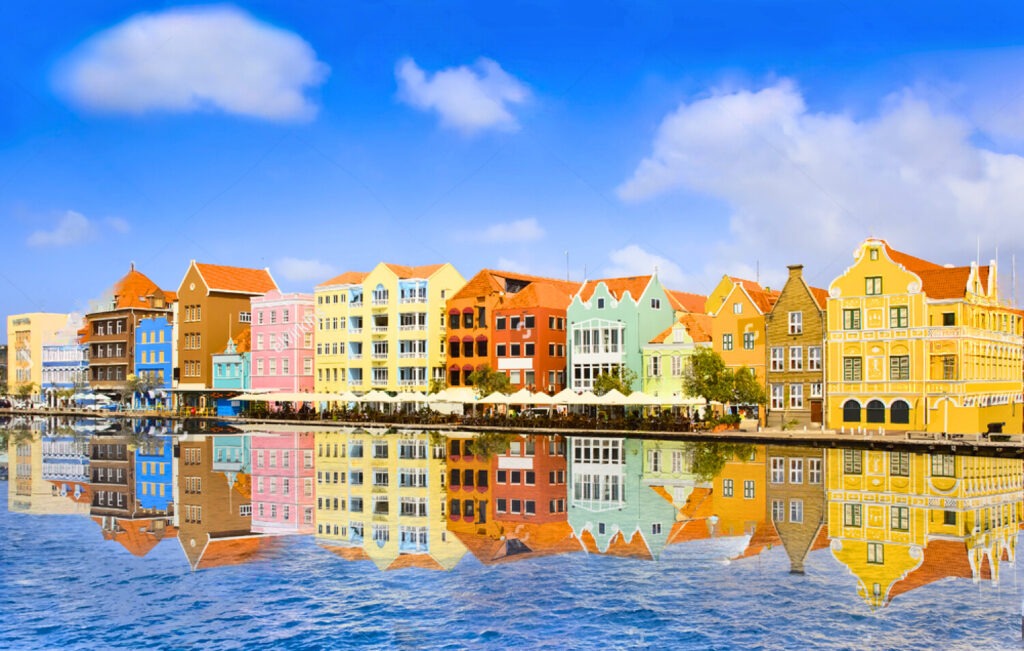
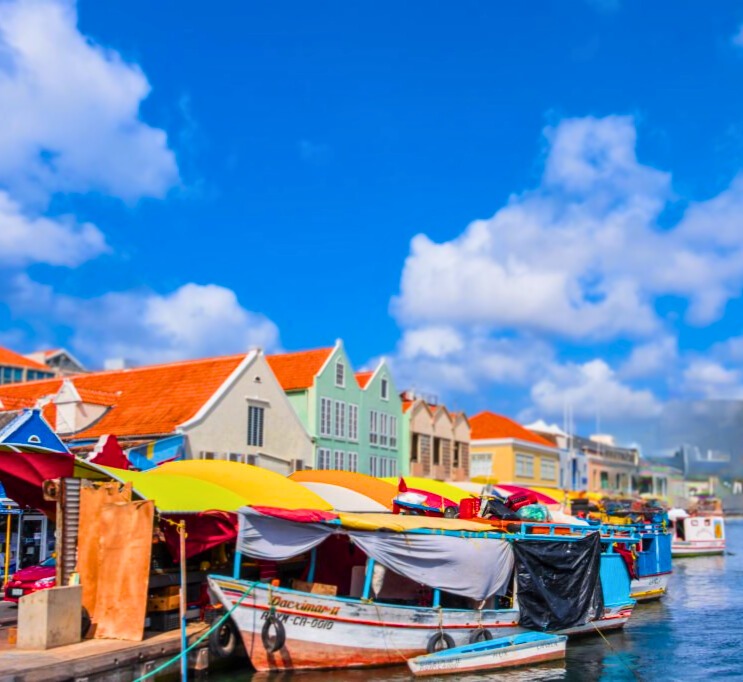
Willemstad stands like an architectural jewel in the heart of the Caribbean Sea, where Dutch colonial history meets tropical exuberance. The capital of Curaçao and a UNESCO World Heritage Site since 1997, the city’s multicolored facades and its multicultural heritage, enriched over nearly four centuries, are a delight to behold.
A unique architectural heritage in the heart of the Caribbean
Fort Amsterdam: the birth of a capital
The history of Willemstad began in 1634, when Dutch admiral Johan van Walbeeck and his 200 soldiers took possession of the island, then in Spanish hands. In 1635, construction began on Fort Amsterdam on the eastern shore of Sint Anna Bay. Built of coral stone with walls up to three meters thick, it became the headquarters of the Dutch West India Company. Today, it is still the seat of Curaçao’s government.
The four historic districts
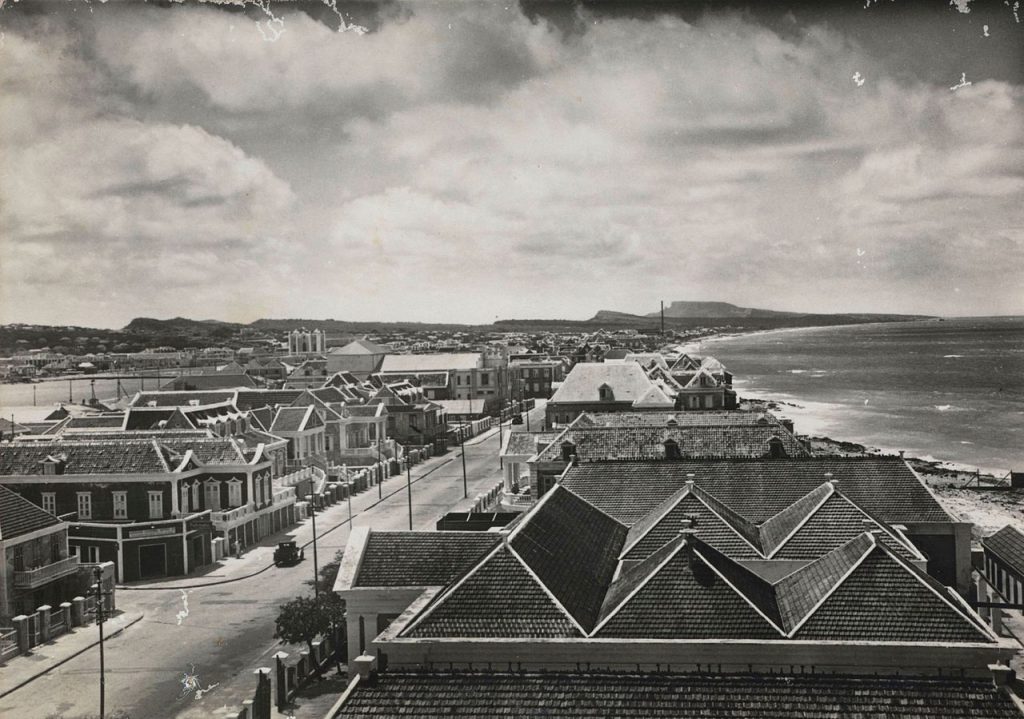
Willemstad is structured around four districts that trace three centuries of urban development. Punda, the oldest, was built in the 17th century according to Dutch urban planning principles, with its narrow streets and triangular gabled houses. Otrobanda, Pietermaai and Scharloo were developed in the 18th century, each with its own architectural character.
Colored heritage: a tradition since 1817
Governor Kikkert’s decree and local legend
In 1817, Governor Albert Kikkert banned the exclusive use of white facades, citing the need to reduce glare under the tropical sun. Popular tradition has it that this decision was also intended to relieve his migraines, but this explanation remains the stuff of legend. This measure gave rise to the colorful palette for which the company is renowned today. Willemstad: deep reds, luminous ochres, varied blues and greens.
A Caribbean architectural kaleidoscope
More than 700 protected historic buildings – around half of the downtown area – make up the urban landscape. Each façade contributes to the visual identity of Willemstad, offering a lively reading of its history.
Punda and Otrobanda: two shores, one town
Queen Emma Bridge
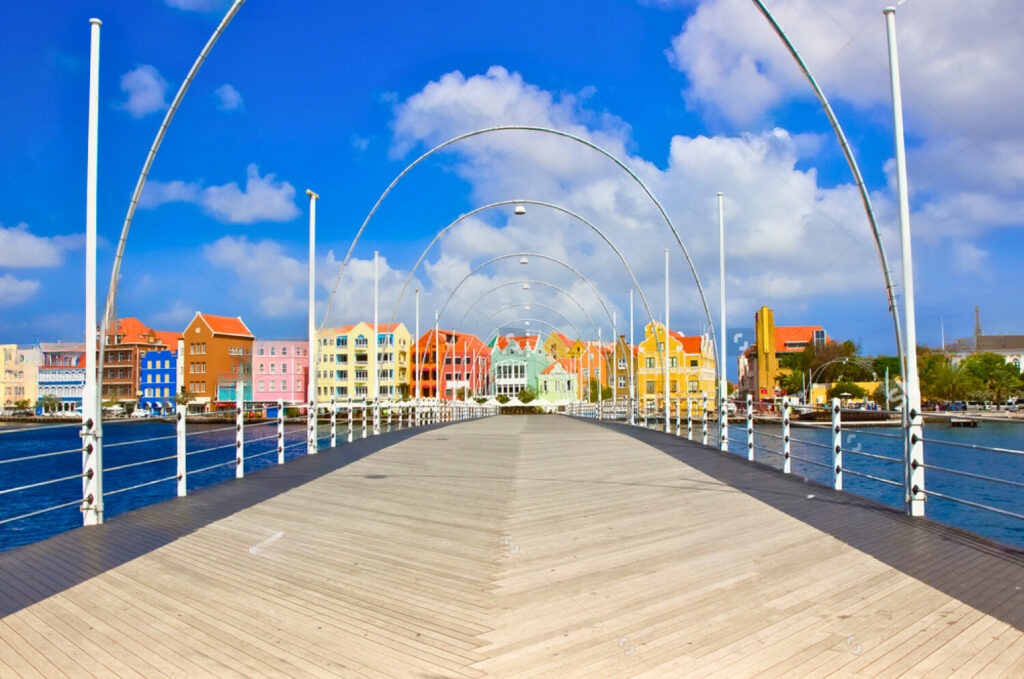
Since 1888, the Queen Emma floating bridge has linked Punda and Otrobanda across Sint Anna Bay. Nicknamed the “Swinging Old Lady”, it swings sideways using two diesel engines and perpendicular propellers to let ships pass. This masterpiece of engineering remains a powerful symbol of Willemstad.
The Handelskade, a showcase for world heritage
Punda’s waterfront, the Handelskade, lines up a series of colorful 18th-century buildings, comparable to Amsterdam canal houses but in tropical latitudes. Among them, the Penha building, dating from 1708, exemplifies Dutch commercial style with its distinctive curved gable.
Pietermaai and Scharloo: colonial elegance and cultural renewal
Curaçao’s Baroque style
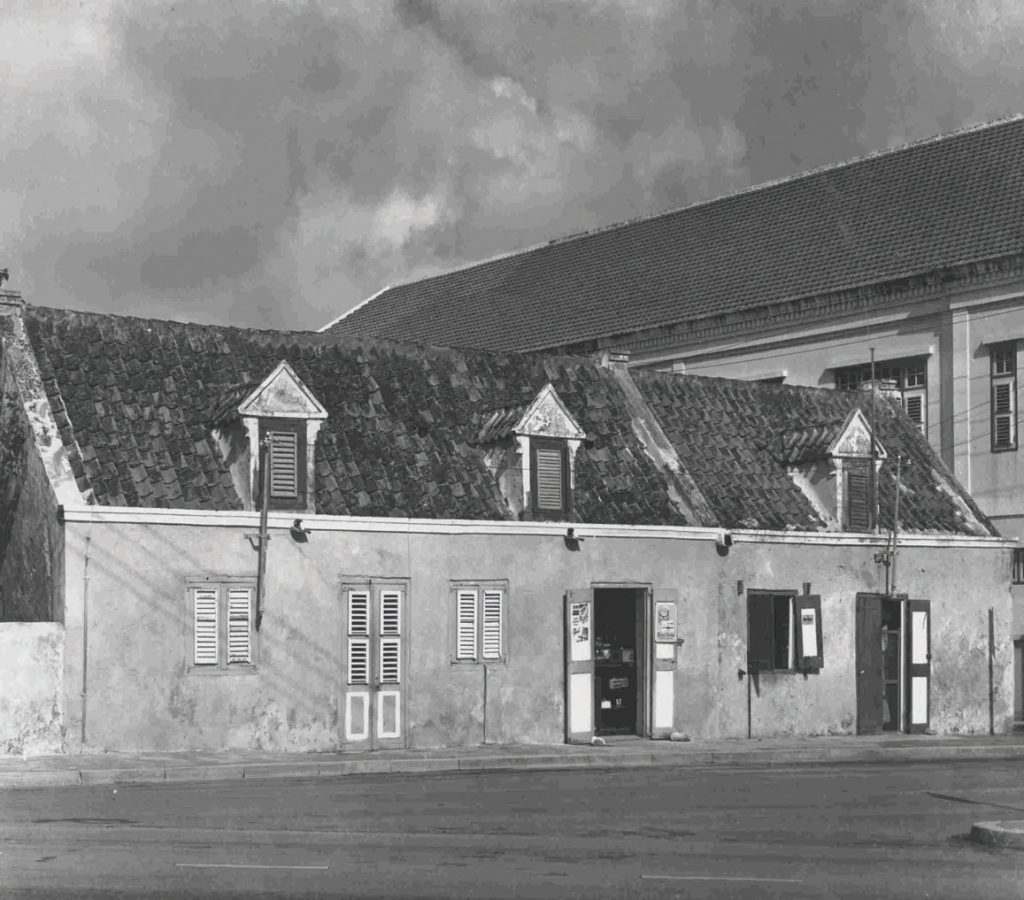
The 18th century saw the development of an architectural style unique to Curaçao: “Curaçao Baroque”, recognizable by its curved gables, sculpted facades and sunshade galleries. Pietermaai and Scharloo are home to a number of luxurious residences representative of this style.
Neighborhood renaissance
Pietermaai, once a residential and then a business center, has undergone a profound transformation with the opening of boutique hotels, cafés and galleries. Scharloo is following a similar dynamic and is now home to start-ups, restaurants and cultural venues. These reconversions give Willemstad renewed vitality.
The Mikvé Israel-Emanuel synagogue: an exceptional landmark
Four centuries of history
In the heart of Punda, the Mikvé Israel-Emanuel synagogue, consecrated in 1732, is the oldest in continuous use in the Americas. Its congregation, established in 1651 by Sephardic Jews from the Netherlands and Brazil, illustrates the cultural diversity of Punda. Willemstad.
A sandy soil with multiple meanings
The interior is distinguished by a floor covered in white sand. This rare tradition, found in only a few historic synagogues, evokes the wanderings of the Jewish people in the desert, the discretion required for prayer during the Inquisition, and a practical legacy of the Dutch-Portuguese communities.
Willemstad is much more than a capital city: it’s a cultural crossroads, blending Dutch, Spanish, Portuguese, African and Caribbean influences. Its four historic districts, colorful facades and architectural heritage make it a veritable open-air history book. Between tradition and renewal, Willemstad continues to embody a unique identity in the Caribbean and fully deserves its place among the world’s heritage treasures.
A neighborhood shaped by history
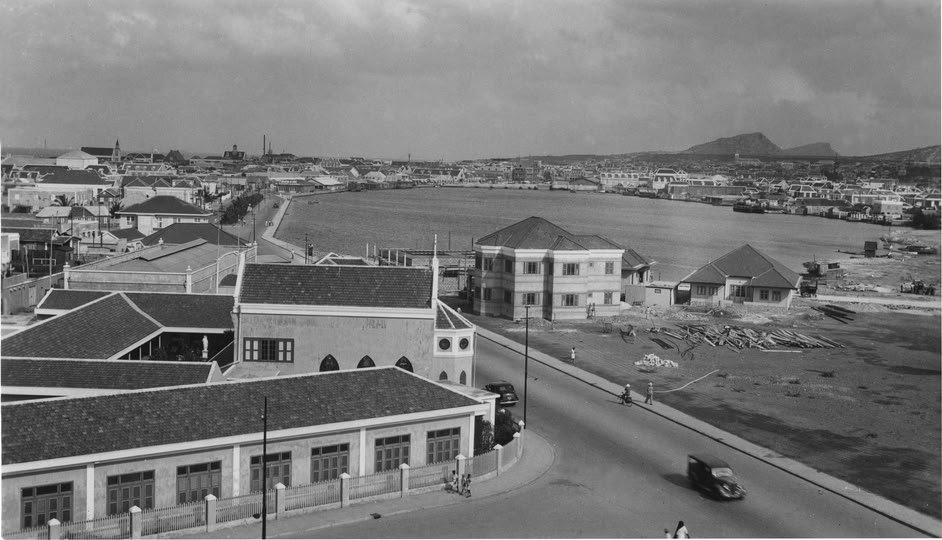
Located east of Fort Amsterdam, Pietermaai is one of Curaçao‘s oldest districts. It takes its name from Pieter de Meij, a ship’s captain who came from Brazil in 1674 to establish a plantation called “Zeelucht”. As early as 1680, the Dutch West Indies Company began to subdivide the land outside the city walls, creating a suburb that was both strategic and autonomous.
This development was part of a desire to maintain a clear firing range around the Willemstad fortifications, while responding to demographic pressure.
Pietermaai town planning was thus born of a compromise between military security and residential expansion. Colonial villas quickly sprang up in this intermediate zone, marking the beginnings of an original, structured urbanization. The famous “Steenen Padt”, linking the fortified city to Caracas Bay, played a crucial role in trade, particularly during the French attack of 1673.
From strategic suburb to Bohemian enclave
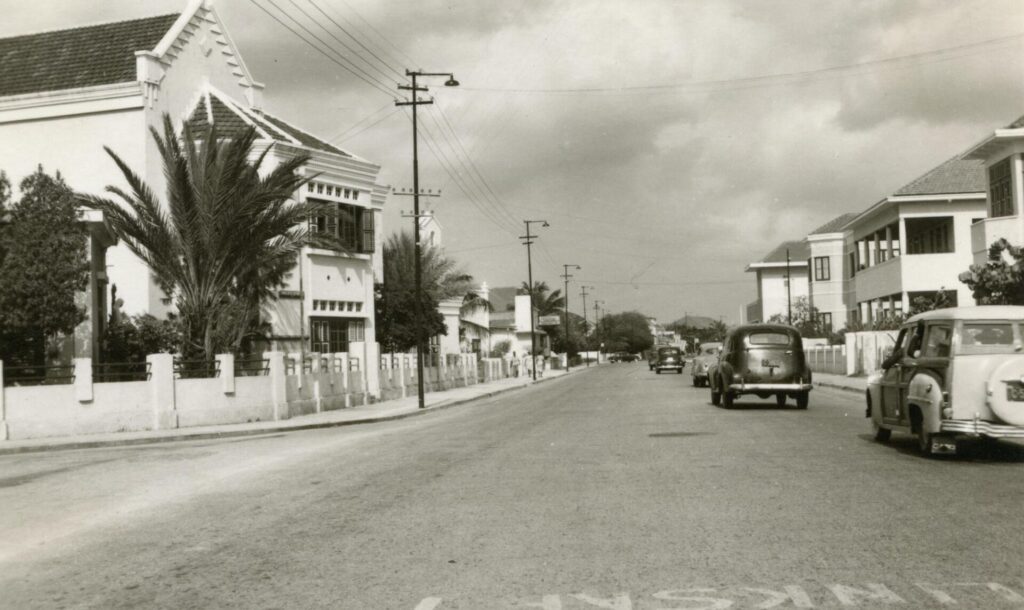
Over the centuries, Pietermaai has seen its ramparts fall and its boundaries evolve. The gradual demolition of the fortifications in the 19th century allowed architecture to express itself fully, with colorful residences, small shops and European-style buildings. Some urban expansion projects never came to fruition, giving the district a distinct personality, untouched by large-scale real estate development.
Today, the town is often compared to a “Caribbean Soho”, not to follow a trend, but for its ability to bring together residents, artists, artisans and visitors in the same space. Far removed from standardized circuits, the district has become a veritable living space where artistic and culinary expression find fertile ground. This revival is no accident: it’s the fruit of careful renovation and constant local involvement.
The beating heart of Nieuwestraat
The Nieuwestraat is Pietermaai’s main thoroughfare. Pietermaai. Lined with houses painted in pastel hues, it comes alive in the early hours of the morning. Restored facades bear witness to an attention to detail and a deep respect for old buildings. At night, the soft lighting of the establishments gives the street a warm, almost cinematic atmosphere.
Restaurants, cafés, jazz bars… there’s no shortage of addresses, each with its own ambience, without excess or uniformity. Here, world cuisines mingle with local traditions, and menus are designed to appeal to palates without artifice. Visitors will find something to satisfy both their appetite and their curiosity.
A neighborhood fueled by creativity
The town is also a place of cultural expression. Art galleries, walls painted by local artists and designer boutiques line the side streets. Each wall seems to bear a trace of the past, while leaving room for contemporary imagination. Far from being static, this collective memory evolves in step with community initiatives.
Some places pay tribute to emblematic figures, such as Wilson “Papa” Godett, a respected trade unionist and politician, whose name adorns one of the neighborhood’s main thoroughfares. These references are not decorative: they recall the social struggles that have shaped the identity of Curaçao and its people.
Sleep in the heart of the neighborhood
Stay in Pietermaai is choosing authenticity without sacrificing comfort. Numerous boutique hotels and charming guesthouses have taken up residence here. Their architecture respects the heritage of the area while incorporating modern amenities. Establishments such as BijBlauw or Scuba Lodge stand out for their attention to detail, ideal location and respectful approach to the local environment.
This type of accommodation offers a real immersion in local life. In the morning, visitors meet local residents, craftsmen and fruit deliverymen; in the evening, they share the terraces with musicians and students. This relaxed rhythm makes Pietermaai is a popular place to stay because of its close proximity to Willemstad’s centers of interest, without the hustle and bustle of crowded areas.
A successful heritage renaissance
Renovating Pietermaai was not a quick process. Abandoned for several decades, particularly in the 1970s and 1980s, the district had lost its lustre. It was local players – architects, entrepreneurs, artists – who initiated the revival, with ambitious rehabilitation projects that respected the original setting.
Today, this renaissance is cited as a successful example of urban conservation. Island authorities see it as a model of balance between heritage enhancement and economic dynamism. This success is based on collaborative management, combining private initiatives and institutional support.
Pietermaai is neither an open-air museum nor just another fashionable district. It embodies a way of life, where collective memory meets contemporary creativity. It is precisely this tension between roots and contemporary uses that gives it its unique personality.
While other areas of Curaçao are focusing on more uniform developments, Pietermaai charts a different course, one that is both demanding and faithful to its history. The aim is not to reproduce a decor, but to maintain an atmosphere. An editorial and architectural choice that continues to seduce those in search of authenticity and roots.
The Caribbean guilder has officially become the currency of Sint Maarten, the Dutch part of the island of Saint-Martin, and Curaçao, as of April 1, 2025. It replaces the Netherlands Antillean guilder, in circulation since 1952, representing 73 years of monetary history. This change marks a major turning point on the road to economic and political independence for these two territories, which became constituent countries of the Kingdom of the Netherlands in 2010.
A historic turning point: from the Dutch Antillean guilder to the Caribbean guilder
The Caribbean guilder is the successor to a currency inherited from colonial times. Introduced in 1952 to unify economic exchanges in the former Dutch colonies of the Caribbean, the Netherlands Antillean Guilder until now symbolized the country’s economic anchorage in The Hague. The abandonment of this currency in favor of its own reflects a clear desire to emancipate itself from Dutch monetary influence.
This project follows on from the reforms undertaken since October 10, 2010, when Sint Maarten and Curaçao acquired the status of autonomous states within the Kingdom of the Netherlands. The Caribbean Guilder has thus become a tool of economic sovereignty, designed to reflect a unique identity.
A landmark launch ceremony
The Central Bank of Curaçao and Sint Maarten held a ceremony to mark the arrival of the Caribbean Guilder. During the event, Sint Maarten’s Minister of Finance, Marika Gumbs, symbolically exchanged the first denominations.
Richard Den Bosch, President of the European Central Bank, welcomed this transition, stressing that the Caribbean Guilder embodies “a symbol of confidence that will pave the way for a stable, inclusive and sustainable future”, while hailing the territories’ “lucid” choice in an uncertain global economic context.
A currency with a local design and enhanced security
The Caribbean Florin is distinguished by a design designed to represent the richness of the two territories. The range includes five banknotes (10, 20, 50, 100 and 200 guilders) illustrating the seabeds and emblematic landscapes of Sint Maarten and Curaçao. The seven coins (from 1 cent to 5 guilders) are reminiscent of ocean waves, a symbol of strength and movement.
Designed to high international standards, the new coin incorporates advanced anti-counterfeiting technologies. For production, the authorities called on service providers in Canada, Sweden and Malta, breaking with 230 years of production entrusted to the Royal Netherlands Mint.
A three-month transition phase
To ensure gradual adoption, a transitional period will run until June 30, 2025. During this phase, the old guilder can be exchanged for the new Caribbean guilder at the rate of 1 Caribbean guilder = 1.79 US dollars, the same as previously.
Information campaigns are underway to familiarize the population with the new bills and coins. The aim is to ensure a smooth transition, with no disruption to day-to-day transactions.
Economic consequences and strategic positioning
The introduction of the Caribbean guilder gives Curaçao and Sint Maarten greater control over their monetary policy, enabling them to adjust their strategy in line with regional realities, and reinforcing their economic credibility with partners and investors.
Politically, it sends a strong signal to the Caribbean and international community: that of an assertive desire to build an autonomous trajectory, without denying the historical ties with the Netherlands.
A choice that sets it apart from other Dutch Caribbean territories
While Sint Maarten and Curaçao are introducing the Caribbean guilder, other Dutch territories in the region – such as Bonaire, Saba and St. Eustatius – have opted for the US dollar. These choices reflect different economic orientations: guaranteed stability for some, monetary autonomy for others.
The positioning of Curaçao and Sint Maarten paves the way for regional reflection on the challenges of financial sovereignty in the Caribbean.
The Caribbean Florin is much more than a payment tool. It is the reflection of an ambition: that of two territories asserting their uniqueness in the Caribbean space and their ability to choose their monetary future.
Its introduction marks an important milestone in the autonomization process that began in 2010. The coming months will be crucial in measuring the real impact of this reform on local economies, but one thing is certain: this new currency marks a lasting turning point in the contemporary history of Curaçao and Sint Maarten.
Caribbean Business Hub has just celebrated its tenth anniversary in The Hague, marking a decade of success and economic connections between the Caribbean and the Netherlands. The hub has established itself as a key player in strengthening trade links between these regions, promoting business exchanges and the development of economic opportunities.
The Caribbean Business Hub not only looked back on its past achievements, but also projected the organization into a promising future, reaffirming its essential role in building bridges between the different regions of the Kingdom of the Netherlands.
A decade of success and Caribbean connections
The Caribbean Business Hub was created in response to the need to create a space dedicated to entrepreneurs and professionals of Caribbean origin established in the Netherlands. Since its foundation, the organization has gradually broadened its scope from informal events to structured meetings, professional training and strategic partnerships with various institutions. This evolution testifies to the relevance of the initial concept and its ability to adapt to the changing needs of its community.
The success of the Caribbean Business Hub is based on strong values that have guided its development since its inception. Personal entrepreneurship is one of the pillars of this organization, which encourages each member to take the initiative and develop their business potential. Building bridges between the Kingdom’s different regions is another core value of the Caribbean Business Hub, helping to strengthen economic ties within the Kingdom.
A memorable evening at the Office of the Plenipotentiary Minister of Curaçao
The celebration of the Caribbean Business Hub’s tenth anniversary took place in a warm and friendly atmosphere, true to the Caribbean spirit. From the moment they entered the premises of the Office of the Plenipotentiary Minister of Curaçao in The Hague, guests were transported into the Caribbean atmosphere thanks to carefully thought-out decor and exemplary hospitality. Renowned singer and entertainer Lou Prince contributed to the evening’s success with his musical performances.
Caribbean Business Hub Chairman Nico de Visser and Acting Minister Plenipotentiary Ann Phillips opened the evening, underlining the importance of this platform in the economic and social landscape linking the Caribbean to the Netherlands. Board member Lionel Martijn then took the stage to present a detailed retrospective of the Caribbean Business Hub’s ten years of existence.
TUI and its role in Caribbean economic development
One of the evening’s highlights was the speech given by Antoin Klein Hofmeijer, Director of TUI Dutch Caribbean. This professional shared valuable information about the tourism company’s activities in the Caribbean region. TUI offers a variety of destinations, meeting the expectations of different customer segments. The company is clearly rooted in the islands, with local employees and a strong commitment to sustainability and social projects.
The Caribbean Business Hub shares this common vision of economic development that directly benefits local communities. TUI’s territorial anchoring, with a majority of its Caribbean operations employing local staff, is a perfect illustration of this philosophy. This inclusive approach is a concrete example of how an international company can contribute positively to the economic and social development of a region, while respecting its cultural and environmental specificities.
Inspiring stories of Caribbean entrepreneurship in Europe
The Caribbean Business Hub’s anniversary evening was also marked by the appearance of Robby Schouten, a true television icon thanks to his show “Loin de chez soi”. This multi-talented professional shared with the audience the key moments of his sixty-year career, offering invaluable testimony to the perseverance and adaptability required to succeed as a Caribbean entrepreneur in Europe.
Robby Schouten’s career is a perfect illustration of the values promoted by the Caribbean Business Hub, notably the spirit of initiative and the ability to seize opportunities as they arise. His example inspires many Caribbean entrepreneurs who aspire to develop their businesses beyond the borders of their home region, while retaining their cultural roots.
Future prospects for the Caribbean Business Hub
With ten years’ experience behind it, the Caribbean Business Hub looks to the future with ambition and determination. The organization aims to strengthen its role as a facilitator of economic exchanges between the Netherlands and the Caribbean, while broadening its scope to include new business sectors. Sustainable development, digital transformation and the creative economy are among the priority areas identified for the coming years.
The next meeting of the Caribbean Business Hub is already scheduled for June 25, 2025, with the theme “We’re making the Caribbean great again”. This event promises to be a privileged opportunity to explore new business opportunities in the region and strengthen ties between entrepreneurs from different territories.
At the end of its ten-year existence, the Caribbean Business Hub has established itself as an important player in the economic landscape linking the Caribbean to the Netherlands. The anniversary celebrations provided an opportunity to measure the progress made and the results achieved, while reaffirming the fundamental values that have guided the organization since its inception. Personal entrepreneurship, building bridges between the Kingdom’s different regions and promoting inclusive economic development remain at the heart of the Caribbean Business Hub’s mission.
The Caribbean Culture Fund (CCF) has announced its second cohort of grantees, awarding twenty-five grants to creatives and cultural organizations in Puerto Rico, Guadeloupe, Saint Lucia, Saint Vincent and the Grenadines, Curaçao and the Cayman Islands. These projects receive a total of USD 400,000 in funding. These grants, awarded in three categories – Migration, Archiving & Memory, and Caribbean Collaboration – support initiatives that preserve and enhance Caribbean heritage, analyze the cultural impact of migration, and encourage regional artistic cooperation. The Caribbean Cultural Fund thus confirms its commitment to culture diversity and regional creativity.
Subsidy categories
The selection process was carried out by a jury of experts from the eligible countries. Raymona Henry-Wynne, Executive Director of the Saint Lucia Cultural Development Foundation, participated in the evaluation of this second cohort. She describes the experience as “a revealing insight into the immense creative potential of the region”.
Migration
Five projects have been awarded grants of USD 10,000 each to explore the cultural impact of migration and strengthen links between territories. They include:
- Narratives of Change (Cayman Islands)
- Mama Baranka (Curaçao)
- Bigidi (Guadeloupe)
- Para Impresionar ¿A Quién? (Puerto Rico)
- Lakay (andépandans) (Saint Lucia)
Archiving & Memory
Ten projects have also been awarded grants of USD 10,000 each to document and conserve Caribbean heritage:
- Bon Kabei (Good Hair) (Curaçao)
- Cinuca (Guadeloupe)
- I Am Lolita Lebrón (Puerto Rico)
- Matronas de las Luchas (Puerto Rico)
- MAC en el Barrio Digital Archive (Puerto Rico)
- Mujeres del Cine Boricua (Puerto Rico)
- Paradoja en el Paraíso (Puerto Rico)
- Bolom Birth (Saint Lucia)
- Machete, Masquerade & Memory (Saint Lucia)
- O.N.G. (Operation Nex’ Generation) (Saint Vincent and the Grenadines)
Caribbean collaboration
Ten projects promoting artistic cooperation across the region received grants of USD 25,000 each:
- News from MAF (Guadeloupe/French Guiana)
- Pawòl a Mas (Guadeloupe/Saint Lucia/Trinidad and Tobago)
- Temporal: Sanando el Cuerpo y la Tierra (Puerto Rico/Barbados)
- Conjunto Antillano (Puerto Rico/Dominican Republic/Cuba)
- Bridging the Archipelago (Puerto Rico/Dominican Republic)
- La Memoria de la Arcilla (Puerto Rico/Cuba/Dominican Republic)
- It Takes a Village: Honoring Caribbean Matriarchs (Puerto Rico/U.S. Virgin Islands)
- Entre Cosmovisiones y Resistencia (Puerto Rico/Guadeloupe/Aruba)
- Hairouna Film Festival (Saint Vincent and the Grenadines/Haiti)
- Music, Film & Storytelling (Saint Vincent and the Grenadines/Trinidad and Tobago)
Impact of the Caribbean Culture Fund
According to CCF Executive Director Kellie Magnus, “the success of our first cohort has enabled us to raise additional funds, making our second cohort even more significant. We believe in regional cooperation and are enthusiastic about opening up new opportunities for creative people in the Caribbean”. The Caribbean Culture Fund thus becomes a key player in the structuring of the regional cultural sector.
Victoria Apolinario, a Dominican filmmaker and beneficiary of the first cohort, illustrates this impact: “Thanks to the CCF, I can now say that I am the coordinator of Muestra Karibe, a cinematographic space dedicated to the Caribbean and its diasporas. It’s more than a professional advancement, it’s also a way of taking a stand, a way of making our artistic identities more visible”.
Wizeman Seide, a Haitian culinary artist, confirms that the CCF is “much more than financial support: it’s a real springboard. It gives legitimacy to cultural initiatives and opens up new horizons”. This support from the Caribbean Culture Fund represents a major step forward for the development of cultural and creative industries.
Future prospects
The mission of the Caribbean Culture Fund is to support creators in the Caribbean by reducing financial barriers and encouraging artistic development. Funding for this second cohort was provided by the Andrew W. Mellon Foundation and the Open Society Foundations. To build on this momentum, the Caribbean Culture Fund is preparing to launch new initiatives, including a matching grants program to attract other cultural funders.
In addition, an online database of funding opportunities will be made available to artists for simplified access to resources.
The Caribbean Culture Fund plays a major role in promoting and developing regional artistic creation. By supporting local initiatives and fostering collaborations, the Caribbean Culture Fund contributes to enriching Caribbean cultural expression, while offering it new prospects for expansion.
Tourism in Curaçao continues to thrive with an impressive 15% year-on-year increase in arrivals in November 2024. This means an additional 7,587 visitors, bringing the total for the month to 59,771. This strong performance marks the start of the 2024/2025 winter season, where the island stands out as a key destination for travelers.
Analysis of arrivals: an overview of key markets
The Netherlands: a major market
In November 2024, Curaçao welcomed 20,993 Dutch visitors, representing a 15% increase on November 2023. This trend is particularly noteworthy, as the Netherlands is the main source market for the island. Almost 59% of Dutch visitors chose non-resort accommodation, while 41% opted for beach resorts. The average length of stay for these visitors was 11.5 nights, indicating a strong interest in the island and its many attractions.
Dutch visitors particularly appreciate the cultural and gastronomic experiences Curaçao has to offer. Events such as the Curaçao Carnival attract many tourists, creating a festive and vibrant atmosphere on the island. What’s more, the geographical proximity between the Netherlands and the island facilitates travel, making the island easily accessible for the Dutch.
The United States: remarkable growth
The U.S. market continues to be essential for Curaçao with a significant 31% increase in arrivals. In November 2024, 14,660 American visitors came to the island, compared with 11,208 in November of the previous year. Of these, 69% stayed in luxury hotels, while 31% chose other types of accommodation. The average length of stay for American visitors was 5.9 nights, with a large number of arrivals from New York, Florida, New Jersey, Texas and Georgia.
Americans are attracted by the island’s beautiful beaches, water sports and tropical warmth. Curaçao is also known for its cultural diversity and cosmopolitan atmosphere, attracting travelers in search of unique experiences. Events such as the Curaçao North Sea Jazz Festival and other international music festivals are also big draws for American visitors.
Canada: a slight decline
Canadian arrivals fell slightly, totaling 3,881 visitors in November 2024, down 2% on November 2023. Canada ranks as the third-largest source market in terms of absolute numbers, welcoming more visitors than Colombia (3,562) and Brazil (3,193). Canadian visitors spent an average of 8.1 nights on the island, with 63% choosing resort-type accommodations.
Despite this slight decline, Canada remains an important market for the island. Canadians are often drawn to winter getaways, seeking to escape the cold and enjoy the Caribbean sun. Seasonal promotions and special packages are effective strategies for attracting Canadians to Curaçao.
Peak arrival days
An interesting trend observed in November 2024 is that Fridays and Saturdays have become the busiest days for air arrivals. This suggests that many travelers are choosing to start their weekend getaway in Curacao, contributing to the strong increase in arrivals during this month.
Airlines have also adapted their schedules to meet this increased demand, offering more direct flights to the island at weekends. This makes access to Curacao even easier for travelers from major markets.
Highlights of tourism 2024
Curaçao’s tourism industry demonstrated remarkable growth and stability in 2024, thanks to strategic efforts to maintain visibility in key markets. These initiatives have helped position Curaçao as a must-see destination where travelers can “feel it for themselves”.
From January to November 2024, the island welcomed 626,592 stayover arrivals, 28,332 day visitors and 706,077 cruise passengers, for a total of 1,361,001 tourist arrivals.
This represents a magnificent 20% increase over the same period in 2023. Curaçao’s strong performance highlights its ongoing commitment to attracting visitors and offering exceptional experiences in its key markets.
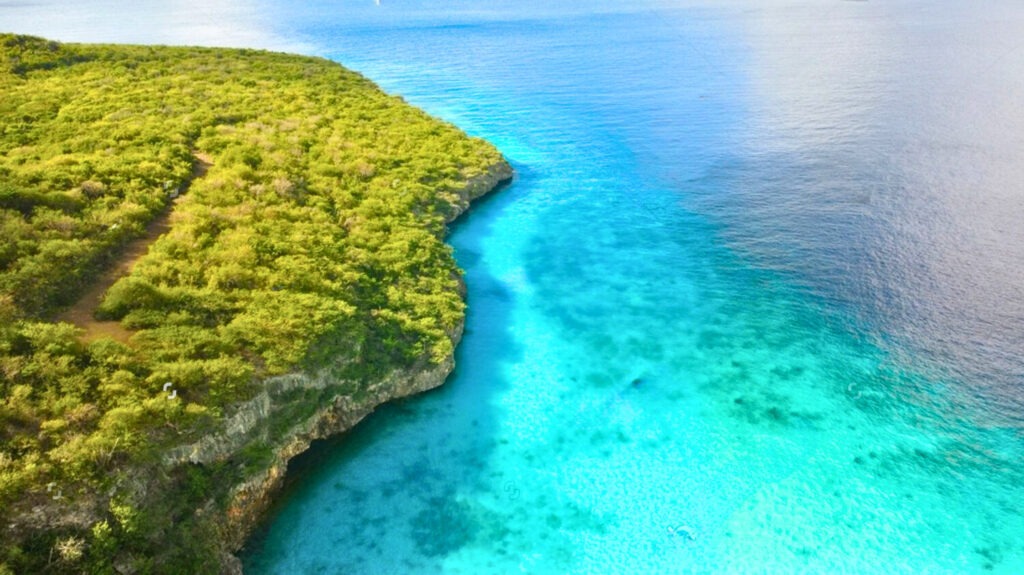
Marketing efforts, such as targeted advertising on social networks and partnerships with influencers, also played a key role in increasing tourist arrivals. Campaigns highlighting the island’s natural beauty, white-sand beaches and crystal-clear waters particularly resonated with consumers.
The economic impact of tourism
Tourism on Curaçao is about more than just arrivals. The economic impact is considerable, generating jobs and supporting many local businesses. Hotels, restaurants and shops benefit directly from the influx of tourists.
In addition, the increase in arrivals has a positive effect on the local economy, encouraging the development of infrastructure and services. Initiatives to promote sustainable development and responsible tourism are also in place to preserve the island’s natural environment while welcoming visitors.
Curaçao, a seductive destination!
All in all, tourism on Curaçao is on an upward trajectory, and the November 2024 arrivals figures bear this out. With strong growth in the Dutch and American markets, and an effective marketing strategy, the island continues to attract visitors from all over the world.
Don’t hesitate to visit the island to enjoy its beautiful landscapes, sunny beaches and rich culture. With the winter season just around the corner, it’s time to experience what this unique destination has to offer!